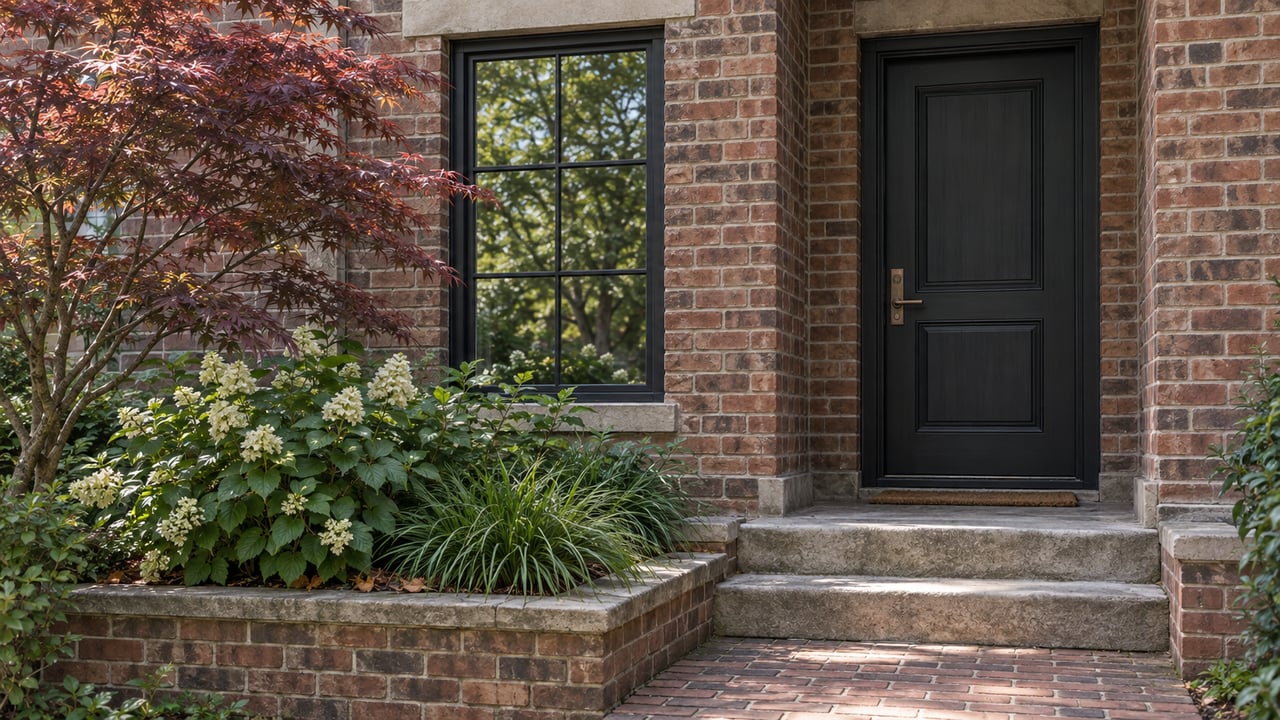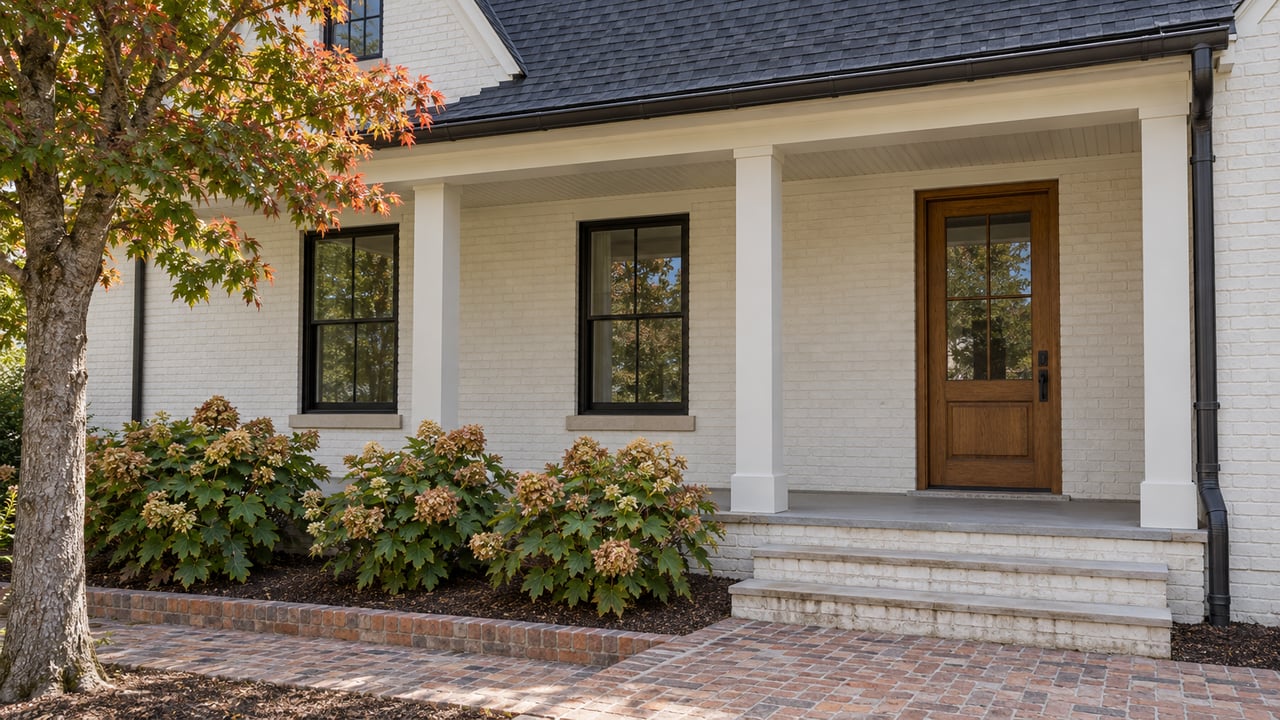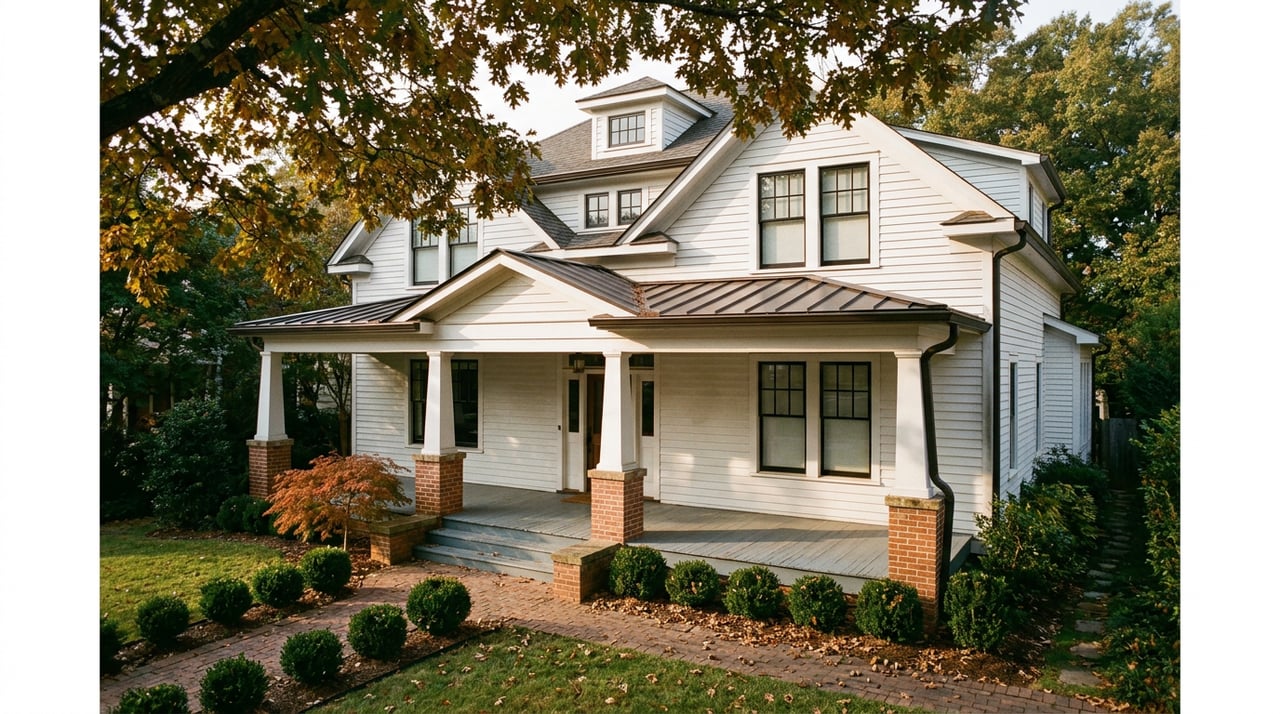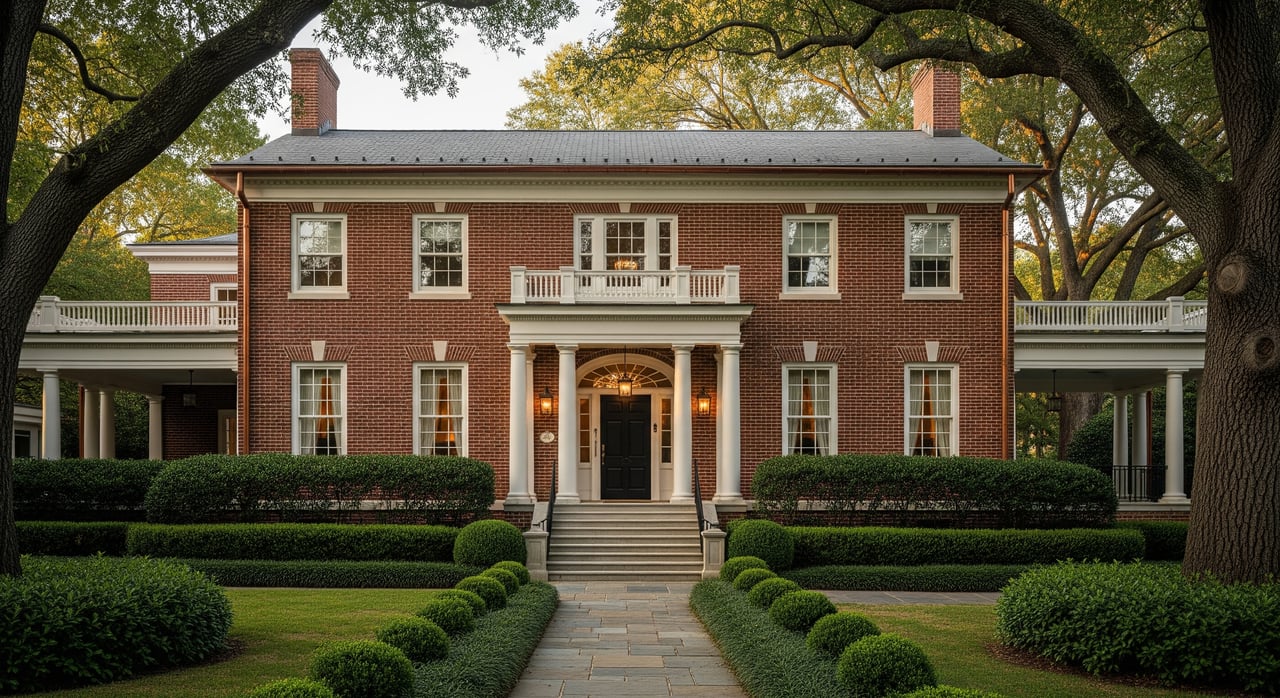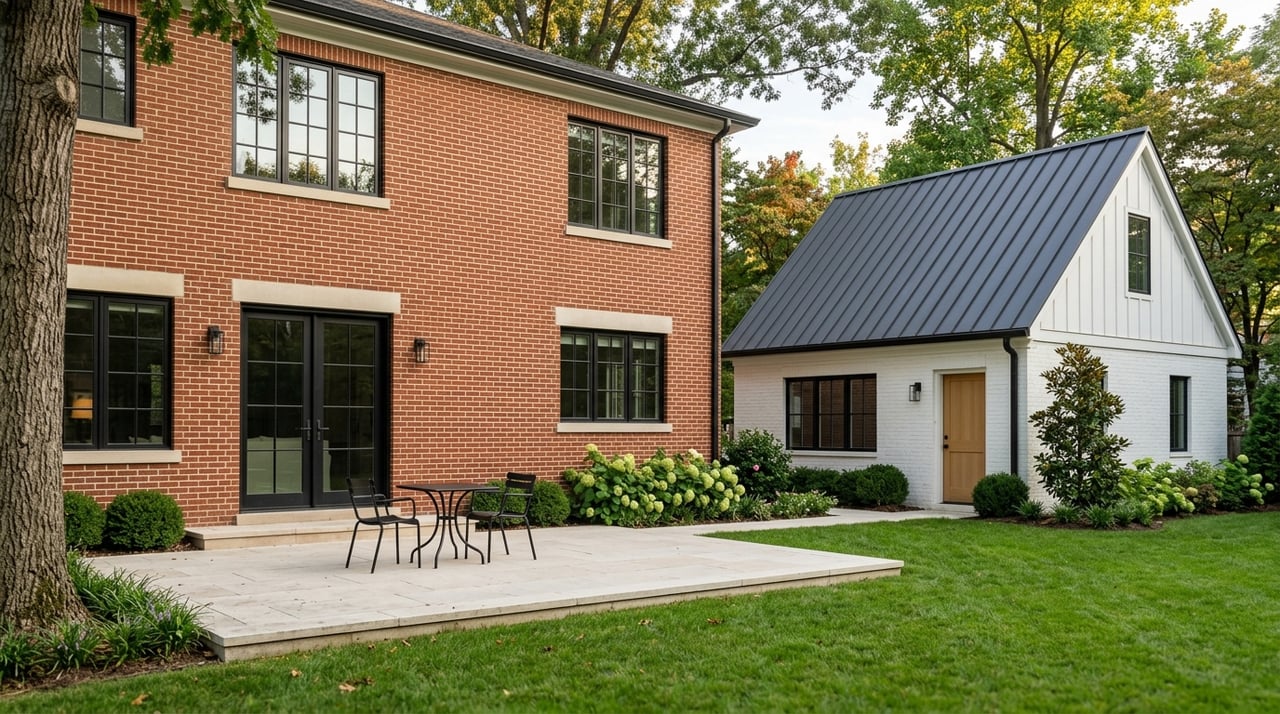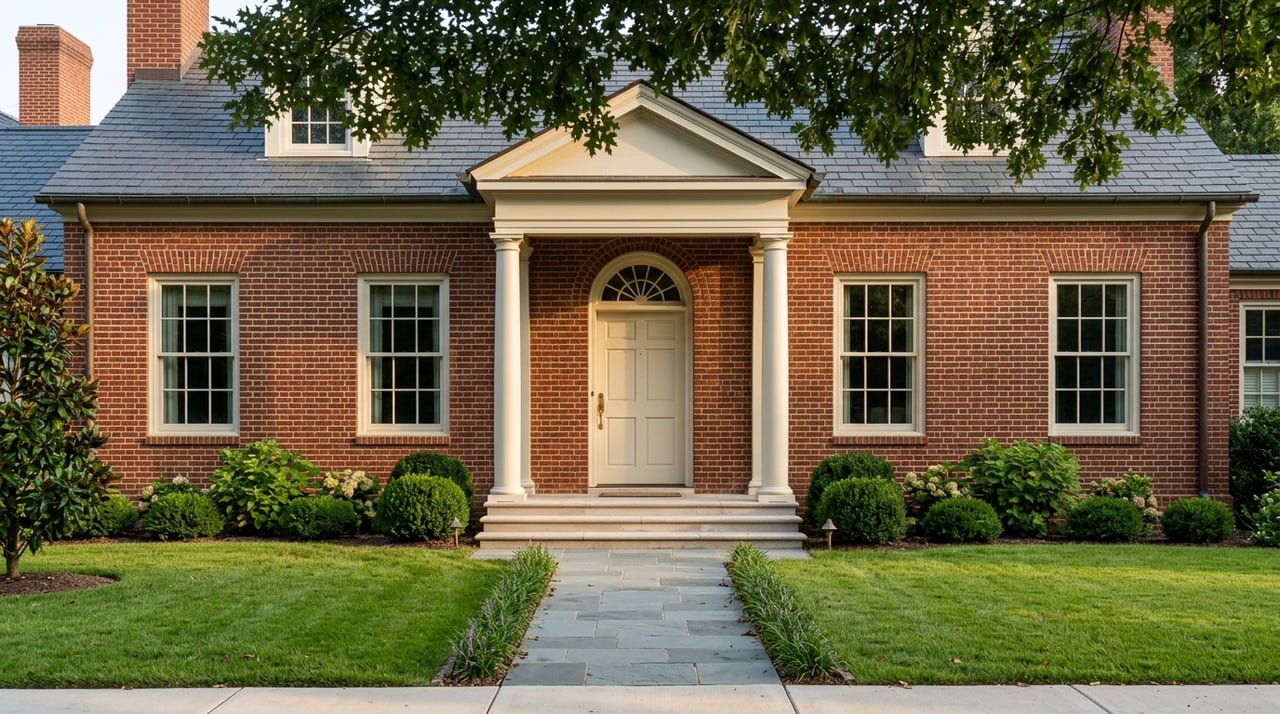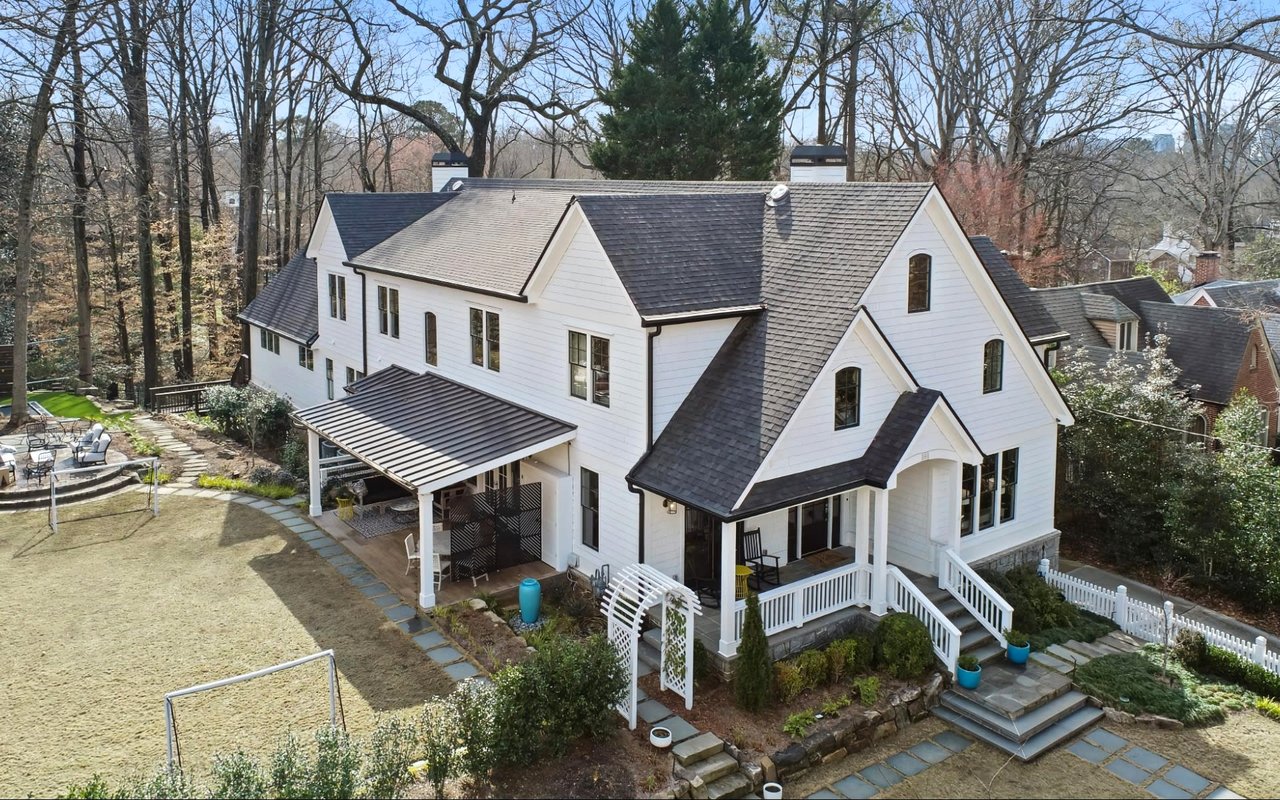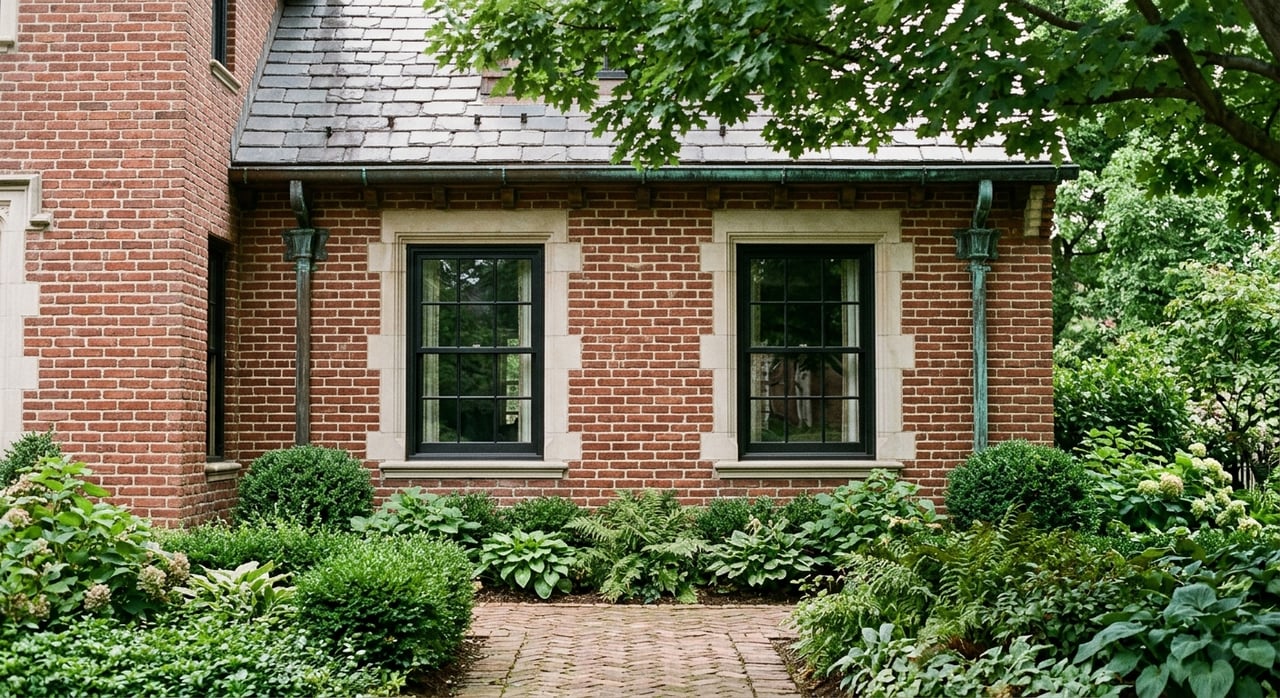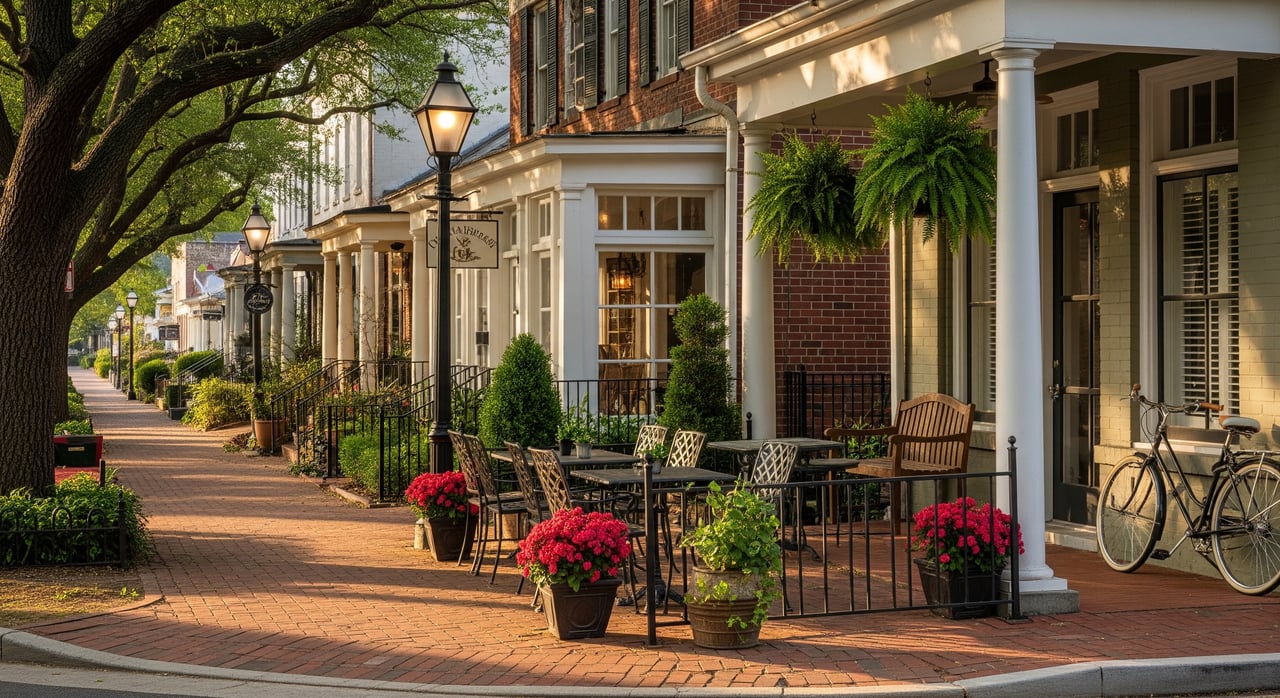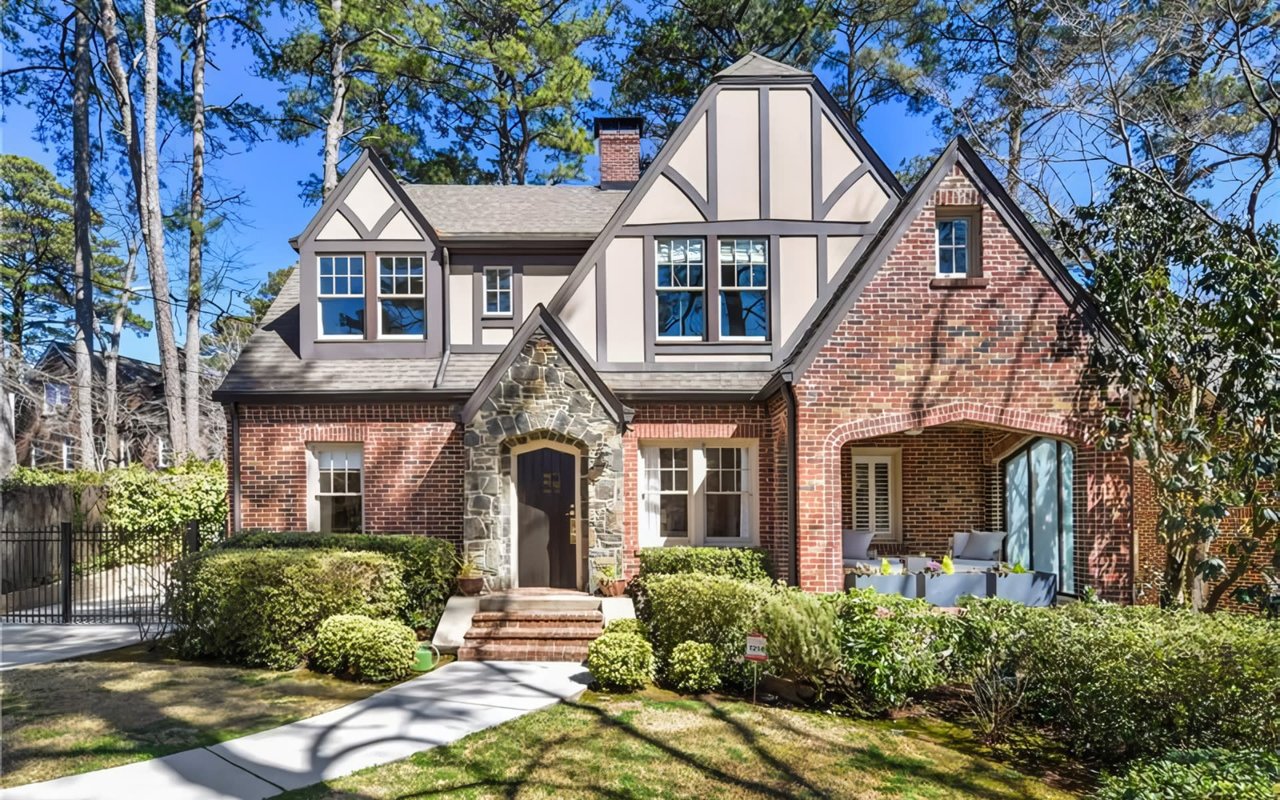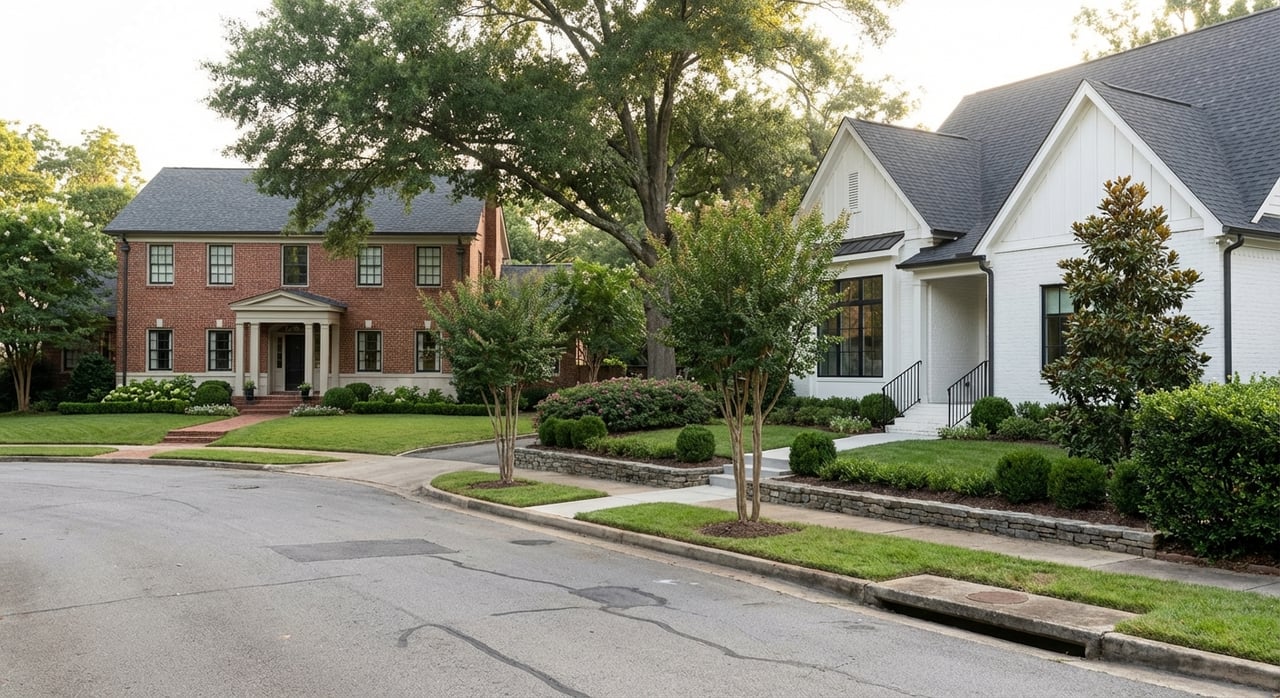
In 1928, Morningside sold its idea of a good house with a single address. 705 E. Morningside Drive was designed by R. Kennon Perry and built by Thomas K. Windham as The Atlanta Constitution Master Model Home, meant to promote better home building through high-grade materials and workmanship. A few years later, with the Depression underway, Herbert C. Kaiser sold Lenox Park differently. He began developing it in 1930 and hired the Atlanta firm Ivey and Crook to design three model houses, The Barclay, The Chateau and The Sussex, plus a set of urn-capped brick piers to mark the development.
Lenox Park's sales effort had several parts: a field office where buyers reviewed plats, a formal garden at the entrance, three model houses and urn-capped markers. Each of them still stands in Morningside-Lenox Park, close enough together to see in one afternoon on foot. The walk ends on a creek trail, where the developers' promise of country living just outside the city still holds.
The Morningside Lenox Park Association led its last guided Morningside history walking tour of 2026 on Saturday, November 14. Each tour was capped at 20 people and required registration. From here through the winter, the walk is yours to do on your own. The houses below are private homes, so see them from the sidewalk.
Start Where Buyers Did, at 1585 Lenox Road
Lenox Park's field office was at 1585 Lenox Road. According to MLPA's walking tour of Morningside/Lenox Park, prospective buyers came here to review plats and homesite information, and the Lenox Park Garden Club met monthly at the land office through the 1930s. A "Lenox Park" stone still sits near the curb.
The Rose Bowl at 1000 E. Rock Springs Road
Sunken Garden Park sits between E. Sussex, W. Sussex, E. Rock Springs and Plymouth, and it really is below street level. MLPA's 1930s history page calls it the entrance to the new Lenox Park neighborhood. The developers planted a formal rose garden here to promote country living just outside the city. Nearby households sent their gardeners down to tend the beds, which is how the park got its nickname, the "Rose Bowl."
The park was part of the advertising, planted to make the case for the whole development. The same MLPA page passes along a rumor that an elephant from a traveling circus is buried here.
The park's later history is a neighborhood one. After years of neglect, MLPA rallied in 1985 to reclaim it for gatherings such as movies and concerts. The former Lenox Park Garden Club planted dogwoods in the park to remember those who fought in World War II. Today it has a playground shaded by trees added over the years and an open play area on its southern side, at 1000 East Rock Springs Road. In the 2020s, the Friends of Sunken Garden Park have been working on drainage, landscaping and updated play structures.
Three Model Houses, Three Different Pitches
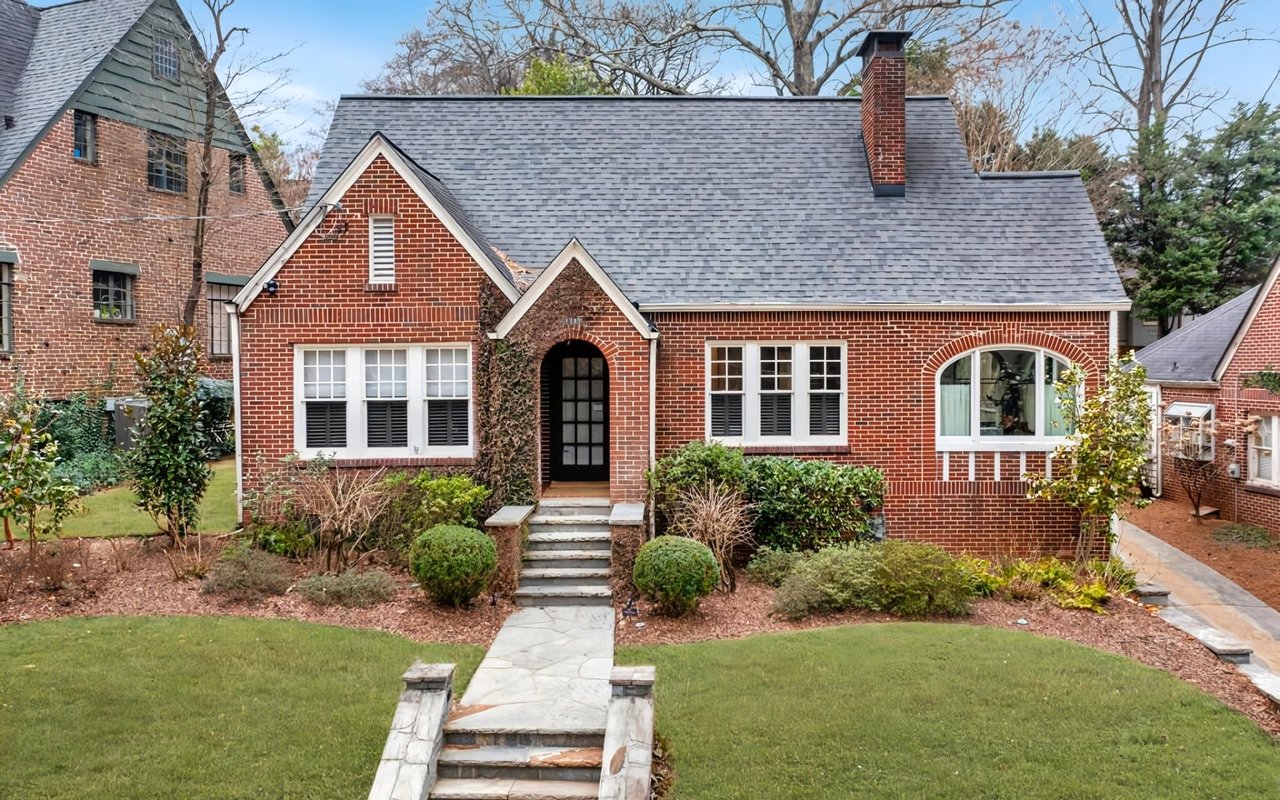
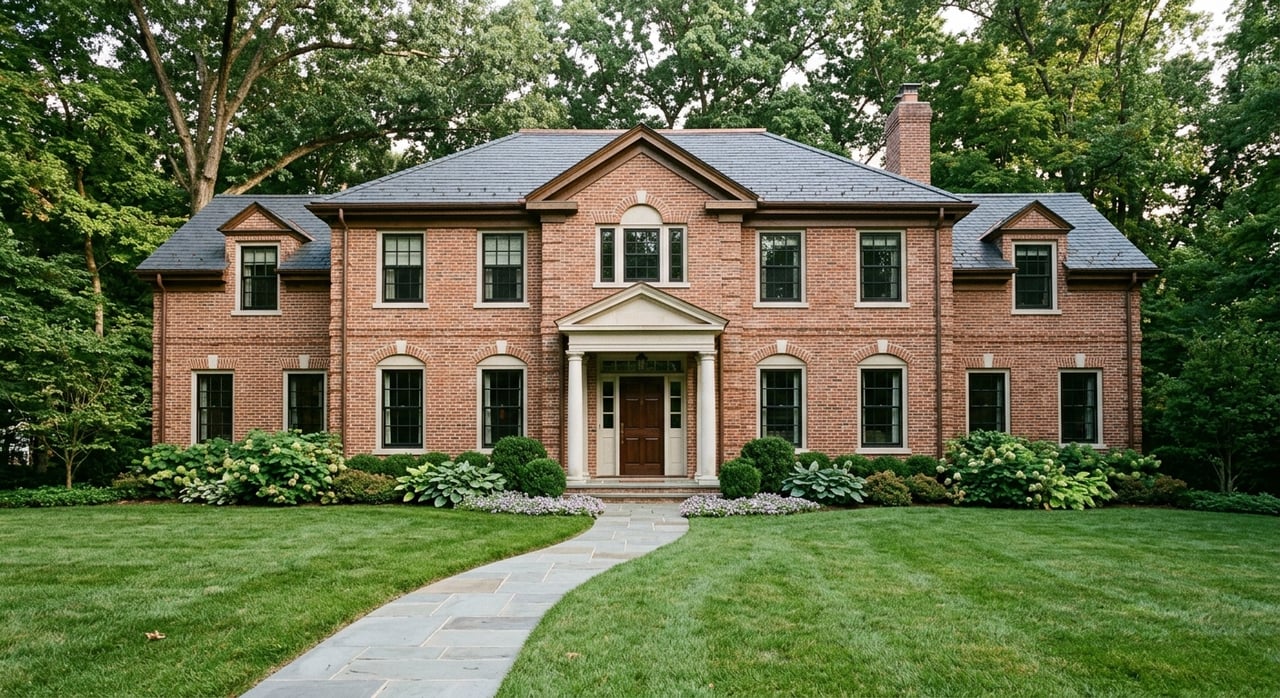
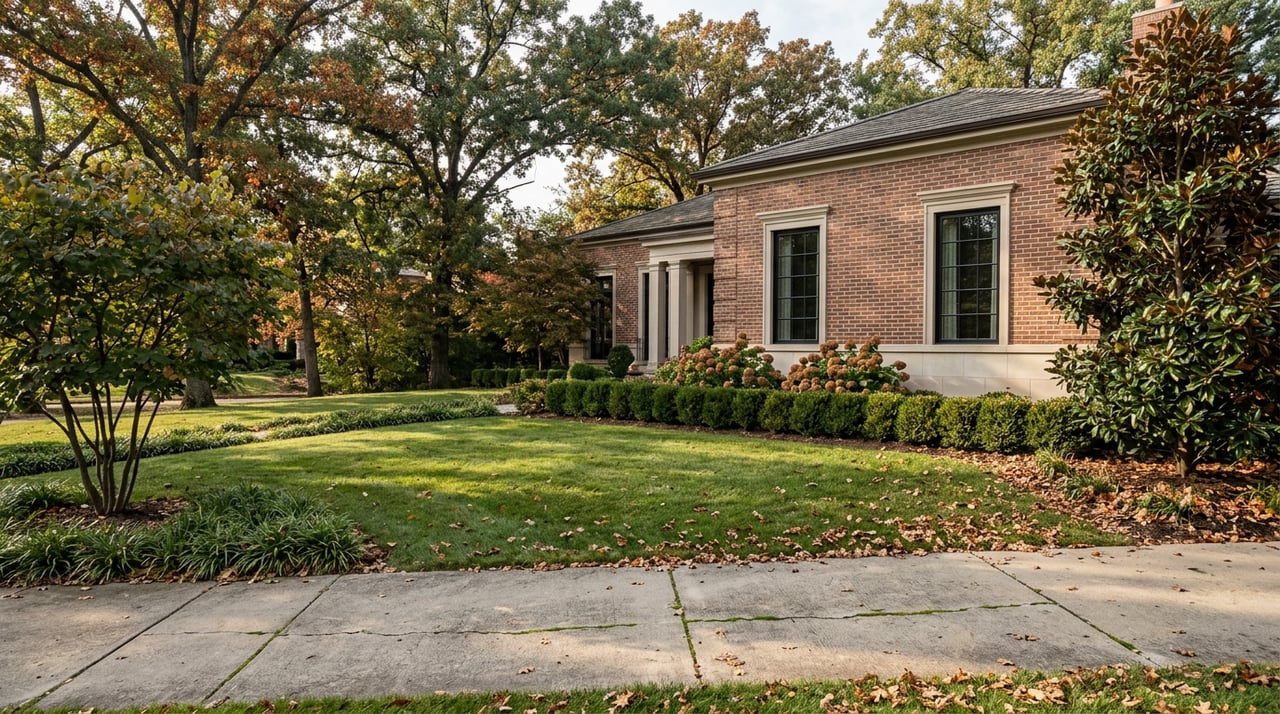
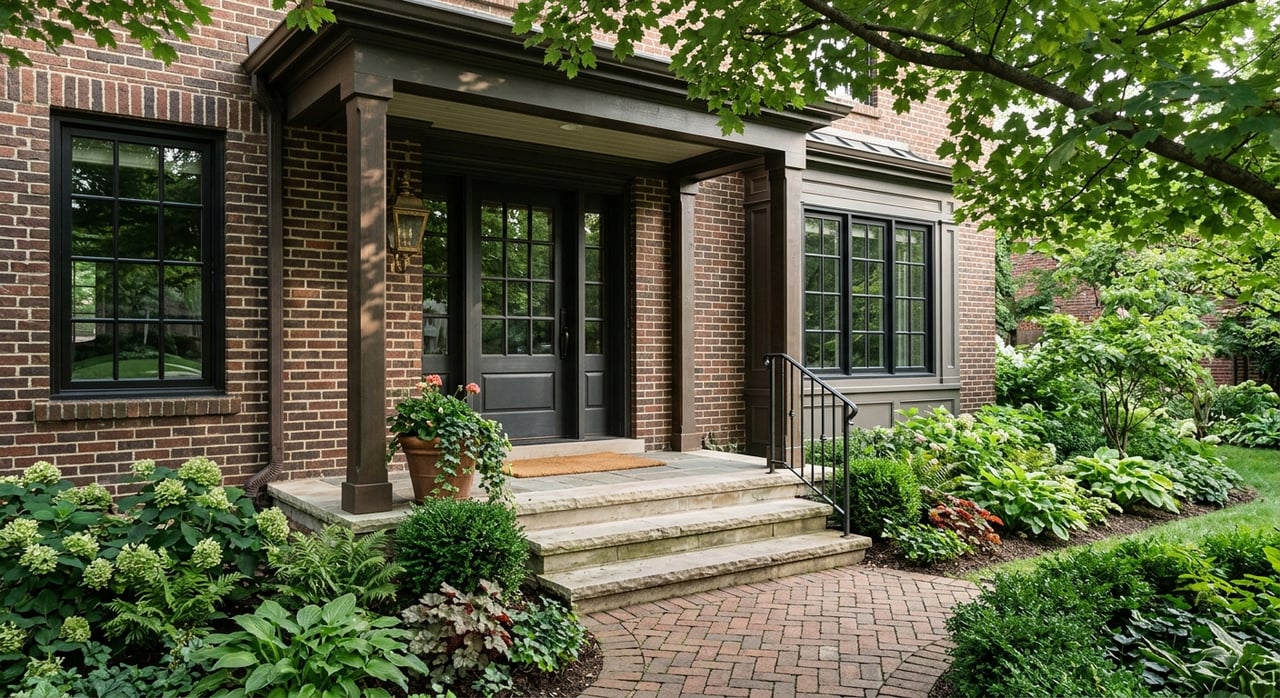
Kaiser's three models differ in size and style, from a one-story English cottage to a two-story French brick house.
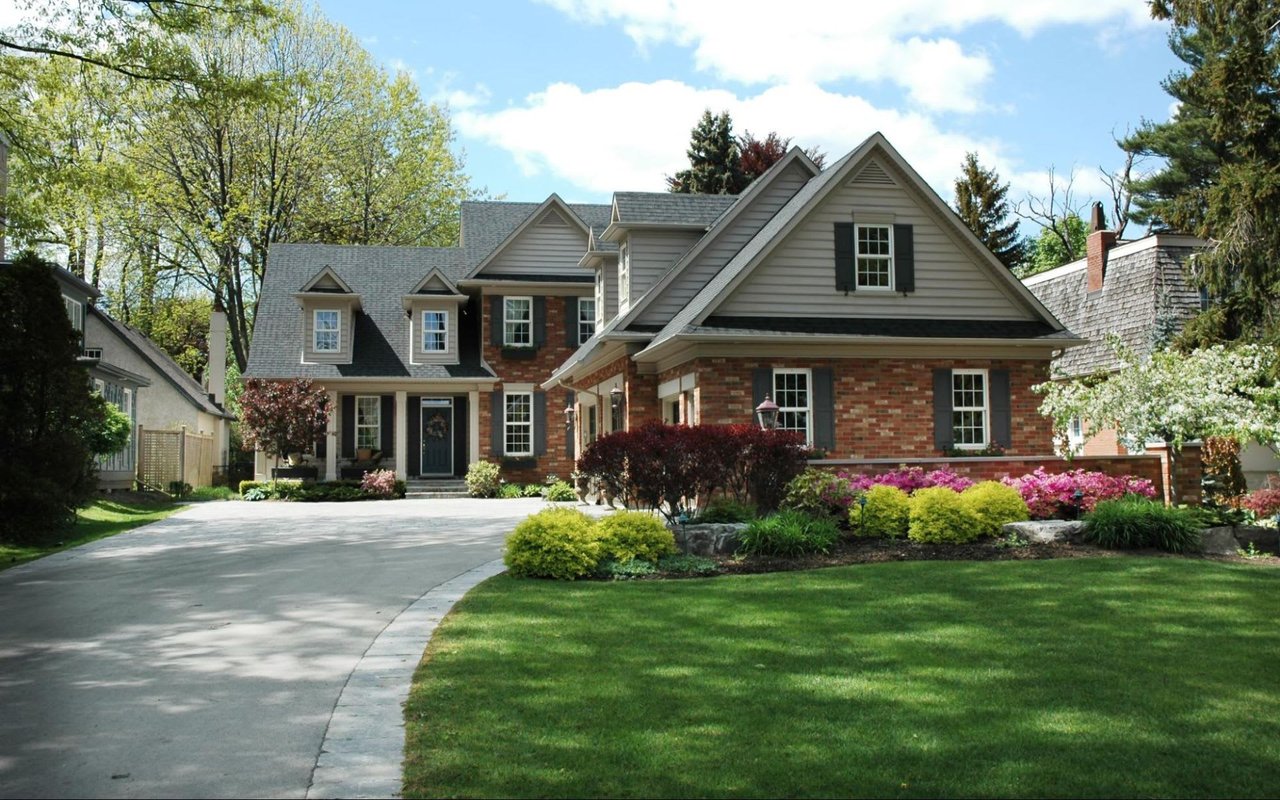
The Sussex, 1625 E. Sussex Road. Lewis Crook of Ivey and Crook designed this one to promote the development. The New Georgia Encyclopedia dates it to 1931 through 1933, later than the other two. The MLPA tour notes that you can glimpse it from the Morningside Nature Trail, so keep it in mind for the end of the walk.
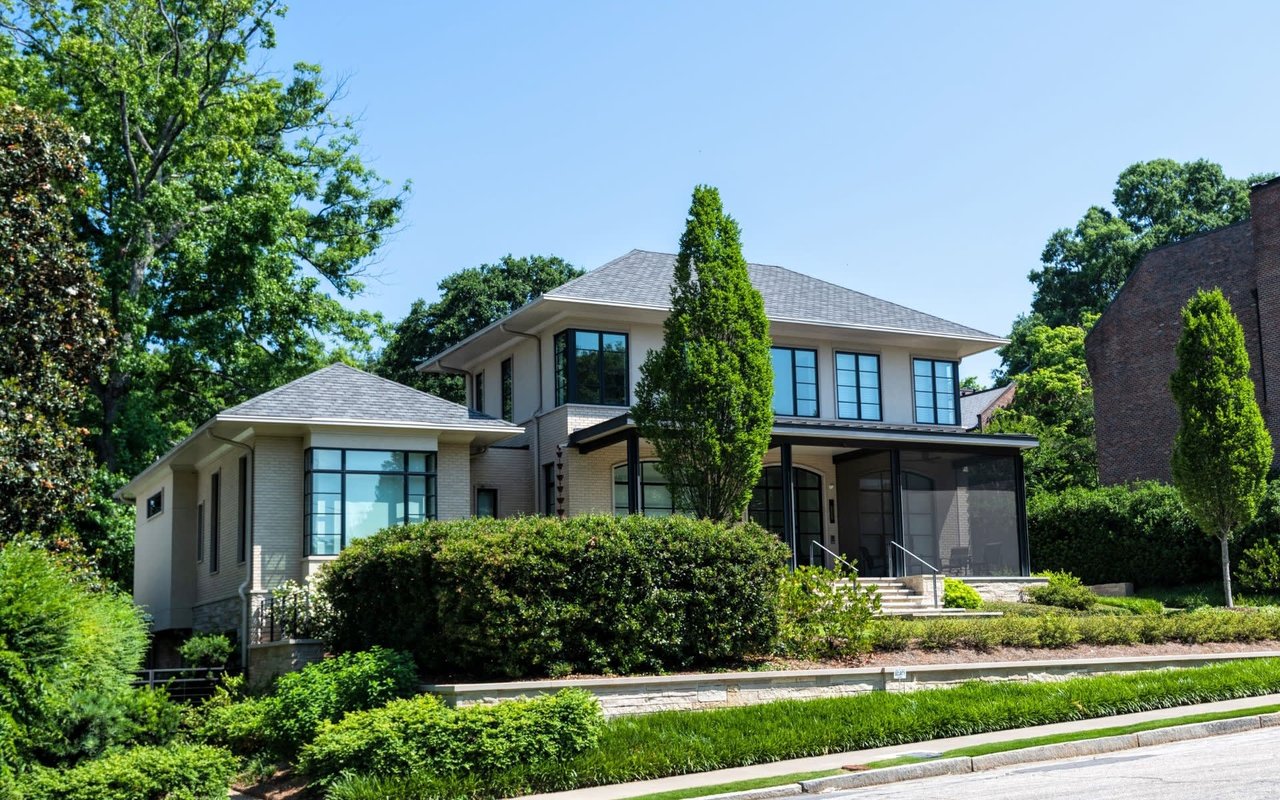
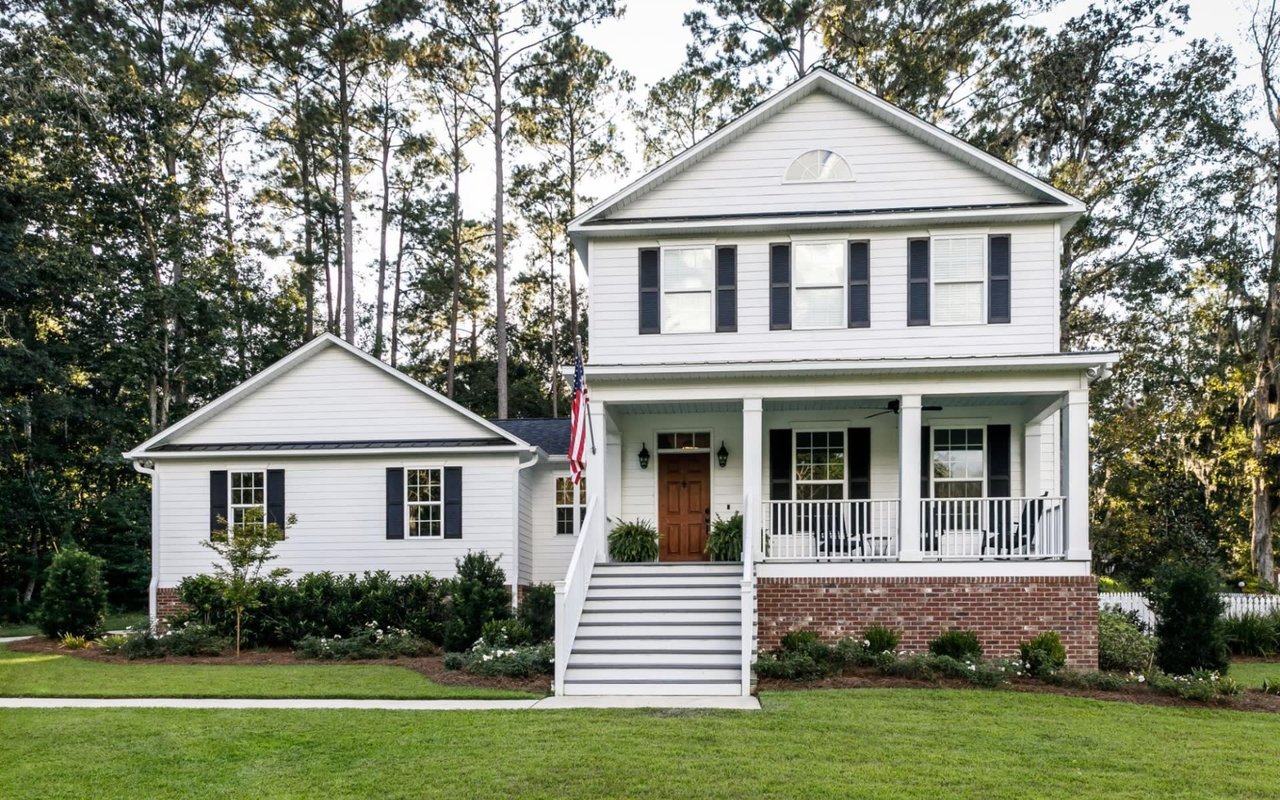
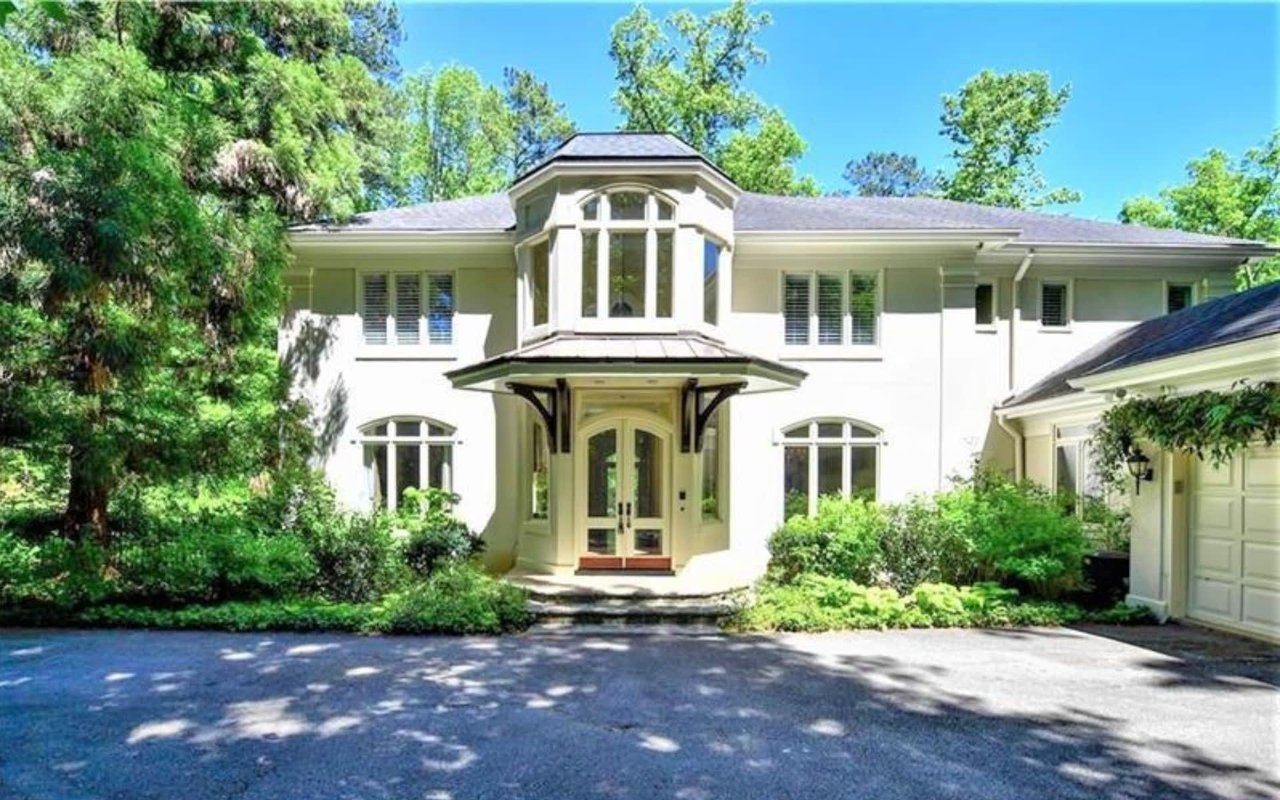
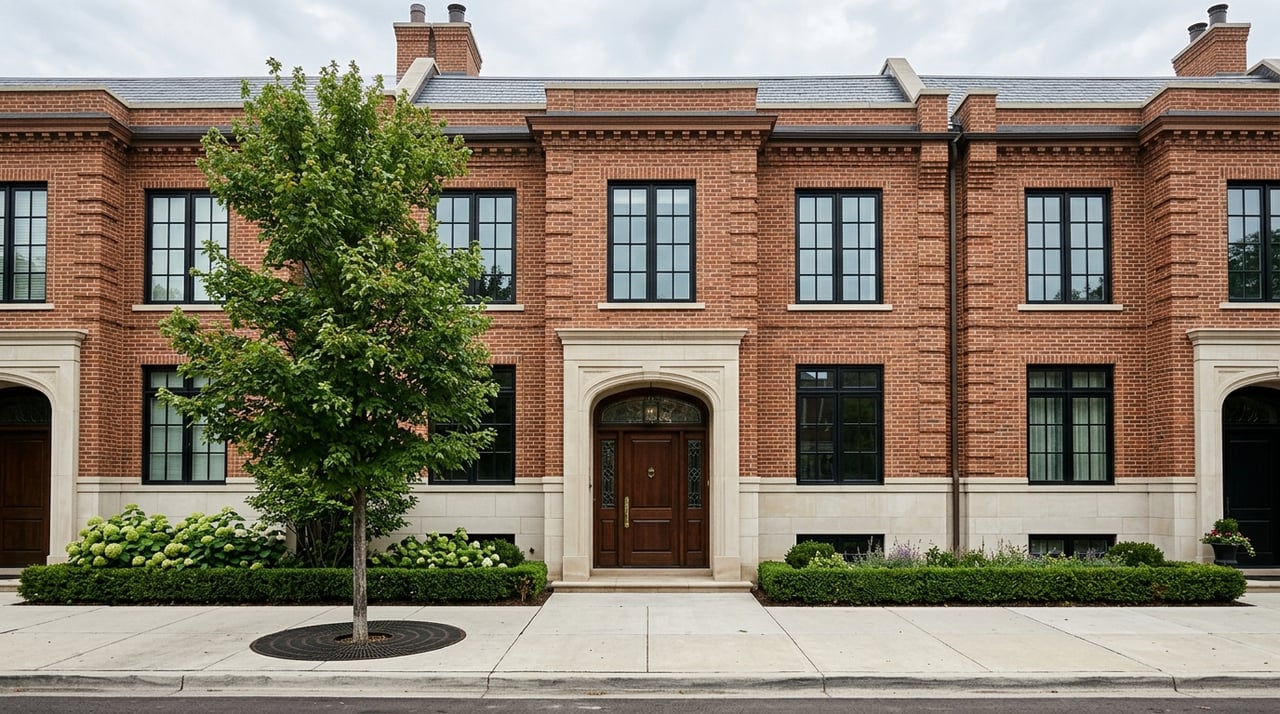
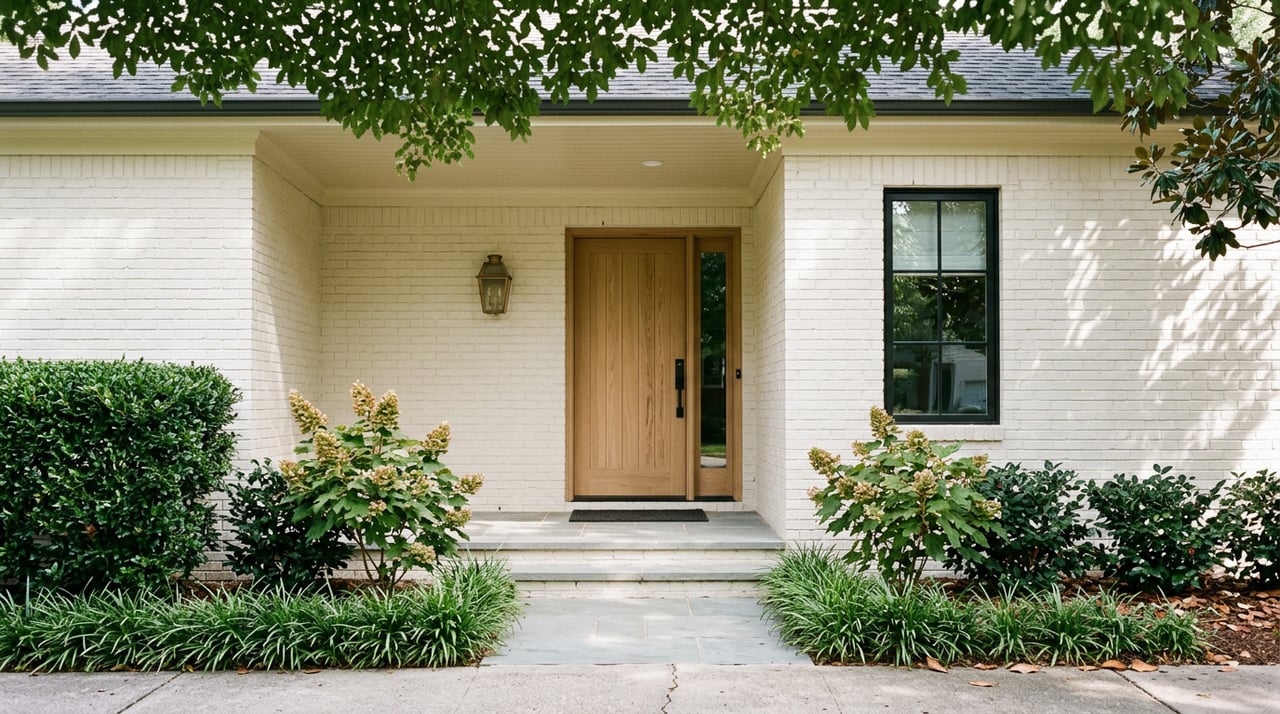
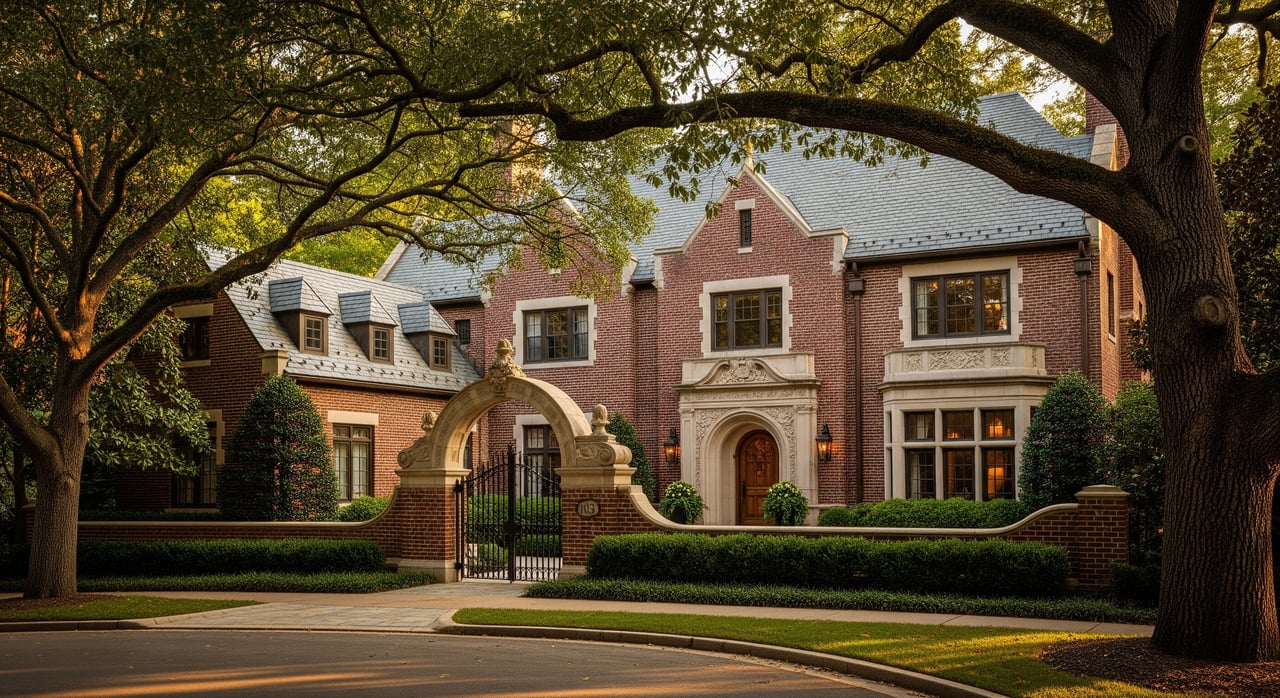
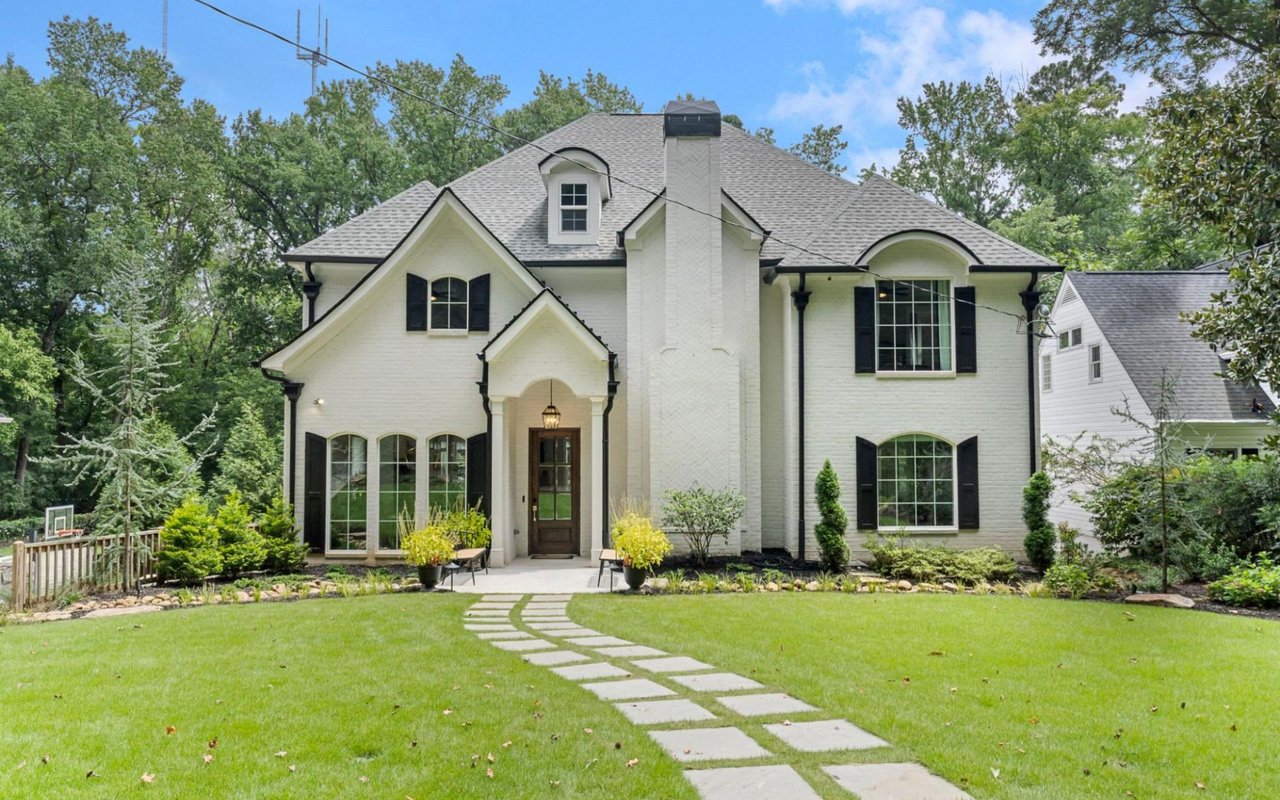
The Chateau, 963 Plymouth Road. Promotional pieces called it "The Chateau." It is a two-story, white-painted brick house with French inspirations, designed by Ivey and Crook. Of the three, it is the formal one.
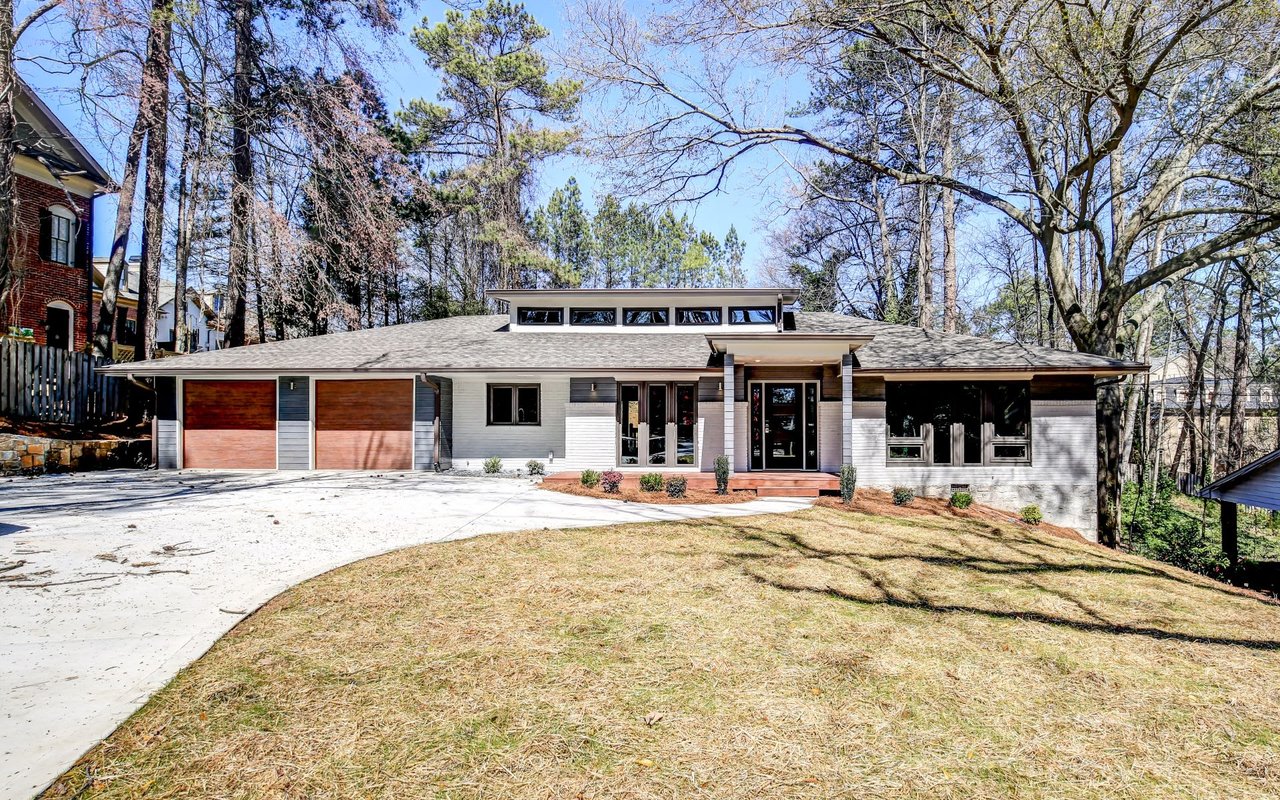
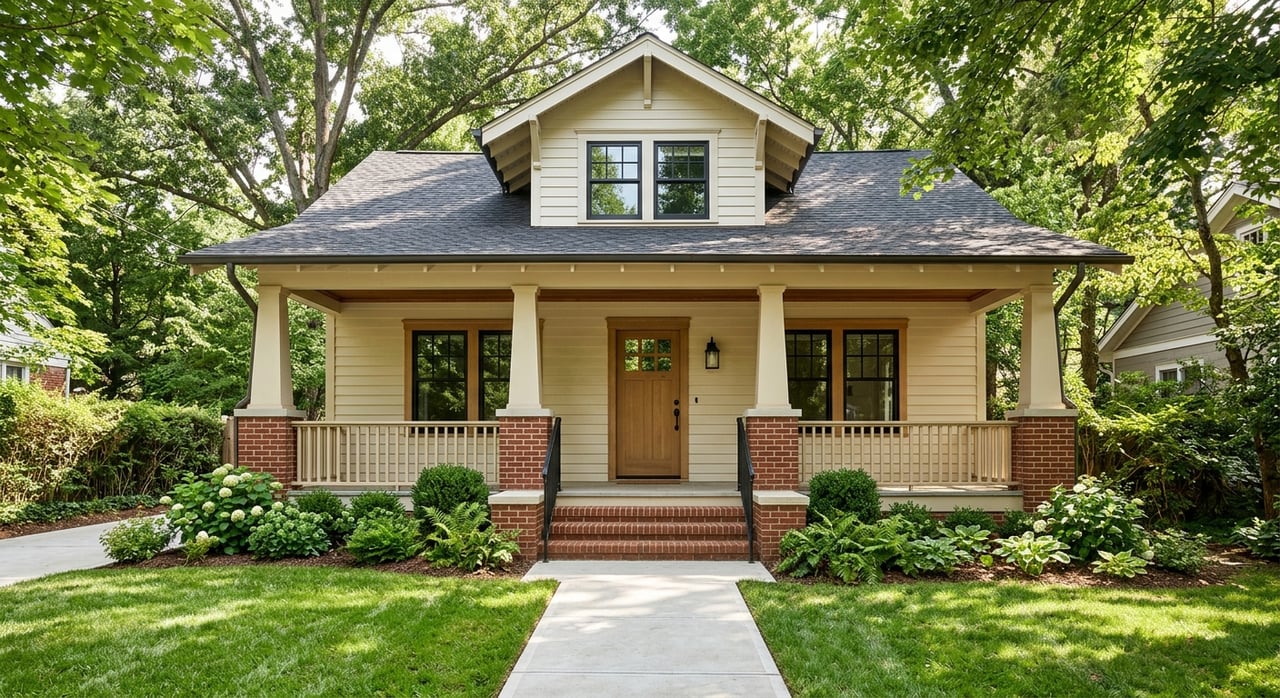
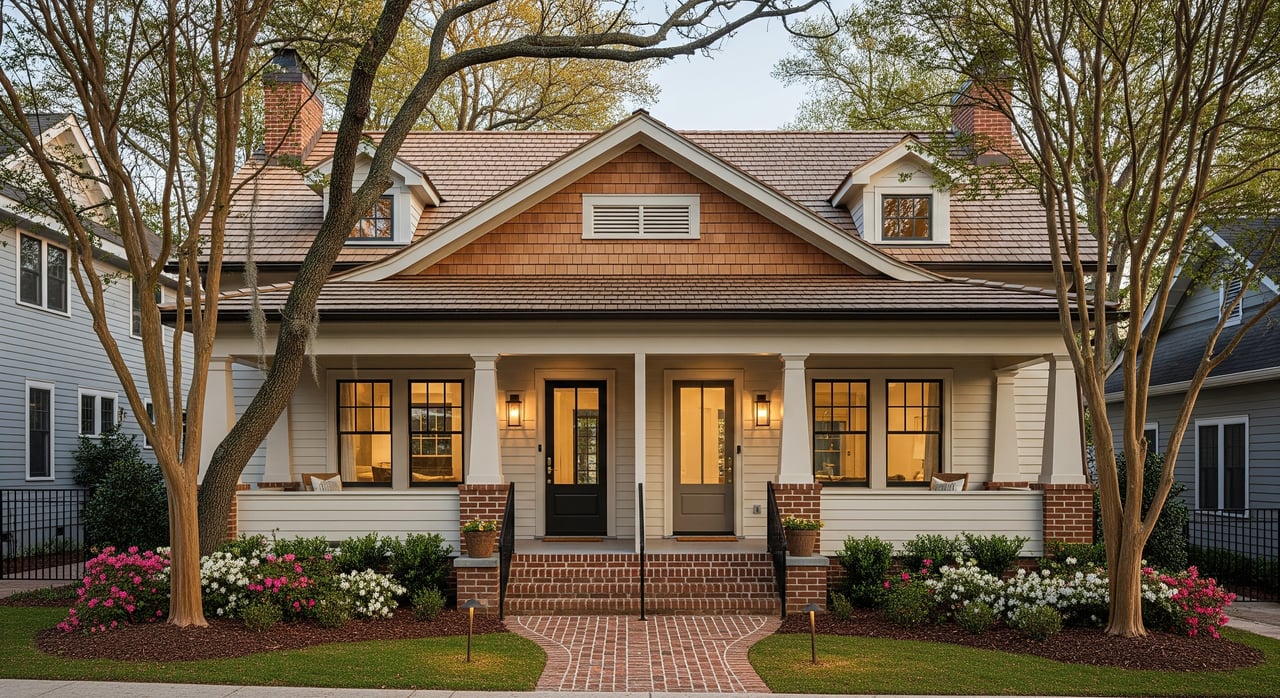
The Barclay, 1607 Barclay Place. The advertising called it a "handsome modified English-type one-story dwelling," also by Ivey and Crook.
One door away on the same street, 1627 Barclay Place shows what building looked like once the Depression set in. The MLPA tour calls it "a beautiful result of the Great Depression," built in the early 1930s with the help of out-of-work Georgia Tech professors, and points to its interior wood and plaster work and its brick and stone facade. Kaiser was selling houses at a time when skilled hands were looking for work, and the craftsmanship on this block reflects it.
The Marker That Drew the Line, 878 Plymouth Road
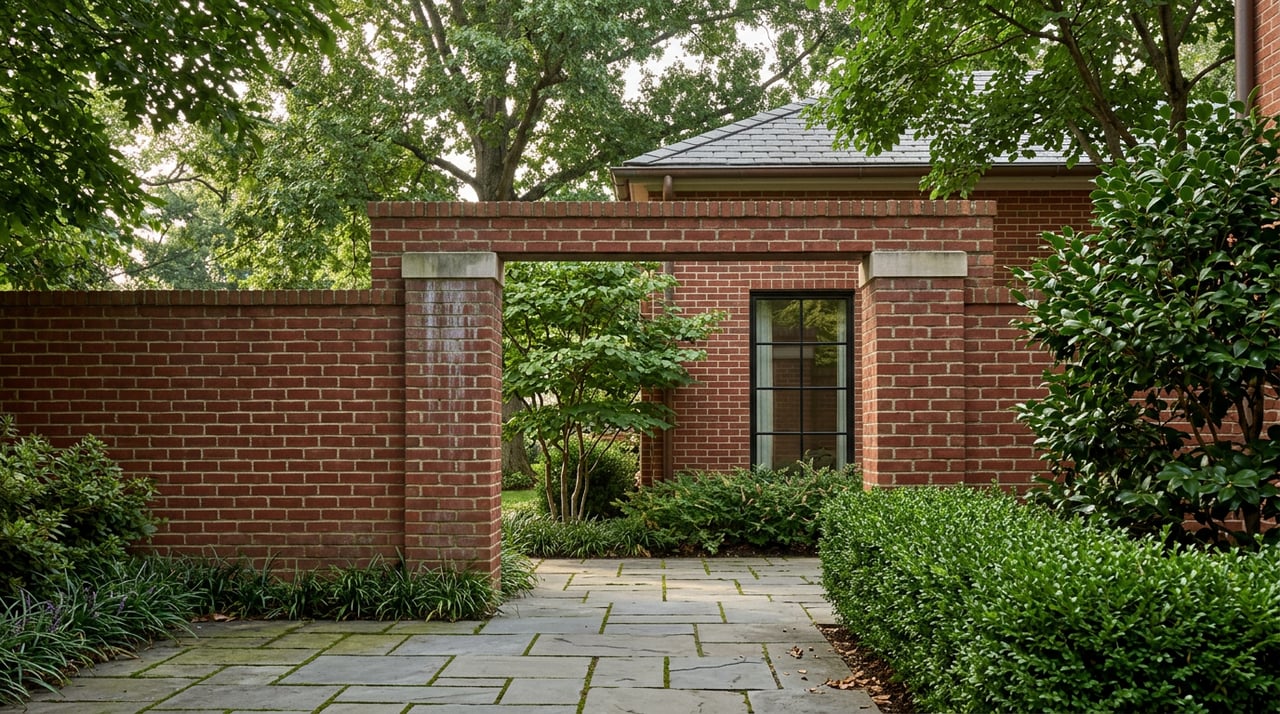
The original Lenox Park marker still stands at 878 Plymouth Road. It is an urn-capped pillar, and according to the New Georgia Encyclopedia, Ivey and Crook designed these monuments in the early 1930s. Twelve were duplicated in 1989 to mark the boundaries and entrances of the Morningside/Lenox Park neighborhoods.
The piers began as a developer's way of telling buyers where Lenox Park started. The copies now mark the whole combined neighborhood, so a symbol from one 1930s subdivision ended up standing for all of Morningside-Lenox Park. That neighborhood brings together six original subdivisions: Morningside, Lenox Park, University Park, Noble Park, Johnson Estates and Hyland Park. Once you have seen the pillar at 878 Plymouth, you will start spotting its copies at the neighborhood's edges.
What Filled In After the Pitch
The next few stops show what went up around the model homes over the following decade.
At 636 Rockmont, builder J. Thomas K. Windham built his own home in 1932. Its brick and stone work in the Tudor eclectic style seems to prove what his company's ads claimed, that Windham homes would "age with dignity." This is the same Windham who built Morningside's 1928 newspaper model home, so one builder's work connects the two ways the neighborhood sold itself.
In 1941, members of Haygood Methodist Church bought four acres at the corner of E. Rock Springs and Sussex roads. Because of World War II, the church wasn't completed until 1947. The congregation dates to 1925 and first met at N. Highland Avenue and Lanier Place.
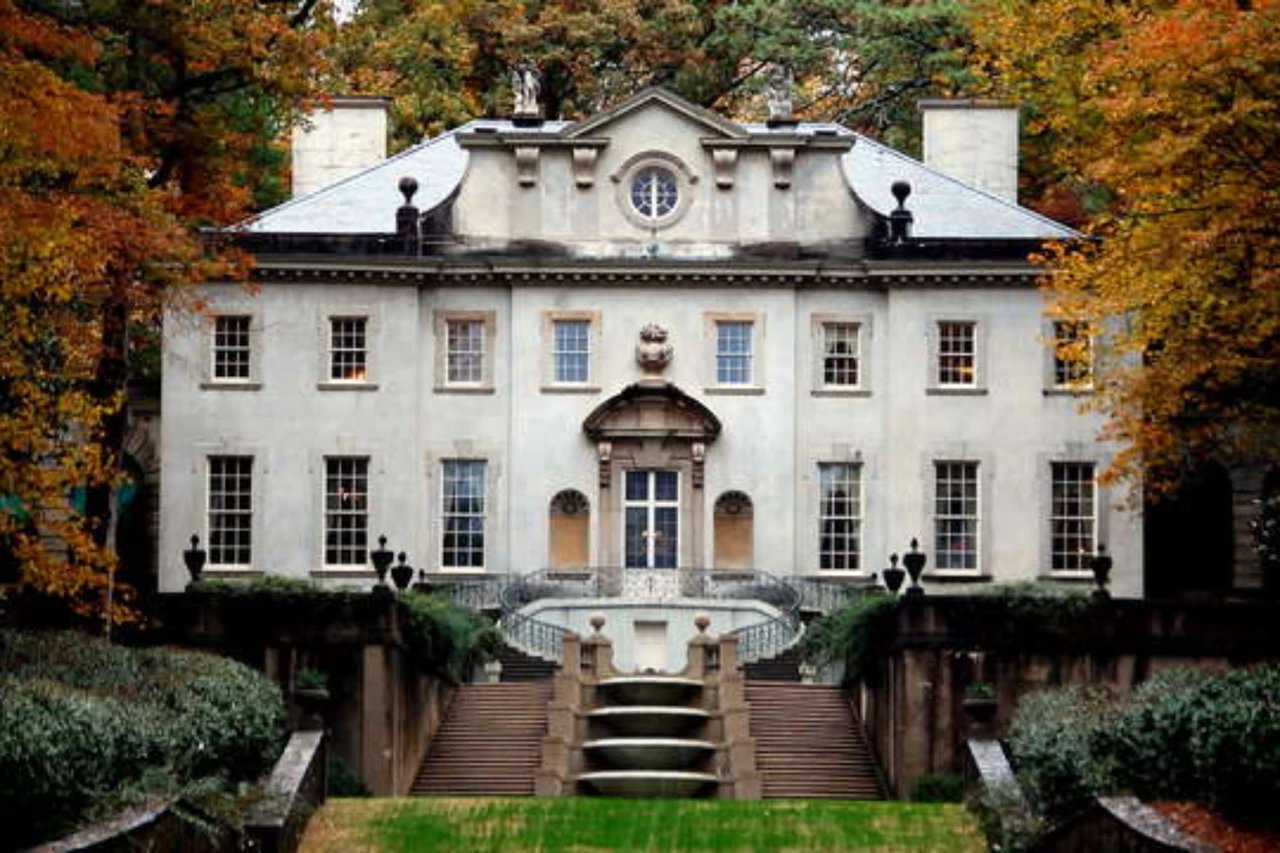
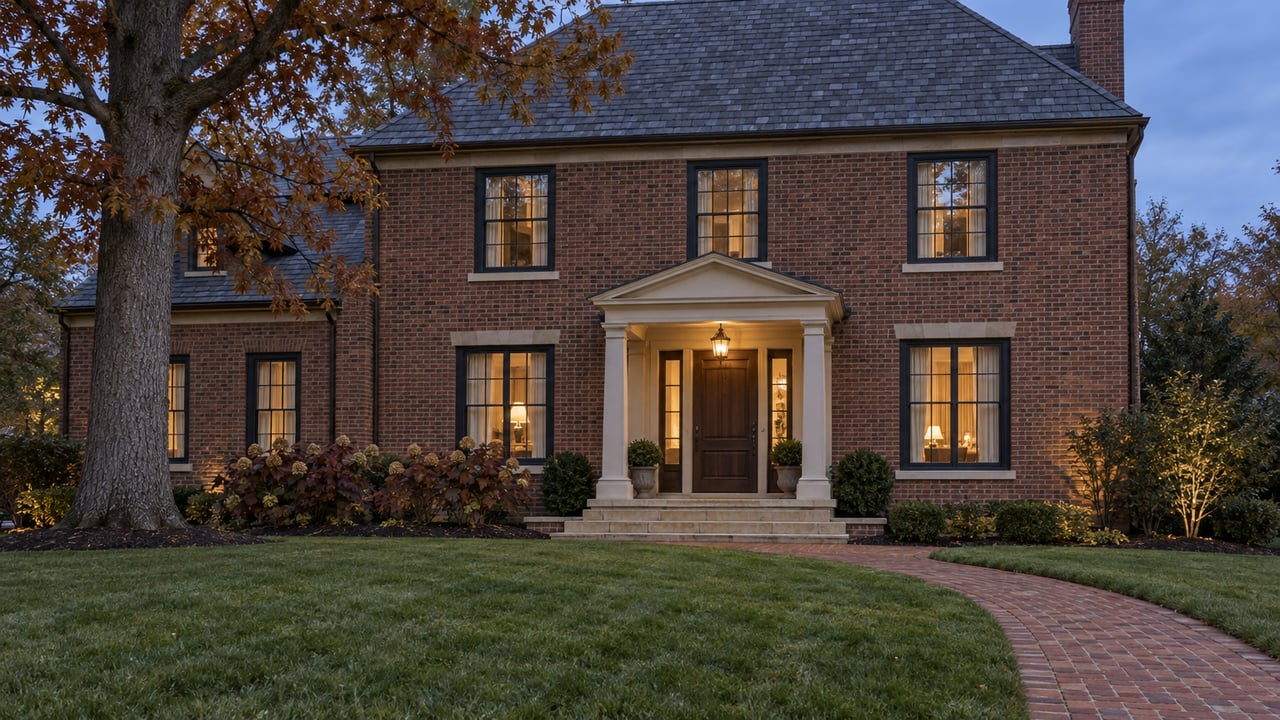
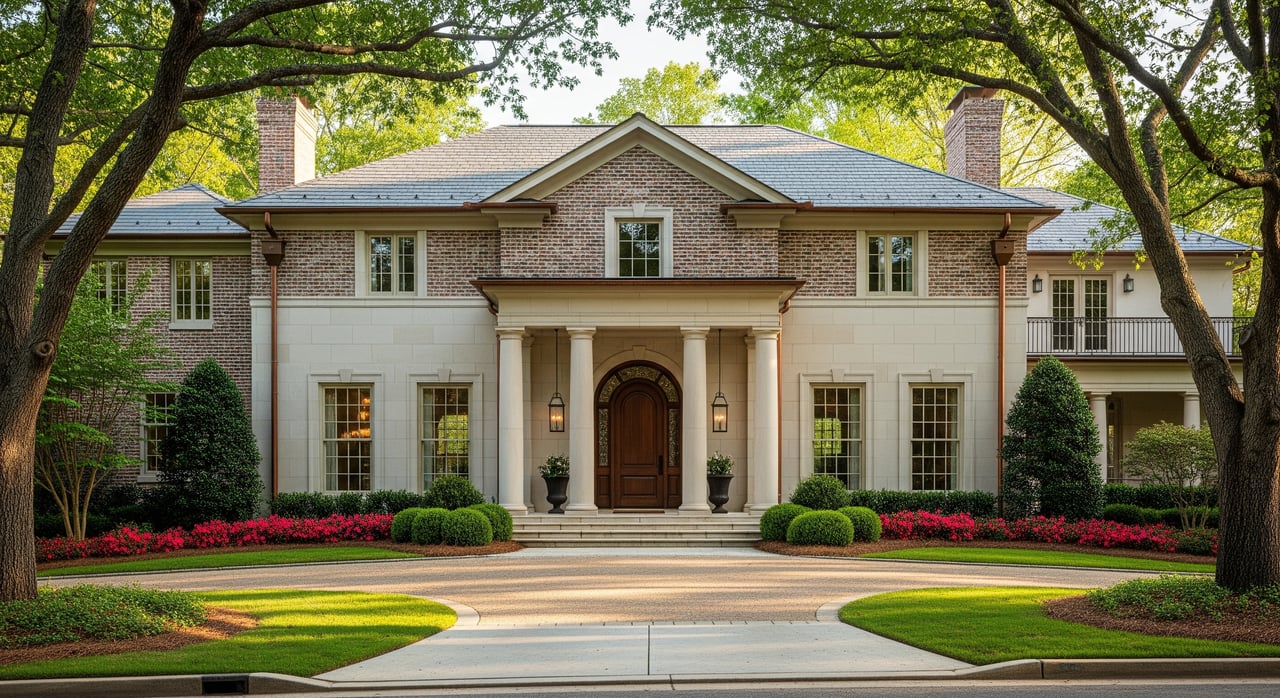
Also in 1941, Philip Shutze designed the grand residence at 1750 W. Sussex as an interpretation of the Governor's Palace at Williamsburg. The MLPA tour says its original owner, Harry Dwoskin, insisted on the highest quality of workmanship. Shutze also designed the Swan House on the grounds of the Atlanta History Center. A decade after Kaiser's modest English cottage, the same streets had a Williamsburg palace by one of Atlanta's great classical architects.
At W. Sussex and Wildwood, look for the stone wall with an embedded millstone. Sonny Reece of the former Monroe Landscaping Co. built it after a trip to Italy, and MLPA counts it as a neighborhood landmark.
End on the Creek, Where the Pitch Still Holds
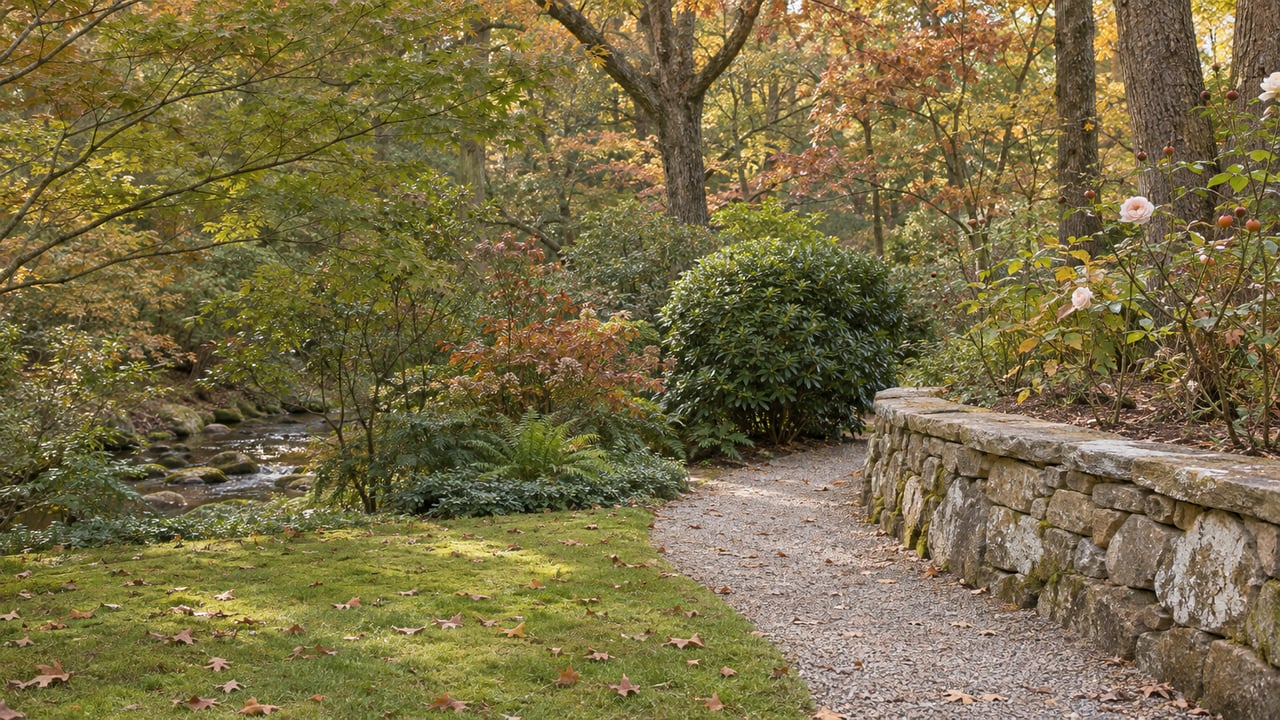
The Rose Bowl promised country living just outside the city. The best surviving version of that promise is behind the park. The Morningside Nature Trail runs through a densely forested ravine between Plymouth and Berkshire roads, and the MLPA tour says it probably resembles what Sunken Garden Park looked like before it was developed.
MLPA's parks page says the trail follows Morningside Creek from Plymouth to Berkshire and connects Sunken Garden with Lenox Wildwood Park. A newer bridge over Morningside Creek, running from the trail into the Lenox Wildwood meadow, makes the whole linear park accessible. Lenox Wildwood Park, at 1760/1746 Lenox Road, sits in the creek's natural valley and has two tennis courts and a picnic area. According to the walking tour, it also has off-street parking, and its land behind the tennis courts reaches all the way to Berkshire Road. That parking makes it an easy place to start or finish if you would rather drive to the loop. Dogs are welcome in MLPA's parks on leash.
On the walk from the garden to the meadow, look up the ravine for The Sussex through the trees, as the tour describes. Kaiser's first buyers had to picture the woods from a plat in his office. Today you can walk straight through them and come out on Lenox Road a short way from where that office stood.
If you own one of these 1930s Lenox Park houses, an Ivey and Crook design or one of the Tudors that grew up around them, its history is part of its value, and it should be part of how the house is presented whenever you decide to sell. Molly Carter Gaines would be glad to talk through how your house's story fits the market, and you can start with a Morningside home valuation or a look at our Morningside-Lenox Park neighborhood guide.