You fell in love with an Inman Park front porch, but now the contract clock is ticking. Georgia’s due diligence process moves fast, and it works a little differently than what you may have seen in other states. If you understand the timelines, the two types of buyer payments, and which inspections are most important for historic homes, you put yourself in control. This guide breaks down what to expect in Inman Park and how to use due diligence to protect your investment and negotiate with confidence. Let’s dive in.
What due diligence means in Georgia
In Georgia, your contract typically includes a negotiated due diligence period that starts after both parties sign. During this window, you can investigate the property and decide whether to move forward. You can usually terminate for any reason within this period as long as you give written notice by the deadline.
You will see two separate buyer payments in most deals:
- Due diligence fee: A negotiated, typically nonrefundable payment paid to the seller at contract signing. If you terminate during due diligence, the seller usually keeps this fee.
- Earnest money deposit: Held by the escrow holder. If you terminate within the due diligence period according to the contract, your earnest money is usually returned. If you close, funds are credited per the contract.
Most Georgia transactions use Georgia Association of REALTORS forms. The exact language in your fully executed contract controls your rights, deadlines, and what happens to funds.
Timelines and key deadlines
Due diligence length is negotiated. In a competitive moment, you may see shorter windows such as 7 days. For older or more complex properties, buyers often request 14 to 21 days to fit inspections, permit checks, and survey review.
A common flow looks like this:
- Day 0: Contract is binding. Pay due diligence fee to the seller and deposit earnest money with the escrow holder.
- Days 1 to 7 or 14: Complete general and specialty inspections, order a survey, and begin permit history and title review.
- By the due diligence deadline: Choose to proceed, request repairs or credits and sign an amendment, or terminate in writing.
Most Georgia contracts include “time is of the essence” language. That means your rights depend on written notice given before the deadline. Missing a termination cutoff can change what happens to earnest money.
Inspections Inman Park buyers prioritize
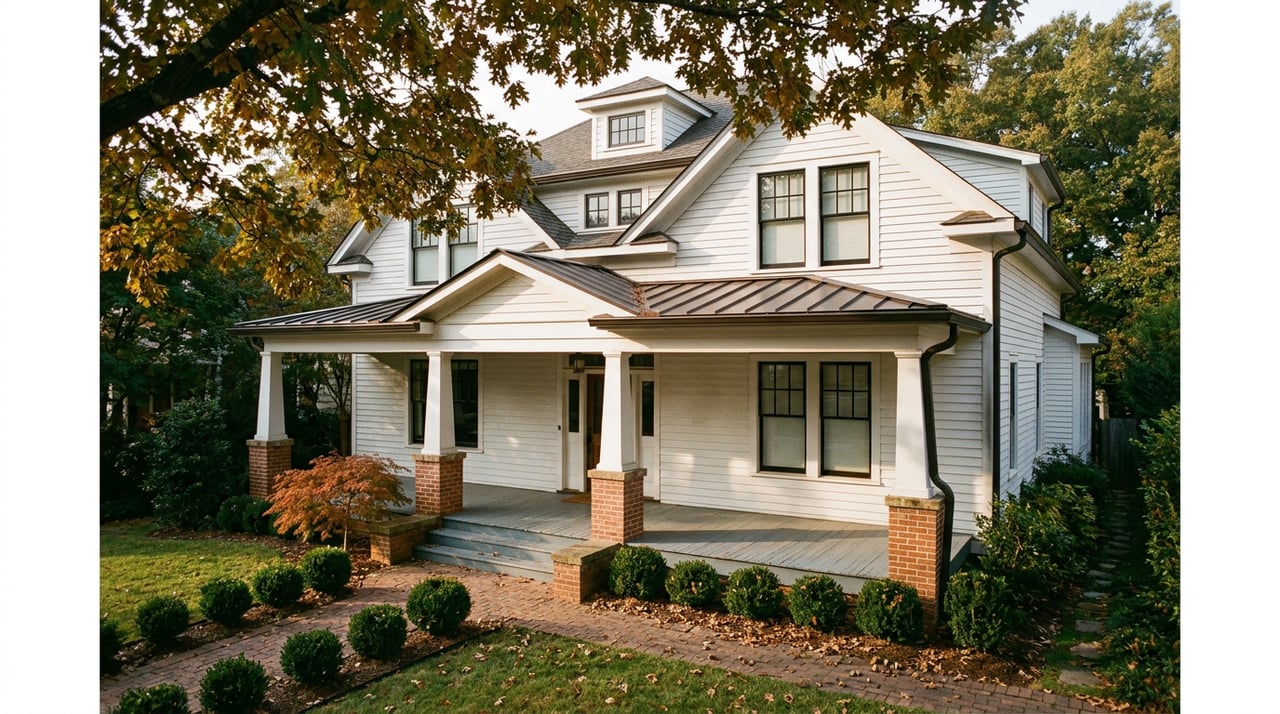
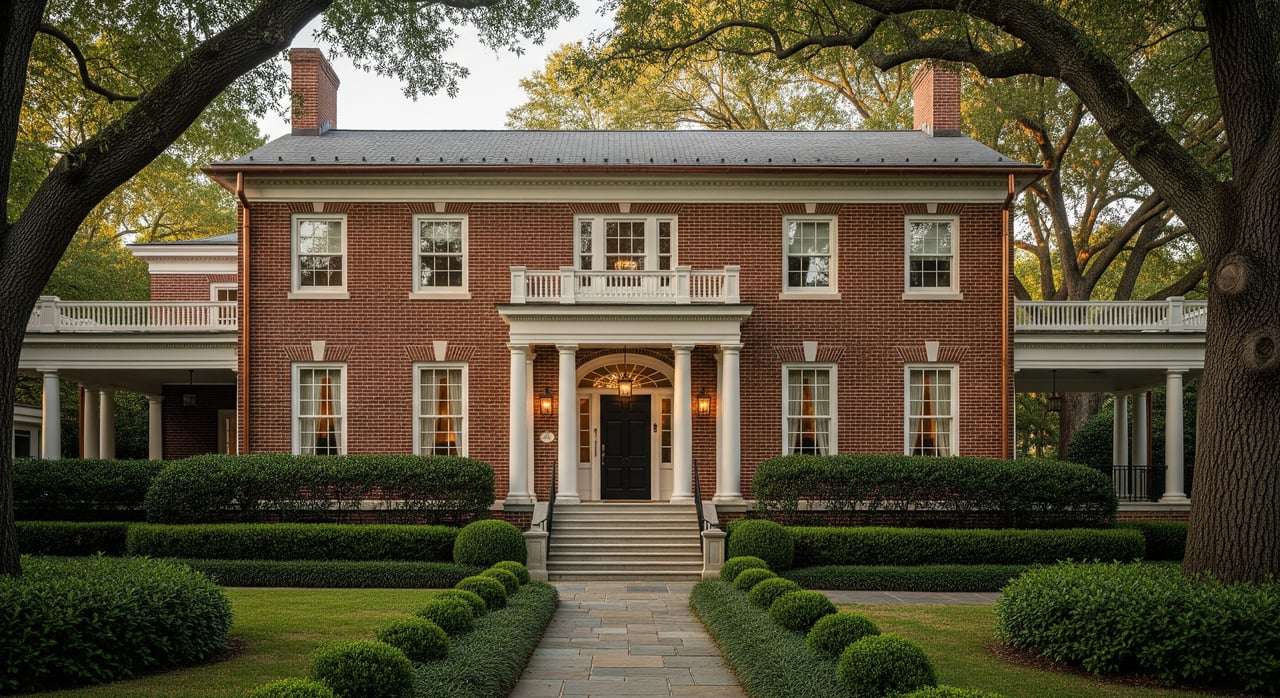
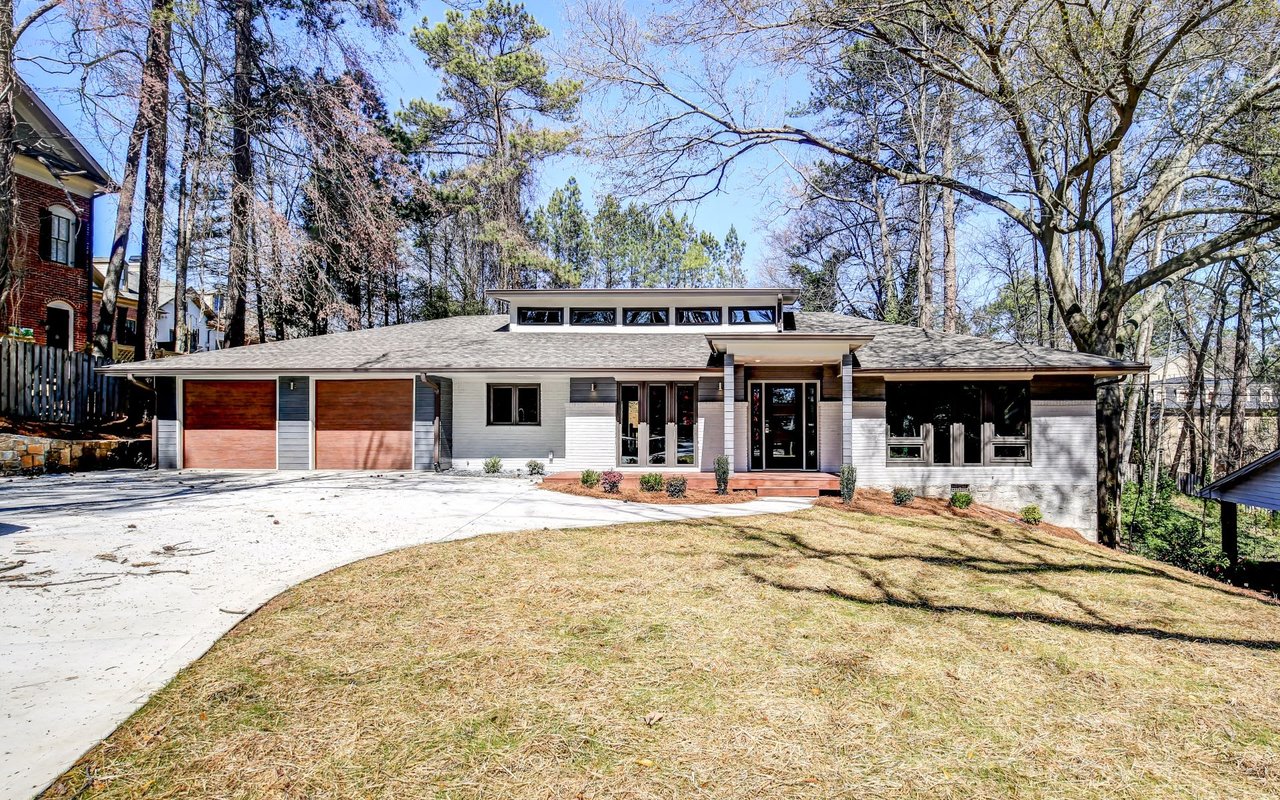
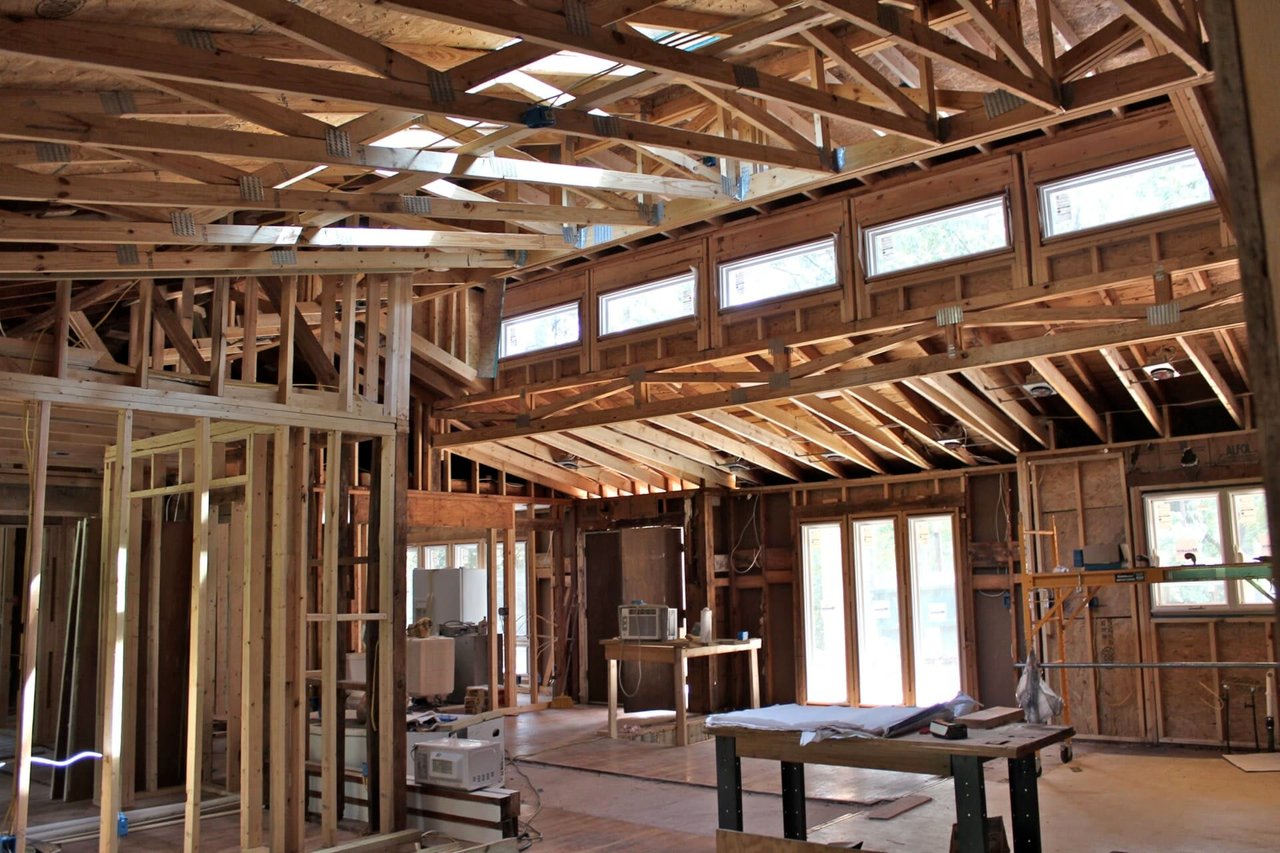
Inman Park’s housing stock includes late 19th- and early 20th-century homes alongside newer builds. Older systems and materials deserve extra attention. Plan for these inspections early so you can schedule specialists within your window:
- General home inspection
- Structural or engineering evaluation for settling and foundation type
- Roof inspection and roof life estimate
- Electrical inspection for legacy wiring such as knob-and-tube or cloth insulation
- Plumbing inspection for galvanized lines and sewer lateral condition
- HVAC performance and capacity check
- Termite and wood-destroying organism inspection
- Chimney and fireplace inspection for masonry and flue safety
- Lead-based paint risk assessment for pre-1978 homes
- Radon testing if desired
- Environmental review if the site suggests special risks
- Boundary survey to confirm lot lines, easements, and encroachments
Inspection findings often lead to repair requests, credits, or a price adjustment. Any agreement needs to be in writing as a signed amendment.
Historic rules and permits
Parts of Inman Park fall within local or National Register historic districts. Exterior changes such as additions, porch alterations, window replacements, and demolitions may require City of Atlanta review and a certificate of appropriateness. This affects timeline, cost, and material choices if you plan renovations.
During due diligence, you should:
- Check whether the property sits within a local historic district and confirm what exterior work needs approval.
- Order a permit history search through the City of Atlanta permitting office.
- Verify that past additions and system upgrades were permitted and inspected.
- If you plan an accessory dwelling or outbuilding, confirm current zoning and permit requirements before counting on that use.
Unpermitted work can trigger retroactive approvals or remediation. Knowing this early helps you plan budget and negotiate appropriately.
Lot, drainage, and flood checks
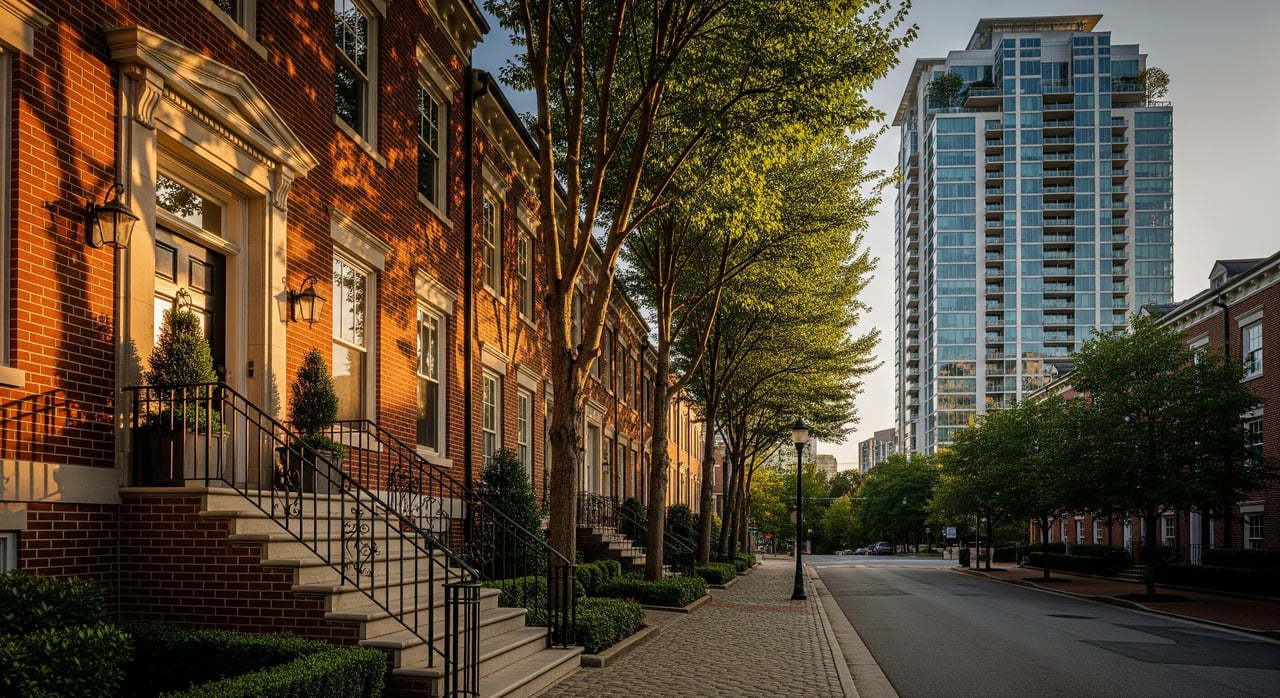
Many Inman Park lots are narrow, tree-lined, and near low-lying areas. Older grading and drainage patterns may not meet modern standards. You want clarity on water and access issues before you close.
Focus on these items:
- Review FEMA flood maps and discuss insurance implications if the lot shows flood zone designations.
- Ask your inspector to evaluate site drainage, downspouts, grading, and any signs of water intrusion.
- Scope the sewer lateral to assess age and condition, which can be a significant repair cost in older neighborhoods.
- Confirm utility easements, alley access, and parking rules that affect daily use and future improvements.
Understanding these site realities helps you evaluate long-term maintenance and resale potential.
Using your due diligence to negotiate
The length of your due diligence and the size of your due diligence fee are negotiation tools. A stronger fee or shorter window can make your offer more competitive, while a longer window gives you time to complete specialist reviews that older homes often require. Confirm in writing whether the fee will be credited at closing.
When inspections reveal issues, you have options:
- Request specific repairs with licensed contractors.
- Negotiate a credit at closing to control scope and quality after you own the home.
- Seek a price reduction if items are extensive or require permits.
If you elect to terminate, send written notice before the deadline according to the contract. If you proceed and later encounter appraisal or lender-required repairs, you may still have paths to negotiate based on other contingencies in the contract.
Documentation matters. Keep all reports, estimates, and emails organized and make sure any agreed change is signed by both parties as a contract amendment.
First 10 days checklist
Use this quick-start plan as soon as your contract is binding:
- Hire a general inspector and schedule specialty inspectors for structure, roof, electrical, plumbing, and HVAC.
- Order a termite inspection and, for older homes, a chimney sweep and lead-based paint risk assessment.
- Request a boundary survey and start title review with your chosen title provider.
- Pull permit history and ask for copies of past approvals and plans from the seller if available.
- Confirm historic district status and exterior change rules with the City of Atlanta.
- Start loan application steps and schedule the appraisal per your lender’s timeline.
- Obtain repair estimates quickly so you can negotiate before your deadline.
Common pitfalls to avoid
- Assuming the due diligence fee is refundable. It is typically not.
- Missing the termination deadline. Time is critical for preserving rights and earnest money.
- Skipping specialist inspections for older systems, foundations, and chimneys.
- Ignoring permit history or historic review rules when planning a renovation.
- Failing to document agreements in a signed amendment.
Your next step in Inman Park
Buying in a historic neighborhood rewards careful prep. When you understand Georgia’s due diligence, you can secure the right specialists, confirm permits, and negotiate a fair outcome without losing momentum. If you want a partner who knows Intown homes and the realities of older systems, you will benefit from guidance that blends contract strategy with renovation insight.
Have questions about a specific property or timeline? Connect with Molly Carter Gaines for local, hands-on help with inspections, permit checks, and negotiation strategy tailored to Inman Park.
FAQs
What is Georgia due diligence in home buying?
- It is a negotiated time after your contract is binding when you can inspect, investigate, and decide to proceed or terminate with written notice by the deadline.
What is the difference between due diligence fee and earnest money?
- The due diligence fee is usually paid to the seller and is typically nonrefundable. Earnest money is held in escrow and is usually returned if you terminate within the due diligence period per the contract.
How long should my due diligence period be in Inman Park?
- Common ranges are 7 to 21 days. Older homes often justify longer windows to fit structural reviews, permit checks, and surveys.
Which inspections are most important for Inman Park homes?
- A general inspection plus structural, roof, electrical, plumbing, HVAC, termite, and chimney reviews are common. Lead-based paint and a sewer scope are also helpful in older homes.
Can I make the seller fix issues found in inspections?
- You can request repairs, credits, or a price reduction. The seller can accept, counter, or decline, and any agreement must be in writing.
What if I find unpermitted work during due diligence?
- You can request documentation, negotiate credits, or adjust price, and you may choose to terminate before the deadline if concerns remain. Your contract controls available options.