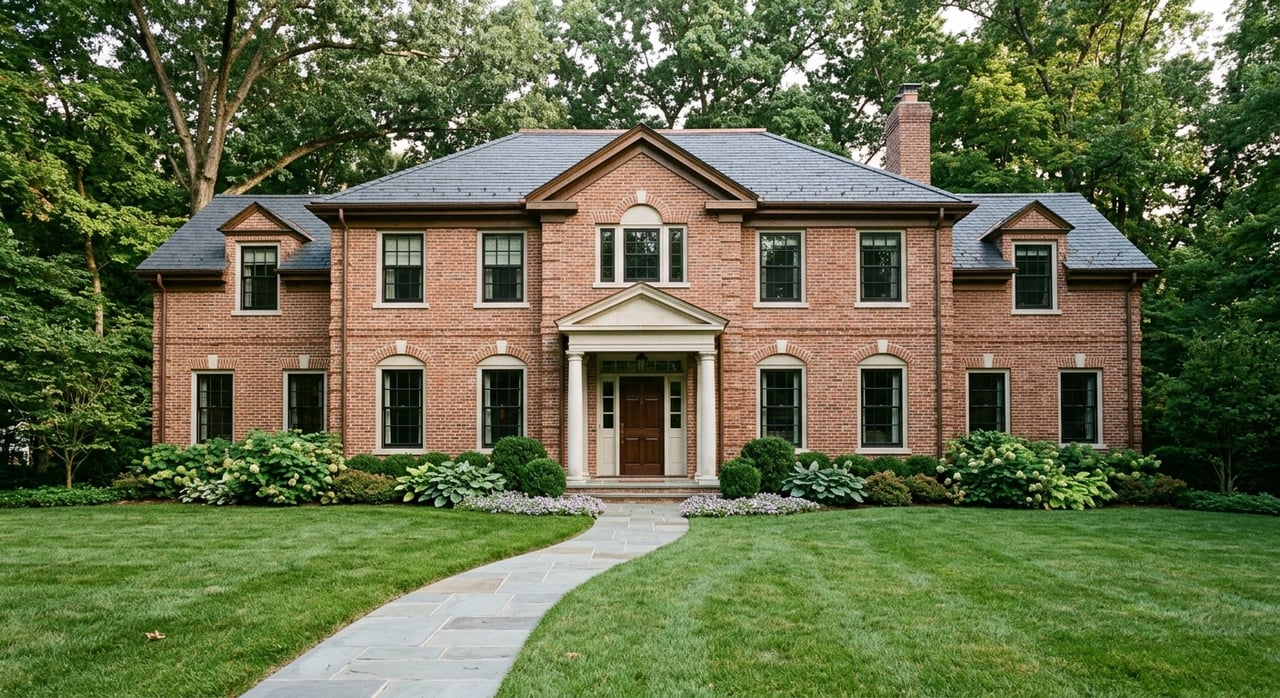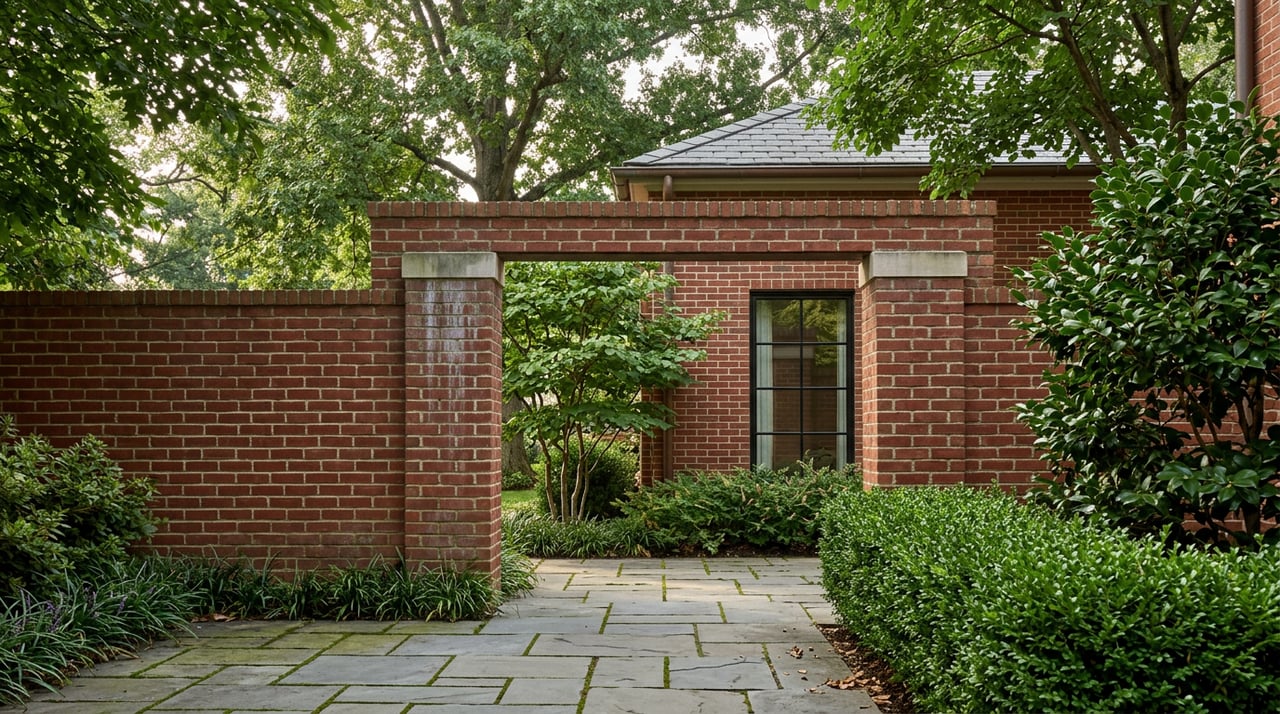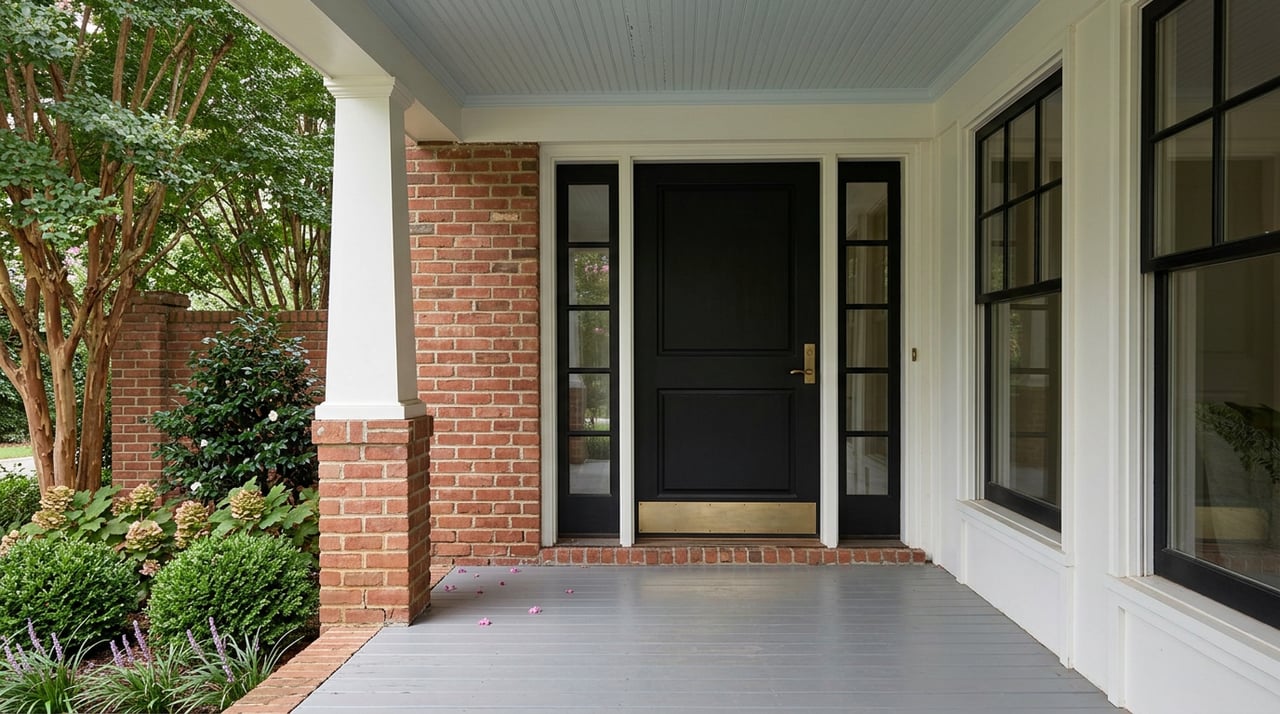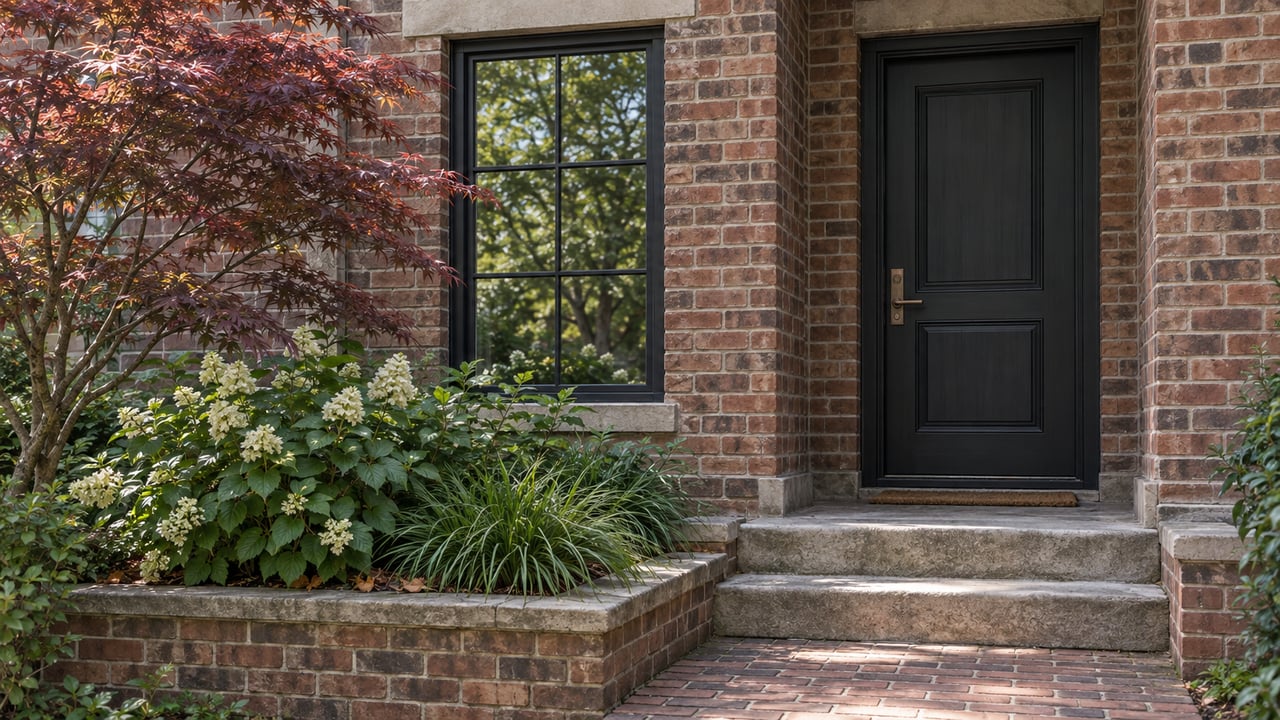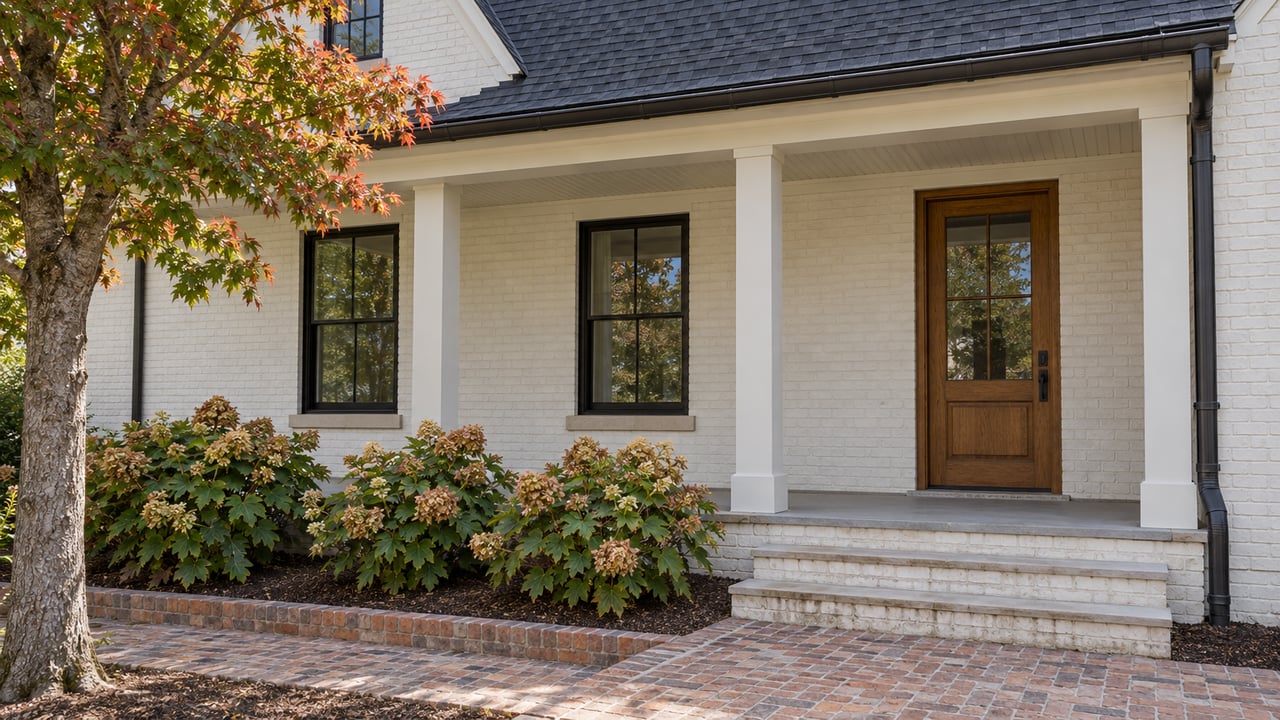
Trying to decide between a condo or a townhome in Midtown Atlanta? You are not alone. With vibrant blocks near Piedmont Park and the BeltLine, both options promise city access and low-maintenance living. The key is matching the ownership type, HOA rules, and lifestyle details to how you actually live.
In this guide, you will learn the practical differences between condos and townhomes, how Midtown’s streetscape changes daily life, and what to check in HOA documents before you buy. You will also get a clear checklist to compare options and avoid surprises. Let’s dive in.
Quick definitions that matter
What a condo means
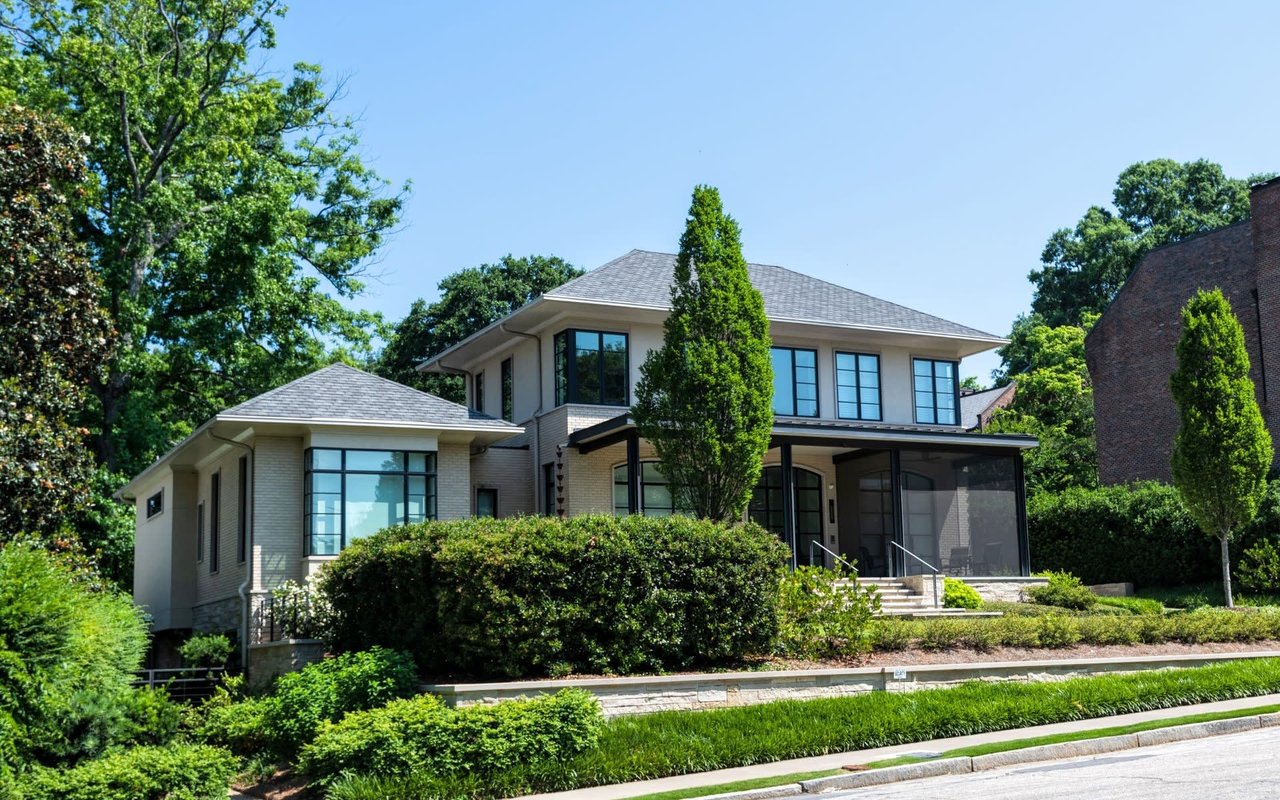
A condominium is ownership of your unit’s interior plus a shared interest in the building’s common elements. In Midtown, that usually means a mid-rise or high-rise building where the association maintains the exterior, roof, elevators, and shared amenities. You pay periodic assessments, often called HOA or condo fees, for your share of those expenses.
What a townhome means
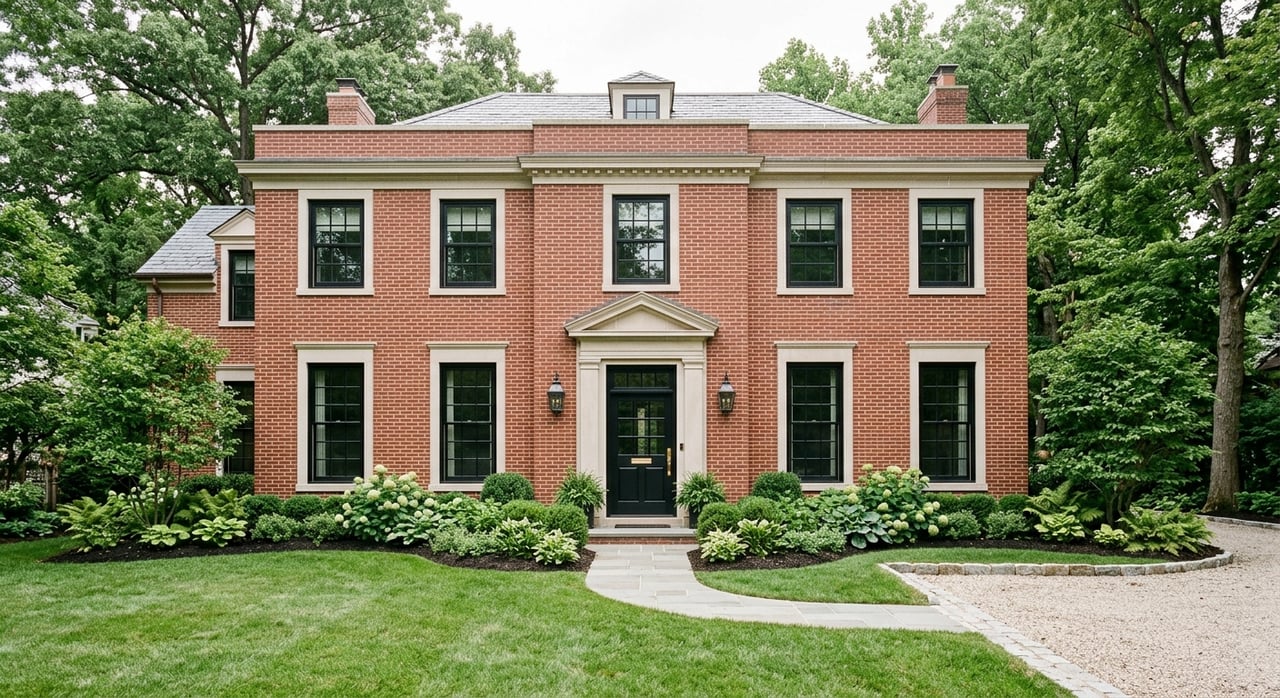
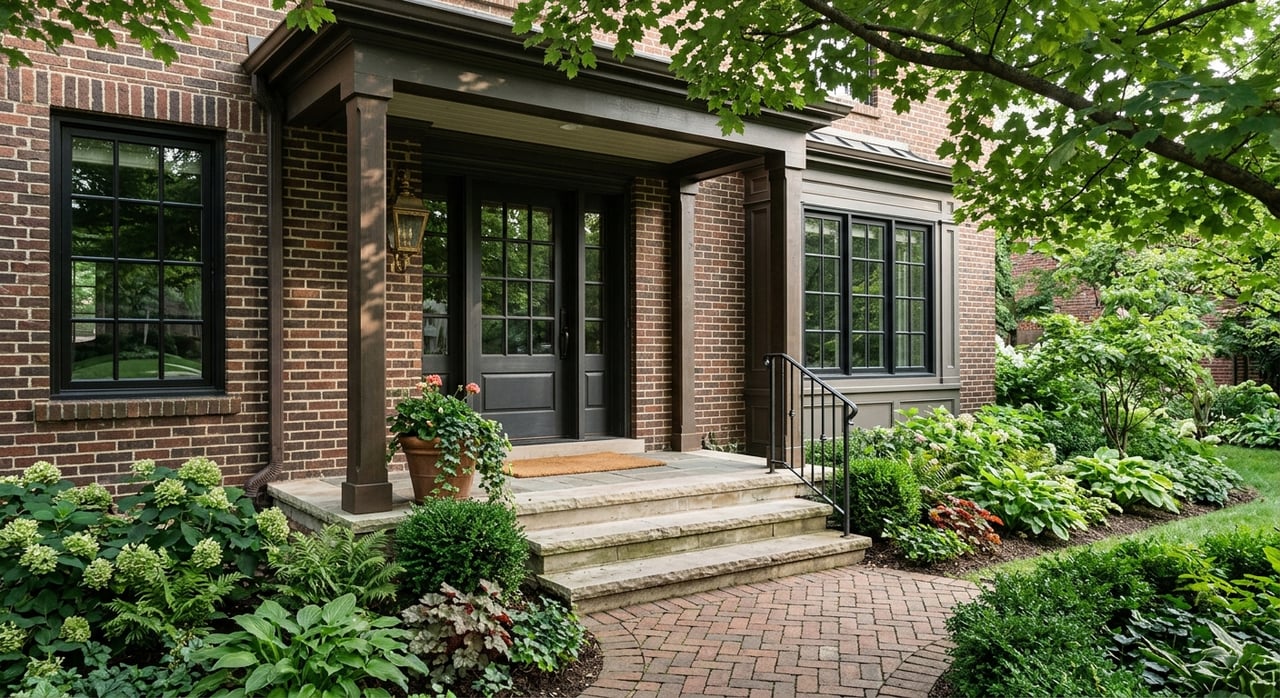
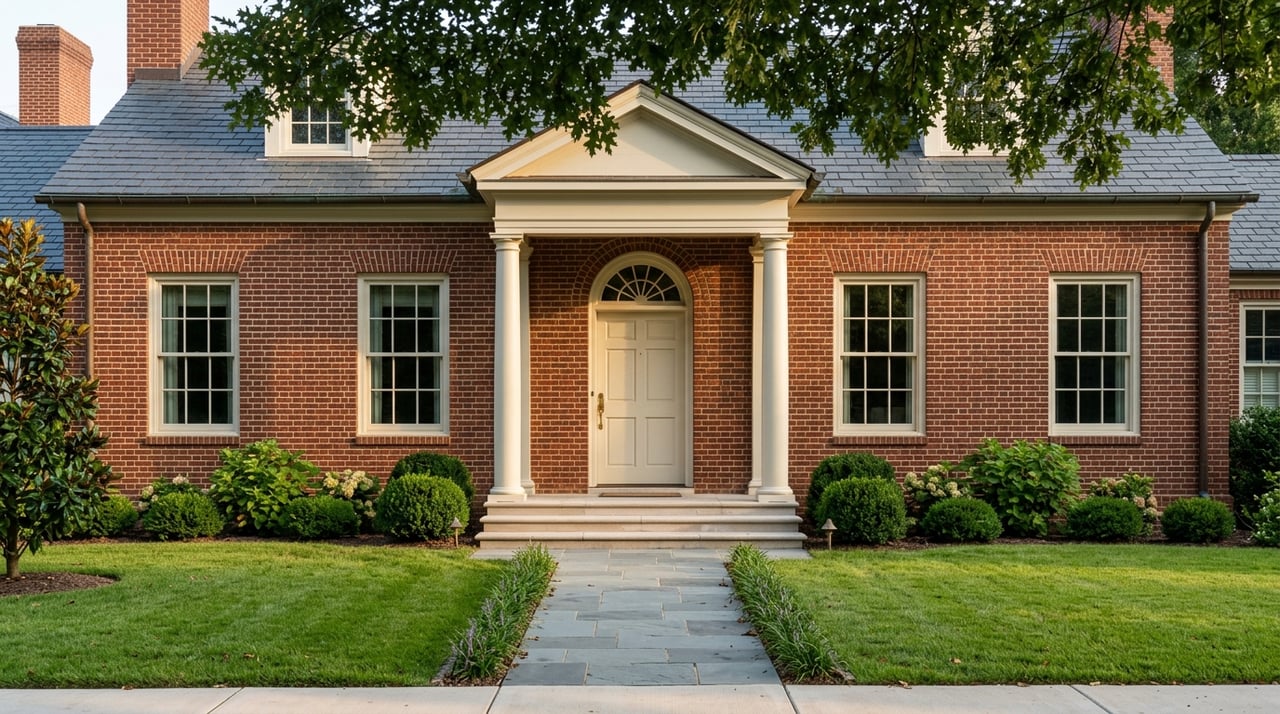
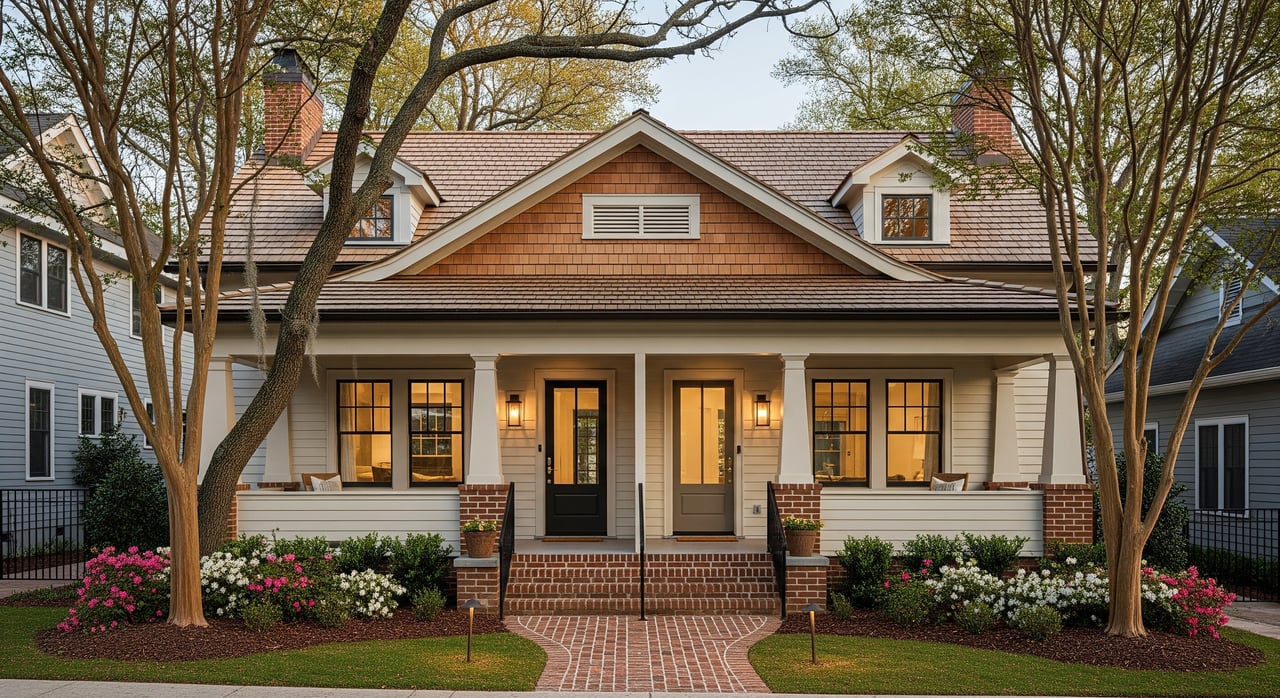
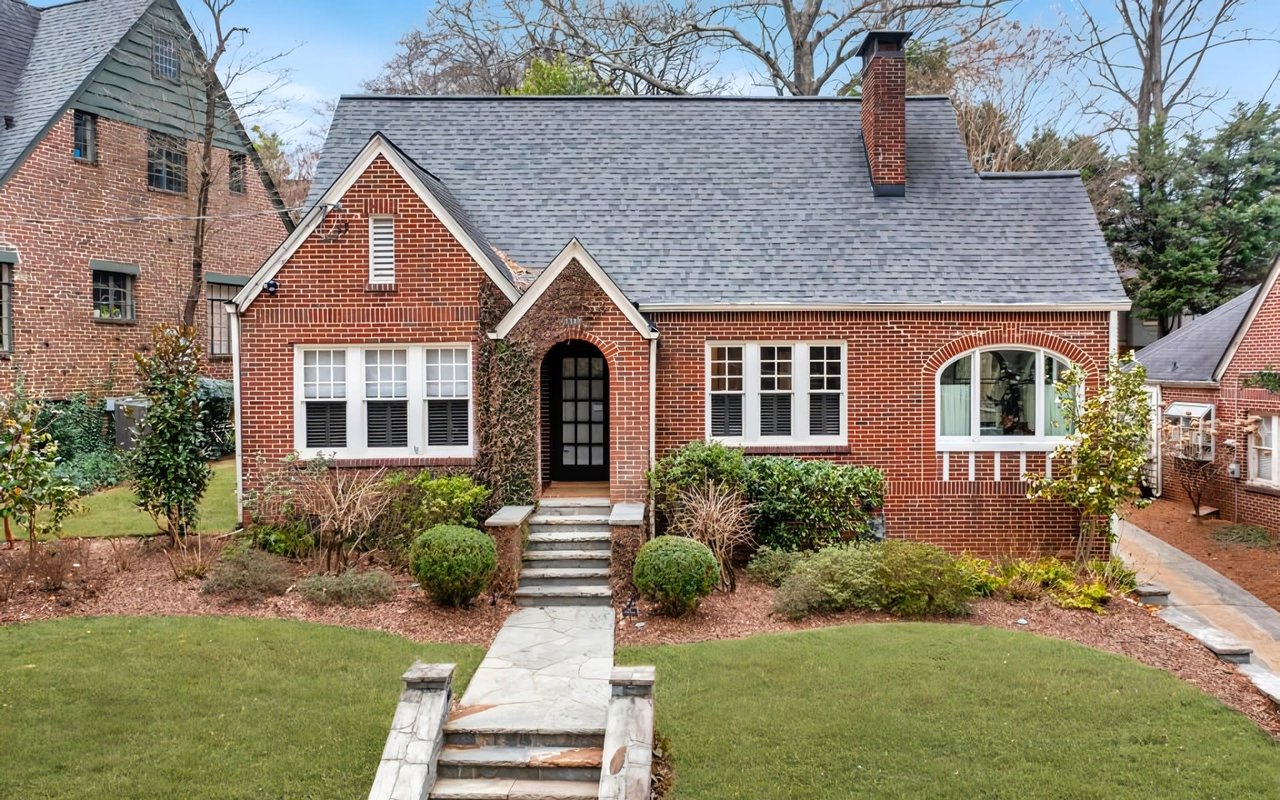
A townhome is typically a multi-level, attached home with direct ground access. Many Midtown townhomes are fee-simple, which means you own the structure and the land beneath it. Some townhome communities use a condo-style structure where the association owns or maintains exteriors. Your maintenance responsibilities depend on the community’s governing documents, so always verify.
The practical takeaway
- Condos tend to shift more exterior and structural upkeep to the association.
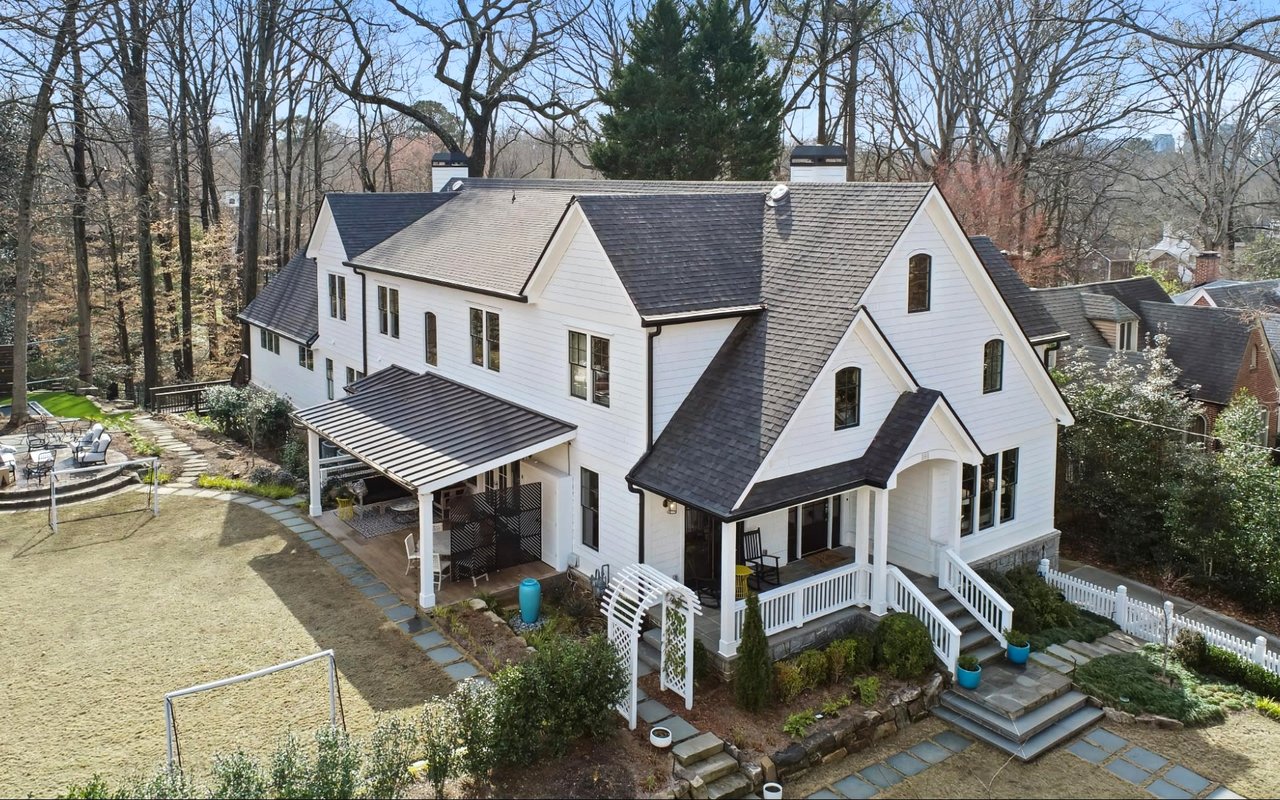
- Townhomes can feel more like a single-family home, and you may be responsible for exterior maintenance unless your HOA covers it.
Midtown lifestyle trade-offs
Walkability and daily rhythm
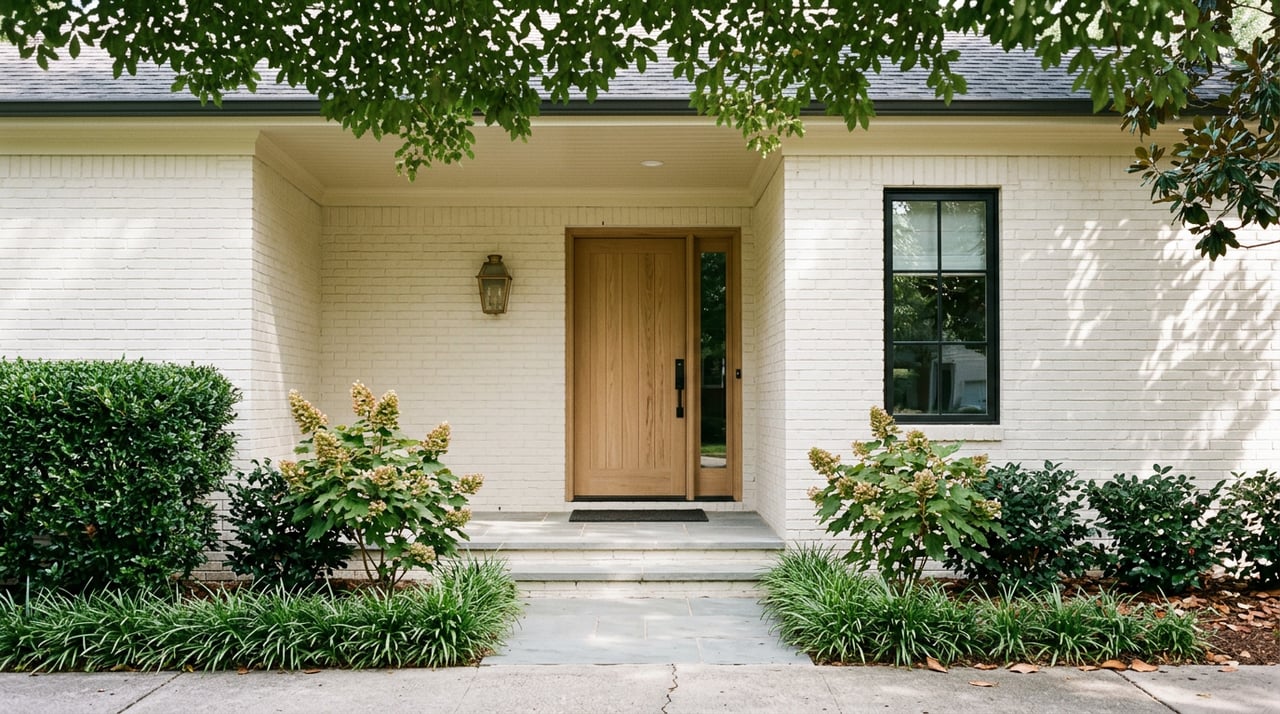
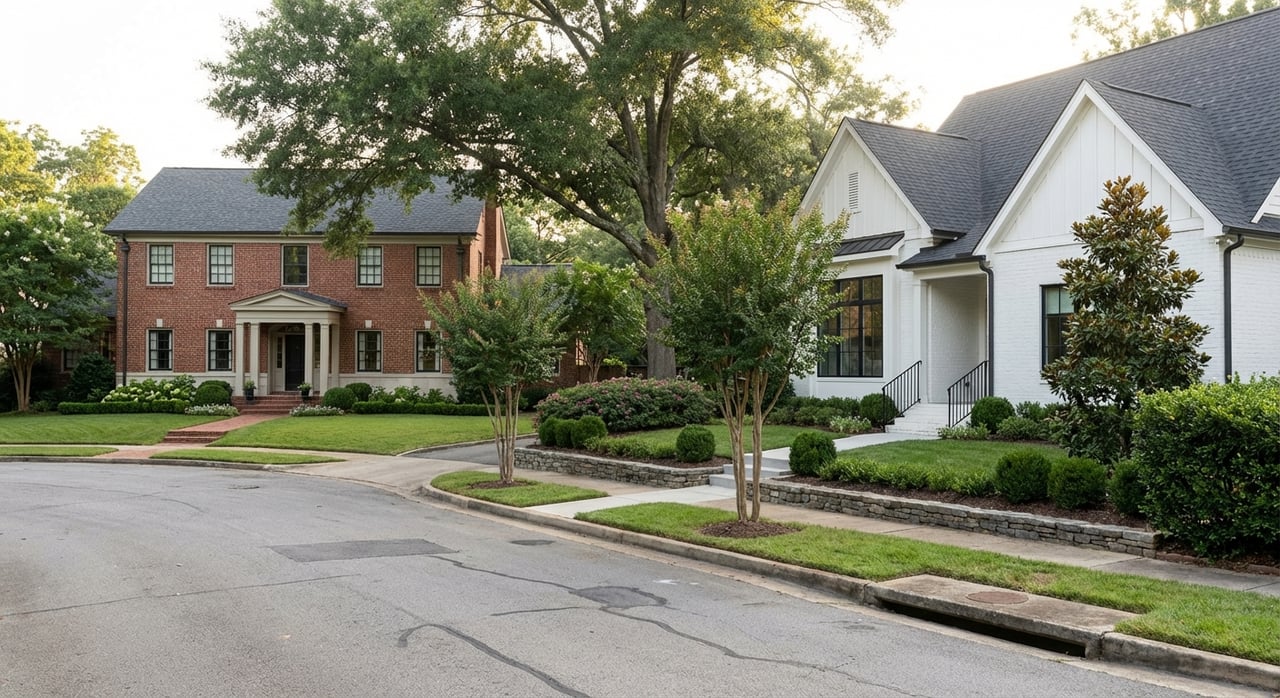
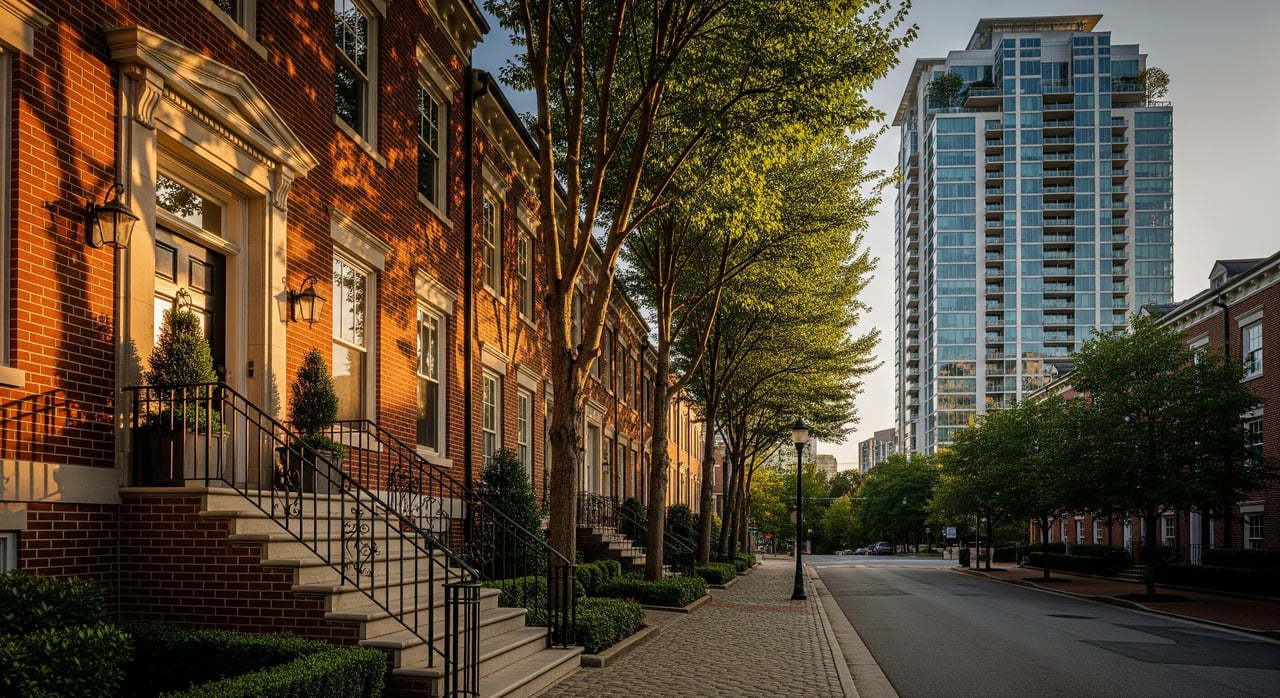
Condos often sit along main corridors like Peachtree Street or 10th Street, placing you close to transit, retail, and dining. You get quick access to coffee, groceries, and nightlife. Townhomes usually line quieter side streets or infill blocks, still walkable to Midtown hubs, but with a more residential feel and private entry.
Outdoor space and privacy
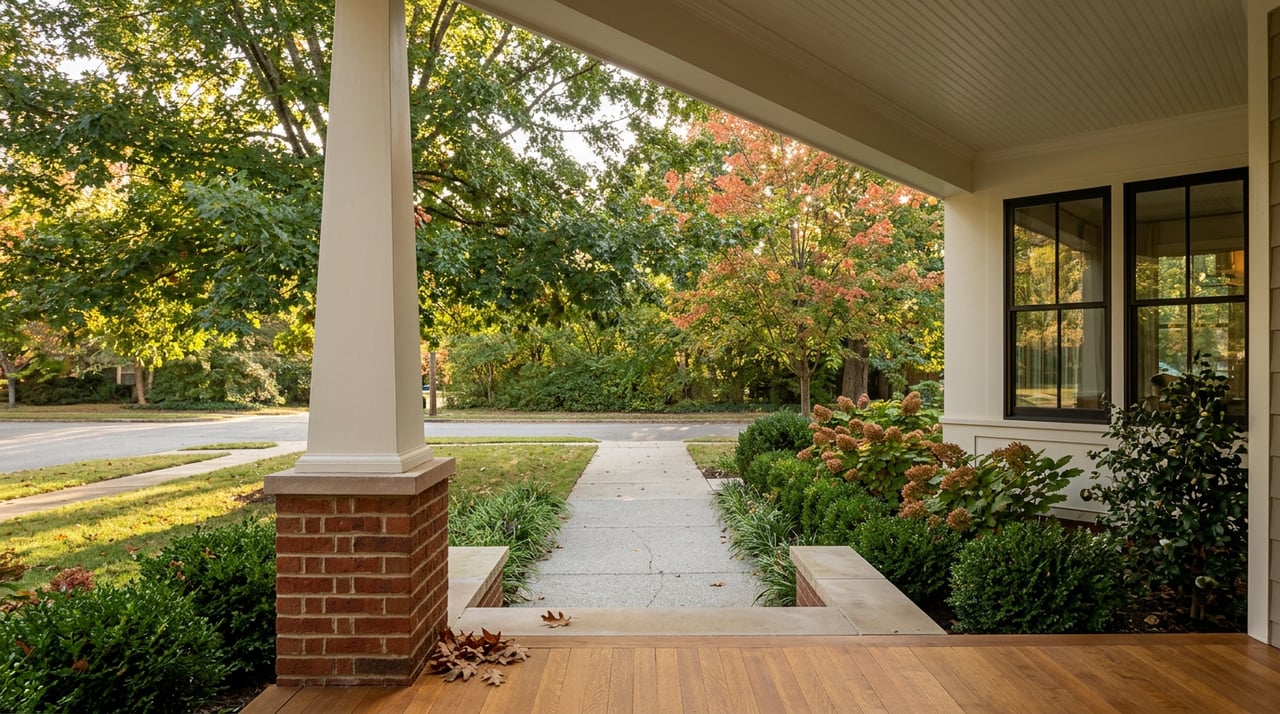
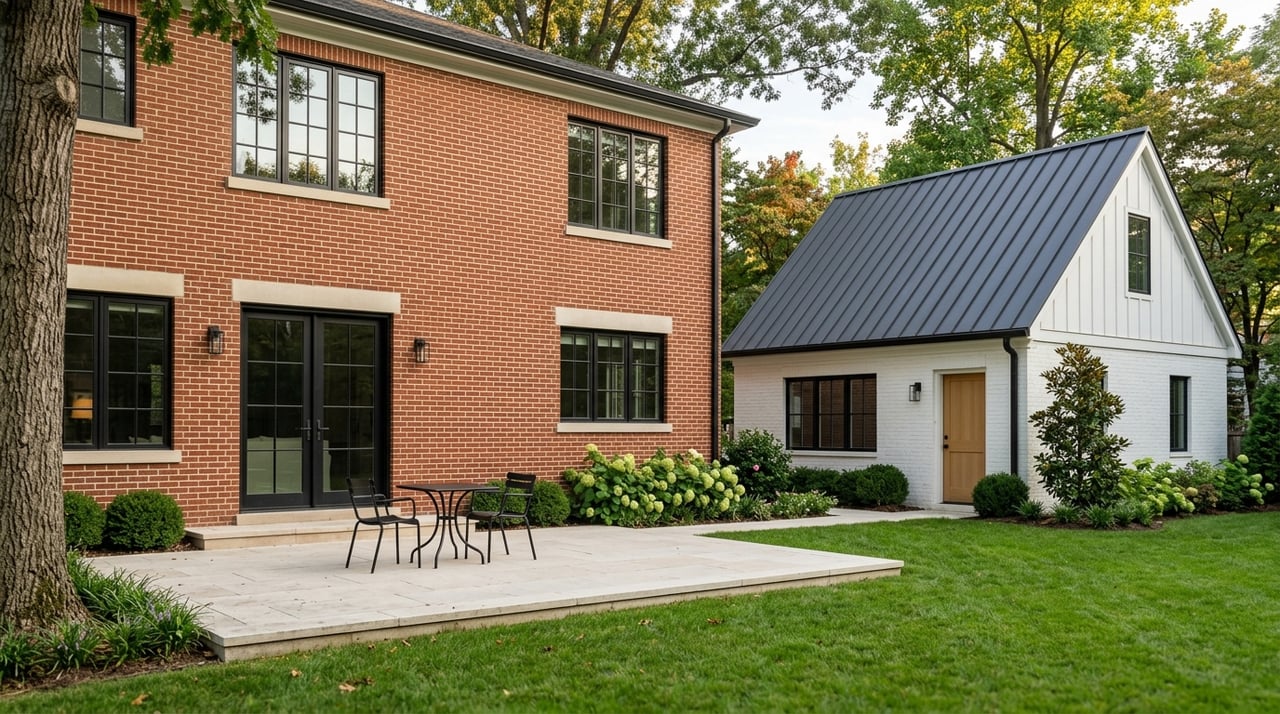
Condos tend to offer shared outdoor areas like rooftop decks, pools, or courtyards. Private yard space is limited, though balconies are common. Townhomes often provide a patio, terrace, or small yard. Interior layouts in townhomes can offer more privacy with bedrooms separated across levels.
Noise and building flow
Vertical condo living means more neighbors above and below, shared elevators, and amenity traffic. Some buildings are very quiet, but design and age matter. Townhomes reduce vertical neighbor interactions, which can feel calmer day to day.
Piedmont Park and BeltLine proximity
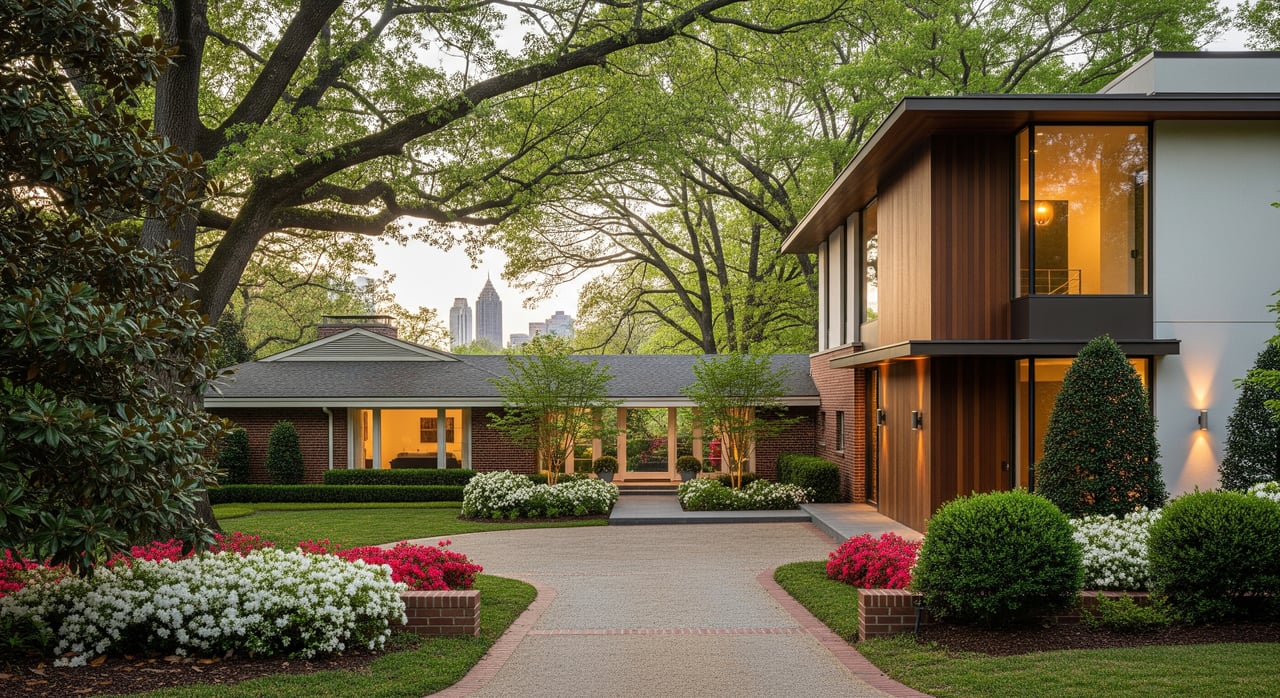
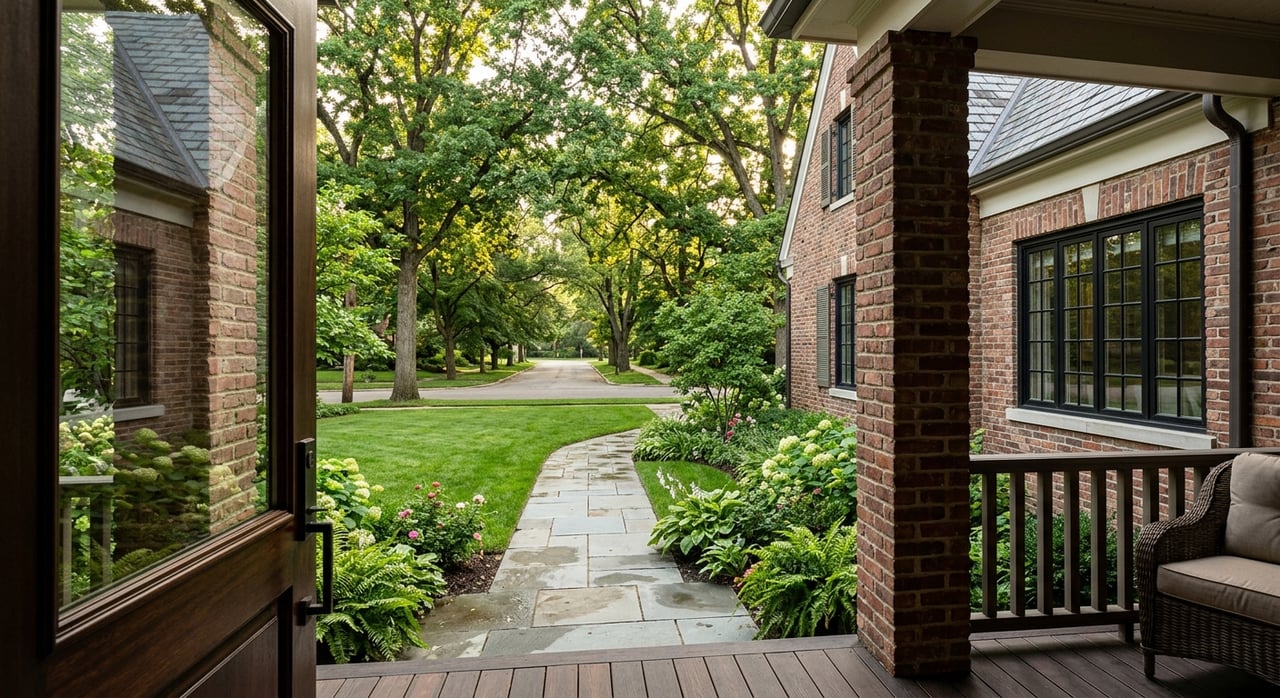
Many Midtown condos place you within established pedestrian corridors leading to the park. Townhomes near the park or BeltLine can offer a short stroll while keeping a quieter block. Direct trail connectivity varies by exact address, so check how you would actually walk or bike there.
Parking and pets in Midtown
Parking reality
- Condos: Assigned garage spaces or parking decks are common. Guest parking can be limited or managed through the building. Some projects charge for extra spaces.
- Townhomes: Many include private garages or driveways. Guest parking still depends on street rules and any community policies.
Pets and rules
Pet policies are community specific. Many condos have size, breed, or number limits and may require registration or fees. Townhome HOAs can be more flexible, but there is no guarantee. Always review the rules to confirm what is allowed.
Costs: HOA fees, insurance, taxes
HOA fees and coverage
- Condos: Fees often cover building insurance on common areas, exterior and structural maintenance, elevators, security, common utilities, and amenities. Higher-amenity towers usually carry higher fees.
- Townhomes: Fees can be lower if there are fewer shared services, though some associations cover landscaping, exterior maintenance, or roof replacement. Verify line items in the budget.
A key risk to watch is reserve funding. If reserves are low relative to upcoming capital needs, owners may face special assessments. Ask for the most recent reserve study, budget, and meeting minutes to see what projects are planned.
Insurance differences
- Condos: You typically carry an HO-6 policy that covers interior finishes and personal property. The master policy covers the building and shared areas. Confirm exactly where the master policy stops and your responsibility starts.
- Townhomes: Fee-simple townhomes often use an HO-3 policy that covers the structure and contents. If the community is condo-structured, insurance responsibilities may shift. Read the declaration to confirm.
Taxes and assessed value
Property taxes in Midtown are set by Fulton County and the City of Atlanta and depend on the assessed value. Fee-simple townhomes and condo units may be valued differently at the parcel level. Review Fulton County property records for the specific address when you get serious about a home.
Financing and resale factors
Financing differences
Fee-simple townhomes are generally simpler to finance because they mirror detached-home lending. Condos can finance smoothly too, as long as the project meets lender criteria. Lenders look at things like owner-occupancy, reserve levels, litigation, and the percentage of units in arrears. Project-level issues can limit certain loan types or slow underwriting.
If you plan to use FHA or VA, project approval lists matter. Conventional lenders also maintain condo eligibility standards. Ask your lender early whether the building or community meets current requirements.
Resale considerations
Condos in urban cores often see consistent buyer interest but can face more competition when new projects launch. Townhomes on quiet Midtown blocks can attract buyers who want house-like living with less yard work. Liquidity depends on location, condition, HOA health, and how the home fits current buyer preferences.
HOA health and governance: what to review
Healthy associations plan ahead, maintain adequate reserves, and communicate well. When you have an accepted offer, dig into:
- Governing documents: declaration/CC&Rs, bylaws, and rules
- Budget and profit/loss statements for the last 2–3 years
- The most recent reserve study and current reserve balance
- Special assessment history and any proposed assessments
- Meeting minutes for the last 12–24 months for upcoming projects or disputes
- Owner-occupancy, rental rules, and delinquency rates
- Parking allocations, guest parking rules, and any fees
- Pet policies, remodel approval processes, and restrictions like grills or satellite dishes
If you are uncertain how to interpret the documents, consider consulting an attorney familiar with Georgia condominium and HOA law.
Midtown buyer checklist
Before you write an offer
- Confirm the title type: fee-simple or condominium.
- Ask for monthly dues and a breakdown of what they cover.
- Request the latest reserve study, budget, and reserve statement.
- Check owner-occupancy, rental caps, and delinquency rates.
- Clarify parking rights, guest parking, and any associated fees.
- Review pet policies and any size or breed limits.
- Talk to your lender about project approval status for your loan type.
When you tour
- Visit at different times to gauge noise and light, especially near Piedmont Park or busy corridors.
- Verify parking space size and access, or garage fit for your vehicles.
- Inspect common areas for upkeep, elevator condition, and signs of deferred maintenance.
- Ask about water intrusion history and roof age or plans.
- Check building access controls, concierge hours, lighting, and cameras.
During due diligence
- Review the resale certificate or association disclosure packet.
- Confirm the split between the master insurance policy and your policy.
- Check city records for any open permits or code issues.
- Look for nearby construction that could affect noise or access.
Which is right for you?
Choose a condo if you value:
- Immediate access to retail, dining, and transit on Midtown’s main corridors
- Building amenities like a pool, gym, concierge, or rooftop spaces
- Minimal exterior responsibilities handled by the association
- Vertical living and a lock-and-leave lifestyle
Choose a townhome if you value:
- A private entrance and multi-level layout that feels more like a house
- A small yard, patio, or terrace for private outdoor space
- A quieter side-street setting with a residential feel
- A private garage or driveway with more control over parking
Still unsure? Walk your top two streets at morning, mid-day, and evening. Pay attention to traffic, lighting, and how people actually use the block. Then layer in HOA health, monthly costs, and your preferred daily rhythm.
Ready to compare specific Midtown options?
If you want a clear, side-by-side read on buildings and townhome communities near Piedmont Park and the BeltLine, let’s talk. With deep Intown expertise and a detail-driven approach to HOA review, insurance, and financing paths, you can move forward with confidence. Connect with Molly Carter Gaines to get a tailored shortlist and game plan.
FAQs
What is the core ownership difference between condos and townhomes in Midtown?
- Condos give you ownership of the interior plus shared interest in common elements, while townhomes are often fee-simple ownership of the structure and land, subject to community rules.
Are Midtown condos typically noisier than townhomes?
- Vertical living and shared amenities can increase interactions in condos, while multi-level townhomes often feel more private; the building’s design and age also affect sound transmission.
How do HOA fees usually compare for Midtown condos and townhomes?
- Condo fees are often higher because they cover building-wide services and amenities; townhomes may have lower fees but owners might pay more directly for exterior upkeep and insurance.
What documents should I review before buying in a Midtown HOA community?
- Request governing documents, budgets, reserve studies, minutes, special assessment history, owner-occupancy and delinquency data, rental and pet rules, and parking policies.
Is financing a Midtown condo harder than financing a townhome?
- Fee-simple townhomes usually follow standard lending; condos can finance smoothly if the project meets lender criteria for reserves, occupancy, and other factors.
How should I evaluate proximity to Piedmont Park and the BeltLine?
- Map the exact walking route, check trail or park access points, and visit at different times to evaluate crowd levels, event noise, and typical pedestrian and cycling traffic.