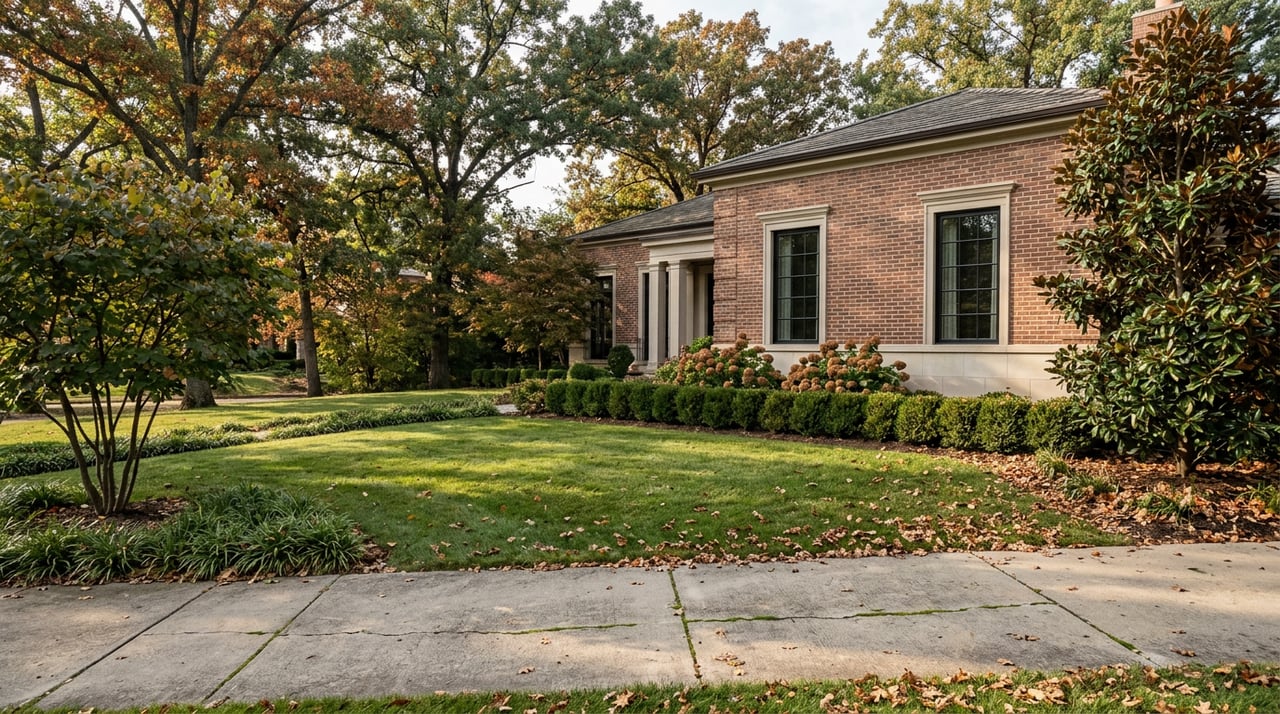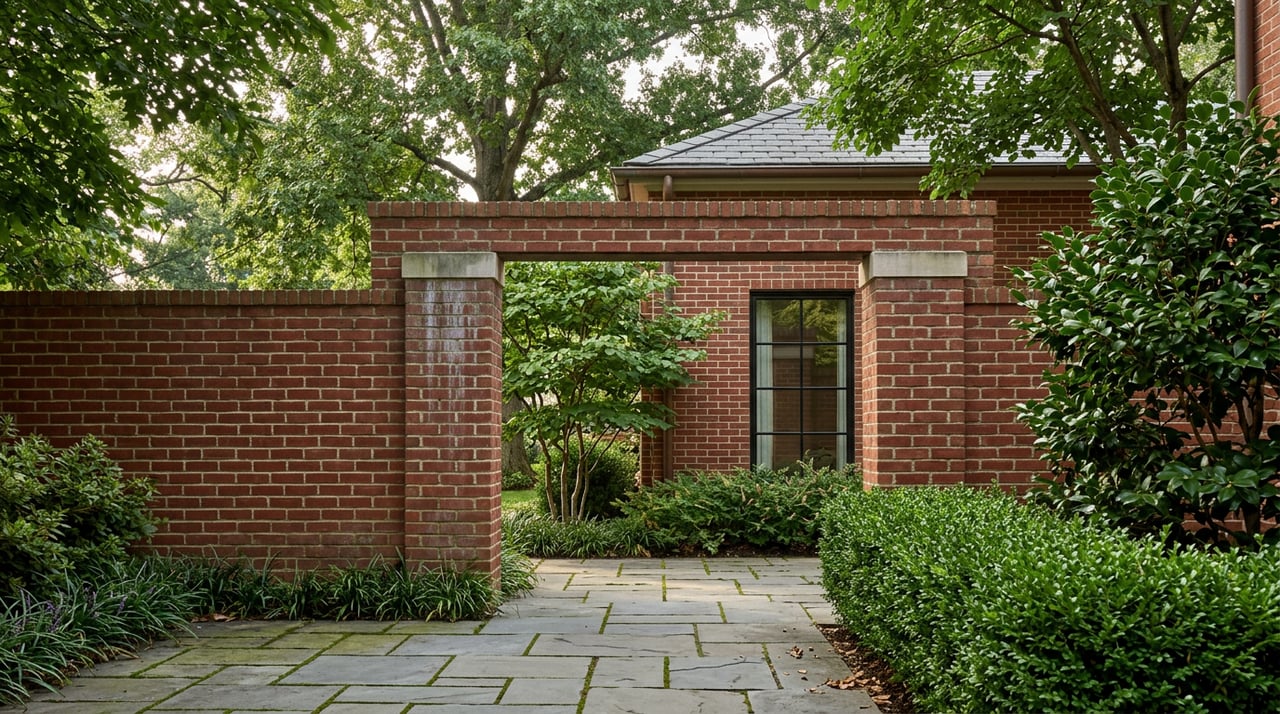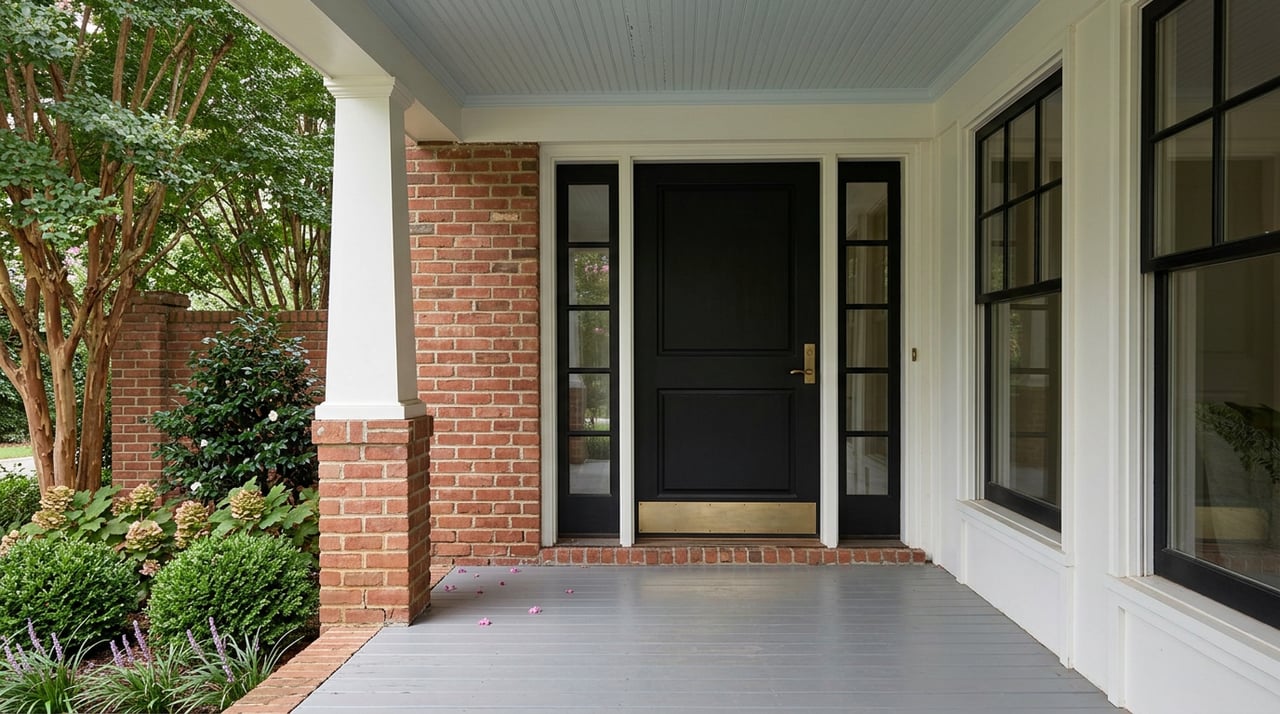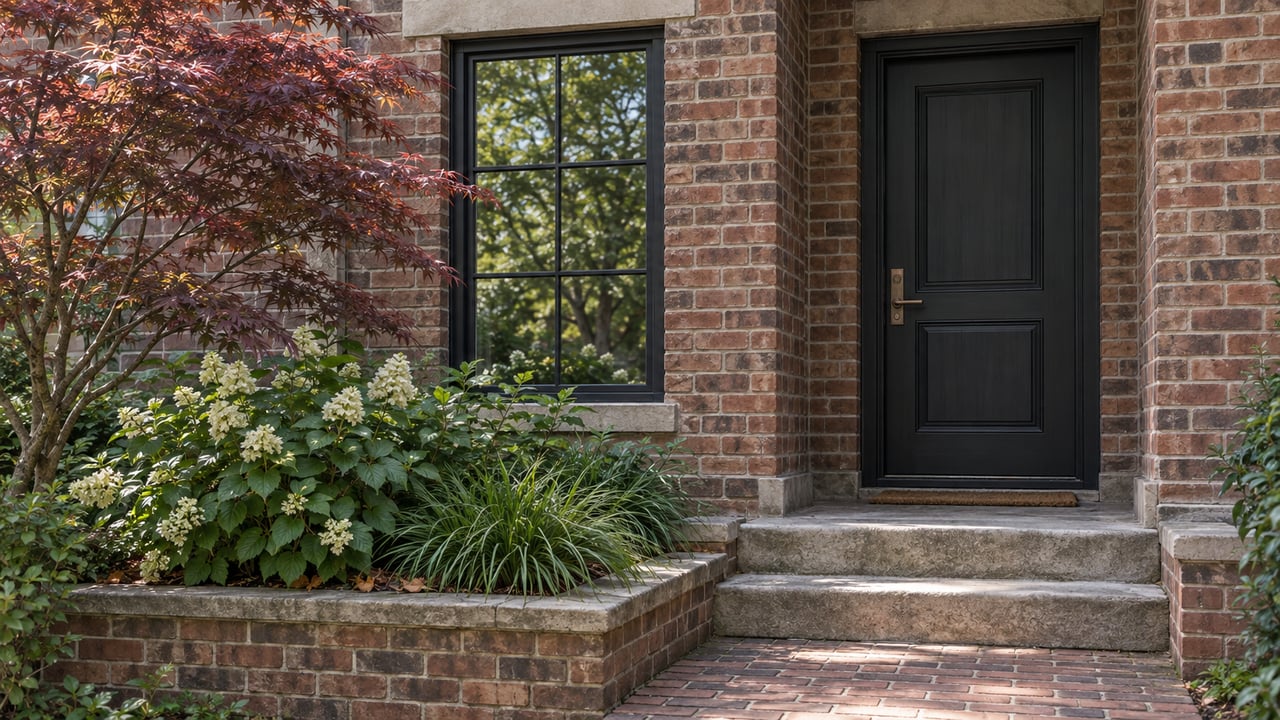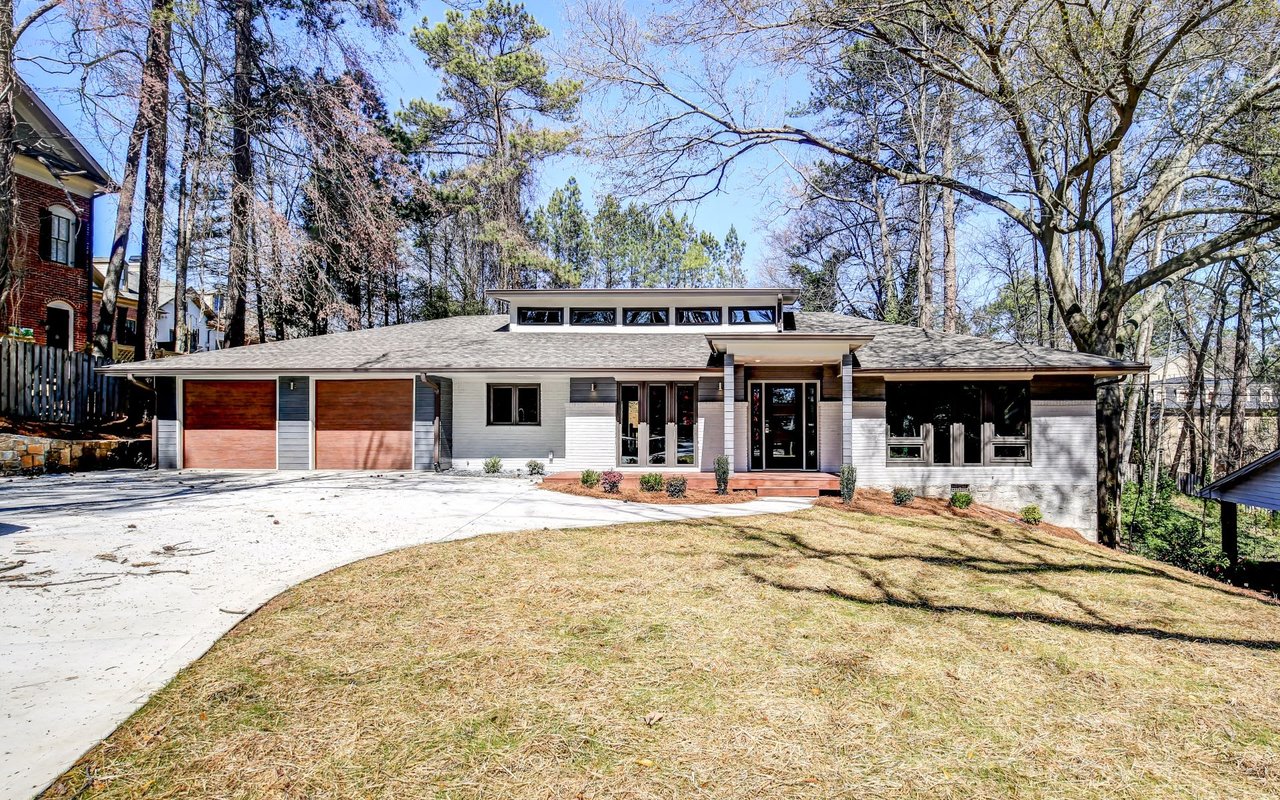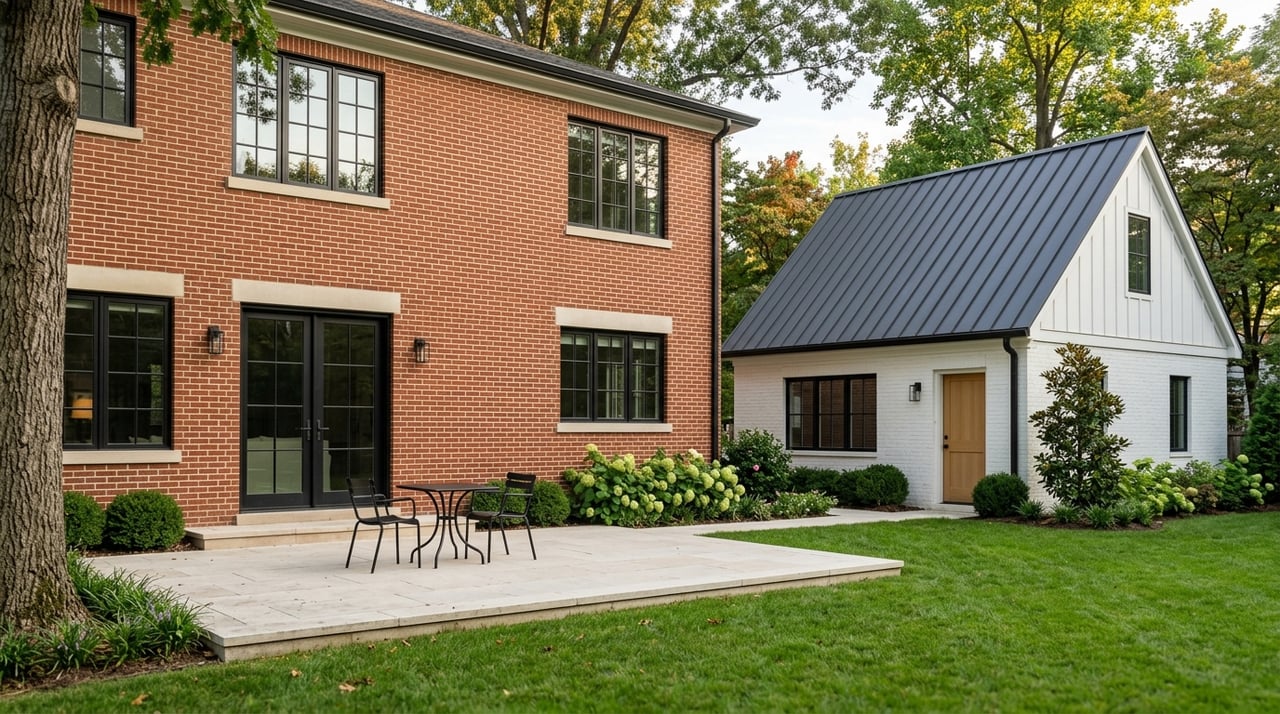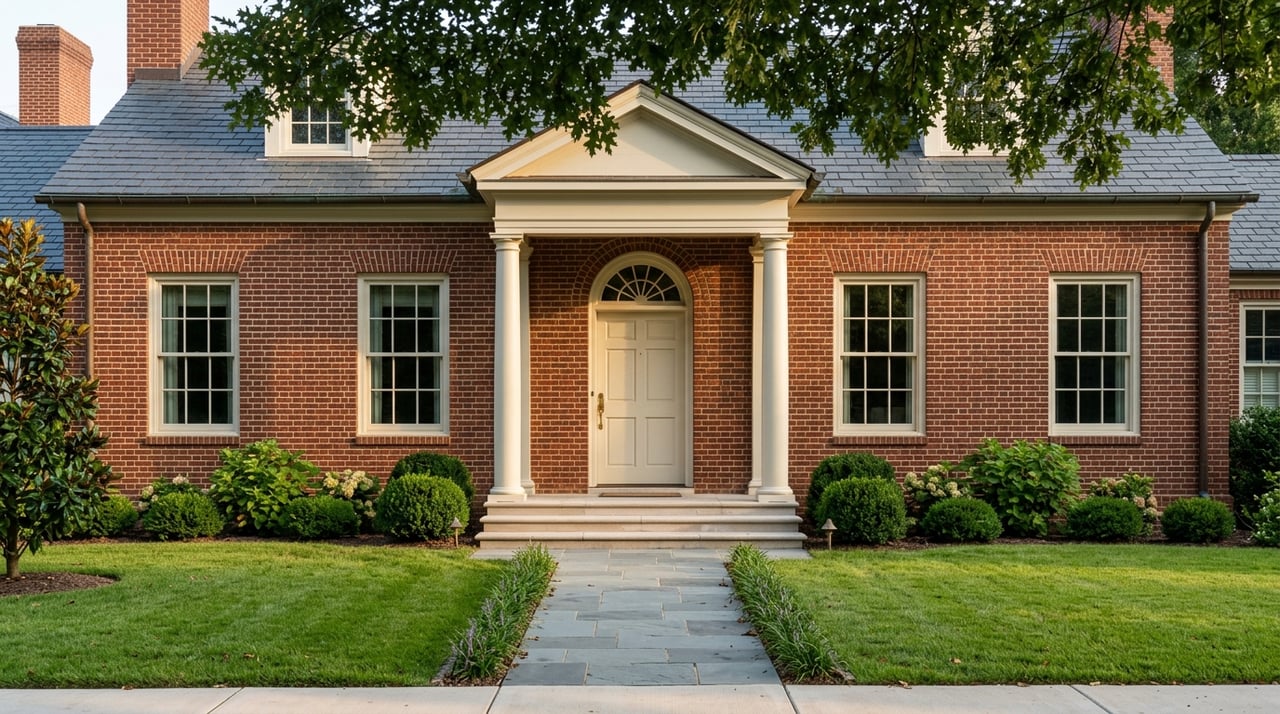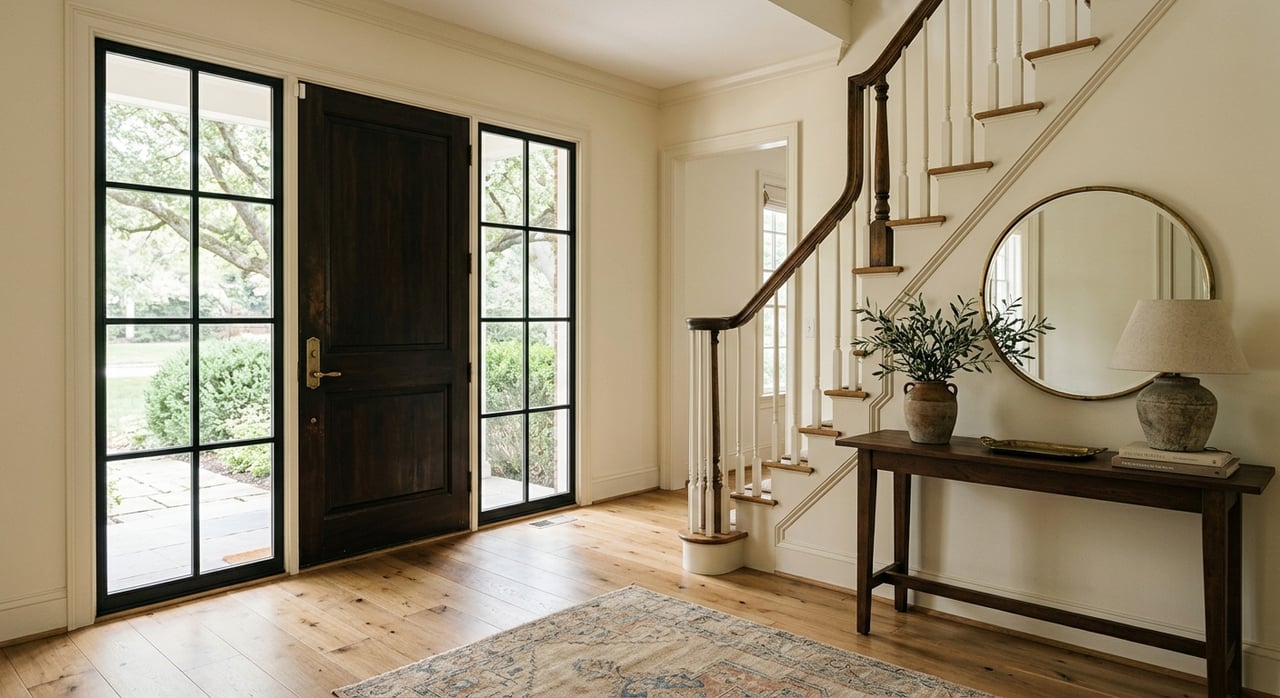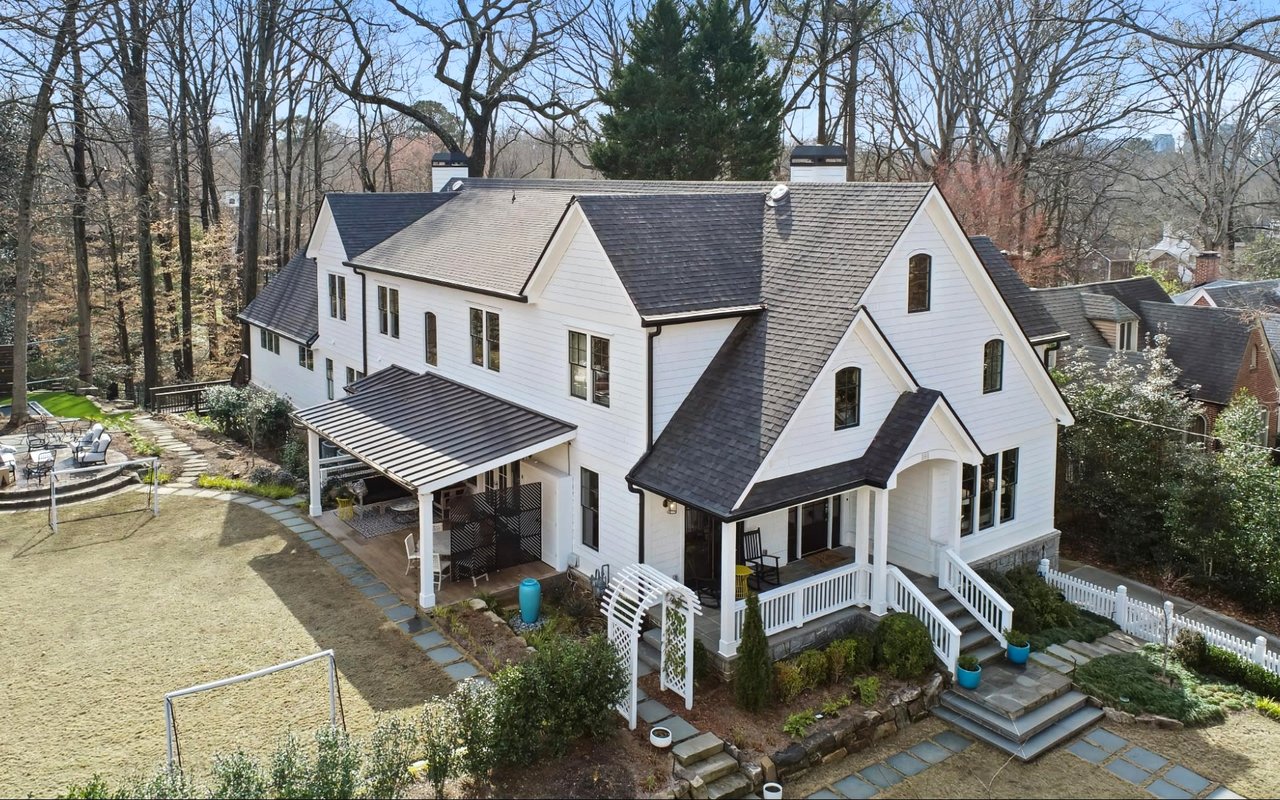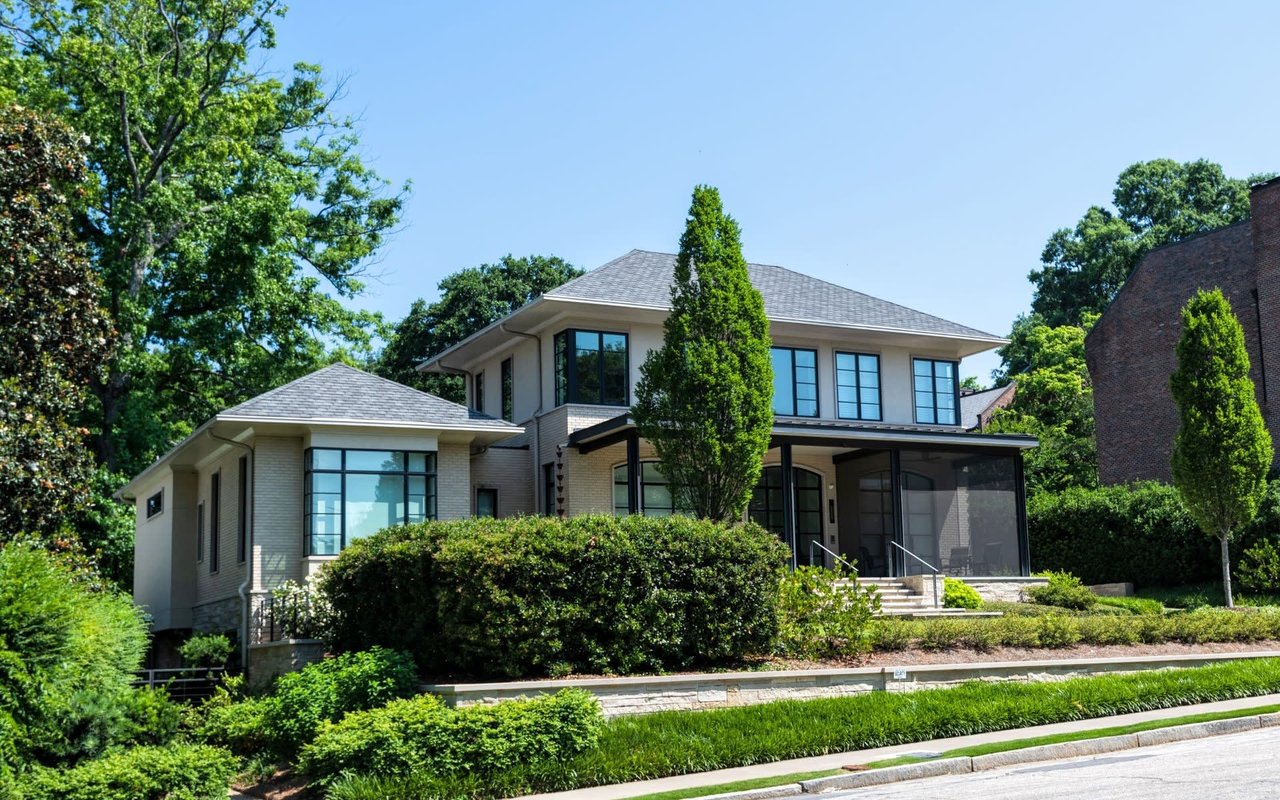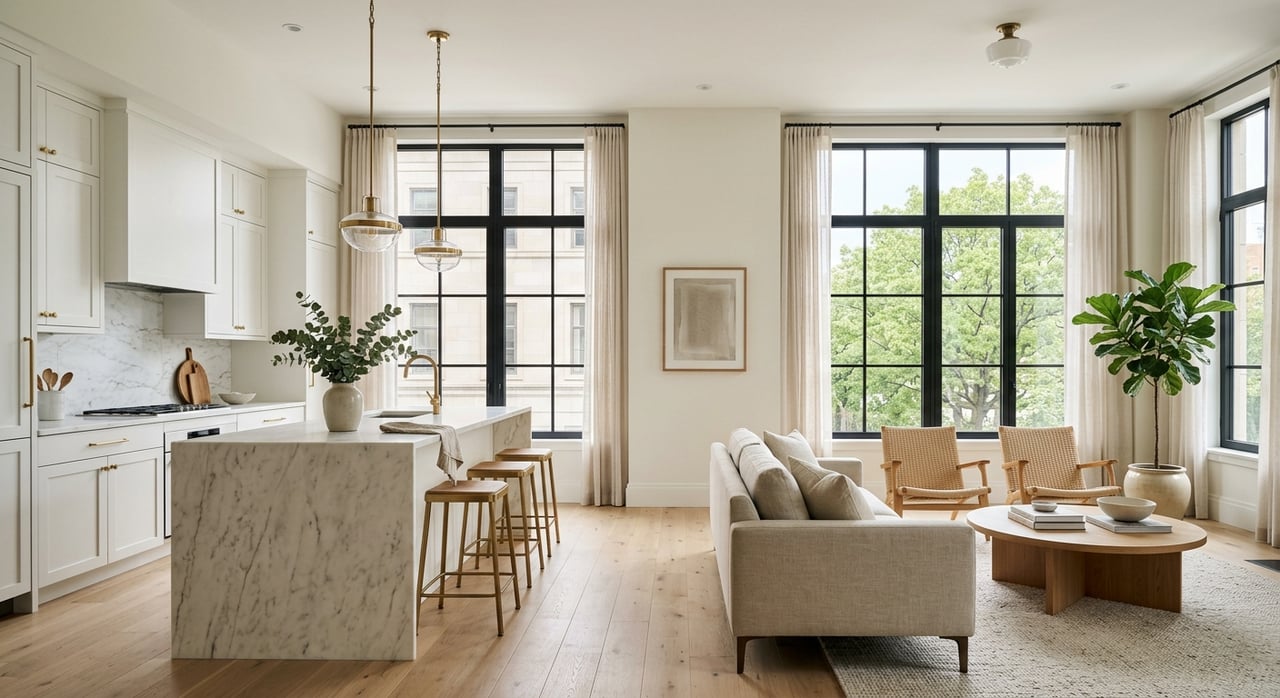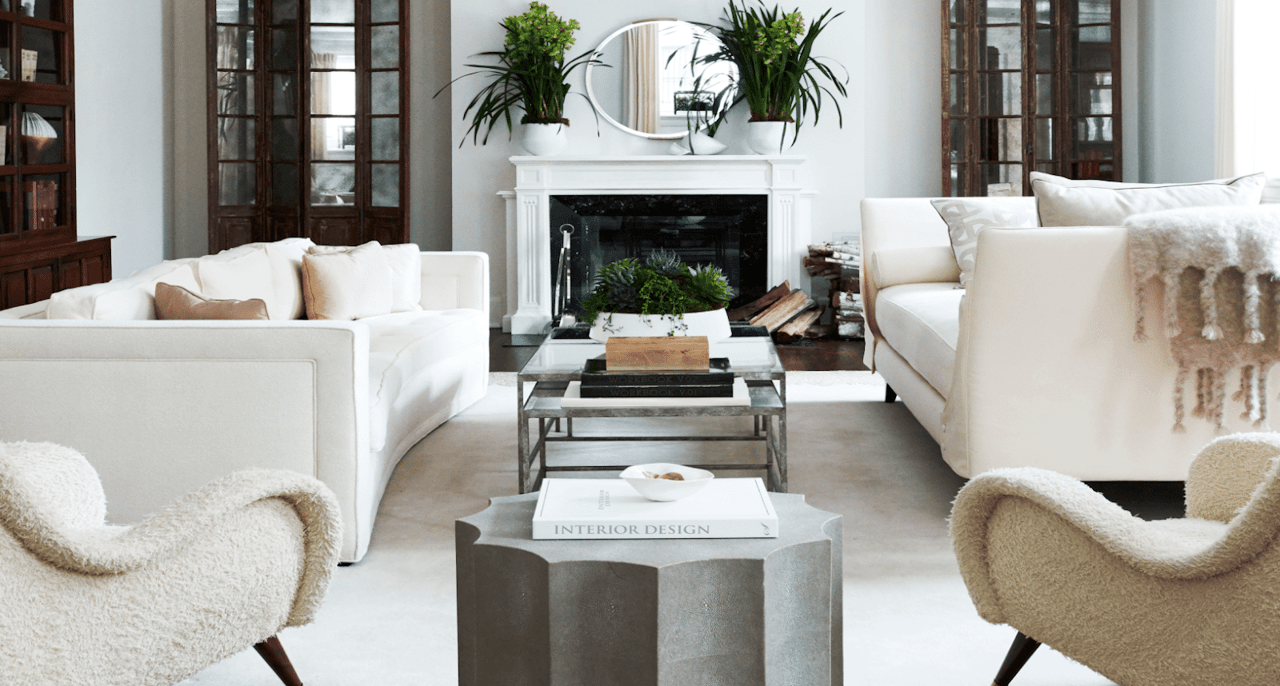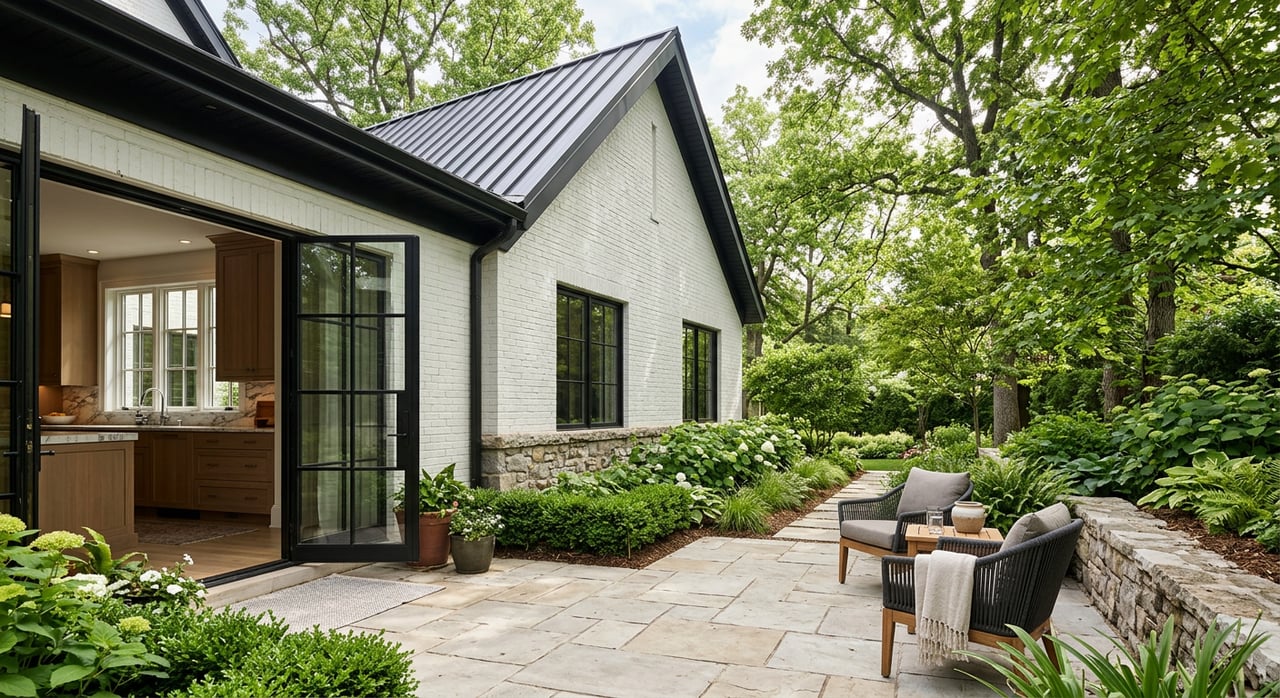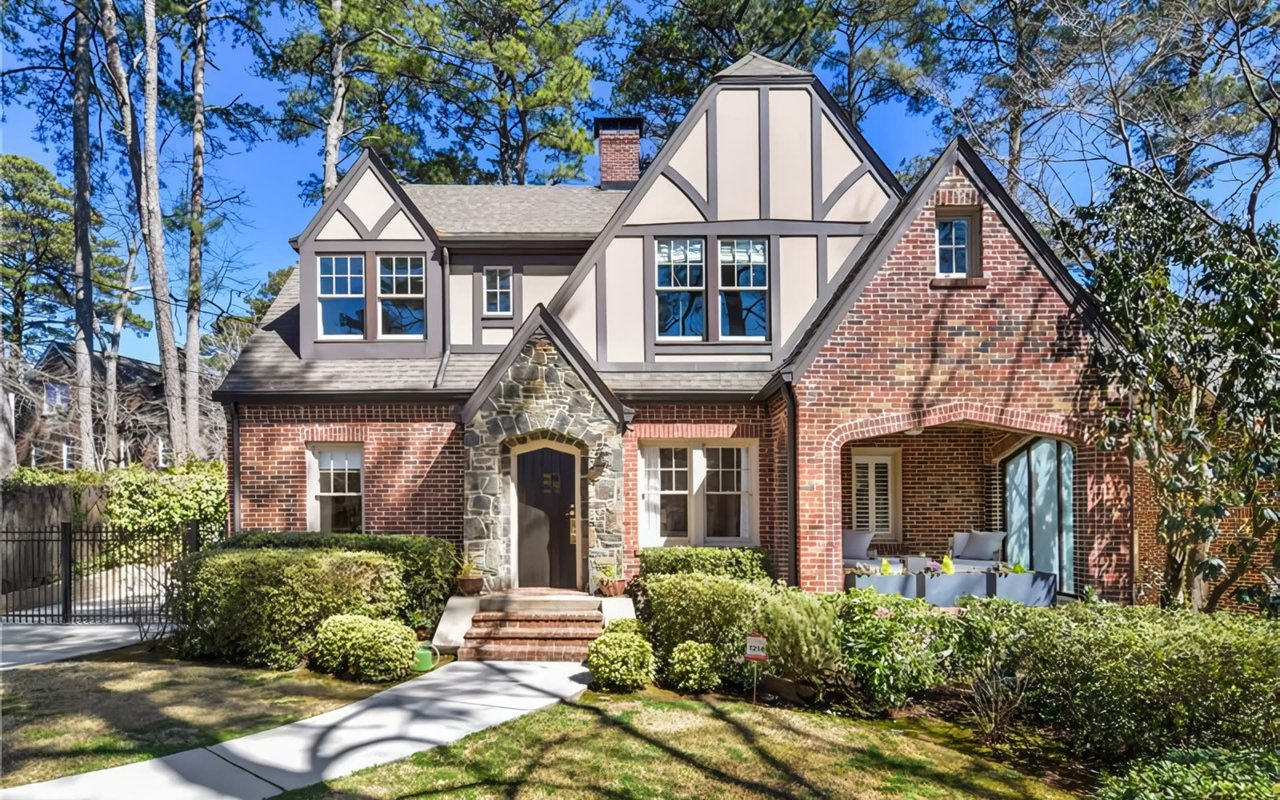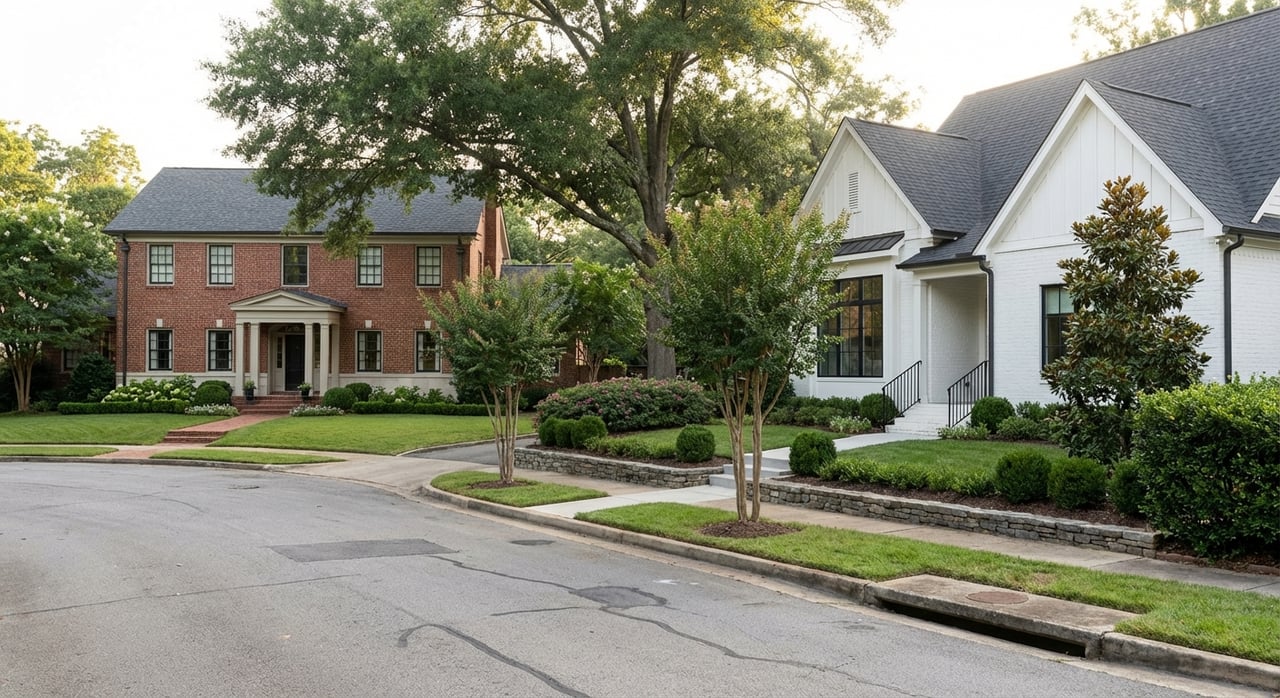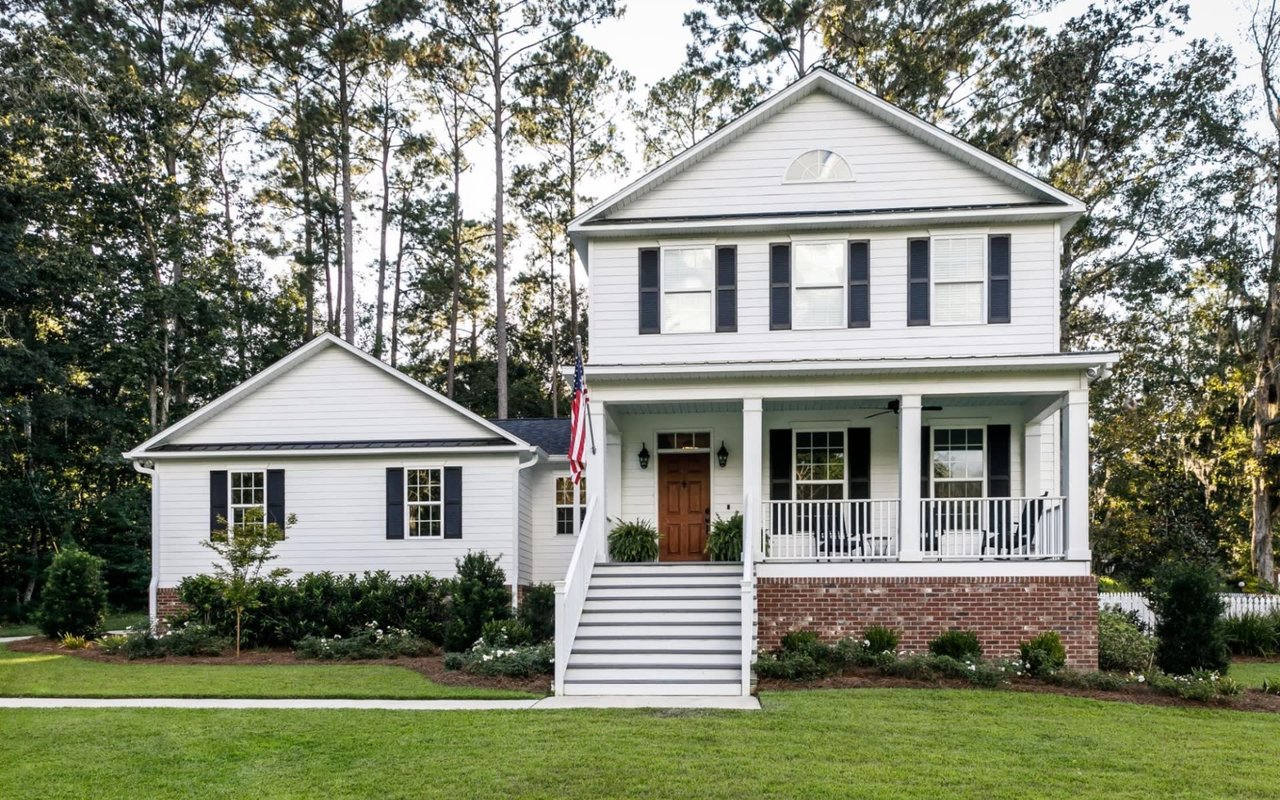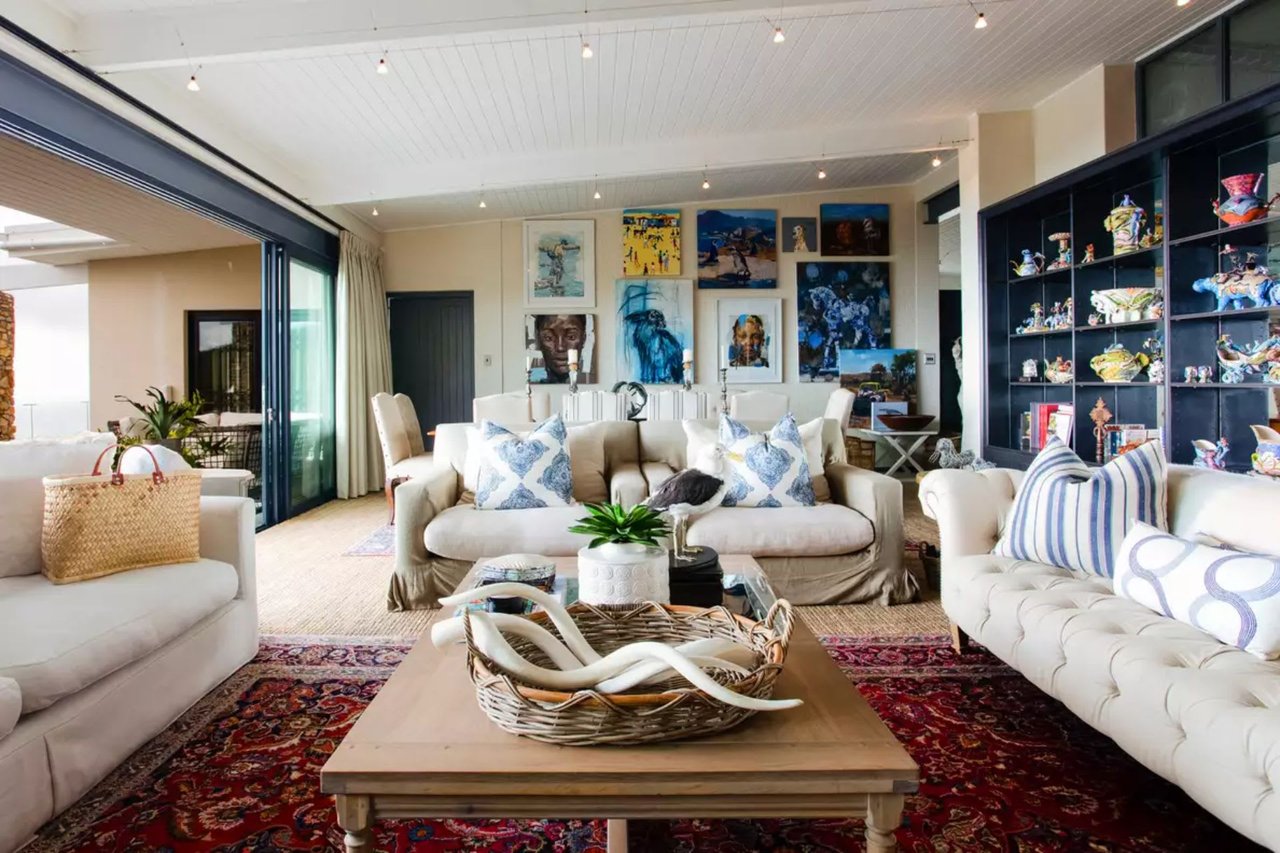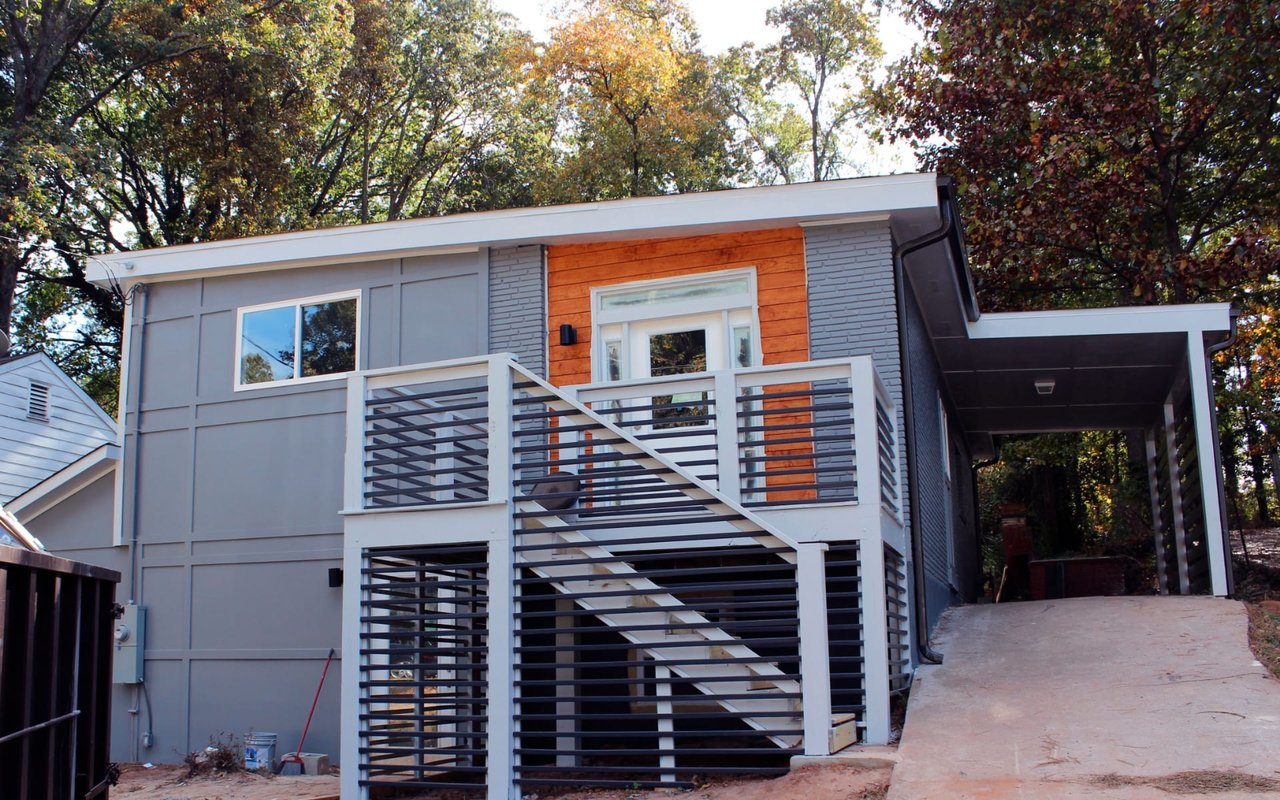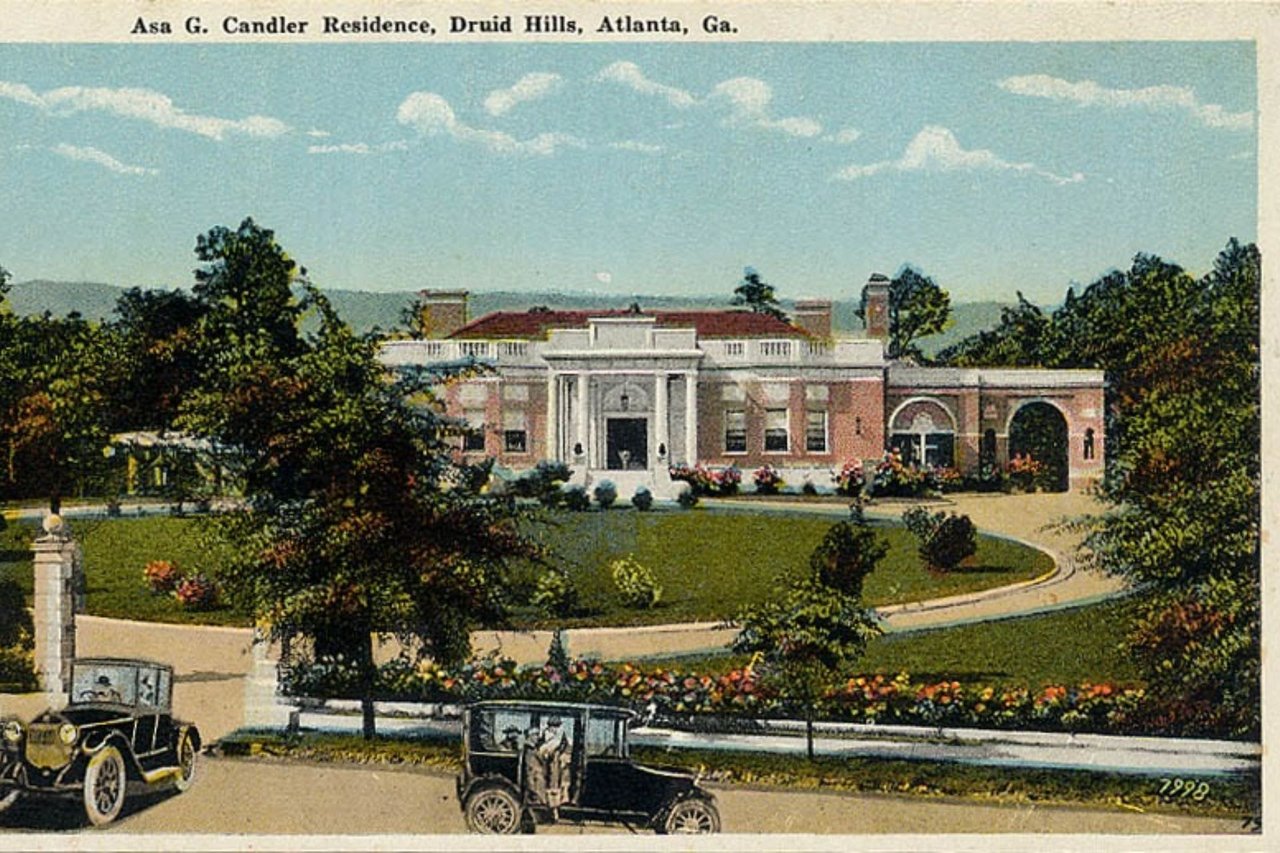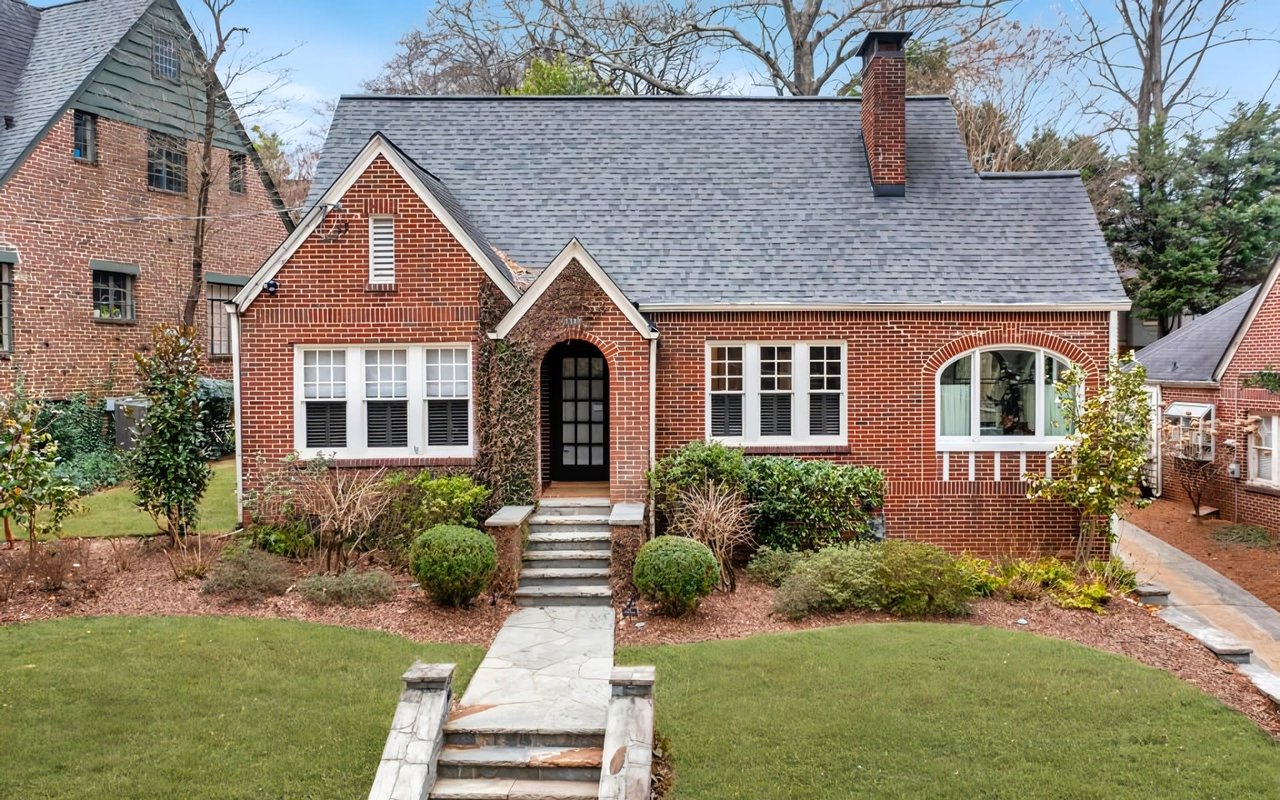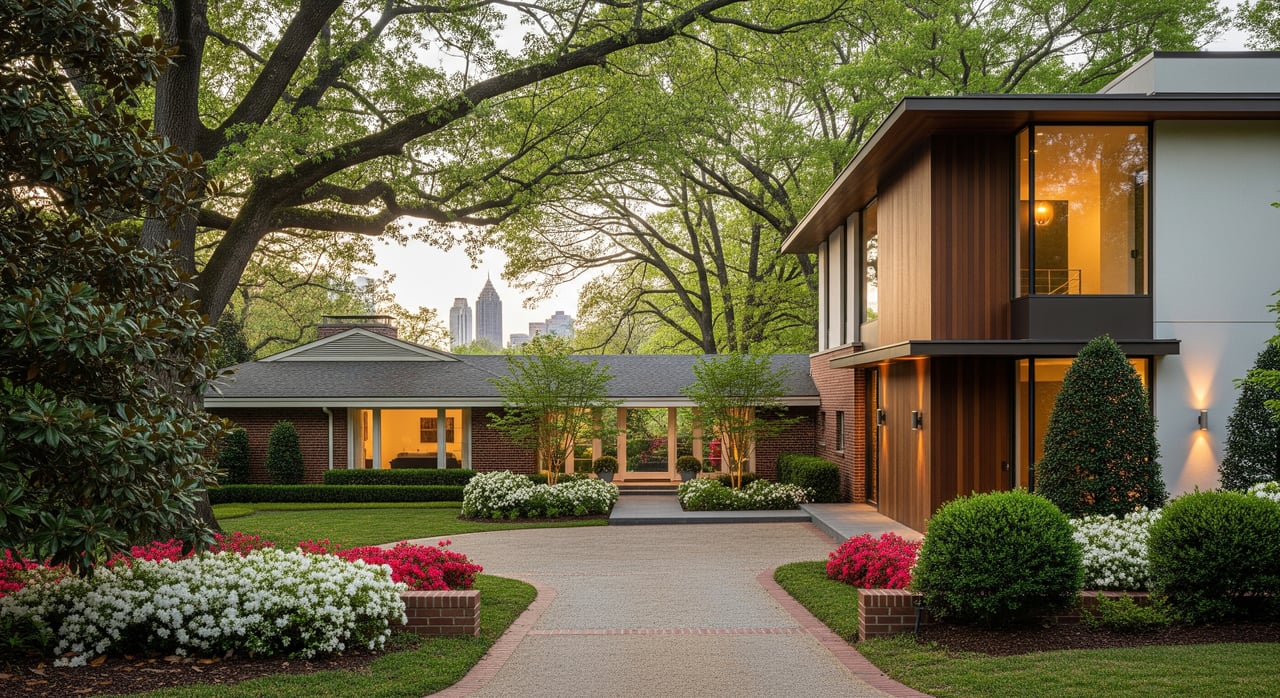
You can walk a single Buckhead street and see two very different homes: a long, low brick ranch tucked under the canopy and a bold, glass-forward contemporary that commands attention. If you are deciding between buying, renovating, or selling one of these styles, the contrasts can feel overwhelming. This guide breaks down how each style lives, what it costs to change, and what matters most for resale on Buckhead lots. You will leave with a clear checklist to help you move forward with confidence. Let’s dive in.
Buckhead at a glance
Buckhead’s mix of architecture comes from its development history. Many neighborhoods filled in from the 1940s through the 1970s, which is why you still see mid-century ranch houses on larger, leafy lots. Starting in the 1990s and accelerating in the 2000s and 2020s, teardowns made room for custom contemporary builds across the area.
You will find more original ranch stock in pockets of North Buckhead and transitional areas such as parts of Garden Hills, Peachtree Heights, and the Ardmore area. High-end contemporary infill often clusters on larger parcels near West Paces Ferry and the Tuxedo Park environs. In market reporting, Buckhead sales are commonly grouped in ZIP codes 30305 and 30327.
The short version: in many cases, land and location drive value more than the structure itself. That is why you see a mix of preserved ranches, renovated classics, and new modern homes side by side.
Floor plans: single-level ease vs vertical volume
Ranch homes are typically one level with linear or L-shaped layouts. Rooms often have clear separation, though later mid-century plans started to open living and dining areas. The circulation is horizontal, which supports easy daily living and is friendly for long-term accessibility.
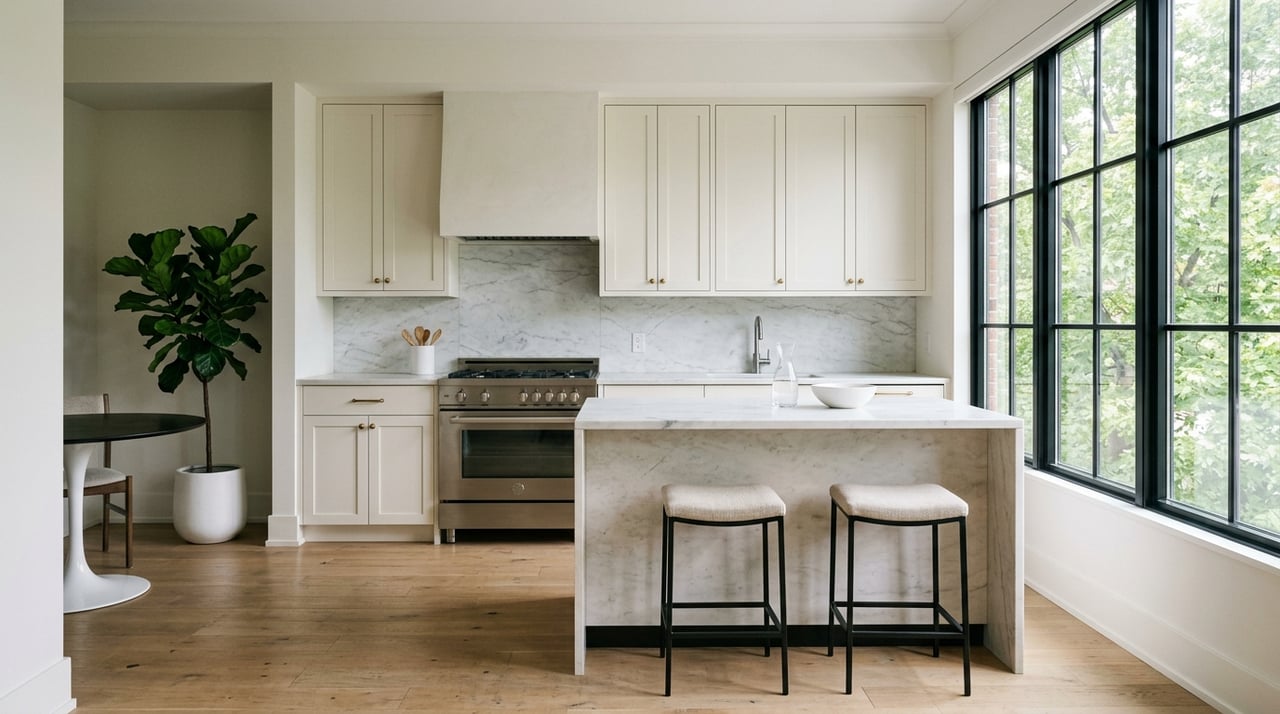
Contemporary homes usually rise two or more stories with open public spaces that blend kitchen, dining, and family zones. You often get flexible rooms for offices, media, gyms, and guest suites. Circulation emphasizes sight lines and indoor to outdoor flow.
What this means for you: if single-level living is a priority, a ranch is hard to beat. If you want soaring spaces and flexible zones, a contemporary plan delivers.
Light and ceiling height
Classic ranches bring moderate natural light through long horizontal windows and sliding doors. Original ceiling heights are often 8 to 9 feet, which keeps proportions comfortable but less dramatic.
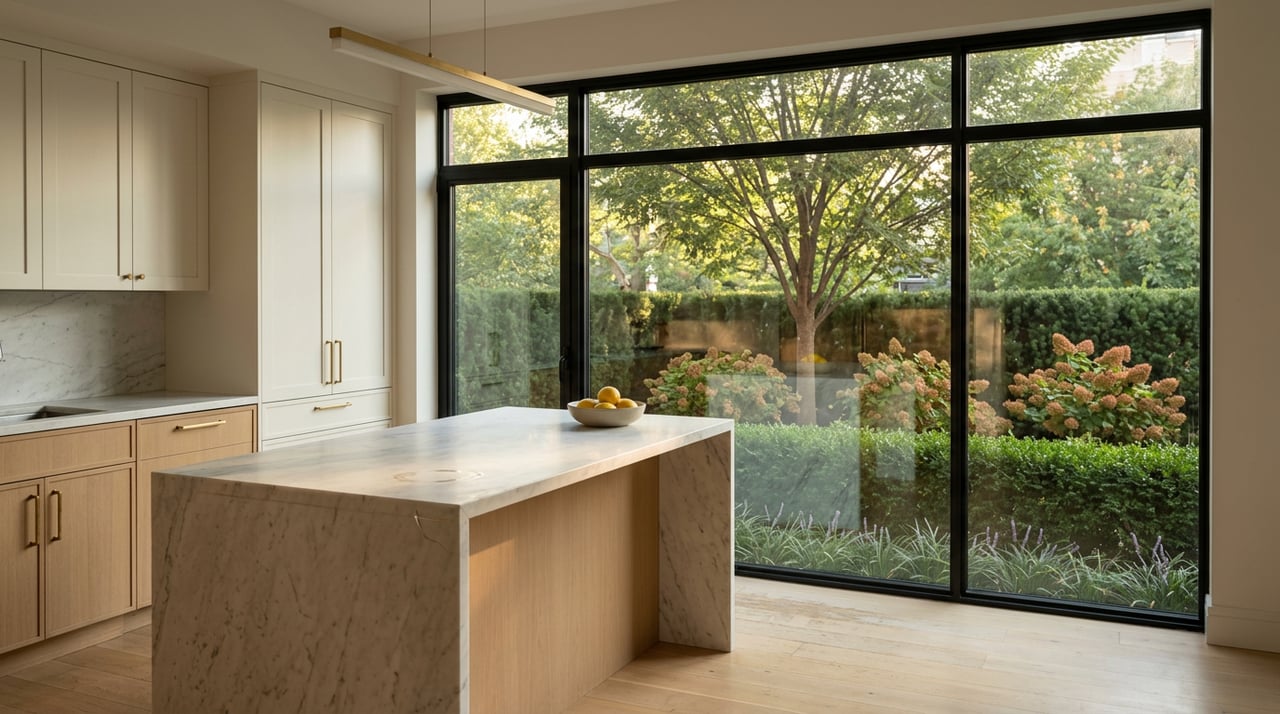
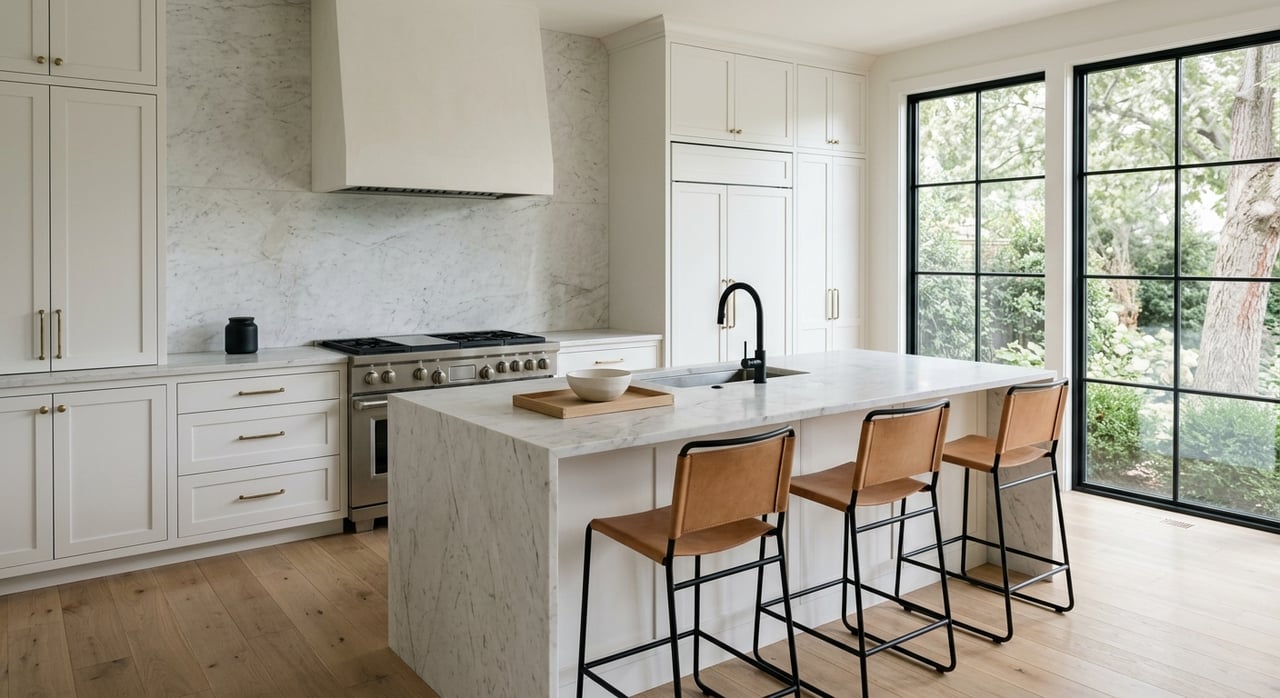
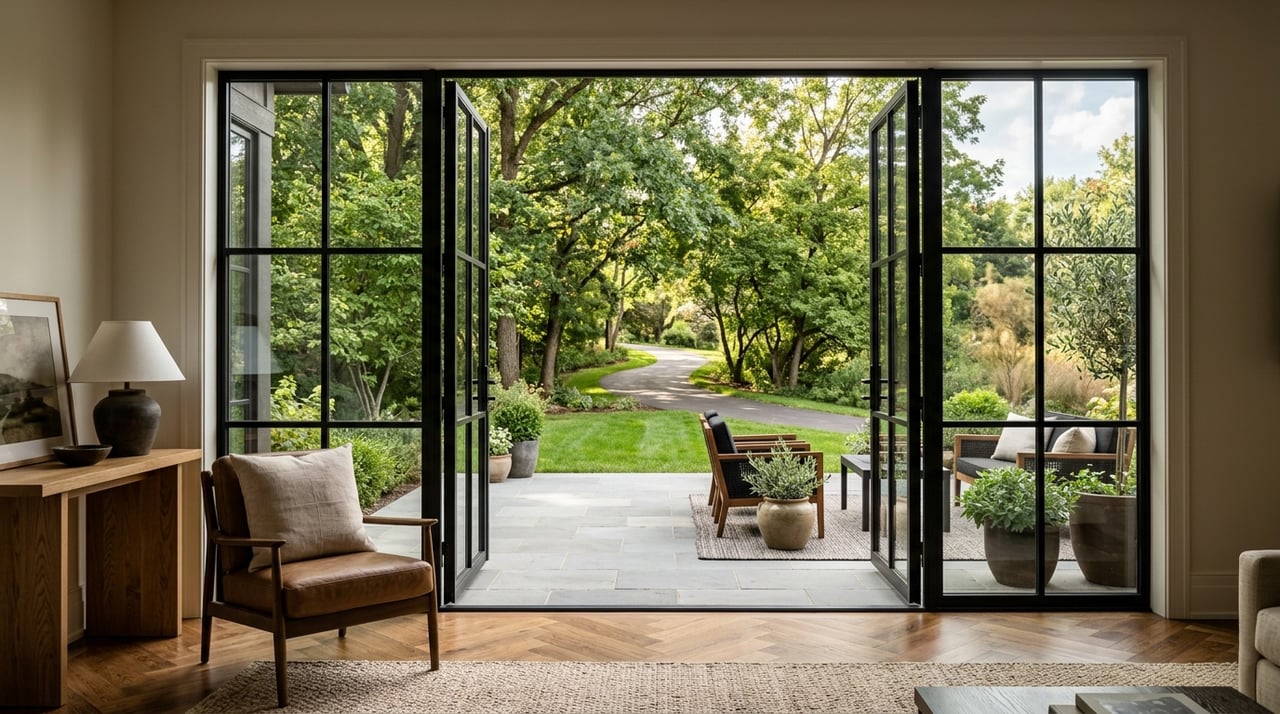
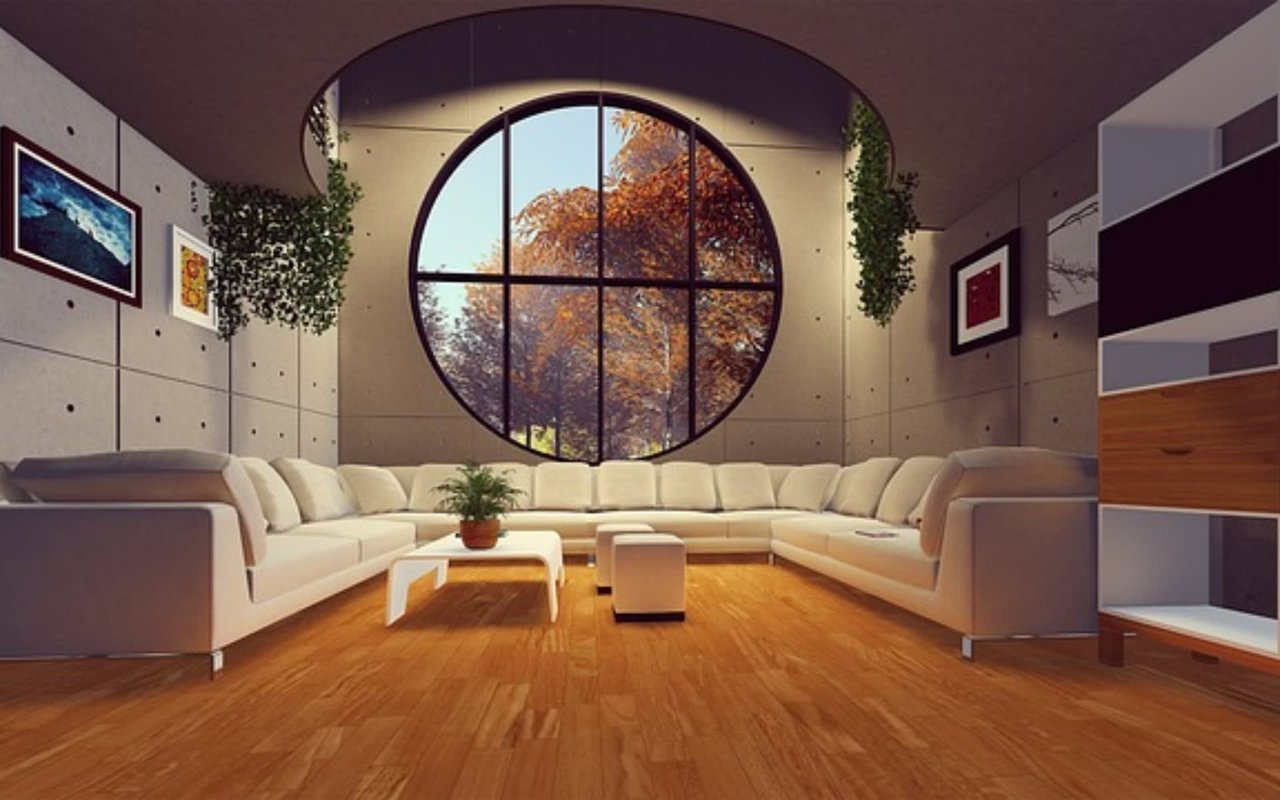
Contemporary builds lean into light with floor-to-ceiling glazing, clerestory windows, and skylights. Higher or vaulted ceilings boost daylight and make rooms feel larger.
If you value brightness and strong landscape views, contemporary construction has a built-in edge. Selling a ranch? Highlight any enlarged openings, glass patio doors, or clerestory windows to show off light.
Materials and curb appeal
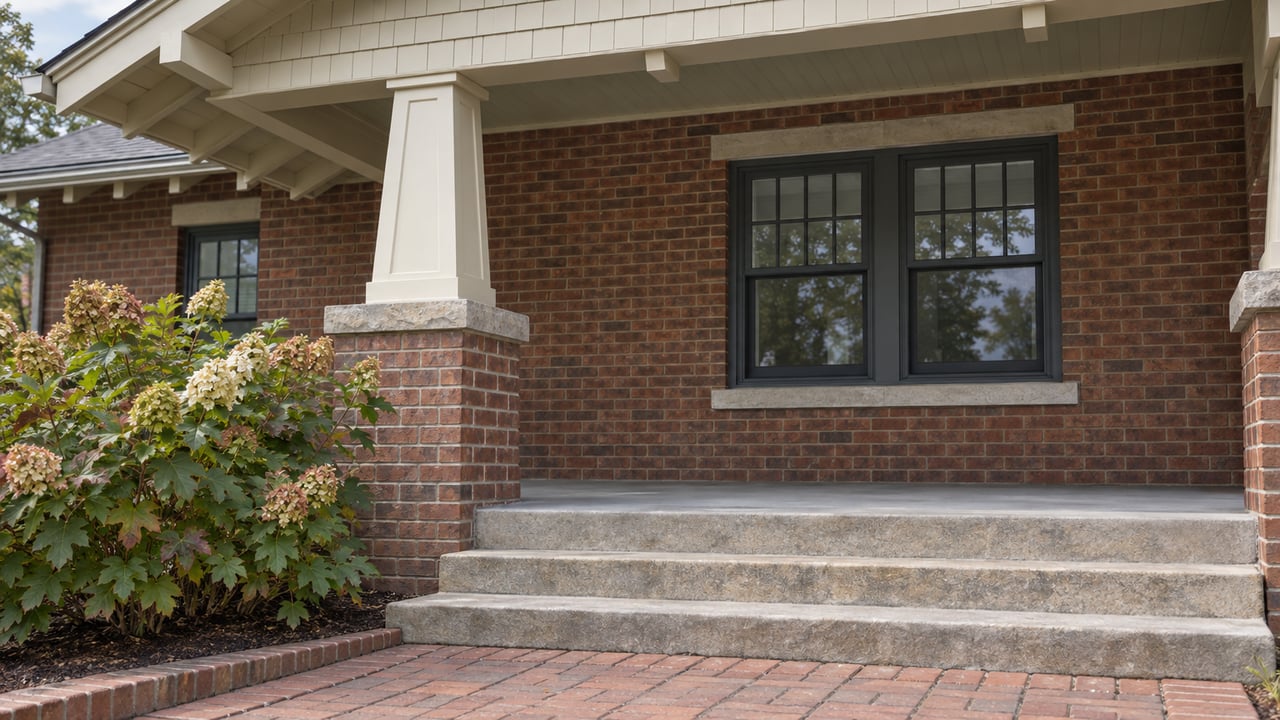
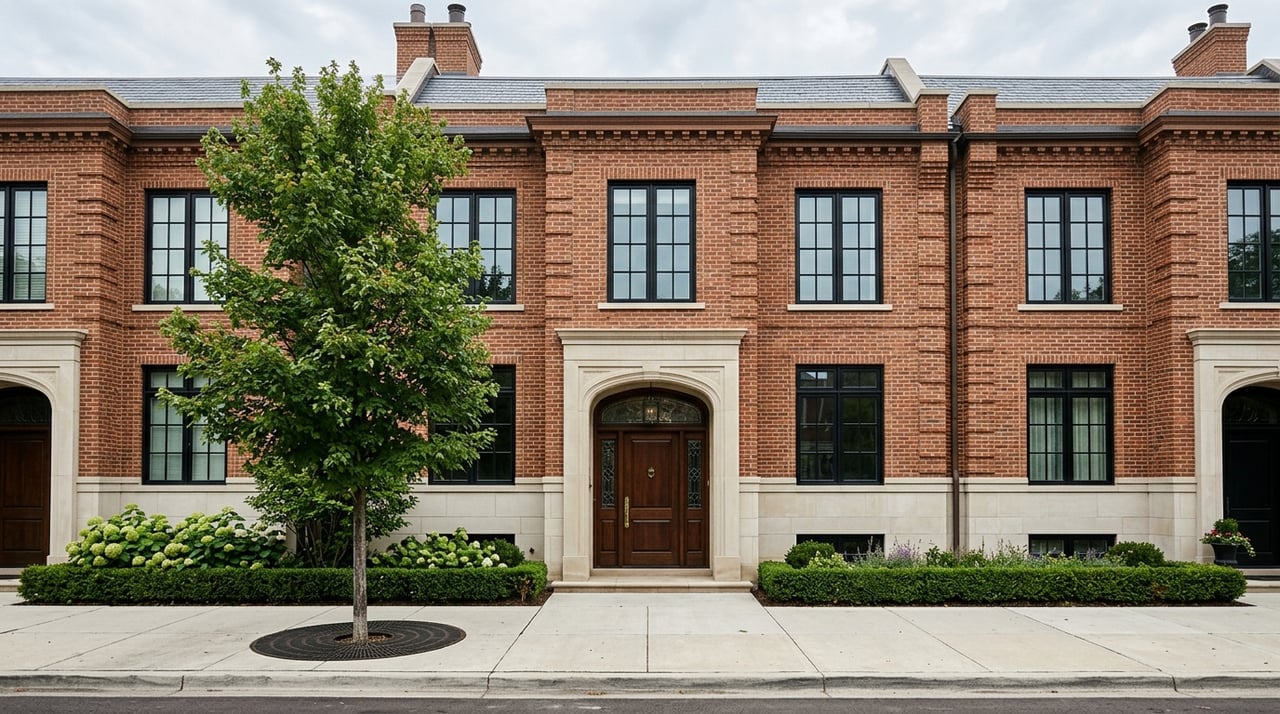
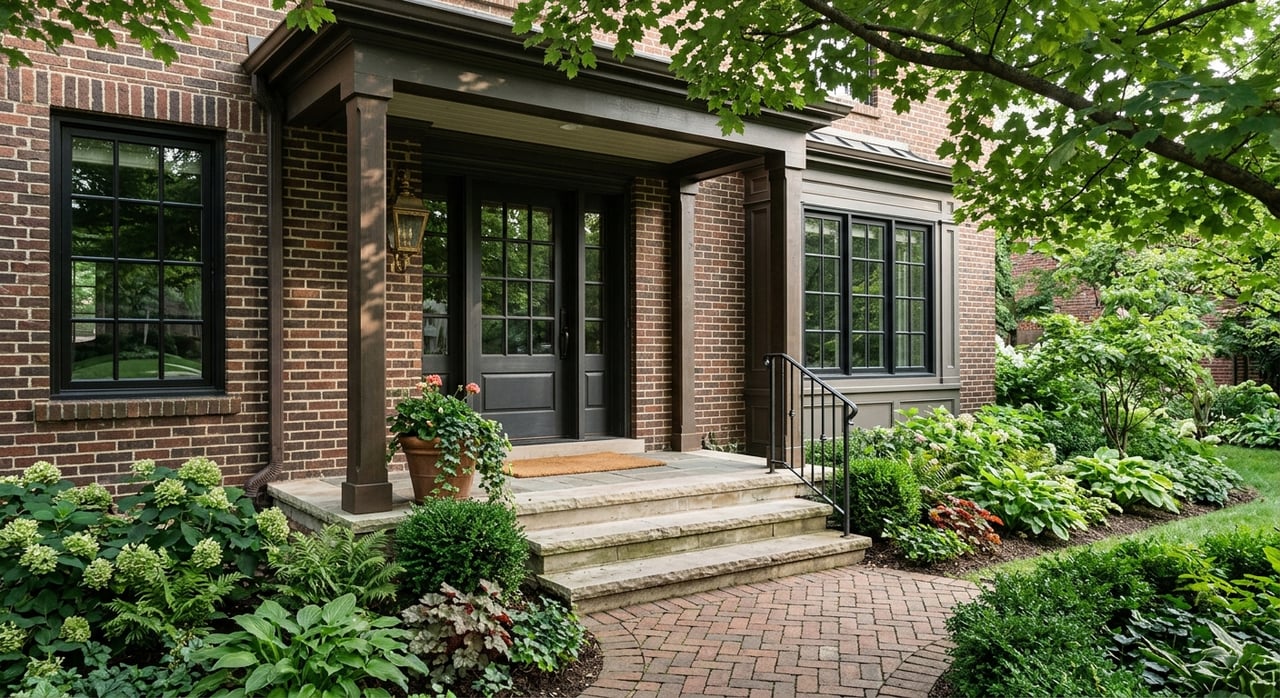
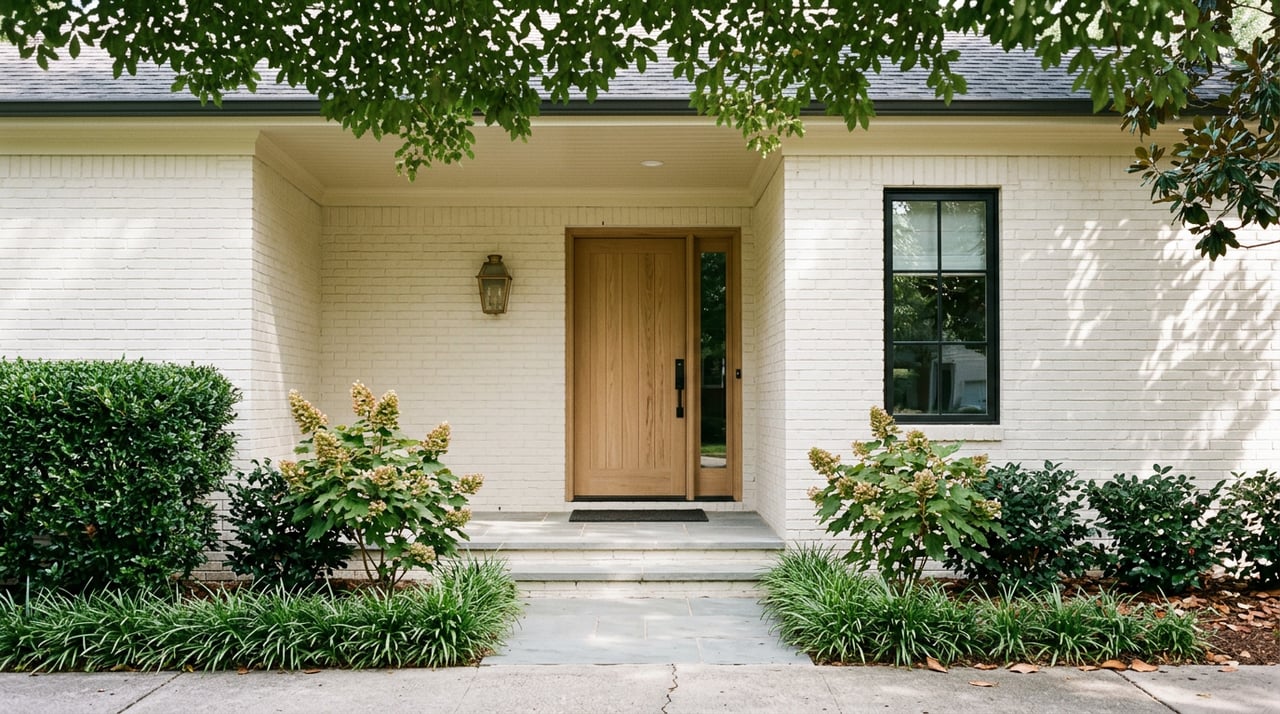
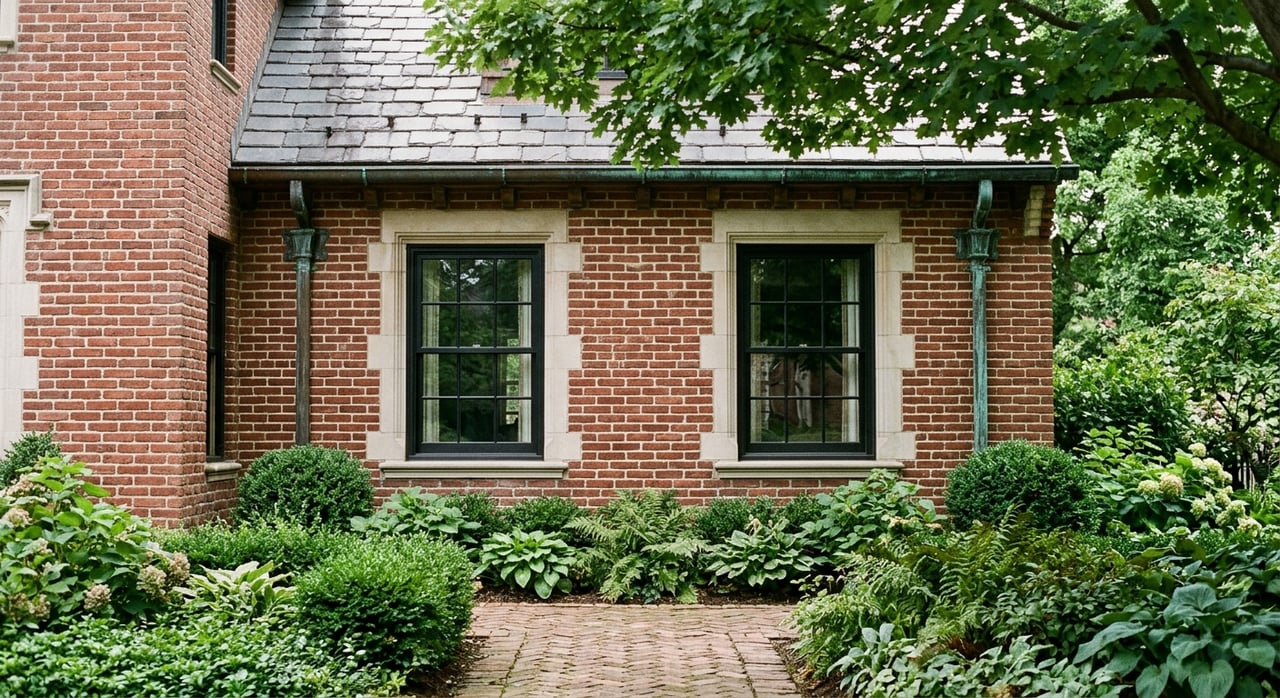
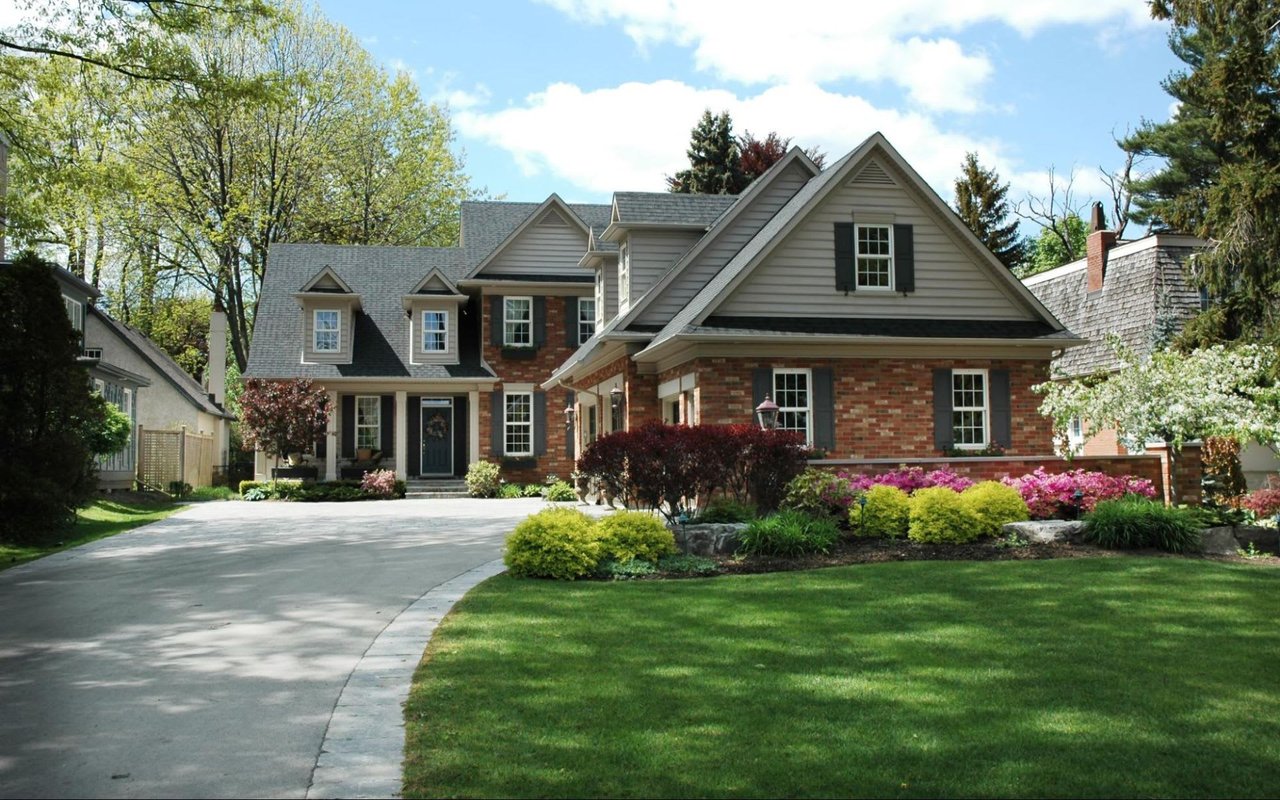
Ranches use durable, familiar materials like brick and horizontal siding with broad eaves and low rooflines. The profile is subtle and integrates with yard and trees. Curb appeal often comes from mature landscaping and the setting.
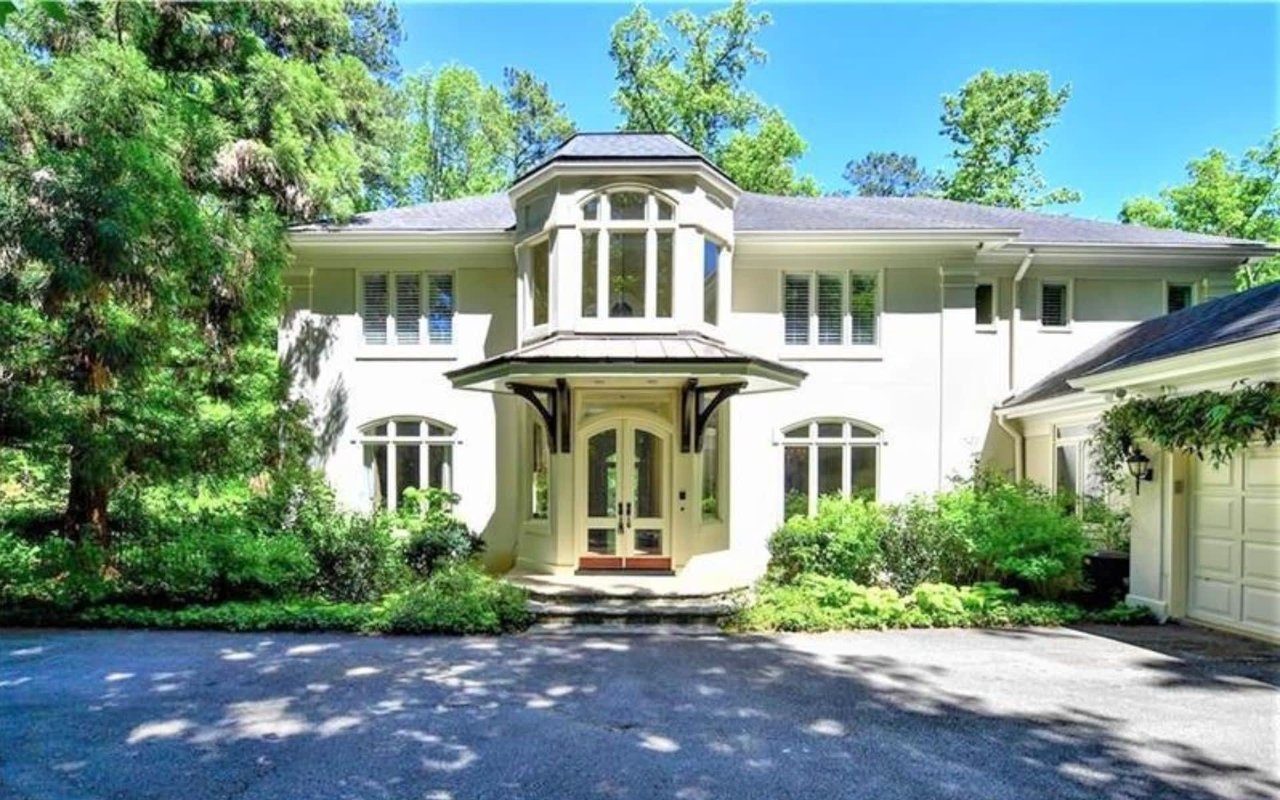
Contemporary homes mix stucco, metal, wood accents, and large glass areas. Rooflines can be sculptural, entries are bold, and the overall look photographs strongly.
If you plan to list, remember that contemporary facades tend to create instant impact in photos. Ranches benefit from thoughtful landscape shots that show yard depth and the relationship to the site.
Outdoor living and site use
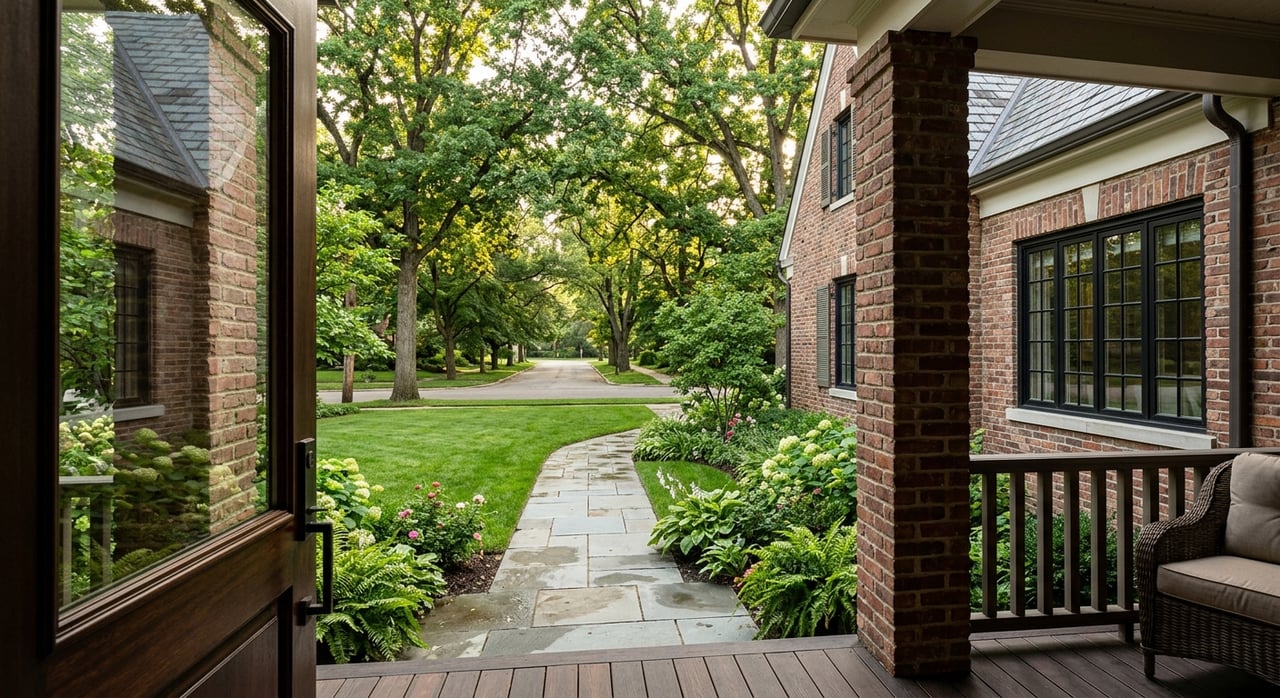
Ranches excel at easy yard access. Low thresholds, patios, and terraces support one-level entertaining and play. If a usable yard is a must, a ranch layout often connects directly to green space.
Contemporary homes stack outdoor experiences with upper-level balconies, roof decks, and integrated courtyards. This is ideal when you want distinct zones for views, dining, and lounging without a sprawling footprint.
Systems and performance
Original ranch systems often need updating. The good news is that running new electrical, HVAC, and insulation upgrades is straightforward on a single level. Window replacements and air sealing can also boost comfort and efficiency.
Most new contemporary homes arrive with modern mechanicals, insulation, and smart-home integrations. To reach similar performance in a ranch, you can upgrade systems, but major glazing or ceiling changes may require structural work.
Renovation reality: what is easy and what is not
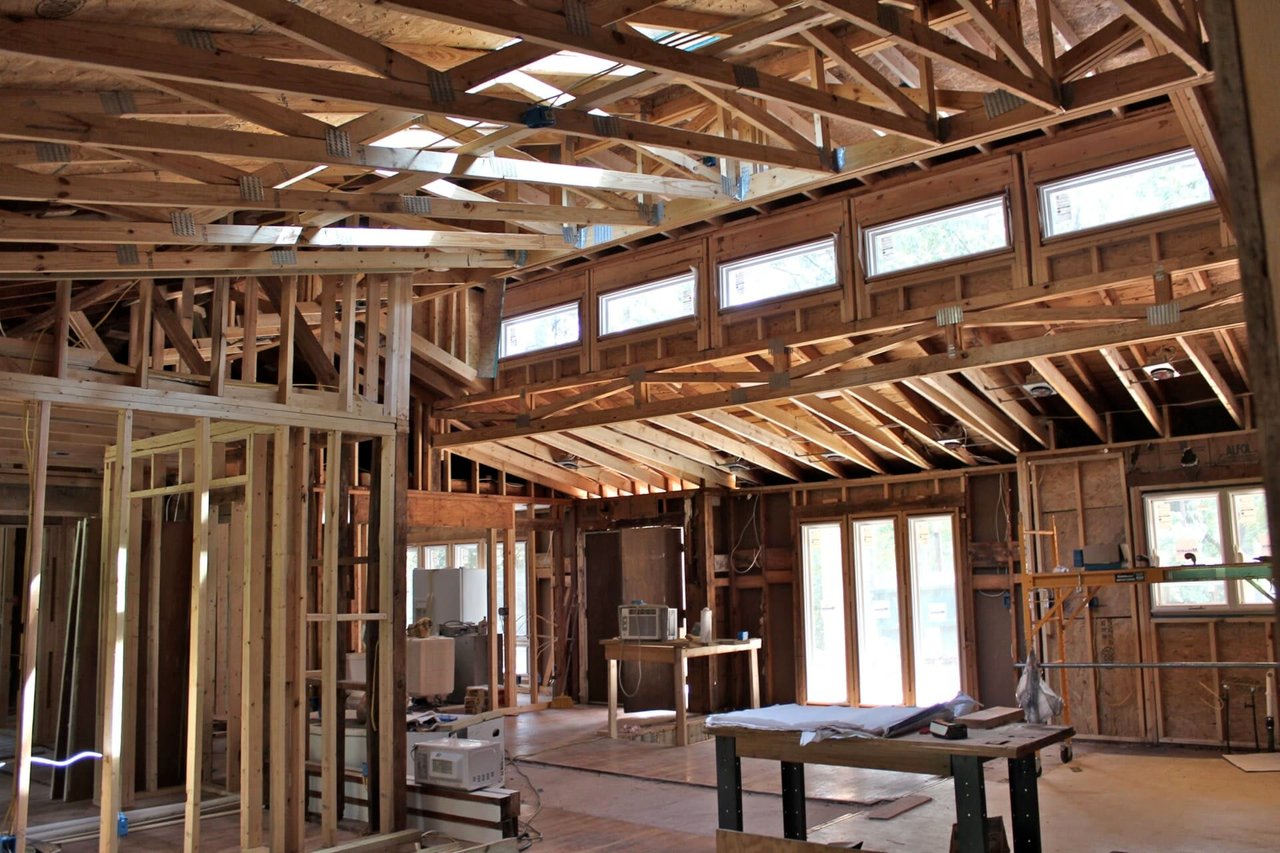
Ranches are flexible for interior reconfiguration on one level. Removing non-structural walls, widening doorways, and expanding horizontally are common projects. Accessibility upgrades like zero-step entries and wider halls are typically simpler to add in a single-story shell.
Where ranches get complex is height. Raising ceilings or creating double-height spaces often means costly structural changes. Adding a full second story requires foundation evaluation, new stairs, and full system rework.
Contemporary homes are already designed for open living. Renovations can be more complex because of custom glazing, engineered spans, and integrated finishes. When you want a different layout, costs can climb due to the structural system.
Rule of thumb: ranches handle cosmetic updates and single-level reworks economically. Large transformations toward a contemporary aesthetic or full second-story additions can approach the cost of replacement.
Teardowns and permits: what to check first
Teardowns are common in Buckhead where larger lots and zoning allow more square footage. Before you plan an addition or a new build, check the basics.
Key items to evaluate:
- Lot coverage limits and setbacks that define your building envelope.
- Tree protection rules, which are significant because Buckhead has a mature canopy.
- Stormwater and impervious surface limits, especially near creeks and tributaries.
- Any neighborhood covenants or historic district overlays that may require design review or limit demolition.
Plan to coordinate with City of Atlanta Planning and City Design, the Office of Buildings, and your neighborhood association. Understanding these rules early prevents surprises in design and permitting.
Who each style fits
You may prefer a ranch if you want single-level living, direct yard access, and a manageable footprint. Ranches make sense if you are ready to renovate rooms and systems without reimagining the entire structure.
A contemporary may be a better fit if you want high ceilings, abundant natural light, and modern systems from day one. Multi-story living also helps separate entertaining spaces from private bedrooms and offices.
For resale, lot and location usually dominate value in Buckhead. Newer contemporary builds often command premiums on prime parcels. Well-kept or thoughtfully updated ranches can be very appealing to buyers who value accessibility and renovation potential.
Selling strategy: how to position your home
If you are listing a ranch, spotlight single-level flow, bedroom placement, and yard connection. Call out recent system upgrades and any enlarged windows or doors. Show paths to future horizontal expansion if the lot allows.
If you are listing a contemporary, lead with ceiling heights, window walls, and private outdoor spaces like roof decks and terraces. Highlight the distribution of square footage, integrated technology, and parking or driveway design.
For photography, ranches shine when you show context and depth of yard. For contemporary homes, capture elevation and interior vistas at golden hour to emphasize light and volume.
Quick decision checklist
Use this list to pressure-test your next move:
- Goals: Do you prioritize single-level living or vertical separation of spaces?
- Light: Is abundant daylight a must, or can you achieve it through selective renovations?
- Systems: Will you budget for HVAC, insulation, and window upgrades in a ranch, or do you want turnkey performance?
- Site: Does your lot allow horizontal additions, or would a stacked plan work better?
- Rules: Have you checked setbacks, lot coverage, tree protection, stormwater, and any design review?
- Budget: Are you aiming for cosmetic updates, or would changes push into full structural work that rivals replacement cost?
If you are on the fence, a walk-through with a contractor and an agent who understands renovation feasibility in Buckhead will clarify your best path.
Ready to compare scenarios or prep your home for a premium sale outcome? Reach out to the team that pairs renovation insight with elevated marketing. Connect with Molly Carter Gaines to map your strategy.
FAQs
What defines a Buckhead ranch home?
- A mid-century, single-story layout with linear or L-shaped plans, modest rooflines, and horizontal windows, often built on larger lots from the 1940s to 1970s.
Are contemporary homes gaining value faster in Buckhead?
- On prime lots, newer contemporary builds often command higher prices due to square footage, modern systems, and design impact, though land and location remain the biggest value drivers.
Can you add a second story to a Buckhead ranch?
- Often possible, but it requires structural evaluation, zoning and lot coverage checks, and permits; costs can be high enough that teardown and rebuild may be more efficient.
How can you improve natural light in a ranch without rebuilding?
- Consider larger window openings, new sliding or folding patio doors, and targeted skylights or clerestories; dramatic double-height changes require structural work.
What permits and rules affect teardowns and additions in Buckhead?
- Expect review of setbacks, lot coverage, tree protection, stormwater and impervious surfaces, plus any neighborhood covenants or historic overlays that require design approval.
Where are ranch and contemporary homes most common in Buckhead?
- Ranches appear in pockets of North Buckhead and transitional areas like parts of Garden Hills, Peachtree Heights, and Ardmore, while contemporary infill clusters near larger-lot corridors like West Paces Ferry and the Tuxedo Park area.