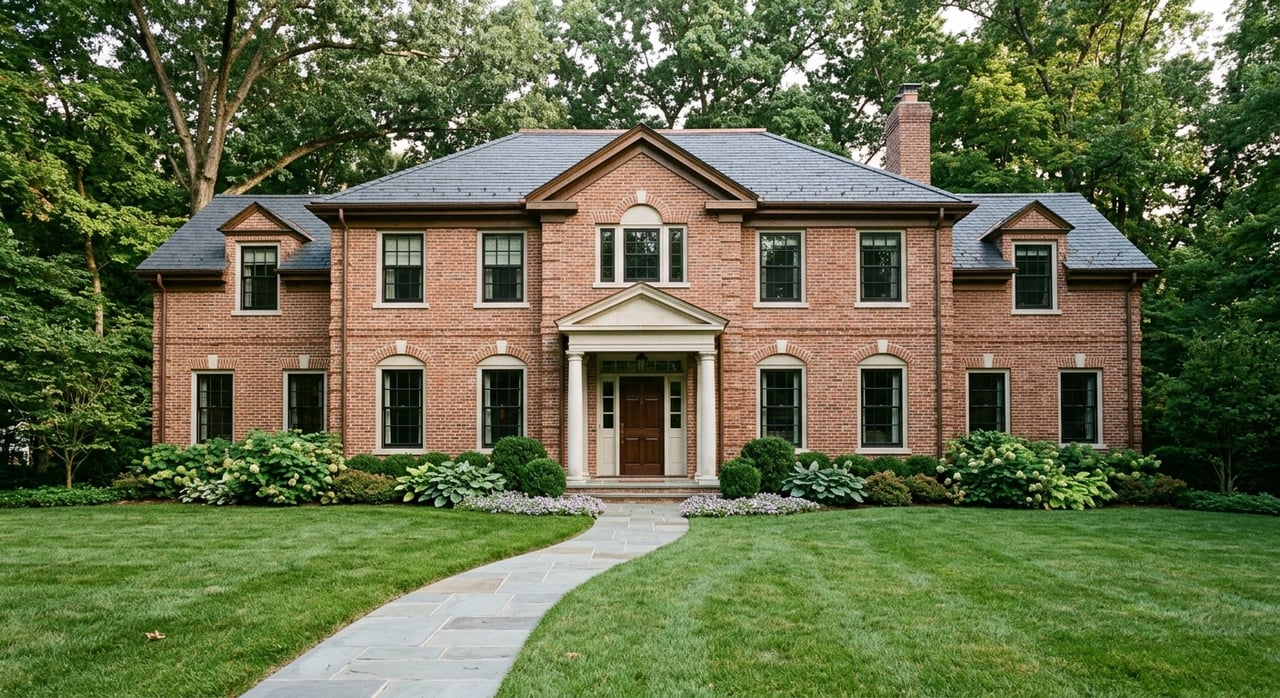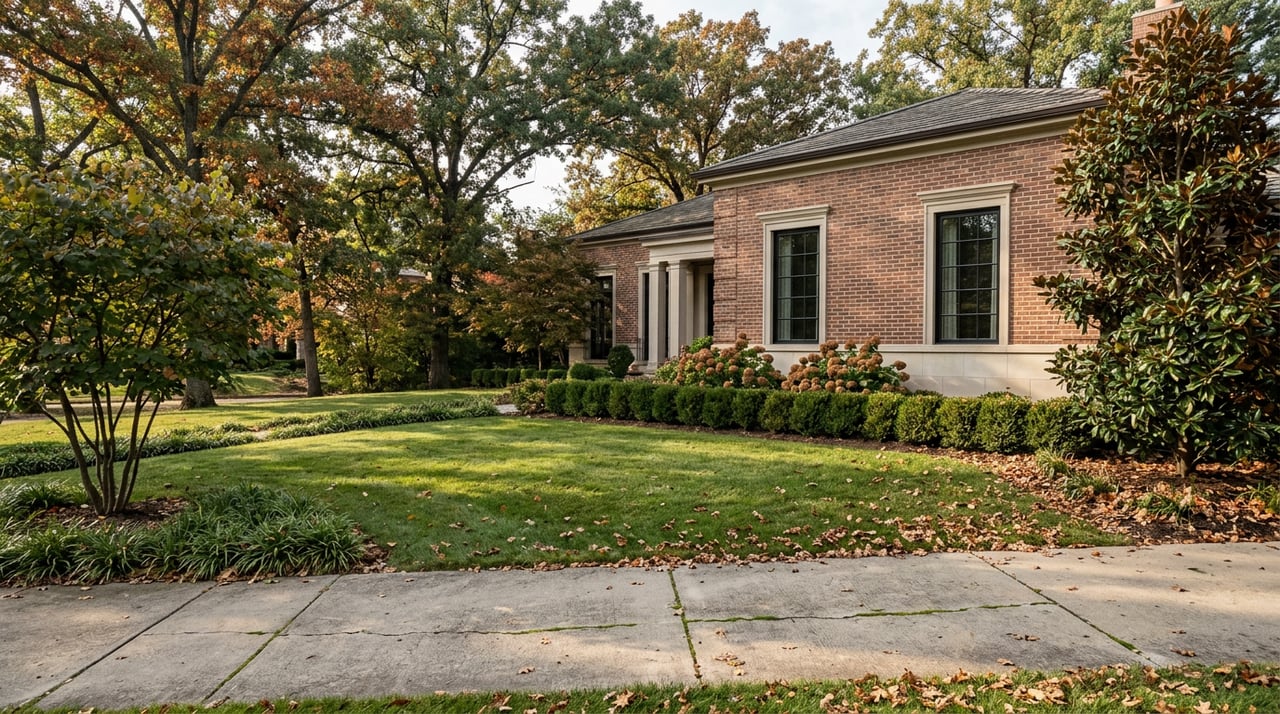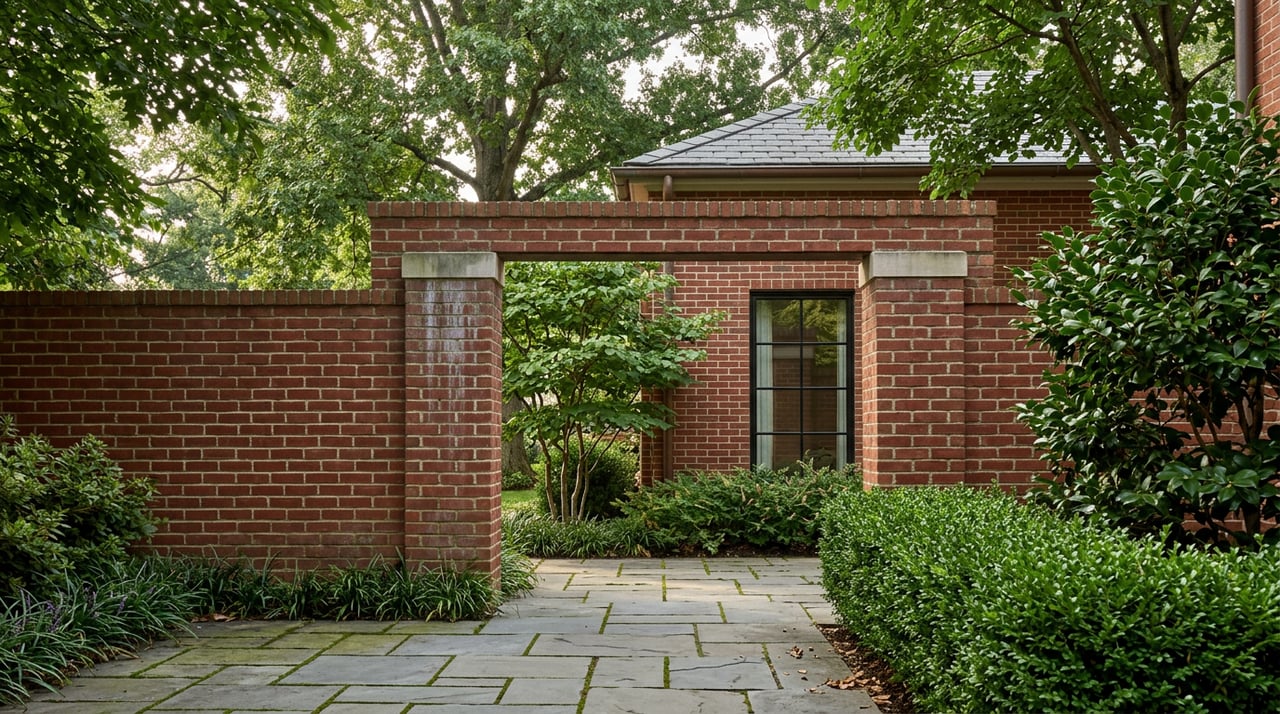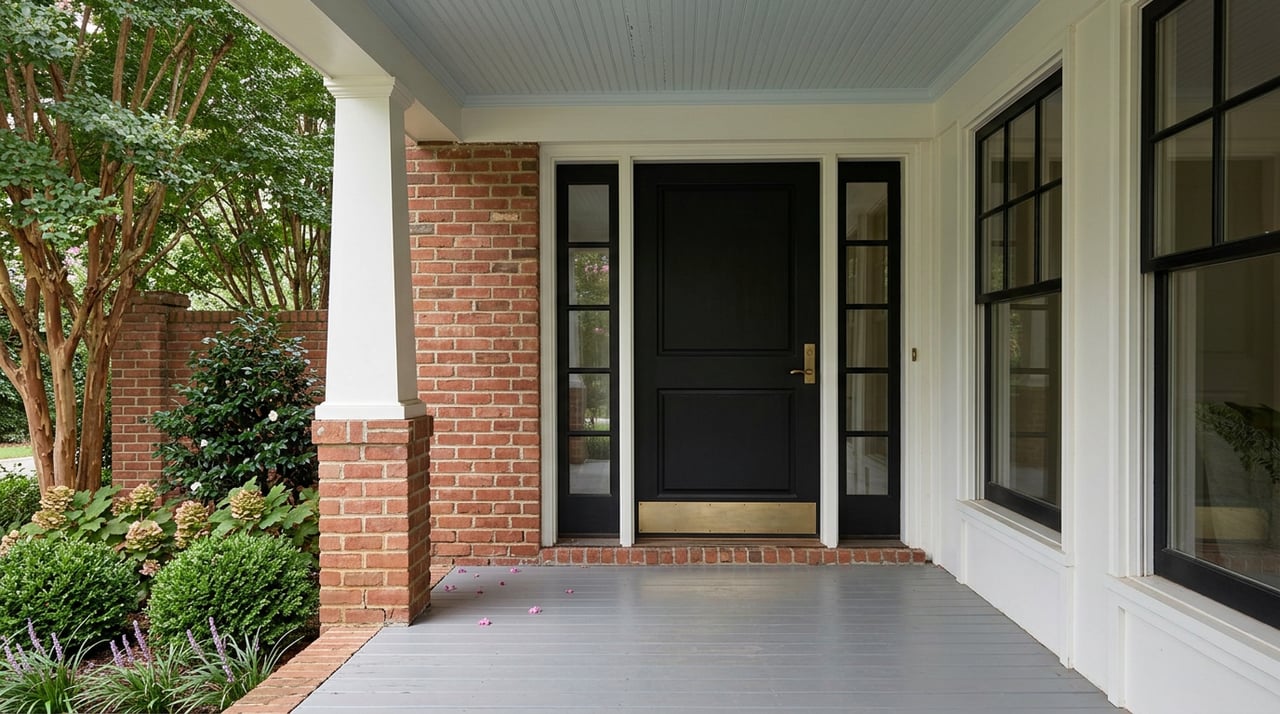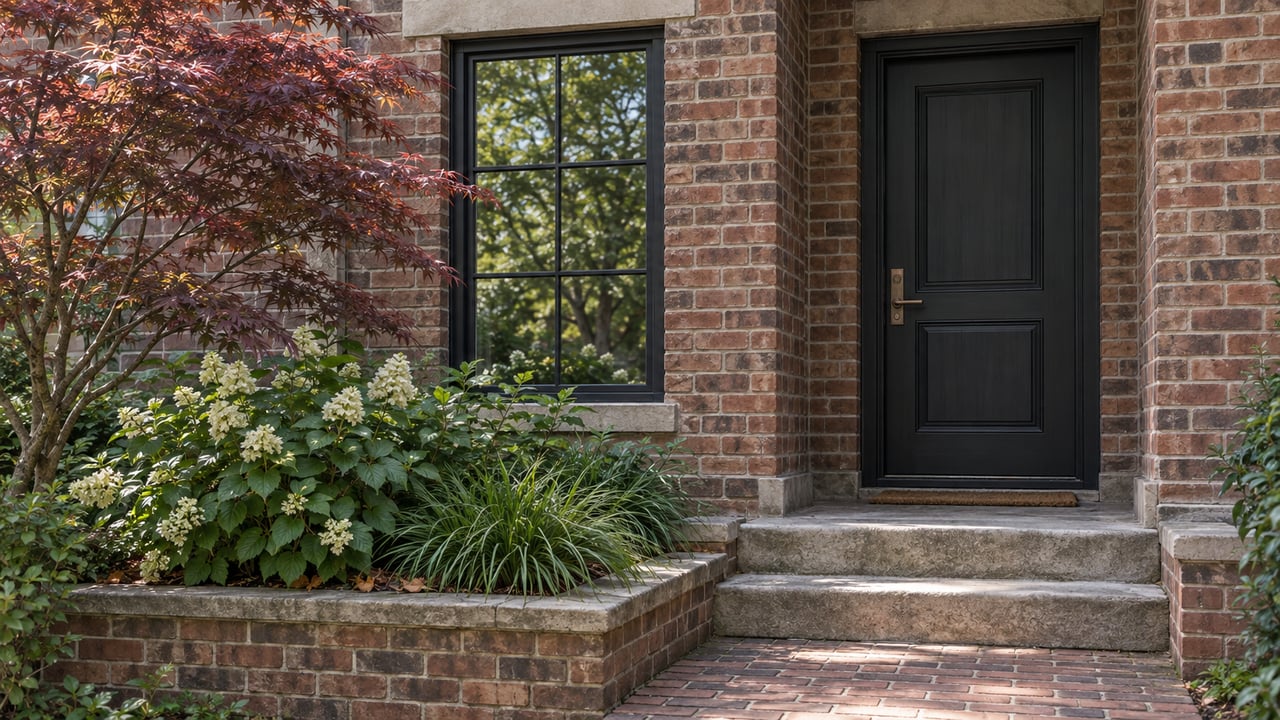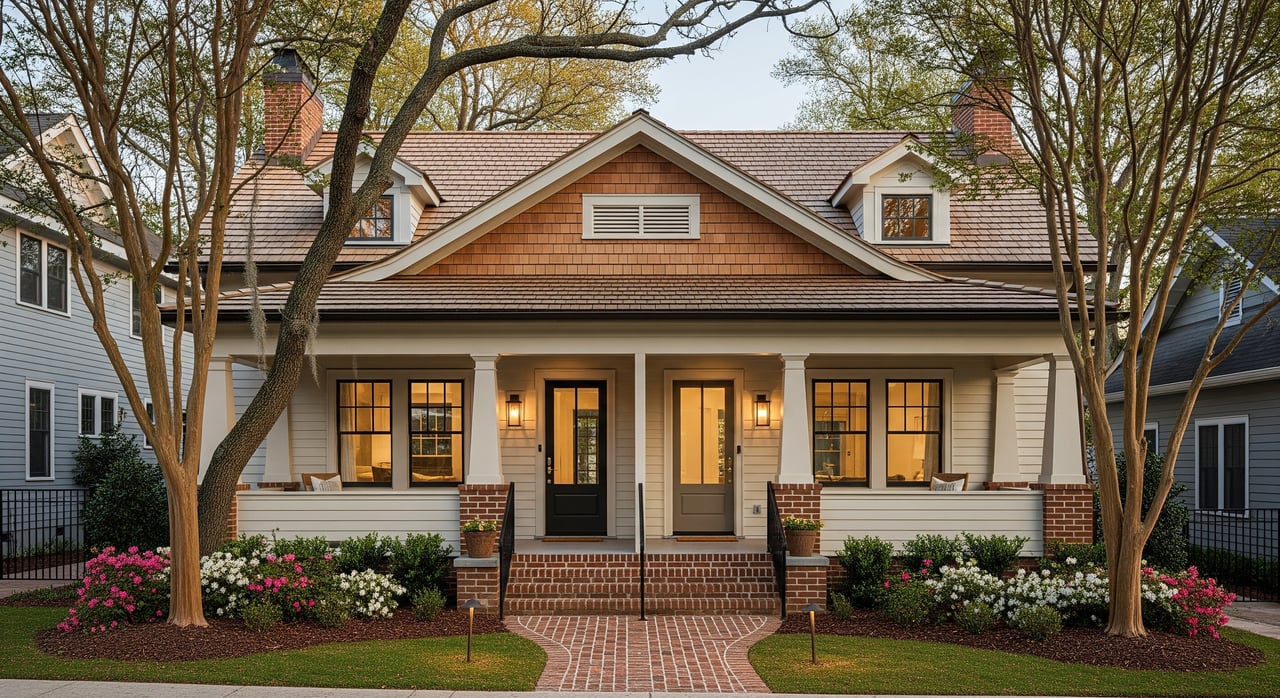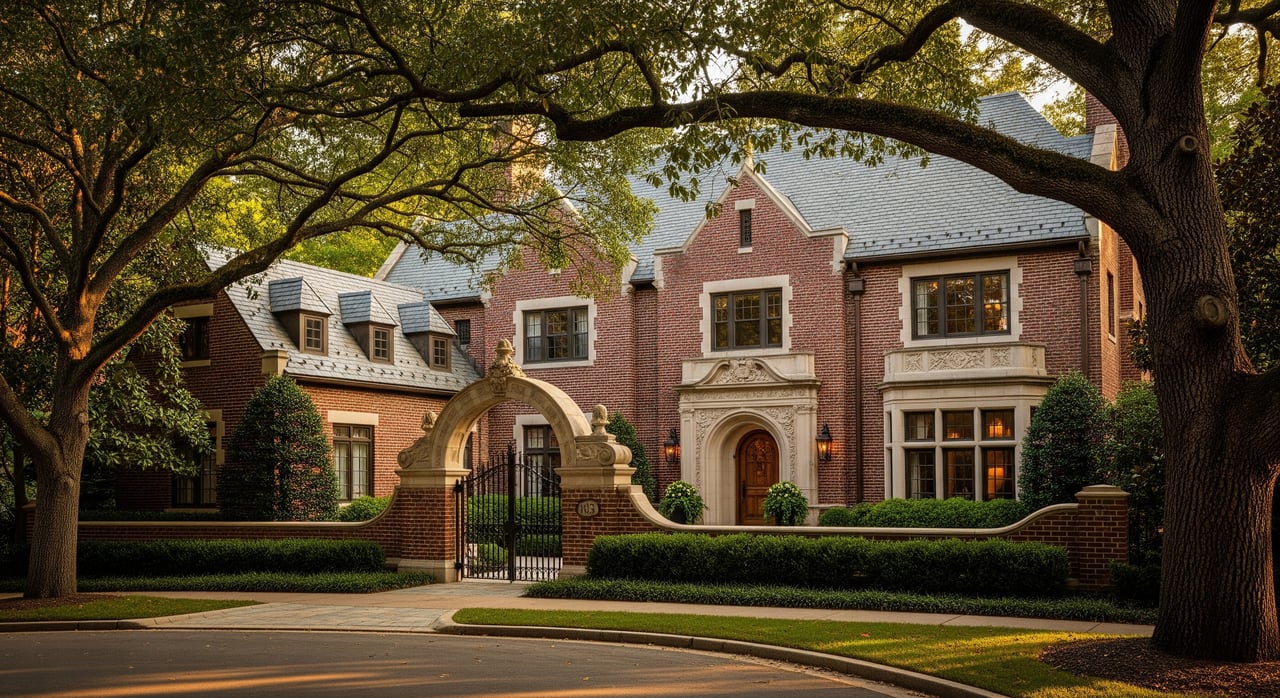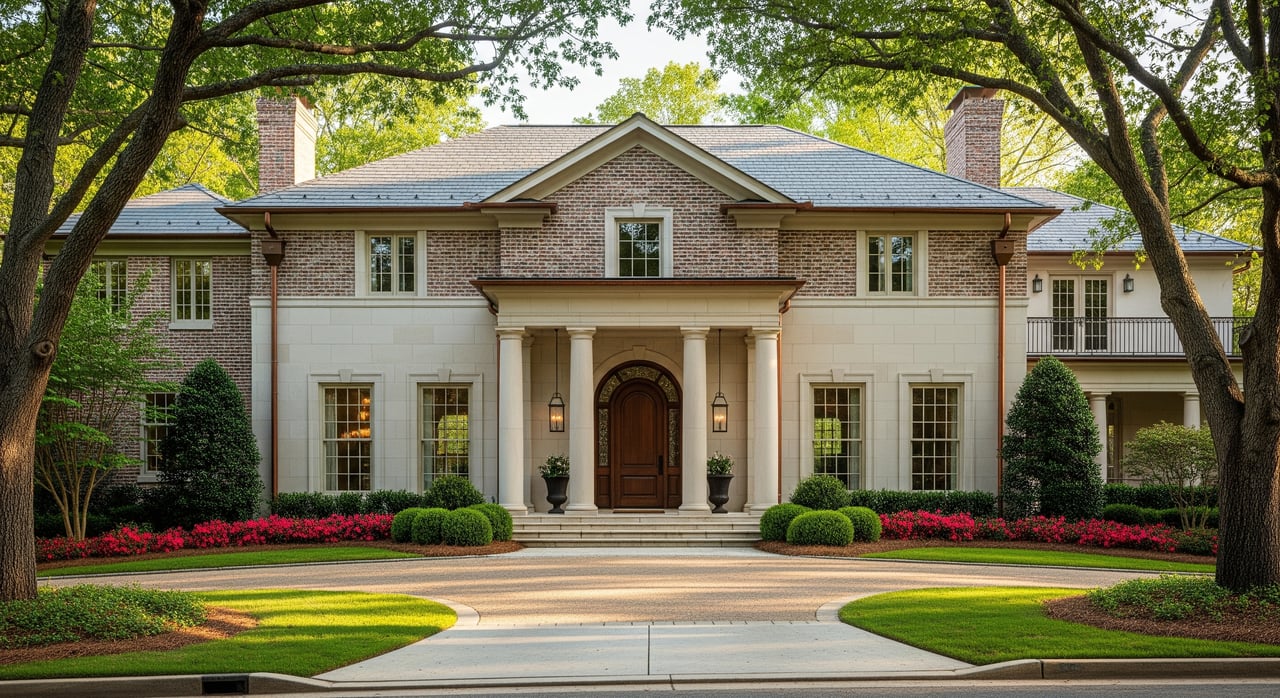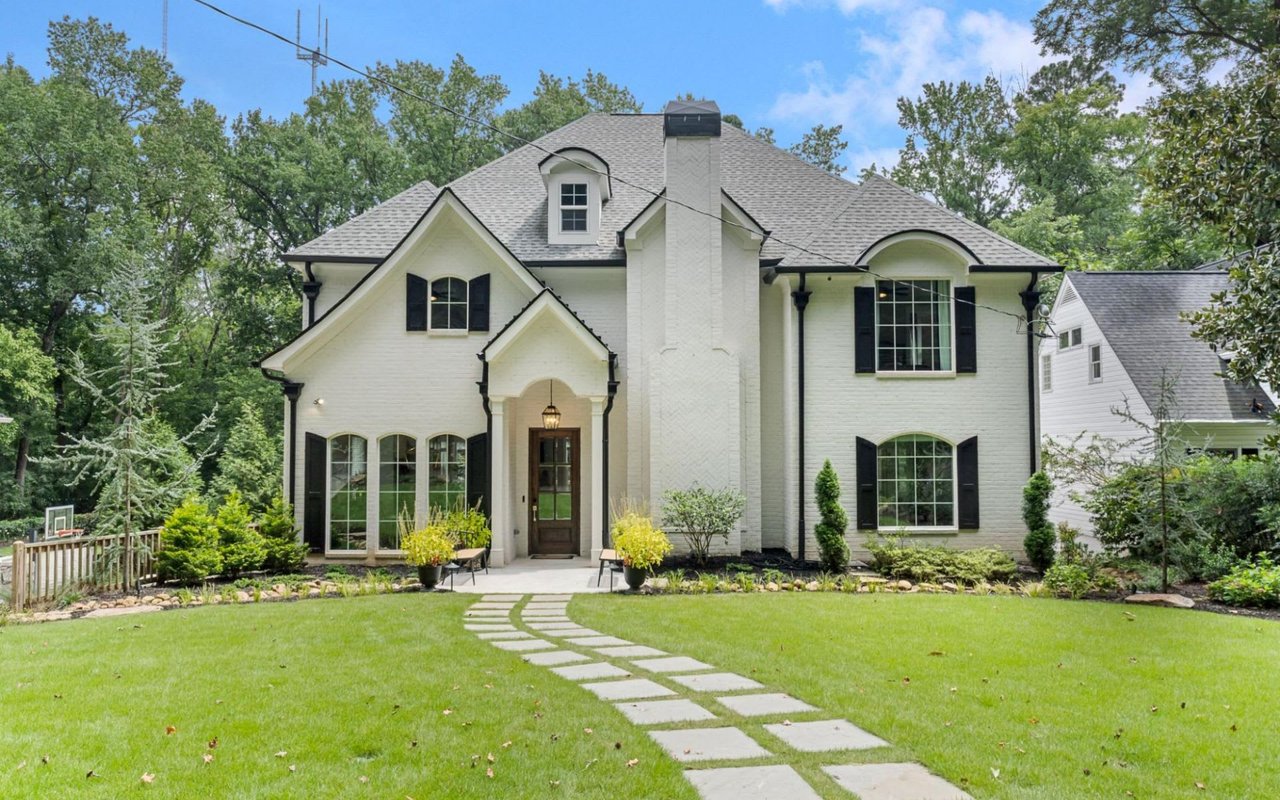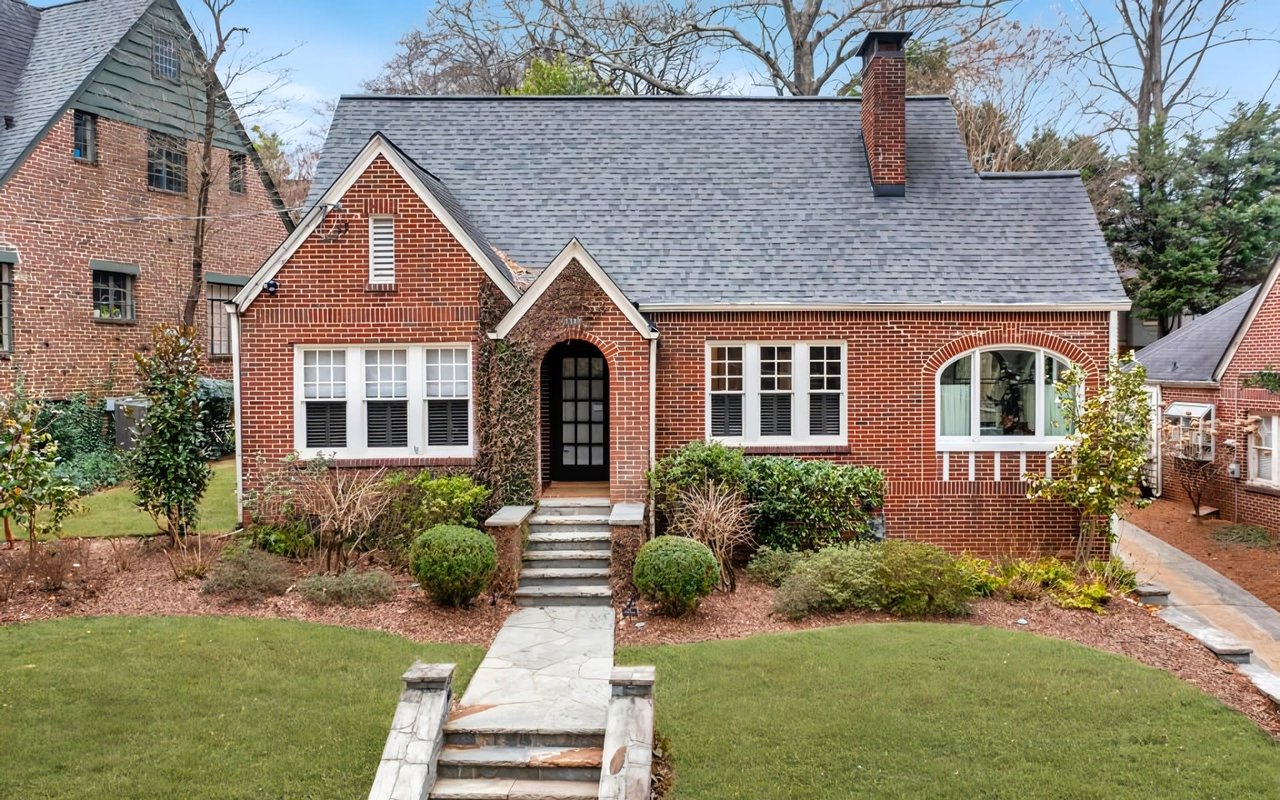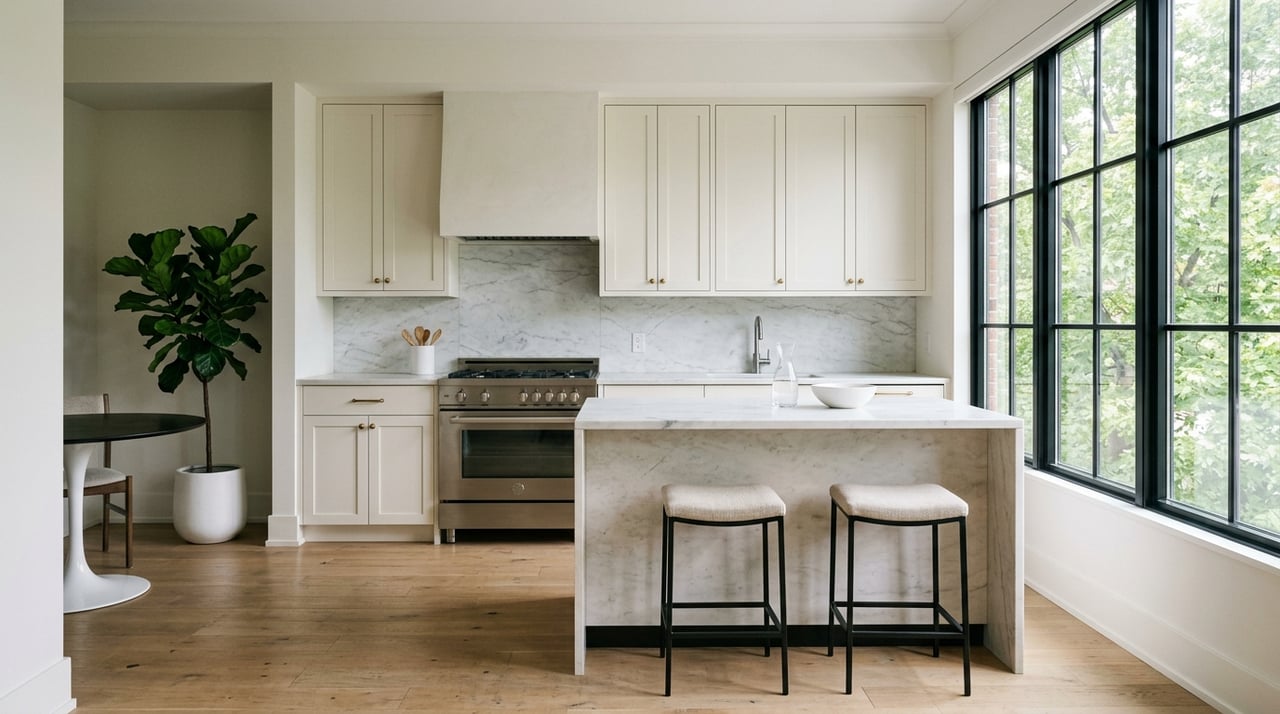
If your Ansley Park house feels bigger than your life now, you are not alone. Many longtime intown owners want less upkeep without giving up the walkable, connected lifestyle that made them choose this neighborhood in the first place. The good news is that downsizing in Ansley Park does not have to mean leaving the intown core, and with the right plan, you can simplify your next chapter while protecting your equity. Let’s dive in.
Why Ansley Park works for downsizers
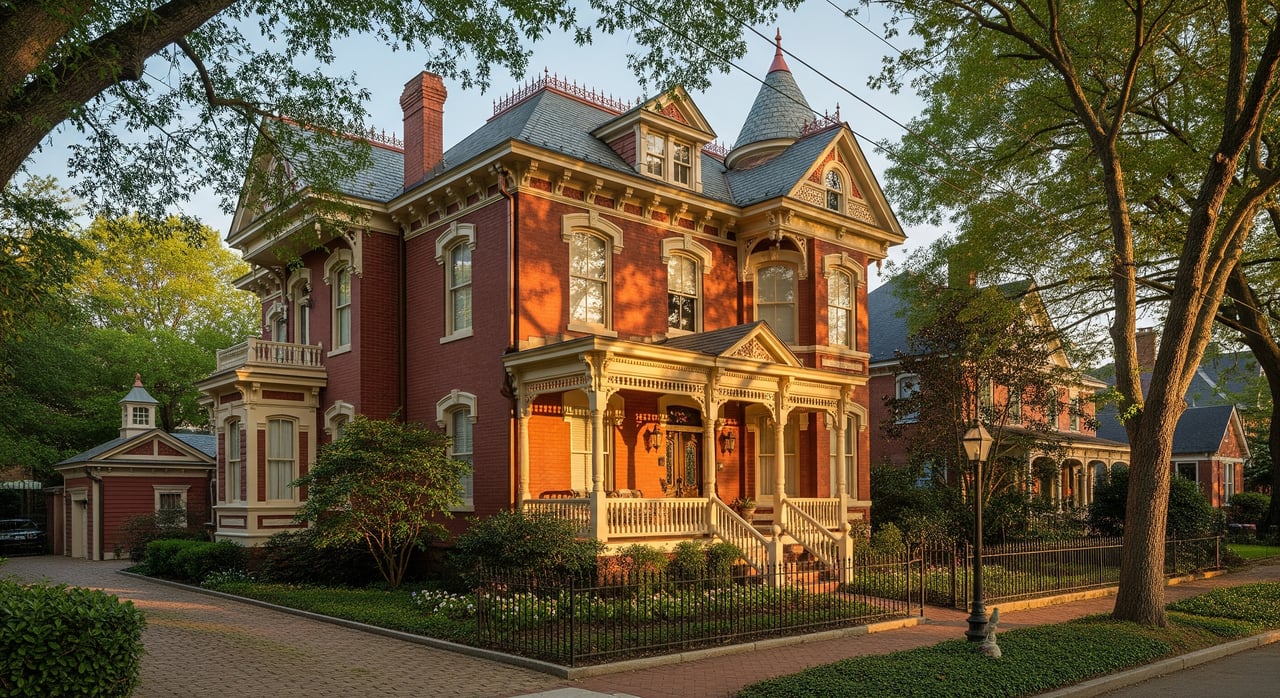
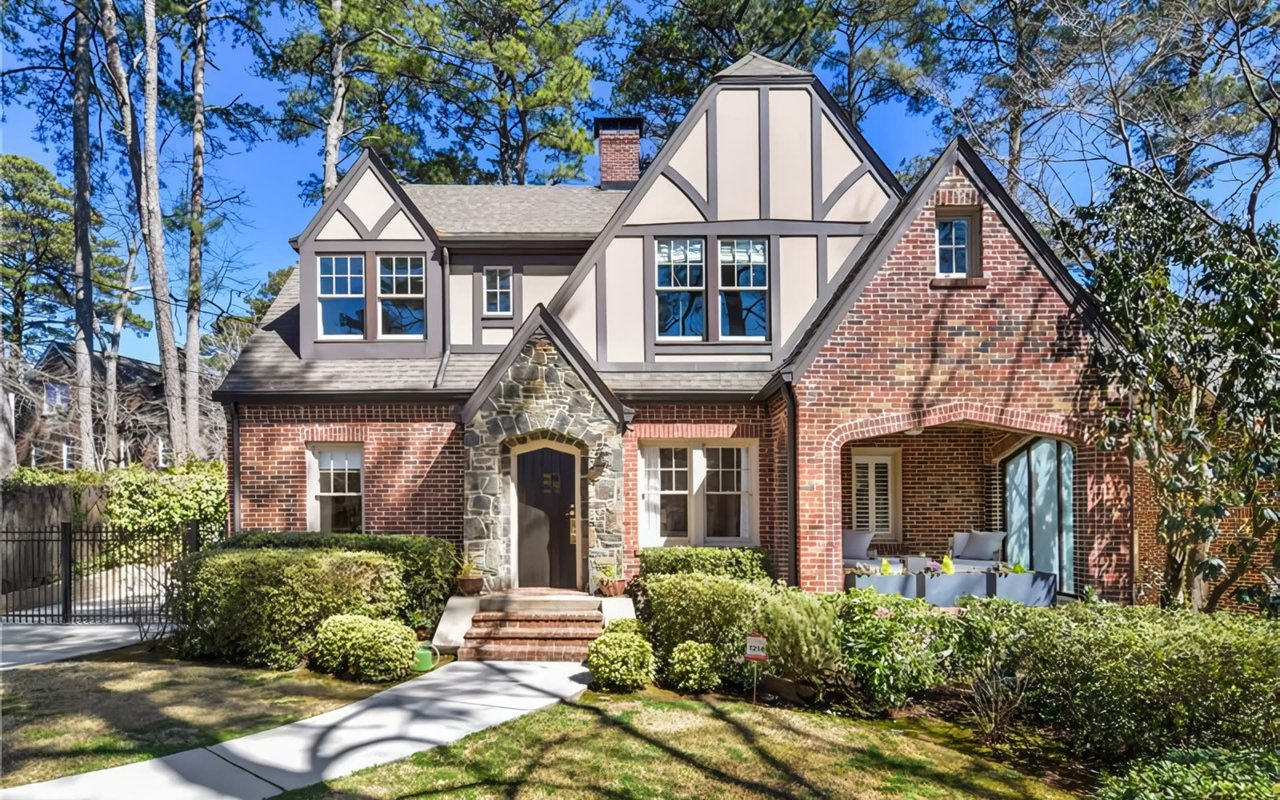
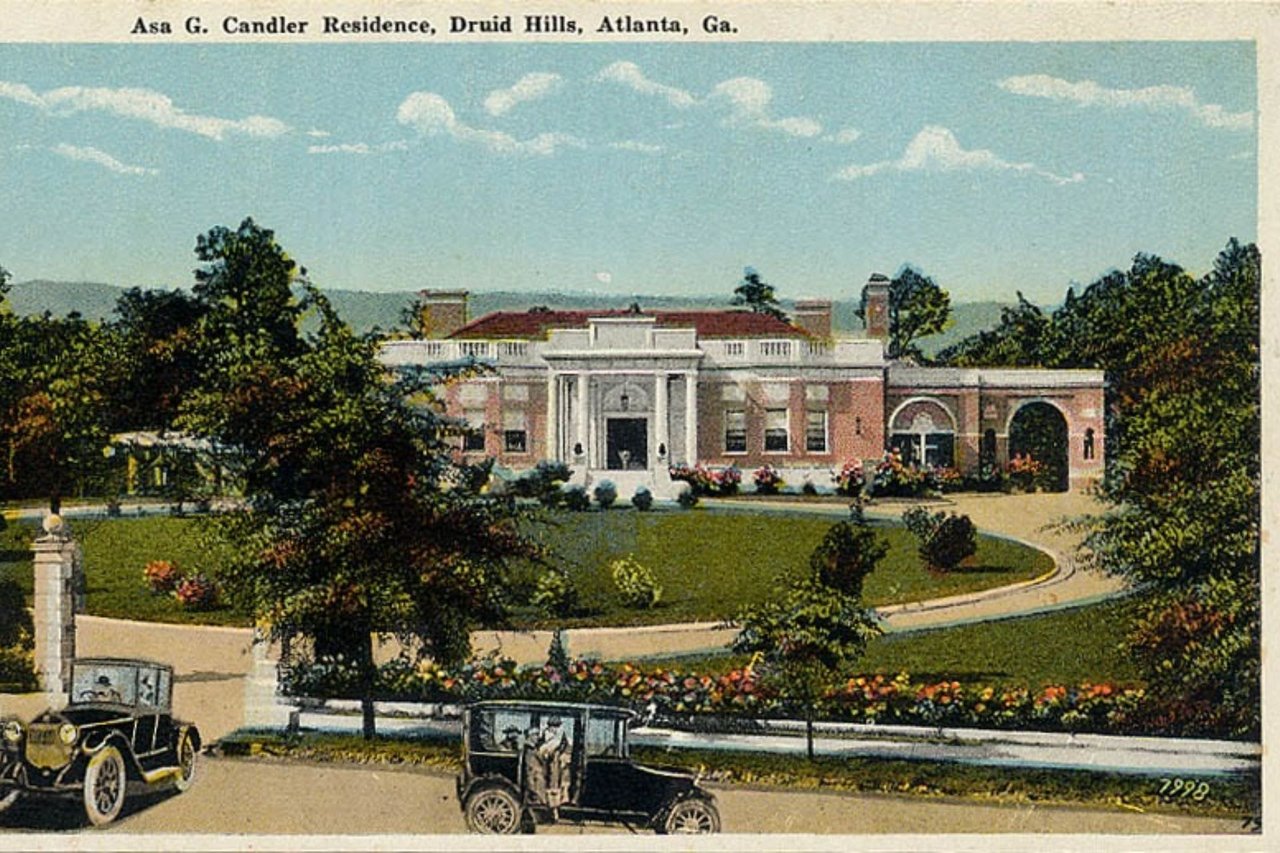
Ansley Park has long offered something rare in Atlanta: historic character, green space, and close-in access to Midtown. The City of Atlanta identifies it as a historic neighborhood just east of Midtown and a National Register historic district, and the neighborhood dates back to 1904.
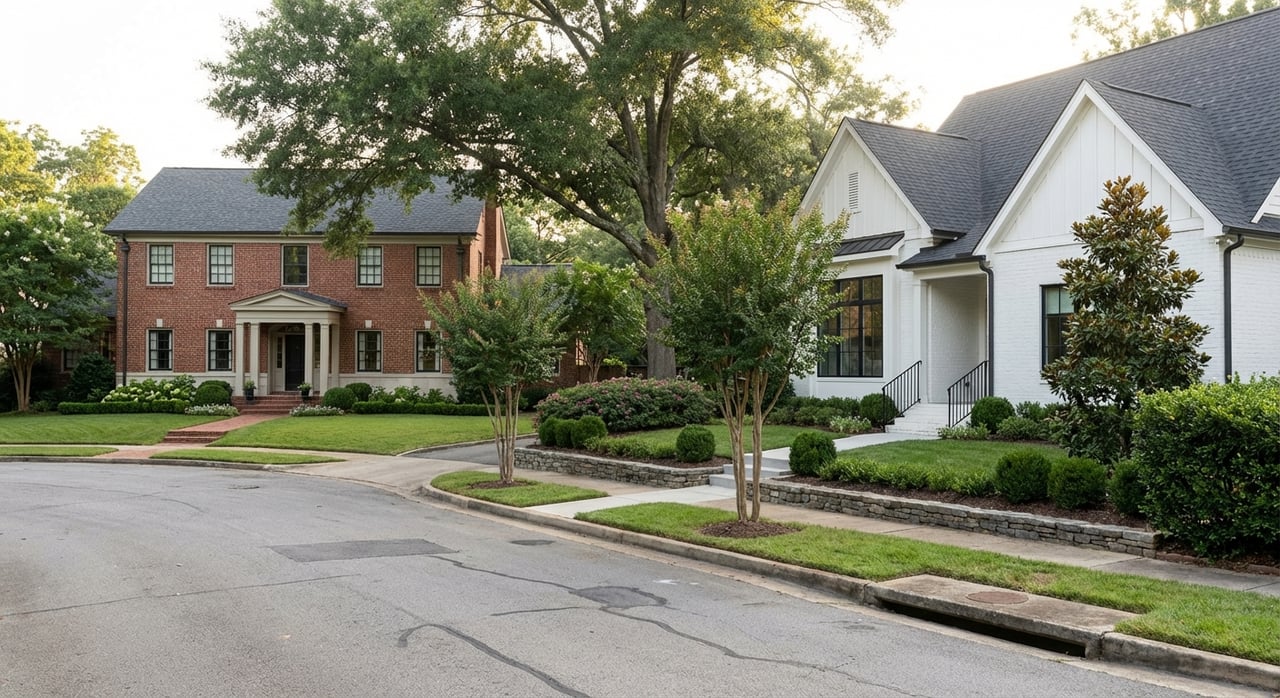
That history matters because it helped shape a neighborhood with more than one housing type. According to the city’s conservation study, Ansley Park includes single-family homes, low-density multifamily buildings, townhouses, condos, and converted houses. For you, that means downsizing can happen on a spectrum instead of through one all-or-nothing move.
You may be able to stay near the same daily routines you already love. Whether your goal is fewer stairs, less yard work, or simply less square footage to maintain, Ansley Park and the nearby Piedmont and Midtown corridor offer practical ways to scale down while staying intown.
What the market means for your move
Ansley Park remains a premium market, and inventory can be limited. Realtor.com classified the neighborhood as a seller’s market in June 2026, with a median listing price of $1.05 million, a median 49 days on market, and a 95% sale-to-list ratio.
Redfin reported a higher median sale price of $1,959,341 for the three months ending May 2026. Because those sources use different methods and sample sizes, the best takeaway is not one exact number. It is that Ansley Park continues to trade at a premium, and pricing strategy matters.
For downsizers, this creates two important realities. First, selling a larger legacy home may position you well for your next purchase. Second, the smaller-home options you want may come up less often, so timing and preparation matter on both sides of the transaction.
Ways to downsize and stay intown
Choose a smaller detached home
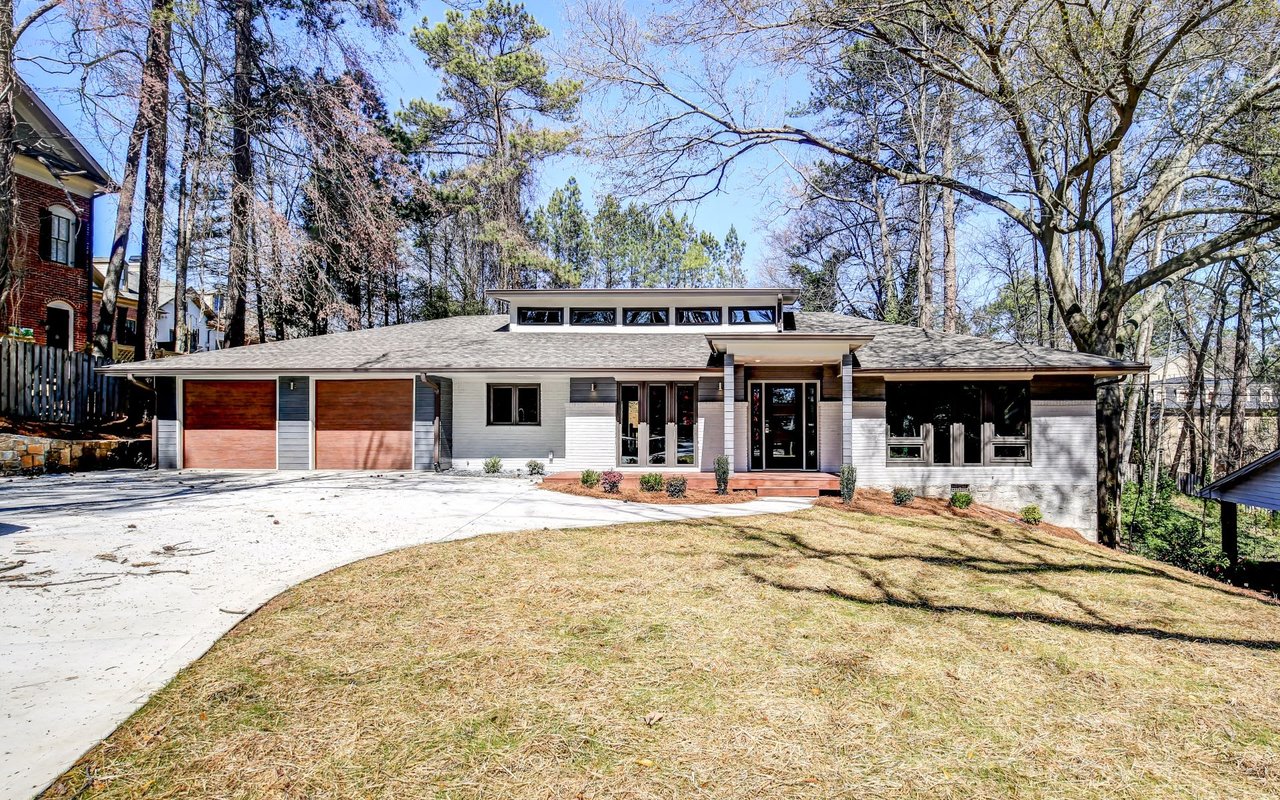
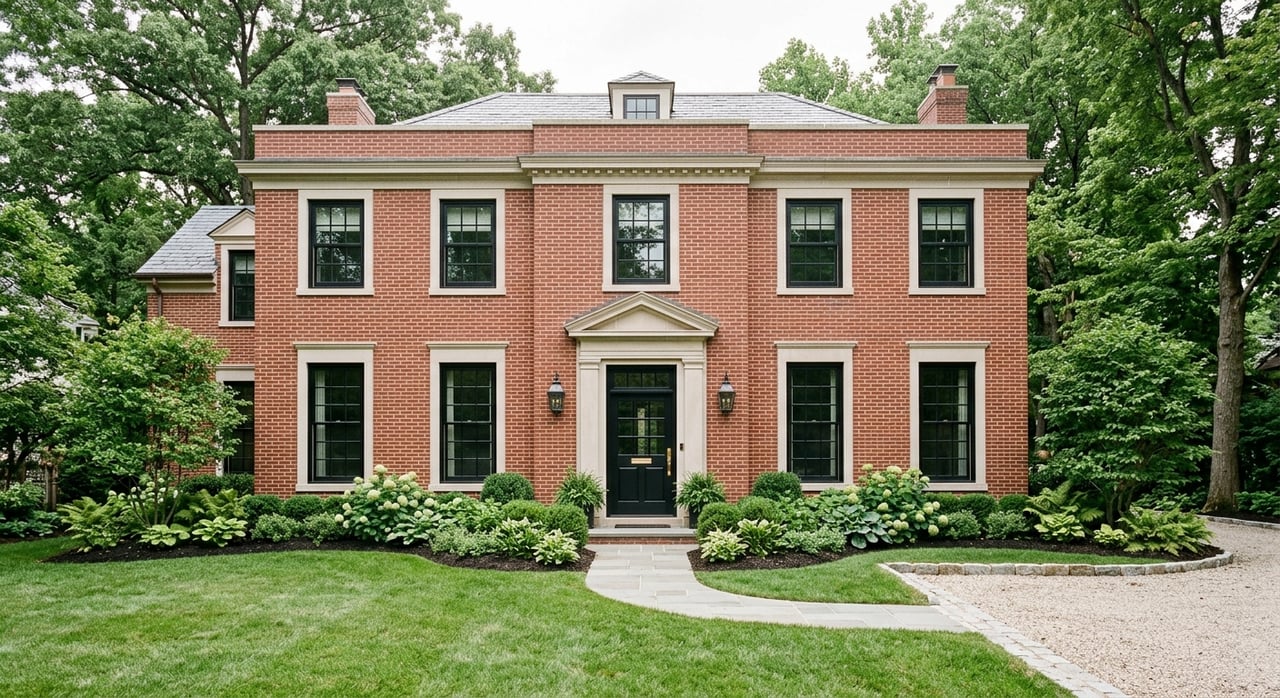
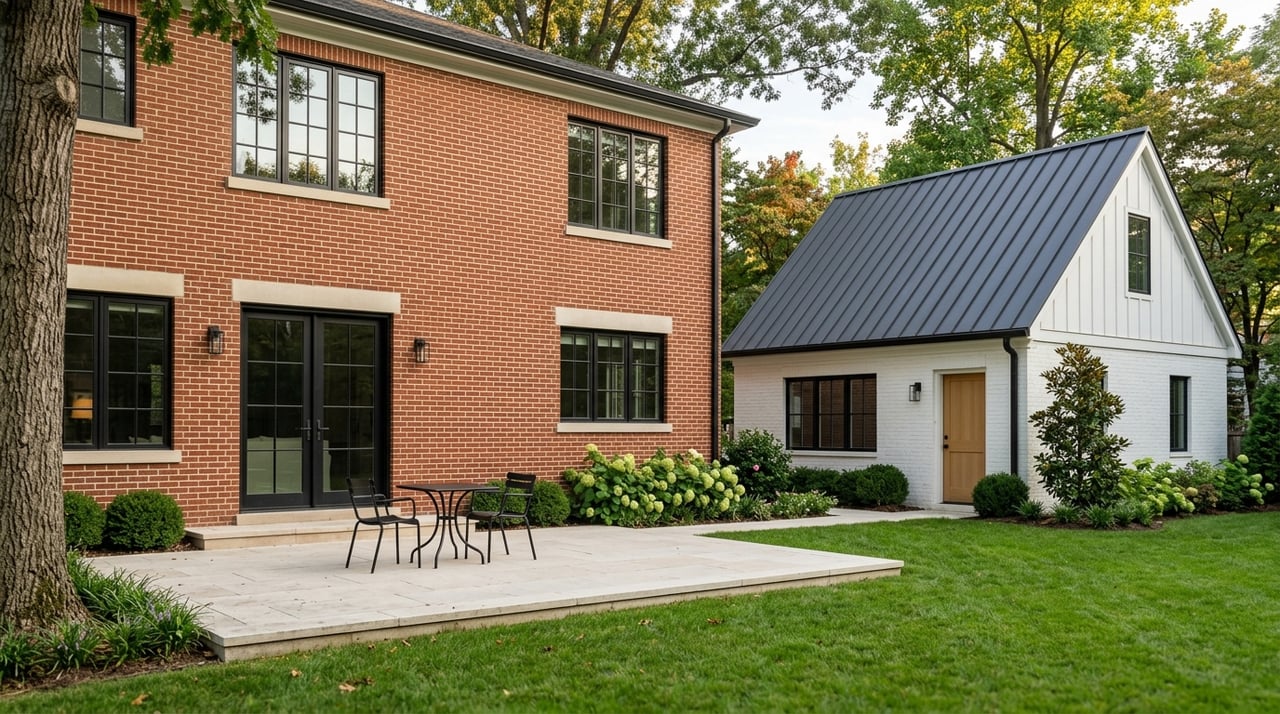
If you still want the feel of a house but with less maintenance, a smaller detached home can be a strong fit. The city’s conservation study specifically supports preserving housing diversity, including small-scale single-family detached houses.
This path can be appealing if you are not ready for shared walls or condo living. The challenge is supply. Inventory in this category is usually limited, so it often helps to define your must-haves early, such as main-level living, reduced lot size, or easier parking.
Consider townhome living
Townhomes can offer a middle ground between a house and a condo. You may keep more privacy and a more residential feel while cutting back on exterior upkeep and lot maintenance.
In the area, Midtown Alliance identifies Ansley on the Park Townhomes at 1330 Piedmont Ave NE as a three-story, eight-unit community completed in 2008. The same source notes proximity to the Atlanta Botanical Garden, Piedmont Park, and MARTA rail stations. Midtown Alliance also lists 5th & Piedmont Townhomes nearby.
For many downsizers, this option works well if you want intown access and a lower-maintenance ownership style without moving too far from the neighborhood’s rhythm.
Look at condos and lofts nearby
For the biggest reduction in maintenance, condos often make the most sense. Midtown Alliance’s condo map shows a broad mix of buildings along the Piedmont and Peachtree corridor, including Ansley Above the Park, The Dakota, Lofts at the Park, Mayfair Tower and Renaissance, Plaza Midtown, and The Park at 5th.
Ansley Above the Park is one example of what this downsizing path can look like. Midtown Alliance describes it as a 16-story, 127-unit building with one-, two-, and three-bedroom homes, plus a guest suite, 24-hour concierge, gated parking, and an 11th-floor terrace.
This part of intown offers variety. Realtor.com’s inventory snapshot for Ansley Park included condos from a 640-square-foot one-bedroom around $215,000 up to larger condos in the mid-$800,000s, along with a townhome around $2.095 million. That range shows how wide the downsizing ladder can be in and around the neighborhood.
How to decide which option fits
Downsizing is not just about square footage. It is about matching your next home to the way you actually want to live.
A useful starting point is to ask yourself what you are trying to reduce and what you want to keep. For example, you may want less yard work but still want a front door that feels house-like. Or you may want a lock-and-leave setup with building services and secure parking.
Here are a few questions to help clarify your direction:
- Do you want to stay within Ansley Park itself, or are you open to nearby Midtown options?
- Is elevator access important?
- Would you trade outdoor space for convenience?
- Do you want guest accommodations nearby or in the building?
- How much monthly maintenance feels comfortable to you?
- Do you want to be close to Piedmont Park, the Atlanta Botanical Garden, or MARTA access?
The clearer you are on lifestyle, the easier it becomes to narrow the search. In a thin market, that clarity can save time and help you act decisively.
Preparing your Ansley Park home to sell
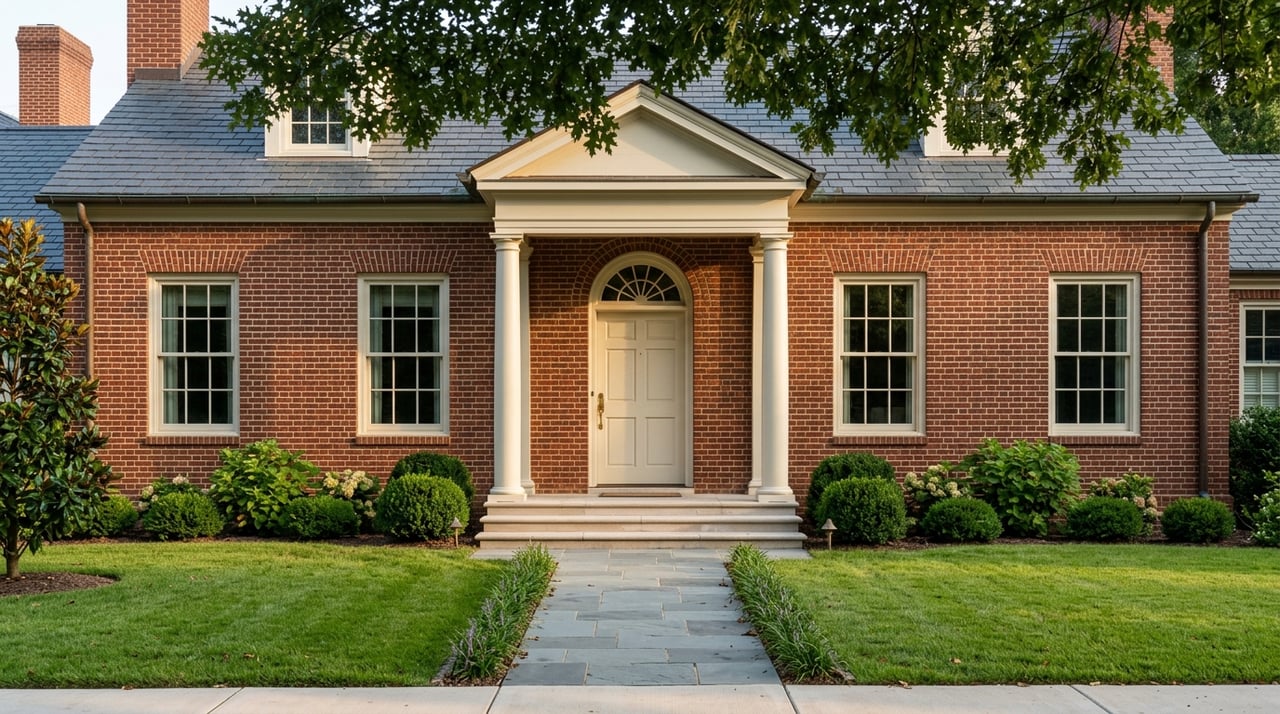
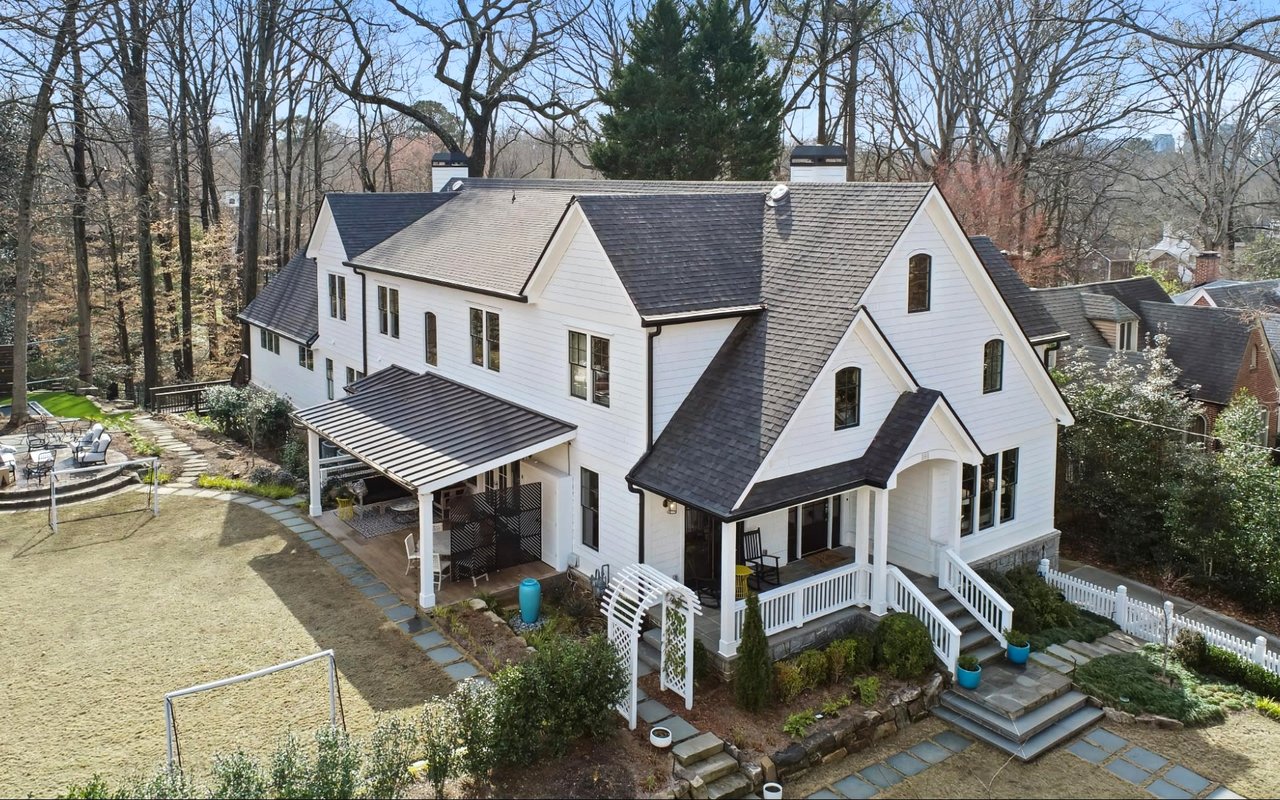
If you are selling a larger or older Ansley Park property, preparation matters. Buyers in this market are often drawn to the neighborhood’s historic character and intown lifestyle, so the goal is usually to present the home in a polished, well-maintained way without erasing what makes it special.
Because Ansley Park is a historic district, exterior work requires special care. Atlanta’s historic-district code requires certificates of appropriateness for changes to exterior appearance in historic districts. City materials show that review may apply to items such as windows, siding, porch repairs, additions, fences, paving, decks, and accessory structures.
That means pre-listing work should be planned thoughtfully. In many cases, the safest value-add is maintenance and selective updating that preserves historic character rather than highly customized exterior changes.
From a buyer’s perspective, first impressions still matter. The neighborhood’s conservation work reflects ongoing attention to sidewalks, crosswalks, streetscapes, parking, and greenspace, so curb appeal, parking organization, and arrival flow can influence how your property is experienced.
Selling and buying on the same timeline
One of the biggest downsizing questions is simple: should you sell first or buy first? The answer depends on your comfort with timing, cash flow, and available inventory.
If your home is likely to attract strong interest, selling first can give you clarity on proceeds and help you shop with confidence. On the other hand, if the right downsizing option is hard to find, you may want a plan that gives you more flexibility between closings.
A short post-closing occupancy arrangement can sometimes help bridge that gap. If you need to remain in the house after closing, the agreement should be written down, insurance should be adjusted, and lender approval should be obtained. A key practical limit is that many lenders will not accept leaseback agreements longer than 60 days.
That timing detail is especially important in a neighborhood where your next move may depend on limited inventory. The more intentional your sequencing, the less stressful the transition tends to be.
Tax and homestead details to remember
Your move may also have tax implications, so it helps to think ahead. For federal tax purposes, the principal-residence exclusion may allow up to $250,000 of gain to be excluded, or up to $500,000 for a married couple filing jointly, if the ownership and use tests are met.
In general, you must have owned and used the home as your main residence for at least 24 months of the last five years. You also generally cannot use the exclusion again if you claimed another home sale exclusion within the prior two years.
Georgia property-tax timing matters too. The Georgia Department of Revenue says you must own the home on January 1 to receive the current-year homestead exemption. In Fulton County, homestead applications are filed with county tax officials, exemptions renew automatically while ownership and occupancy remain the same, and the exemption is removed if the deed changes or if you claim homestead on another property.
These details may shape your move date, closing strategy, or how you evaluate carrying two properties briefly. They are worth reviewing early rather than at the last minute.
A smart downsizing plan starts early
The best downsizing moves in Ansley Park usually do not happen by accident. They happen when you line up the right home prep, pricing strategy, and search plan before the pressure is on.
If you want to sell a larger intown home and stay connected to the same lifestyle, you need more than a generic plan. You need a neighborhood-specific strategy that accounts for historic-district rules, timing, inventory, and the kind of presentation that helps premium homes stand out.
If you are thinking about downsizing in Ansley Park while staying intown, Molly Carter Gaines can help you map out the sale, identify the right next-step options, and create a clear plan that fits your timeline.
FAQs
Can you downsize in Ansley Park without leaving intown?
- Yes. Ansley Park includes a mix of single-family homes, low-density multifamily buildings, townhouses, condos, and converted houses, and nearby Midtown adds even more low-maintenance options.
What types of downsizing homes are near Ansley Park?
- Common options include smaller detached homes, townhomes, and condos or lofts in and around the Piedmont and Peachtree corridor.
Is Ansley Park a good market for selling before downsizing?
- Current data points to a premium seller-oriented market, but inventory can be thin, so your selling and buying timelines should be coordinated carefully.
Do exterior updates in Ansley Park need historic approval?
- Often, yes. Atlanta’s historic-district rules require review for many exterior appearance changes, including some work on windows, porches, additions, fences, paving, decks, and accessory structures.
Can you stay in your home after closing while buying another one intown?
- Sometimes. A post-closing occupancy arrangement may help, but it should be documented in writing, insurance should be updated, lender approval is needed, and many lenders will not allow leasebacks longer than 60 days.
How does homestead exemption timing work in Fulton County?
- To receive the current-year homestead exemption, you must own the home on January 1, and applications are filed with Fulton County tax officials.