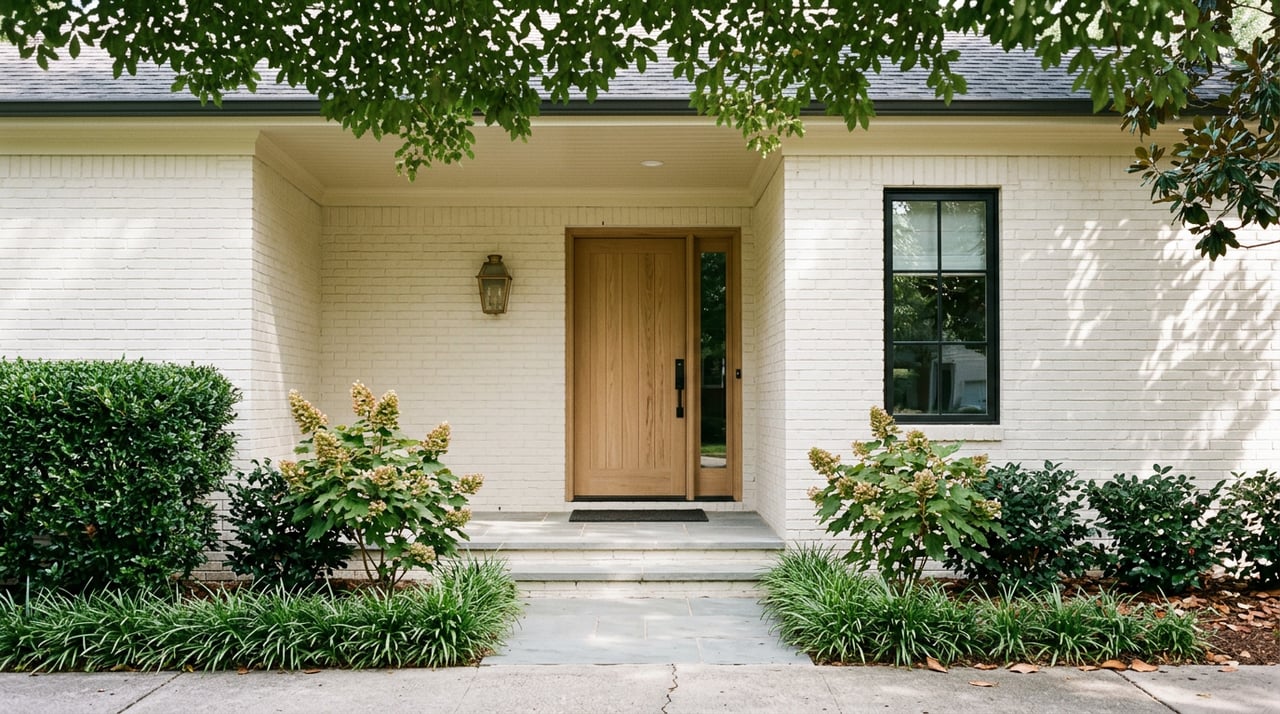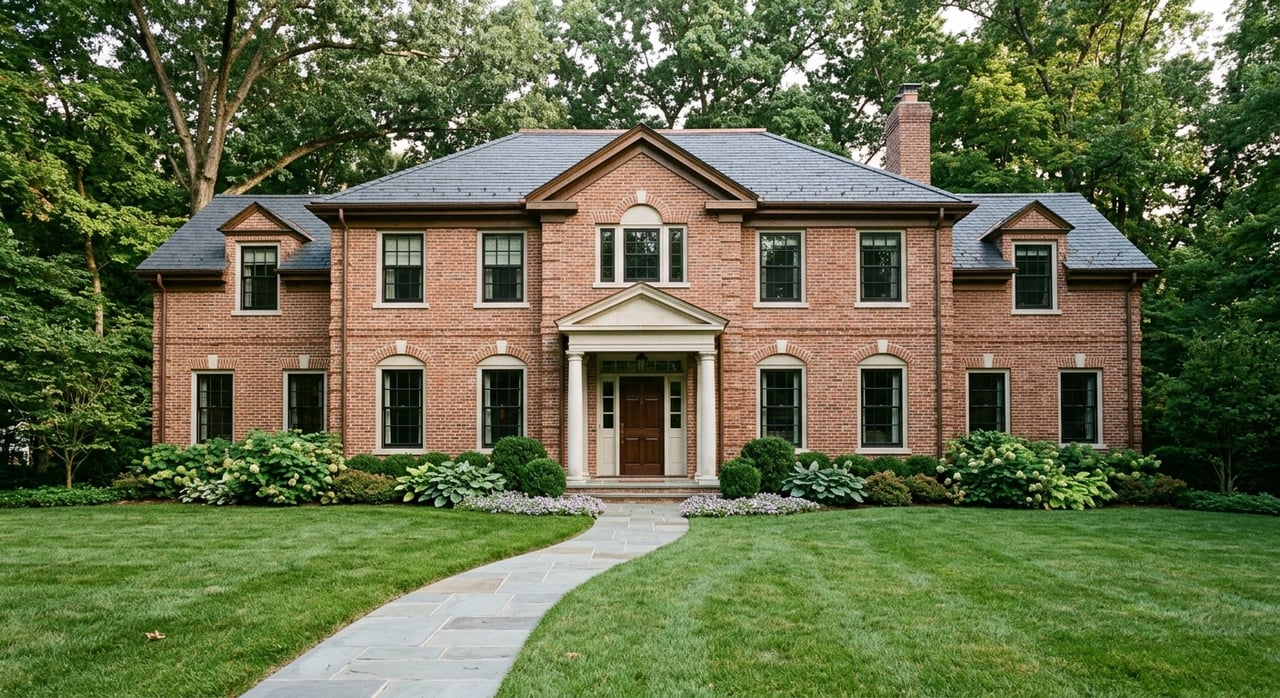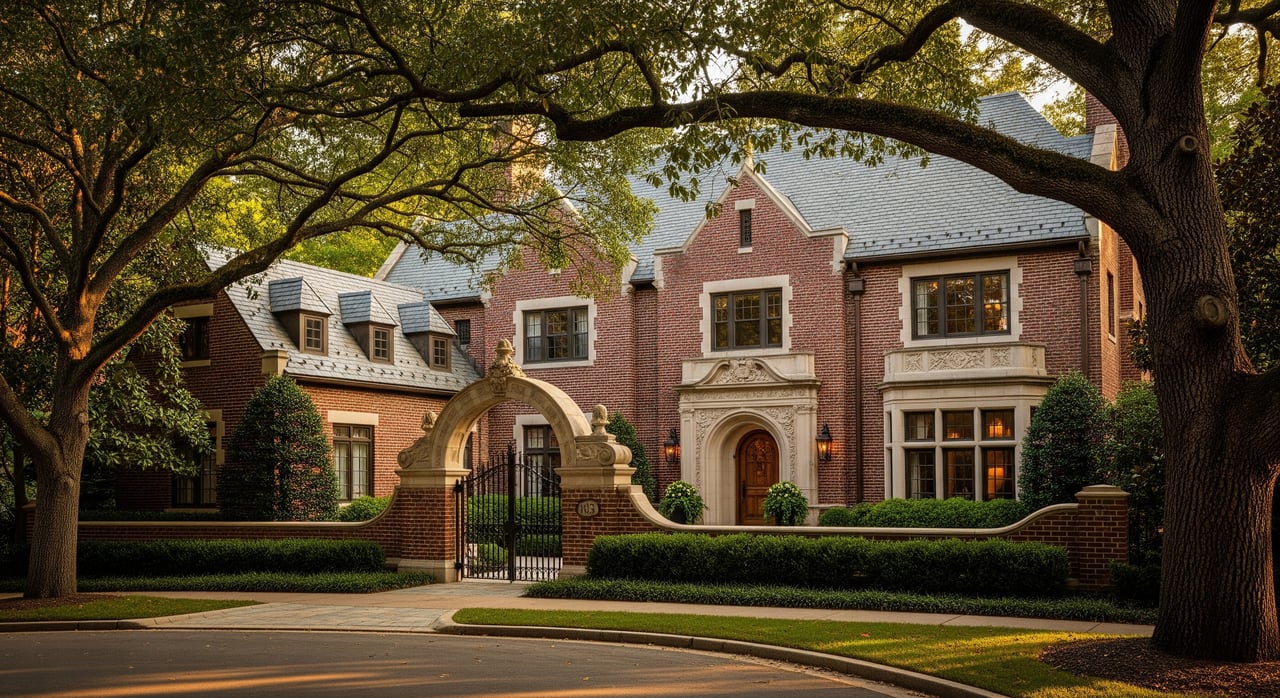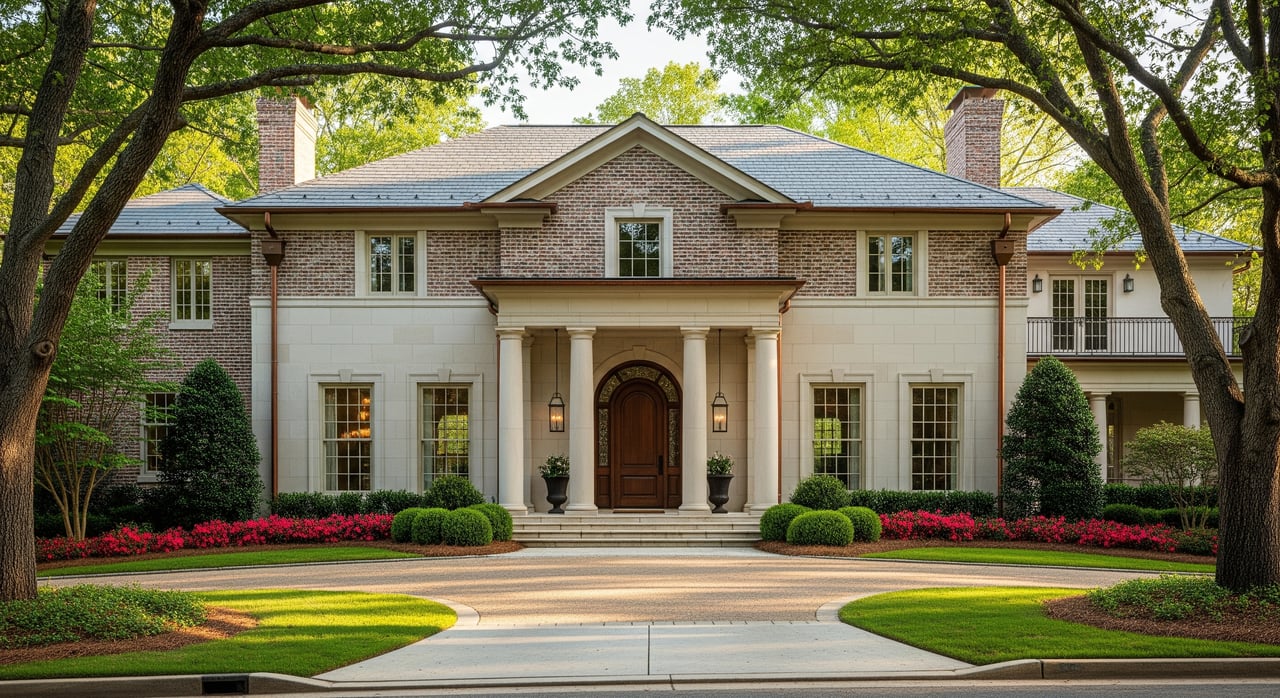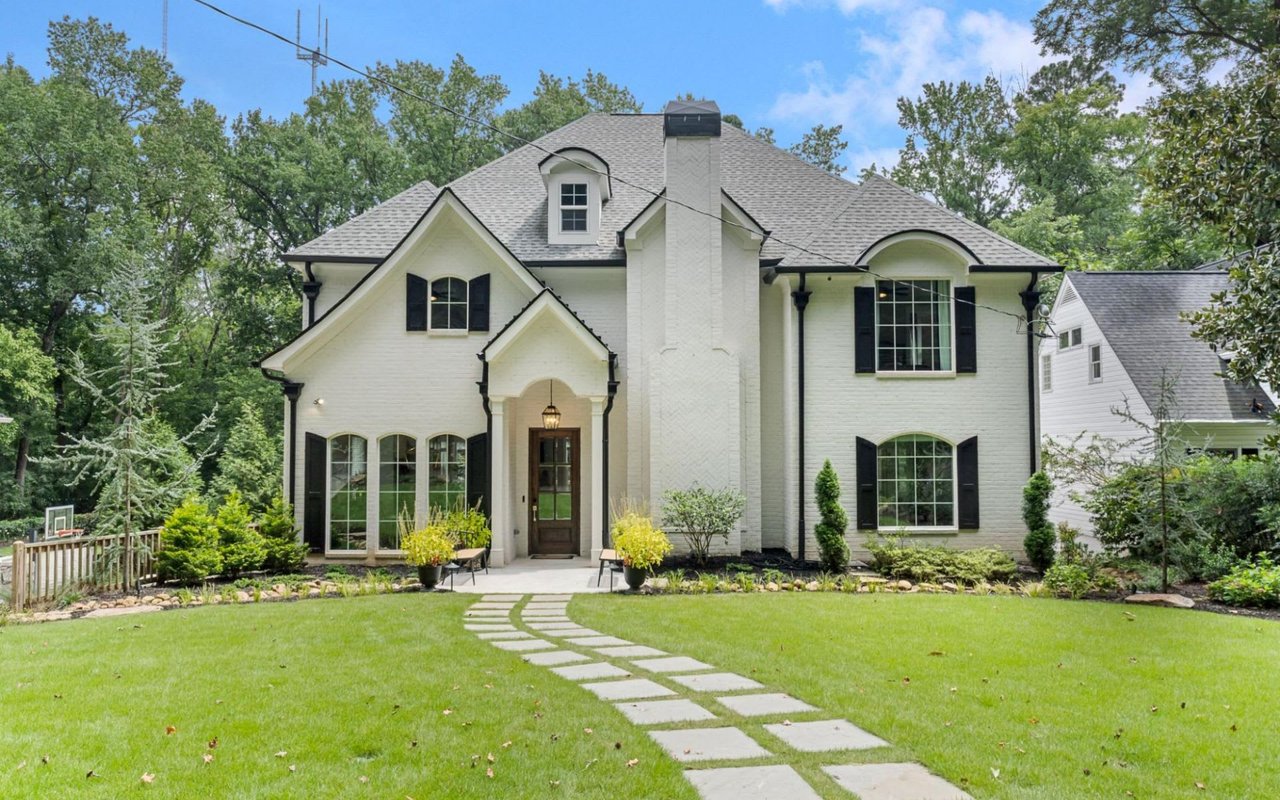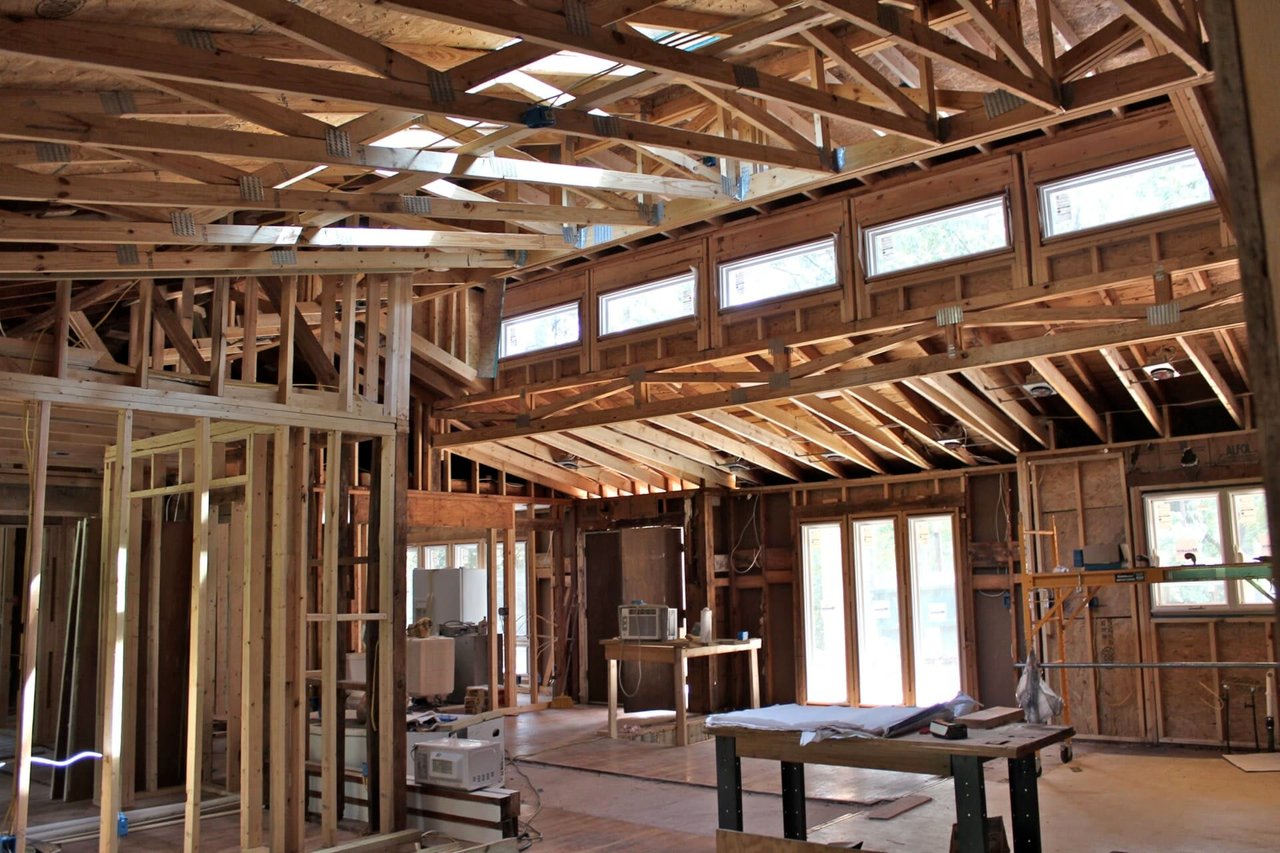
Thinking about a big renovation in Morningside-Lenox Park? Before you choose tile, finalize plans, or price out an addition, it helps to know that this neighborhood often rewards smart planning more than sheer project size. If you want to improve your home, protect resale value, and avoid costly surprises, understanding the local rules first can save you time and money. Let’s dive in.
Why renovation planning matters here
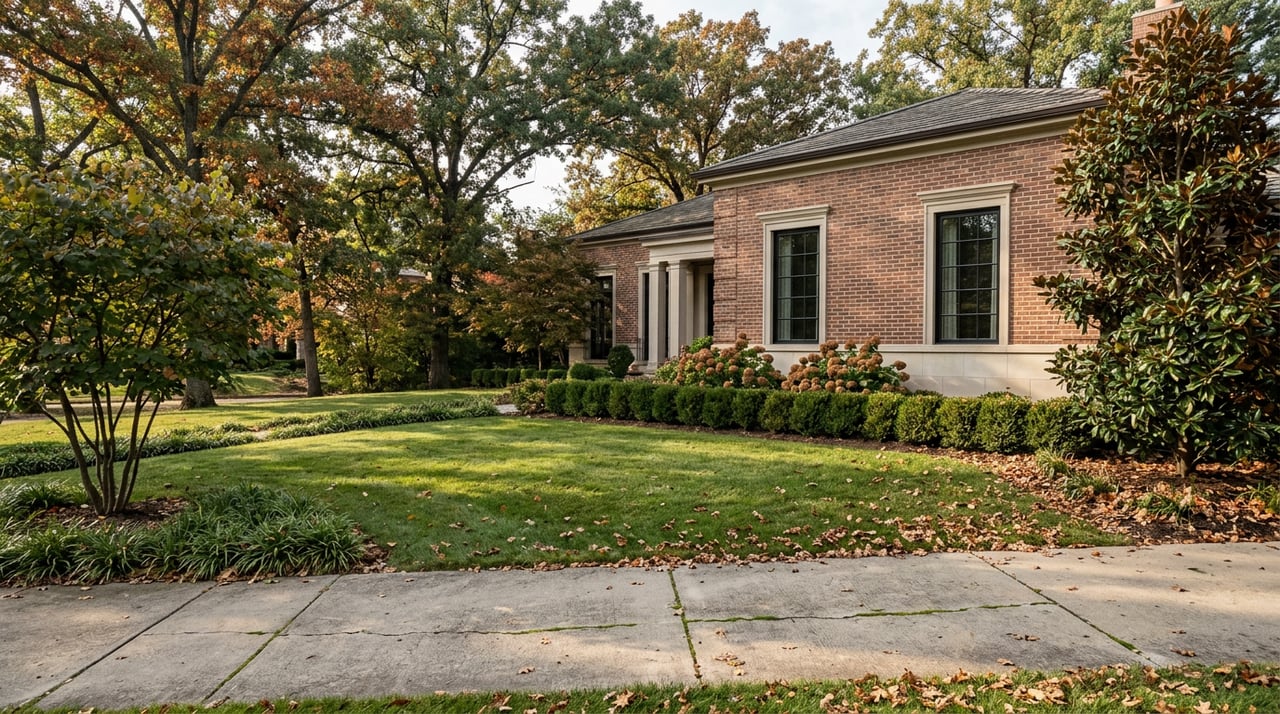
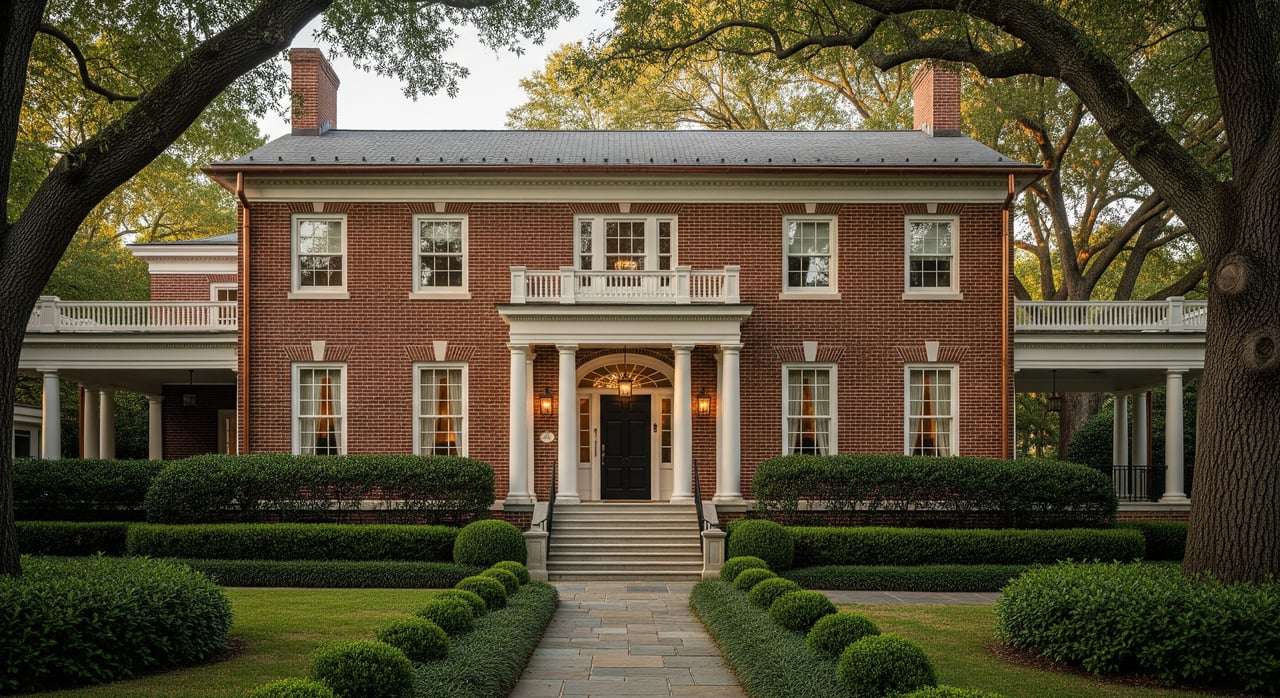
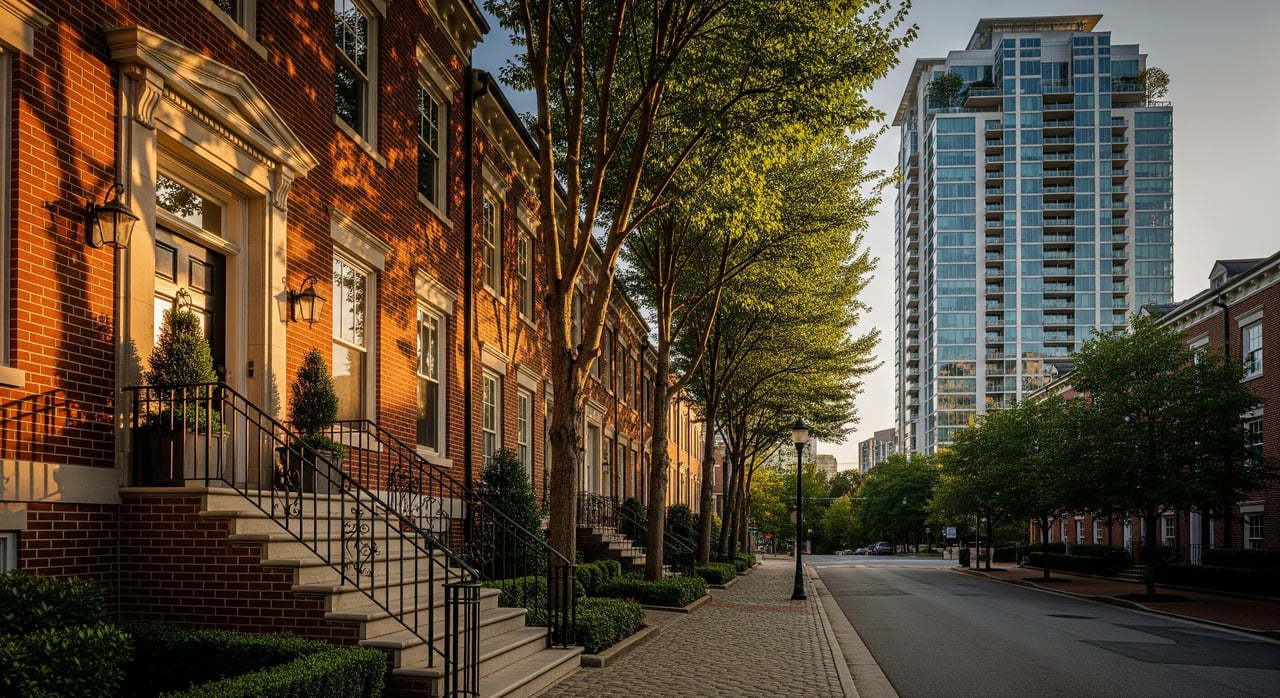
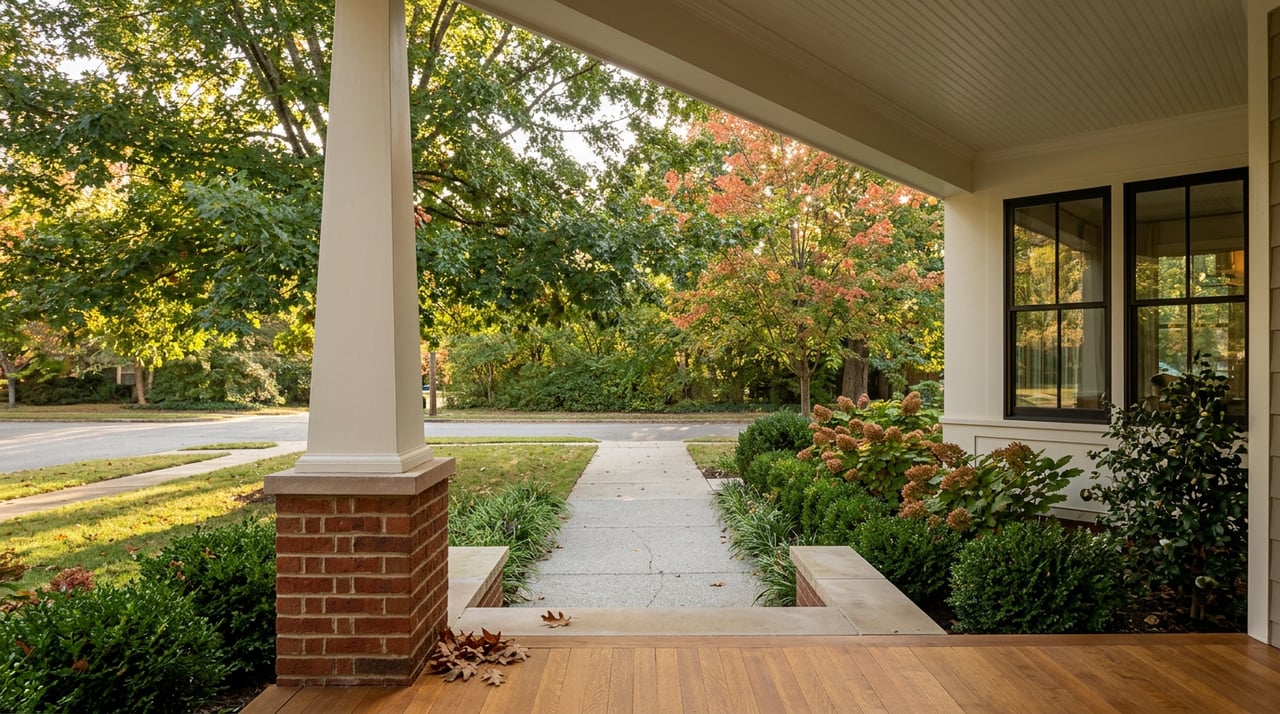
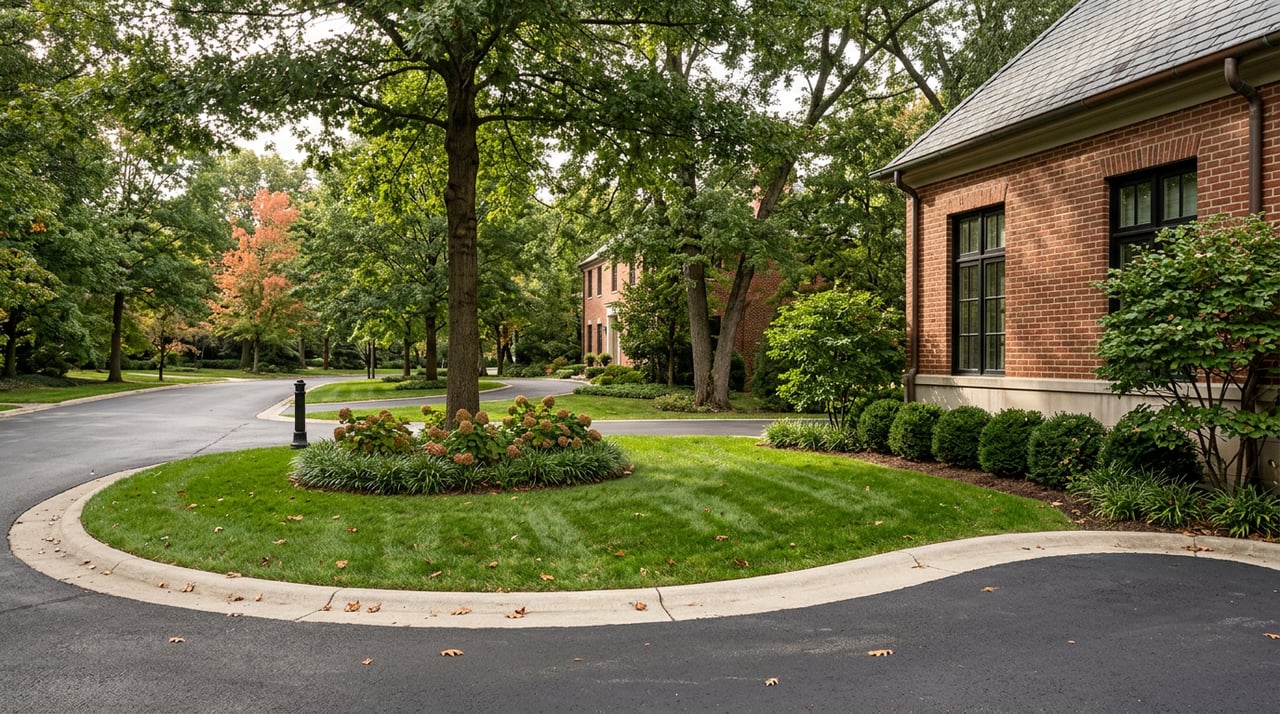
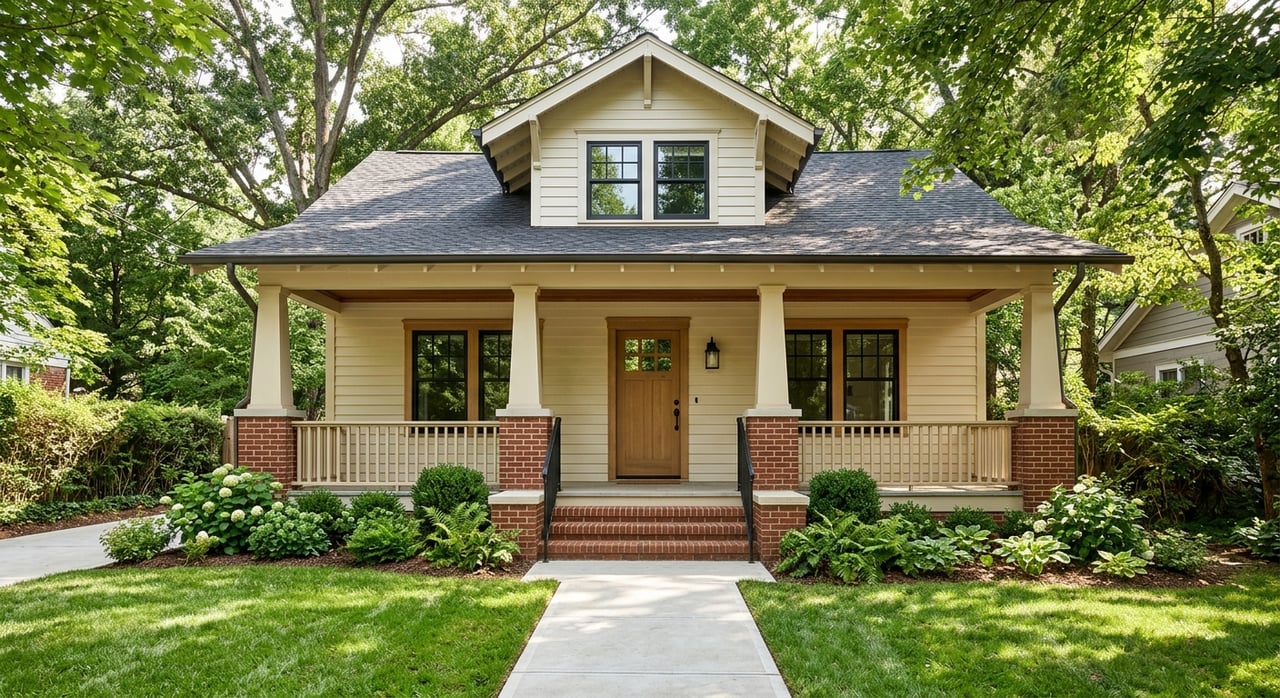
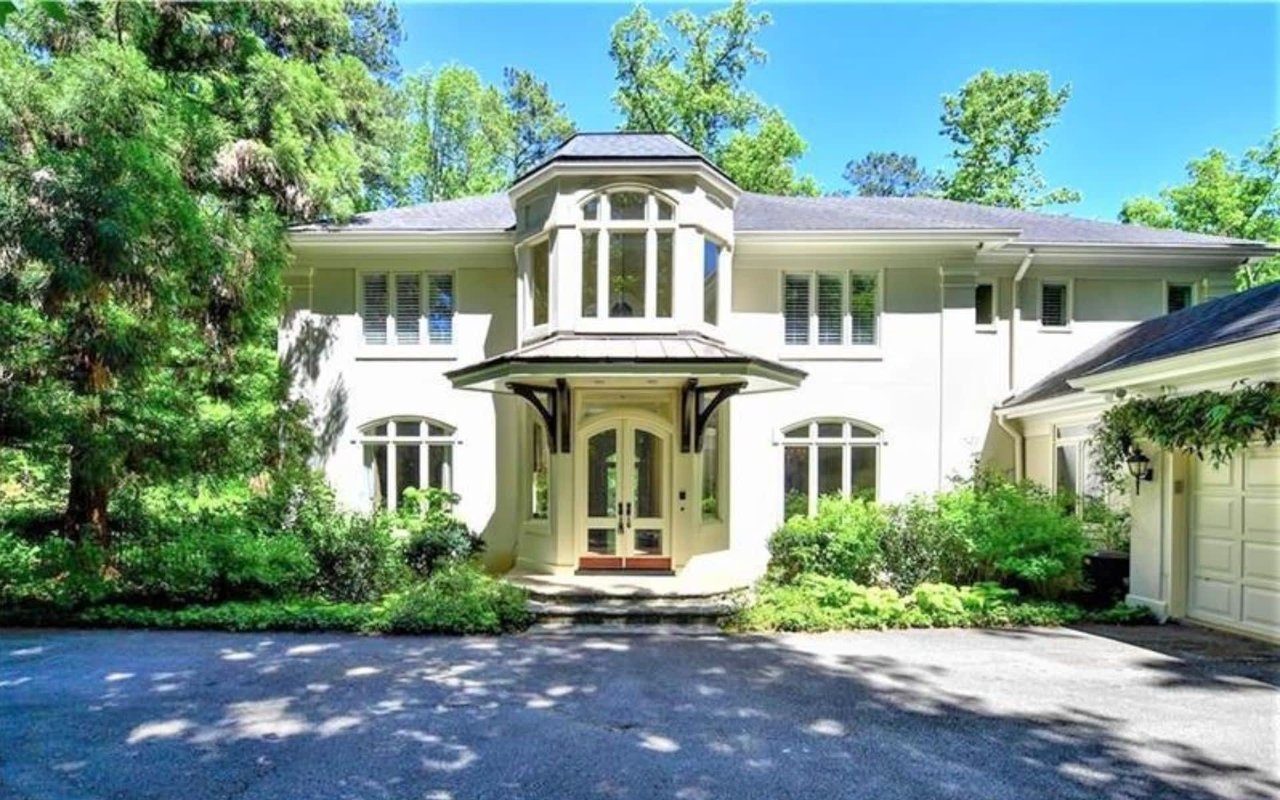
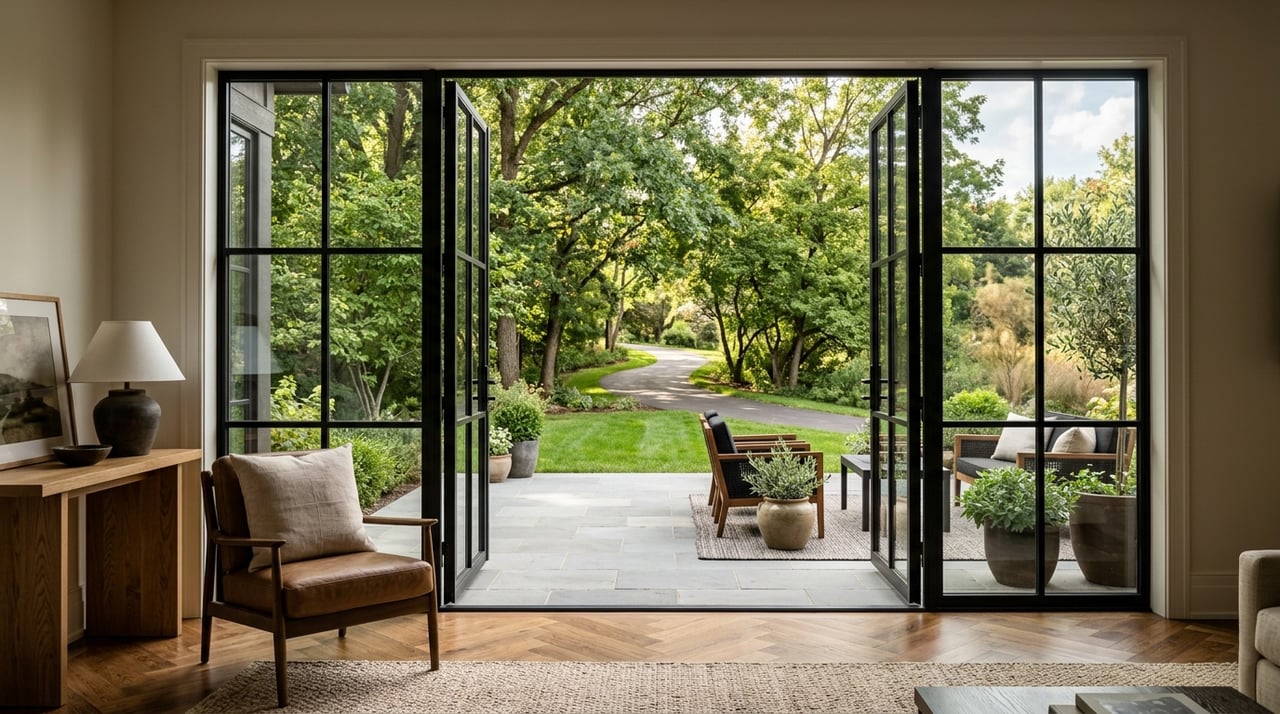
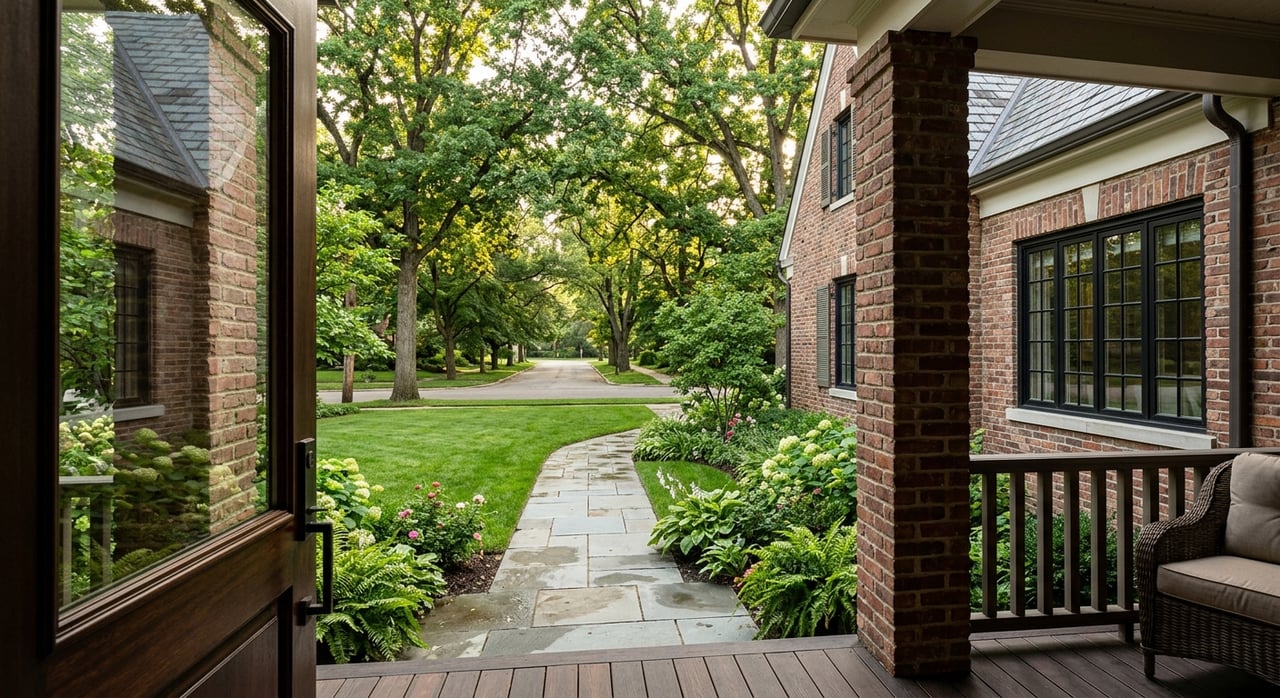
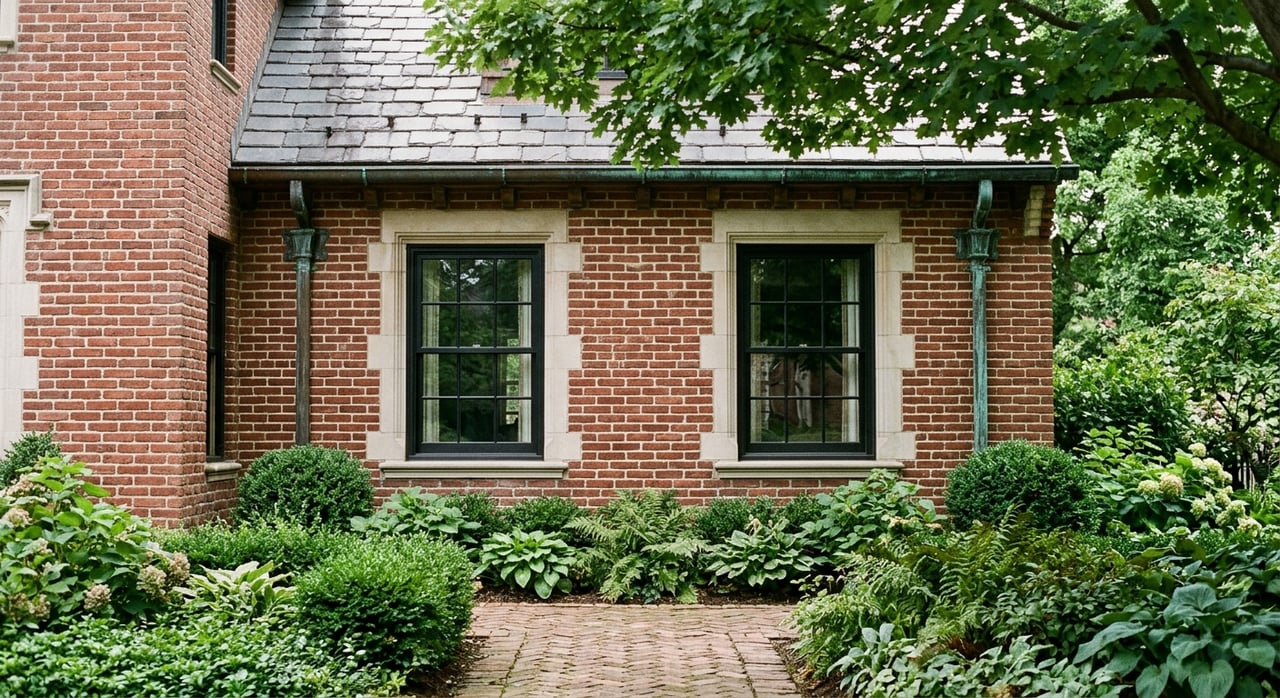
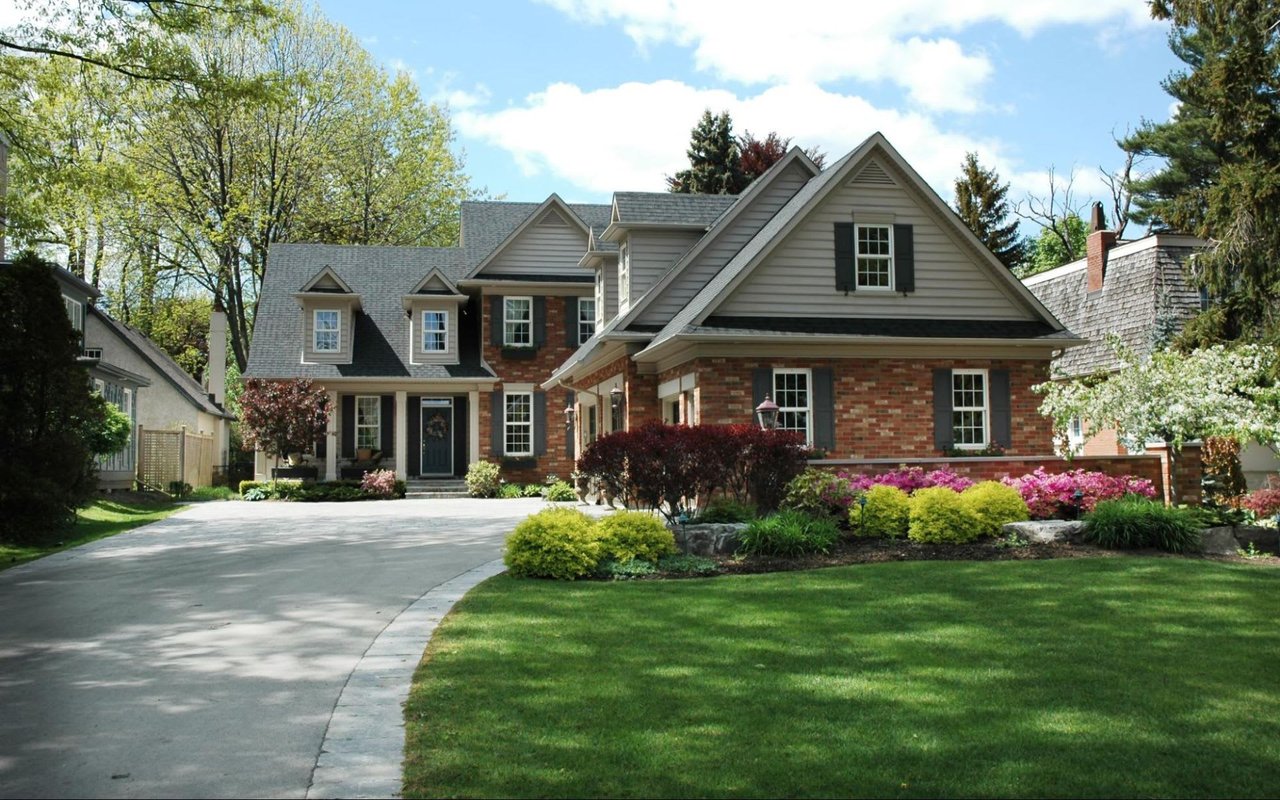
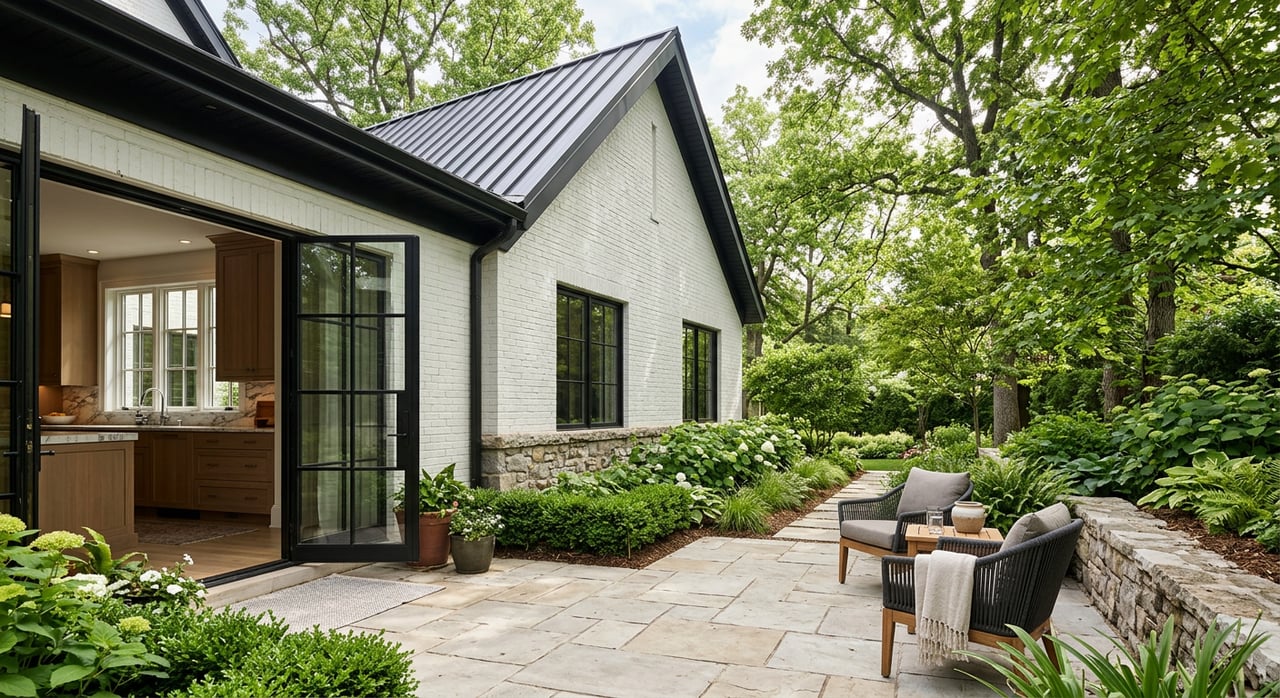
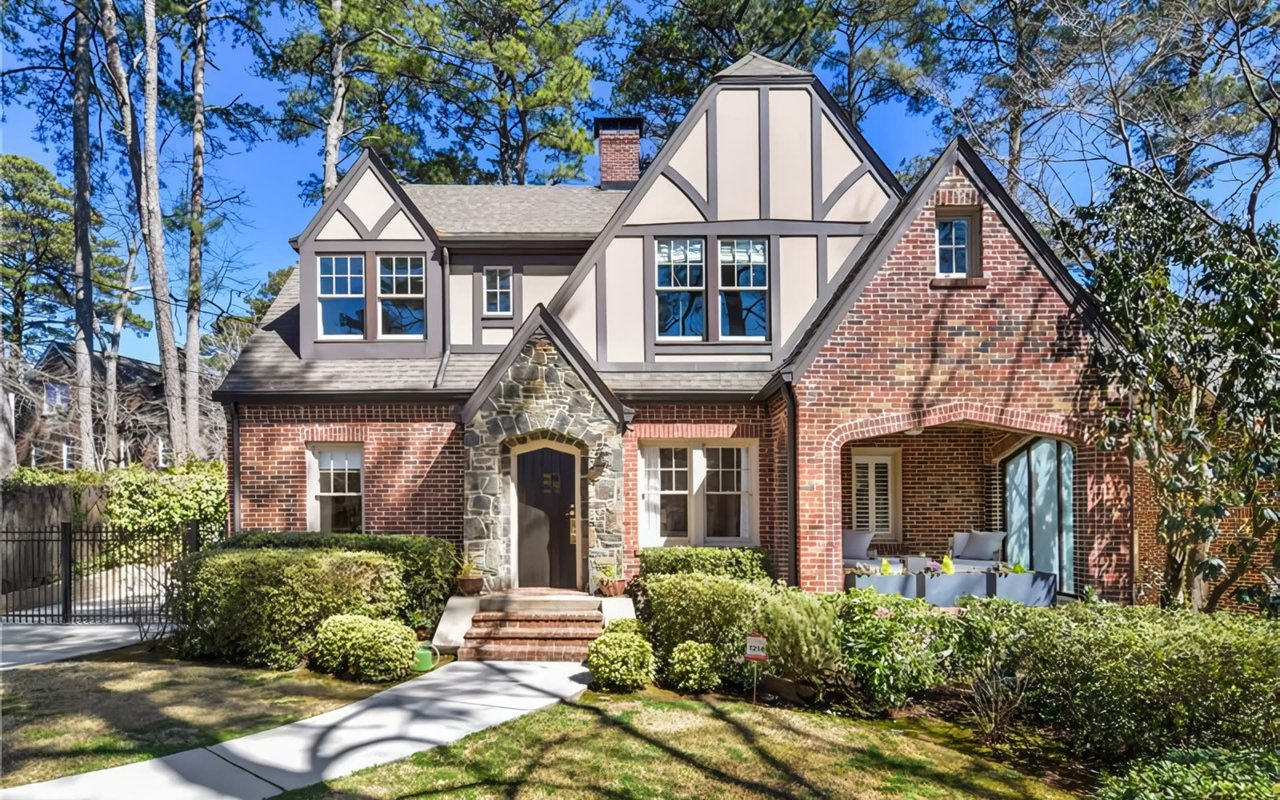
Morningside-Lenox Park is known for its mature trees, parks, preserves, landscaped traffic islands, and greenspaces. The neighborhood association says the area includes more than 20 parks, preserves, landscaped traffic islands, and greenspaces, which helps explain why homes here often feel closely tied to their lots and surroundings.
That setting shapes renovation planning in a real way. In Atlanta, major projects can involve zoning, tree review, and in some cases historic-preservation review, not just construction drawings and finish selections.
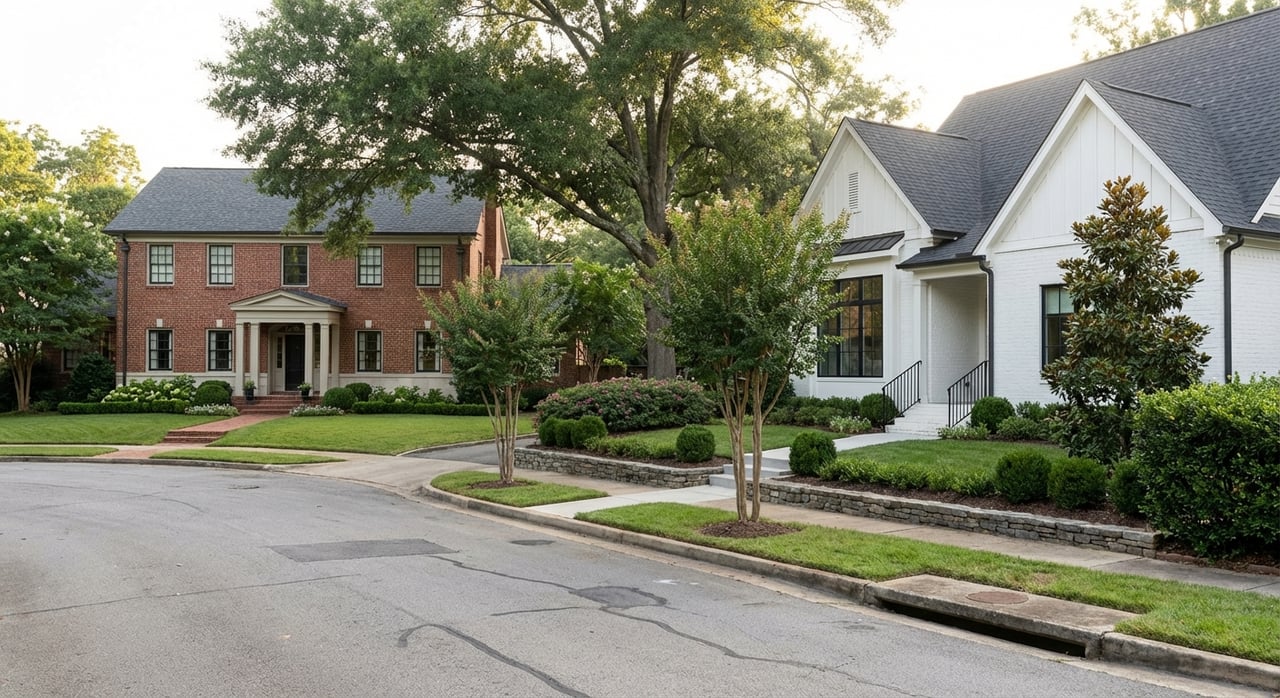
The City of Atlanta places Morningside-Lenox Park in NPU-F, and the neighborhood is not regulated as one uniform area. The neighborhood association notes that it is mostly residential, with exceptions along major thoroughfares and north of Cheshire Bridge Road, so nearby properties may not share the same rules.
Check your parcel before design
One of the smartest first moves is to verify your specific parcel details before locking in design plans. The City recommends using its Property Info map to confirm zoning classification, neighborhood, NPU, and any historic-preservation designation.
That step matters because renovation options can change from lot to lot. A project that seems workable based on a nearby home may not fit your parcel once setbacks, lot coverage, historic rules, or tree impacts are reviewed.
If your project is substantial, this early review can help you avoid redesign costs later. It can also help you decide whether your best path is an addition, an accessory structure, a more targeted interior renovation, or a combination of updates.
Know which city reviews may apply
For major work in Atlanta, several city offices can shape your timeline. The Office of Zoning & Development regulates height, size, placement, density, and parking, while the Office of Buildings handles permits, including inspections and tree-related permitting. The Office of Design handles historic and landmark districts.
In practical terms, that means a renovation may touch more than one approval path. If you are adding square footage, changing placement on the lot, removing trees, demolishing part of a structure, or altering an exterior in an area with historic rules, you may need more than a standard building permit.
The City says approval is likely needed if you are building new, altering, adding to, demolishing, or changing the use or layout of a property. Some general repairs under $10,000 may not require a permit or permit fee, but exterior work in a historic district follows different rules and has a much lower no-permit, no-fee threshold of $2,500 for otherwise lawful repair work.
Tree review can affect timing
In Morningside-Lenox Park, tree impacts deserve early attention. The Office of Buildings says that effective June 25, 2025, any permit application involving potential tree impact must include a formal Arborist Meeting before submission, and applications without proof of that meeting will not be accepted.
That is especially important in a neighborhood known for mature canopy. If your renovation could affect tree protection areas, removal, grading, driveway changes, or site access, tree review may influence both your design and your schedule.
Historic review can change the process
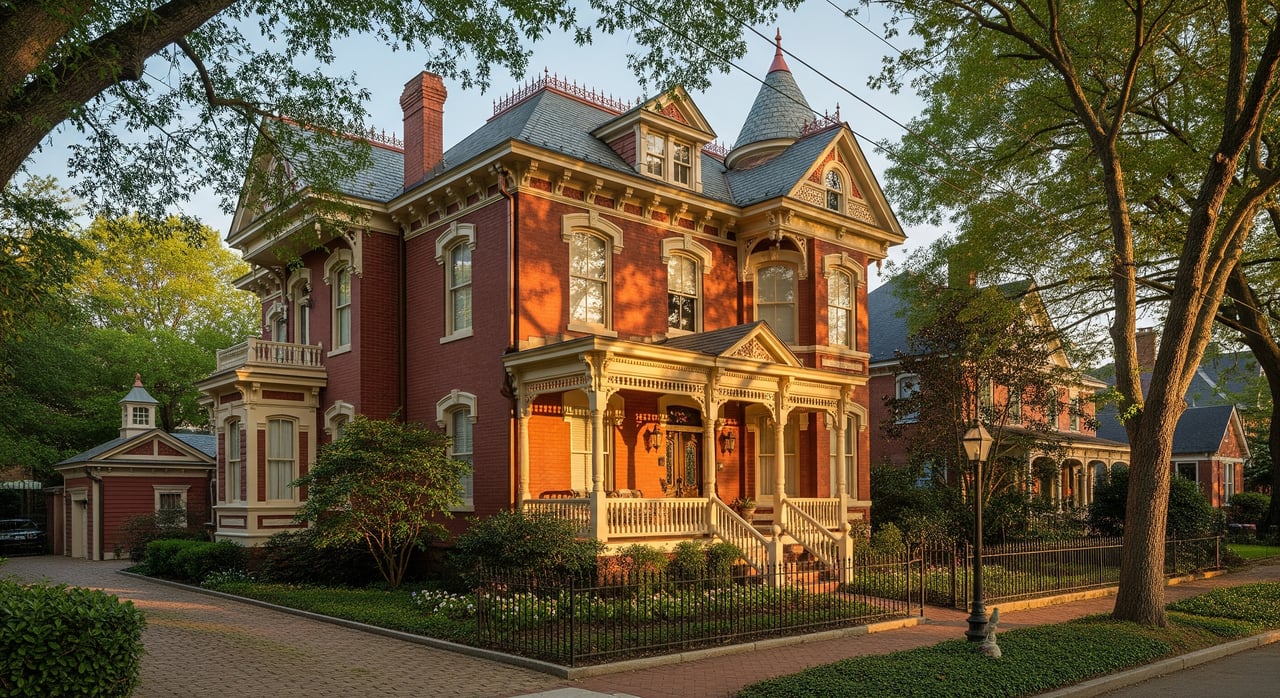
If your parcel falls within a historic or landmark district, the review path may be different. The City says the scope of work determines whether you need a Certificate of Appropriateness and whether review is handled by staff or by the Urban Design Commission at a public hearing.
The City also notes that historic-preservation rules can change normal repair exemptions. That means homeowners should not assume that work considered simple elsewhere will move through the same way on a historically designated property.
Demolition is its own process
If your project includes demolition, treat that as a separate planning issue. Atlanta’s residential demolition permit form states that most residential demolition applications are routed to Planning to determine whether the future use requires rezoning, a special use permit, or a comprehensive plan amendment.
For homeowners, that means teardown or major removal work can trigger another layer of review. It is wise to understand that path before you make budget or timeline commitments.
Site limits often drive the project
In this neighborhood, the biggest design constraint is often the site envelope, not the interior wish list. Atlanta’s R-district summary shows that R-4 requires a minimum lot area of 9,000 square feet and allows up to 50% maximum lot coverage, while R-4A and R-5 require 7,500 square feet and allow up to 55% maximum lot coverage.
These districts also have minimum front, side, and rear yard requirements. So even if you have room inside the house for a dream plan on paper, the lot may limit how far you can expand.
Lot coverage adds up fast
Atlanta defines lot coverage broadly. It includes the footprint of the main house and accessory structures, plus driveways, walkways, patios, decks, tennis courts, parking spaces, pools, and similar site improvements.
That broad definition catches many homeowners by surprise. A new garage, larger driveway, pool, rear addition, and patio can consume allowable coverage much faster than expected, even if the house itself does not seem unusually large.
This is one reason oversize expansion plans can become expensive to revise. The more moving pieces you add to the site plan, the more carefully you need to test coverage, setbacks, and tree impact before construction pricing begins.
ADUs may offer another option
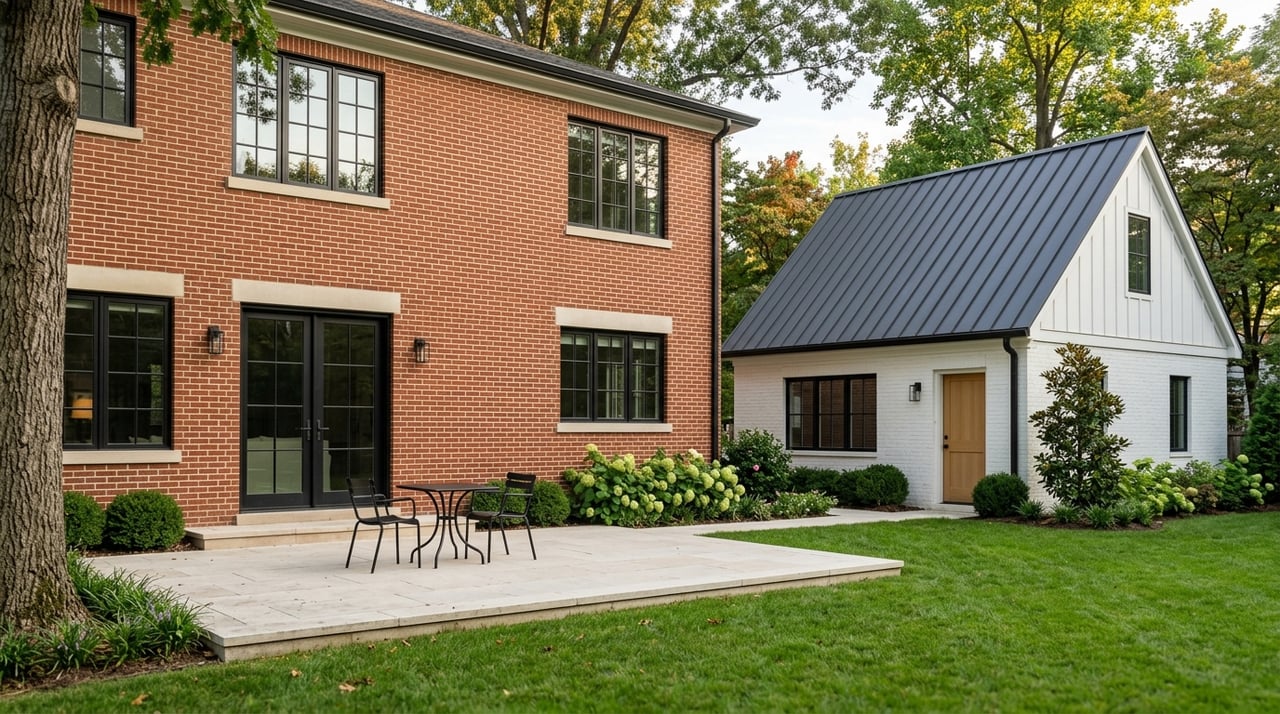
If you need more space, a detached accessory dwelling unit may be worth exploring. Atlanta’s current ADU guidance says detached ADUs are allowed by-right in R-4, R-4A, and R-5, as well as some SPI and historic districts.
For some homeowners, that can be a more site-efficient solution than pushing for a large footprint expansion. Depending on your parcel, an ADU may help you create guest space, work space, or flexible living space while preserving the main house and its lot relationship.
This is still a parcel-specific decision. Zoning, lot layout, and tree constraints all matter, so it is important to verify what your property can actually support before assuming an ADU is the better path.
What usually pays off at resale
If resale matters, bigger is not always better. National remodeling data shows strong buyer interest in kitchen upgrades, bathroom renovations, new roofing, and added primary suites, but Atlanta-specific recoup data suggests smaller, high-visibility improvements often perform better than large additions.
In Atlanta, a minor kitchen remodel recouped 89.2% to 96.1% of cost, while a midrange bath remodel recouped 70.3% to 77.8%. An asphalt roof replacement recouped 56.9% to 65.6%.
By contrast, a major kitchen remodel recouped 42.2% to 49.5%. A primary suite addition recouped 31.6% to 35.5% at the midrange level and 21.3% to 23.9% at the upscale level.
Why targeted updates make sense here
In Morningside-Lenox Park, thoughtful modernization often fits the neighborhood better than a project that stretches the site. Between mature trees, lot-coverage limits, and possible review requirements, oversized additions can cost more, take longer, and return less than homeowners expect.
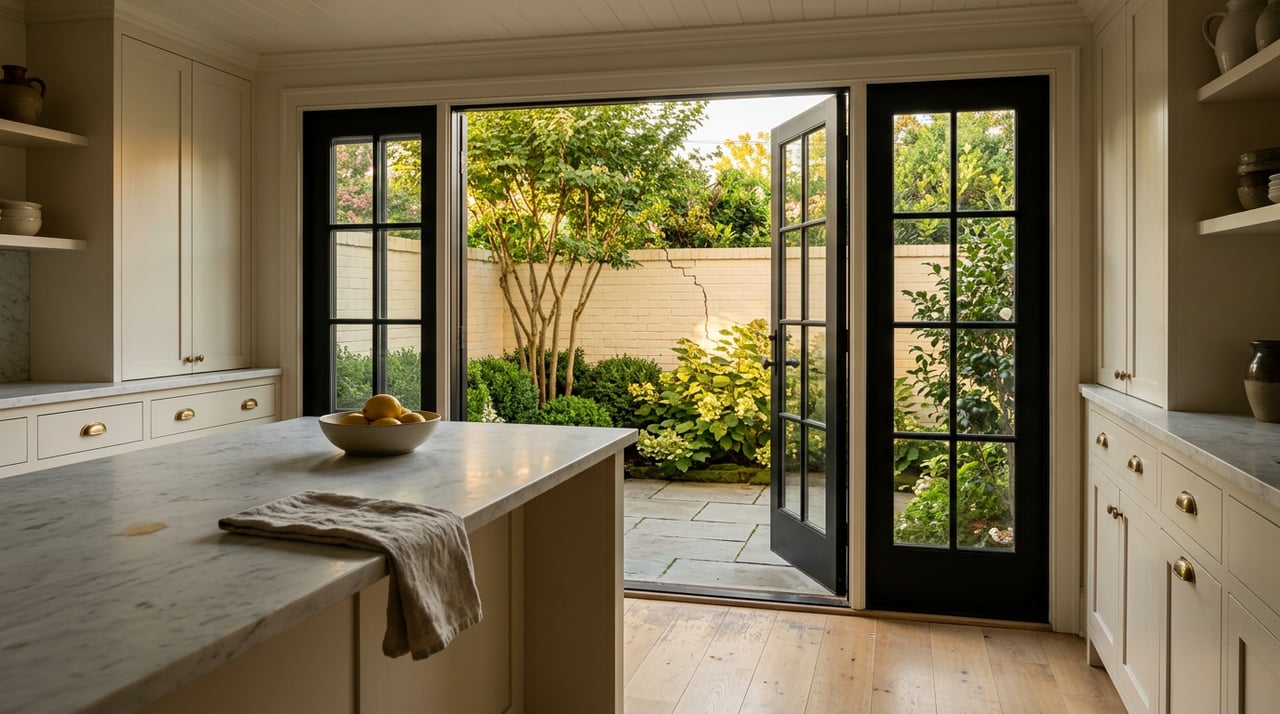
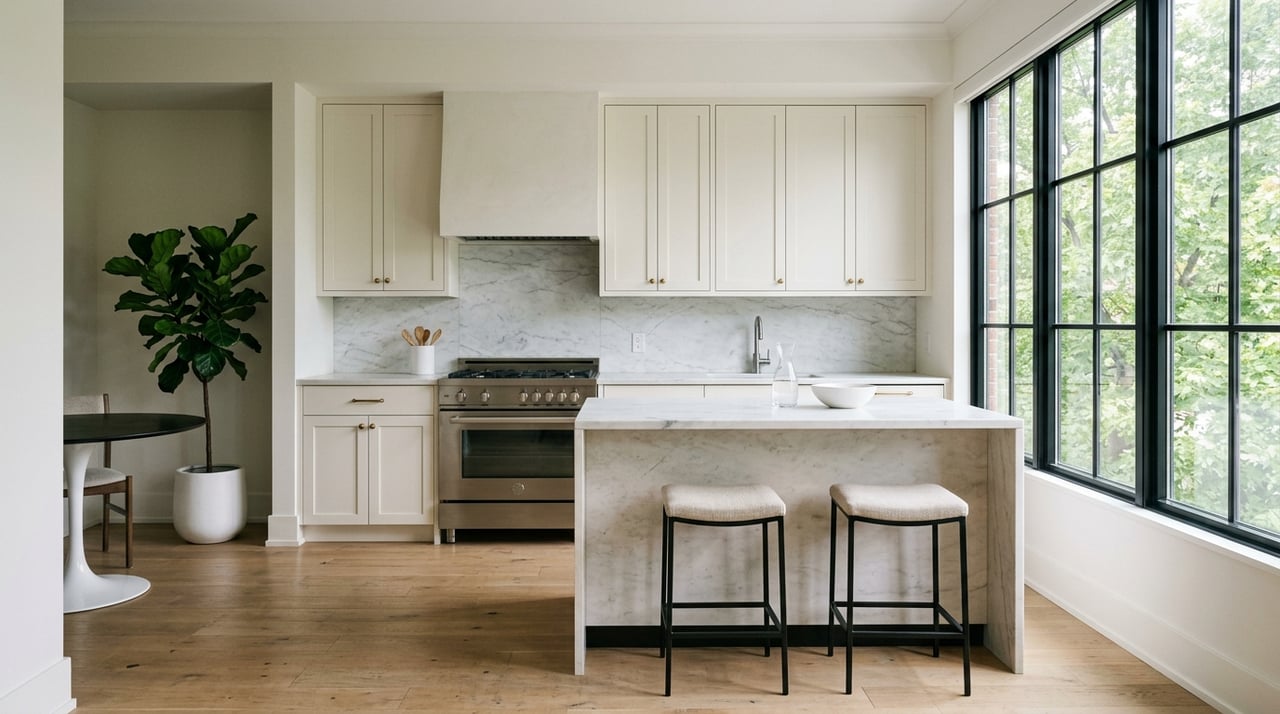
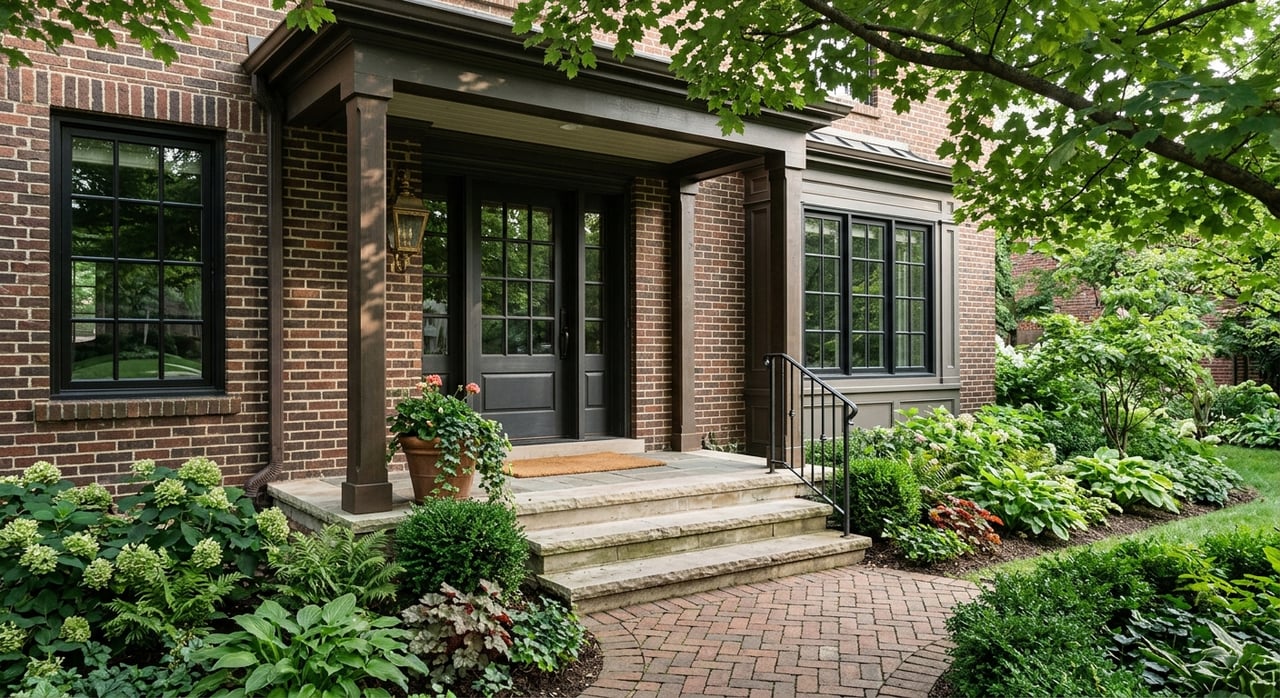
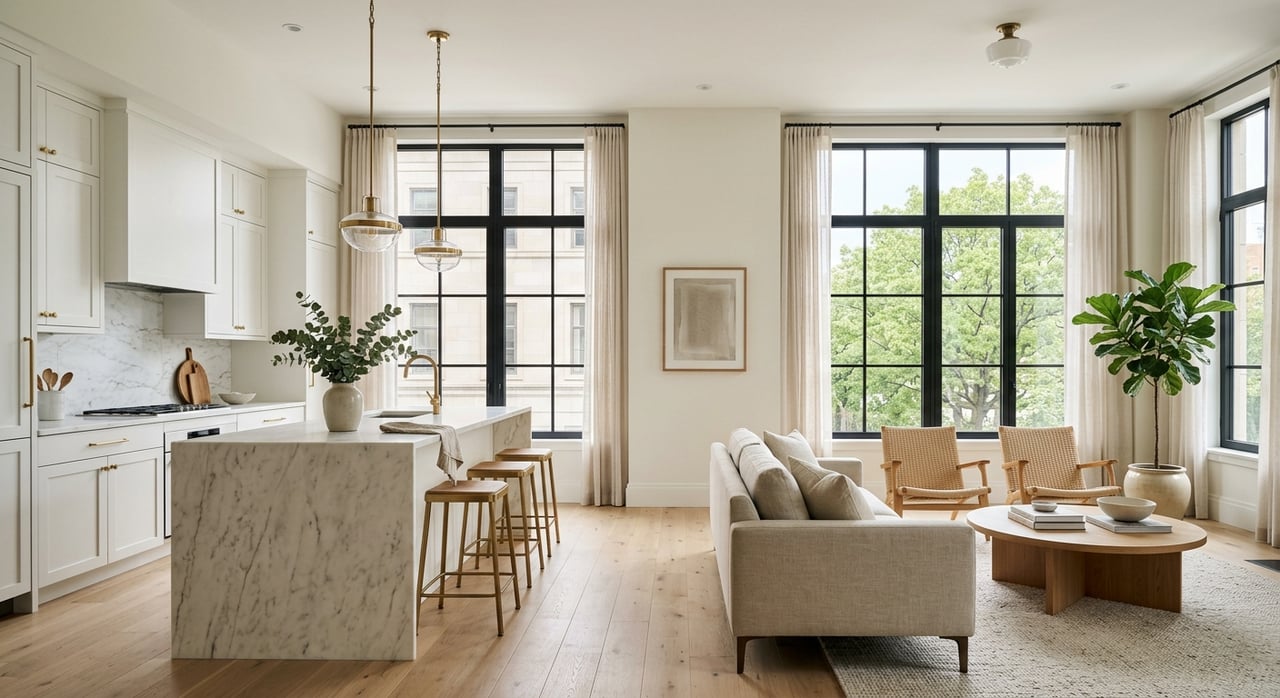
That is why focused improvements often make the most sense for both livability and resale. Kitchens, baths, roofing, and exterior condition tend to be highly visible to buyers and easier to integrate into the existing home without overloading the lot.
A smart renovation priority list
If you are deciding where to spend first, this order is usually the most practical based on the local constraints and Atlanta recoup data:
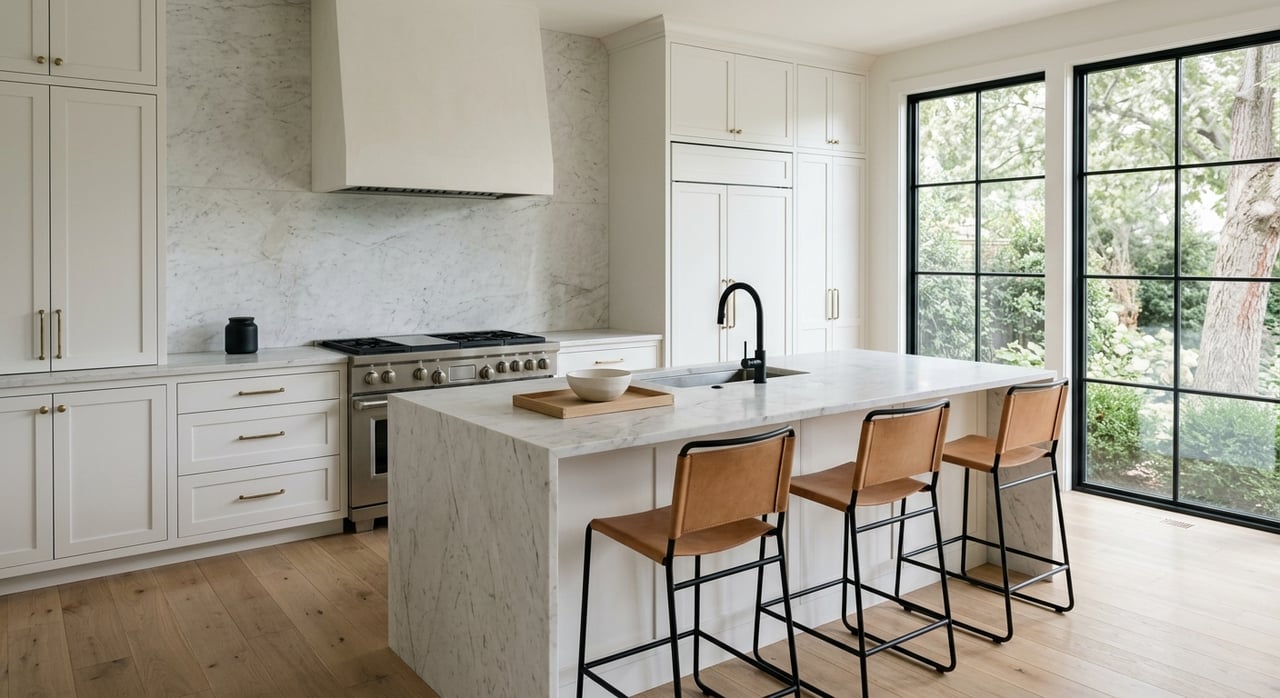
- Kitchen improvements that modernize function and finish level.
- Bathroom updates that improve daily use and presentation.
- Roof and exterior condition to support buyer confidence.
- A well-integrated addition only if the parcel and budget truly support it.
This approach can help you keep the house aligned with neighborhood character while avoiding expensive overbuilding. It also creates a clearer path if you eventually decide to sell.
How to plan your project wisely
A major renovation in Morningside-Lenox Park usually goes better when you treat it as a property strategy, not just a design exercise. The right first questions are about parcel rules, tree impacts, district overlays, and resale priorities.
A practical planning checklist looks like this:
- Confirm zoning, NPU, and any historic-preservation designation for your parcel.
- Review whether your concept affects setbacks, height, placement, density, or parking.
- Check whether tree impacts may trigger an Arborist Meeting before permit submission.
- Separate demolition questions from renovation questions if removal is part of the scope.
- Compare the value of a targeted remodel against the cost and recoup of a large addition.
- Consider whether an ADU or smaller footprint solution could meet your goals more efficiently.
When you line up those answers early, your design choices usually get sharper. Your budget also tends to go further because you are solving the real constraints first.
Whether you are renovating to stay, renovating before a future sale, or trying to decide if a property is worth buying for a reimagining project, local guidance matters. If you want an experienced Intown perspective on which improvements are most likely to support value in Morningside-Lenox Park, connect with Molly Carter Gaines.
FAQs
What should homeowners check before planning a renovation in Morningside-Lenox Park?
- Start by confirming your parcel’s zoning classification, NPU, neighborhood details, and any historic-preservation designation using the City of Atlanta’s property tools.
Do tree rules affect major renovations in Morningside-Lenox Park?
- Yes. If your permit application involves potential tree impact, the City says a formal Arborist Meeting is required before submission starting June 25, 2025.
Can two homes in Morningside-Lenox Park have different renovation rules?
- Yes. The neighborhood is not regulated as one uniform area, so nearby parcels can face different zoning or review requirements.
Do you need a permit for renovation work in Atlanta?
- In many cases, yes. The City says approval is likely needed for building new, altering, adding to, demolishing, or changing the use or layout of a property, though some limited repairs may be exempt.
Are detached ADUs allowed in Morningside-Lenox Park?
- They may be, depending on the parcel. Atlanta says detached ADUs are allowed by-right in R-4, R-4A, and R-5, as well as some SPI and historic districts.
Which renovation projects tend to recoup more in Atlanta?
- Atlanta data shows stronger recoup rates for minor kitchen remodels, midrange bath remodels, and asphalt roof replacement than for major kitchen remodels or primary suite additions.