Wondering if Virginia-Highland is the right place to put down roots? If you are trying to balance walkability, school access, historic charm, and everyday convenience, this neighborhood usually ends up on the shortlist for a reason. The key is knowing where Virginia-Highland shines, where it asks for compromise, and how that compares to your family’s real priorities. Let’s dive in.
Why Virginia-Highland Appeals to Families
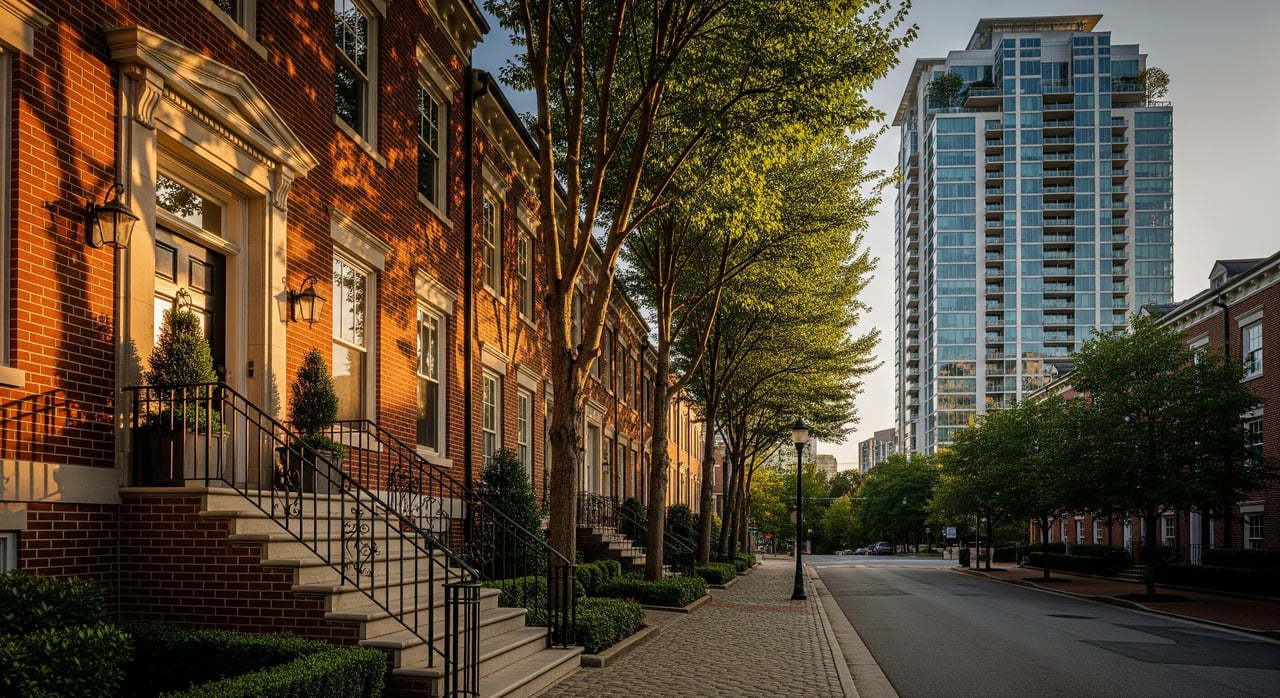
Virginia-Highland offers a kind of intown lifestyle that can be hard to replicate in Atlanta. You get a historic neighborhood feel, local businesses close by, and a street pattern that supports walking, biking, and short everyday trips.
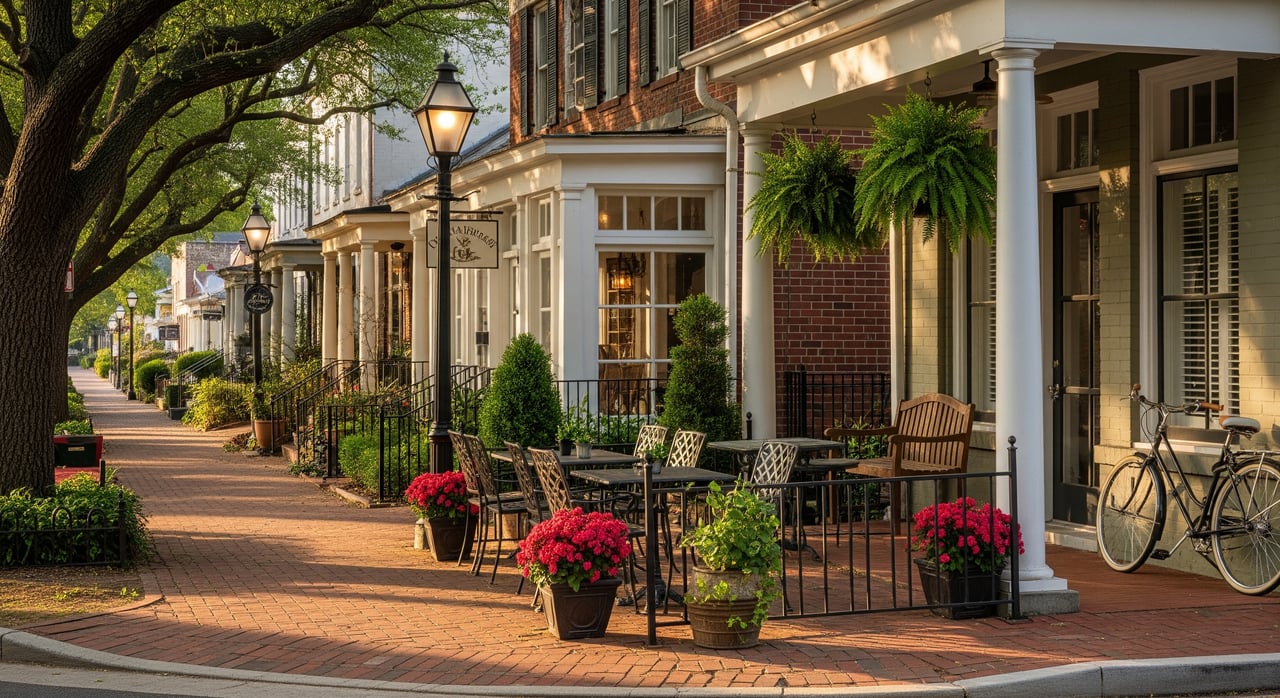
The neighborhood is centered around a 1.4-mile stretch of North Highland Avenue with restaurants, shops, fitness and wellness businesses, and community activity supported by the district association. That gives parts of Virginia-Highland a village-like feel that many relocating buyers and intown families find appealing.
For many households, the biggest draw is convenience. The district directory includes practical stops like CVS, Savi Provisions, Alon's Bakery, and Intown Hardware, which means some errands can stay close to home instead of becoming a cross-town drive.
Schools in Virginia-Highland
For buyers with school-aged children, public school assignment is one of the first things to confirm. Atlanta Public Schools says assignment is based on the legal property address, so you should always verify a specific home through the APS School Zone Locator before making a decision.
Virginia-Highland Elementary currently serves students in Virginia-Highland along with Ansley Park, Midtown, Morningside, and Sherwood Forest. APS places it in the Midtown Cluster with Howard Middle School and Midtown High School.
That matters because it gives buyers a defined intown public school pathway to evaluate. Virginia-Highland Elementary opened in 2023, and APS's 2024-25 facilities report lists the school at 691 students and 840 seats, or about 82% utilization.
What this means for your search
If school continuity matters to your family, Virginia-Highland deserves a close look. At the same time, exact zoning should never be assumed from a neighborhood name alone.
A home can be a strong fit on paper and still land outside the assignment you expected. That is why address-level verification should be part of your buying process from day one.
Walkability, Parks, and Daily Life
Virginia-Highland is especially strong for families who want to live in a neighborhood where daily life feels connected. You can move between home, local businesses, and nearby recreation without always relying on a car.
The Eastside Trail is a major lifestyle advantage here. It connects Virginia-Highland to Piedmont Park, Historic Fourth Ward Park, Ponce City Market, Krog Street Market, Inman Park, Old Fourth Ward, and Reynoldstown.
Inside the neighborhood itself, green space is more limited. The City of Atlanta lists John Howell Memorial Park at 2.8 acres and Virginia-Highland Triangle at .05 acres, and it also lists Orme Park as a playground location.
The park tradeoff to consider
If your ideal family setup includes lots of private yard space and large neighborhood parks right outside your door, Virginia-Highland may feel compact. The neighborhood works best when you value access and activity more than expansive open space.
That does not make it less family-friendly. It just means the lifestyle leans more intown and active, and less big-lot and spread-out.
Housing Style and Lot Size
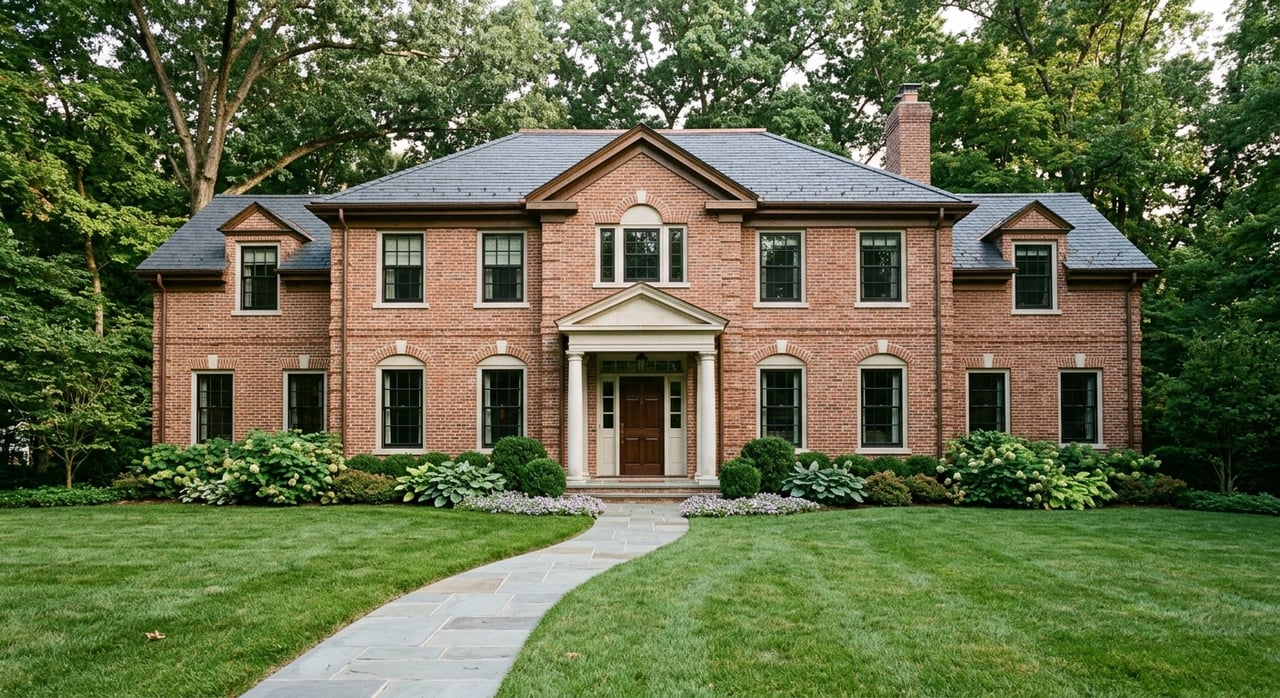
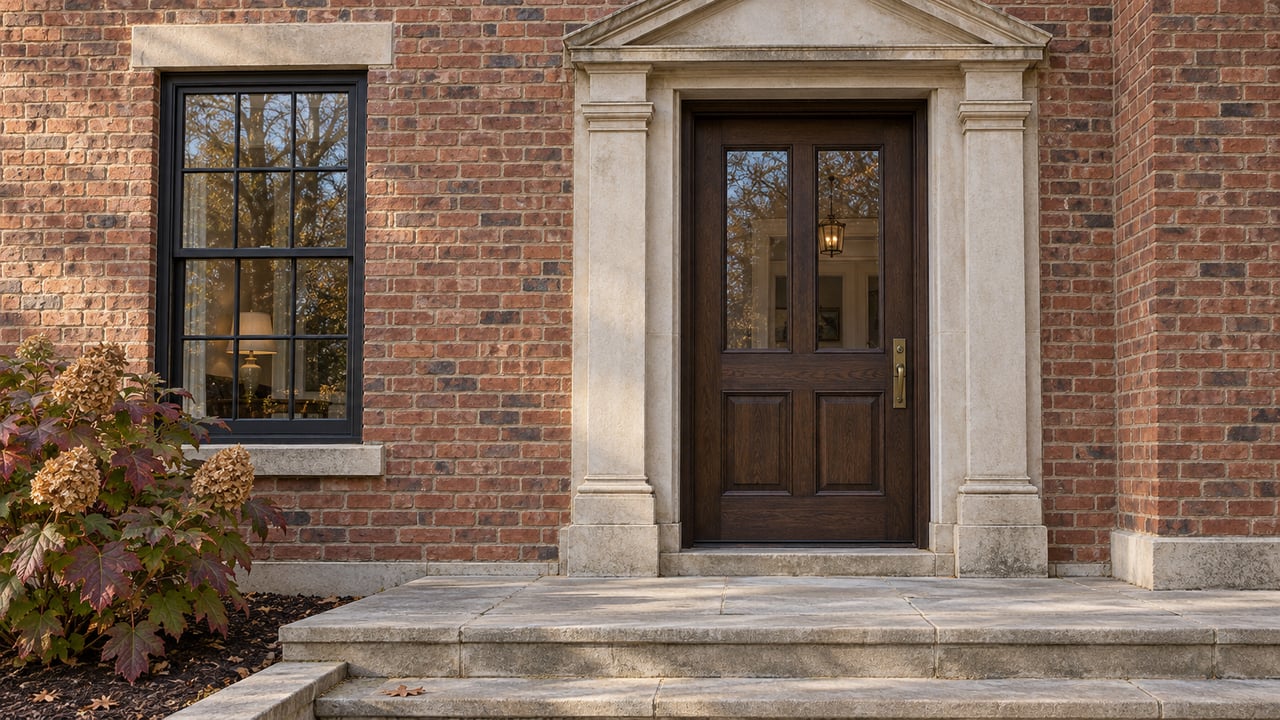
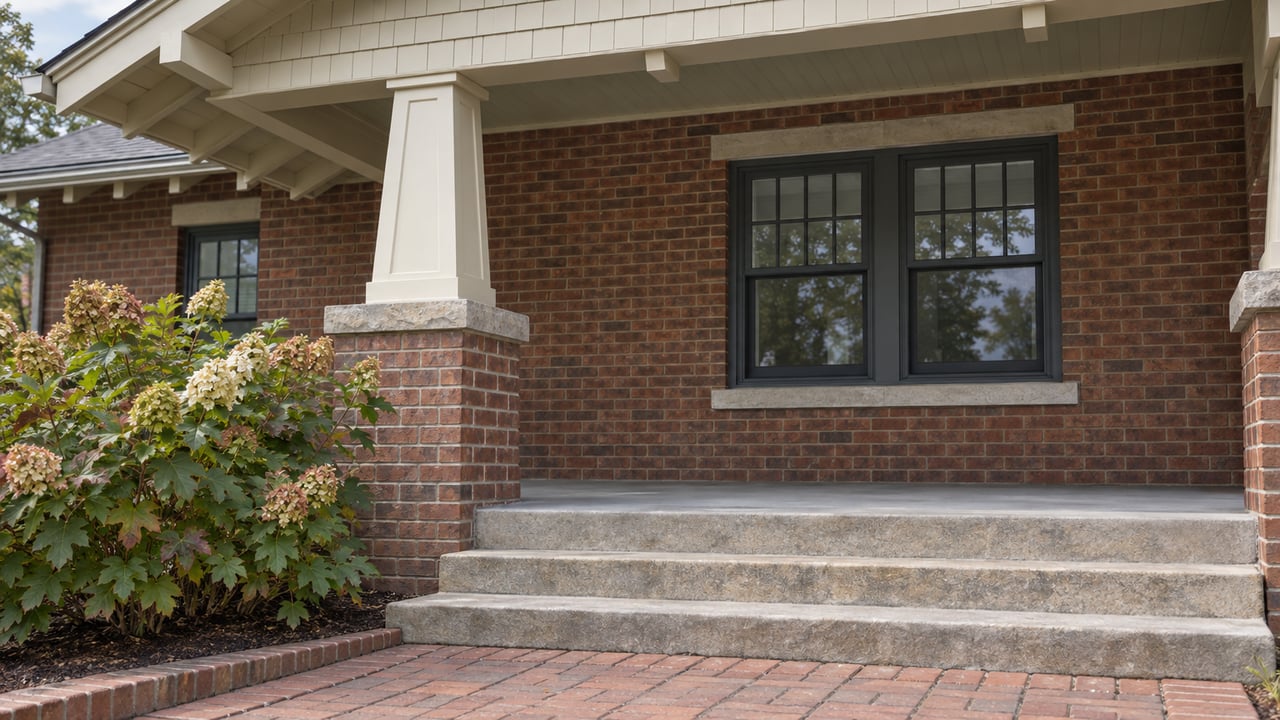
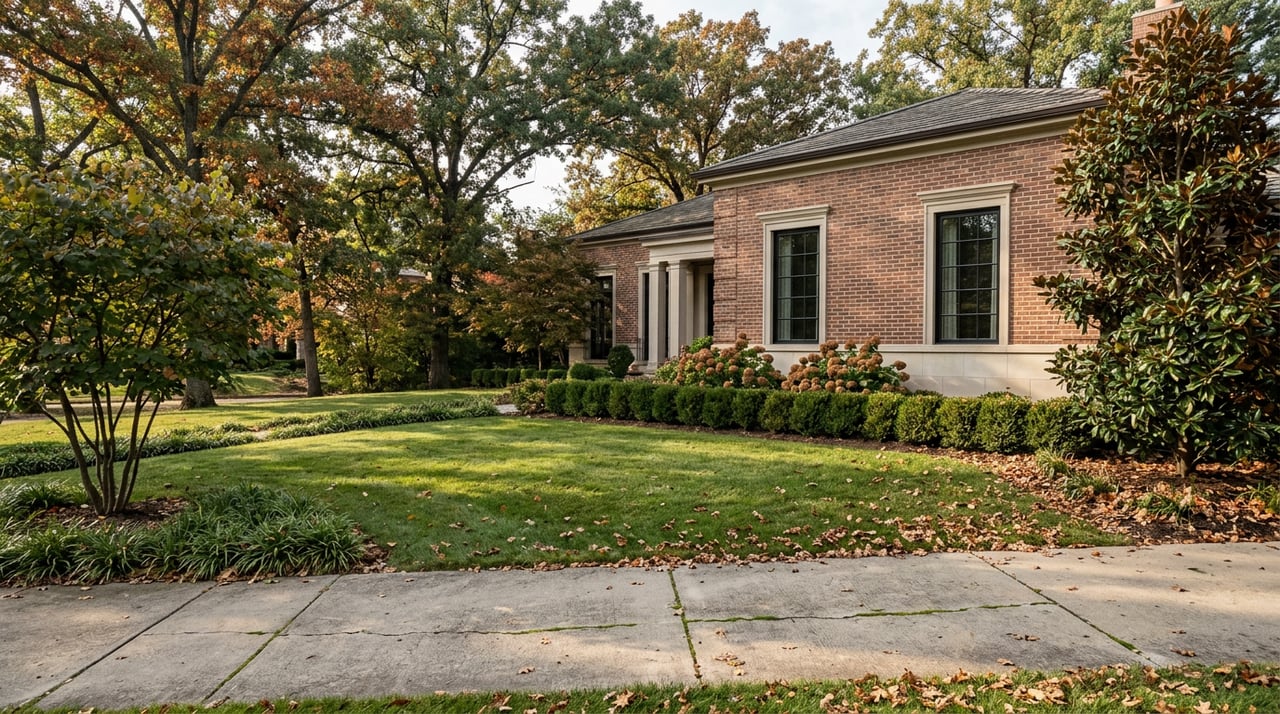
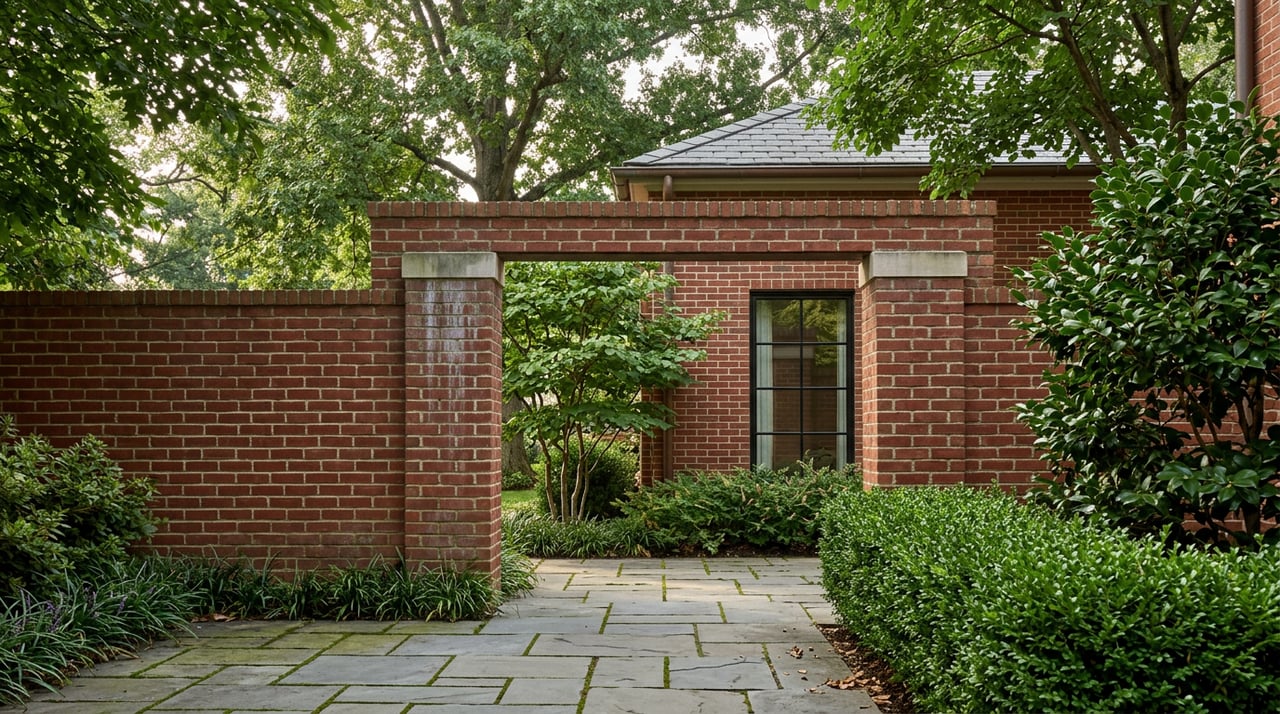
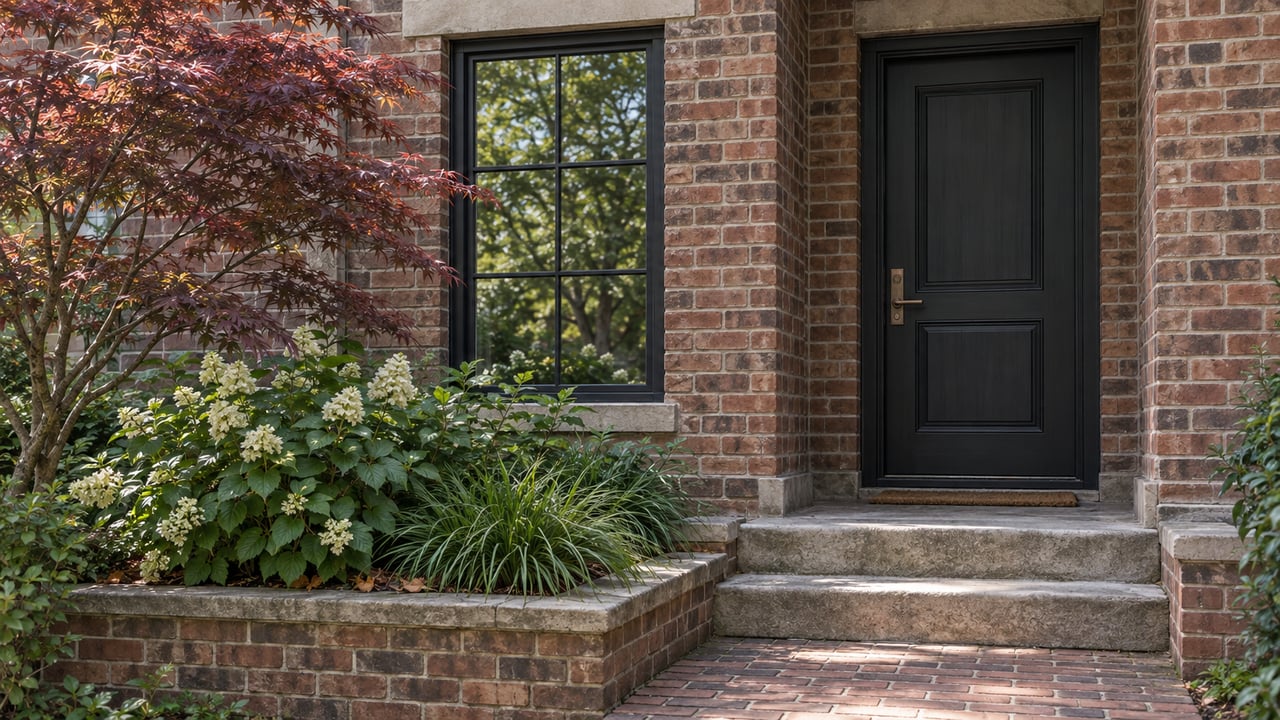
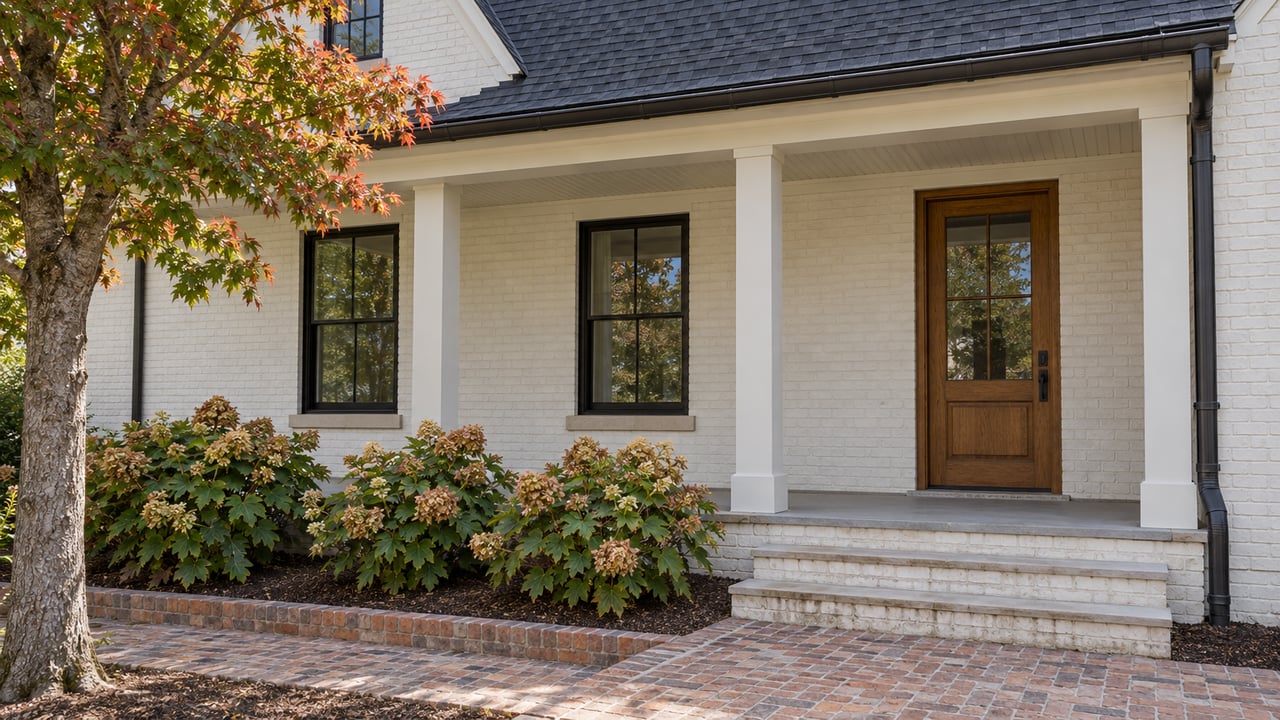
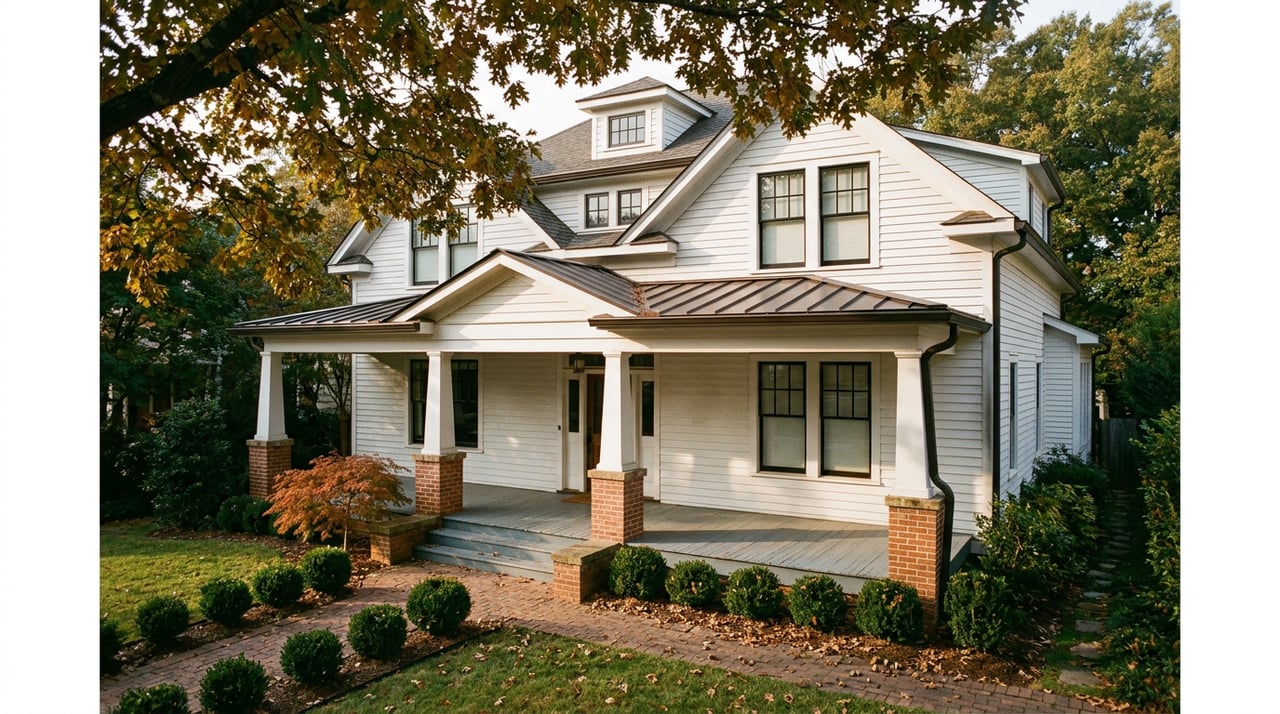
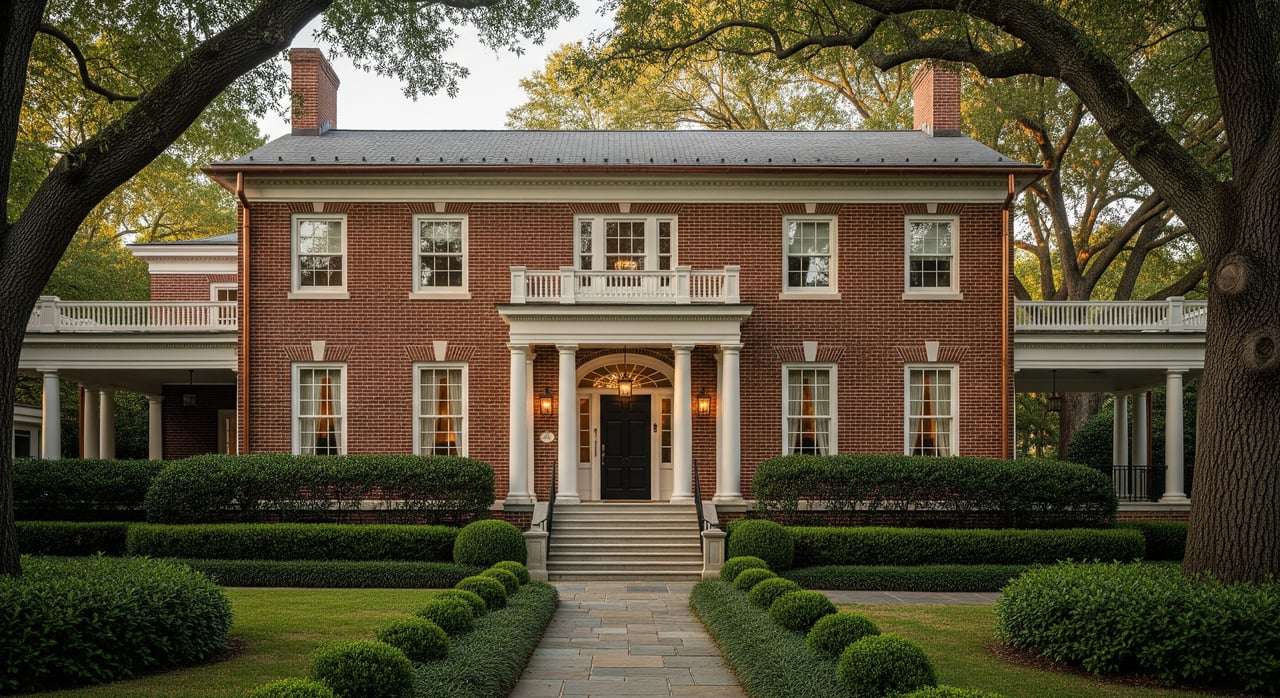
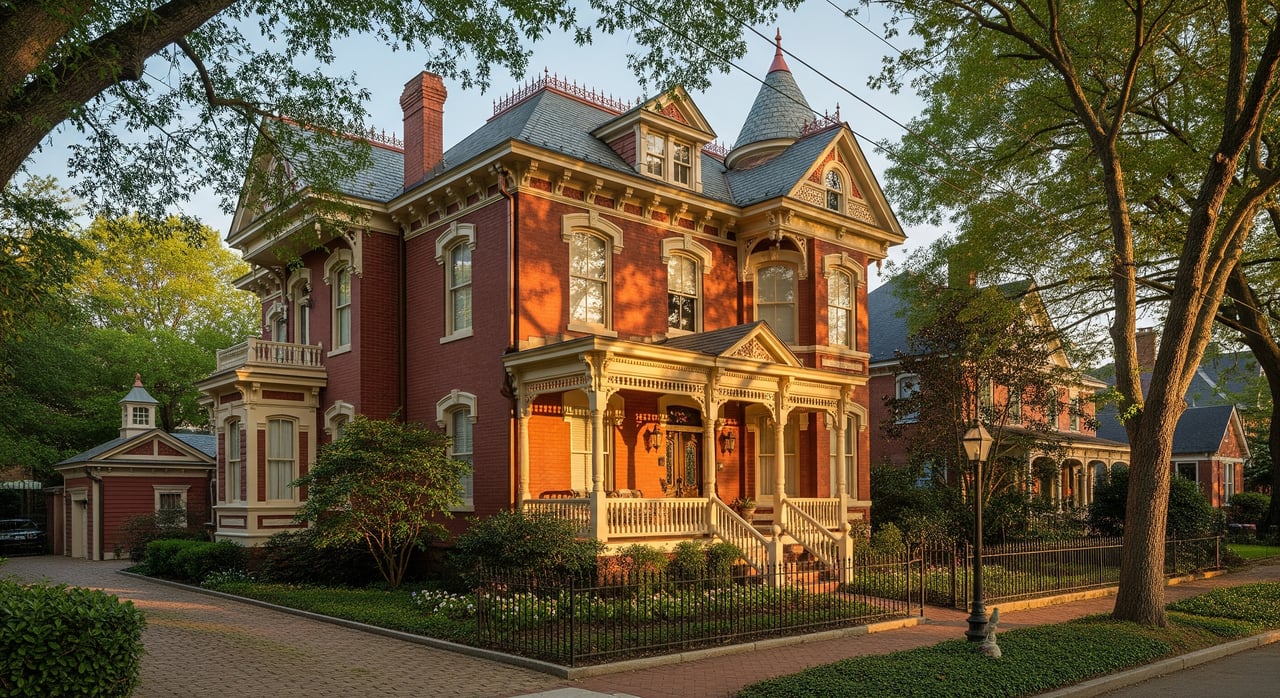
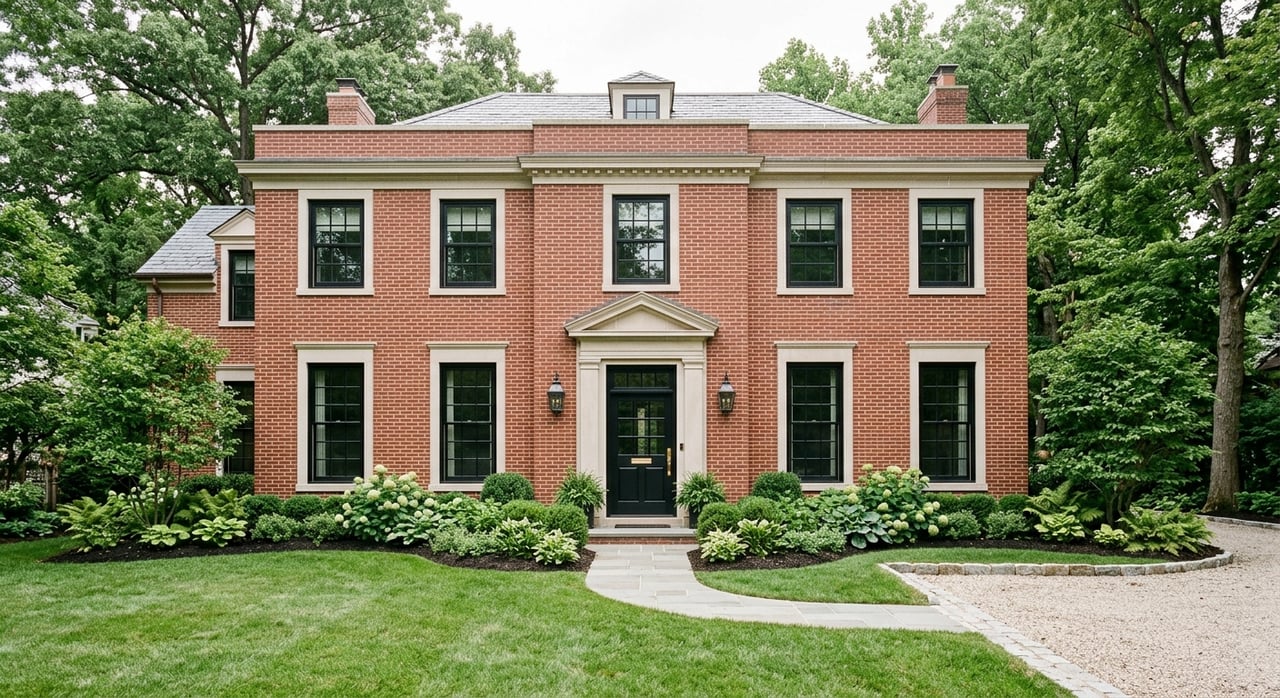
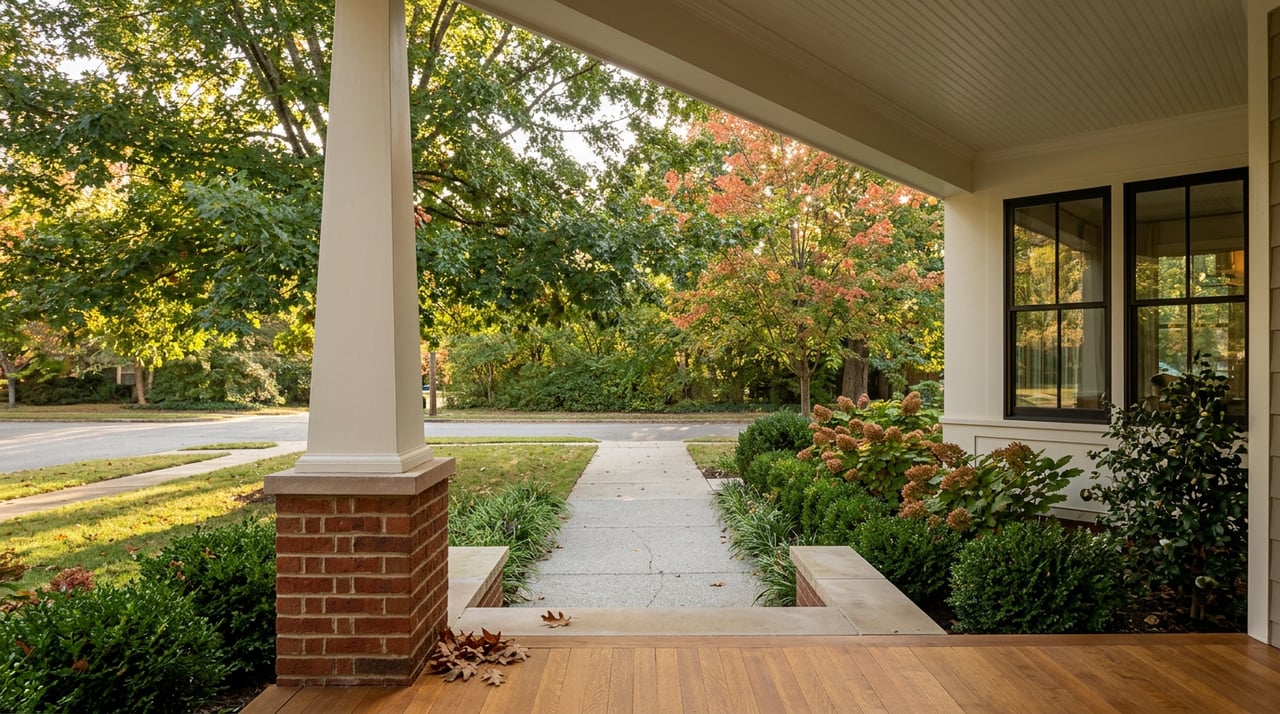
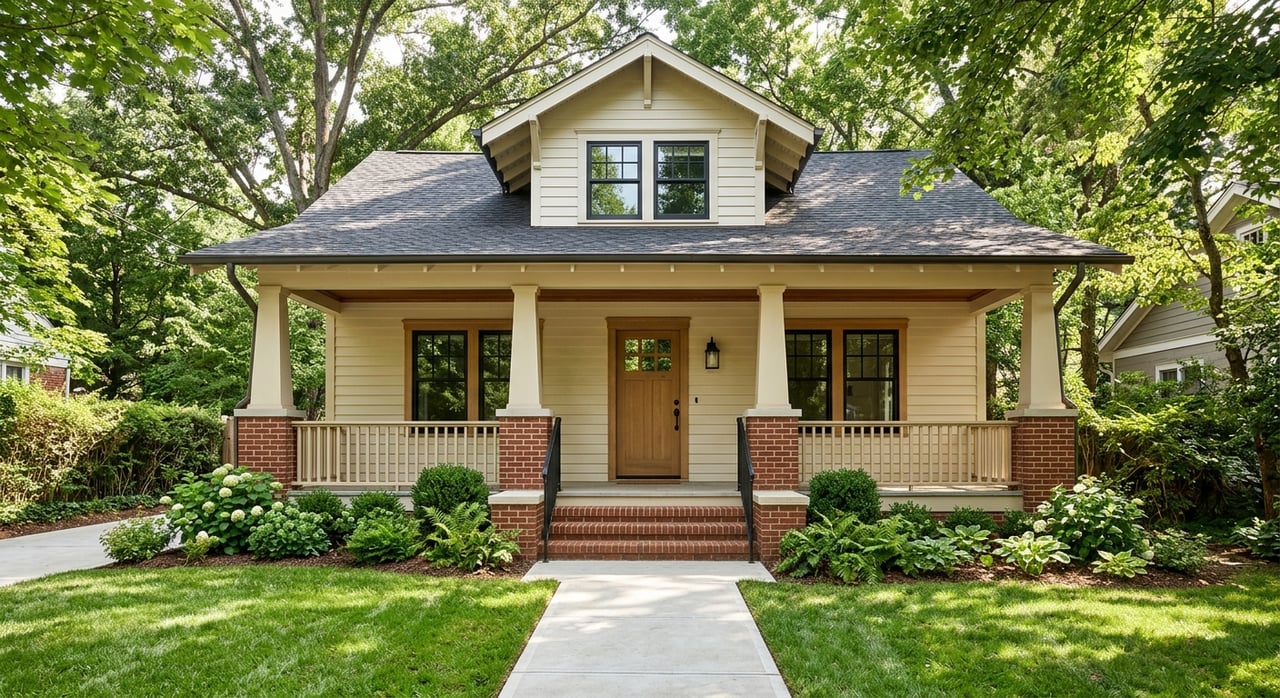
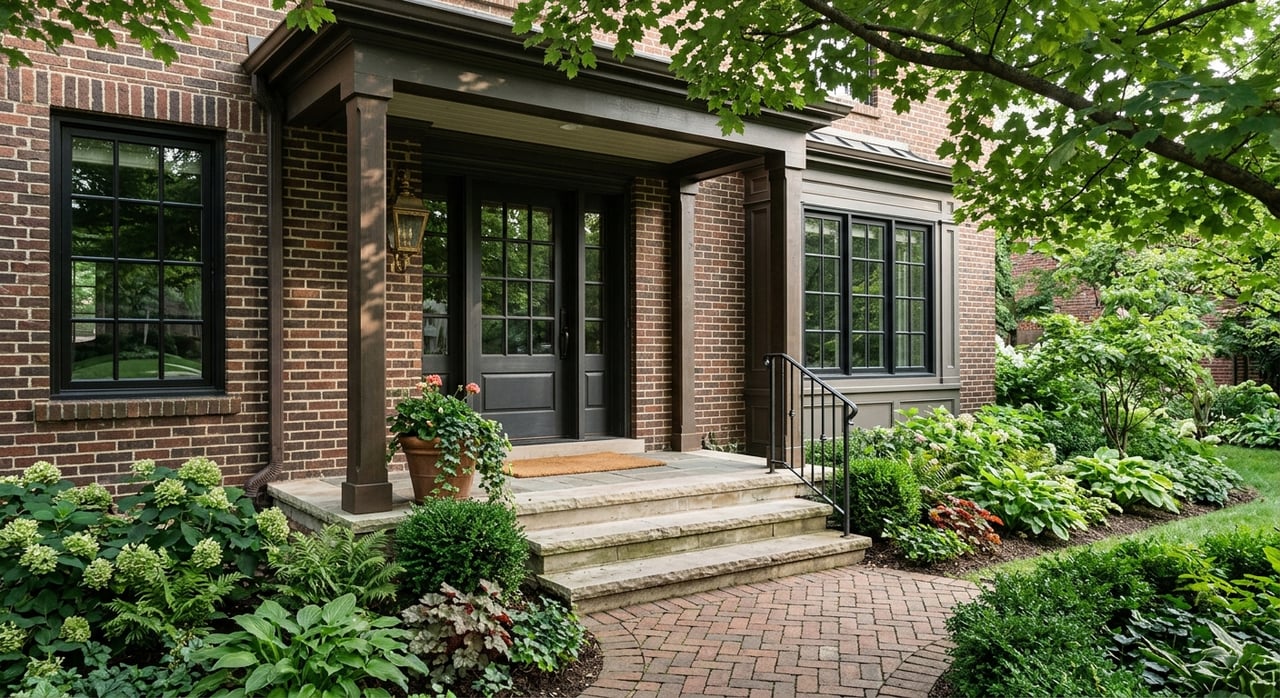
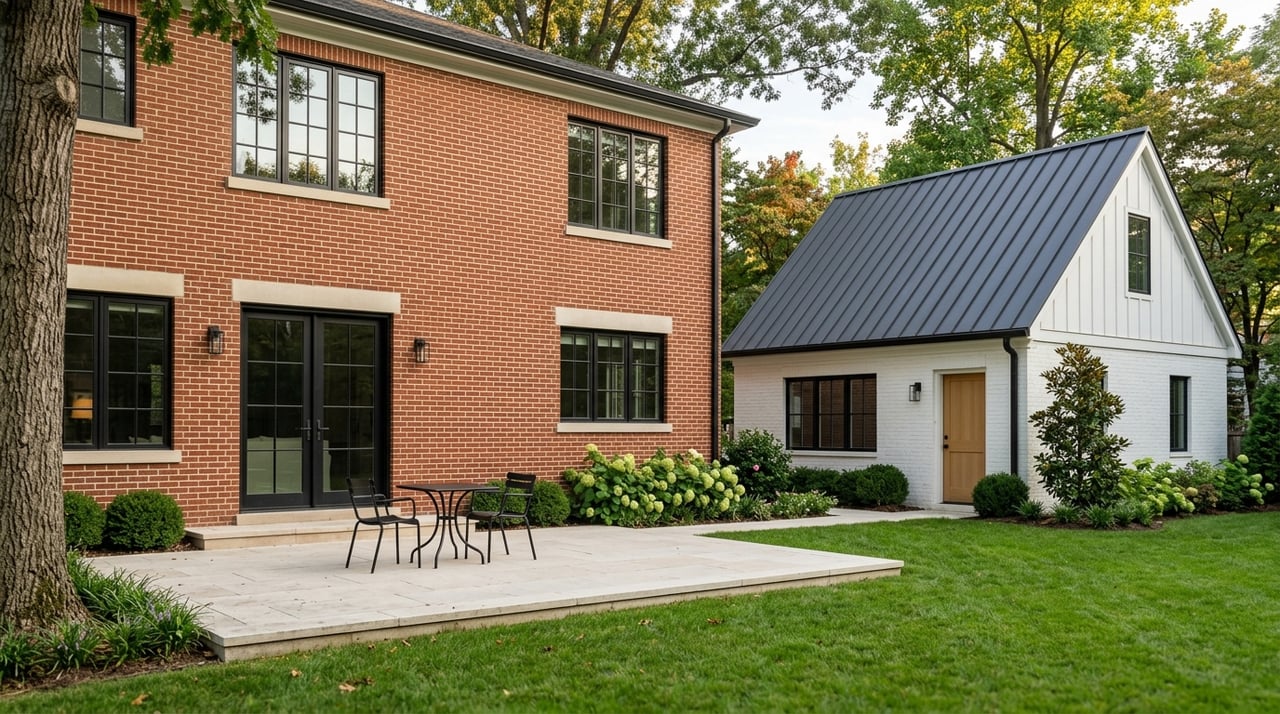
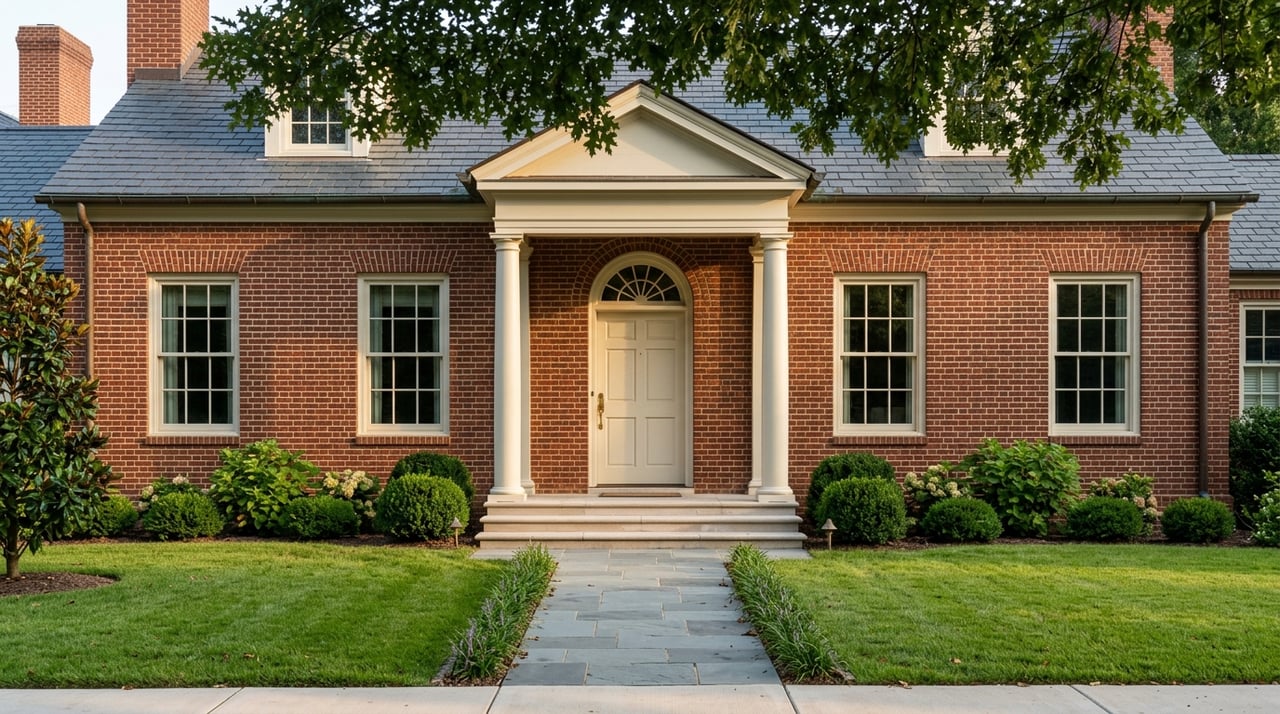
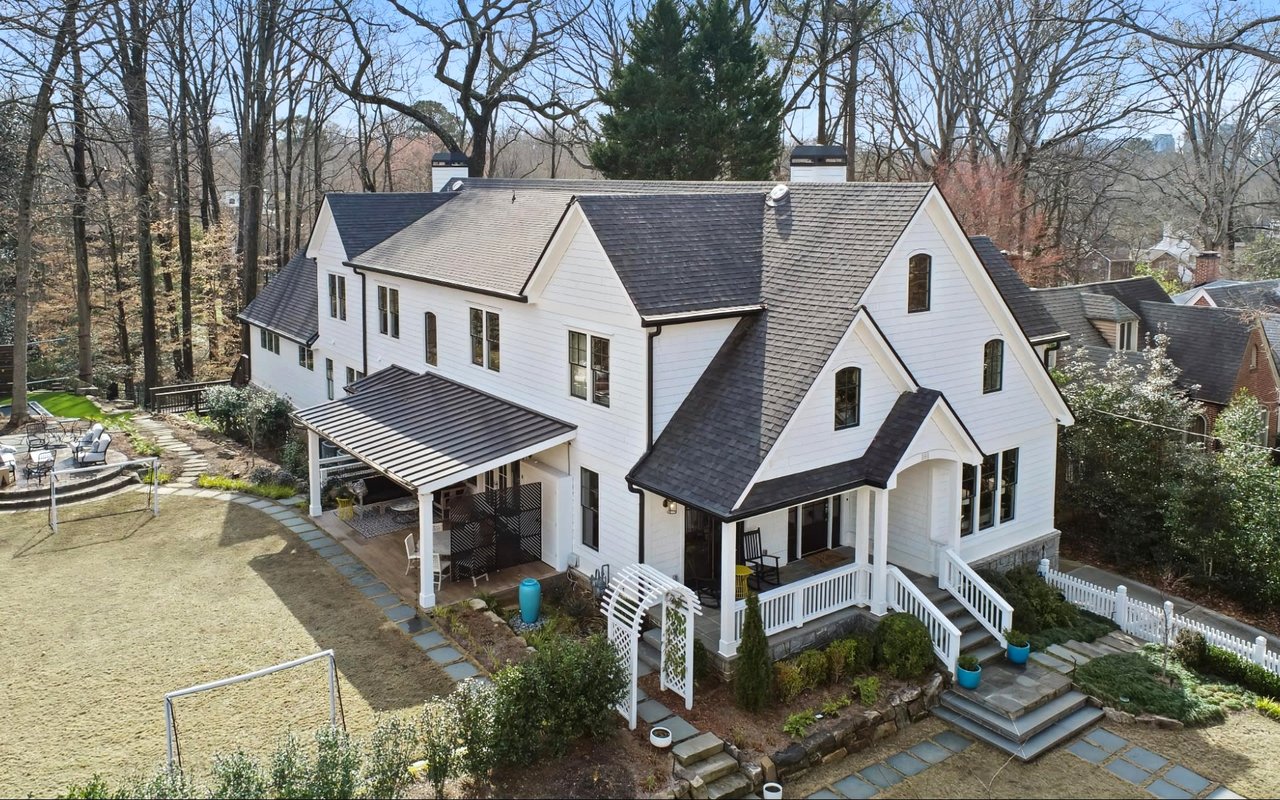
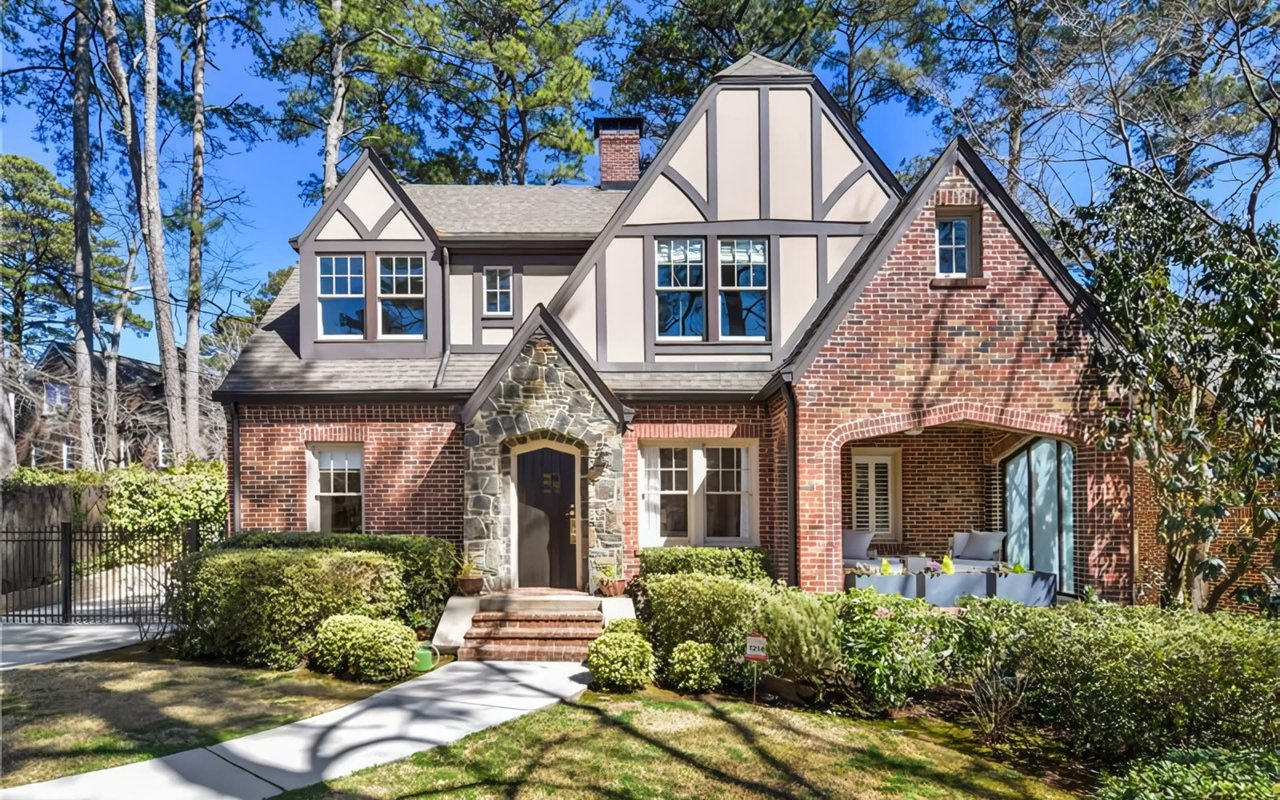
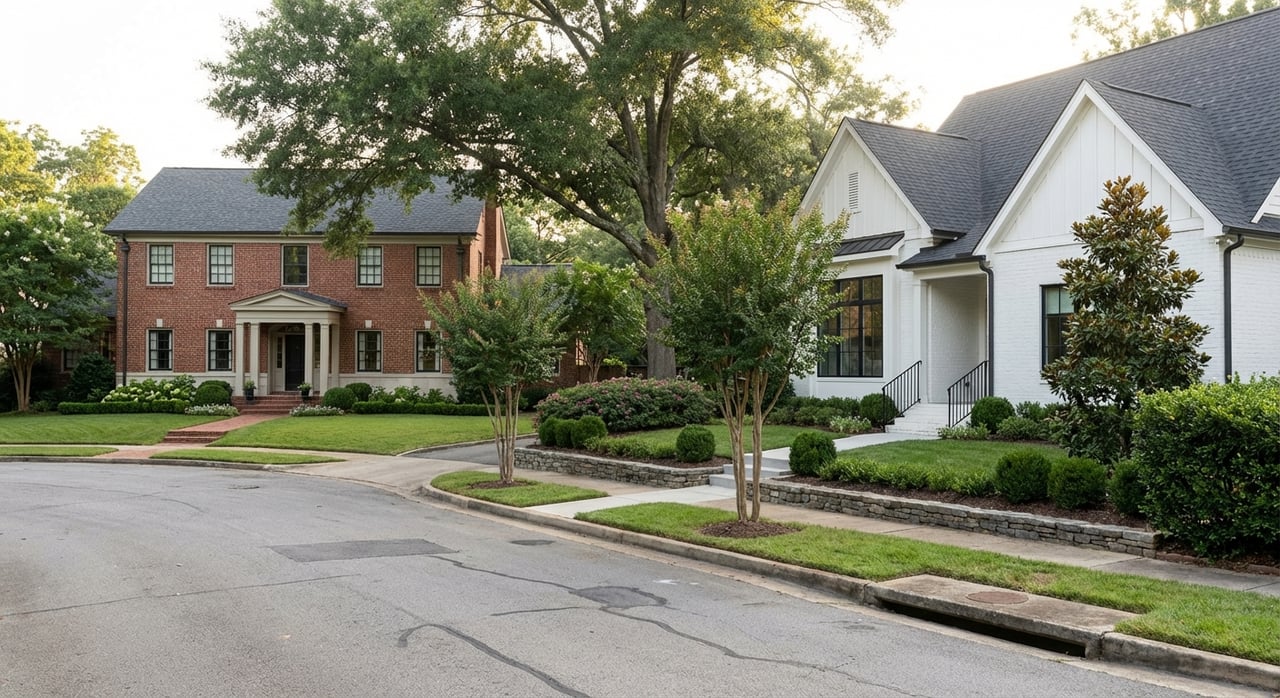
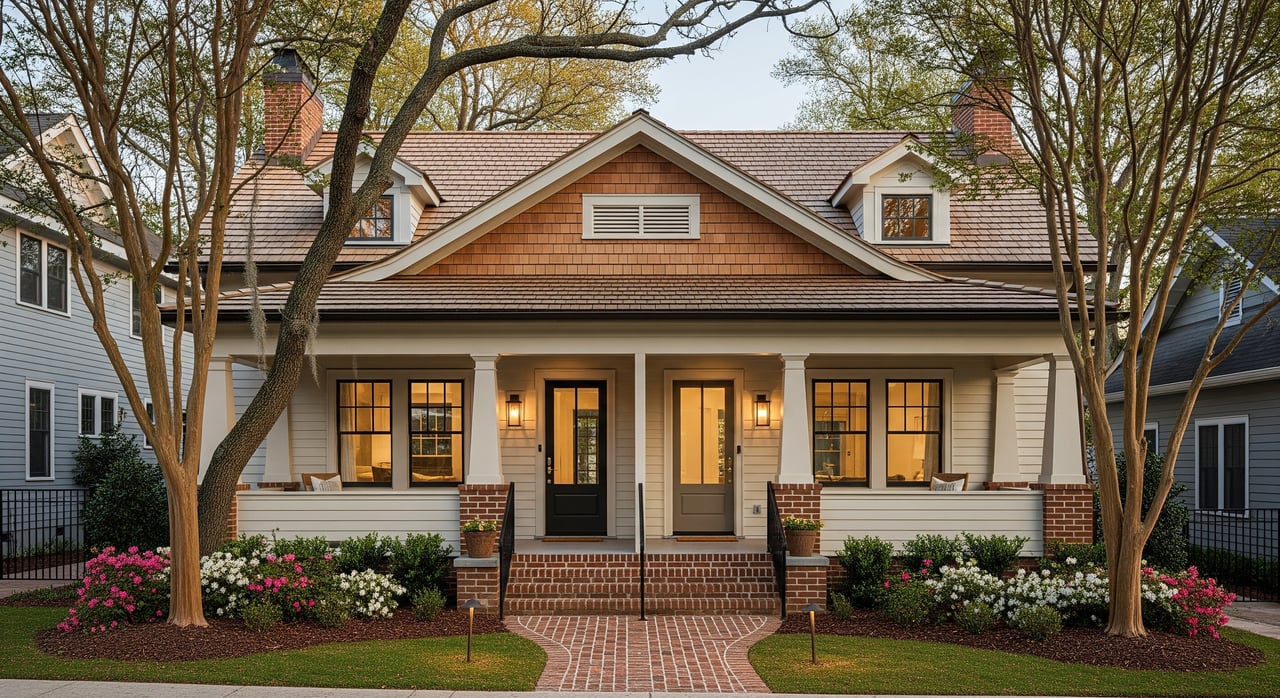
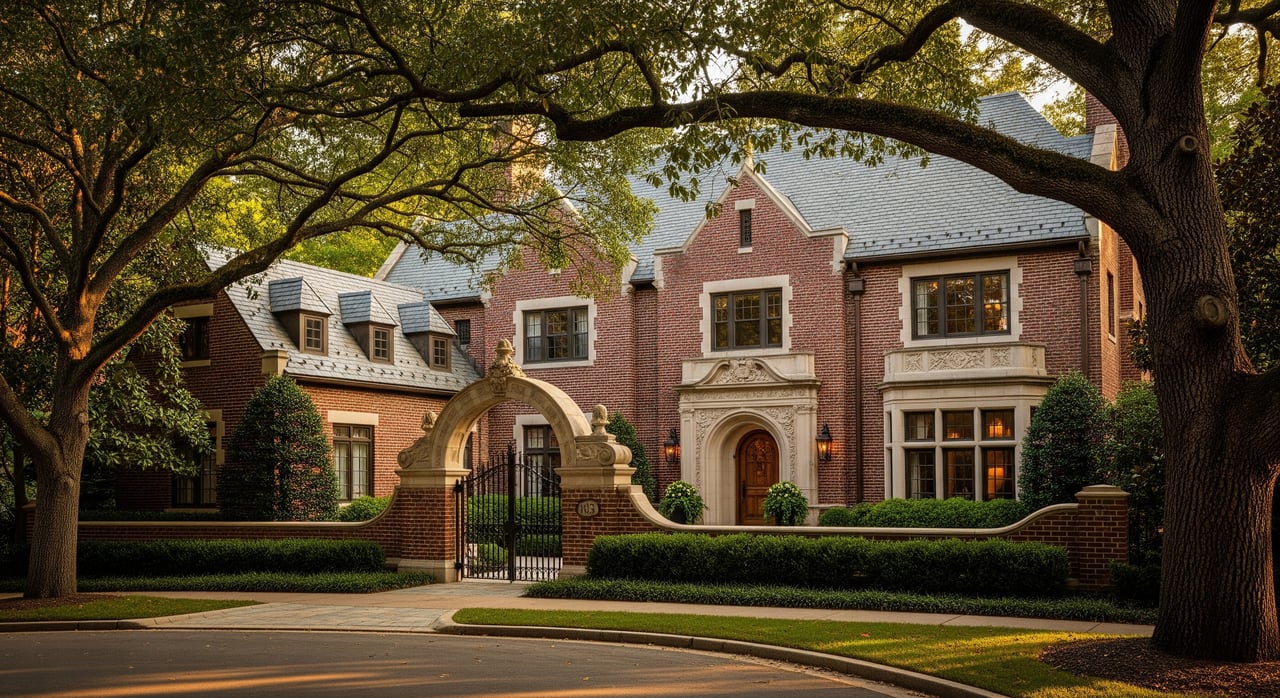
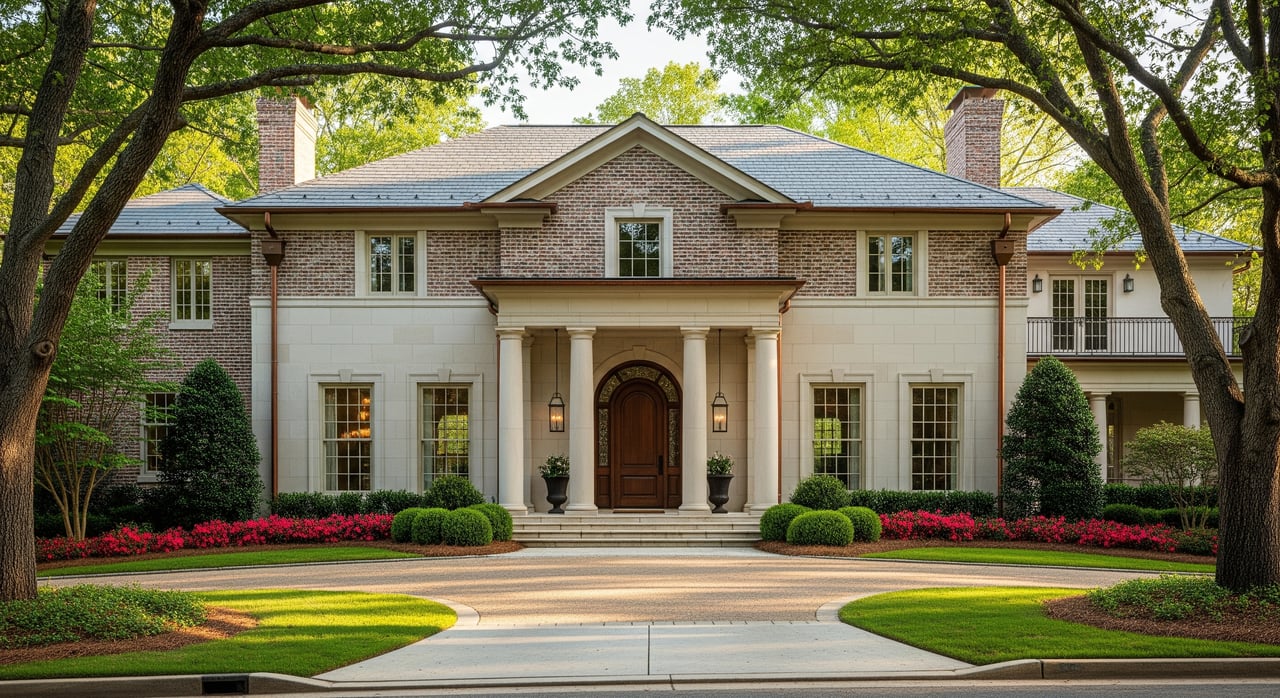
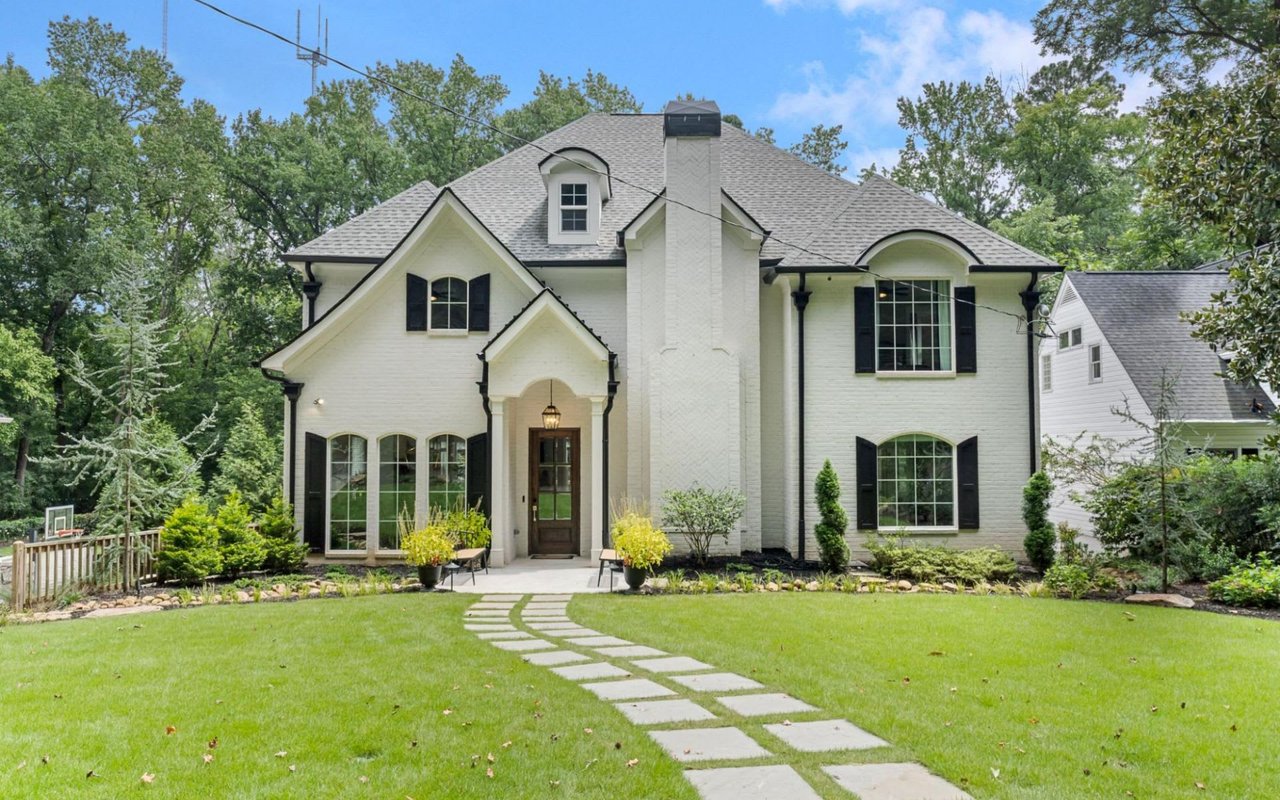
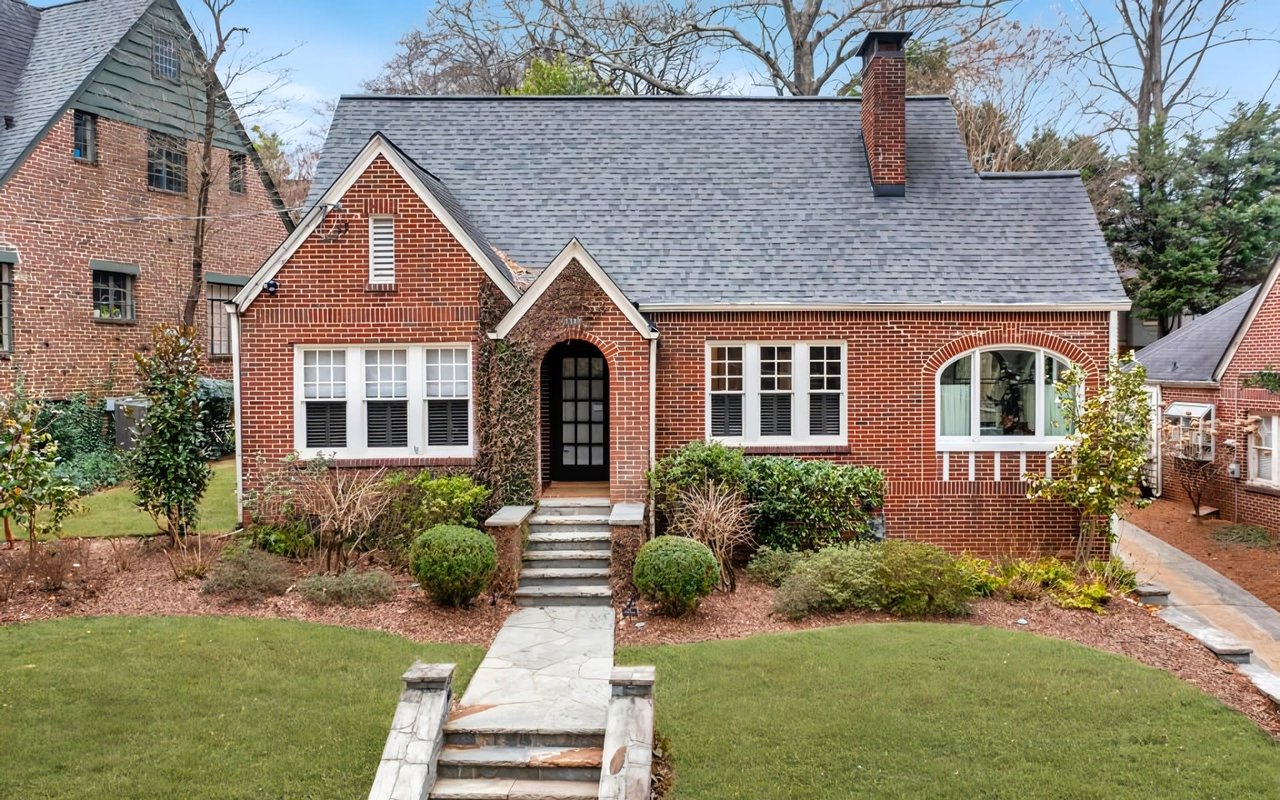
Virginia-Highland's housing stock is a big part of its appeal. The Virginia-Highland Historic District covers about 612 acres and developed mainly between 1905 and 1936, with Craftsman, English Vernacular Revival, and Colonial Revival styles shaping much of the neighborhood's look.
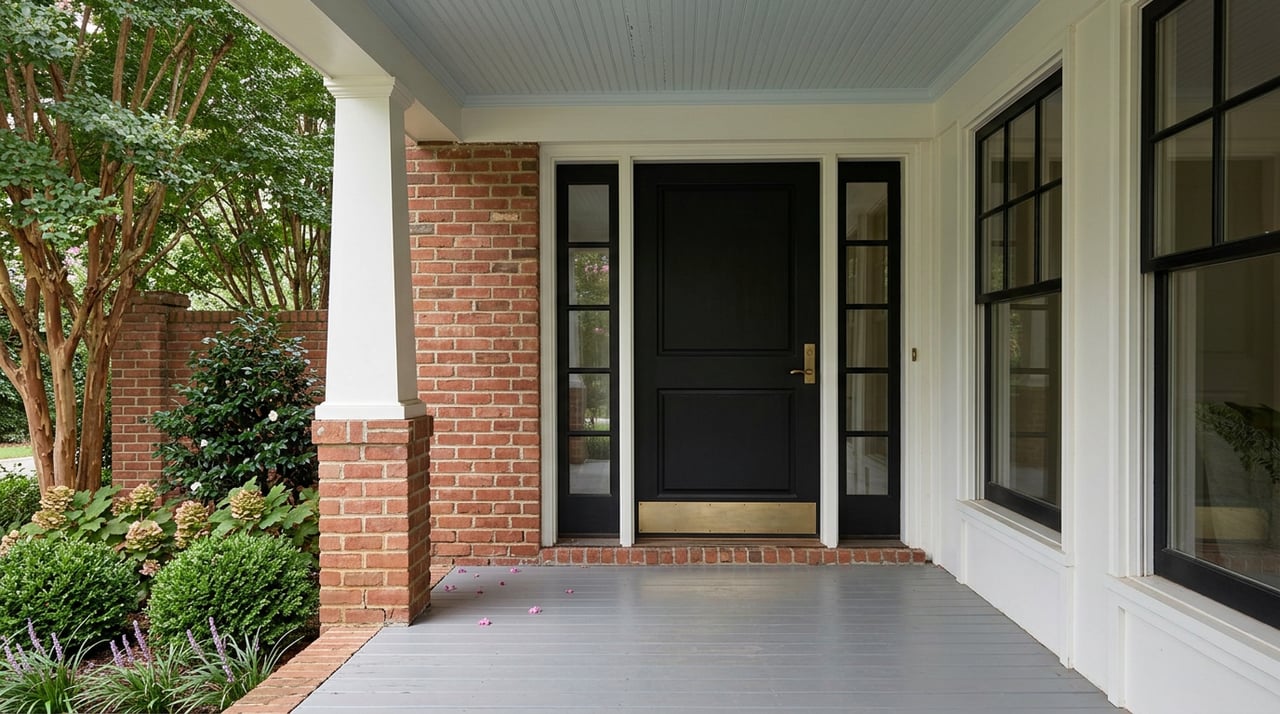
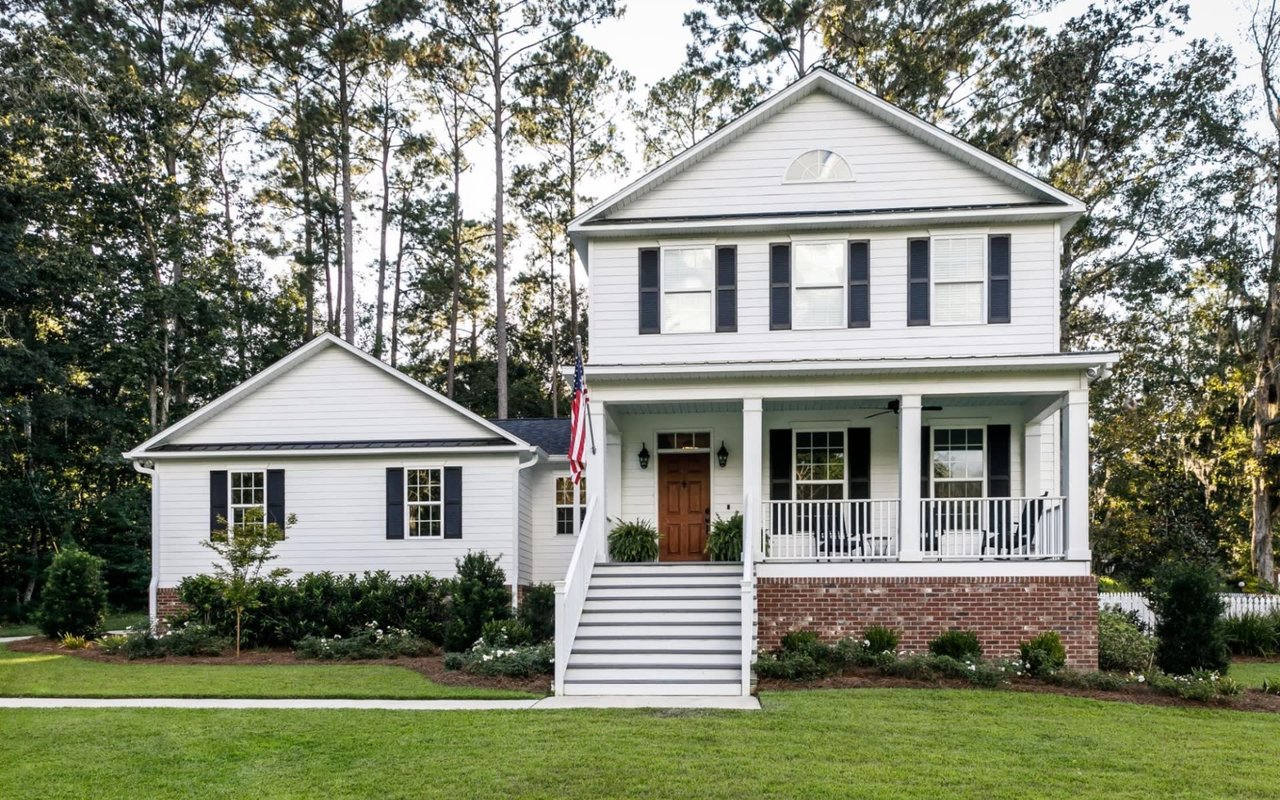
You will also see bungalow, English cottage, and American Foursquare homes, along with some historic apartment buildings and small commercial nodes. For buyers who love character, porches, architectural detail, and the idea of making an older home their own, that is a real advantage.
Most homes sit on modest lots that were originally platted at about 50 feet by 125 to 200 feet. In practical terms, that often means smaller yards, homes positioned closer to the street, and a stronger chance that you will be choosing between preserved character and updated function.
Renovation potential matters here
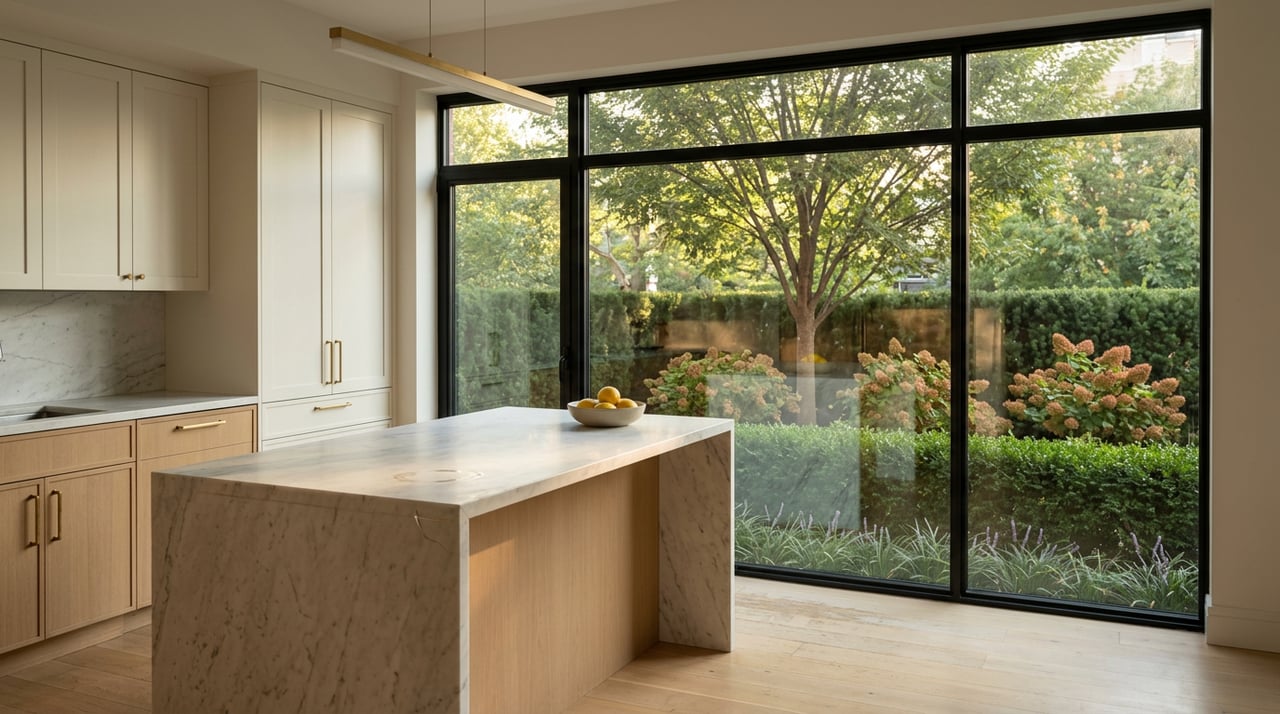
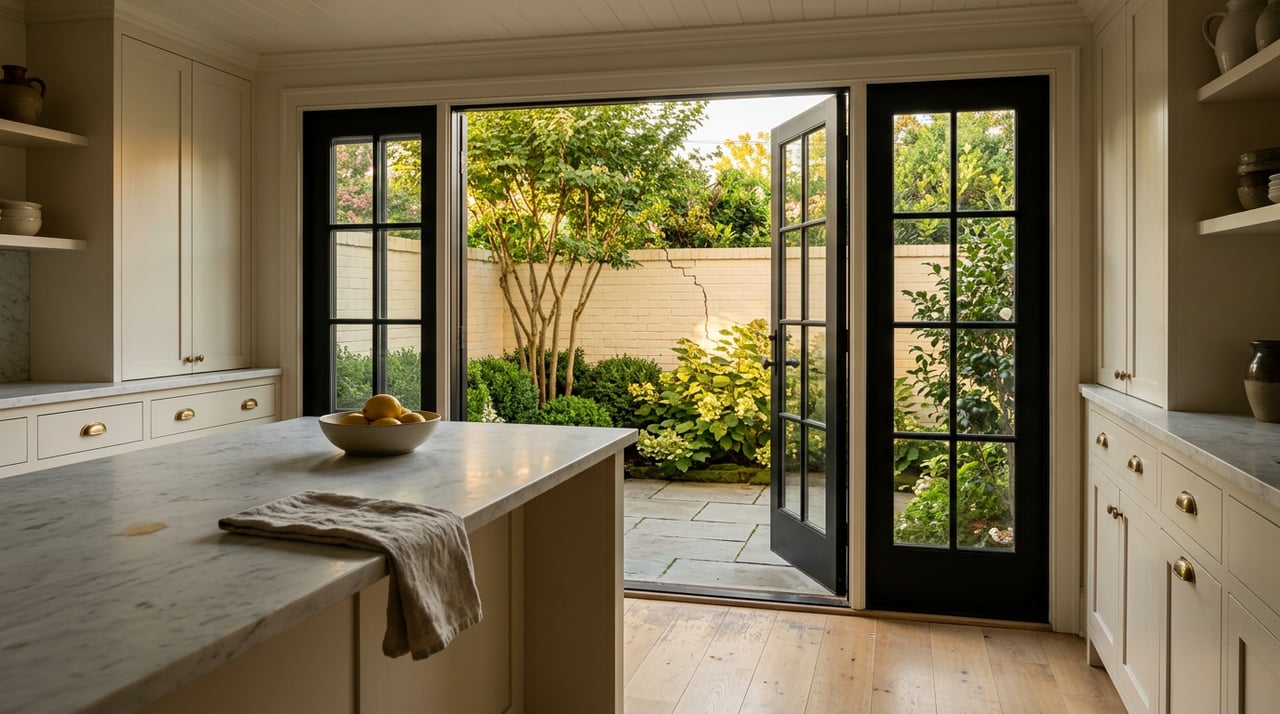
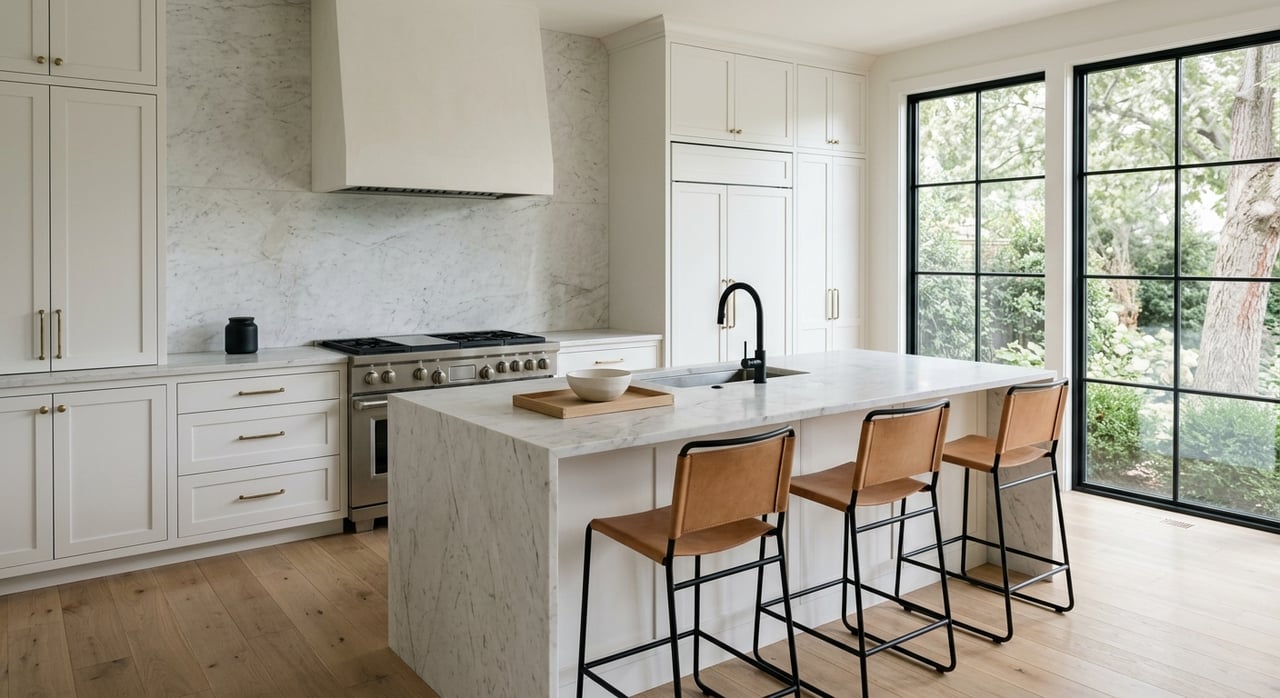
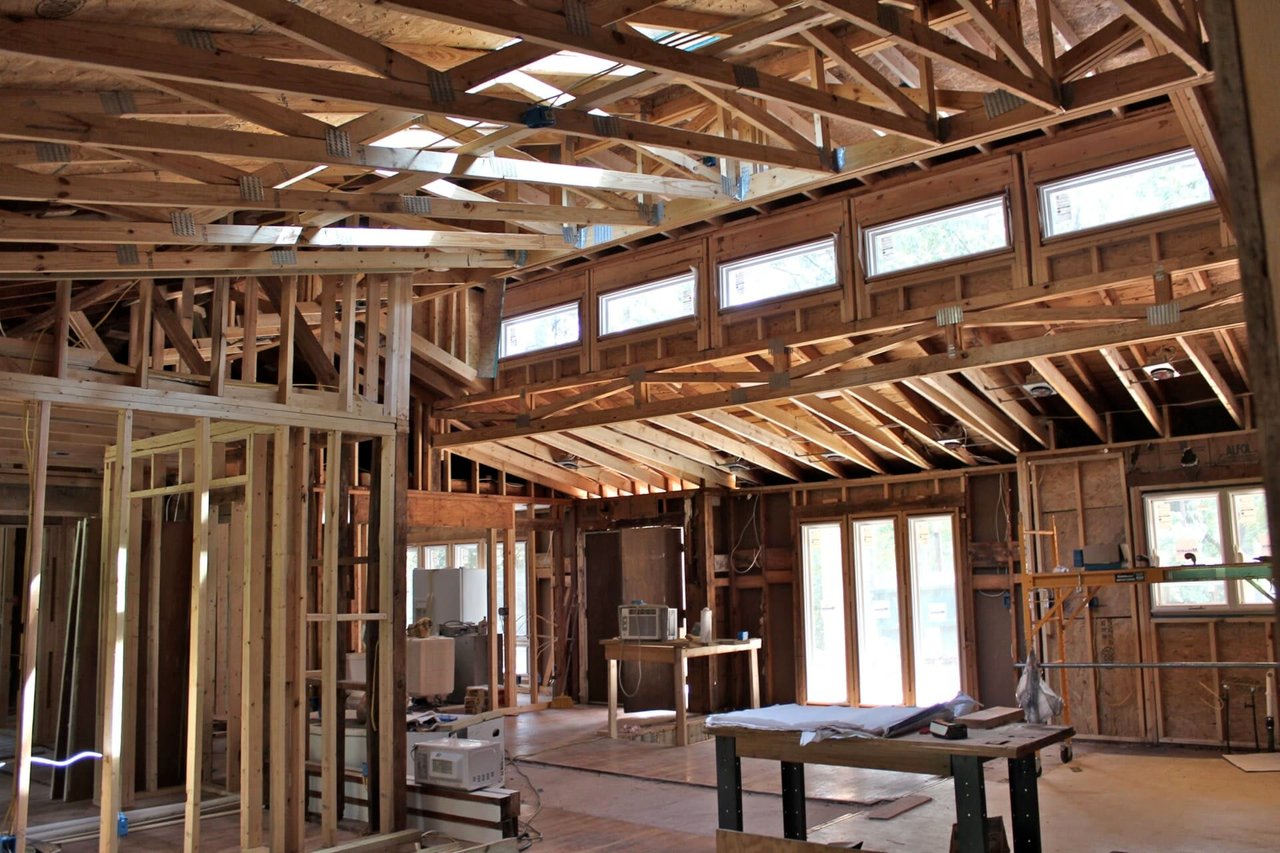
Virginia-Highland can be a particularly good fit if you are open to older homes and see value in thoughtful updates over time. Many buyers are drawn to the neighborhood precisely because renovation potential is part of the story.
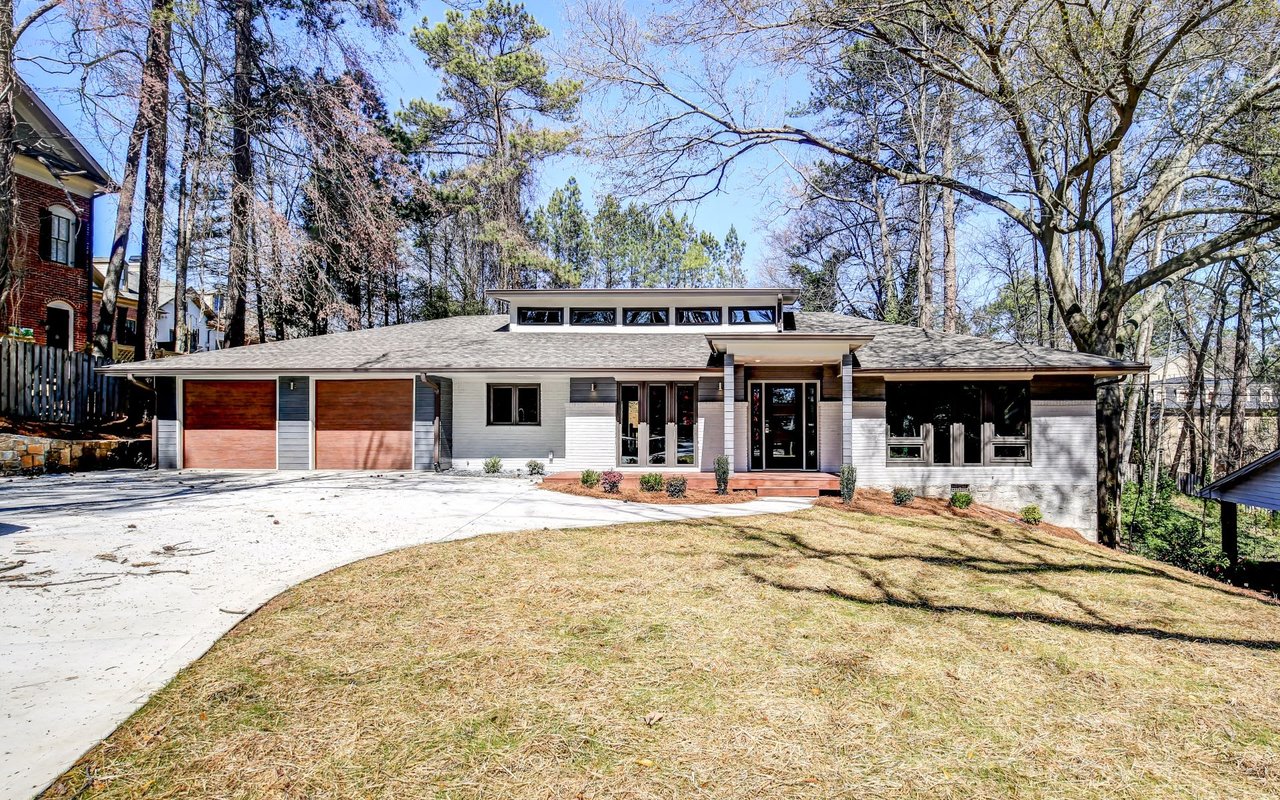
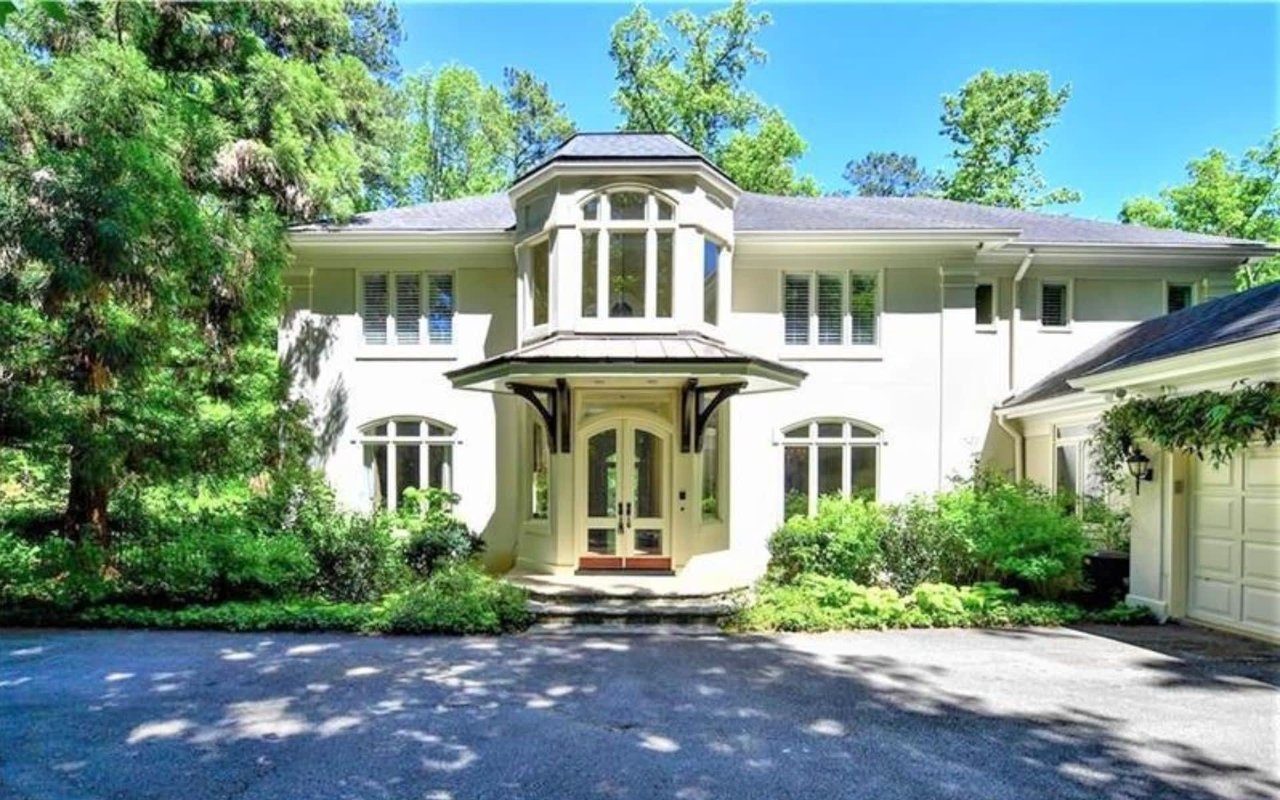
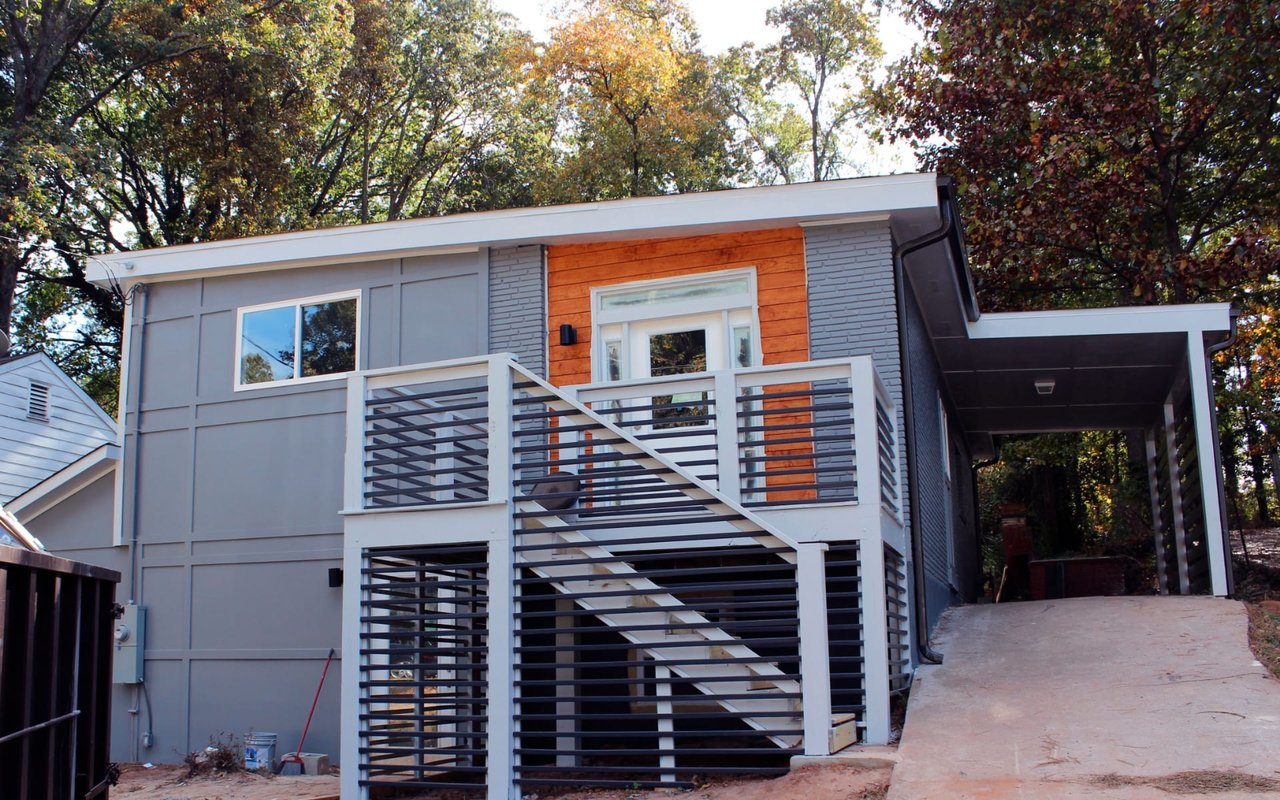
If, however, your must-have list starts with newer construction, a very open floor plan, and a large backyard, you may find yourself compromising more than expected. In that case, it helps to compare Virginia-Highland with other intown options before you commit.
How Quiet Is Virginia-Highland?
This is one of the most important questions for families, and the answer is highly block-specific. Virginia-Highland is not a one-note neighborhood.
The district corridor includes legacy bars and regular events like Porchfest and Winterfest. Because of that, homes near North Highland and event-heavy streets are more likely to feel active and busy than homes tucked into interior residential blocks.
That is not necessarily a downside. Some buyers love the energy and sense of community, while others want a calmer day-to-day environment.
Why micro-location matters
In Virginia-Highland, a few streets can make a big difference in how a home lives. Two houses in the same neighborhood can offer very different experiences depending on traffic patterns, proximity to commercial stretches, and event activity.
If you are considering the area, it is smart to visit a block at different times of day. That gives you a clearer feel for whether the home matches your family's comfort level.
What Homes Cost in Virginia-Highland
Budget is a major piece of the decision. According to Realtor.com's April 2026 market snapshot, Virginia Highland had a median listing price of $448,500, a median price per square foot of $406, 41 homes for sale, and a median of 42 days on market.
The same snapshot showed a 100% sale-to-list ratio and labeled the market balanced. That suggests a market where pricing discipline still matters, but buyers are not necessarily facing the kind of conditions seen in a heavily tilted seller's market.
Compared with nearby intown areas, Virginia-Highland sits in a middle-to-premium band. It is listed above neighborhoods like Midtown, Old Fourth Ward, and Poncey-Highland, but below higher-priced nearby enclaves such as Morningside-Lenox Park and Ansley Park.
How Virginia-Highland Compares Nearby
If you are deciding between intown neighborhoods, context helps. Virginia-Highland often lands in the sweet spot for buyers who want charm and convenience without stepping all the way up to the pricing of some larger-lot legacy neighborhoods.
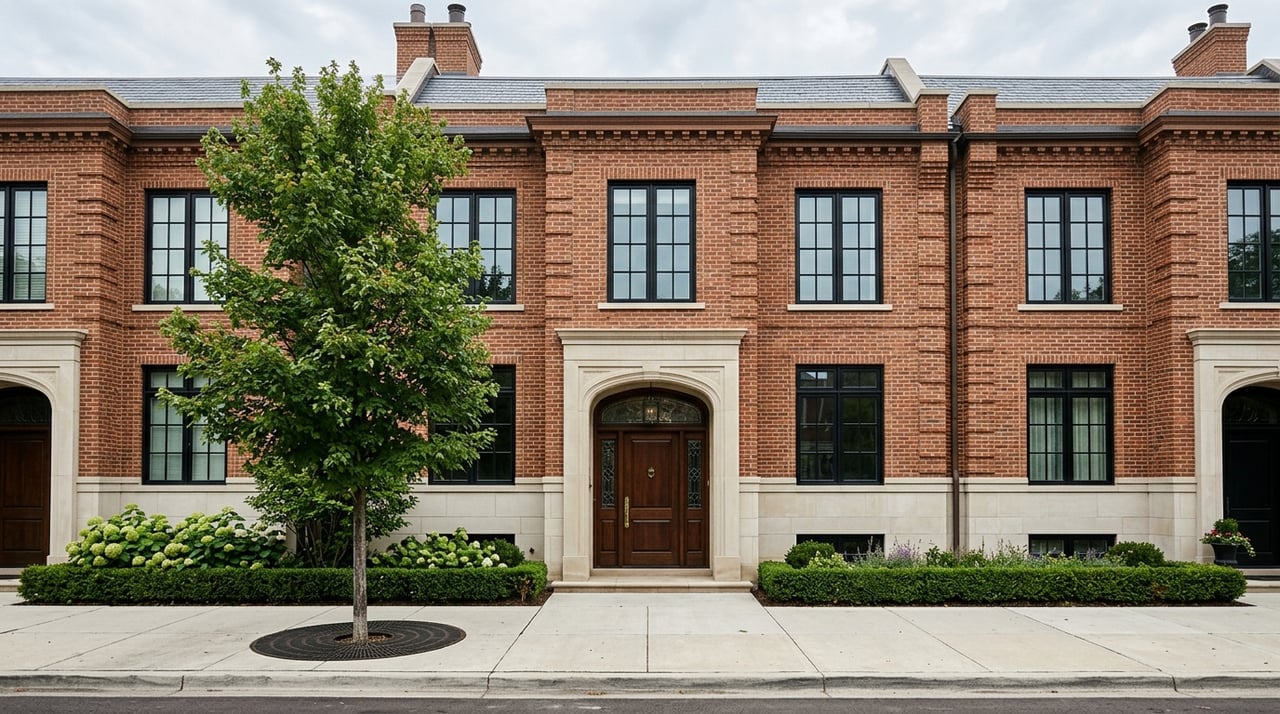
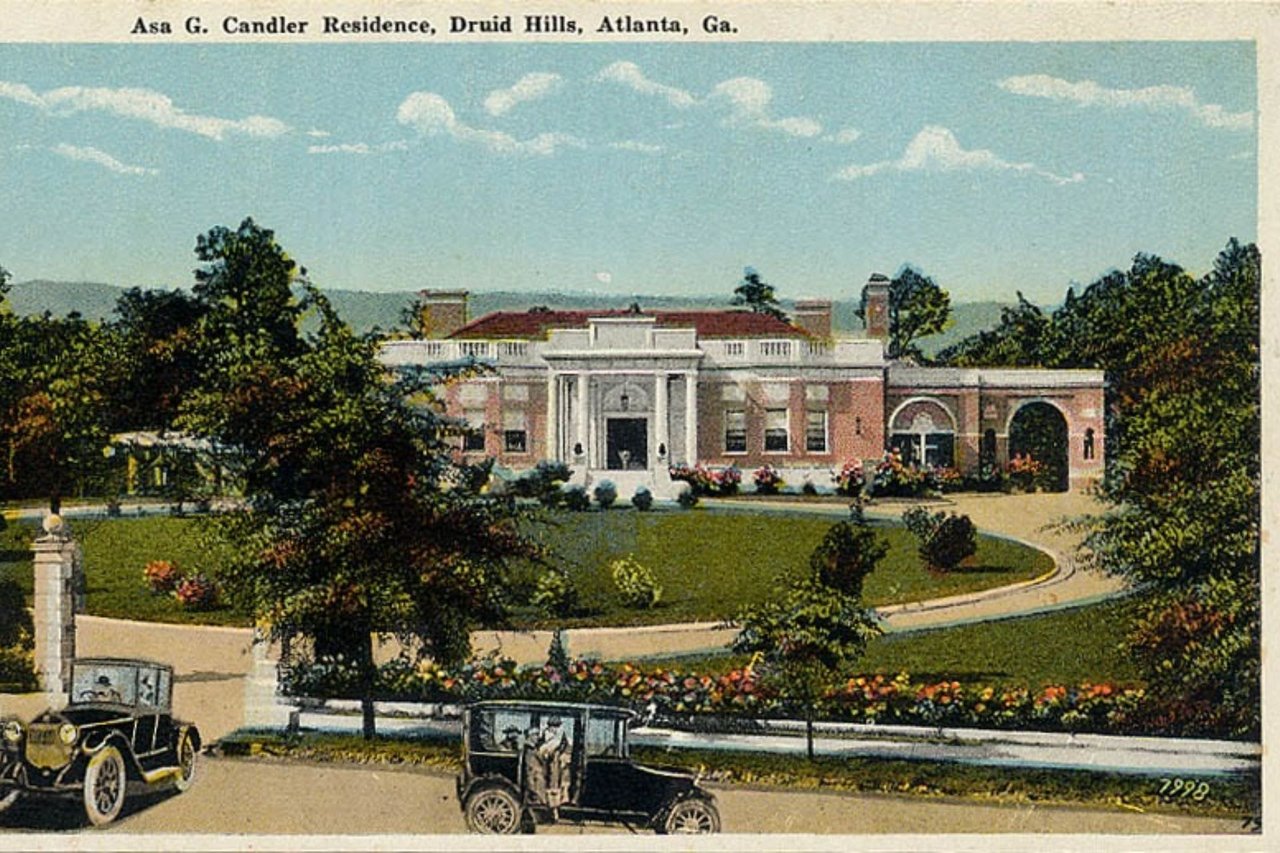
Druid Hills, for example, was planned as a 1,300-acre suburban landscape with curving roads and larger homesites. That is one reason it often feels more spacious and quieter than Virginia-Highland.
Morningside-Lenox Park can also appeal to buyers looking for more space, though at a higher price point based on the April 2026 market snapshot. Virginia-Highland tends to work best when your priority is walkable intown living first, and extra lot size second.
Is Virginia-Highland a Good Long-Term Bet?
For many buyers, resale matters even if this is a long-term move. On that front, Virginia-Highland has several strengths.
The National Park Service nomination describes the neighborhood as a vital, thriving, sought-after intown area and notes that house values have increased dramatically over time. When you pair that with limited lot supply and a highly recognizable historic identity, the neighborhood has a strong long-term appeal for the right buyer.
That does not mean every home is equal. In a neighborhood like this, condition, block, updates, and how well a home balances original character with modern function can all affect future demand.
Who Virginia-Highland Fits Best
Virginia-Highland is often a strong match if you want:
- Walkable intown living
- Local restaurants, shops, and services nearby
- A defined public school pathway to evaluate through APS
- Historic homes with charm and renovation potential
- Easy access to the Eastside Trail and other intown destinations
It may be a weaker match if your top priorities are:
- Large private yards
- Newer construction
- Very quiet streets throughout the neighborhood
- A more spacious, suburban-style feel
The Bottom Line
Virginia-Highland can be a great family neighborhood, but it is not the right fit for every family in the same way. If you value character, walkability, school access, and an active intown lifestyle, it is one of Atlanta's most compelling options.
If you need more yard space, less activity, or a newer home, you may want to compare it carefully with Druid Hills or Morningside-Lenox Park before deciding. The best move is to match the block, the house, and the lifestyle to what your family actually needs, not just what looks good on a map.
If you want help comparing Virginia-Highland to other intown neighborhoods, or you are trying to evaluate a specific home for fit, Molly Carter Gaines can help you make a clear, confident decision.
FAQs
Is Virginia-Highland good for families who want walkability?
- Yes. Virginia-Highland is one of Atlanta's stronger options for families who want walkable intown living, local errands nearby, and access to the Eastside Trail.
What schools serve homes in Virginia-Highland?
- Atlanta Public Schools says assignment depends on the legal property address. Virginia-Highland Elementary is part of the Midtown Cluster with Howard Middle School and Midtown High School, but you should verify any specific address through APS before buying.
Are homes in Virginia-Highland usually older?
- Yes. Much of the neighborhood developed between 1905 and 1936, and the housing stock is known for historic styles like Craftsman, Colonial Revival, and English Vernacular Revival.
Does Virginia-Highland have big yards?
- Usually not. Many homes sit on modest lots, so smaller yards are a common tradeoff in exchange for intown location and historic character.
Is Virginia-Highland quieter than Druid Hills?
- In general, Virginia-Highland tends to feel more compact and active, while Druid Hills is known for a more spacious and quieter setting. In Virginia-Highland, noise level can vary a lot by block.
Is Virginia-Highland expensive compared with nearby intown neighborhoods?
- Virginia-Highland falls into a middle-to-premium intown price band. Based on the April 2026 market snapshot, it is priced above some nearby neighborhoods like Midtown and Old Fourth Ward, but below higher-priced areas such as Morningside-Lenox Park and Ansley Park.