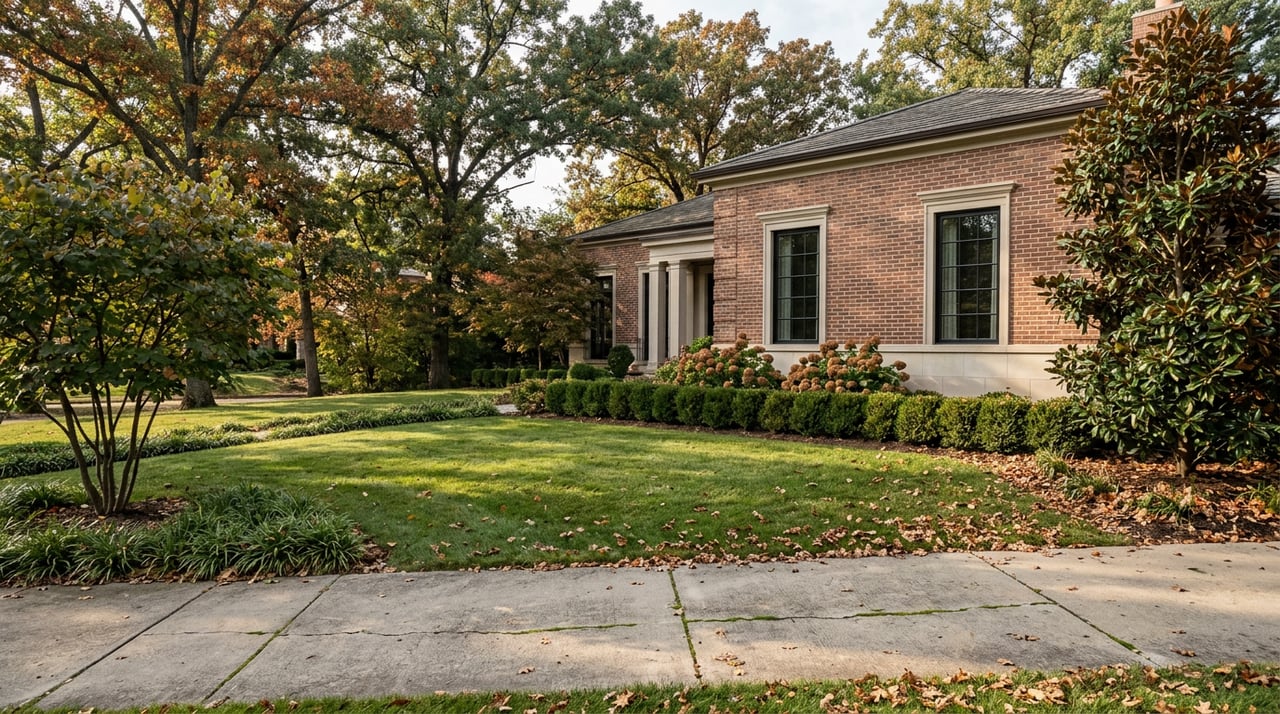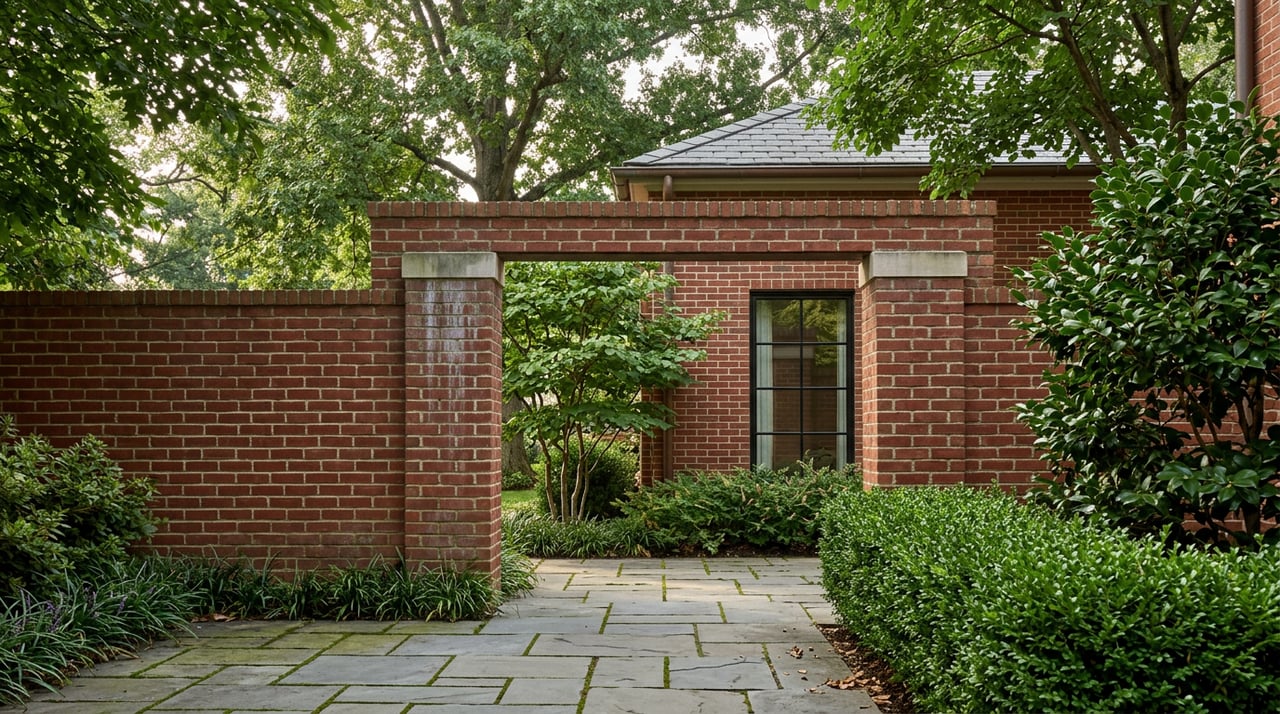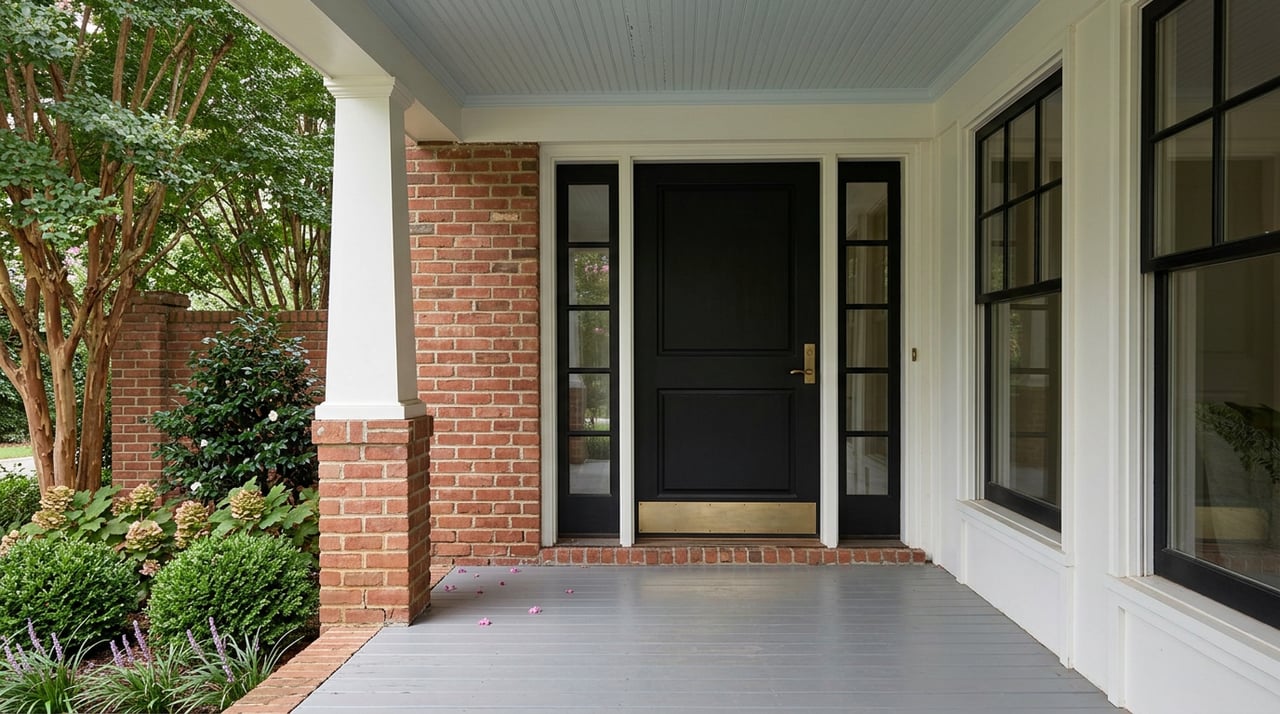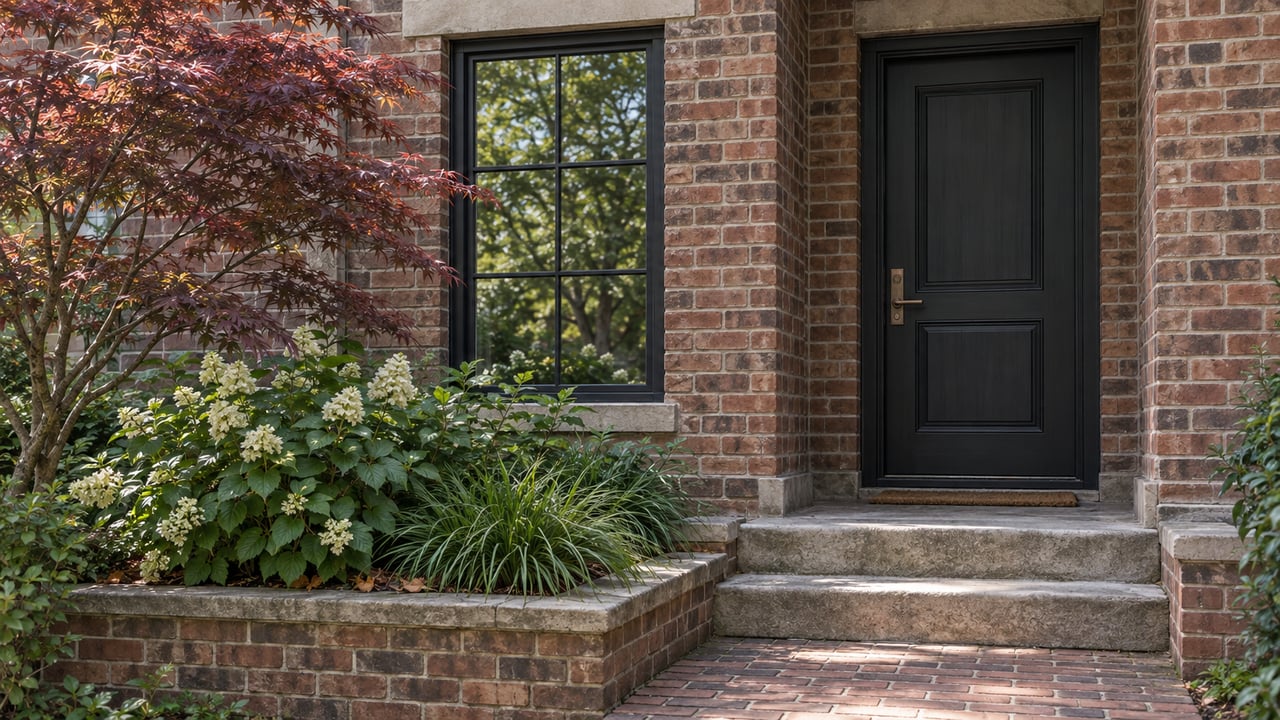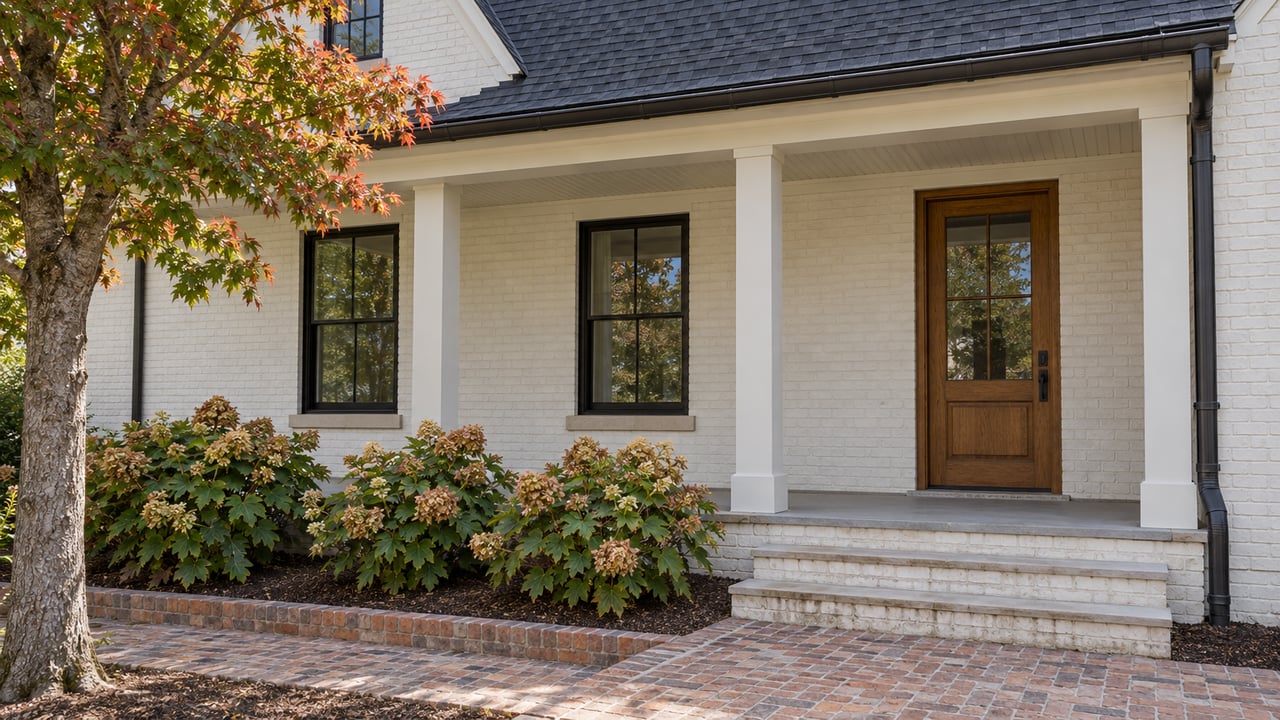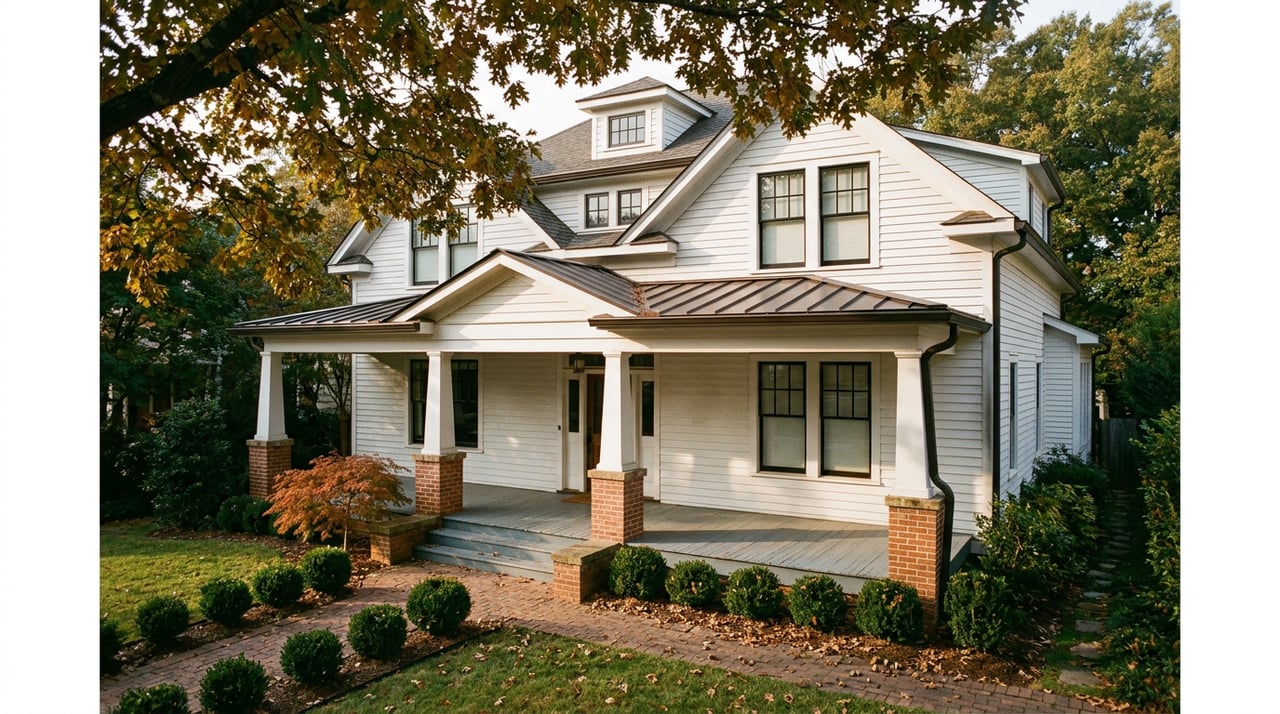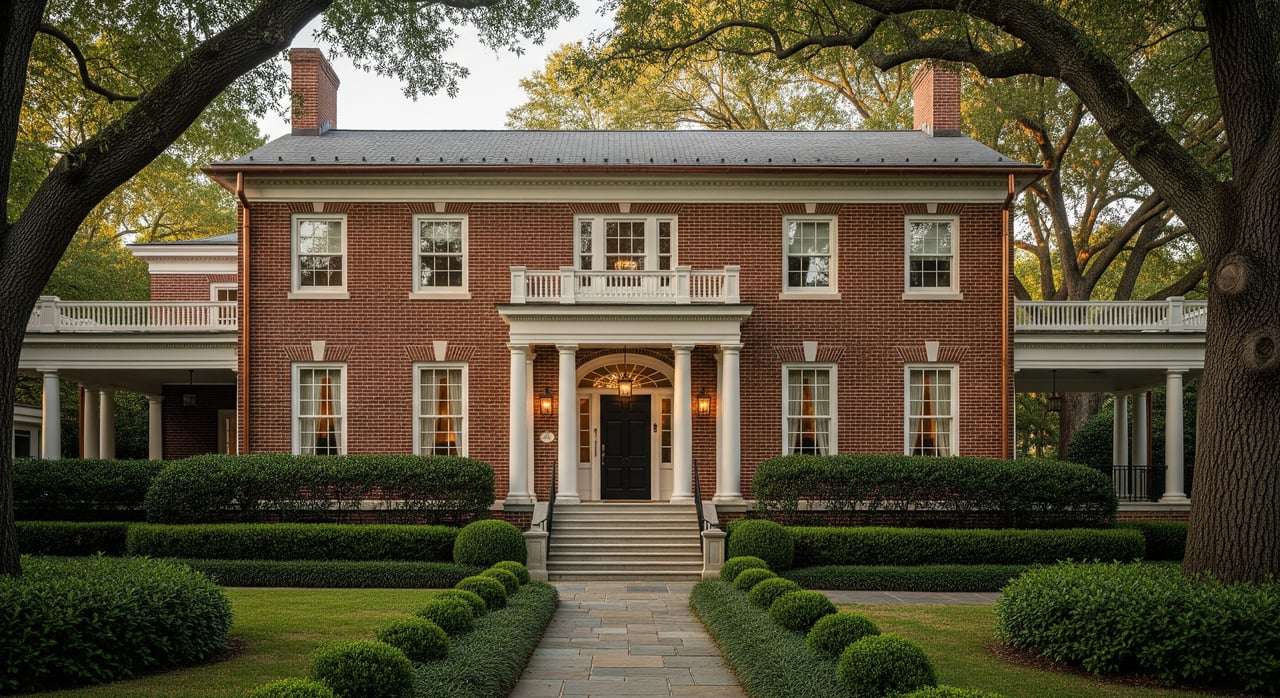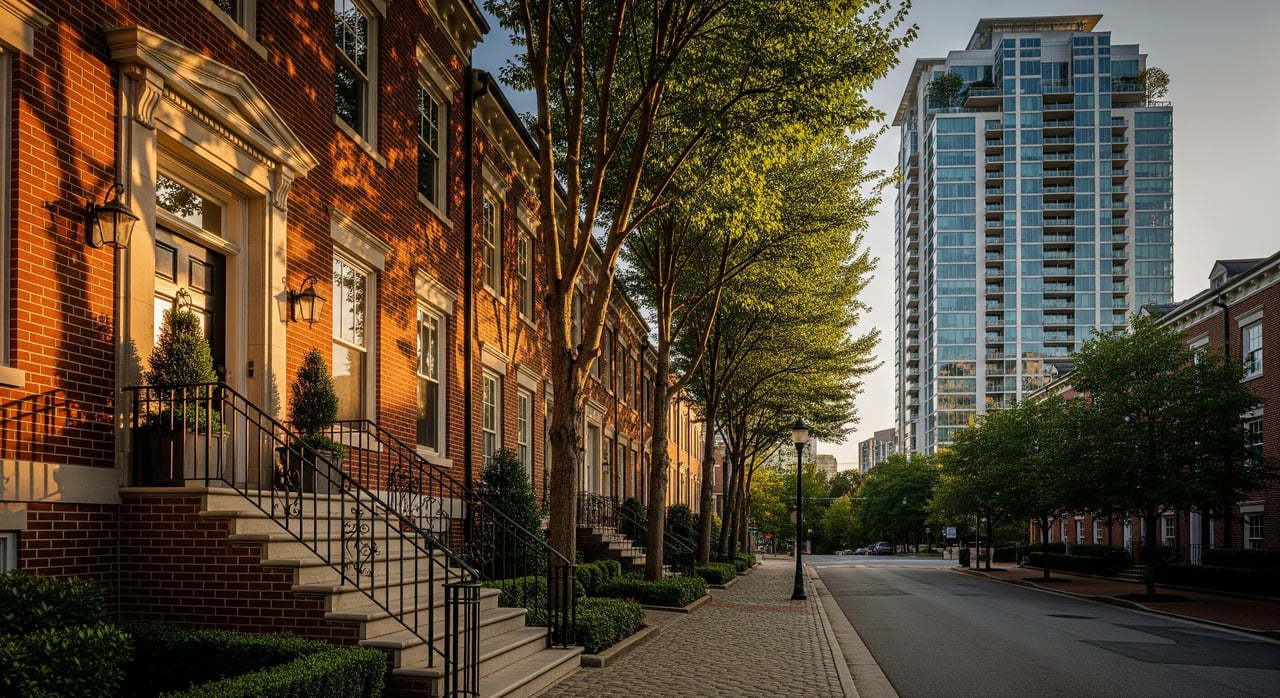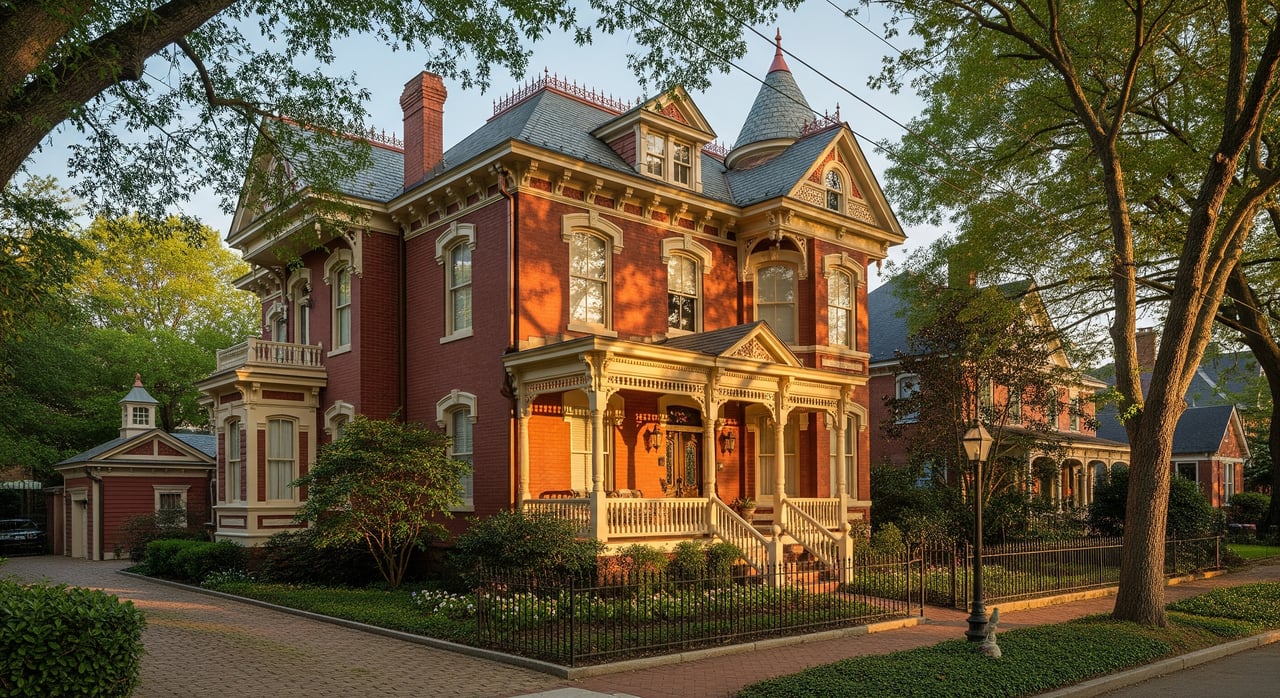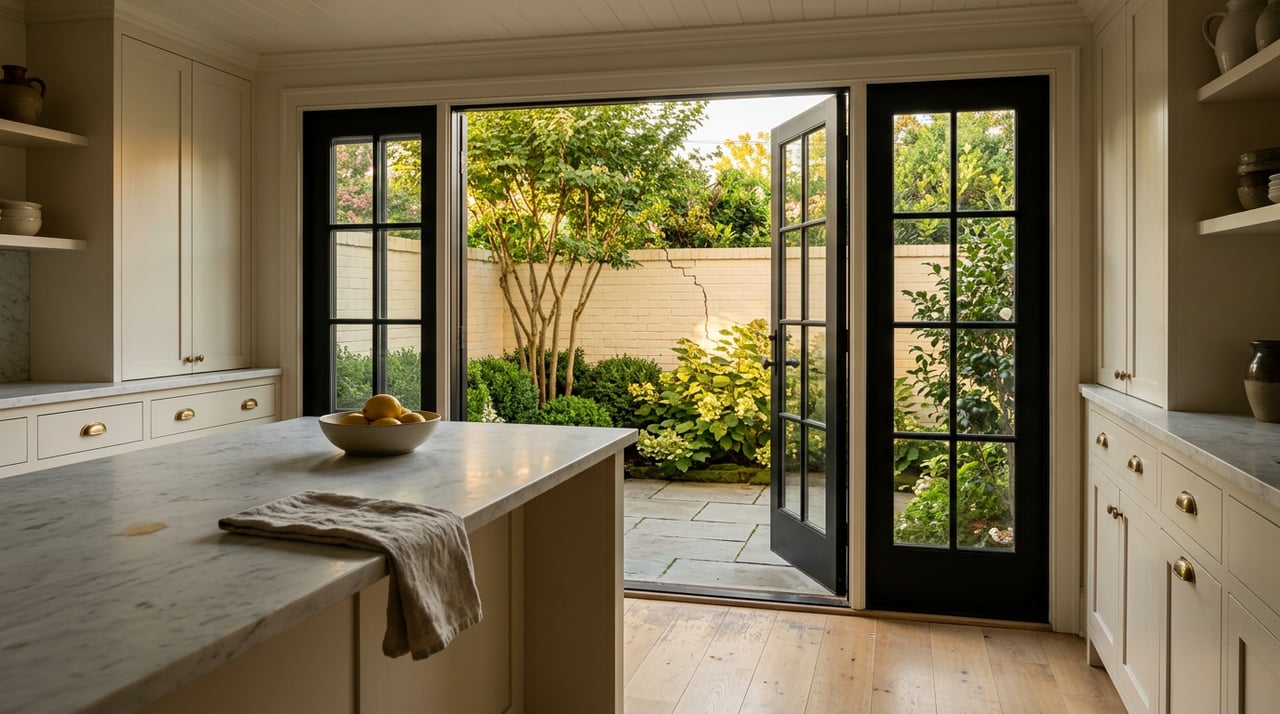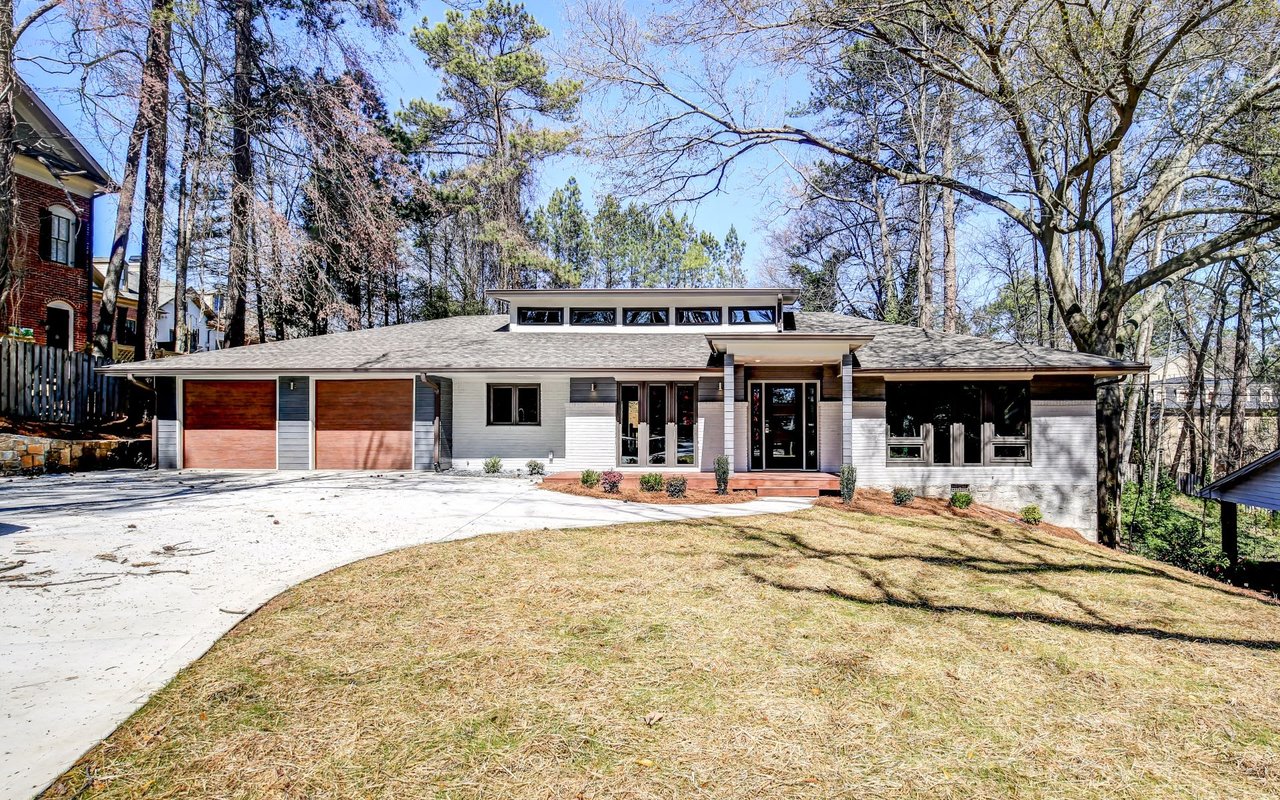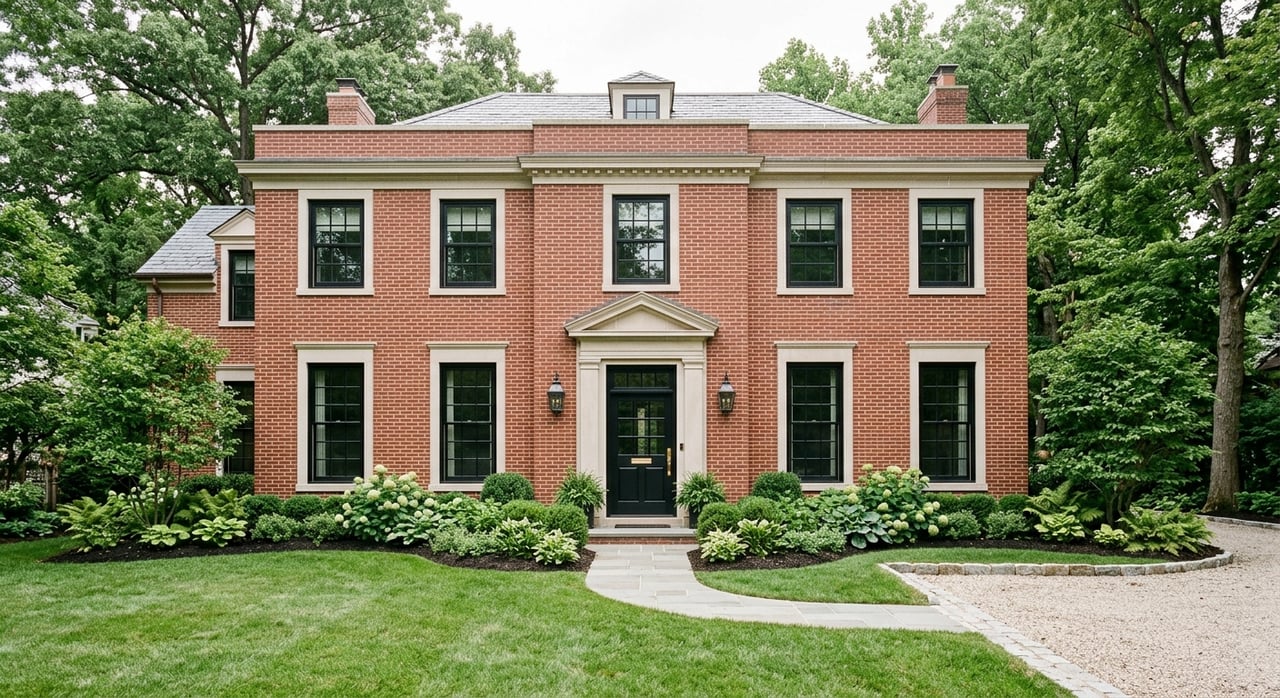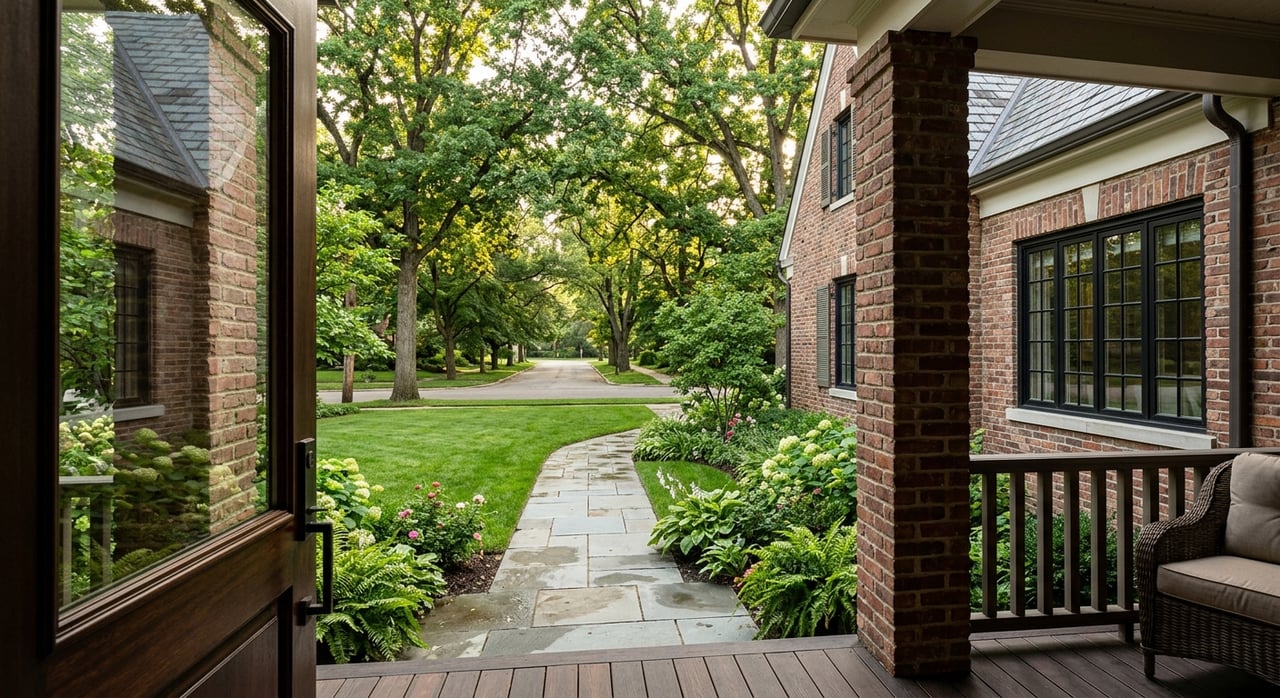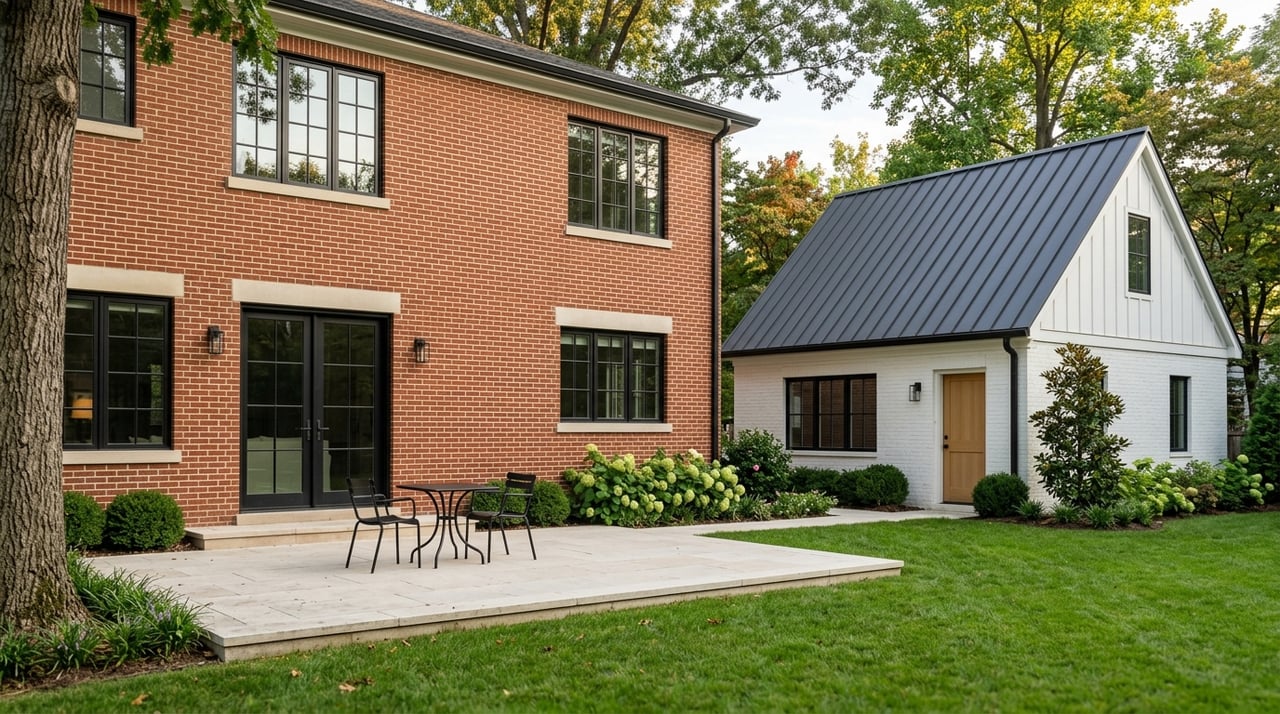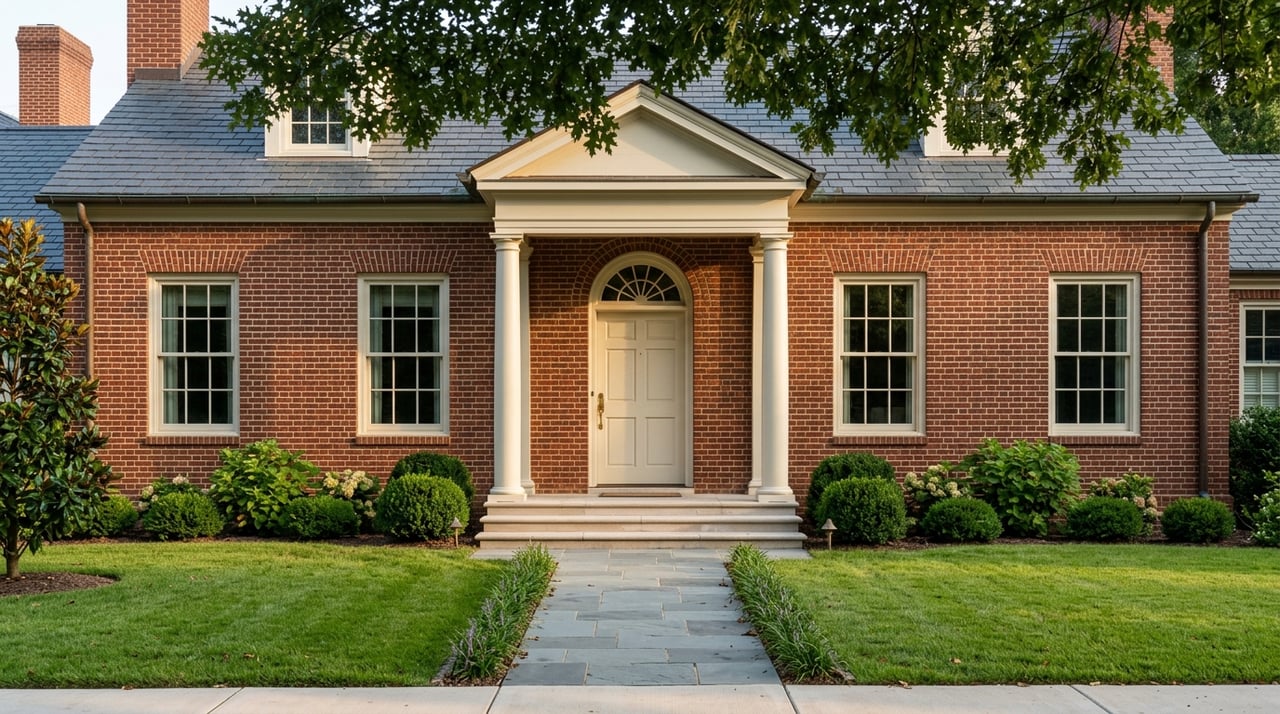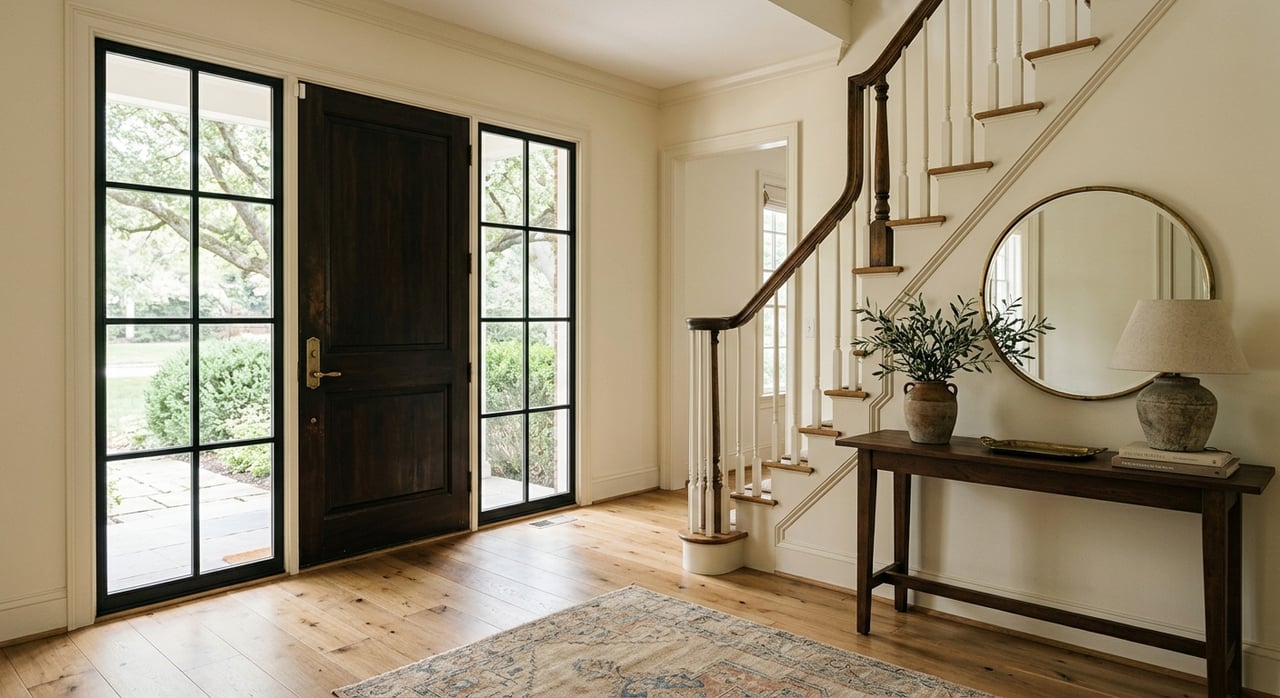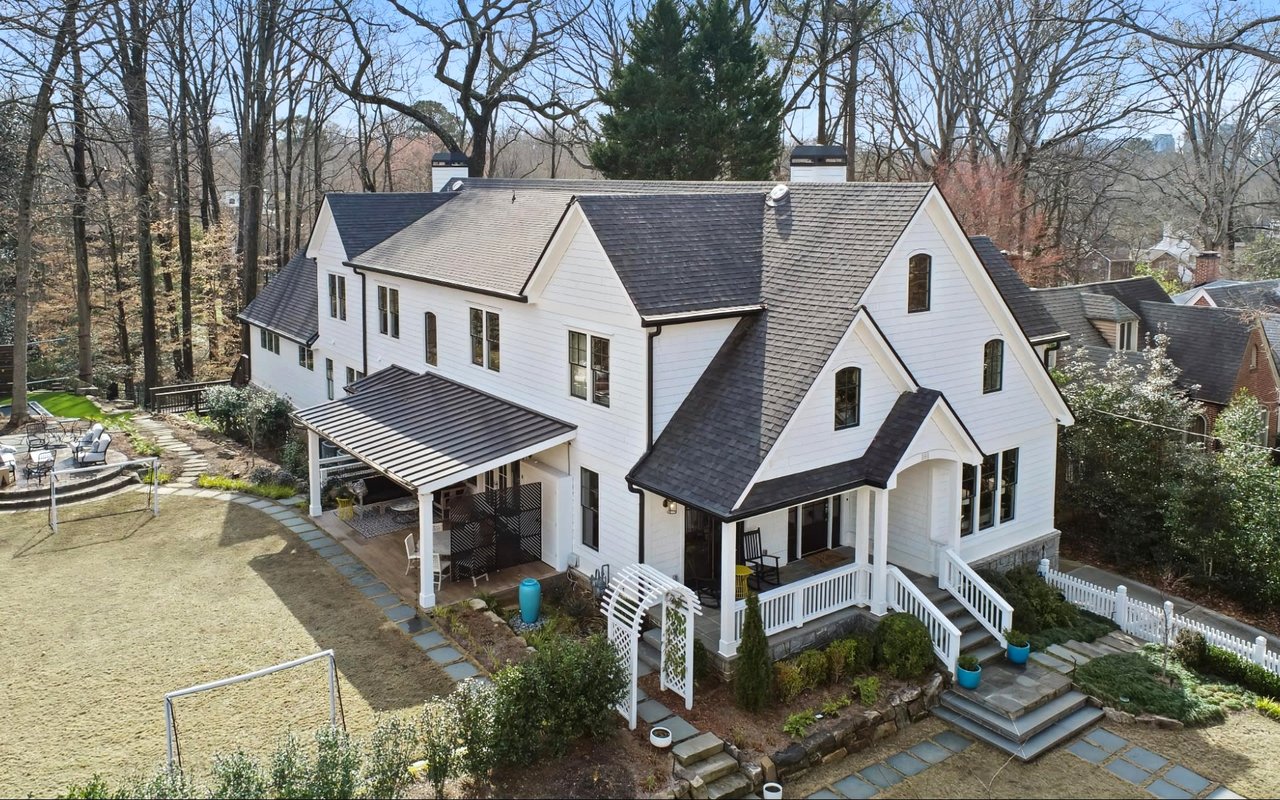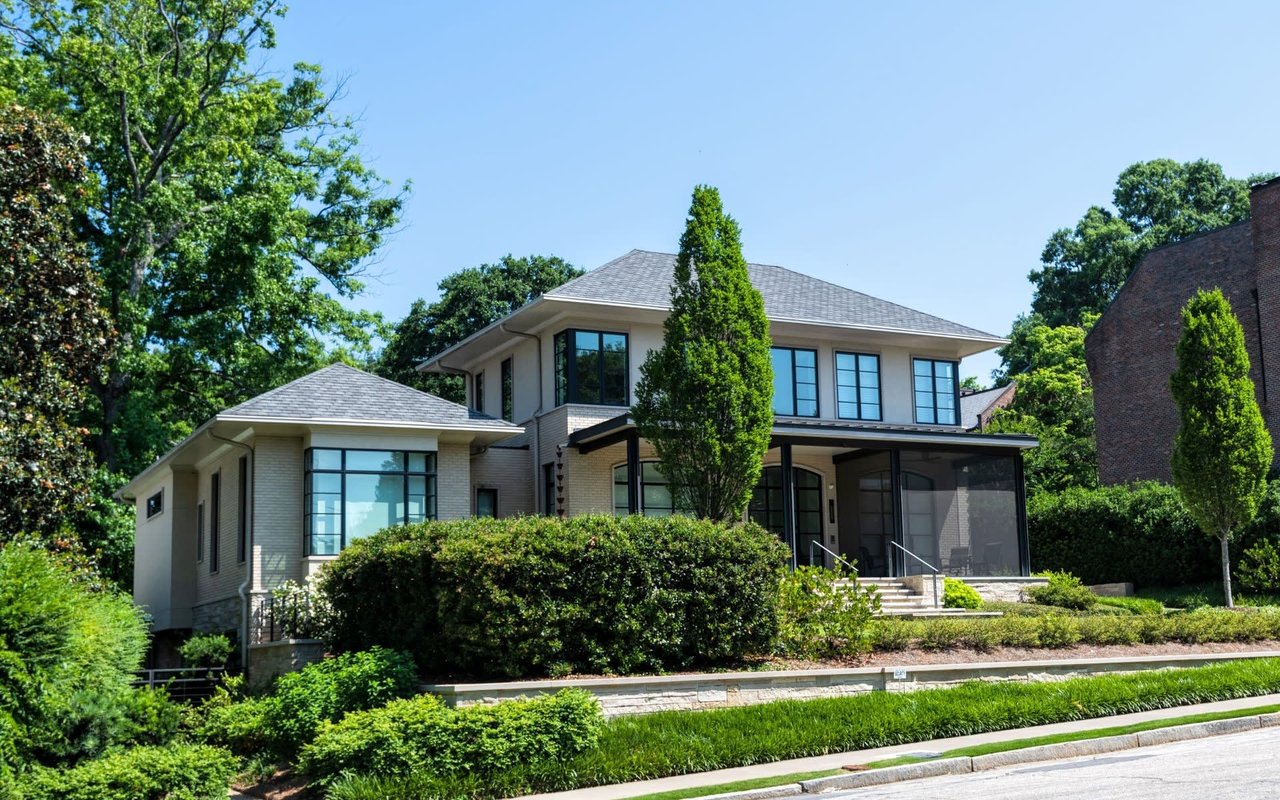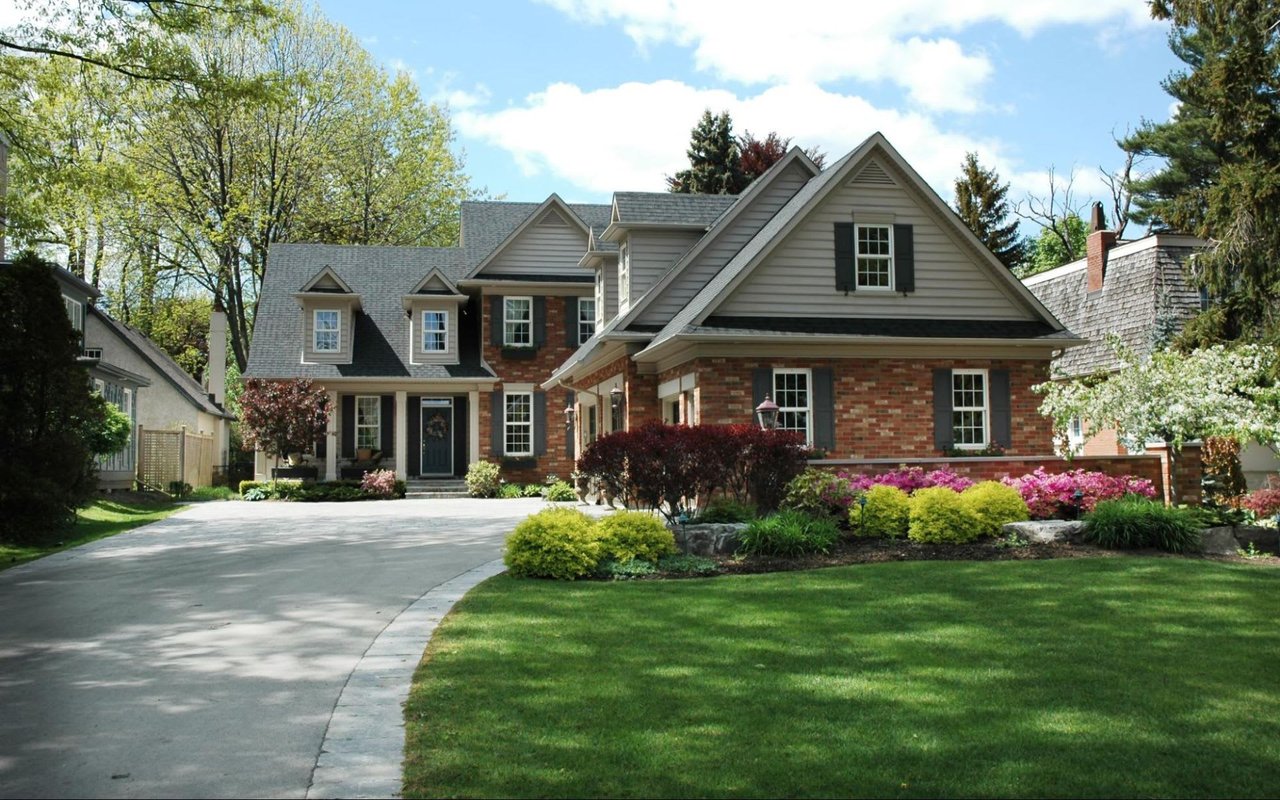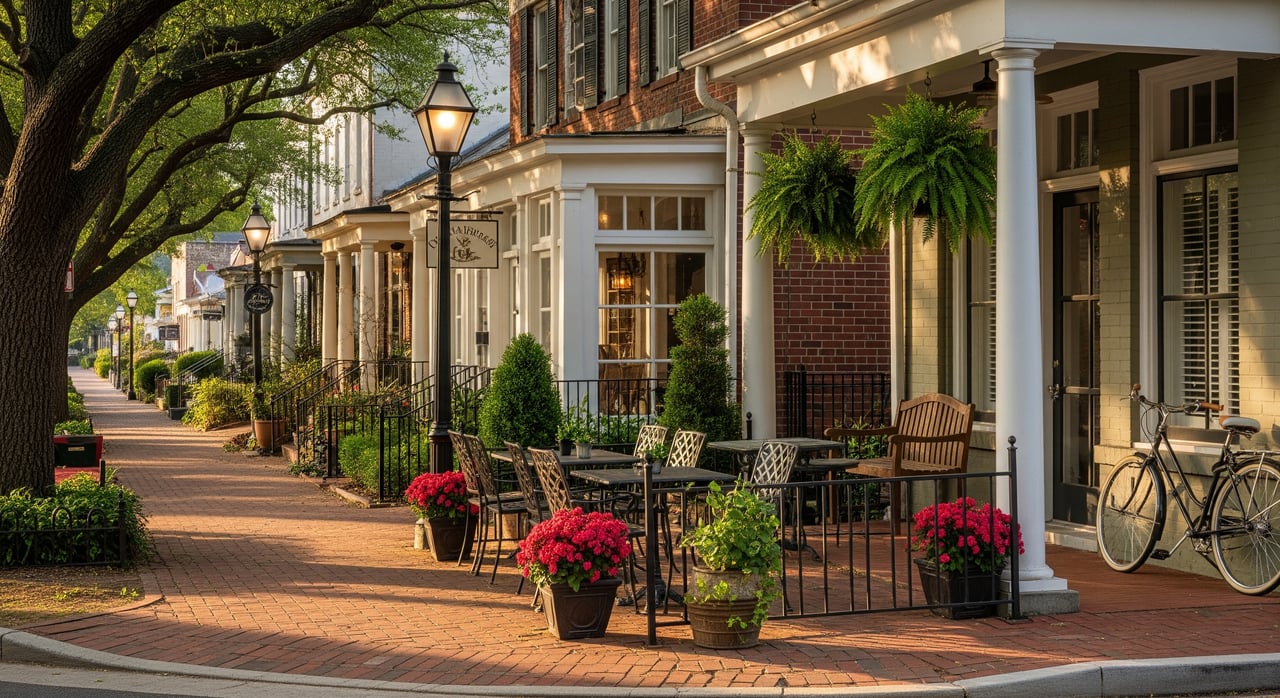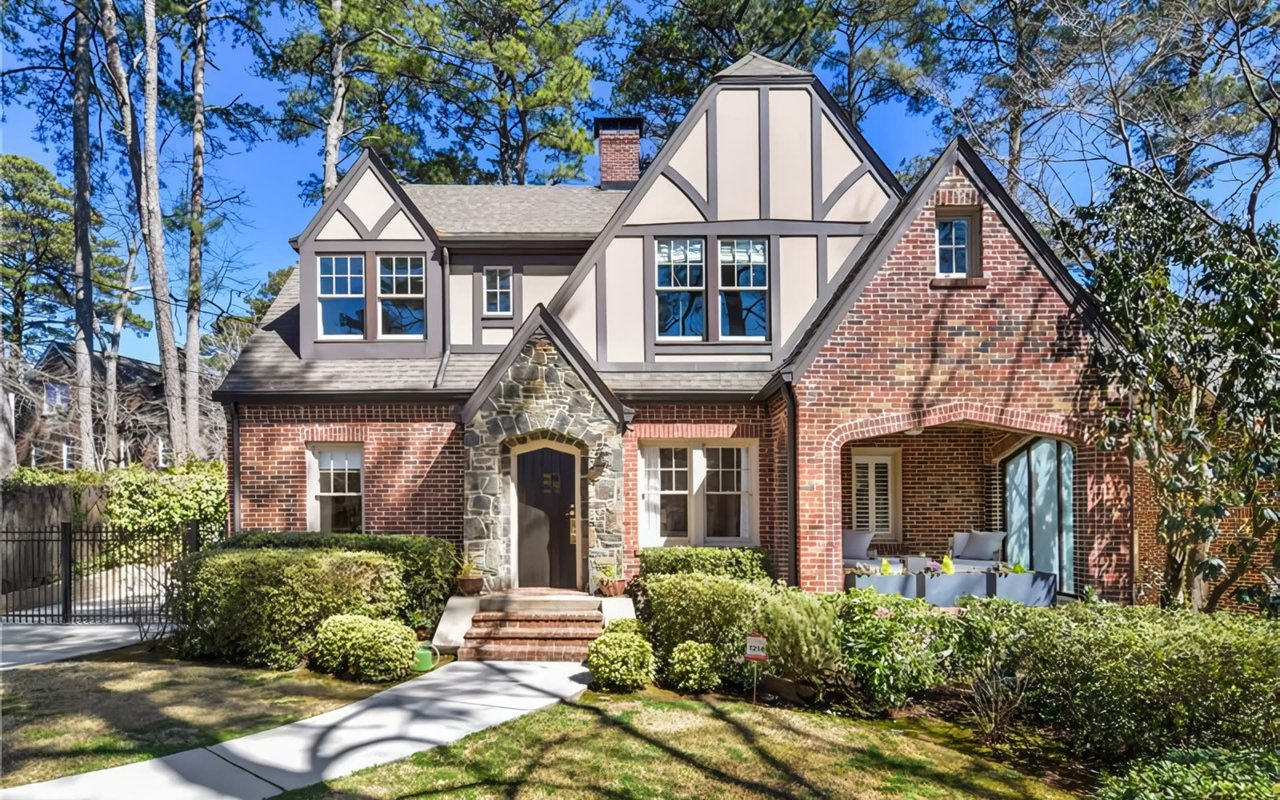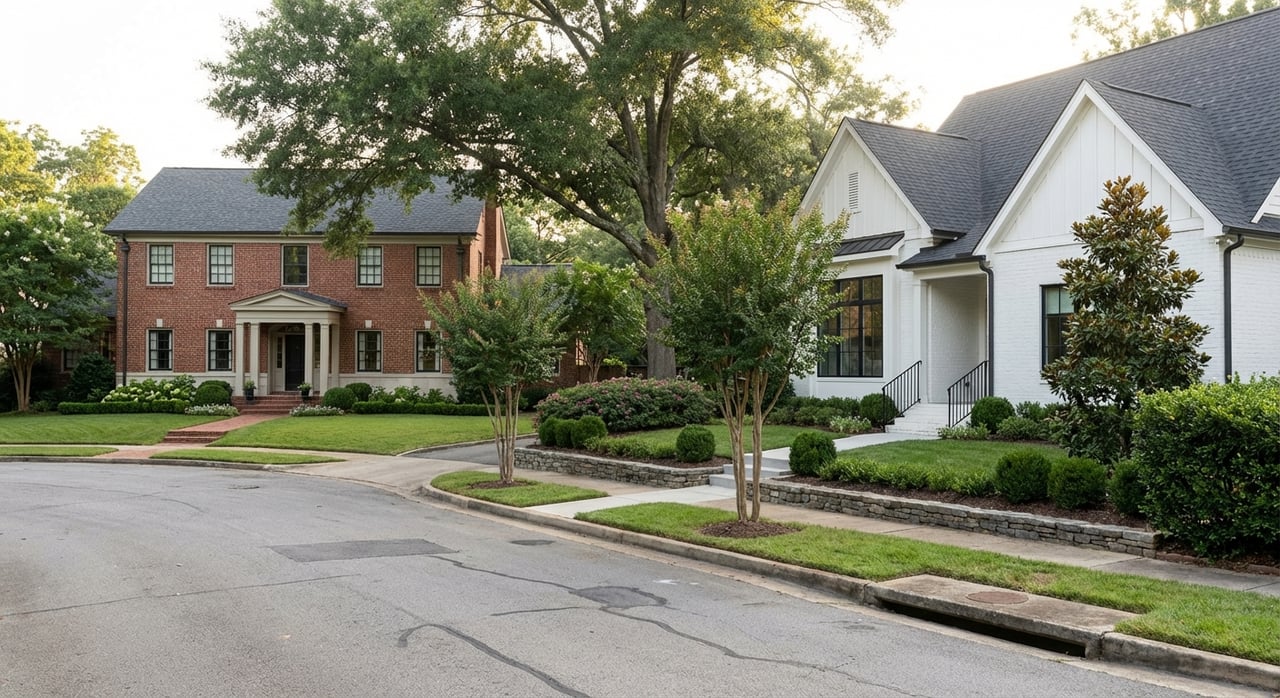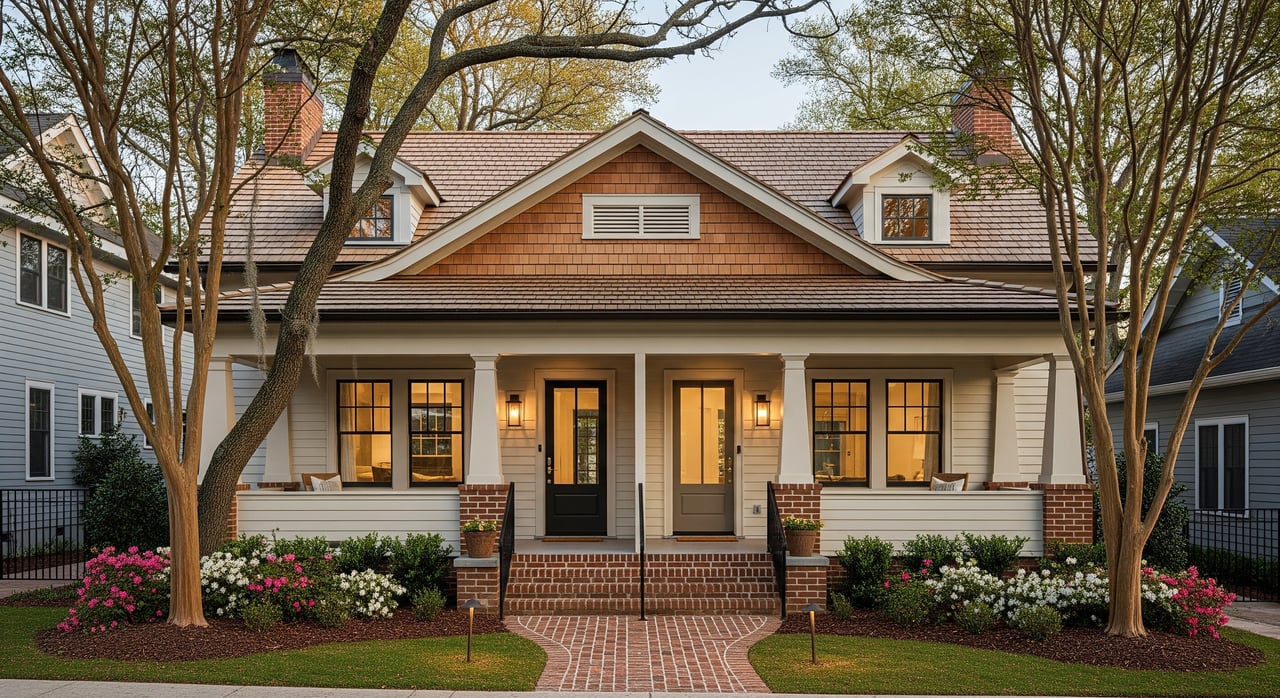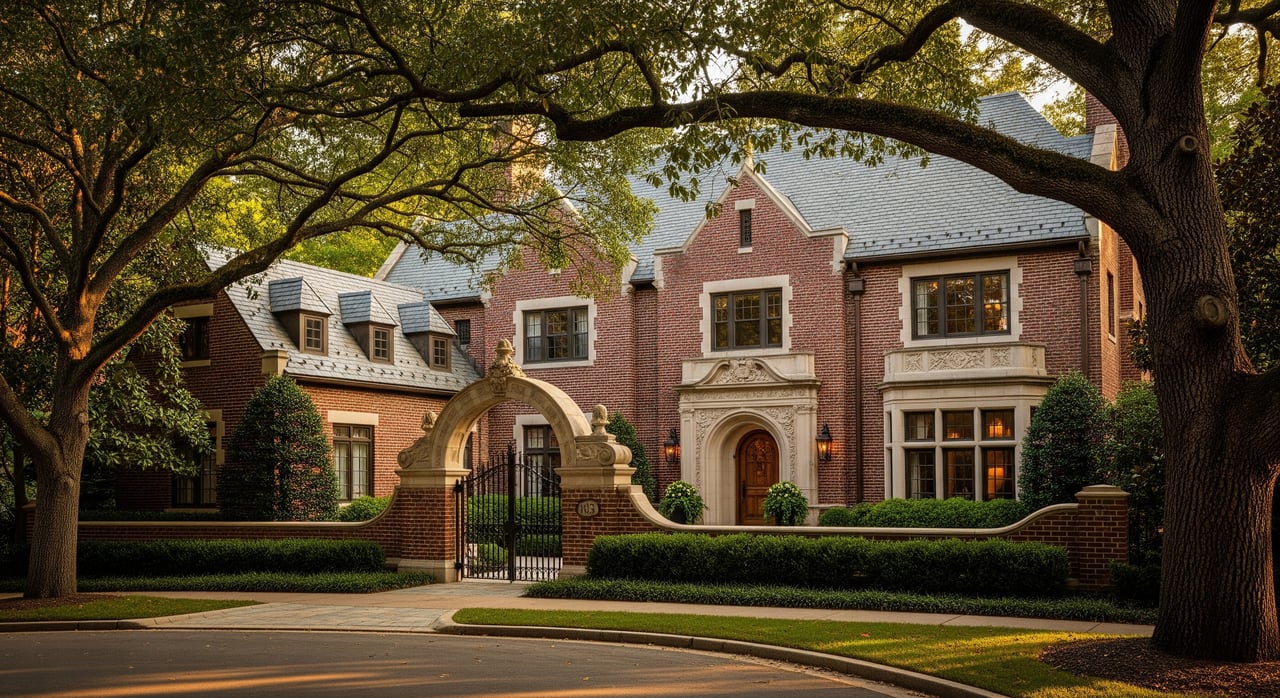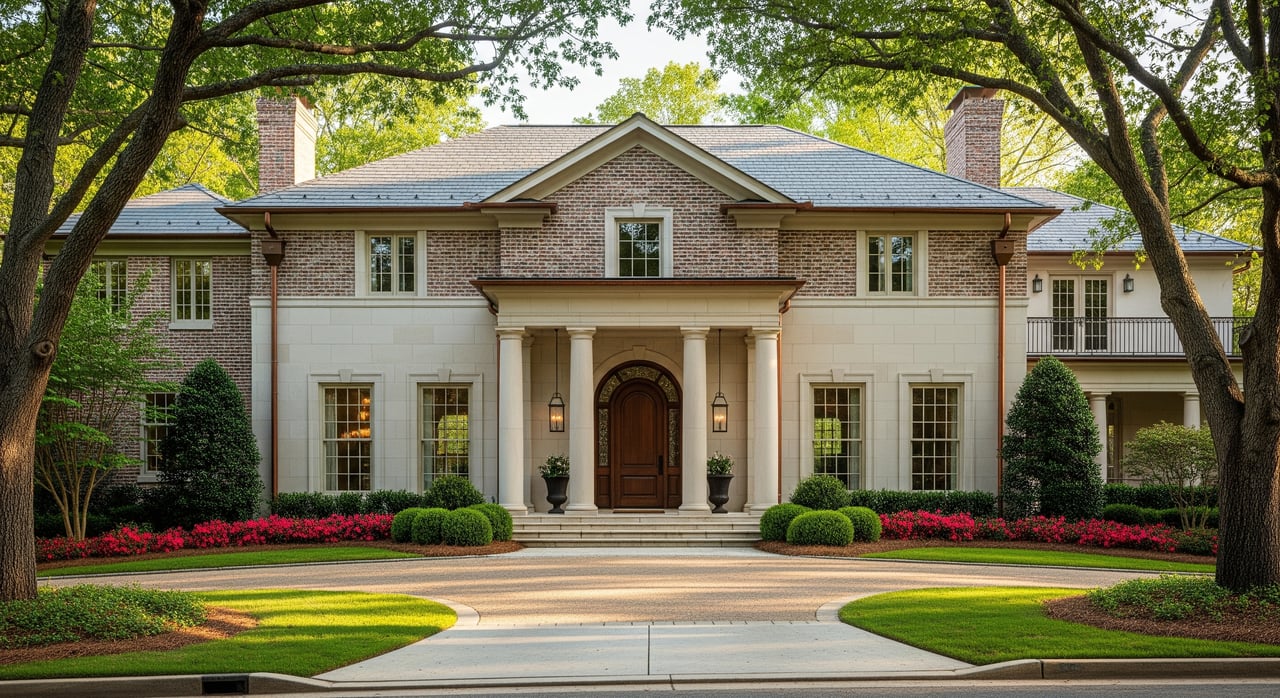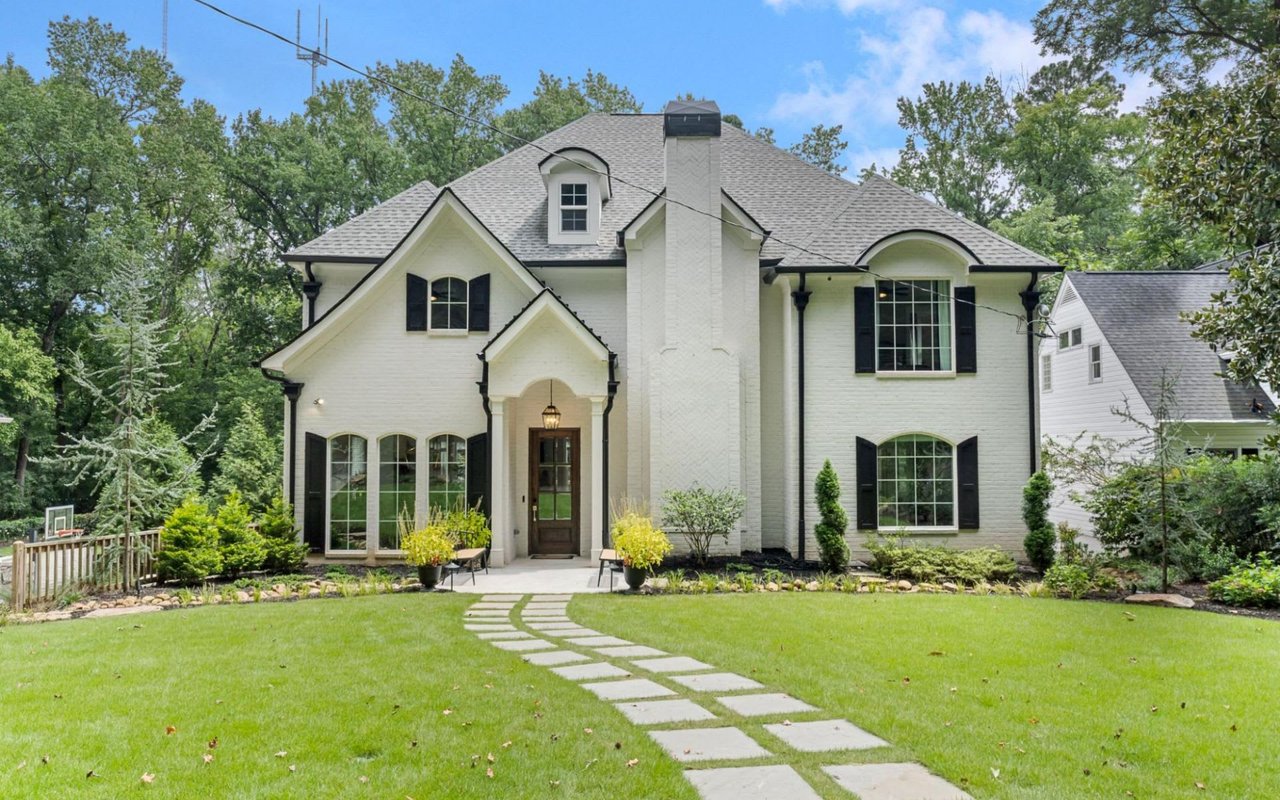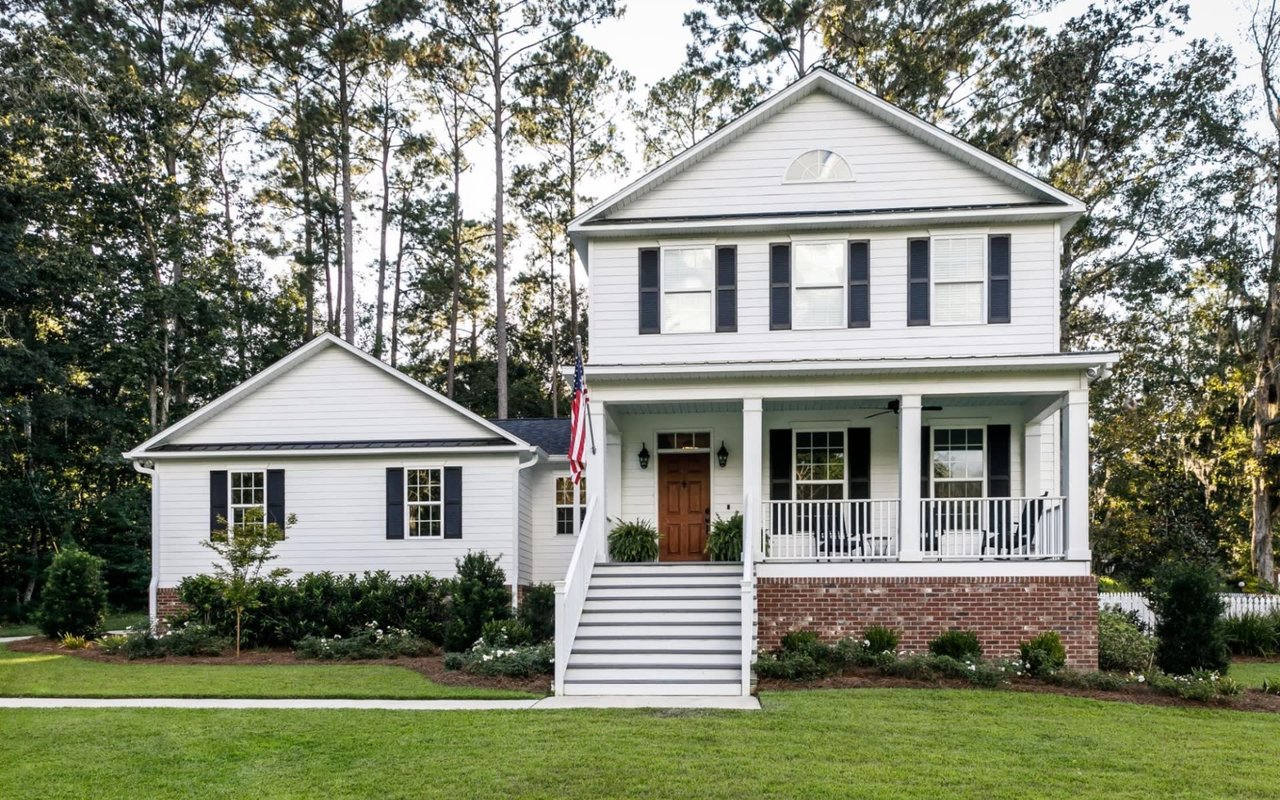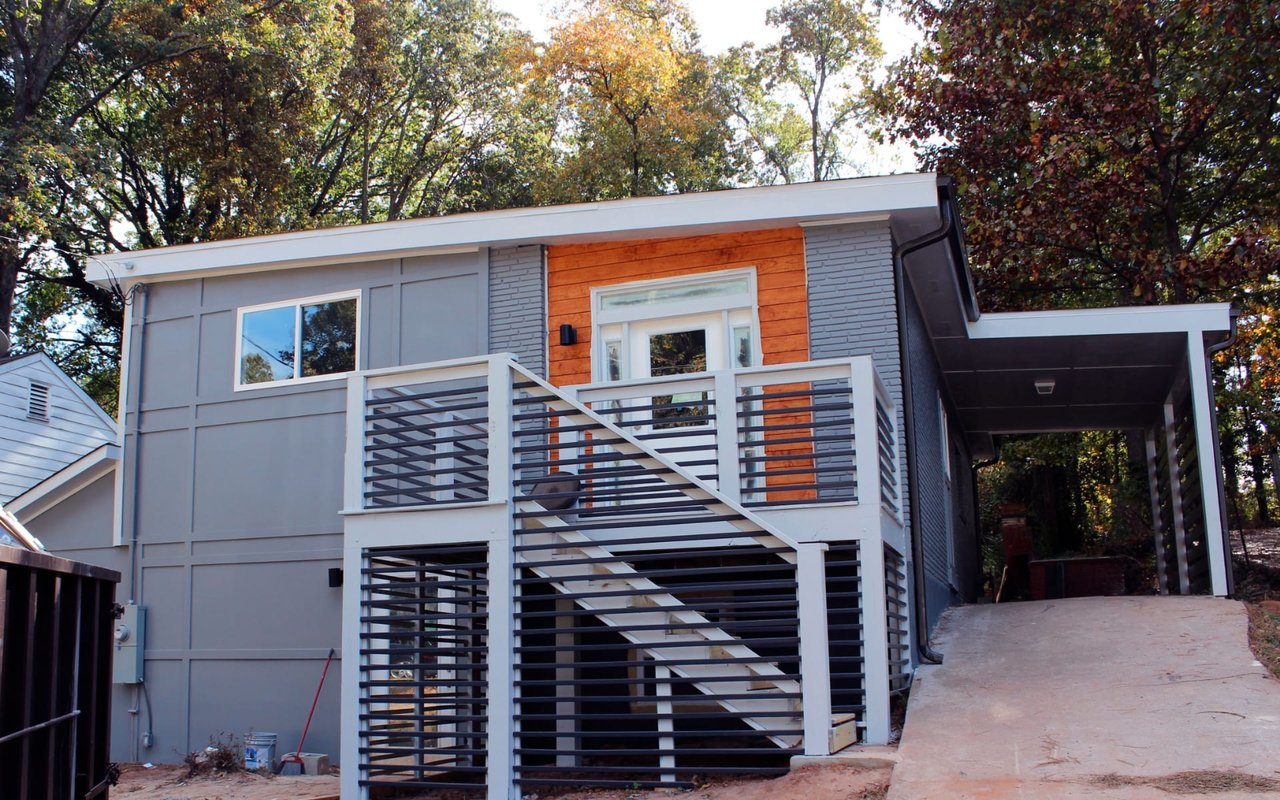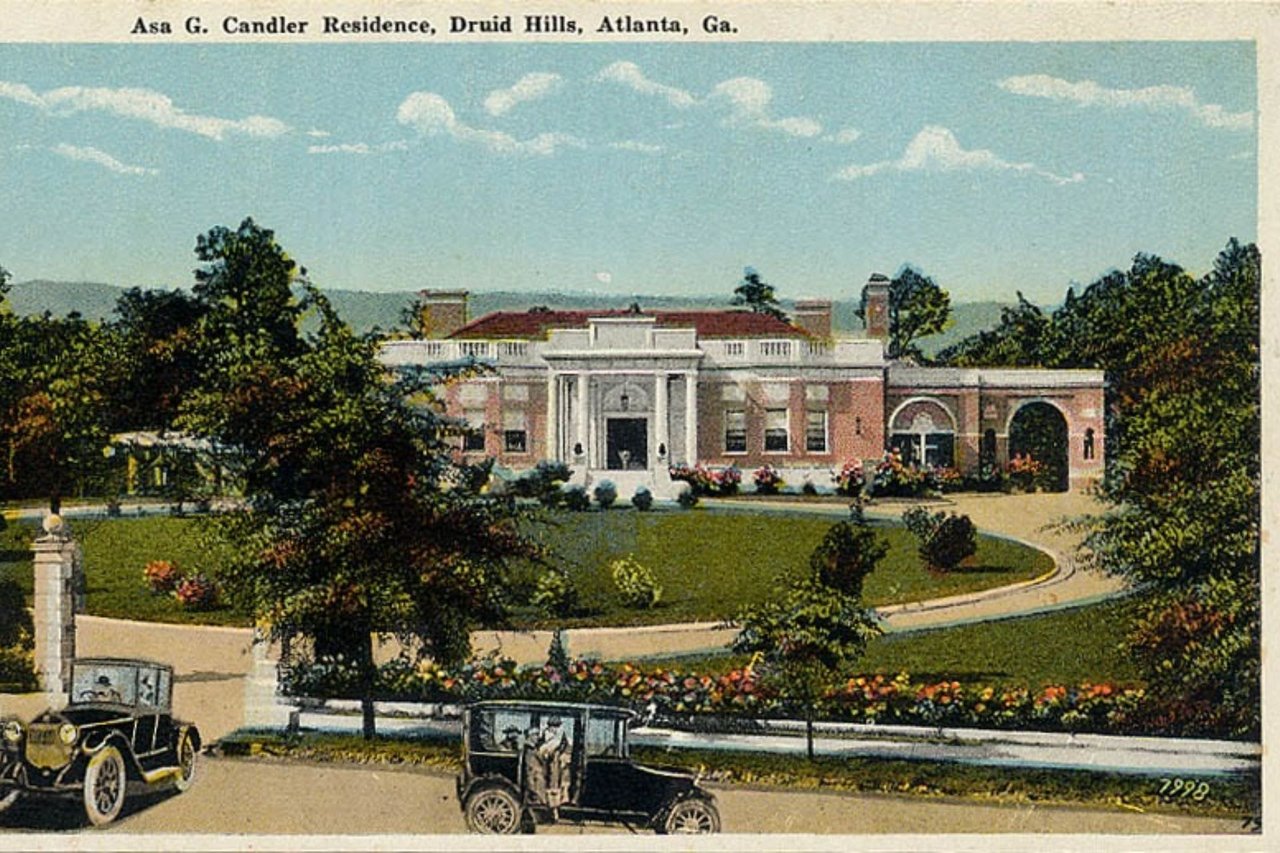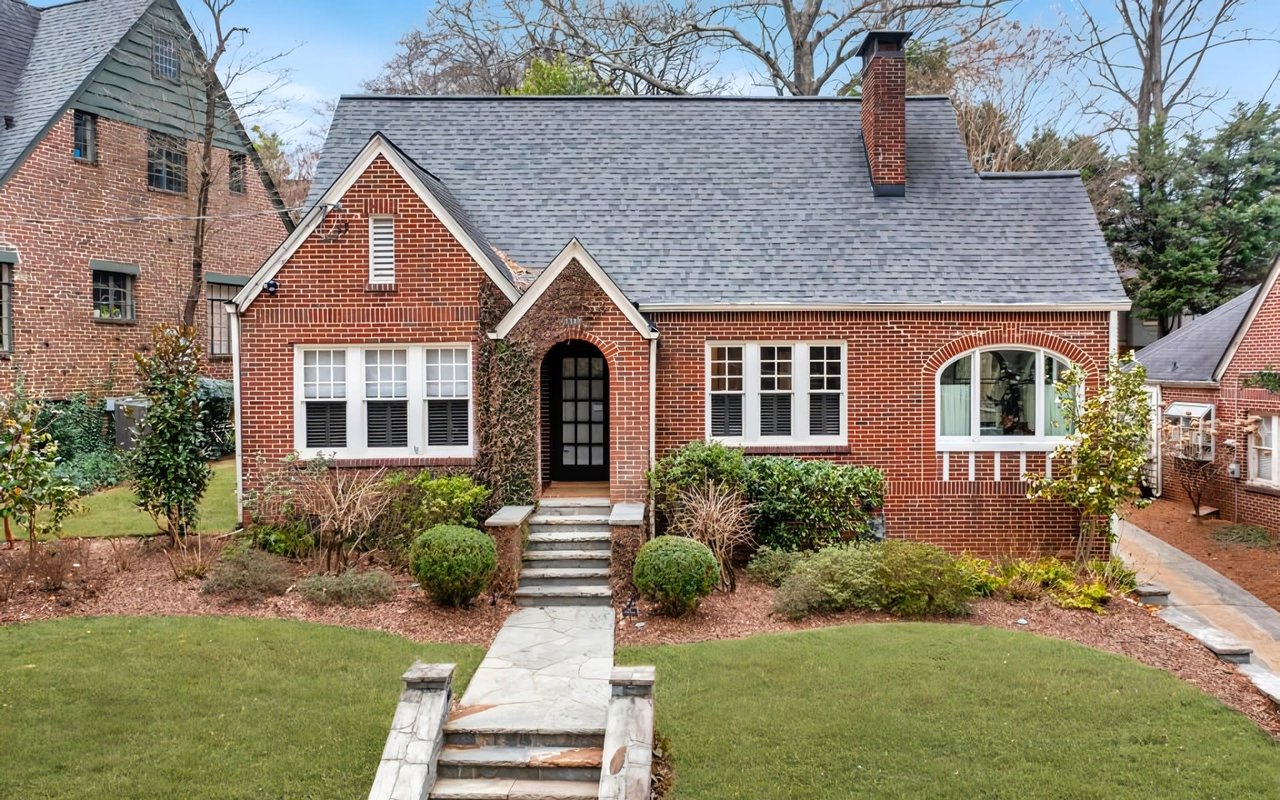
Thinking about buying a historic home in Ansley Park? It is easy to fall for the curb appeal, mature streetscape, and architectural character, but old-house charm can hide expensive surprises if you do not know what to check. Before you make an offer, you need a clear picture of the home’s condition, renovation limits, and approval path so you can move forward with confidence. Let’s dive in.
Why Ansley Park needs careful due diligence
Ansley Park has deep historic significance. The neighborhood is part of the Ansley Park Historic District, which is listed in the National Register of Historic Places, with a period of significance from 1900 to 1974.
That said, National Register status does not automatically restrict what a private homeowner can do to a property. According to the National Park Service FAQ on National Register listing, federal listing by itself does not place restrictions on private owners unless other state or local rules apply.
That distinction matters in Ansley Park. The Georgia Trust notes that Ansley Park is listed in the National Register but is not currently designated by the City of Atlanta as a Local Historic District, so your due diligence should focus on the specific property, not just the neighborhood label.
Check the house beyond the charm
Historic homes often tell you a lot with one walk-through, but the most important issues are usually structural, mechanical, and permit-related. In Ansley Park, smart buyers look past finishes and ask whether the home has been well maintained, carefully updated, and realistically suited for future plans.
Inspect the building shell first
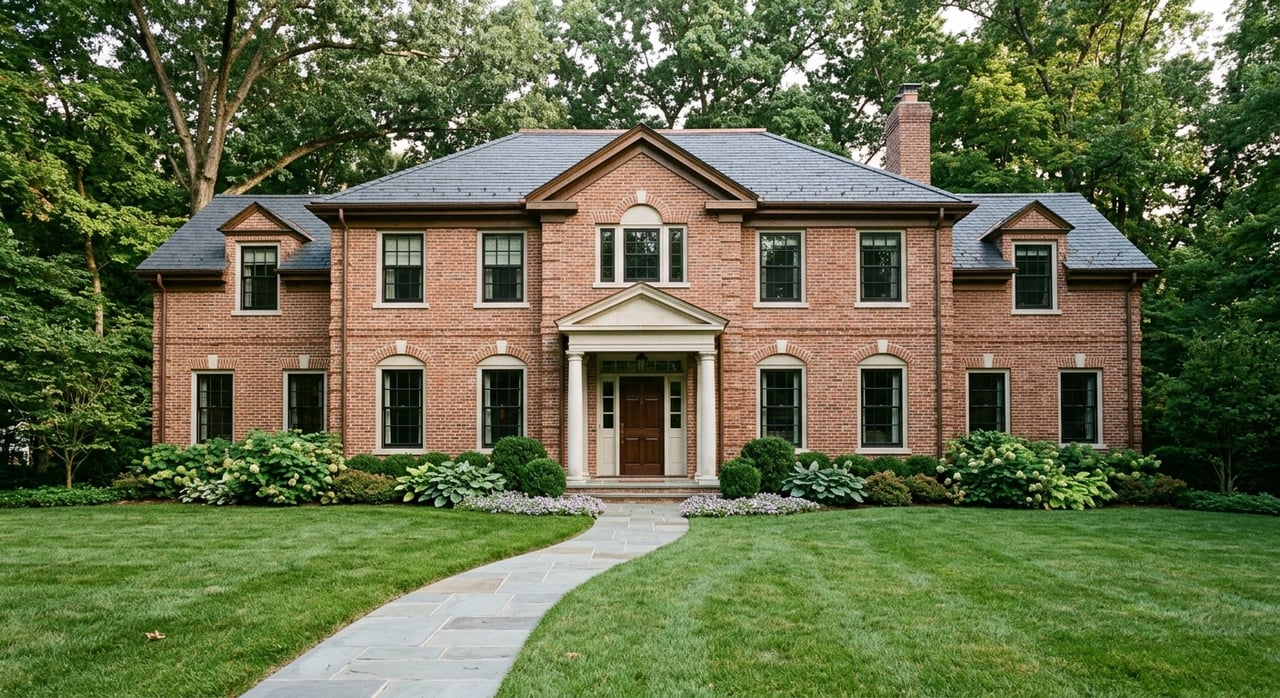
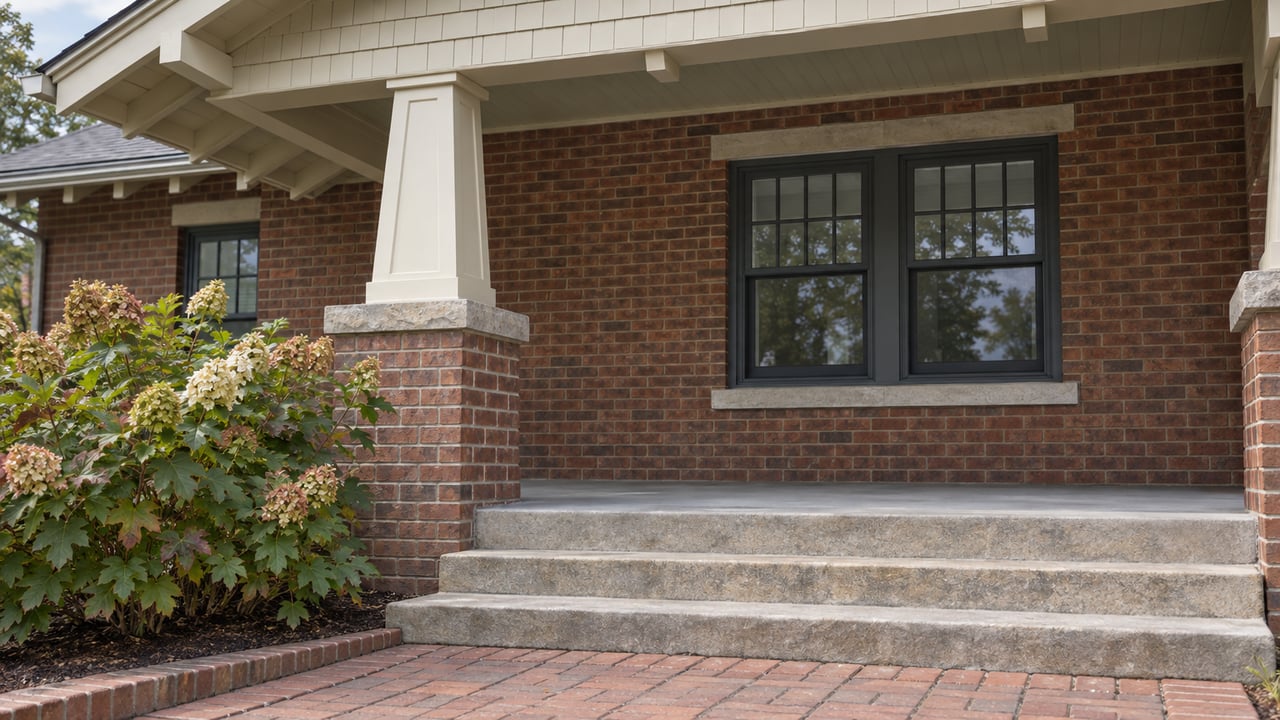
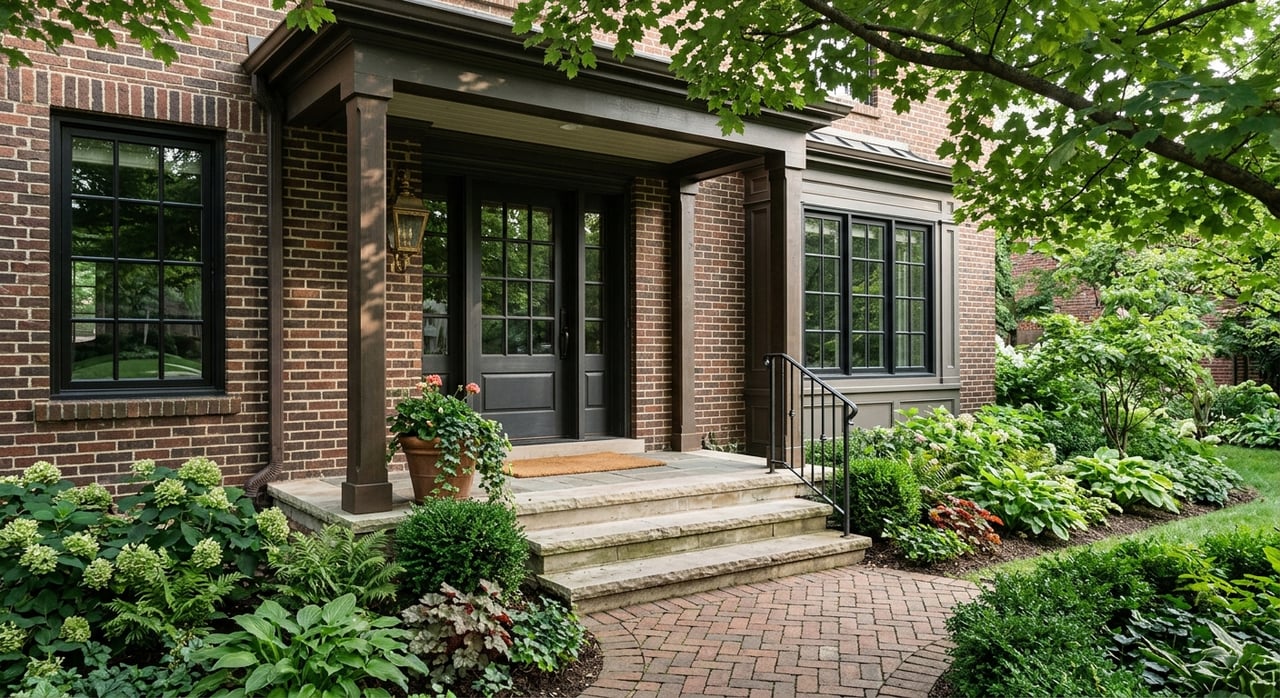
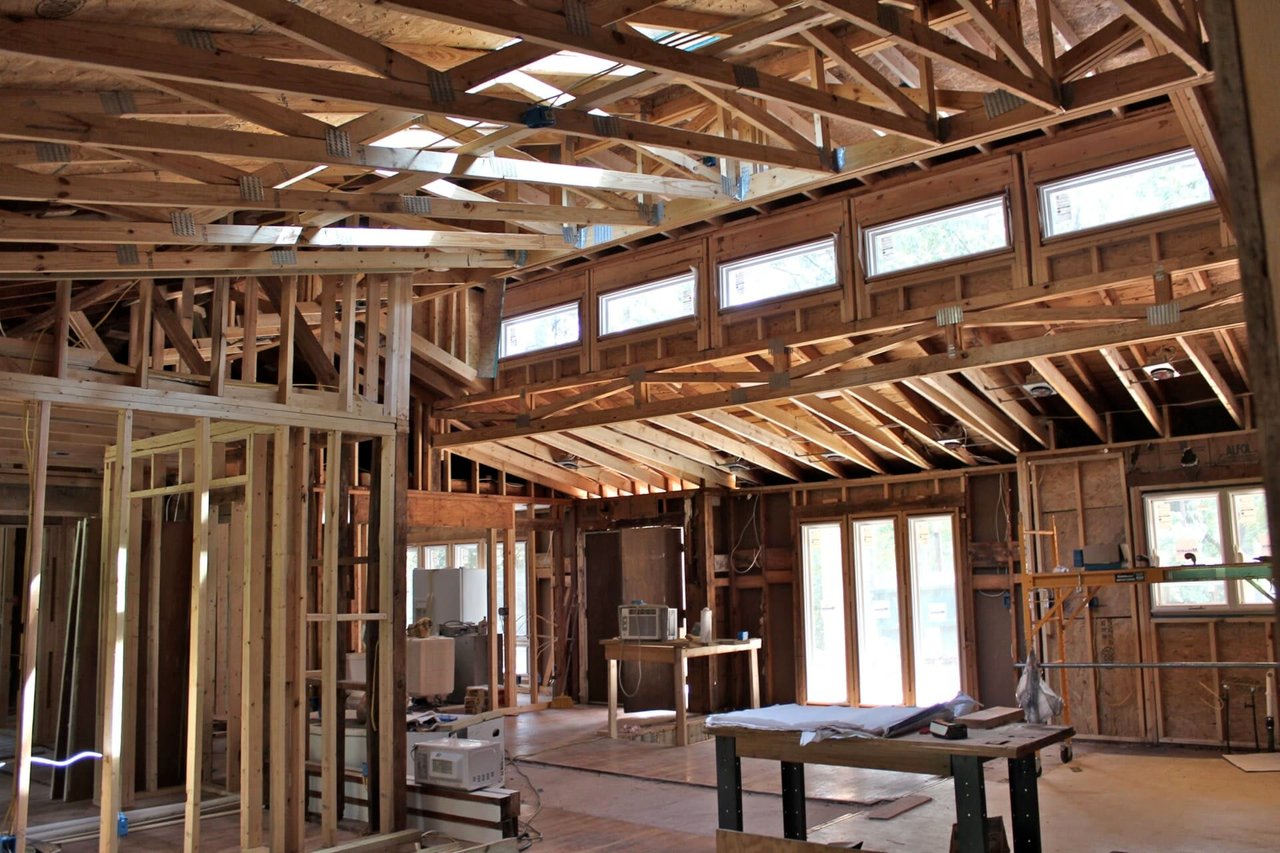
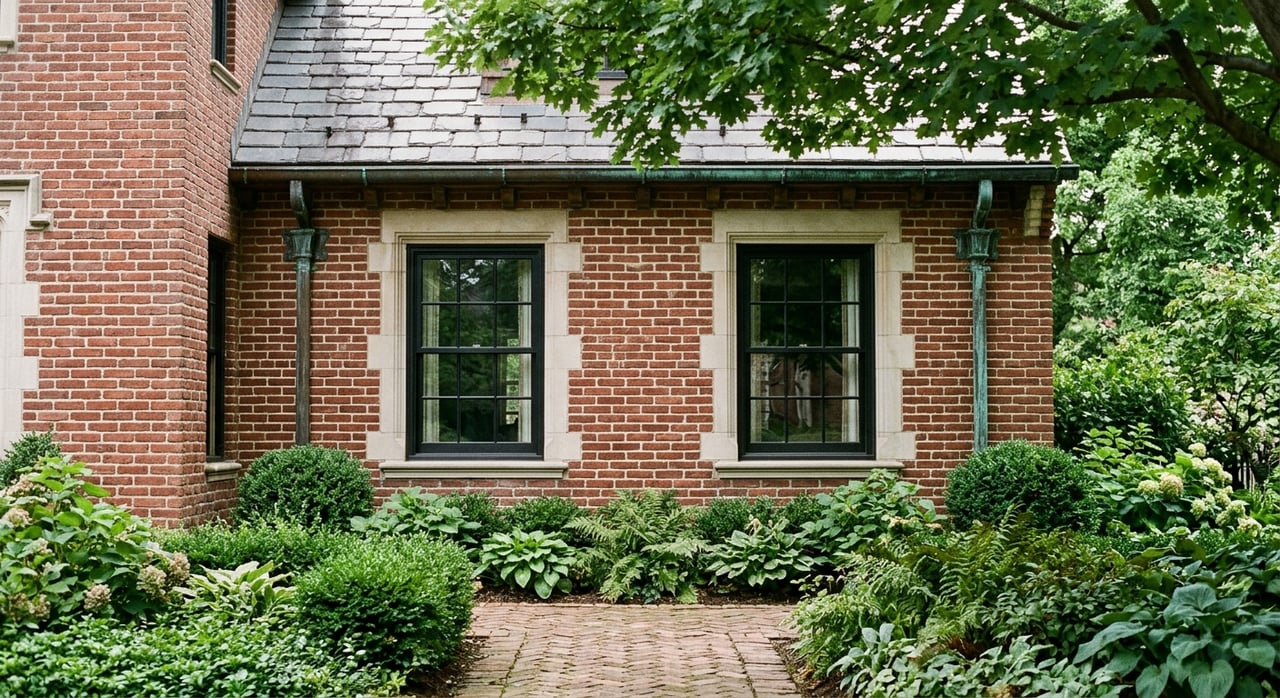
Start with the major physical components: foundation, framing, roof, masonry, porches, chimneys, and windows. Look for settlement, moisture damage, sagging floors, wood rot, deteriorated masonry, or repairs that do not match the original house.
This is especially important in a historic property because exterior materials and original features can affect both cost and renovation flexibility. The National Park Service rehabilitation guidance emphasizes retaining historic character and historic materials, which means a problem with original windows or masonry is often bigger than a routine cosmetic fix.
Review original windows and exterior details
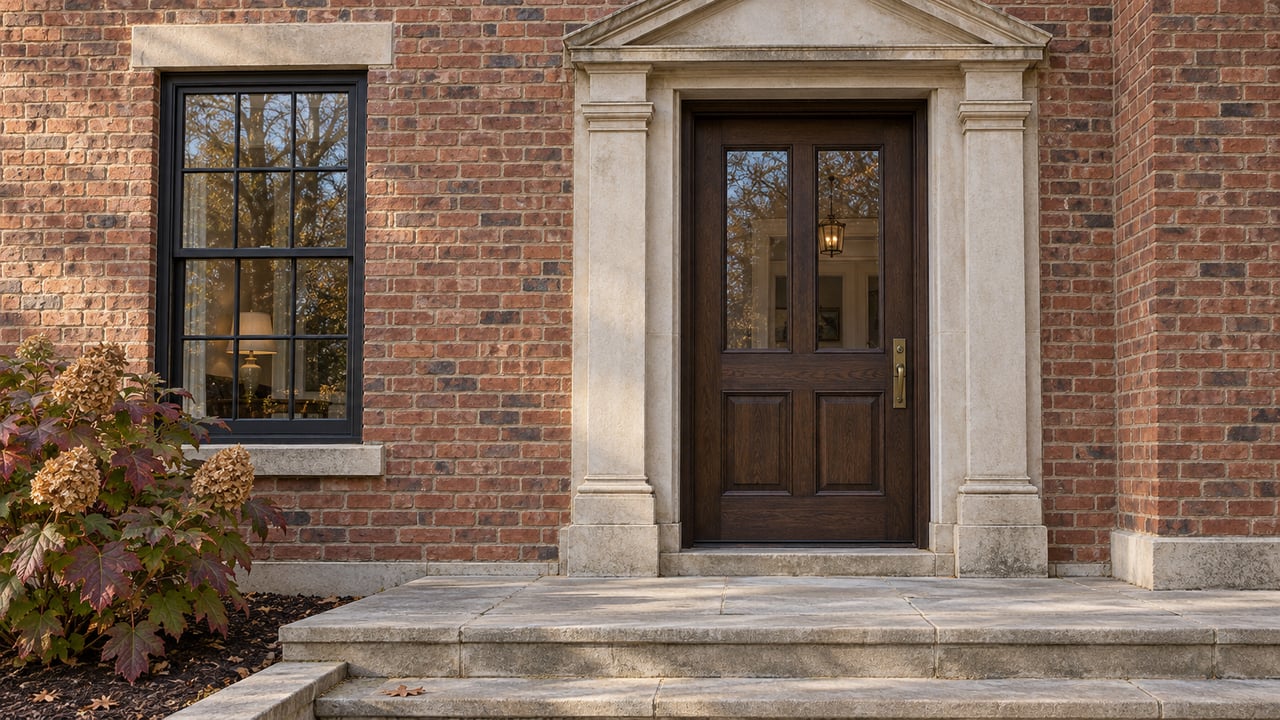
Windows deserve special attention in older homes. If they are original, they may add significant character, but they may also need specialized repair rather than simple replacement.
You should also watch for exterior changes that altered the home’s appearance over time. Replaced windows that changed the façade, patched-over porches, or inconsistent exterior materials can be red flags, especially if future rehabilitation plans depend on the house’s existing integrity.
Ask about moisture and water intrusion
Water is one of the costliest issues in any older home. Ask about roof leaks, basement or crawlspace moisture, drainage patterns, and any history of water intrusion around chimneys, porches, or foundations.
Even when damage looks minor, long-term moisture can affect framing, masonry, finishes, and air quality. In a historic house, hidden water issues can also complicate restoration work later.
Verify systems and hidden-cost items
A beautiful historic home can still come with outdated infrastructure. Before you make an offer, ask for the age, service history, and any recent upgrades for the electrical panel, wiring, plumbing supply and drain lines, HVAC systems, and water heater.
Check electrical, plumbing, and HVAC age
Older systems are not always a deal breaker, but they can quickly change your budget. Once walls are opened in an older home, a simple project can become a much larger one.
That matters in Atlanta because the city treats many alterations as permit-relevant work. According to Atlanta’s zoning and development permitting guidance, changes involving additions, alterations, windows, roofs, solar panels, demolitions, and tree removal may require permits or additional review.
Consider lead-based paint risk
If the home was built before 1978, you should assume lead-based paint may be present until proven otherwise. The EPA notes that older homes are more likely to contain lead-based paint, especially on windows, doors, built-ins, and other friction or impact surfaces.
That does not automatically make a home unsafe to buy, but it does mean you should factor testing, maintenance, and renovation methods into your planning. This becomes especially important if you expect to refinish windows, remove trim, or disturb painted surfaces.
Ask about asbestos before remodeling
Older homes may also contain asbestos in materials such as roofing, siding, insulation, textured paint, vinyl flooring, pipe wrap, or furnace components. If you are considering updates after closing, asbestos can affect both scope and cost.
The key point is timing. Before you renovate, confirm what materials may be present and what testing may be needed so your budget reflects real conditions instead of best-case assumptions.
Research zoning and future expansion plans
Many buyers love historic homes but still want to add a garage, expand a kitchen, build a deck, install a fence, or explore solar later. In Ansley Park, those plans should be researched before you write the offer, not after closing.
Confirm the parcel’s zoning
Atlanta says the best starting point is its GIS and property information tools through zoning and development services. The city also notes that the scope of work, zoning district, and overlay conditions determine whether additional approvals may be required.
A 2025 city conservation study for Ansley Park notes that neighborhood lots are zoned R-4, RG-2, or RG-3. That means expansion potential is a parcel-by-parcel issue, not something you can assume based on a nearby house.
Match your plans to the approval path
If you think you may want an addition or exterior changes, ask early whether the work could trigger a Special Administrative Permit, a Certificate of Appropriateness, or Urban Design Commission review. Even if the answer is ultimately no, knowing the path upfront can help you decide whether the home truly fits your goals.
This is one of the biggest reasons historic-home buyers get surprised. The home works beautifully as-is, but the future version they imagined may be harder, slower, or more expensive to achieve.
Confirm designation and permit history
Do not rely on listing language alone. A home may be described as historic, architecturally significant, or located in a historic district, but what matters legally is whether the specific parcel has any separate designation or approval requirement.
Verify whether the property has added review rules
Atlanta’s Historic Preservation Review and permitting process routes qualifying work through the city’s online platform. The city’s preservation staff also handles design review within applicable historic and landmark districts.
Because Ansley Park is not currently a city Local Historic District, some buyers assume there is no review risk at all. That is not a safe assumption. A specific property may still have designation-related rules, so it is smart to verify the parcel status directly.
Request permit records for past work
Permit history can reveal a lot about a home’s true condition and renovation quality. Missing permits, unexplained additions, and major exterior changes without a clear paper trail are all signs to slow down and investigate.
This matters for both cost and resale. If earlier work compromised the home’s physical integrity or was never properly approved, you may inherit expensive corrections later.
Understand renovation feasibility before closing
If you are buying in Ansley Park with renovation plans in mind, feasibility should be part of your offer strategy. Pricing, schedule, approvals, and building condition all need to be tested before you commit.
Plan before work begins
Georgia’s historic rehabilitation rules and Atlanta’s permit process both point to the same takeaway: applications and planning should happen before work begins. According to Atlanta’s online permitting resources, many common projects require formal review, and Georgia’s guidance warns that work completed before review may be denied or require remediation.
For you as a buyer, that means renovation should not be treated as an after-closing guess. It should be priced and evaluated while you are still deciding whether to buy the house.
Know the tax credit limits
Tax incentives are often misunderstood in historic-home purchases. The 20% federal historic rehabilitation tax credit applies to income-producing buildings, not owner-occupied primary residences.
Georgia does offer a broader historic-home credit, and the Georgia Department of Revenue says a historic-home credit is available for tax years 2023 through 2029, with a cap of $100,000 in credits for a historic home in any 120-month period. Still, eligibility depends on the property’s designation and certification, so the real question is whether this house qualifies under current state rules and whether your planned work will qualify.
Red flags to watch before making an offer
When you tour a historic home in Ansley Park, keep a short list of common red flags in mind:
- Missing or unclear permit history
- Unexplained additions or enclosed spaces
- Signs of water intrusion
- Replaced windows that changed the façade
- Exterior or interior work that appears inconsistent with the original structure
- Aging electrical, plumbing, or HVAC systems with limited records
- Potential lead-based paint or asbestos concerns before planned remodeling
None of these issues automatically mean you should walk away. They do mean you should adjust your due diligence, inspection strategy, and renovation budget before you decide what the home is really worth to you.
Buy with a realistic plan
Buying a historic home in Ansley Park can be incredibly rewarding, but the smartest purchases happen when charm and due diligence go hand in hand. If you understand the house’s condition, confirm zoning and designation status, and test your renovation plans early, you can avoid the most common surprises and make a much more confident decision.
If you are thinking about buying in Ansley Park and want clear guidance on older homes, renovation potential, and what to verify before you write an offer, connect with Molly Carter Gaines. She brings local insight, practical renovation awareness, and a strategic eye for helping you spot both risk and opportunity.
FAQs
Does National Register status in Ansley Park prevent renovations?
- No. National Register listing alone does not restrict what a private homeowner can do, although state or local rules may still apply.
Will an Ansley Park buyer need city review for exterior work?
- Often, yes. The exact approval path depends on the parcel, the scope of work, zoning, and whether the property has any separate designation or review requirement.
Can you use the federal historic tax credit for a primary residence in Ansley Park?
- Generally, no. The federal historic rehabilitation credit is for income-producing buildings, not owner-occupied homes.
What should buyers verify before making an offer on a historic home in Ansley Park?
- You should verify the condition of the shell and systems, possible lead or asbestos risk, permit history, zoning, parcel-specific designation status, and whether future additions or exterior changes are realistically feasible.
Why does permit history matter when buying an older home in Ansley Park?
- Permit history can help you identify whether past additions, exterior changes, or major upgrades were properly documented, which may affect cost, approvals, and future resale.