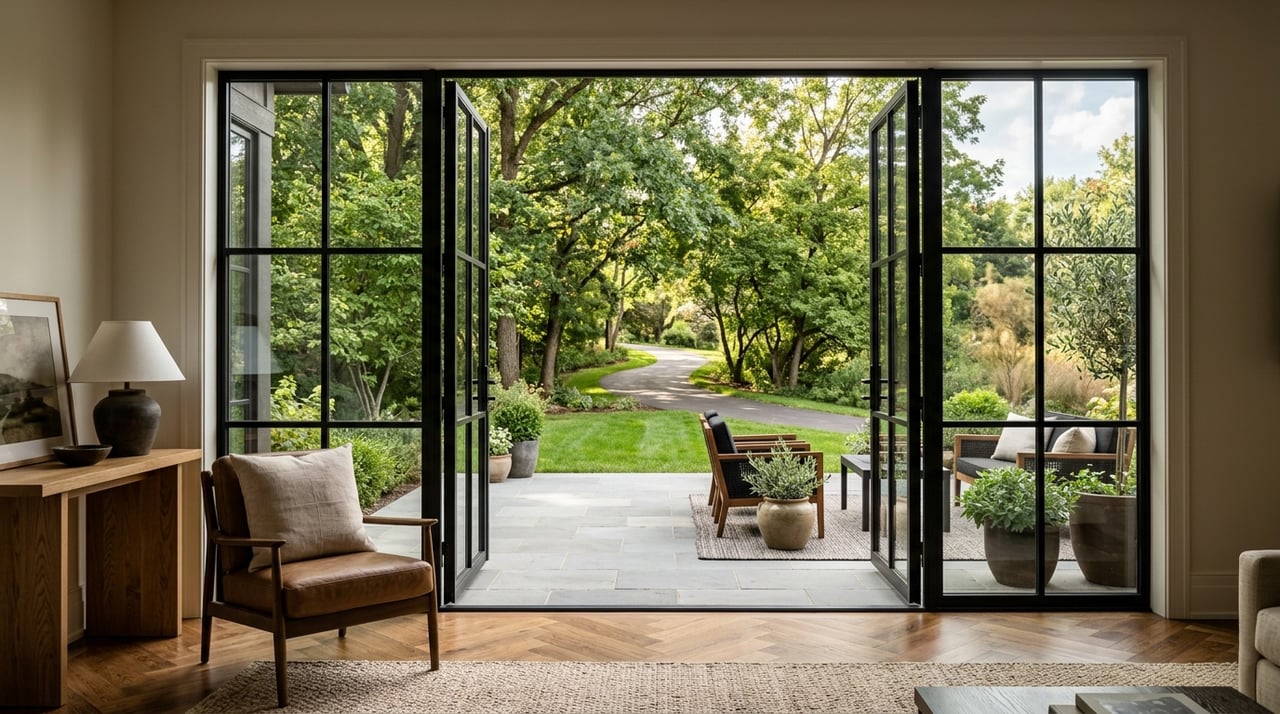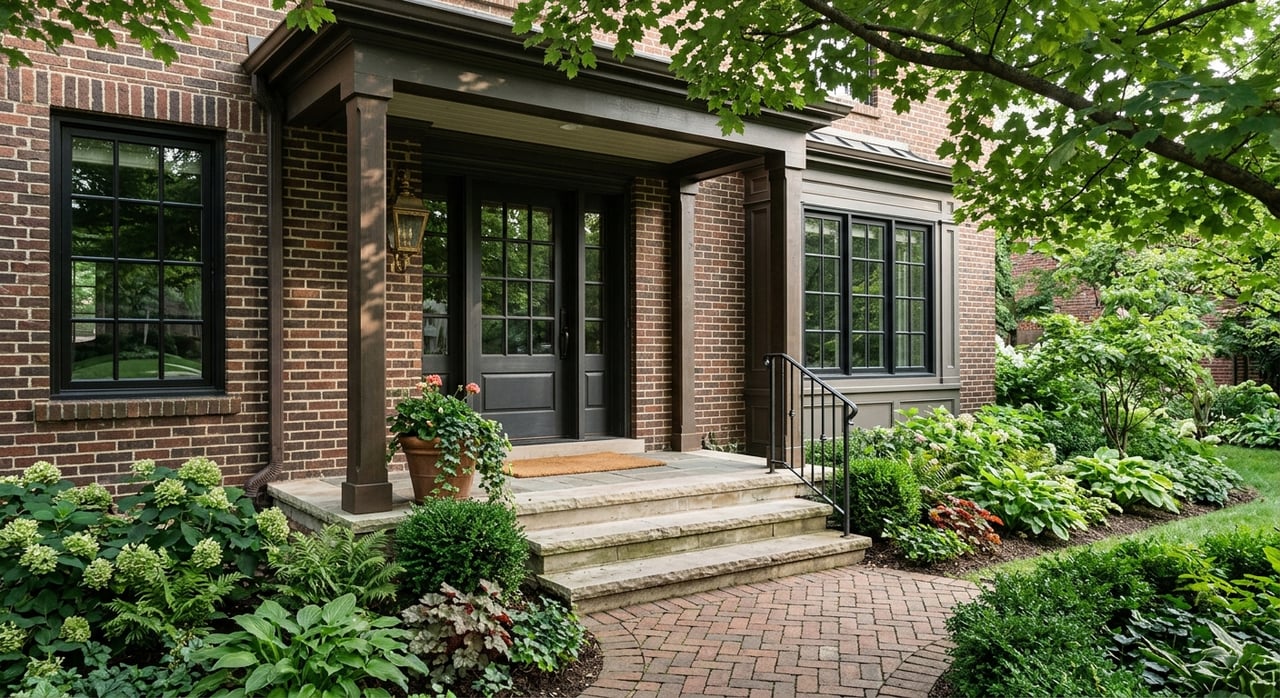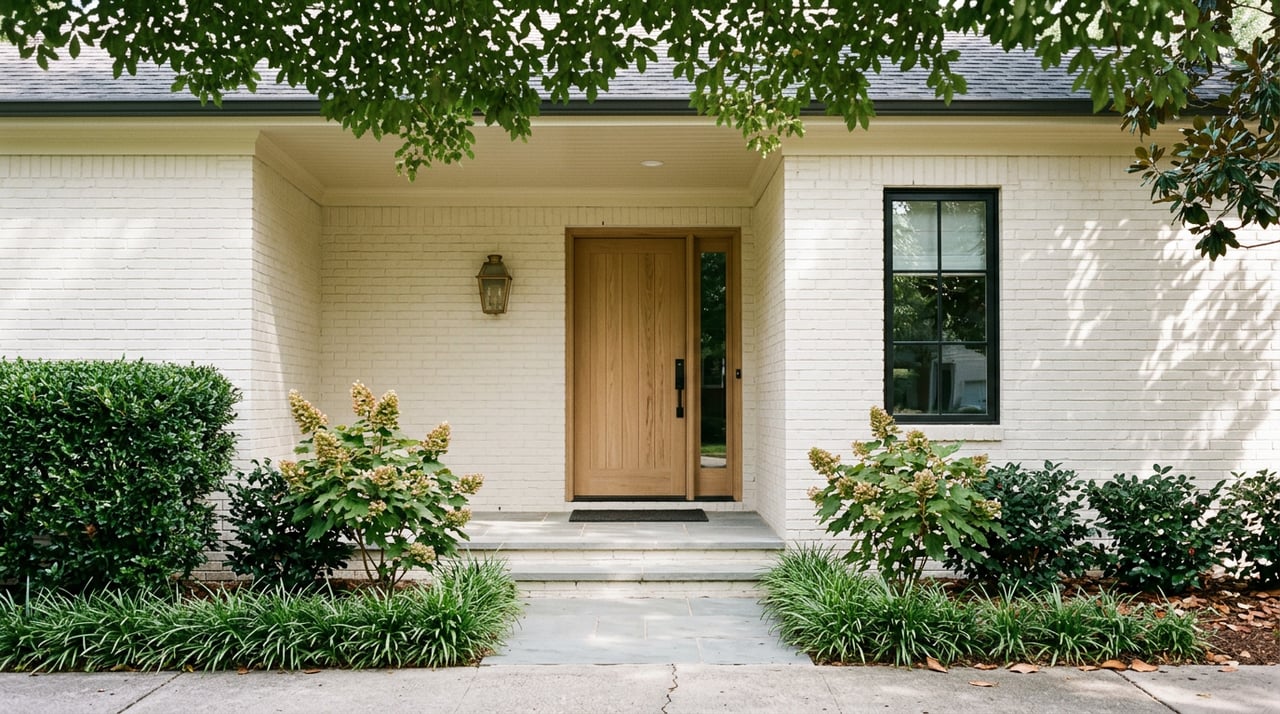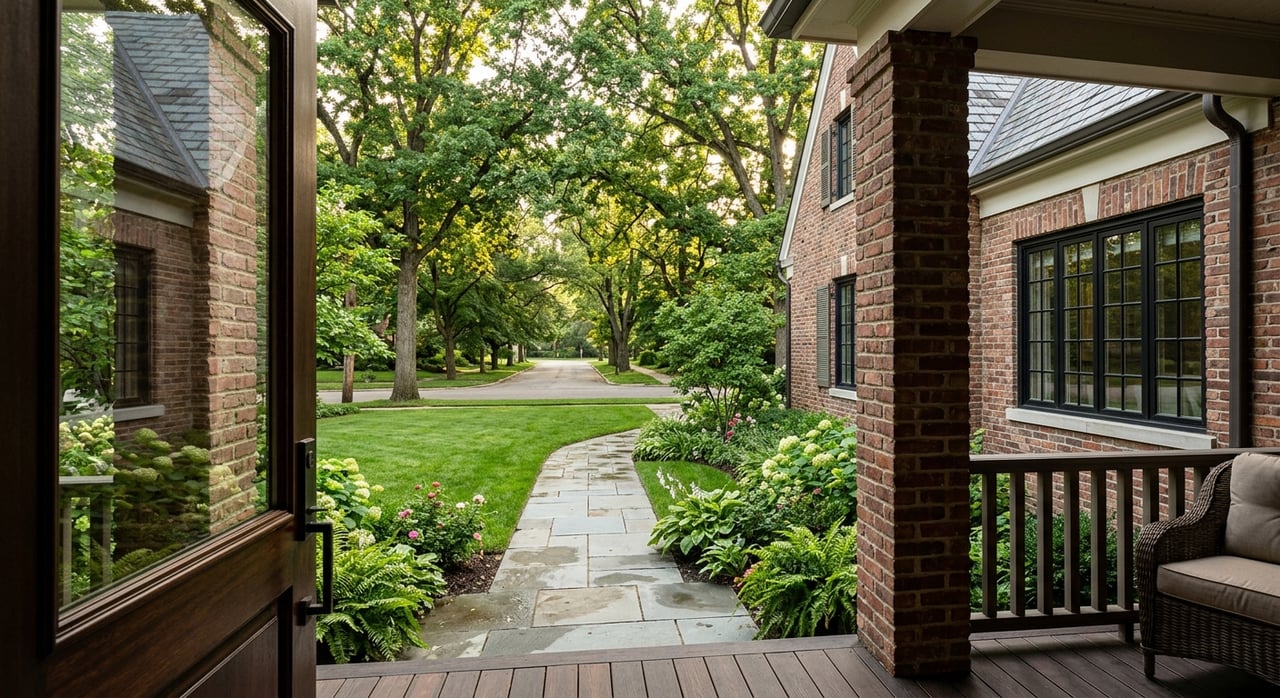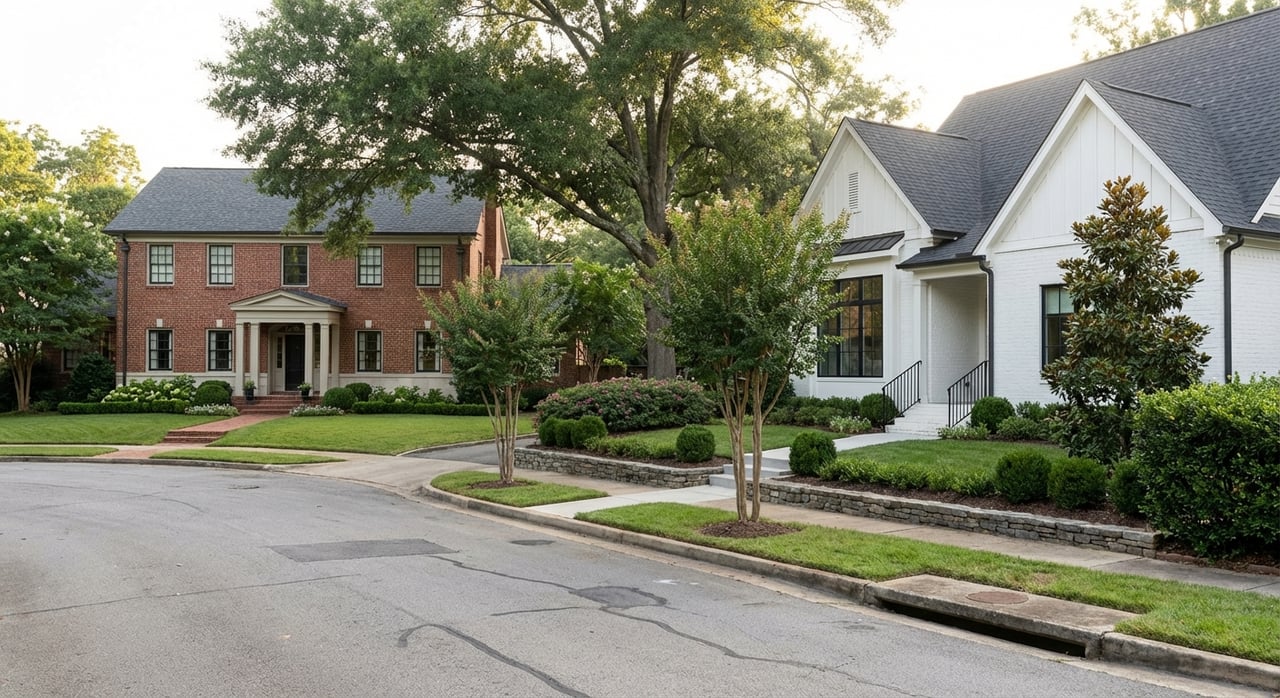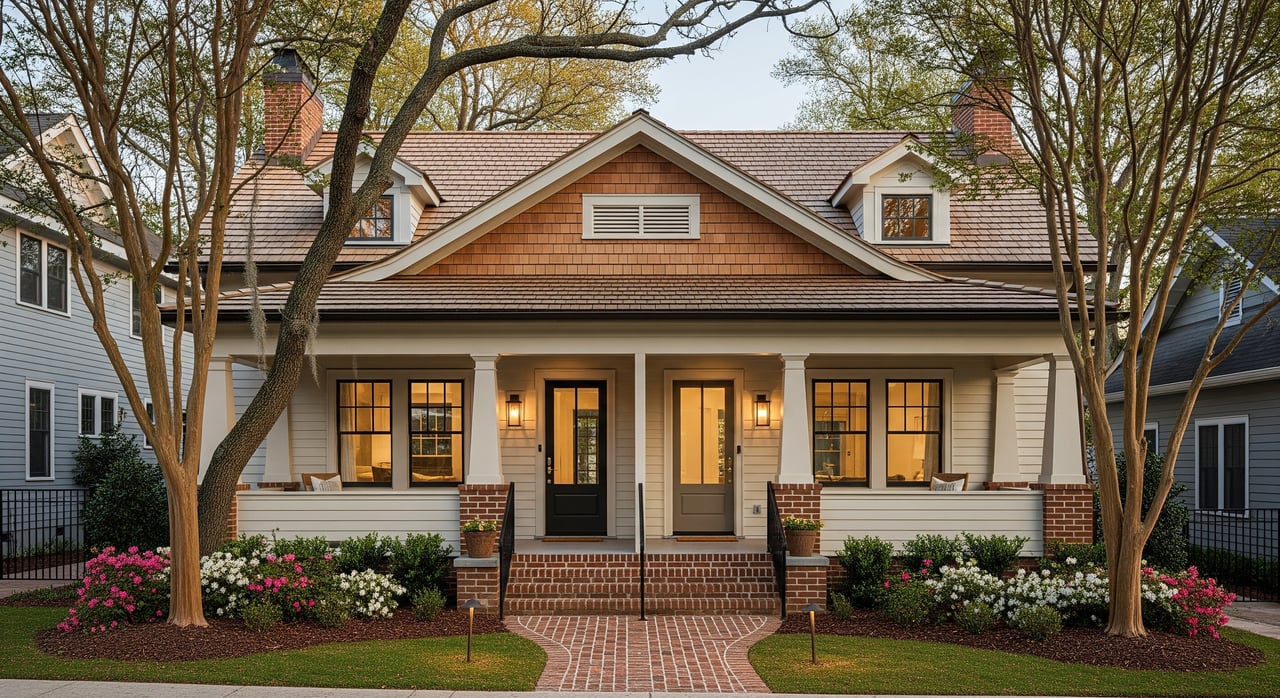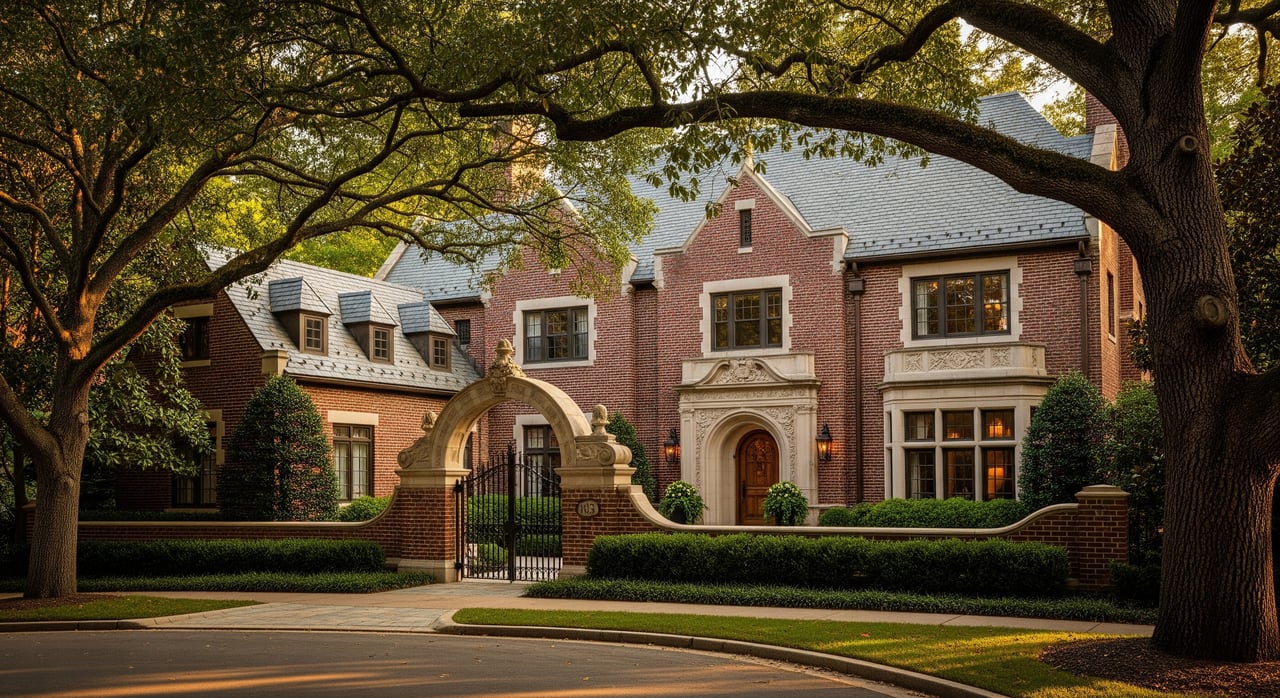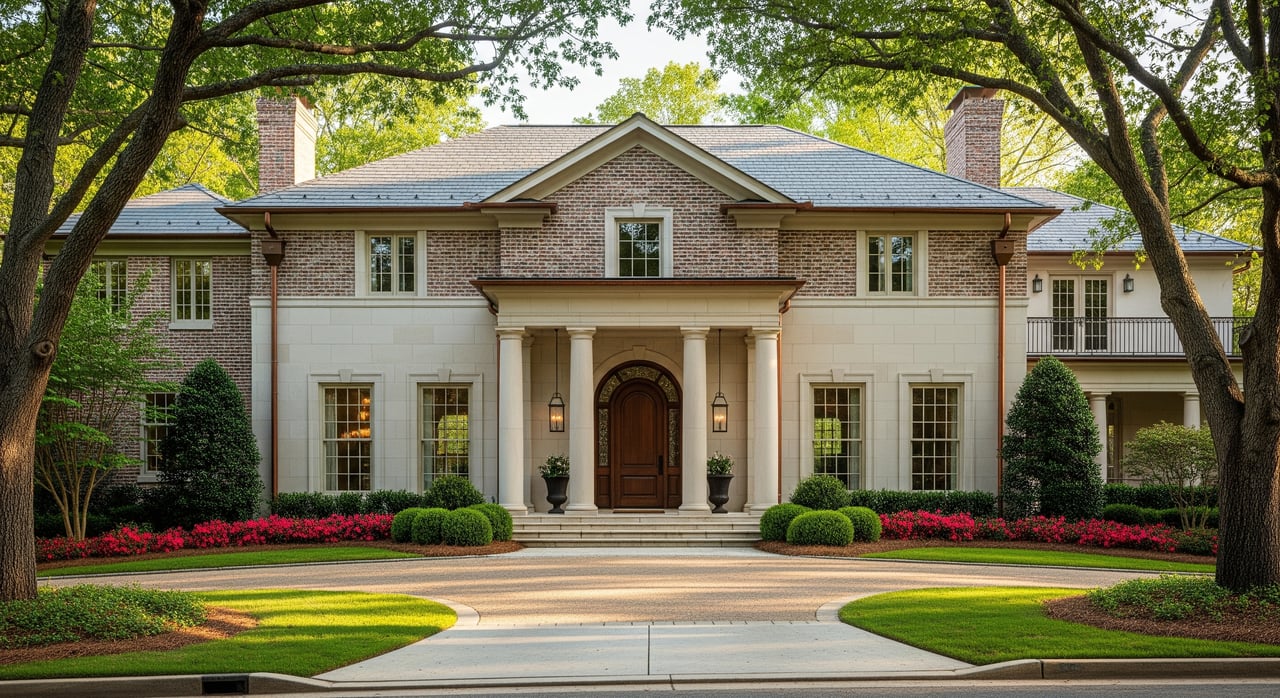
Wondering whether you should renovate before listing or just sell your Buckhead home as is? That decision can have a real impact on your timeline, stress level, and net proceeds, especially in a market where buyers are paying close attention to condition. The good news is that you do not need to guess. With the right strategy, you can match your home, your goals, and your Buckhead submarket to the smartest path forward. Let’s dive in.
Buckhead Is Not One Market
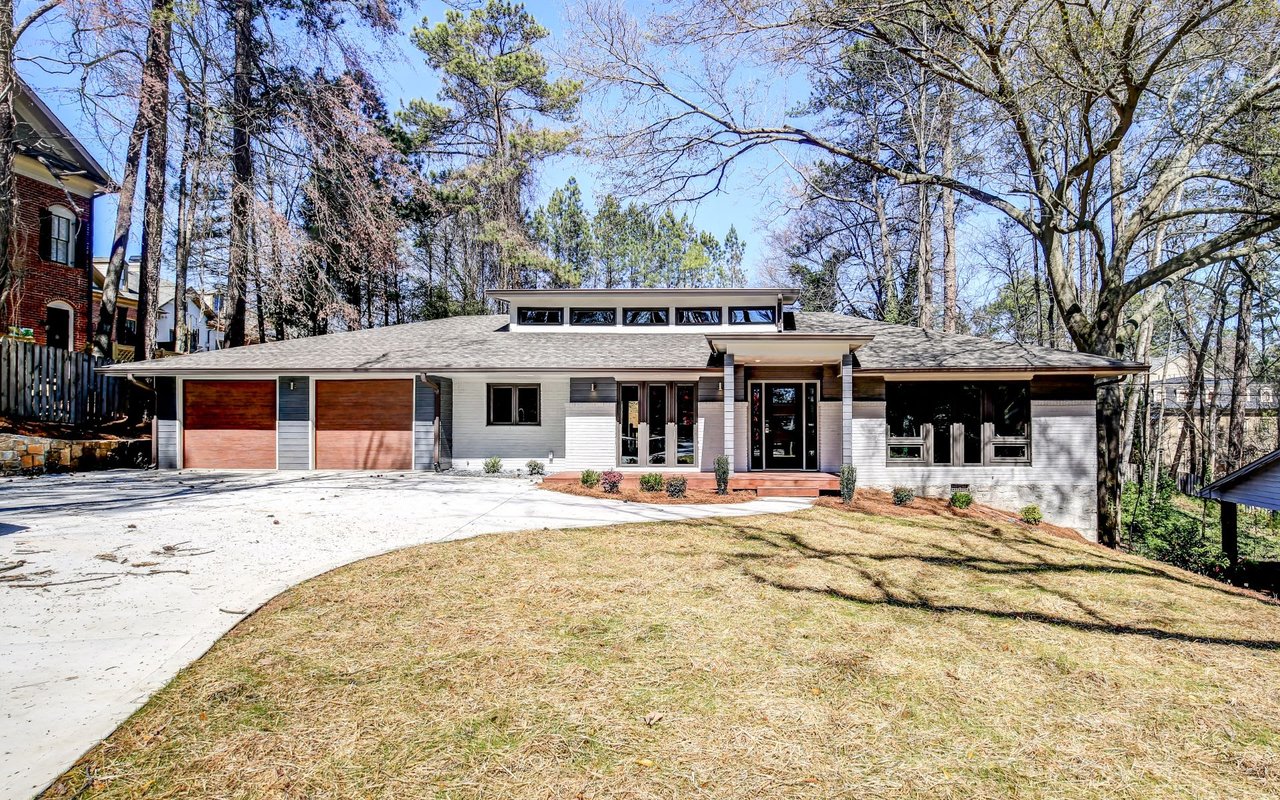
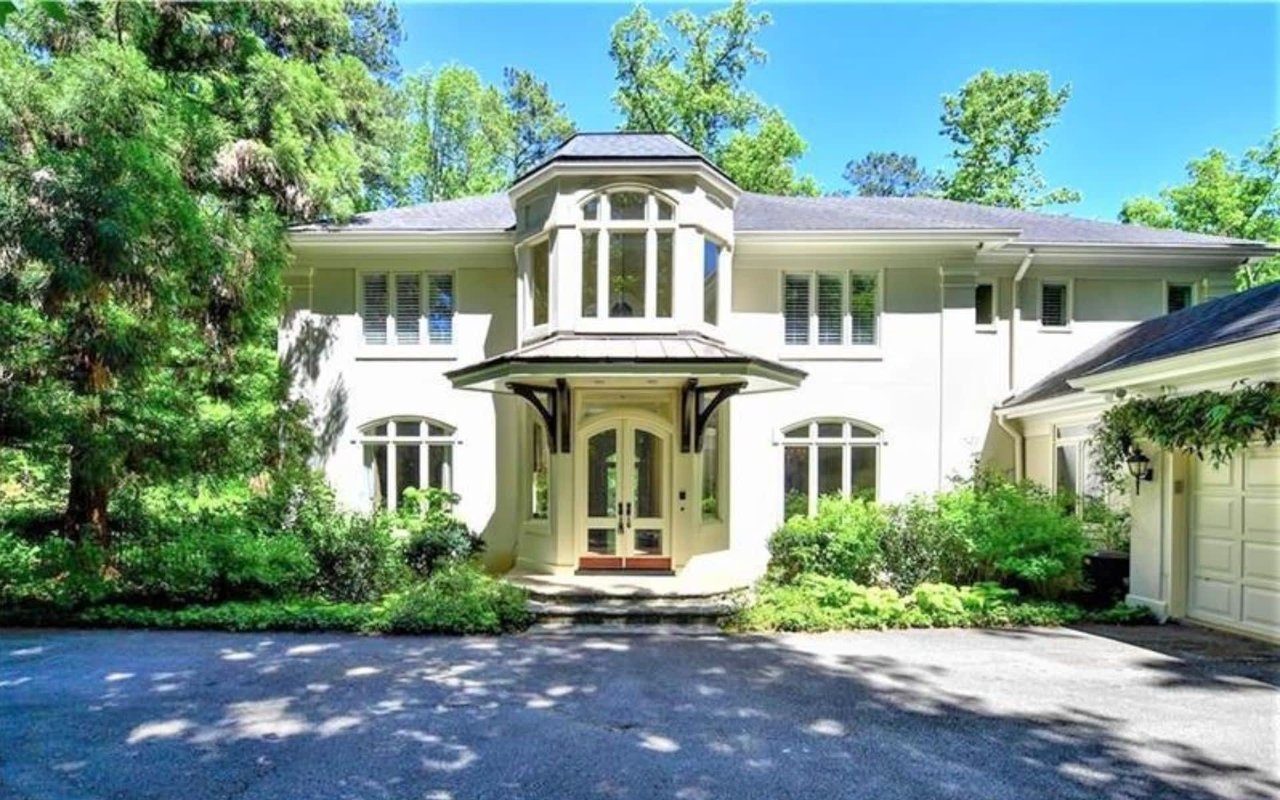
One of the biggest mistakes sellers make is treating Buckhead like a single, uniform market. It is not. The City of Atlanta neighborhood map shows Buckhead as a collection of distinct neighborhoods, and that matters when you are deciding how much work to do before listing.
The broader Buckhead snapshot for March 2026 showed a median sale price of $586,250, median 64 days on market, and a 97.1% sale-to-list ratio. At the same time, Georgia REALTORS reported the City of Atlanta finished 2025 at 54 days on market and the greater metro at 50 days on market. That tells you Buckhead homes are still selling, but buyers are not overlooking condition the way they might have in a hotter market.
That shift lines up with buyer behavior nationwide. In the 2025 NAR Remodeling Impact Report, 46% of buyers said they are less willing to compromise on a home’s condition. If your home needs work, that does not mean you cannot sell well. It means your strategy needs to be more deliberate.
Why Sub-Neighborhood Matters
Your best move in Buckhead depends heavily on your immediate micro-market. Price point, buyer expectations, and pace can look very different from one area to the next.
Here is a quick snapshot from recent Buckhead-area market data:
| Sub-neighborhood | Median Sale Price | Median Days on Market | What it may mean for sellers |
|---|---|---|---|
| Tuxedo Park | $4.395M | 15 | High-end buyers may expect polished, move-in-ready presentation |
| West Paces Ferry | $1.52M | 171 | Slower pace can make careful pricing and selective prep more important |
| Historic Brookhaven | $1.1625M | 70 | Strong market, but condition still influences buyer response |
| Garden Hills | $895K | 44 | Well-kept homes may move without a major remodel |
| Peachtree Park | $819,500 | 61 | Clean presentation and pricing can matter more than full renovation |
| Peachtree Hills | $818,000 | 144 | Slower market may favor efficient updates over expensive overhauls |
| North Buckhead | $415,000 | 67 | Hyper-local comparisons matter more than Buckhead-wide averages |
In premium areas, visible deferred maintenance can stand out fast. In more mixed or walkable submarkets, buyers may be more open to older finishes if the home is clean, appealing, and priced with its condition in mind. That is why your decision should start with your exact street, not just the Buckhead ZIP code.
When Renovating Makes Sense
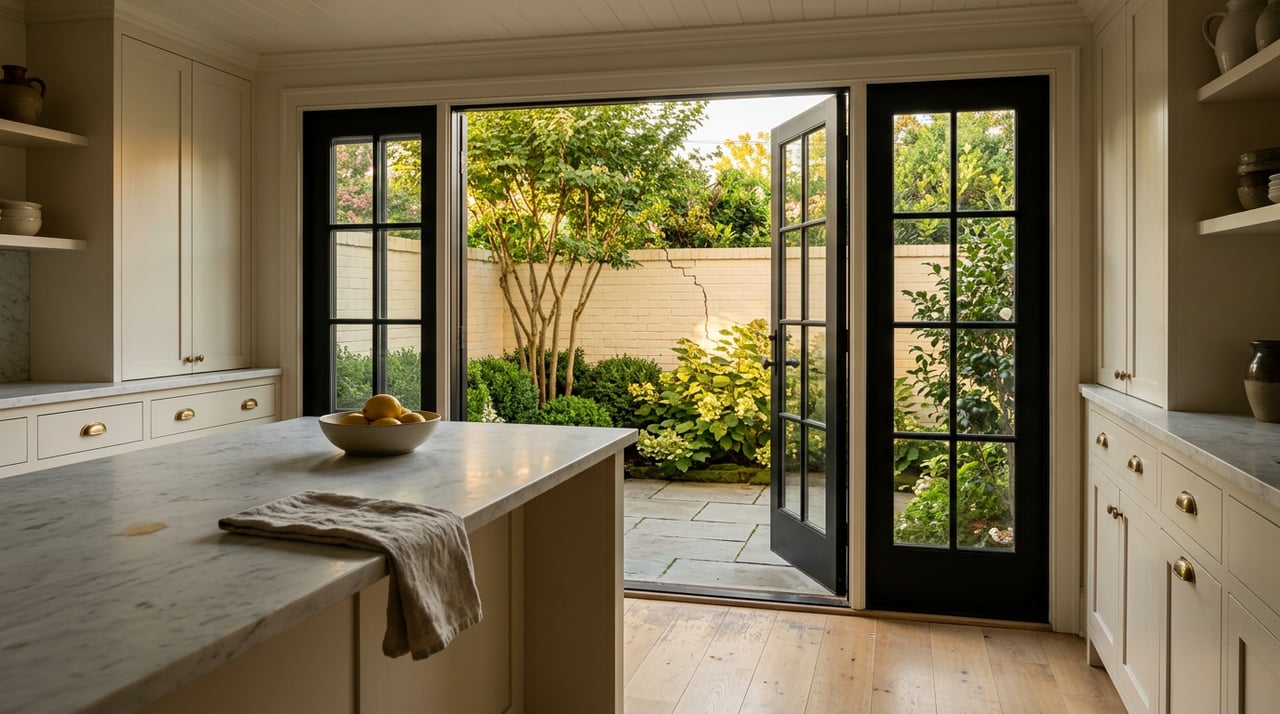
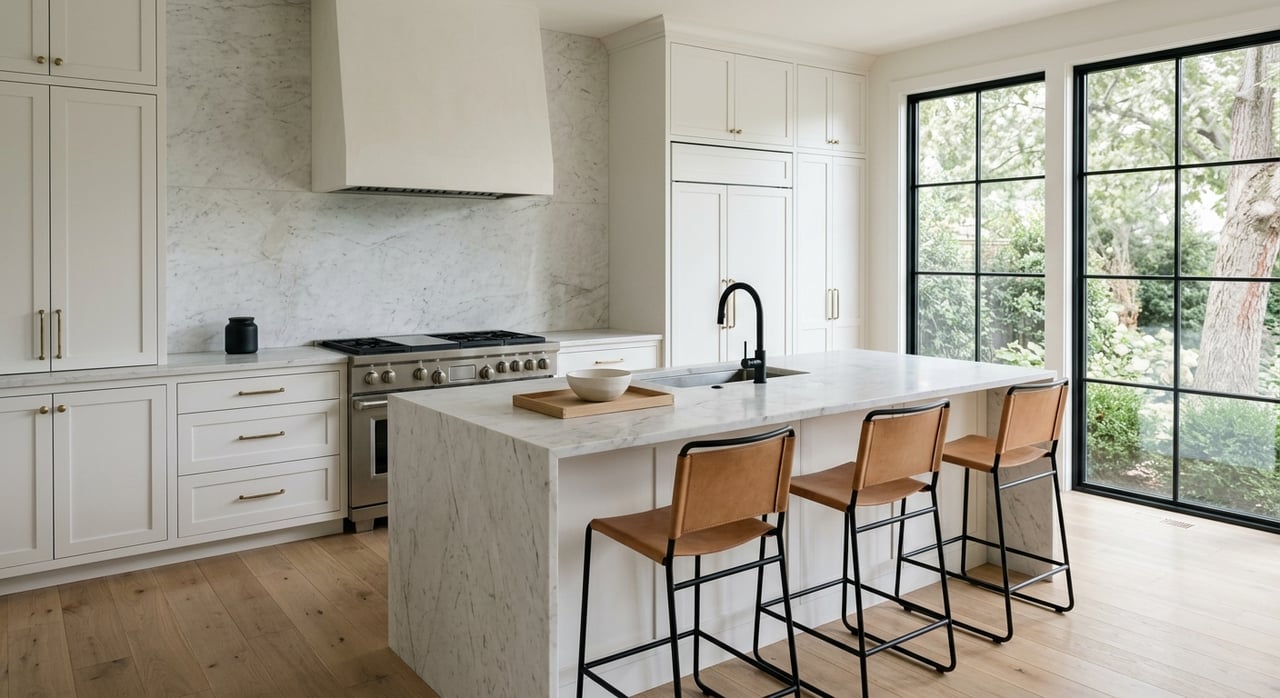
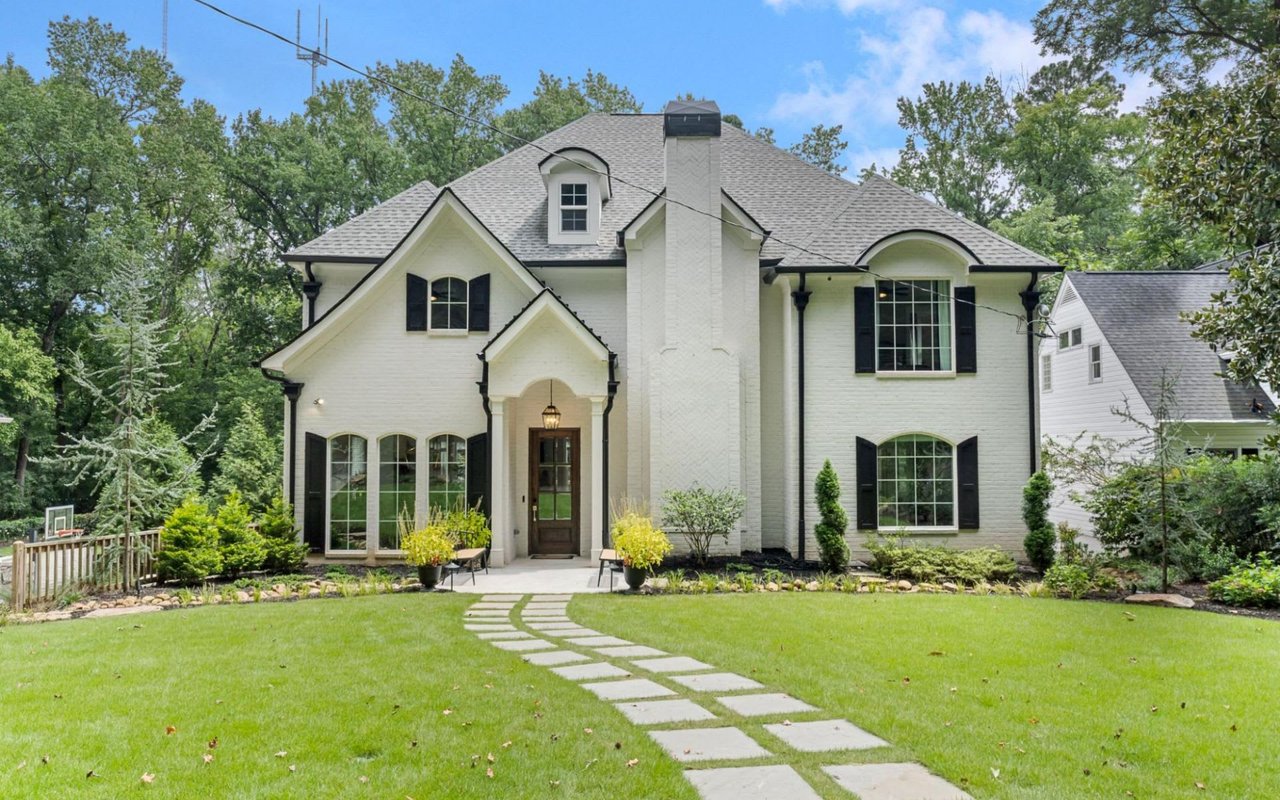
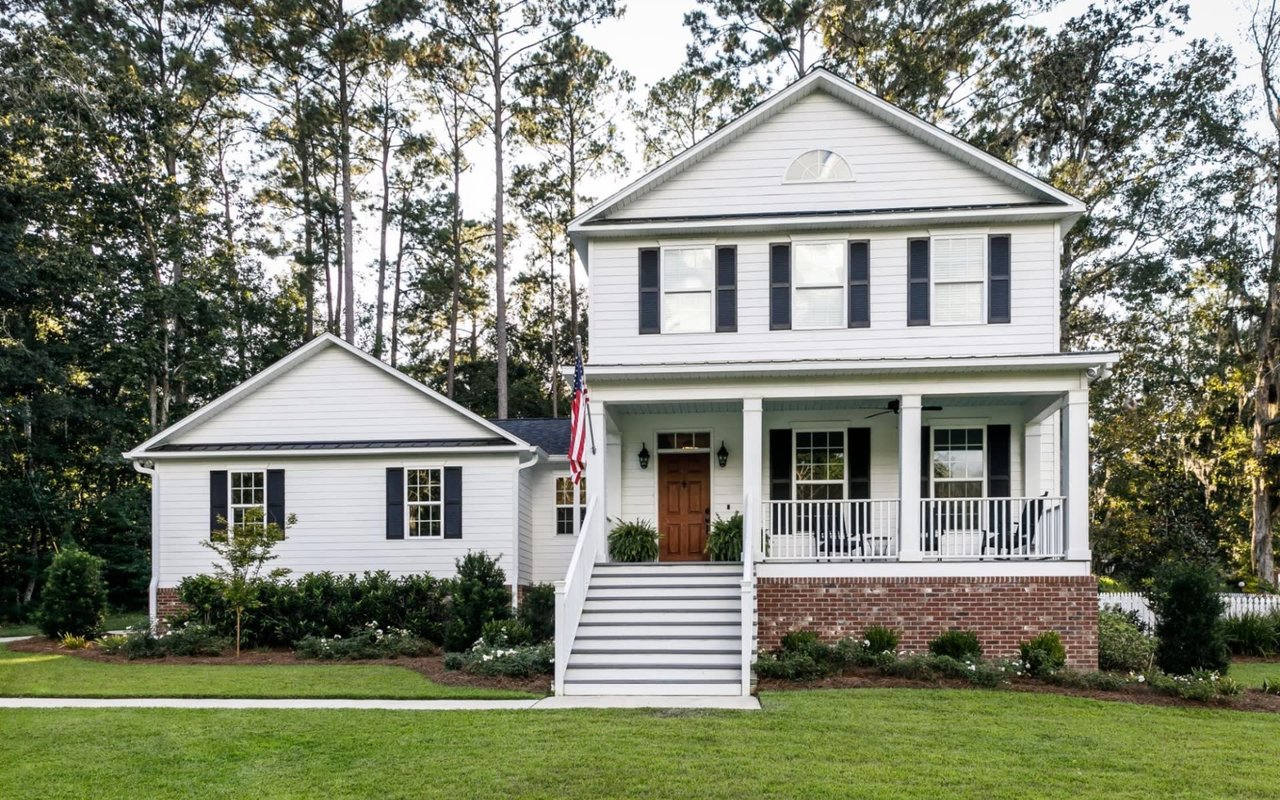
If your home has solid bones and mostly looks dated, targeted improvements often make more sense than a full remodel. Buyers tend to respond well to homes that feel fresh, cared for, and easy to move into, even if every room is not brand new.
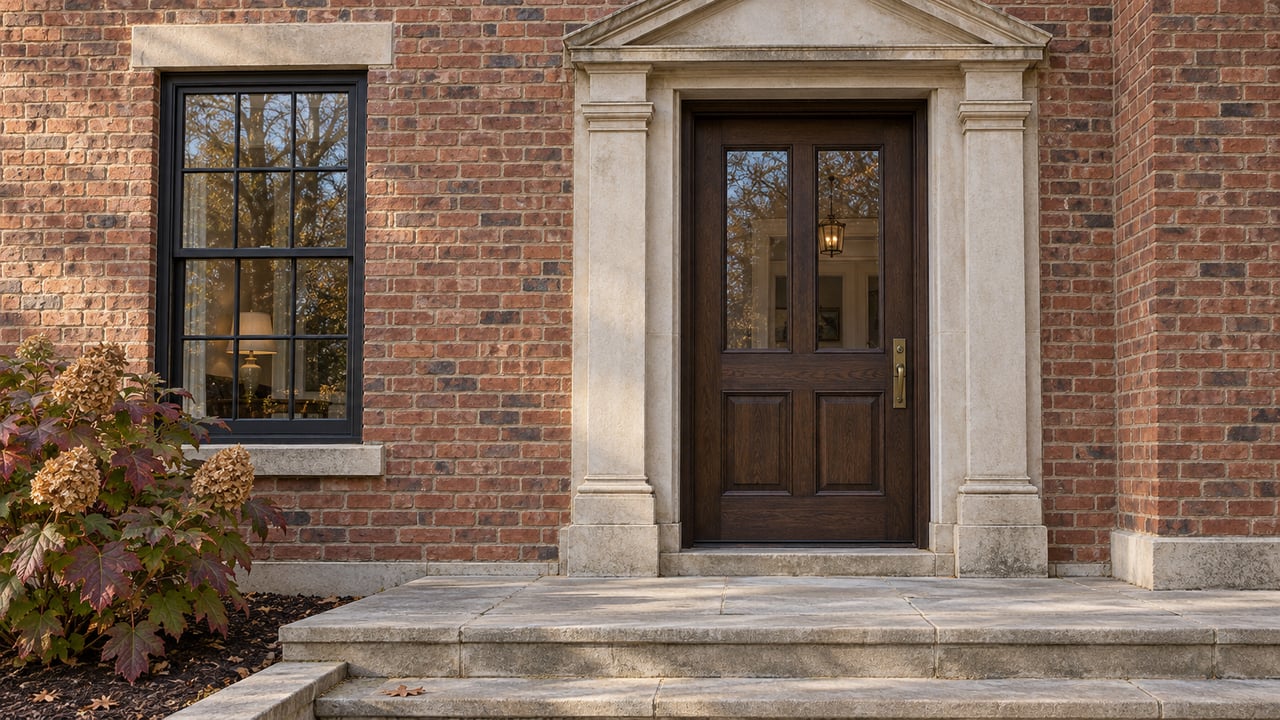
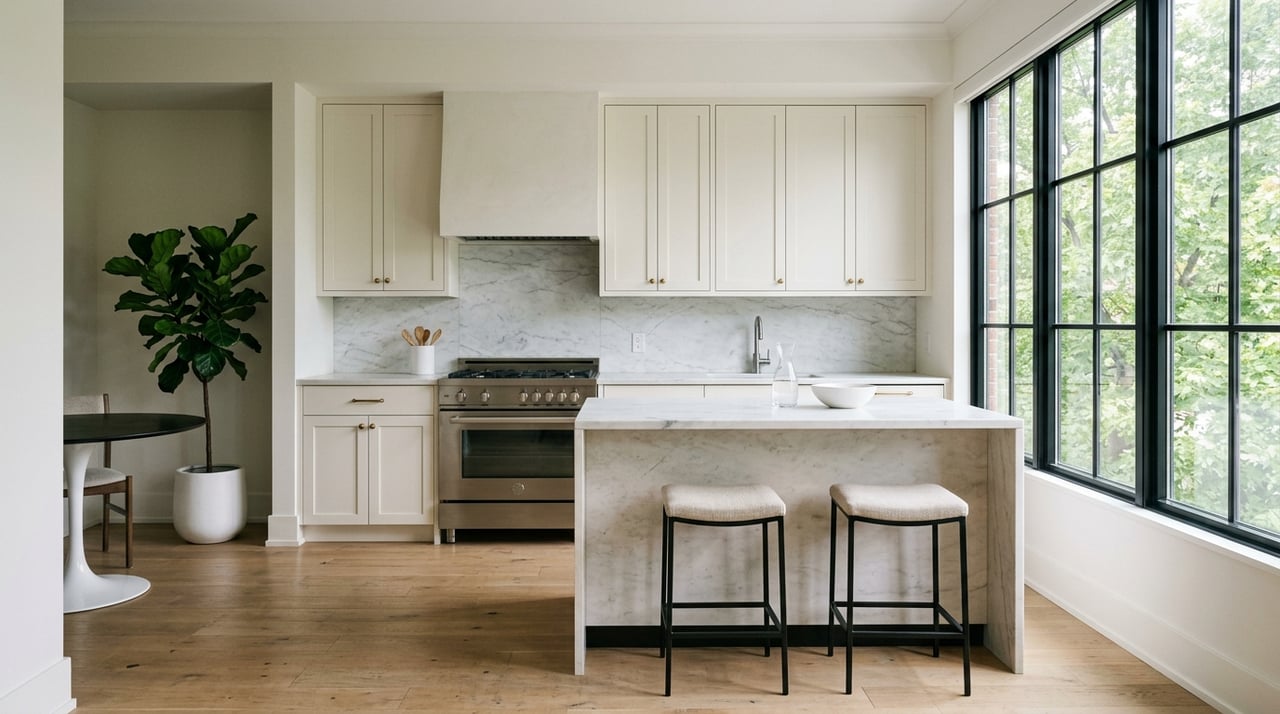
National data supports that approach. The 2024 Cost vs. Value report from Zonda found that smaller, practical projects often outperform major discretionary renovations in return on investment. For example, garage door replacement posted 194% ROI, steel entry door replacement came in at 188%, and a minor kitchen remodel reached 96%.
The NAR remodeling report points in the same direction. It found sellers were most often advised to paint the entire home, paint a single room, and install new roofing. It also showed that buyers have increased their interest in kitchen upgrades, new roofing, and bathroom renovations over the last two years.
Best Updates Before Listing
If you are leaning toward renovating, focus first on work that improves presentation, function, and first impressions.
Consider updates like these:
- Fresh interior paint
- Landscape touch-ups and lawn care
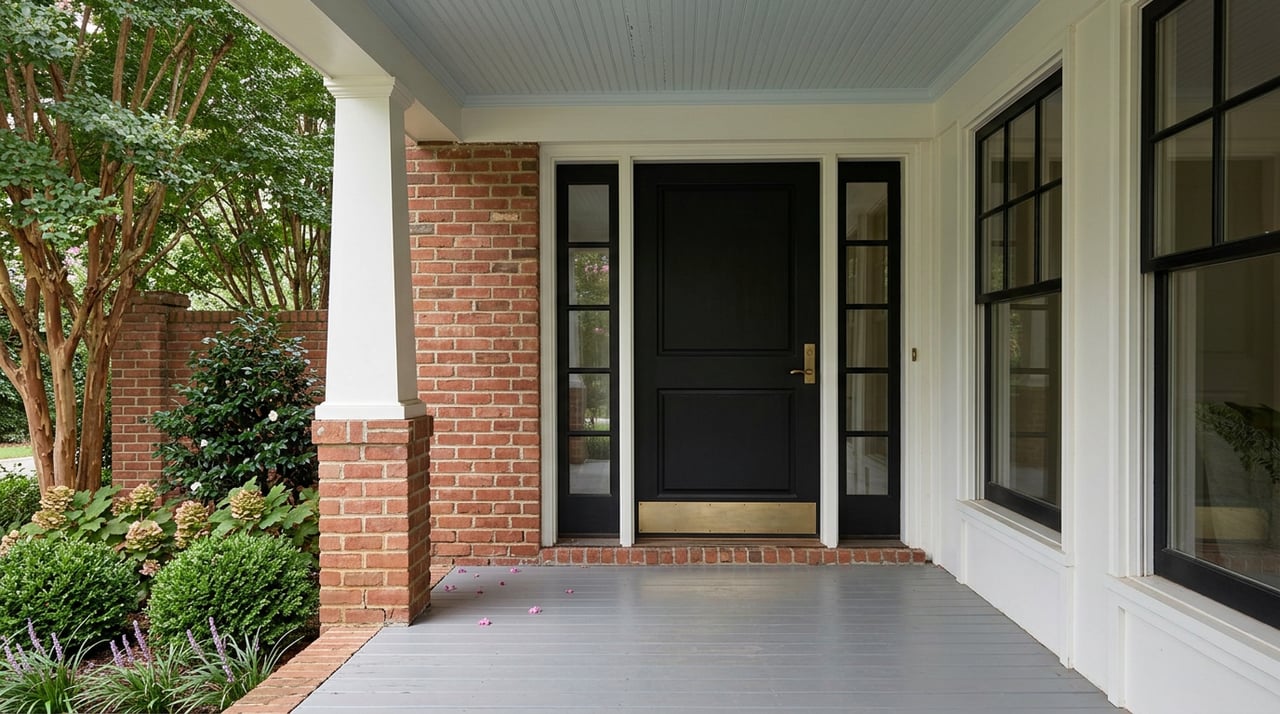
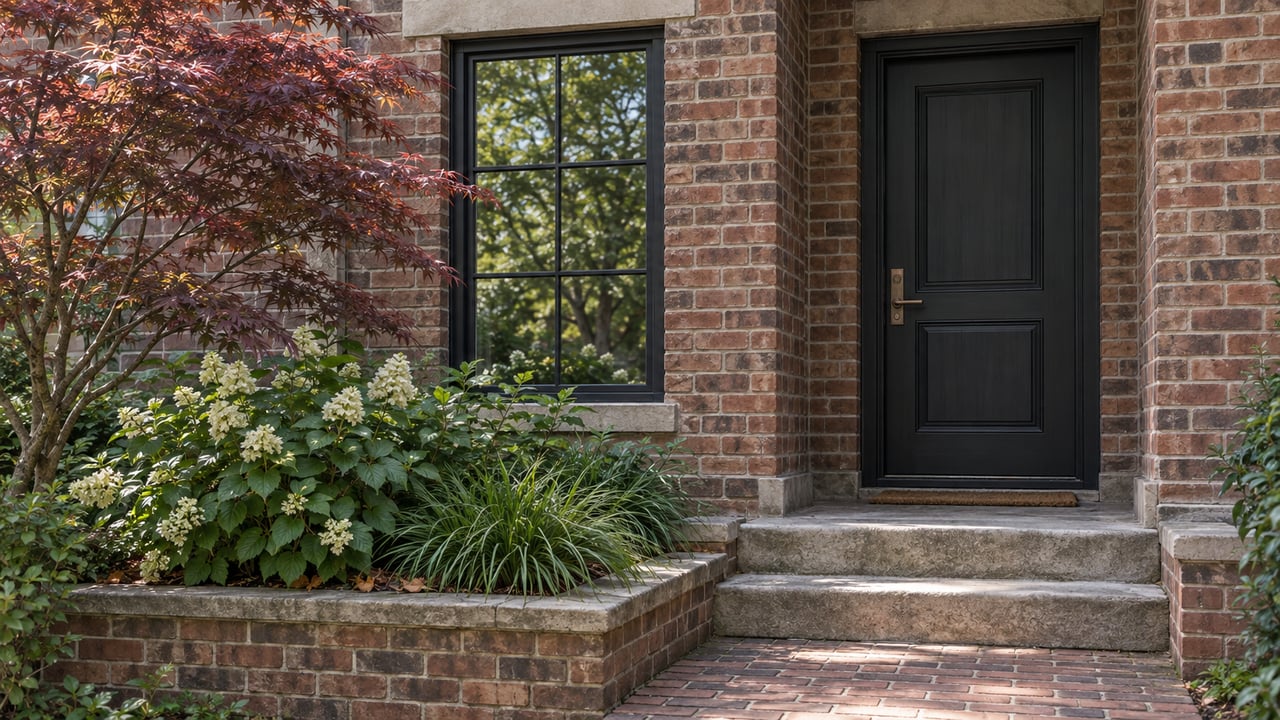
- Front door replacement or refresh
- Garage door replacement
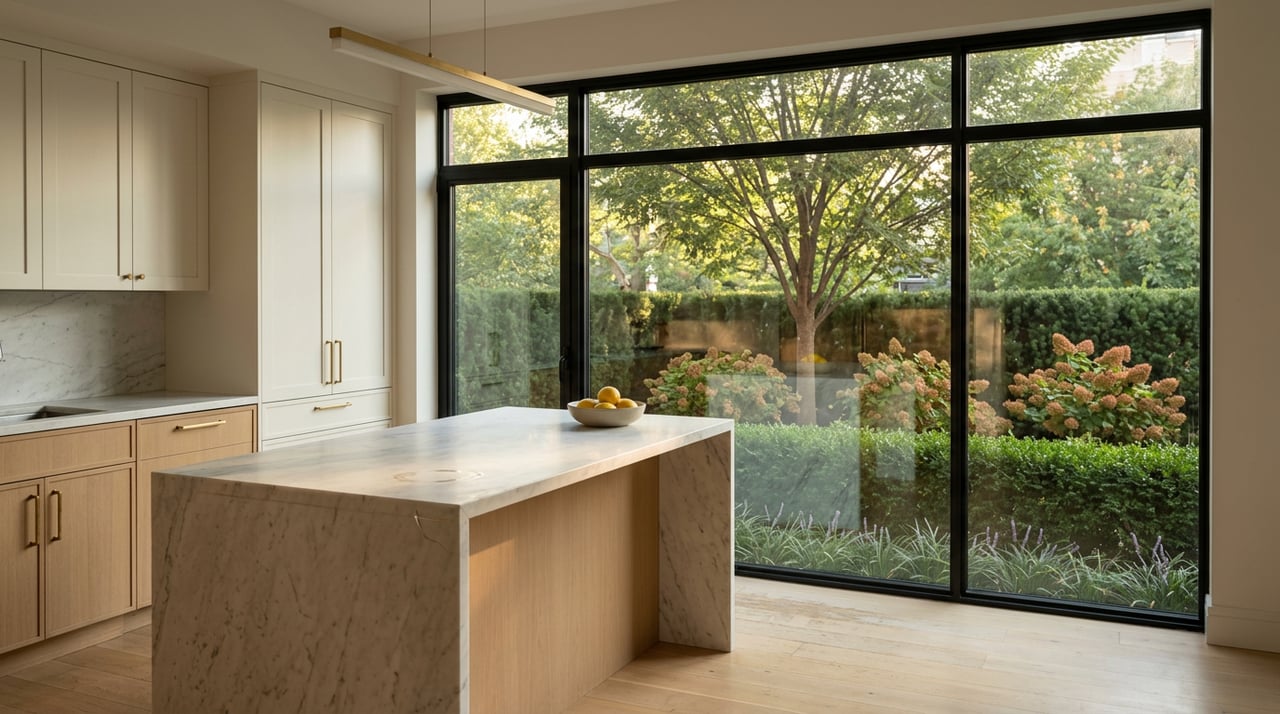
- Minor kitchen improvements
- Light bathroom updates
- Roofing, if needed
- Basic repairs that remove signs of neglect
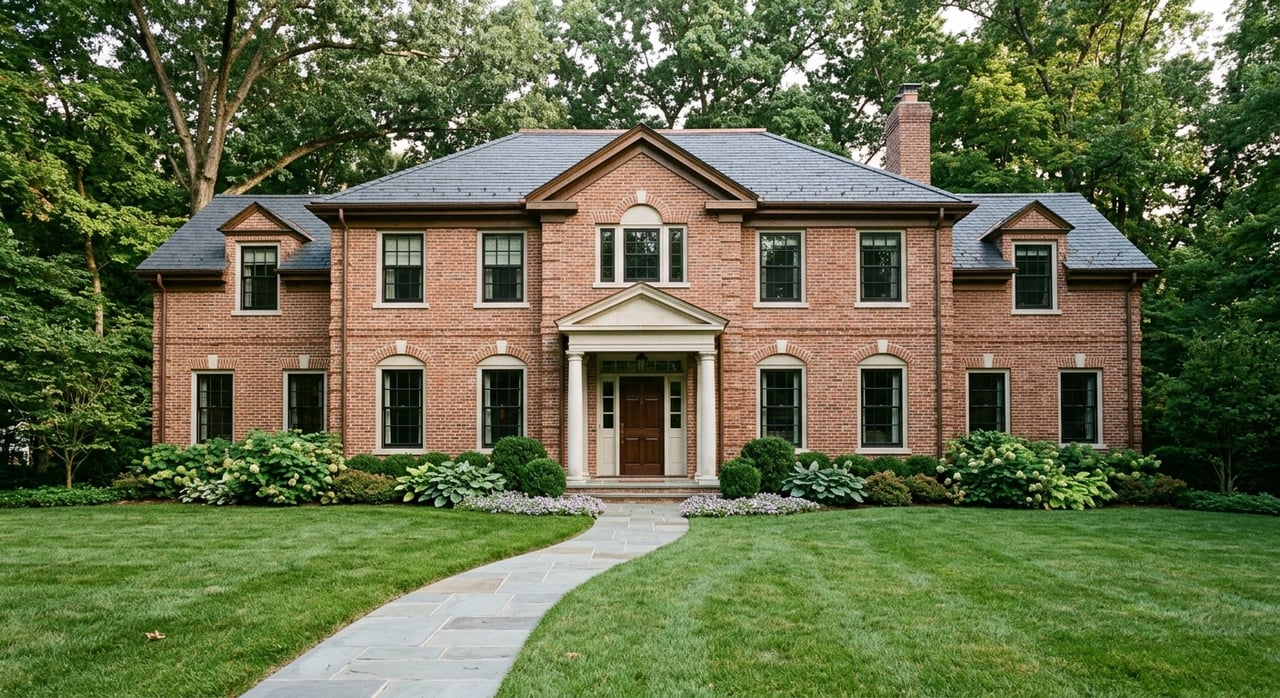
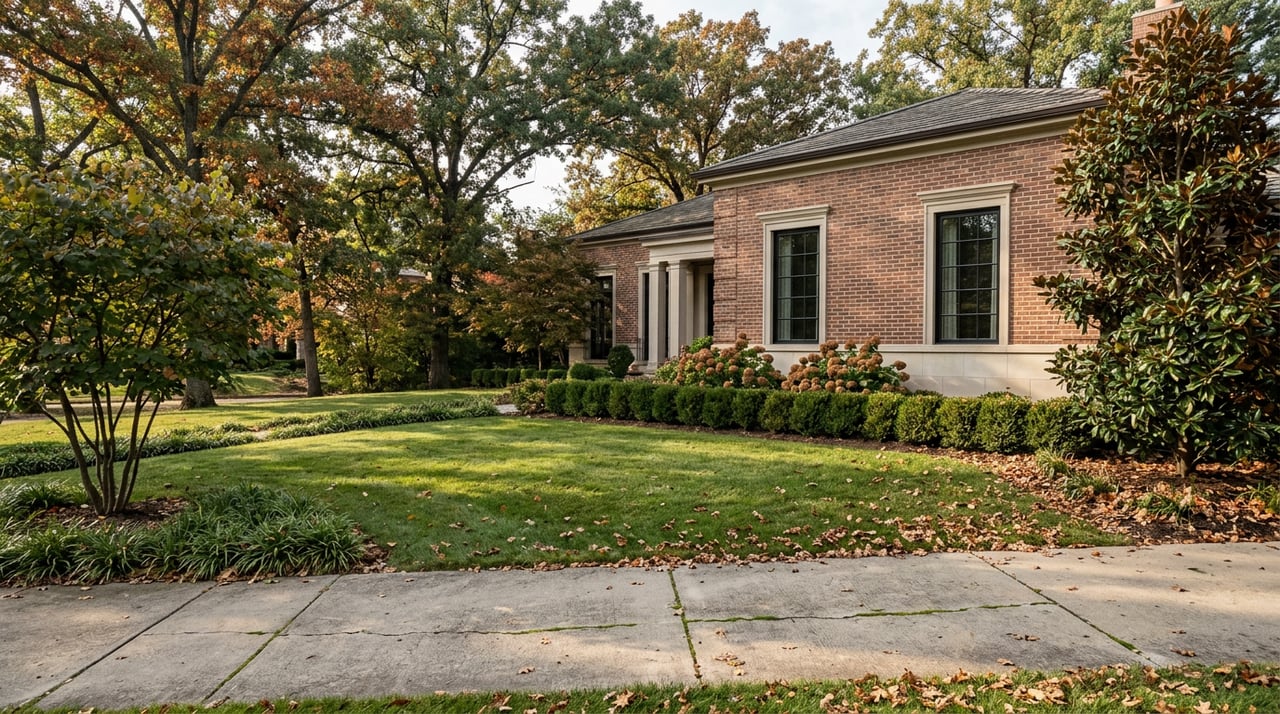
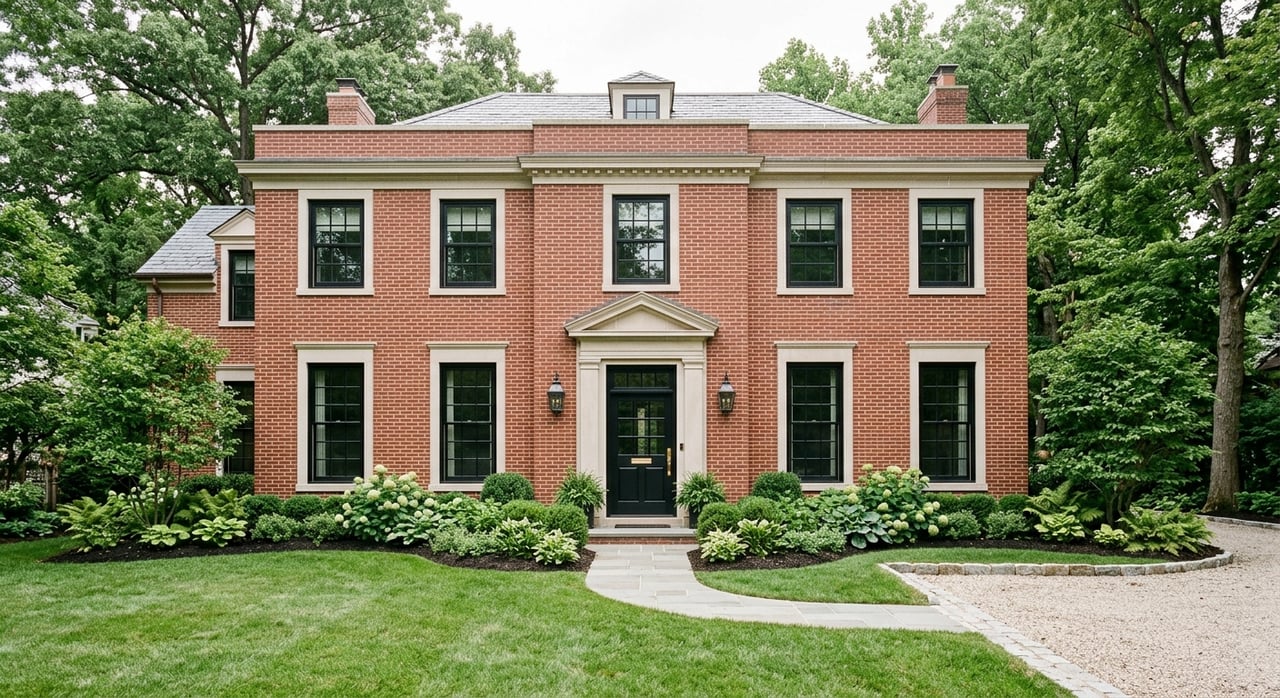
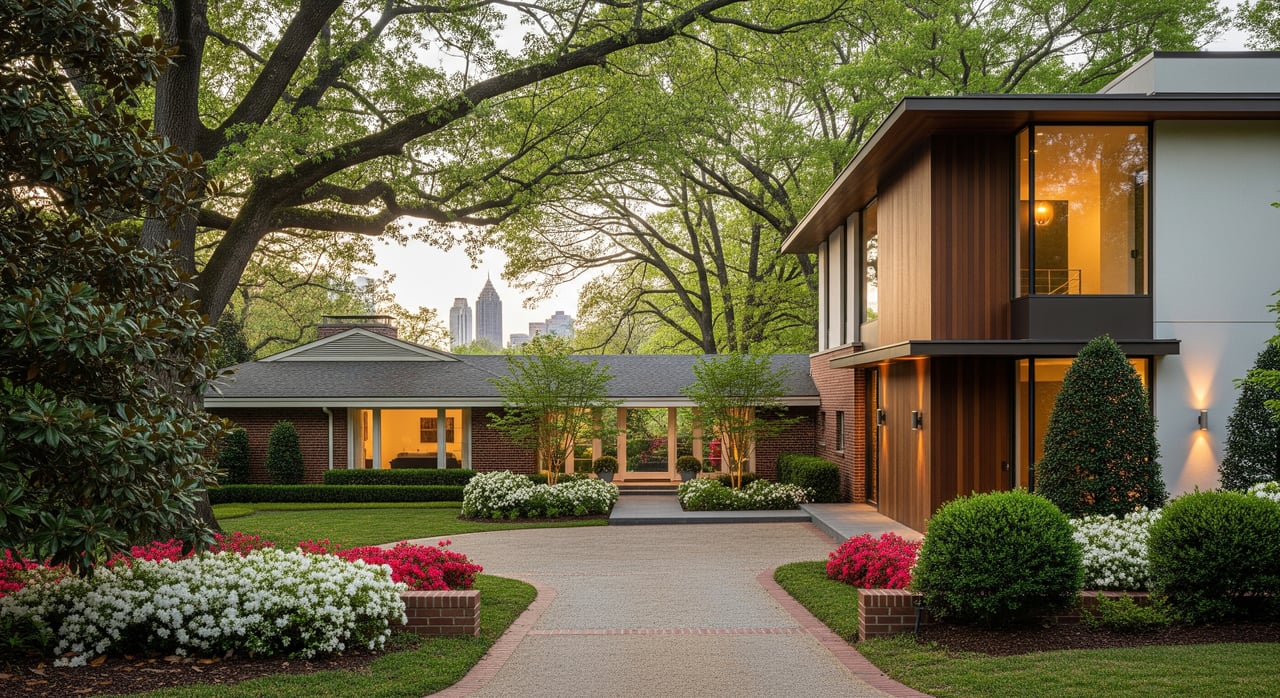
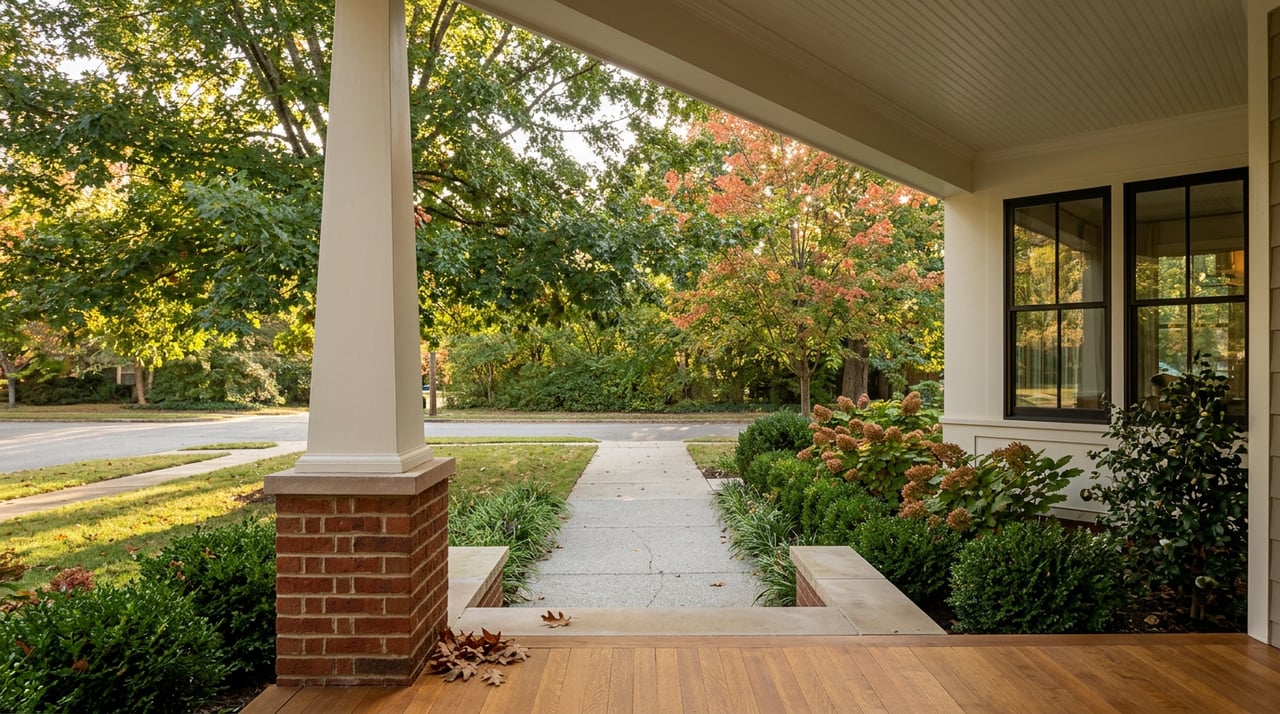
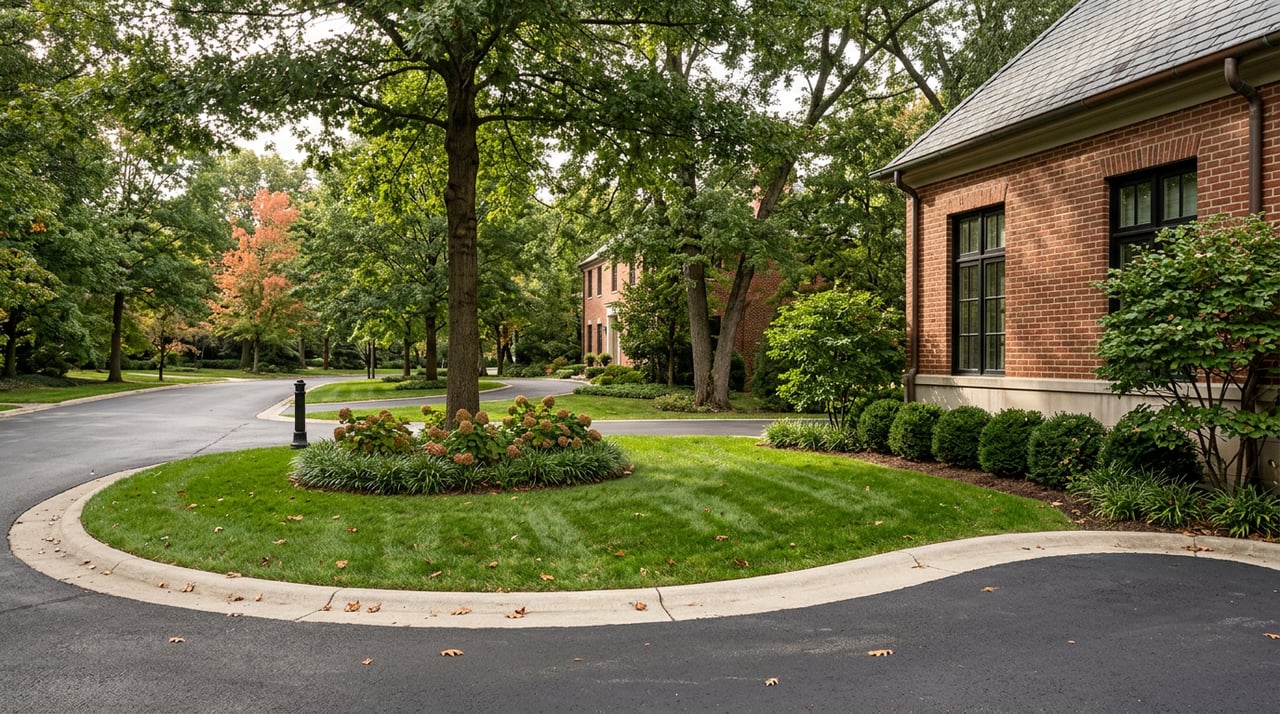
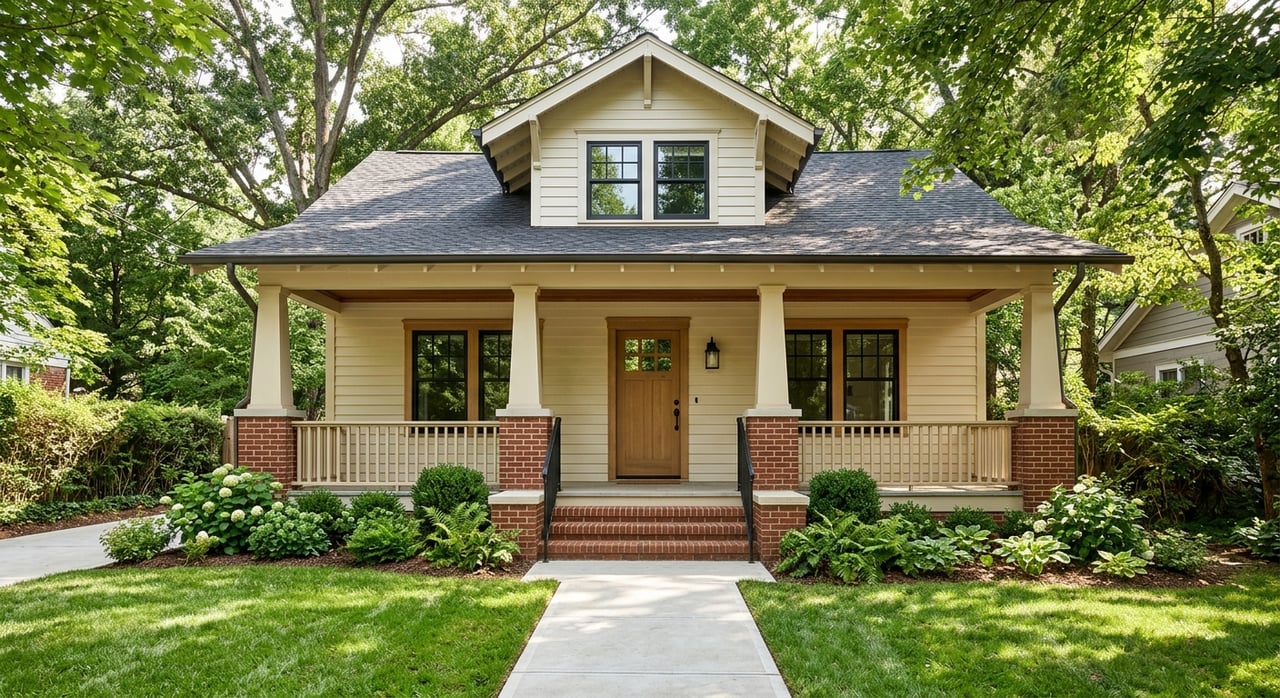
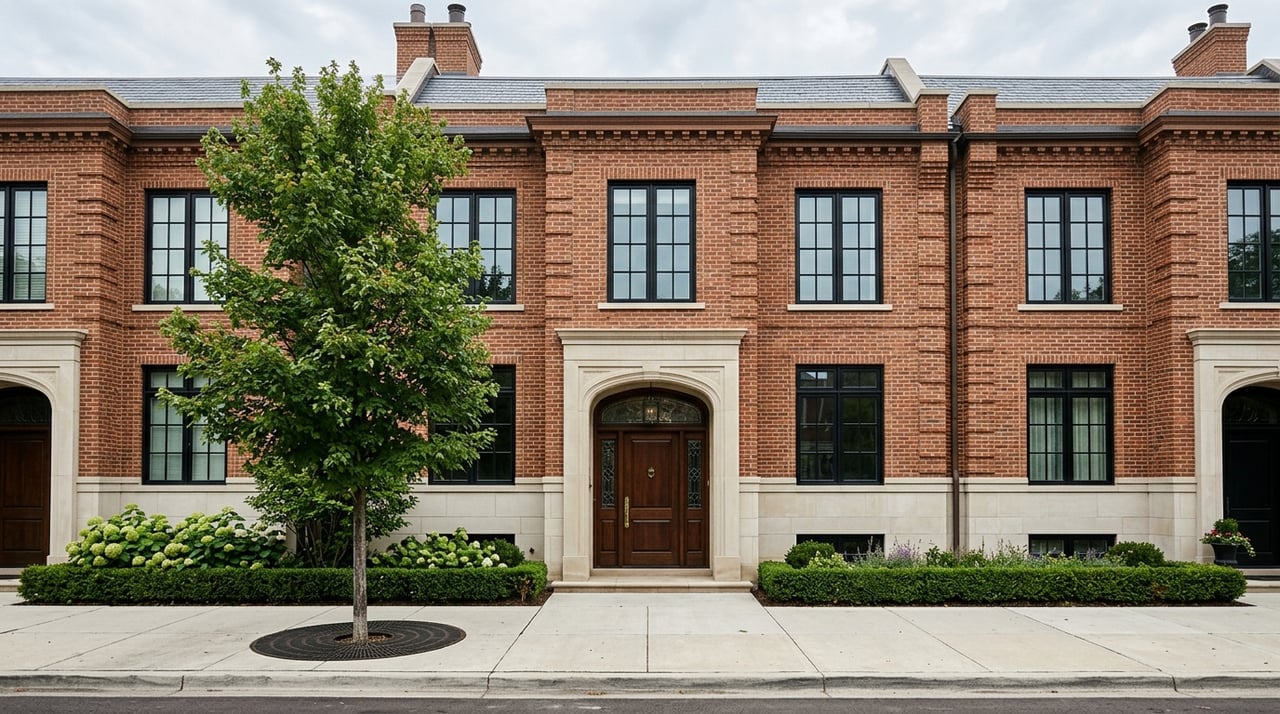
In Buckhead, curb appeal deserves extra attention. According to NAR’s outdoor features report, 97% of members say curb appeal is important to attracting a buyer. That same report estimated 217% recovery for standard lawn care, 104% for landscape maintenance, and 100% for an overall landscape upgrade.
For many sellers, that means you do not need a dramatic transformation. You need a clean, polished launch that helps buyers feel confident the home has been maintained.
When Selling As Is Makes More Sense
Sometimes renovating is not the best financial move. If your home needs more than cosmetic work, you should take a hard look at whether pre-list spending will truly raise your final net.
Selling as is may be the better choice if your home needs:
- Multiple system updates
- Major kitchen or bath work
- Layout changes
- Extensive deferred maintenance
- More investment than the market is likely to reward
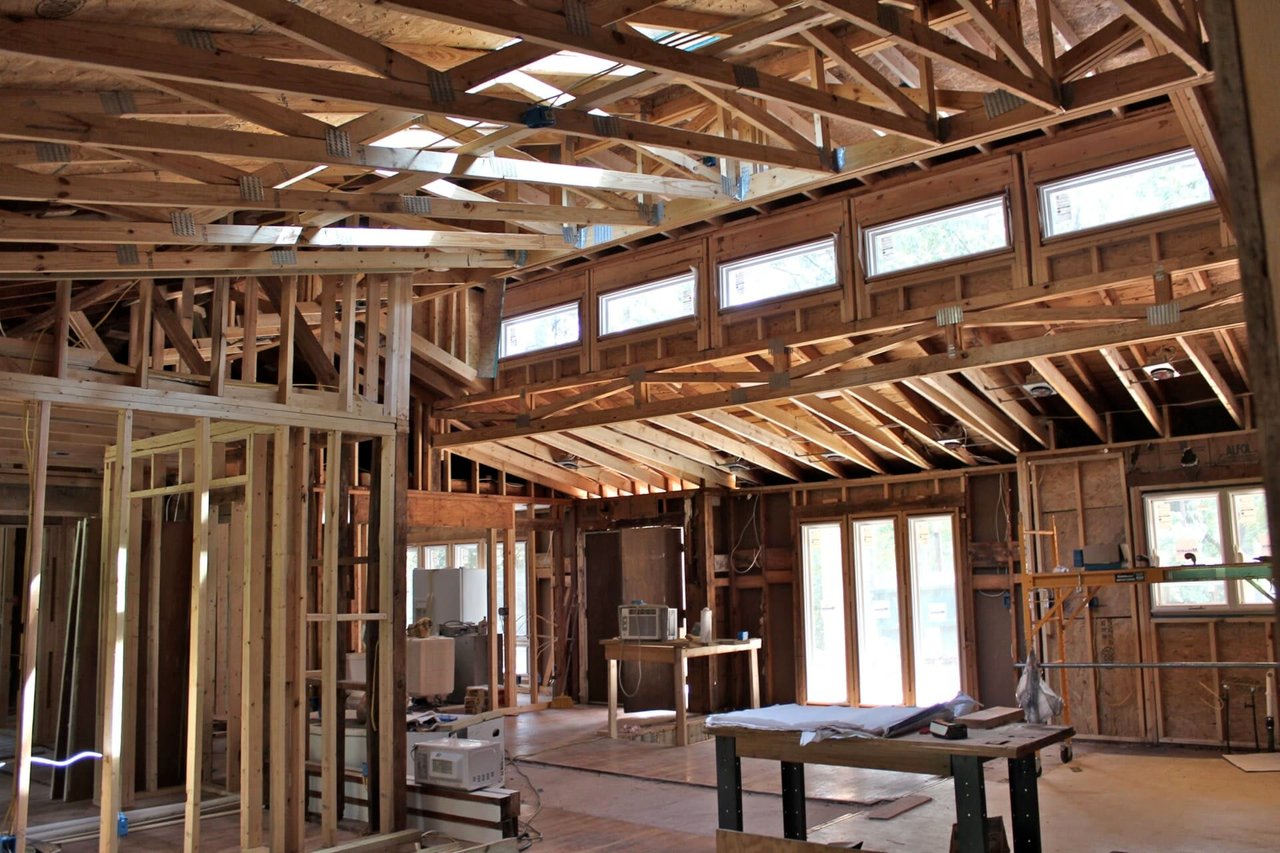
This can be especially relevant in slower Buckhead submarkets. For example, recent market snapshots showed 171 median days on market in West Paces Ferry and 144 in Peachtree Hills. In settings like these, pouring money into a partial renovation may still leave the home below buyer expectations, while pricing honestly for condition can attract the right buyer more efficiently.
That does not mean doing nothing. Even an as-is listing should still be prepared thoughtfully. Cleanliness, touch-up paint, basic landscaping, and light staging can all help your home show better without crossing into a full renovation budget.
The Middle Ground Often Wins
For many Buckhead sellers, the best answer is neither a full renovation nor a true hands-off as-is sale. It is a smart middle path.
A practical rule of thumb from the research is this: if your home has strong bones and only looks dated, targeted prep usually beats a full remodel. But if it has several functional issues, you should compare the cost of bringing it up to market standard against an as-is pricing adjustment.
That middle-ground strategy might include:
- Decluttering n- Deep cleaning
- Fresh paint
- Minor handyman repairs
- Landscape refresh
- Select lighting or hardware updates
- Staging key rooms
This kind of prep can help your home feel intentional and well-positioned without overspending on choices a future buyer may want to make for themselves.
Staging Still Matters
If you decide not to renovate, staging and presentation still matter. Buyers make fast judgments, and a home that feels crowded, dated, or neglected can lose momentum quickly.
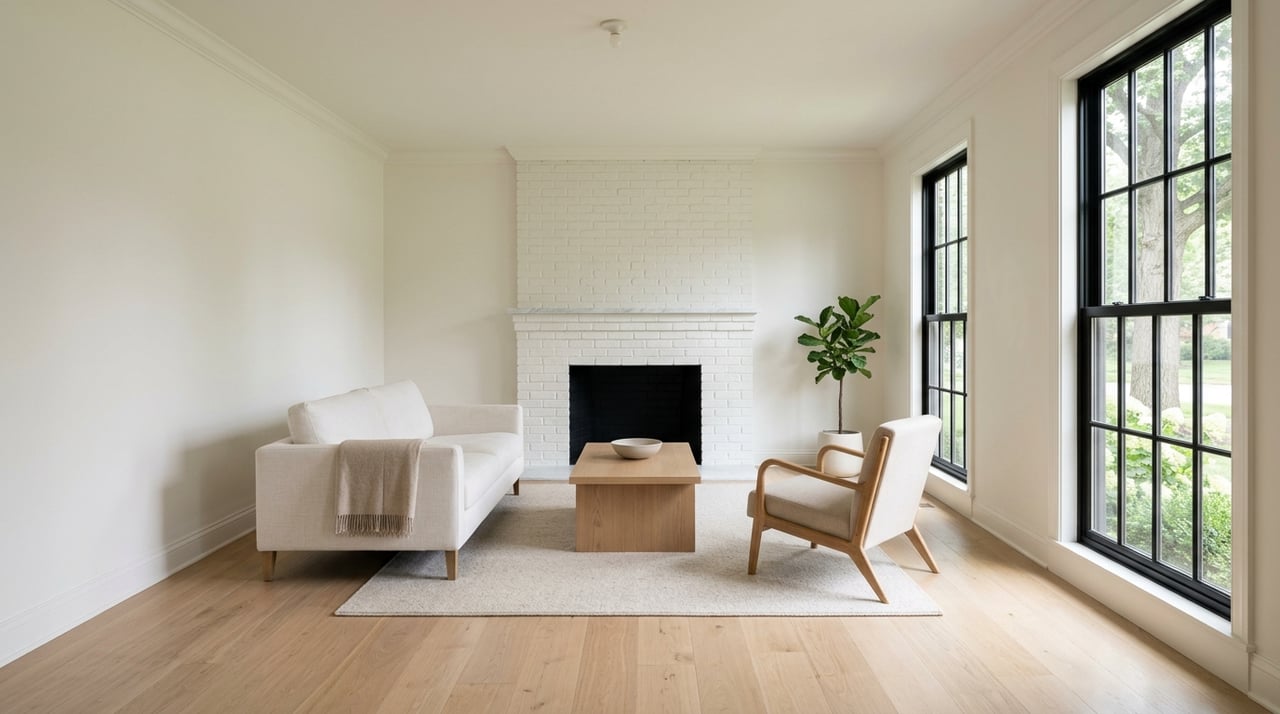
In NAR’s 2025 staging profile coverage, 83% of buyers’ agents said staging made it easier for buyers to visualize the home as a future home. Another 29% said staging increased the dollar value offered by 1% to 10%.
Even when full staging is not part of the plan, decluttering and correcting visible property faults are still widely recommended. In a market like Buckhead, where buyers are comparing finishes, layout, and overall presentation carefully, that extra effort can make a meaningful difference.
How To Decide What Your Home Needs
If you are weighing renovate versus sell as is, ask yourself a few simple questions:
What does my immediate area expect?
A home in Tuxedo Park may face a different finish standard than a home in Garden Hills or North Buckhead. Start with your direct competition, not broad Buckhead averages.
Are the issues cosmetic or functional?
Cosmetic issues like old paint colors, worn hardware, and dated light fixtures are often worth addressing. Functional issues like aging systems, major bath or kitchen deficiencies, or layout problems require a deeper cost-benefit review.
Will the updates match buyer expectations?
A partial renovation can backfire if it leaves the home feeling uneven. If buyers in your submarket expect a more complete level of finish, pricing for condition may be the cleaner strategy.
What matters more to you: speed, convenience, or top dollar?
Some sellers want the highest possible price and are willing to prepare the home carefully. Others want a simpler path with fewer moving parts. The right answer depends on your priorities as much as the market data.
A Smart Seller Strategy For Buckhead
In today’s Buckhead market, condition matters, but overspending is not the answer. The strongest approach is usually a strategic one: understand your micro-market, identify which improvements buyers are likely to value, and avoid pouring money into projects that may not come back at closing.
That is where local guidance can make a real difference. A seller-focused plan should balance market timing, neighborhood expectations, likely buyer response, and your target net. If you are preparing to sell in Buckhead and want a clear plan for whether to renovate, lightly refresh, or list as is, Molly Carter Gaines can help you build a strategy around your home, your timeline, and your goals.
FAQs
Should I renovate before selling a home in Buckhead?
- It depends on your sub-neighborhood, your home’s condition, and buyer expectations. If your home has good bones and mainly cosmetic issues, targeted updates may be the better move.
Is selling a Buckhead home as is a bad idea?
- No. Selling as is can make sense when a home needs major work and the cost of renovations may not be justified by the market.
What updates give Buckhead sellers the best return?
- Research points to practical improvements like paint, landscaping, front door updates, garage door replacement, and minor kitchen improvements as stronger return projects than many large remodels.
Does staging help when selling a Buckhead home as is?
- Yes. Staging, decluttering, and correcting visible flaws can help buyers connect with the home and may improve both offers and time on market.
Do Buckhead neighborhoods have different buyer expectations?
- Yes. Buckhead includes many distinct sub-neighborhoods, and pricing, pace, and finish expectations can vary significantly from one area to another.