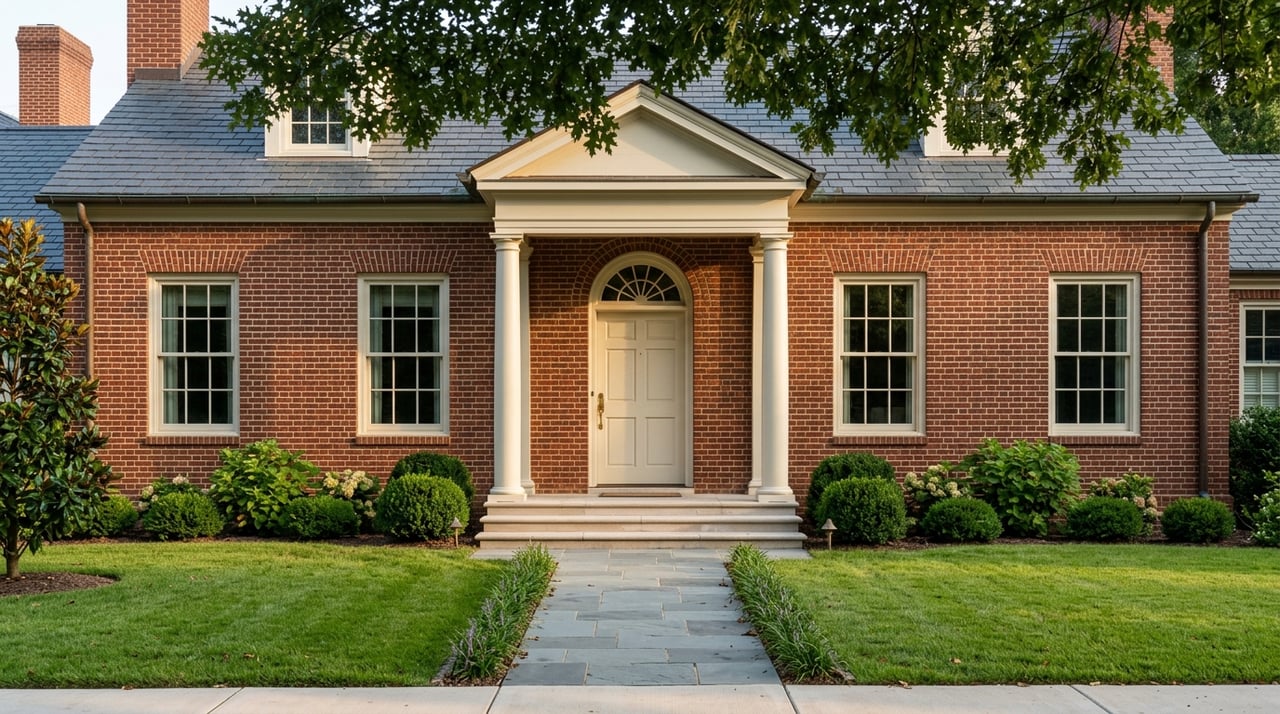
Wondering why one beautifully updated Druid Hills home commands immediate attention while another sits longer than expected? In this neighborhood, pricing is rarely about square footage alone. If you are preparing to sell a historic home in Druid Hills, you need to understand how architecture, lot setting, preservation rules, and current market conditions all work together. Let’s dive in.
Why Druid Hills pricing is different
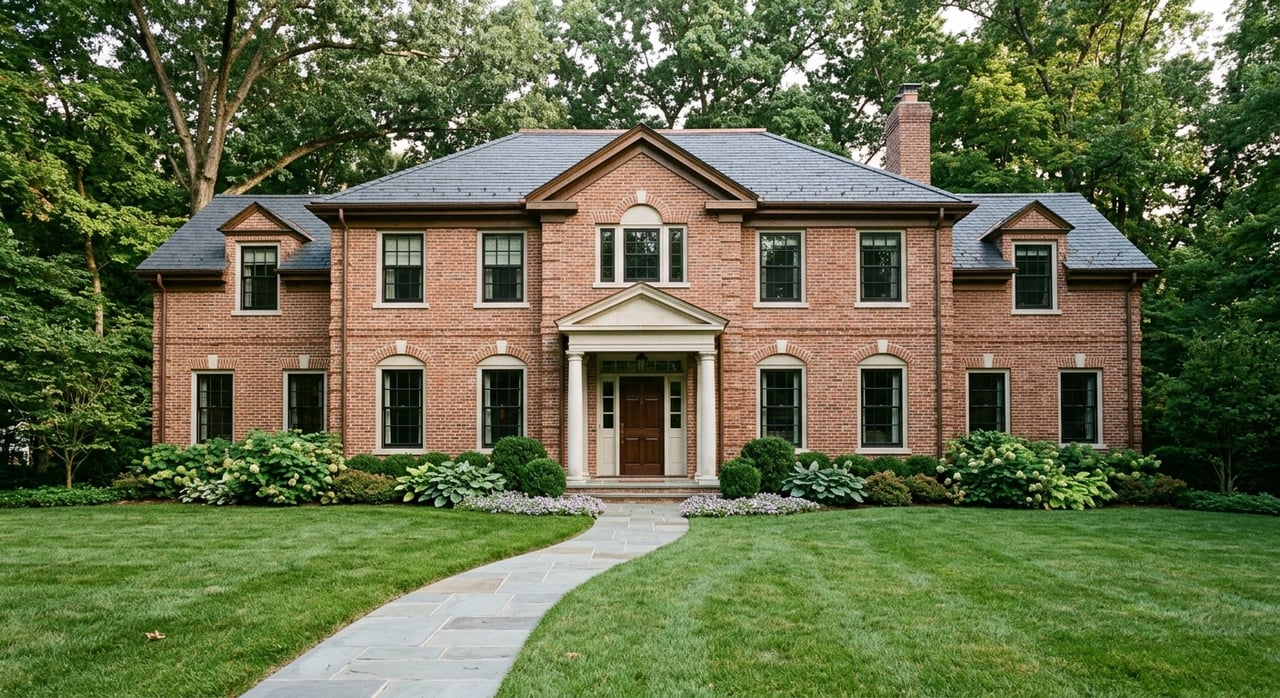
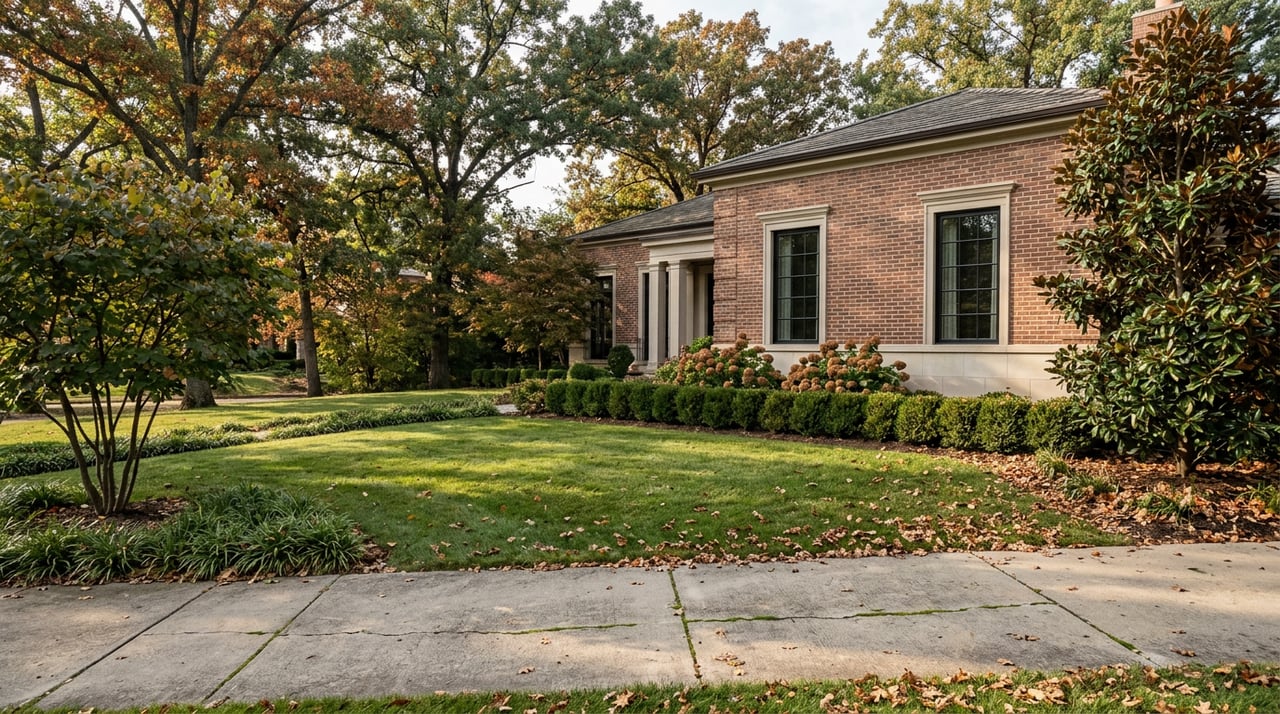
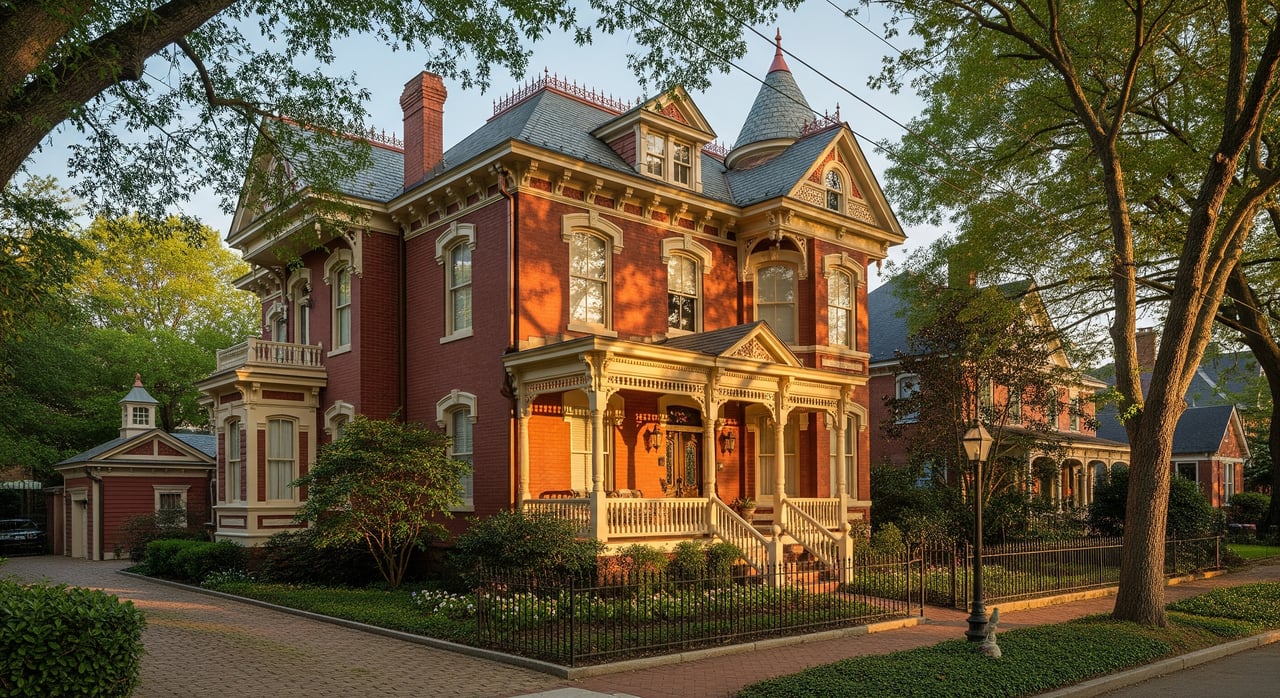
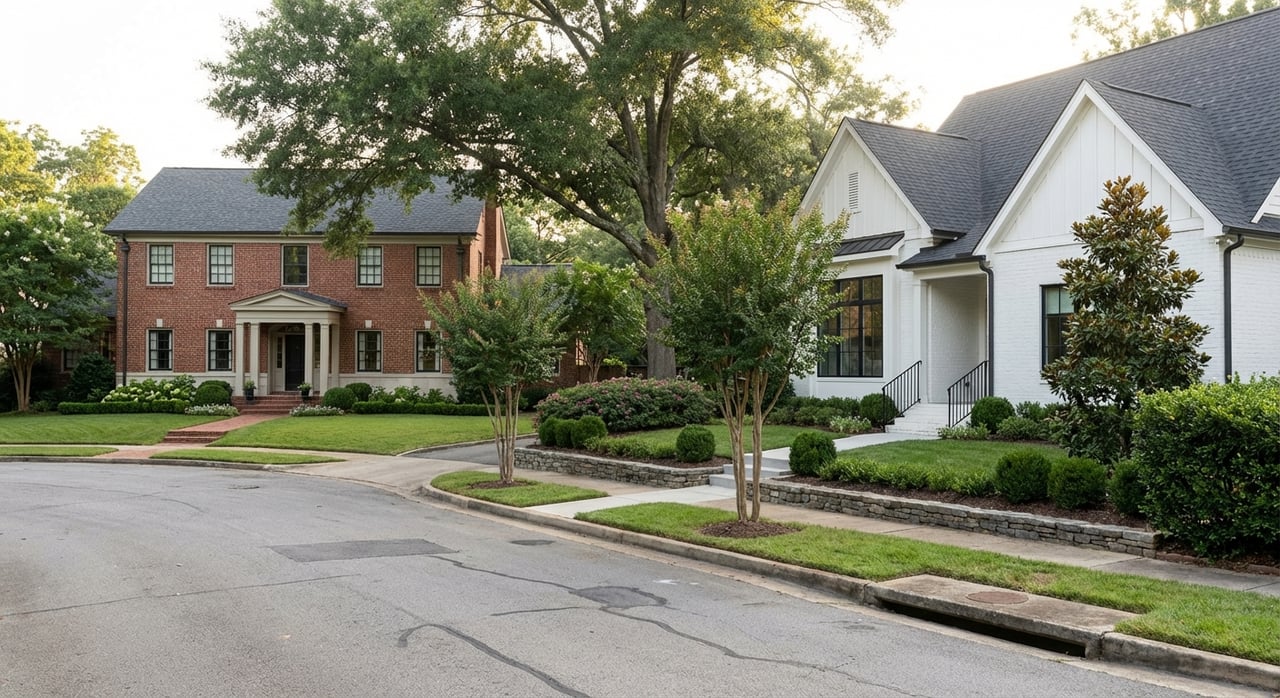
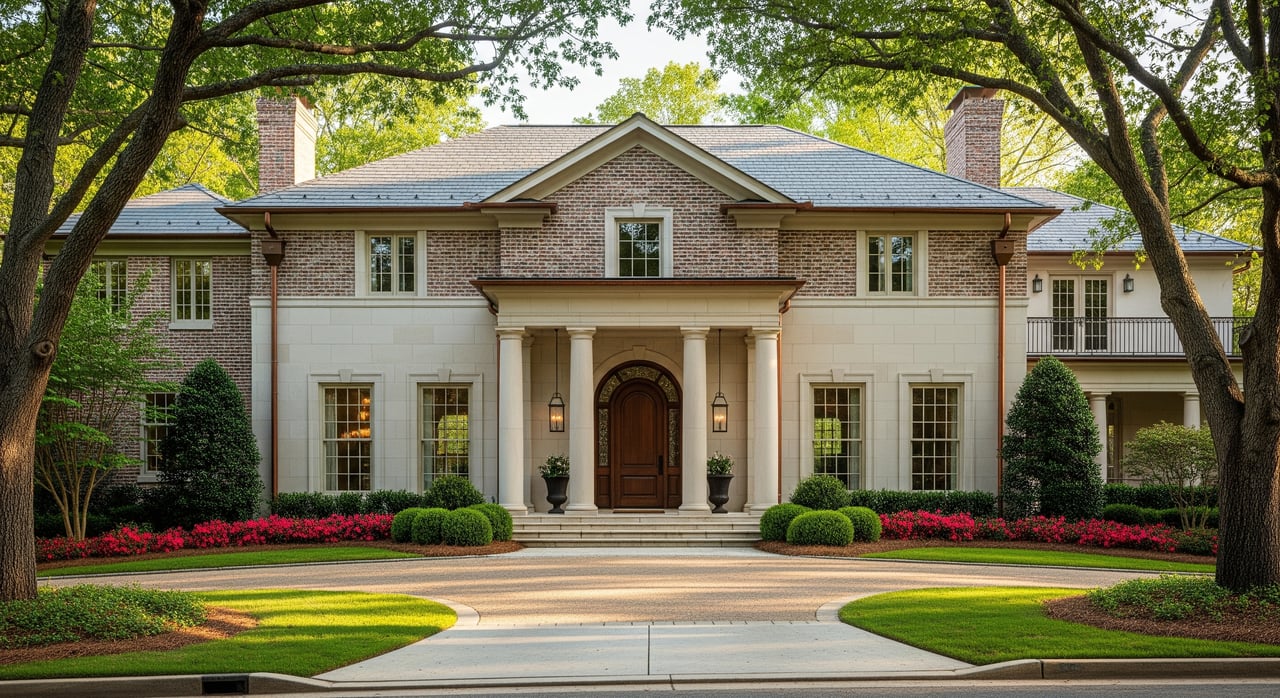
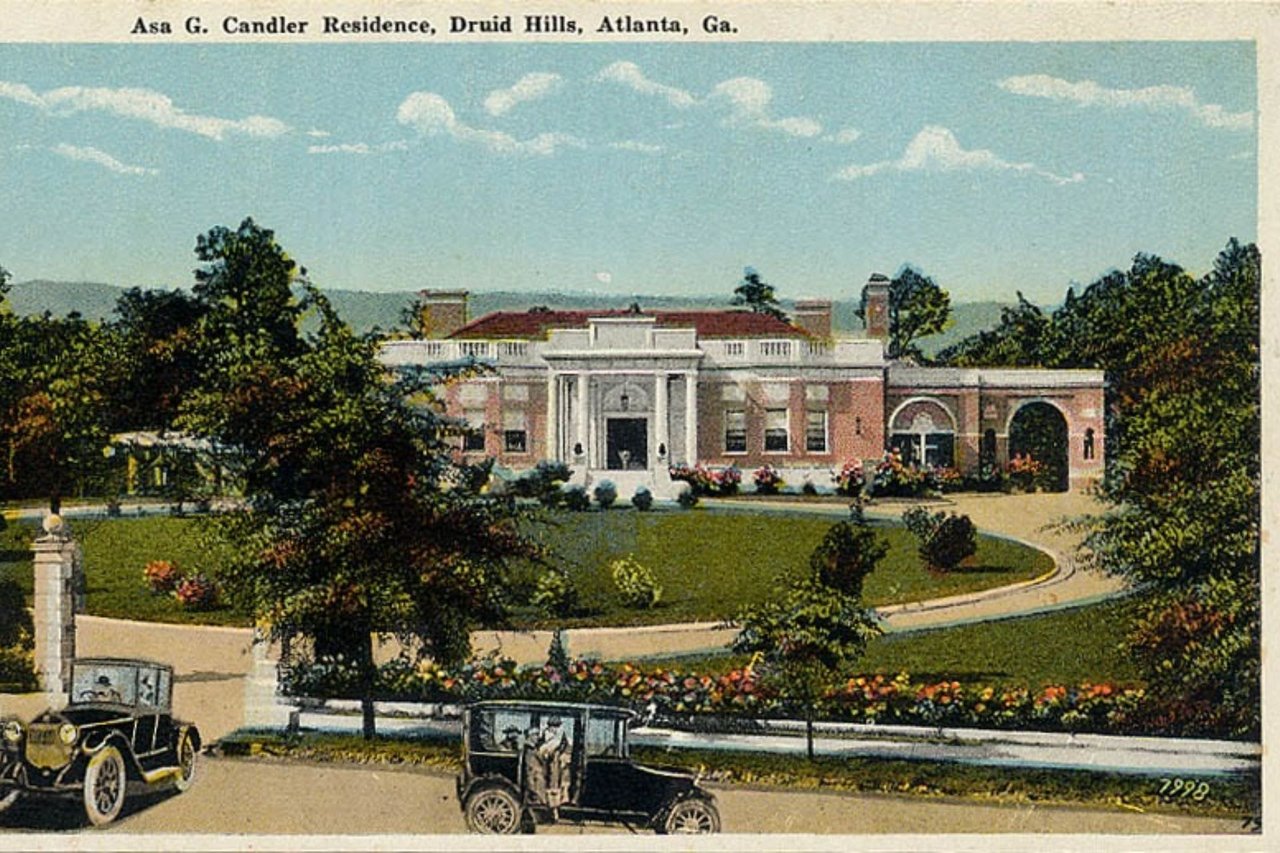
Druid Hills is not a typical Intown Atlanta neighborhood. It was conceived as a picturesque suburban community, and the area is known for curving roads, parkland, deep setbacks, and large residential lots within a historic district of roughly 1,300 acres. That means buyers are often paying for the full setting of a property, not just the house itself.
In practical terms, two homes with similar square footage can land at very different values. A home with a stronger site plan, mature landscape, and more intact architectural character may command more interest than a larger home with less harmony between the house and its setting. In Druid Hills, the land and the experience of the property matter.
The neighborhood also includes more than one regulatory framework. Some parcels fall within the City of Atlanta’s Druid Hills Landmark District, while others are in DeKalb County’s Druid Hills Historic District. That distinction matters because similar homes may face different approval paths, timelines, and review requirements for exterior work.
Historic status affects price
Historic status does not automatically raise or lower value. Instead, it changes how buyers evaluate opportunity, risk, and future cost. That is why pricing a historic Druid Hills home takes more nuance than applying a standard price-per-square-foot formula.
A 2025 Atlanta-focused study found that National Register listing was associated with higher property values, while the effects of local historic designation were more mixed after overlapping designations were considered. The same study also found that local designation was associated with more permitted renovations and less new construction and subdivision. The takeaway is simple: historic status can support value, but it is not a blanket premium.
What buyers usually respond to most is clarity. If your home has preserved character, a strong lot, and updates that feel consistent with the district, that can boost confidence. If the property has deferred maintenance, unclear renovation pathways, or design choices that may complicate future work, buyers may price in that uncertainty.
Architecture matters as much as updates
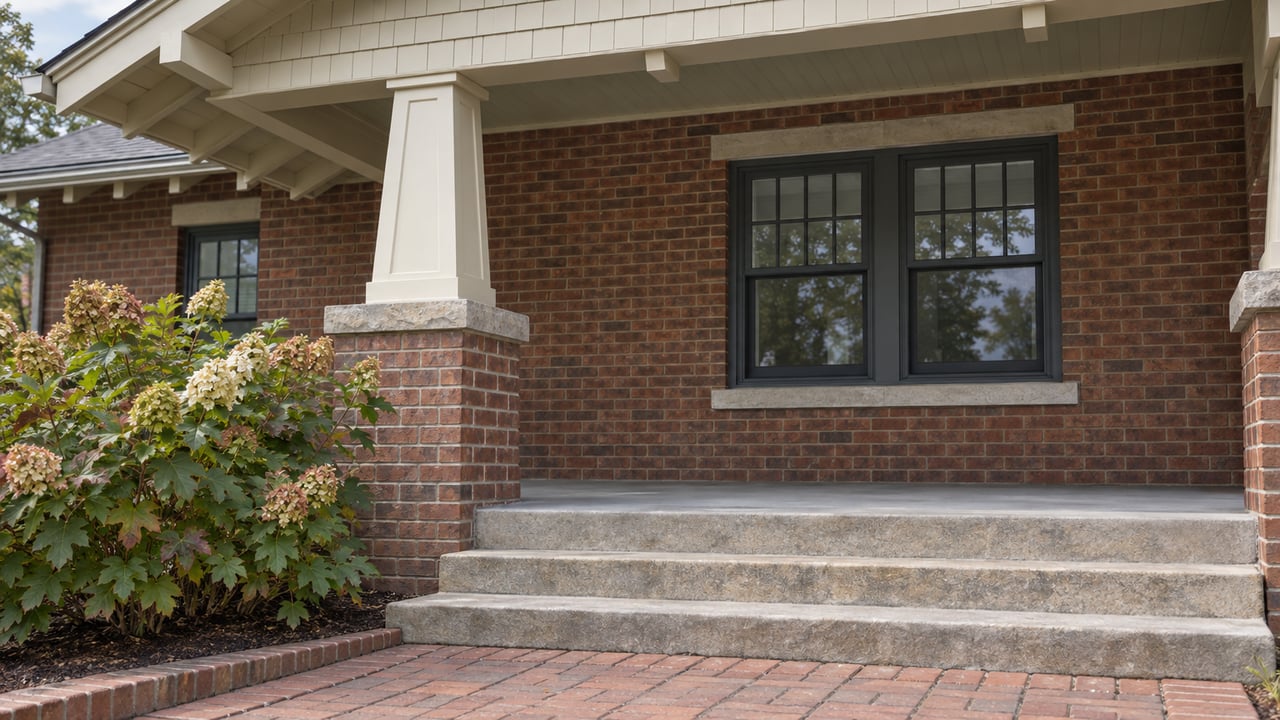
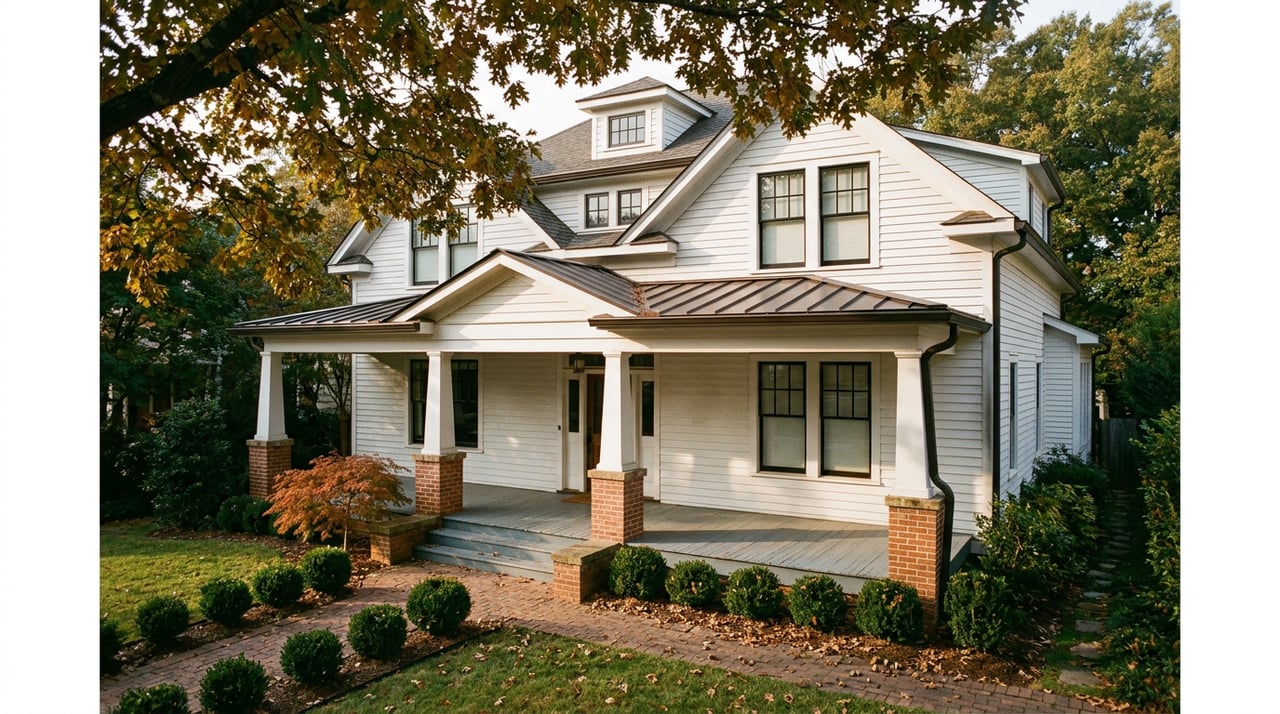
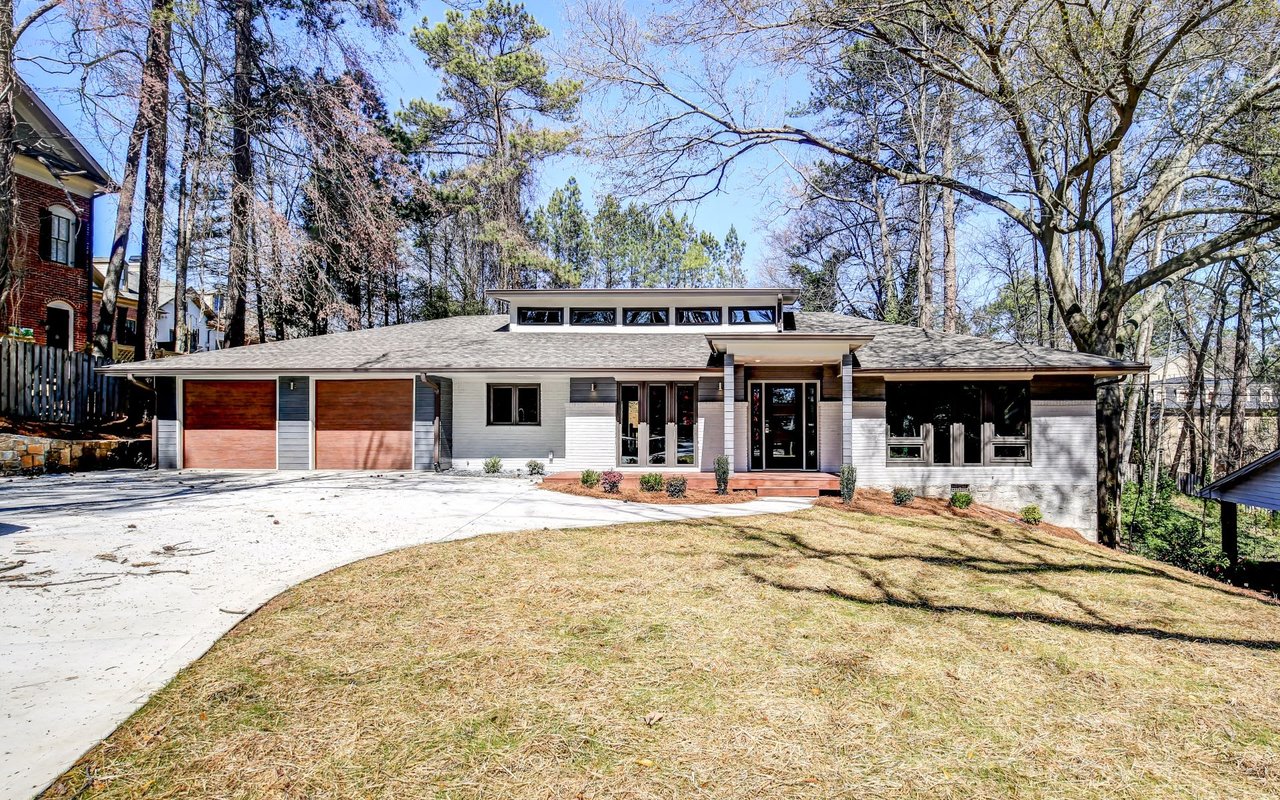
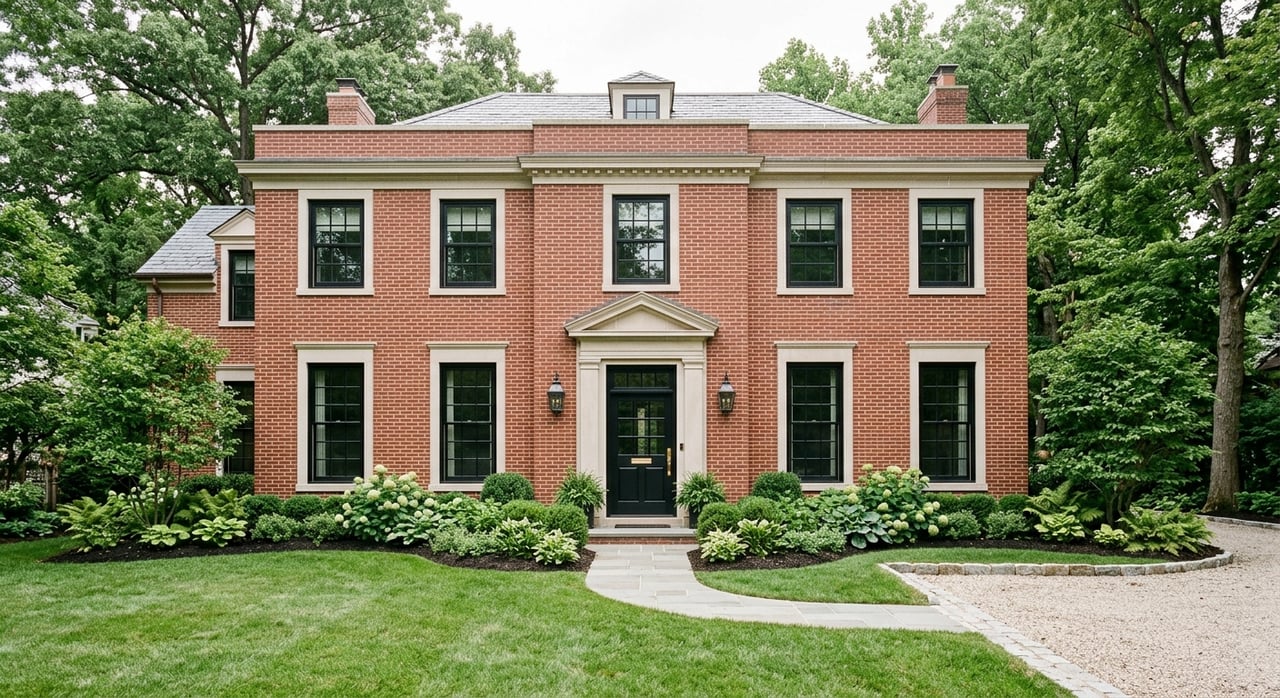
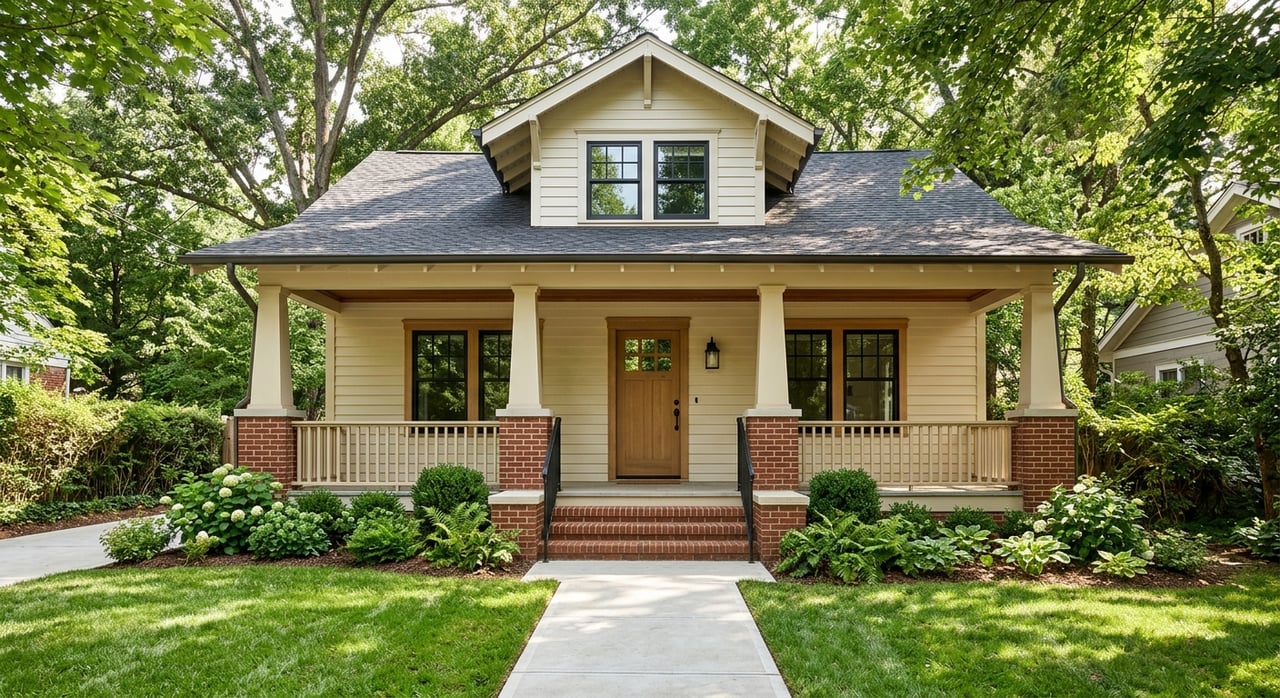
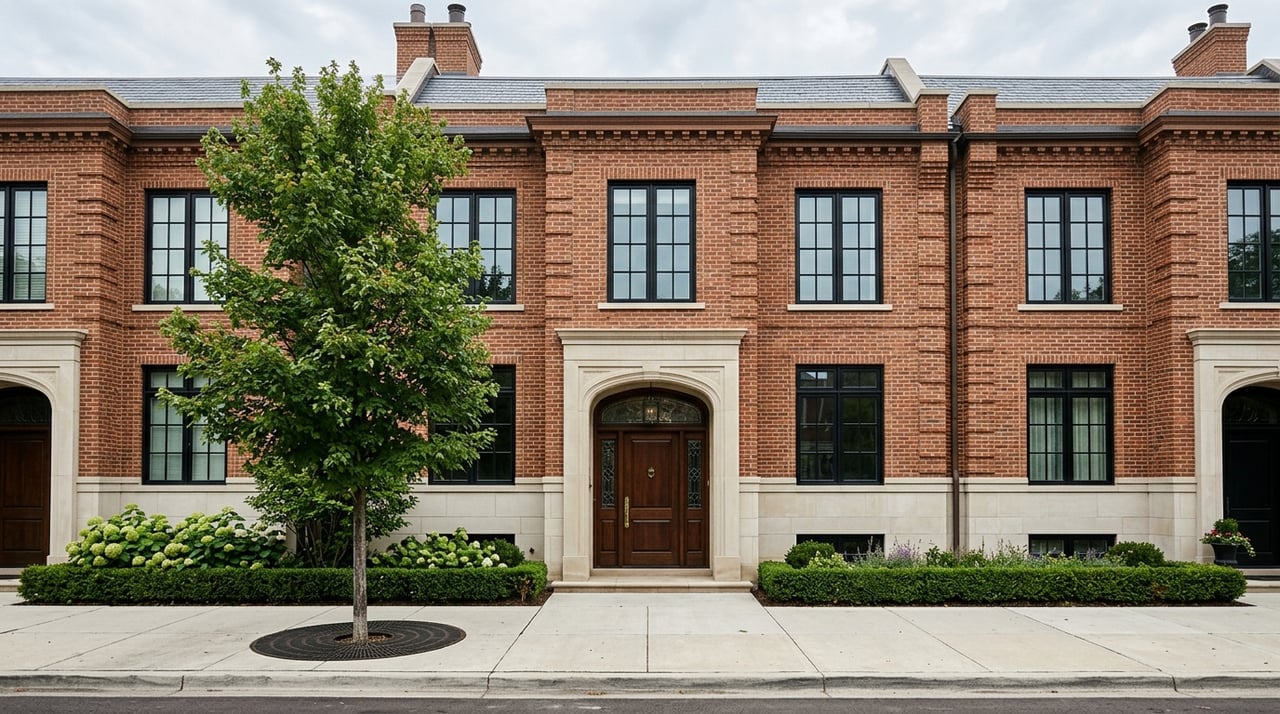
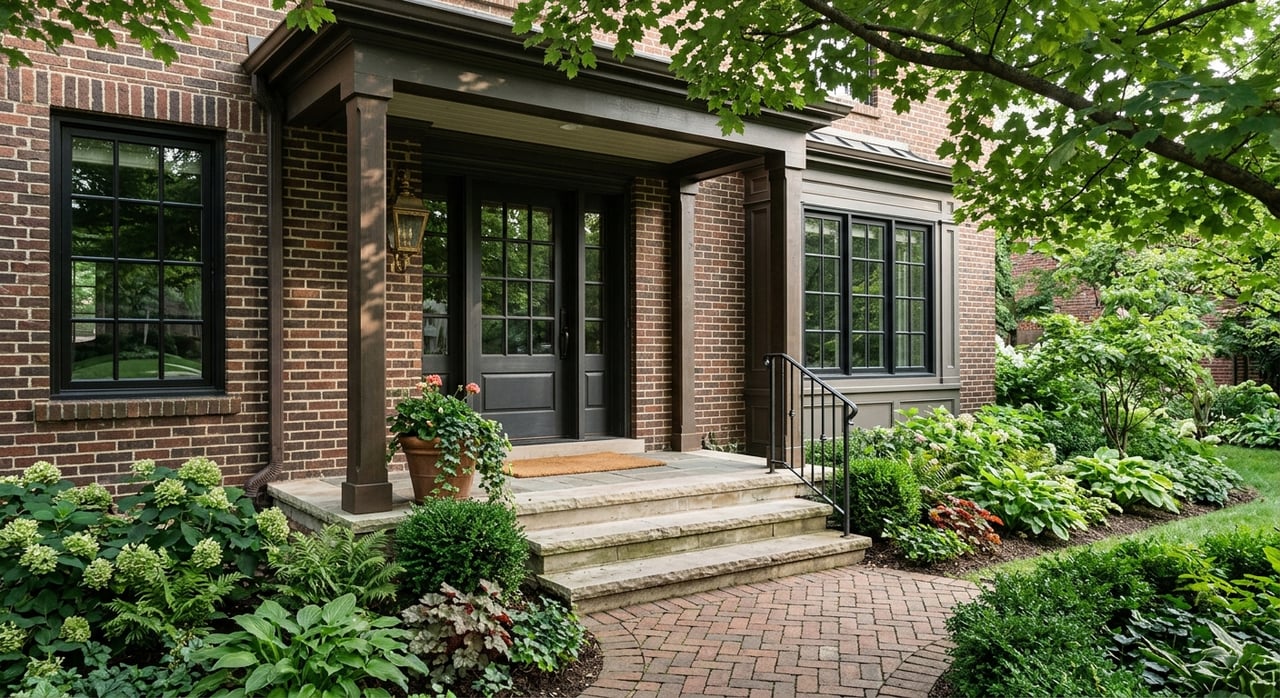
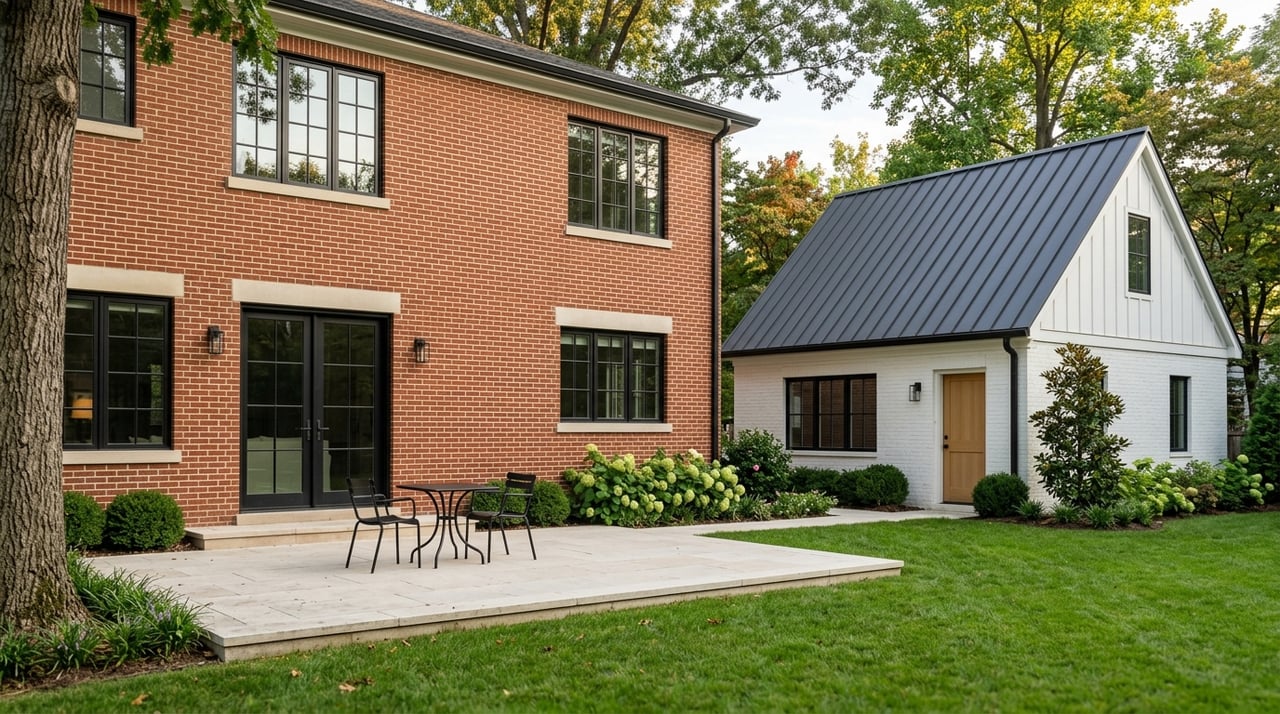
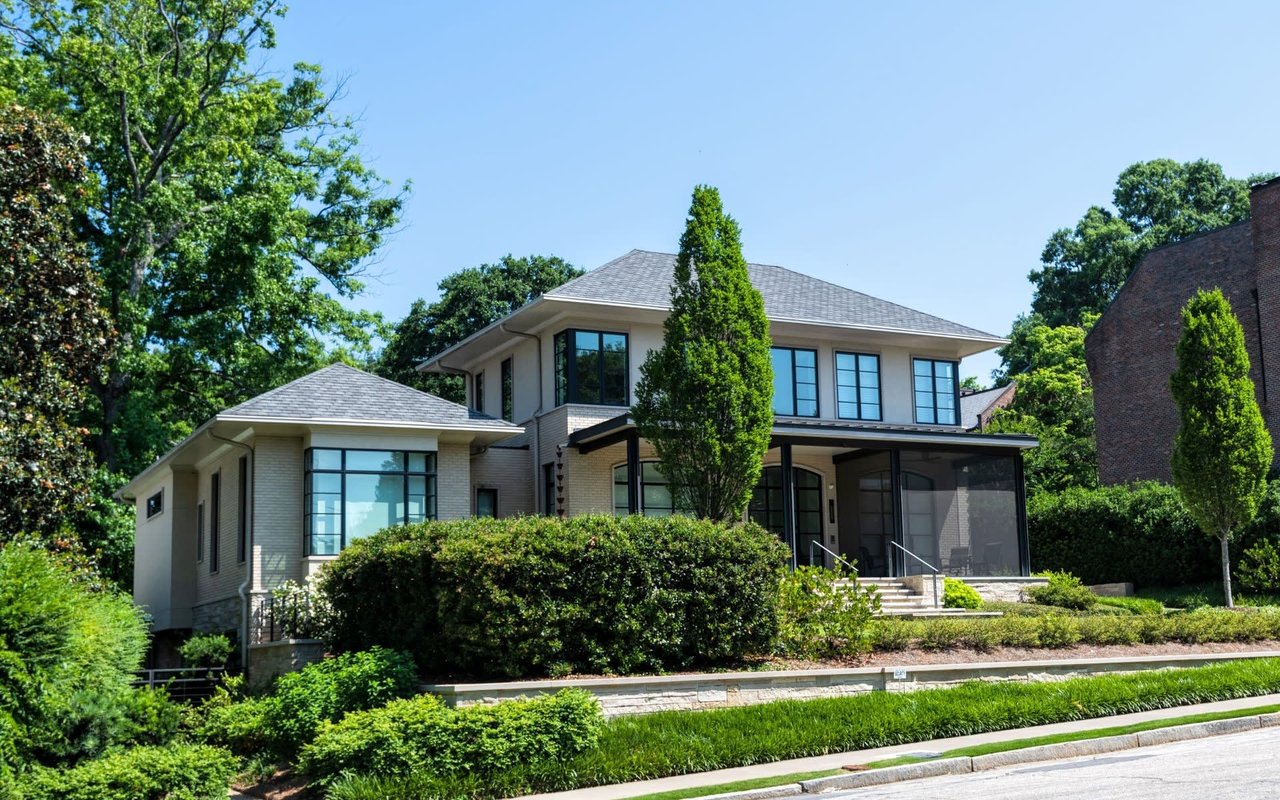
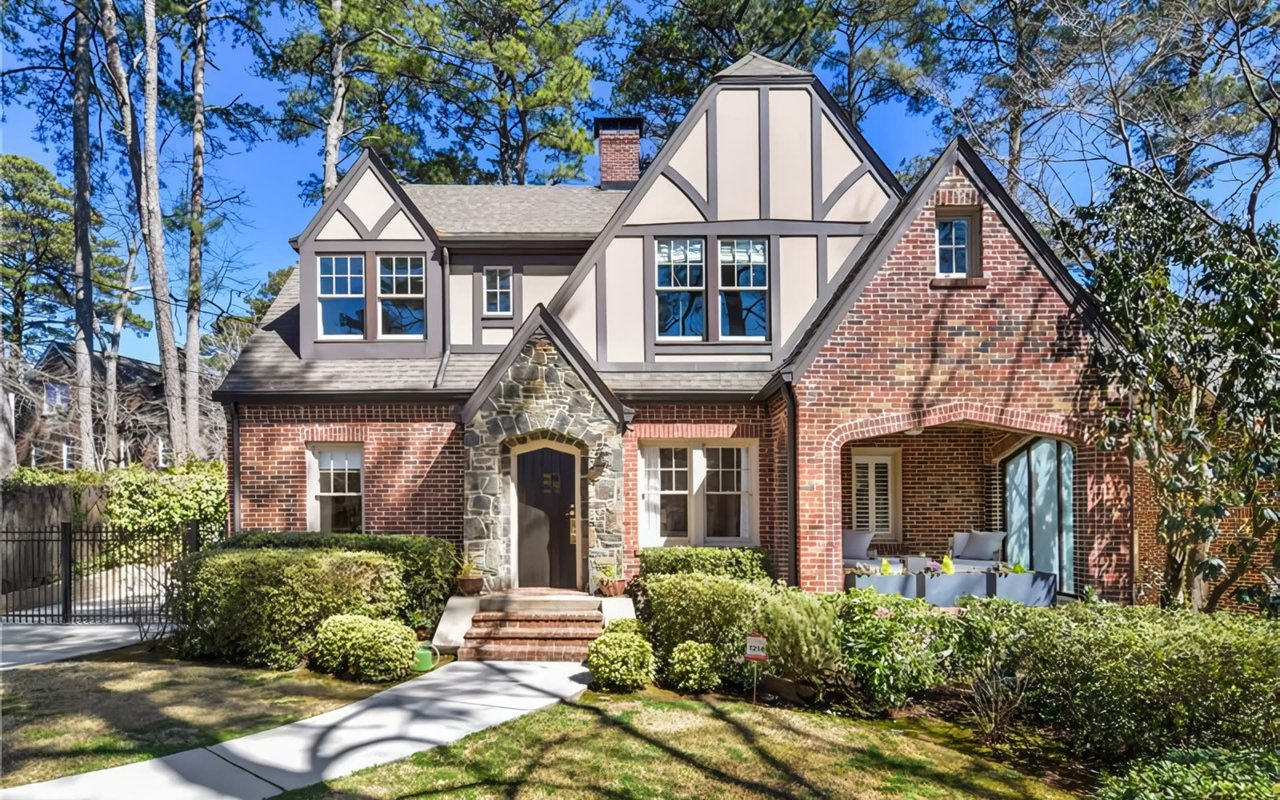
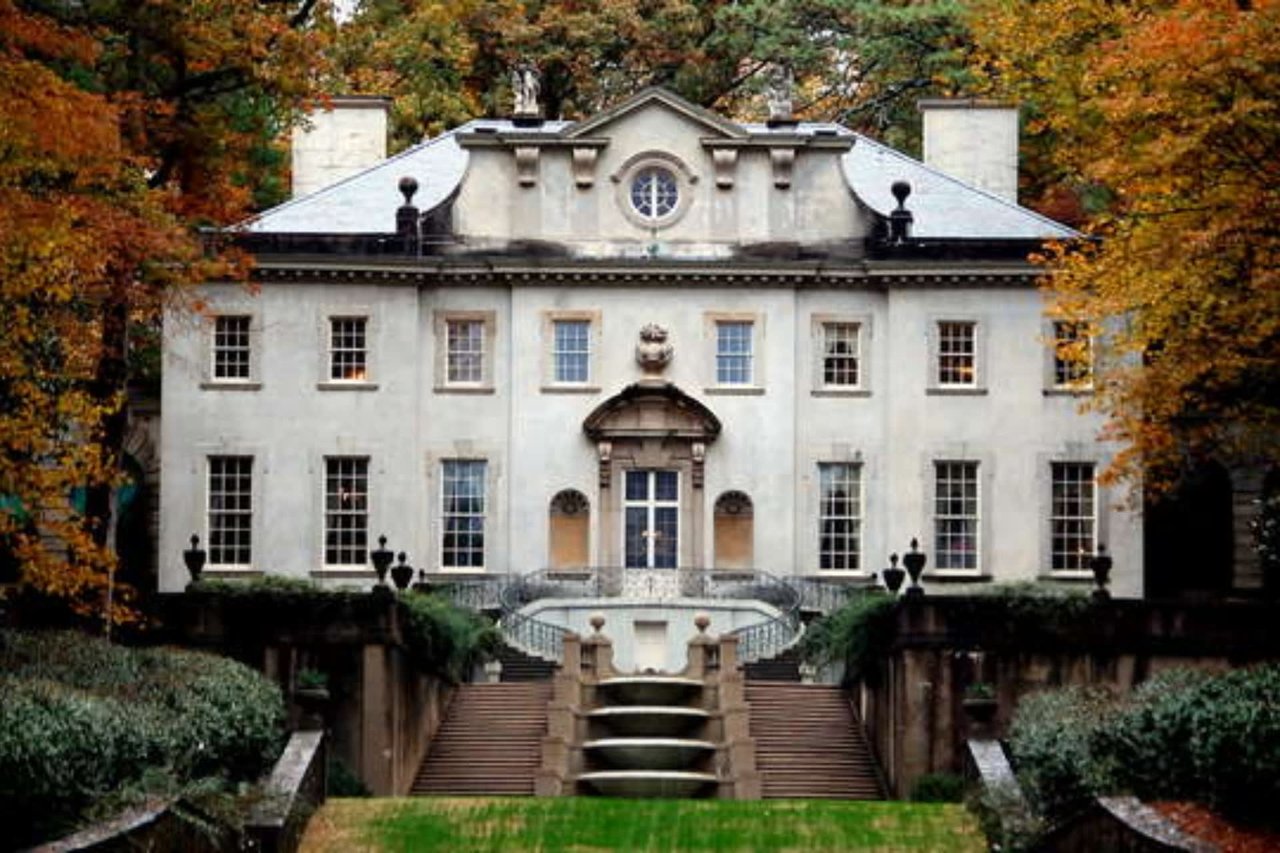
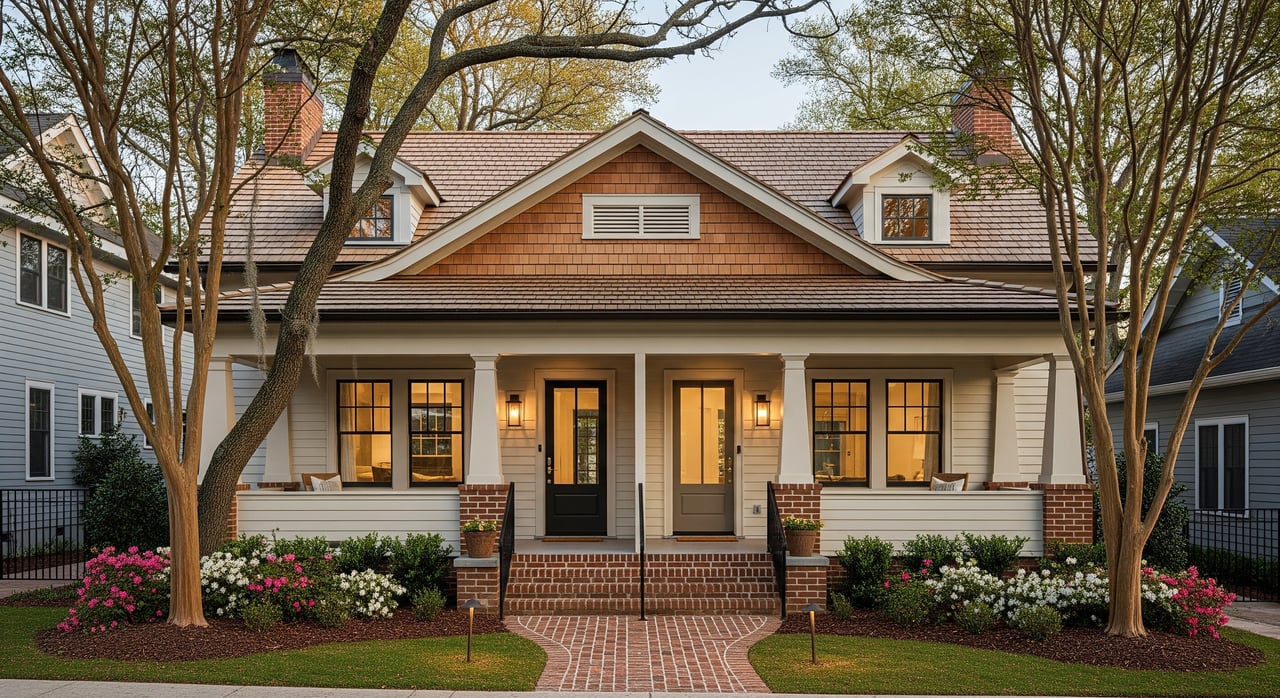
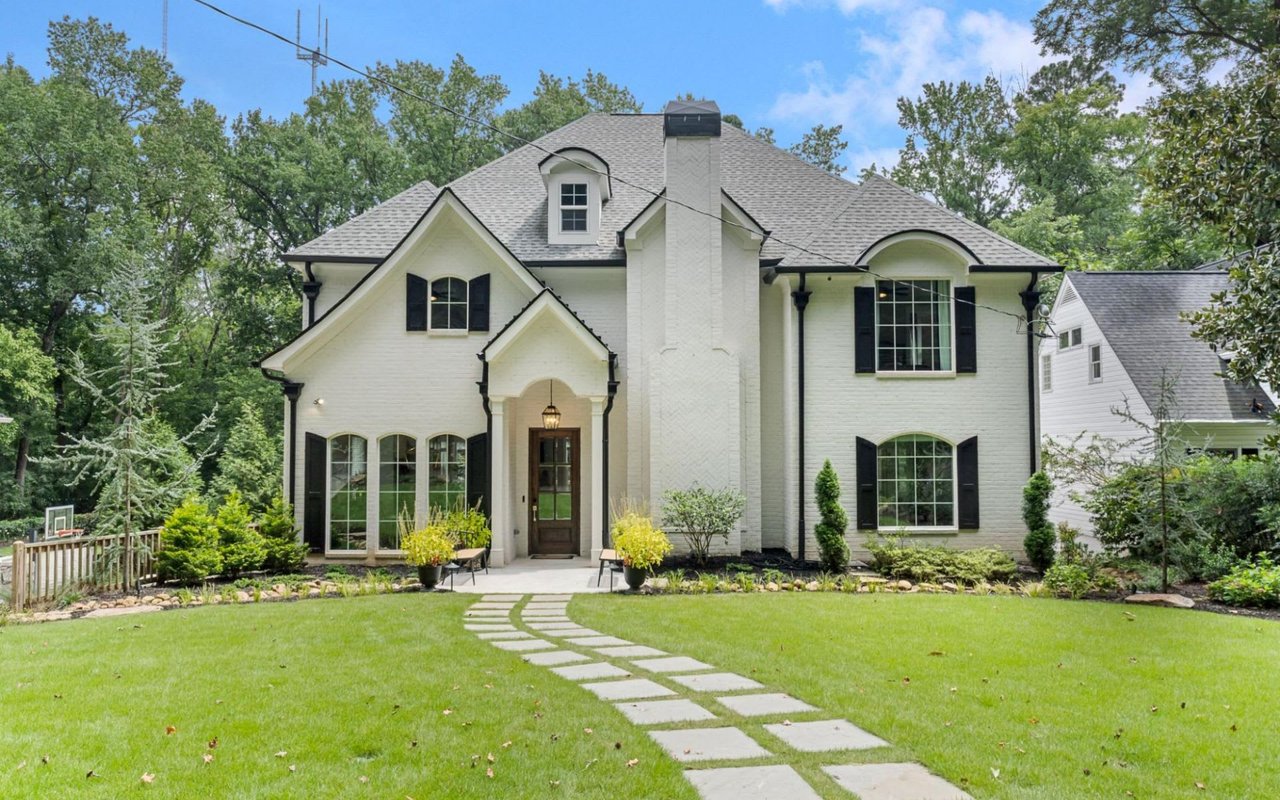
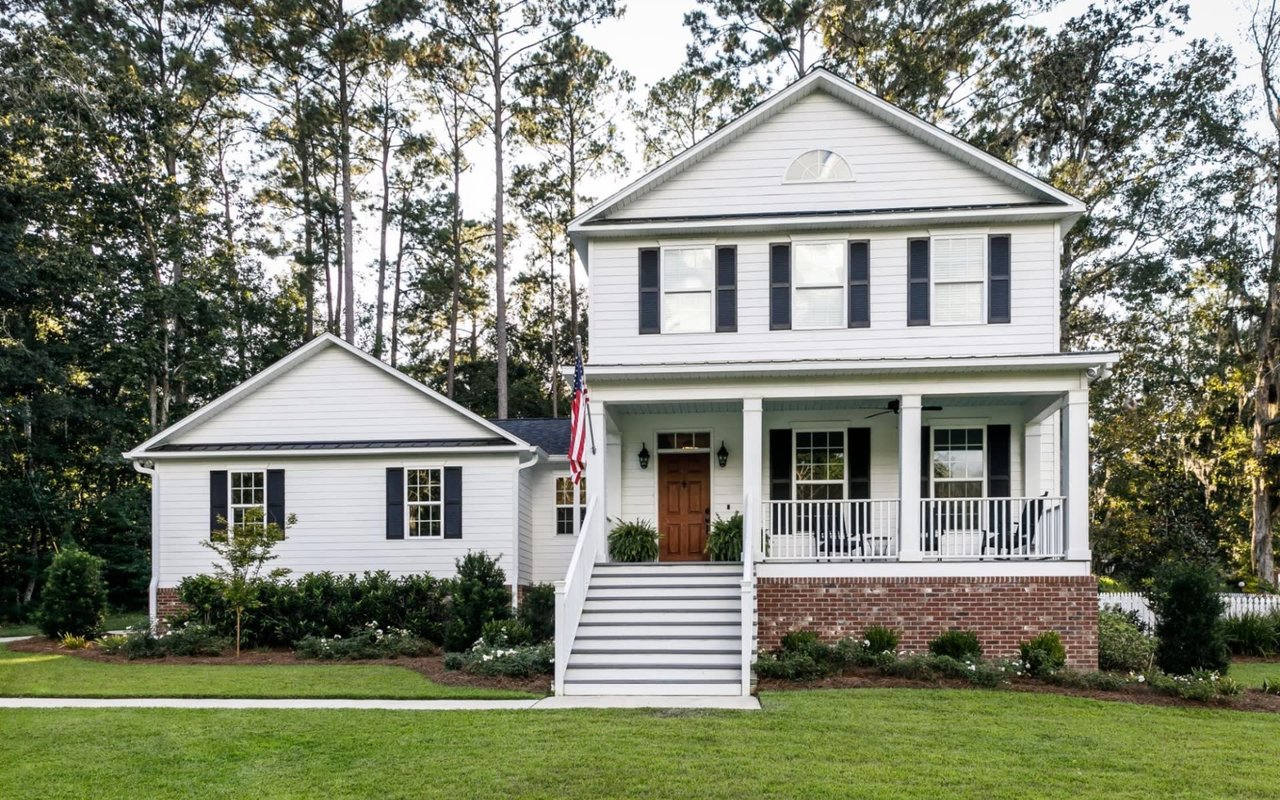
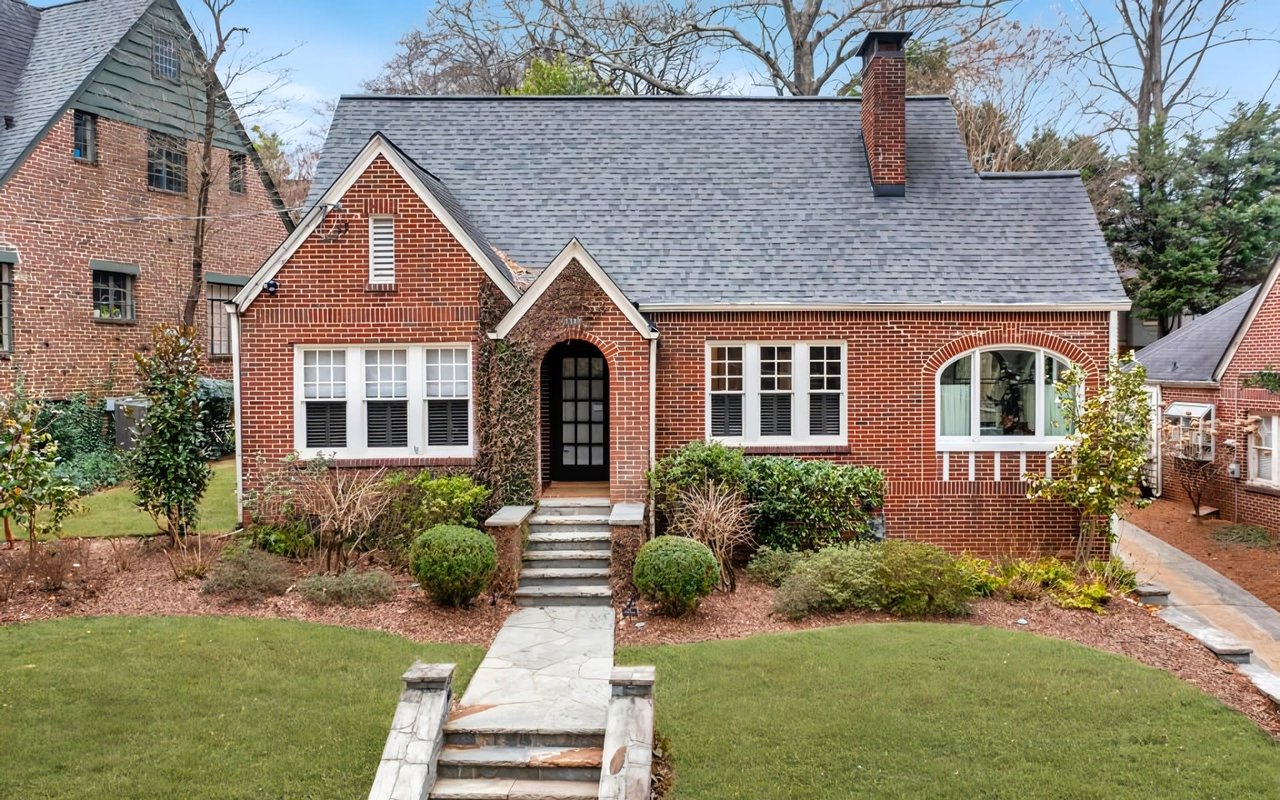
Druid Hills is often valued as an architectural district, not just a location. DeKalb County’s design guidance identifies a wide range of important early-twentieth-century styles in the area, including Colonial Revival, Neoclassical Revival, Mediterranean Revival, Craftsman, Prairie, Art Deco, Art Moderne, and International Style. In other words, buyers are often comparing design integrity as much as finish level.
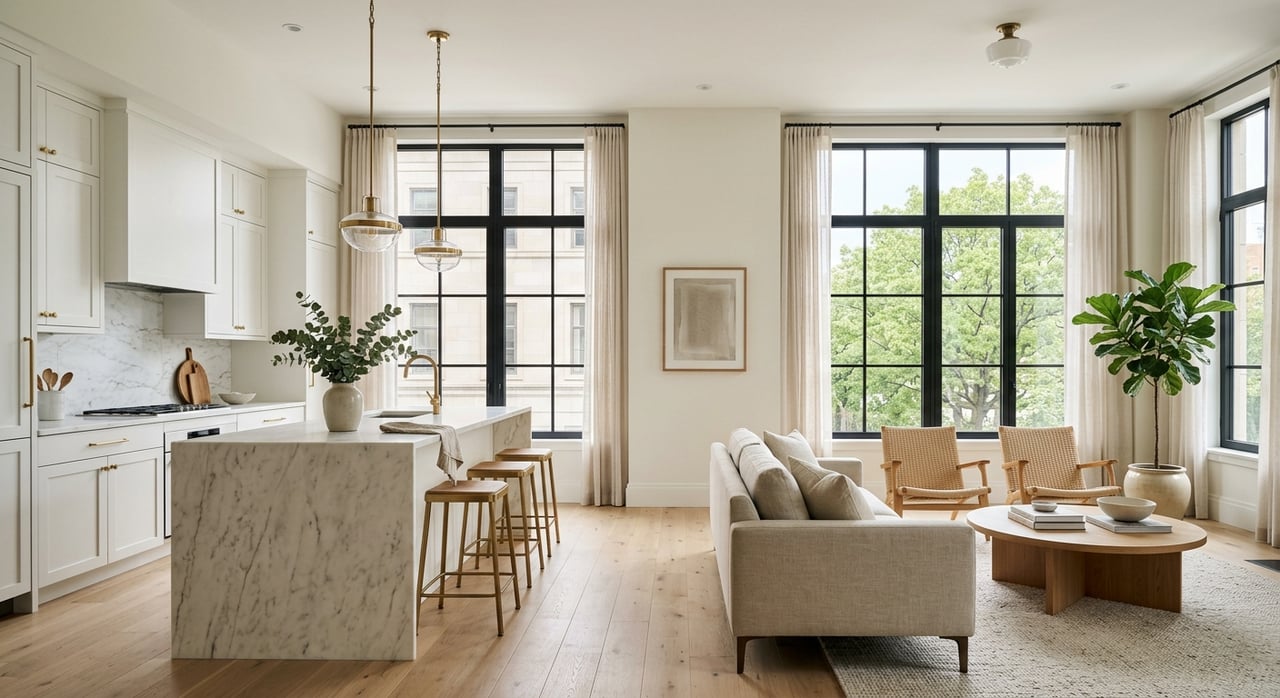
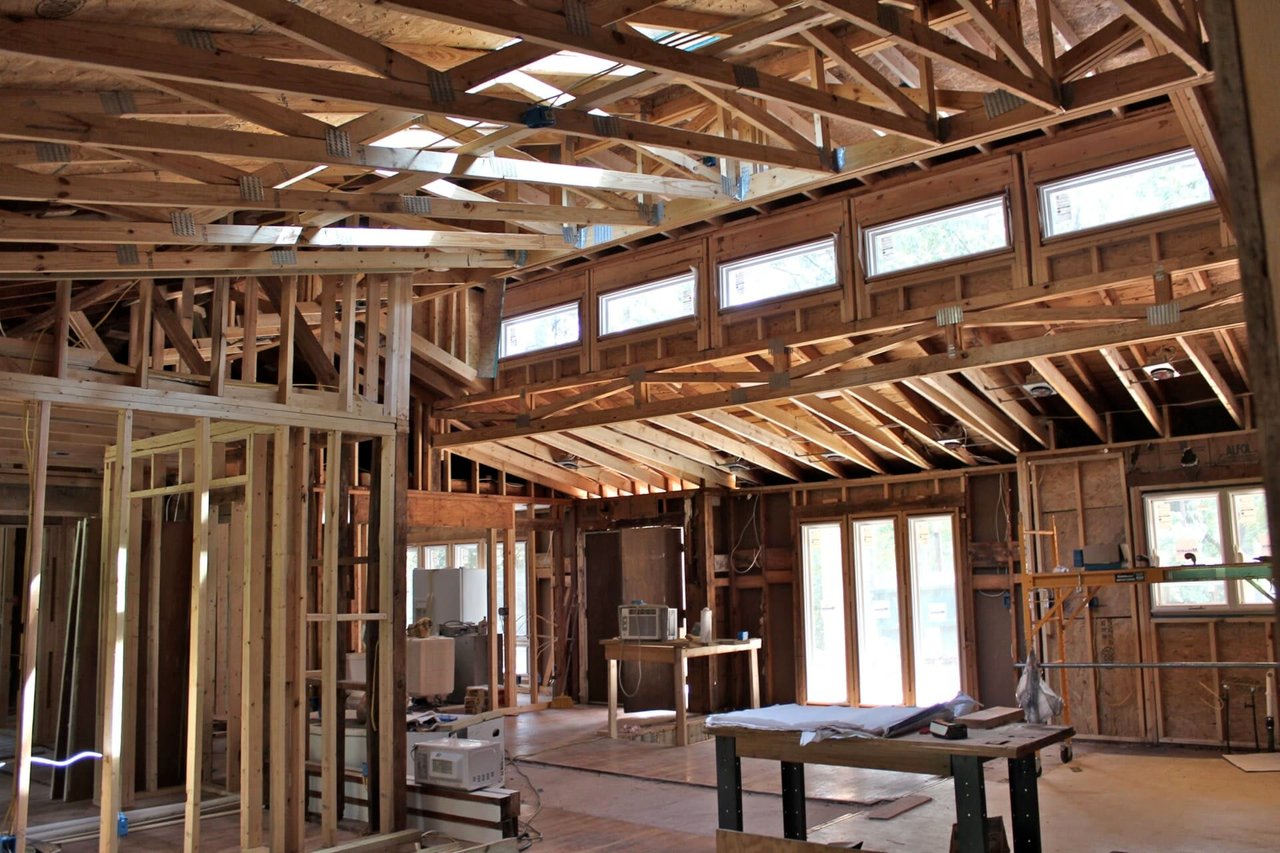
That is why expensive renovations do not always translate into equal pricing gains. If updates feel disconnected from the home’s original form, materials, roofline, or details, the market may not reward them dollar for dollar. In a neighborhood like Druid Hills, originality and thoughtful modernization often outperform generic renovation spend.
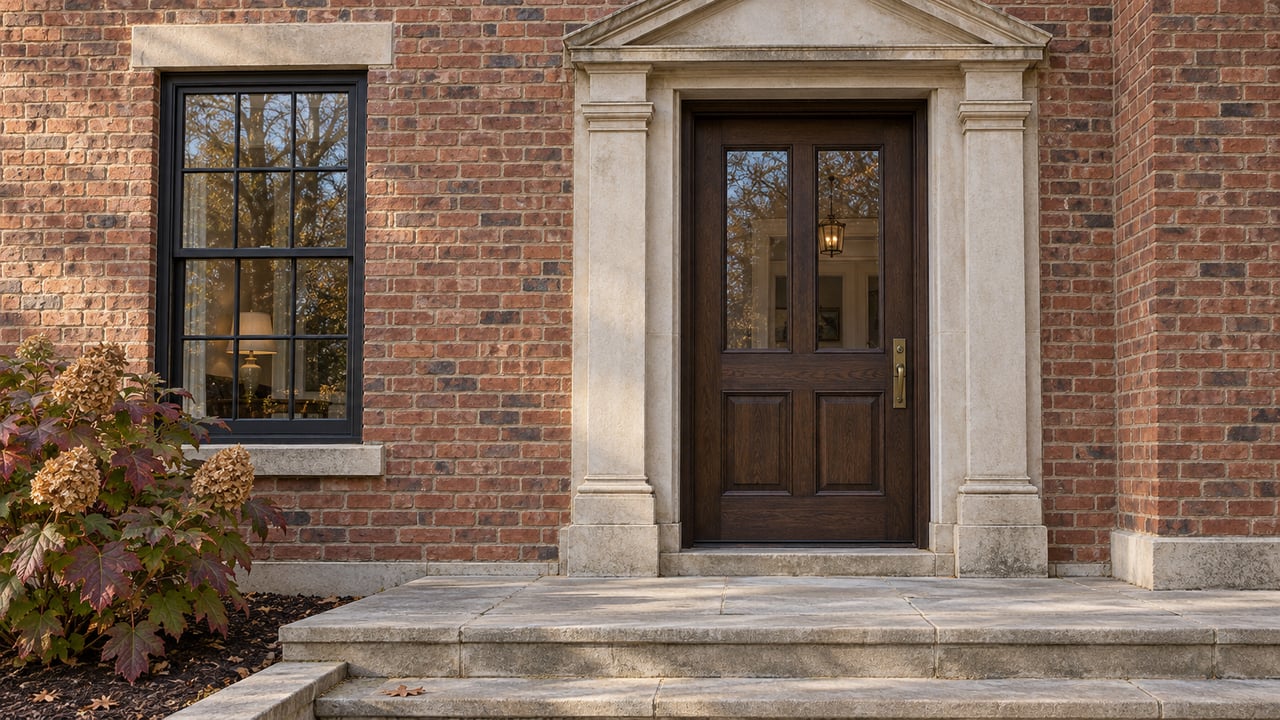
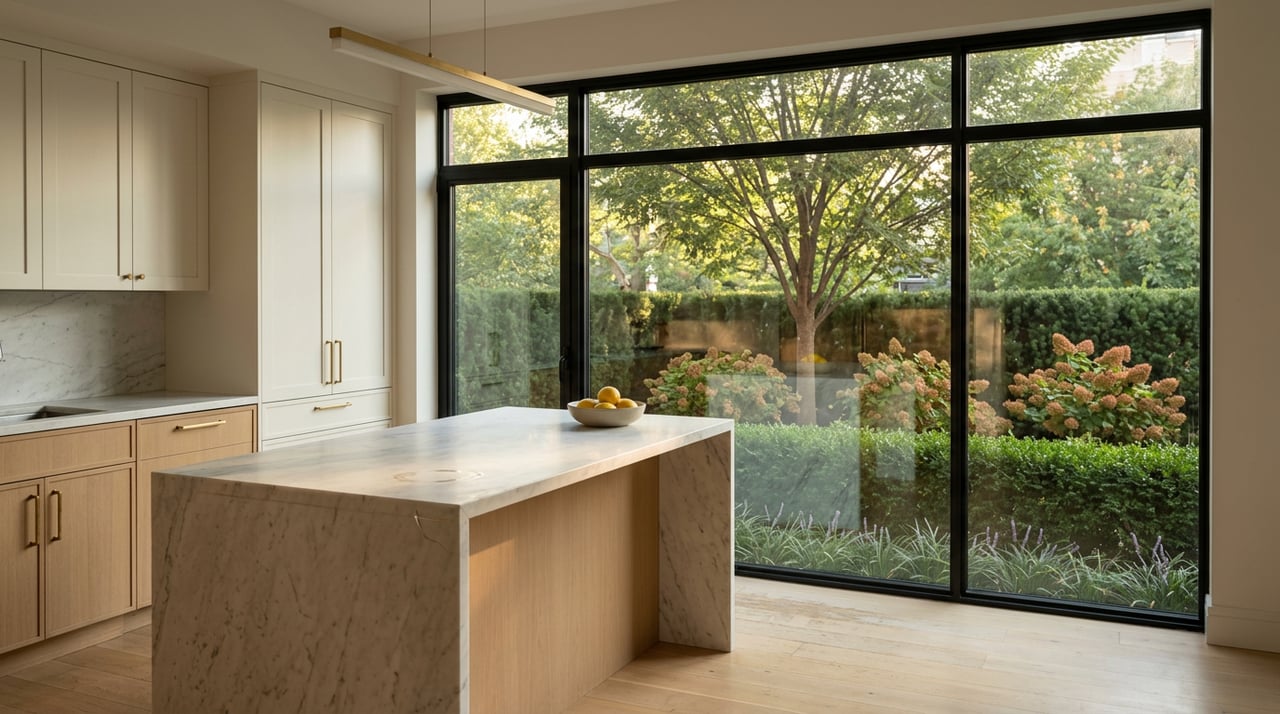
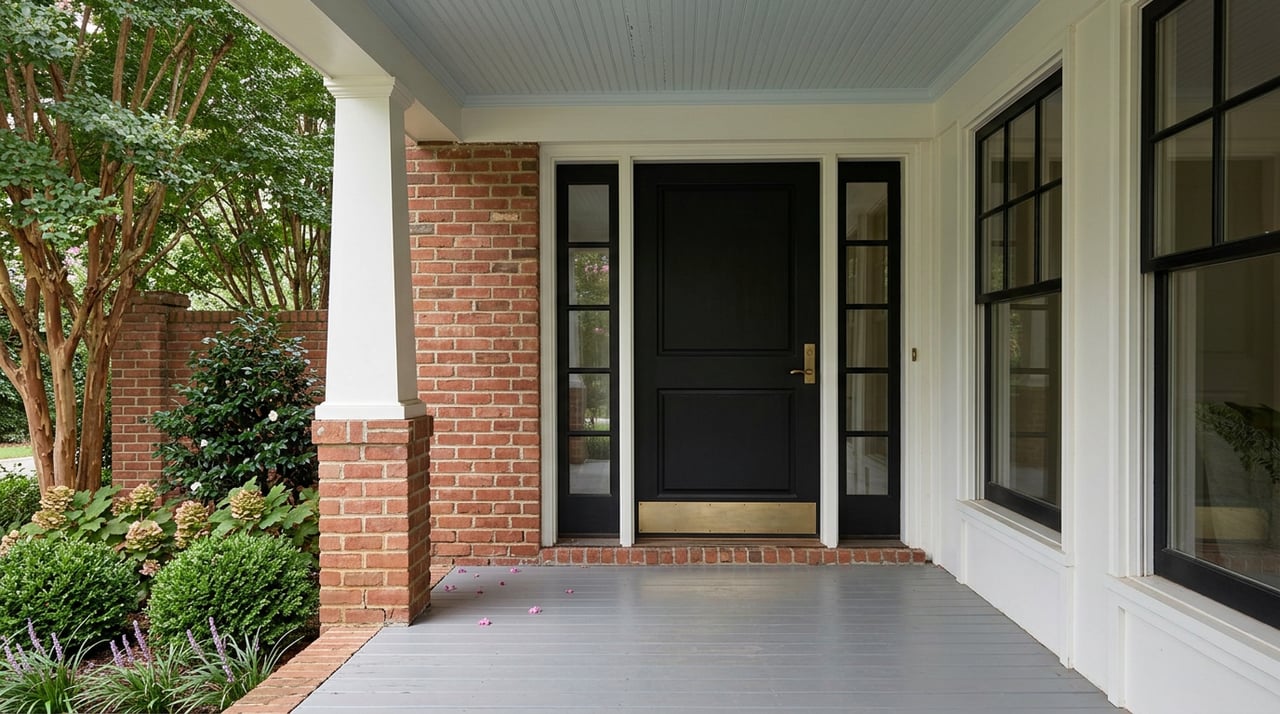
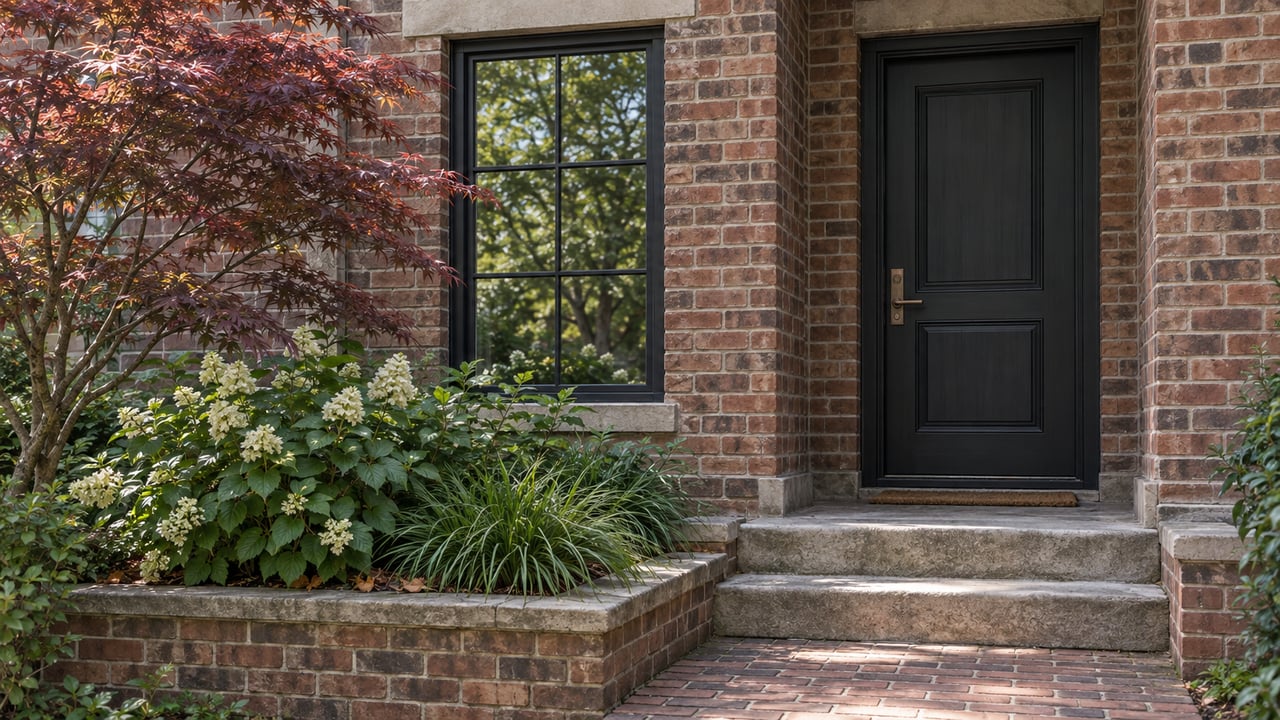
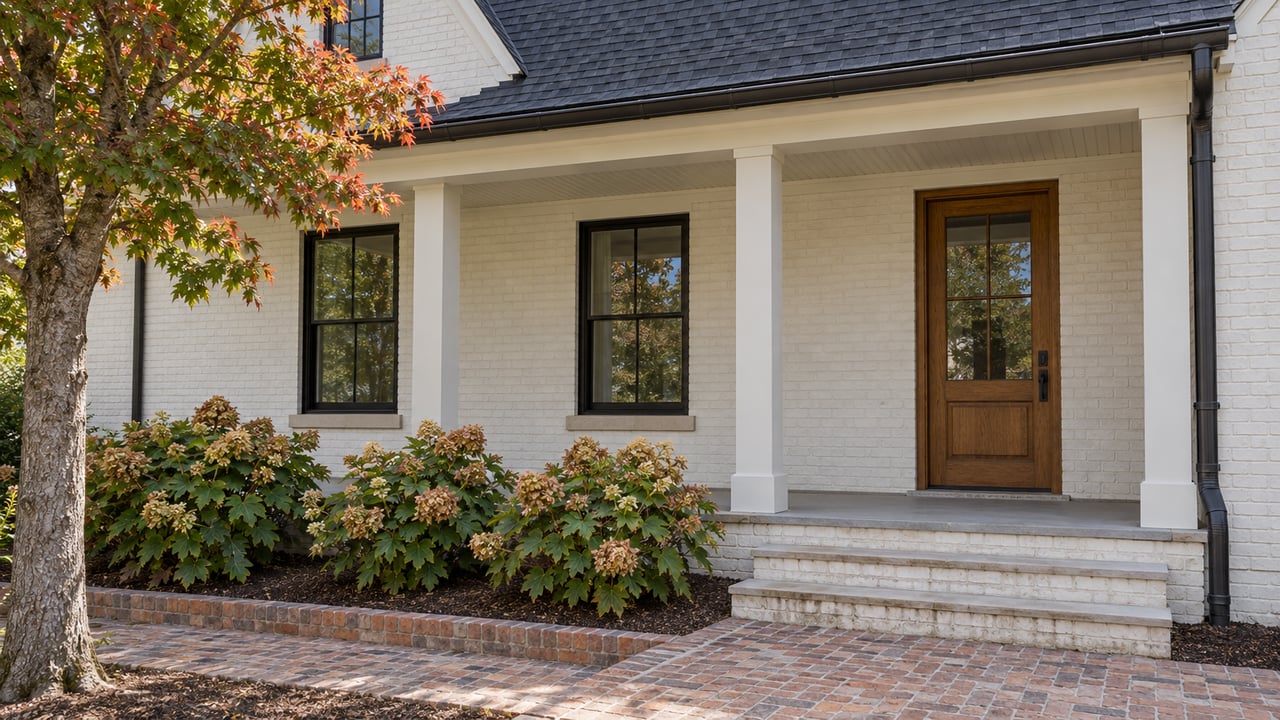
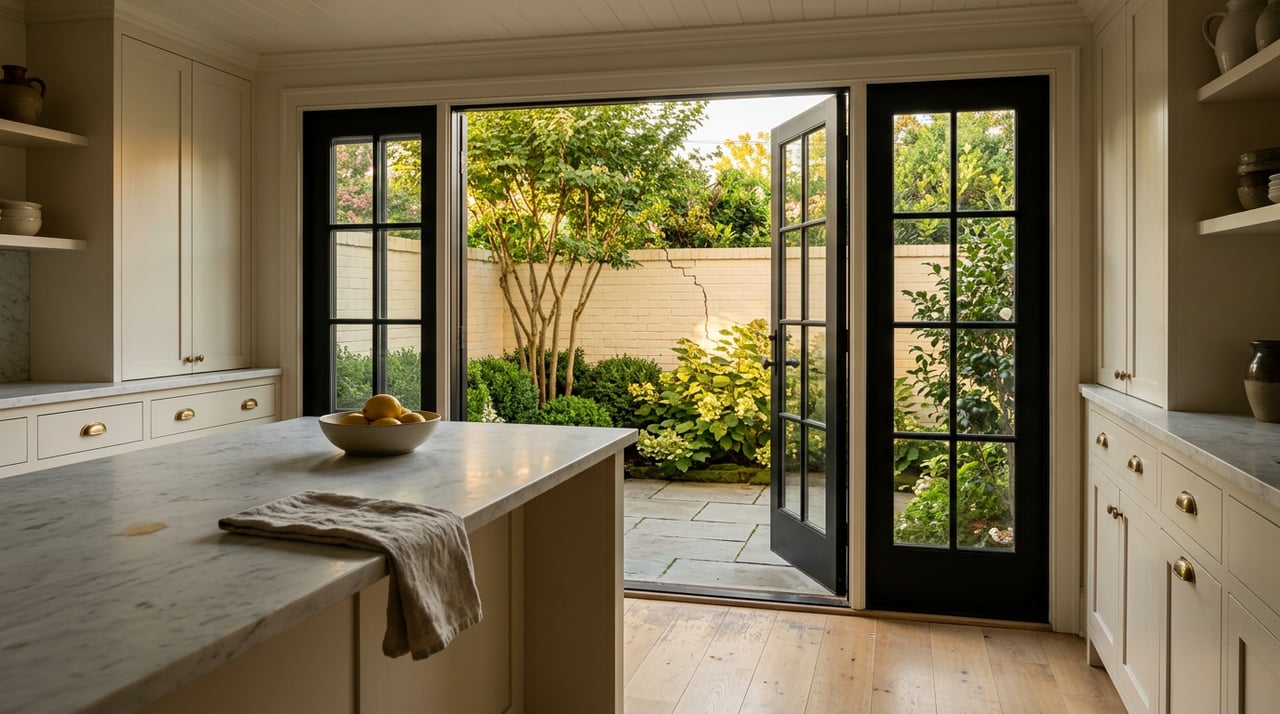
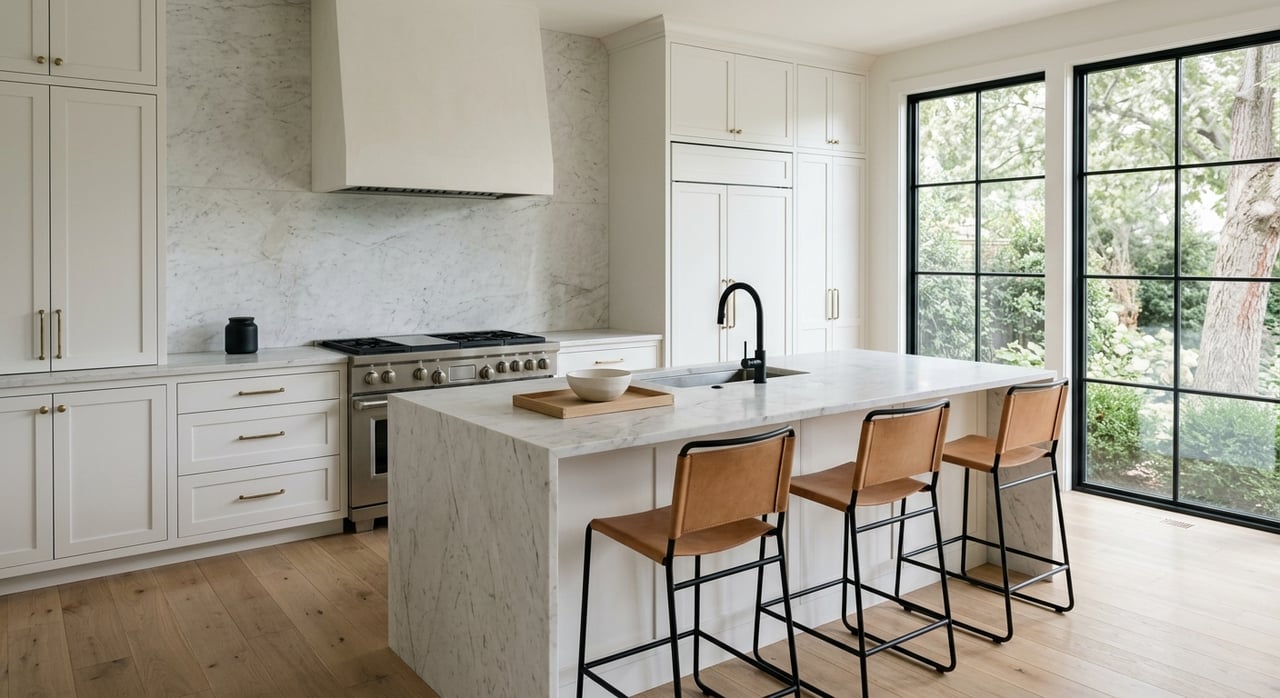
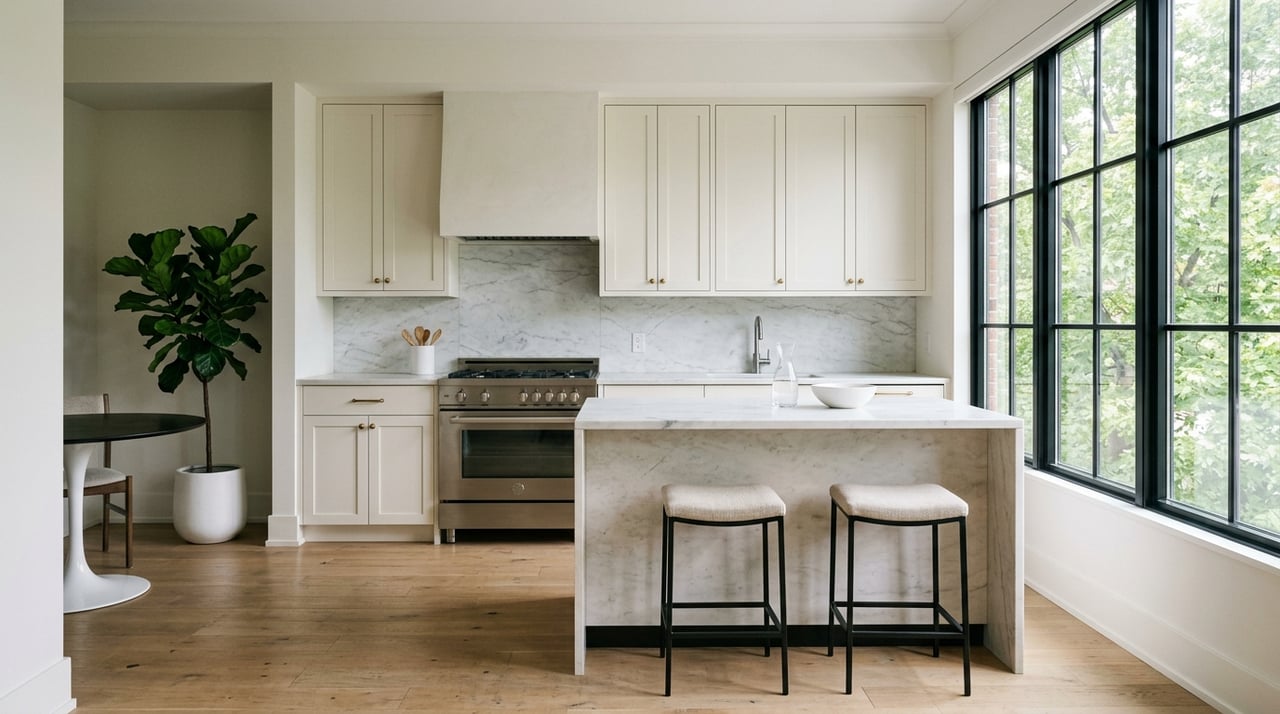
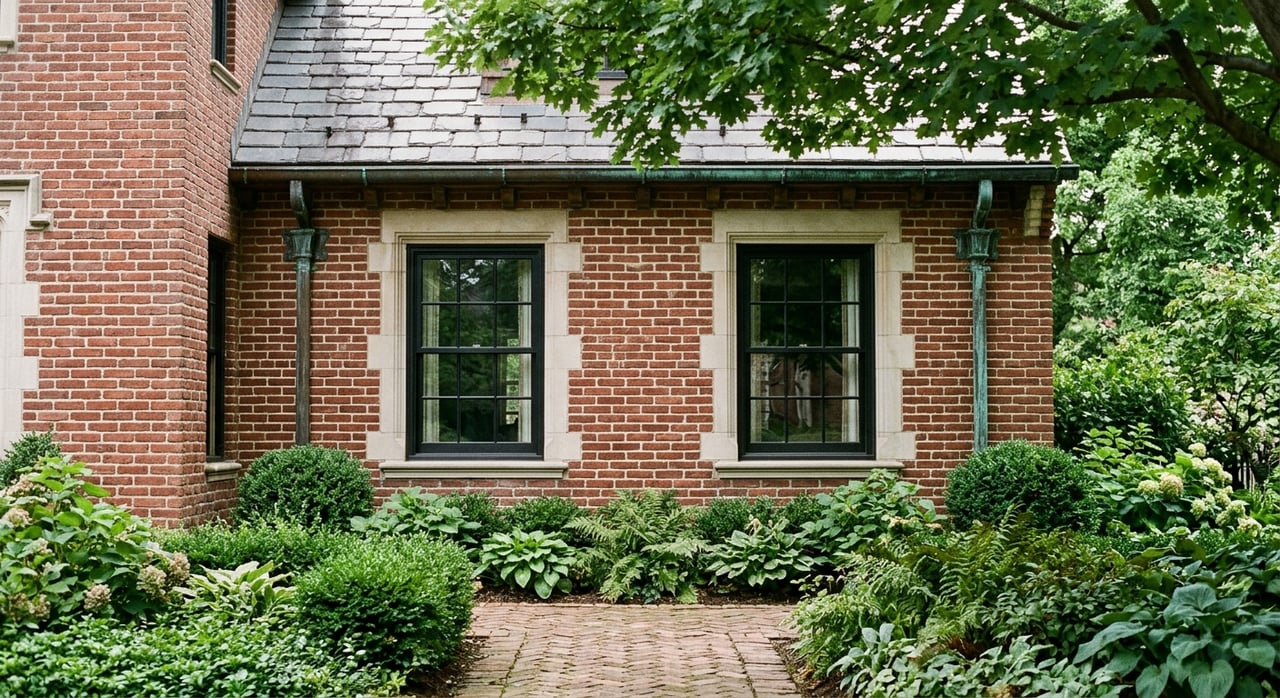
If you are selling, this is where strategy matters. Before pricing, it helps to identify which features make your home architecturally compelling and which changes may need stronger explanation in the marketing. A beautiful kitchen matters, but in Druid Hills, so do intact windows, a fitting facade, balanced massing, and a setting that still feels true to the property.
Lot and landscape shape value
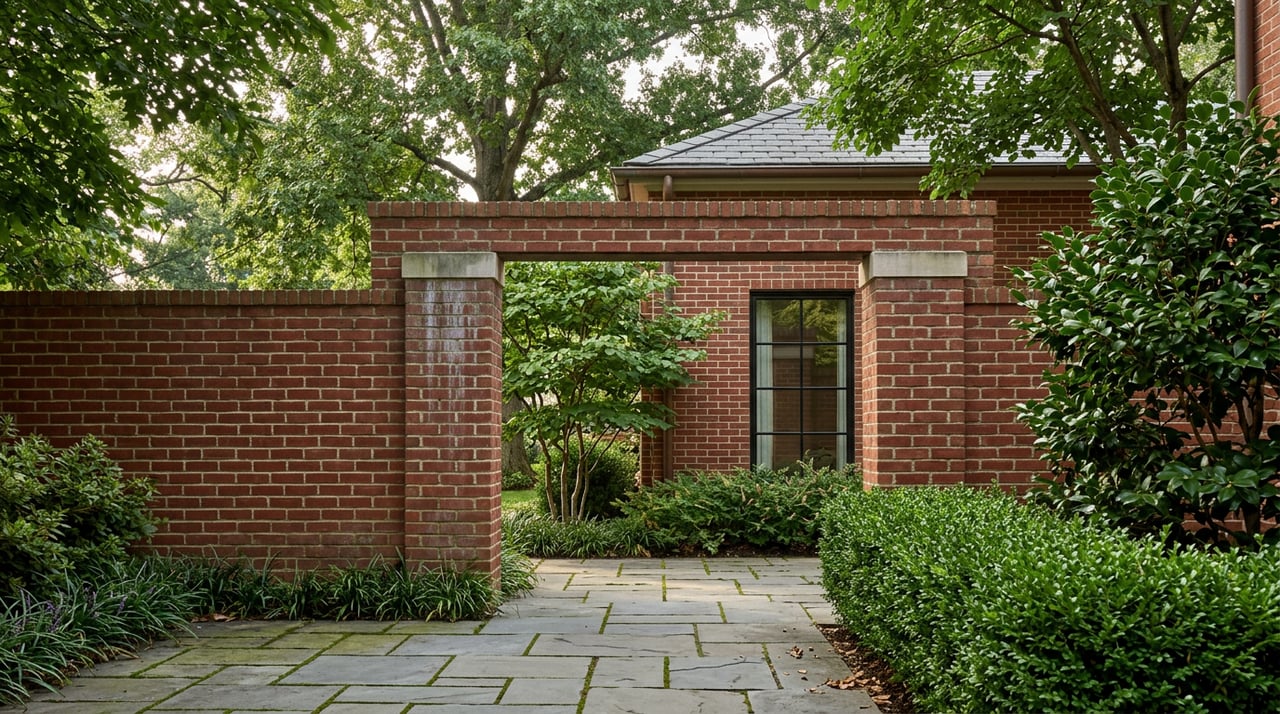
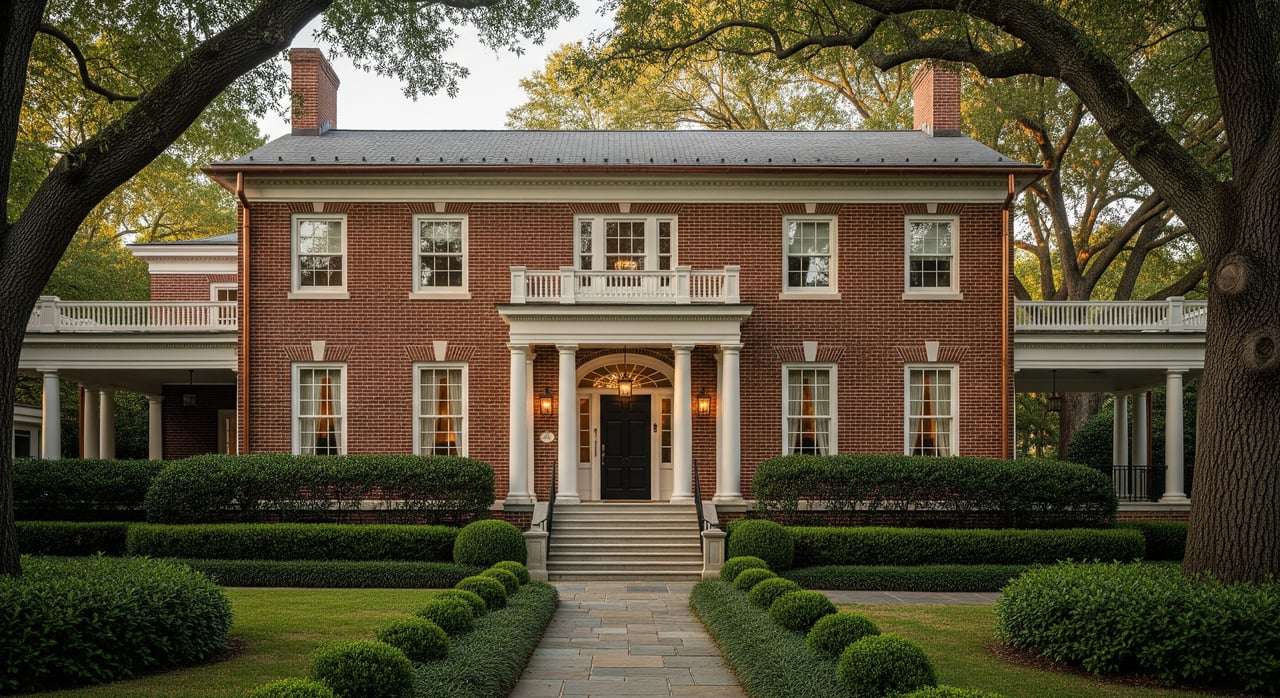
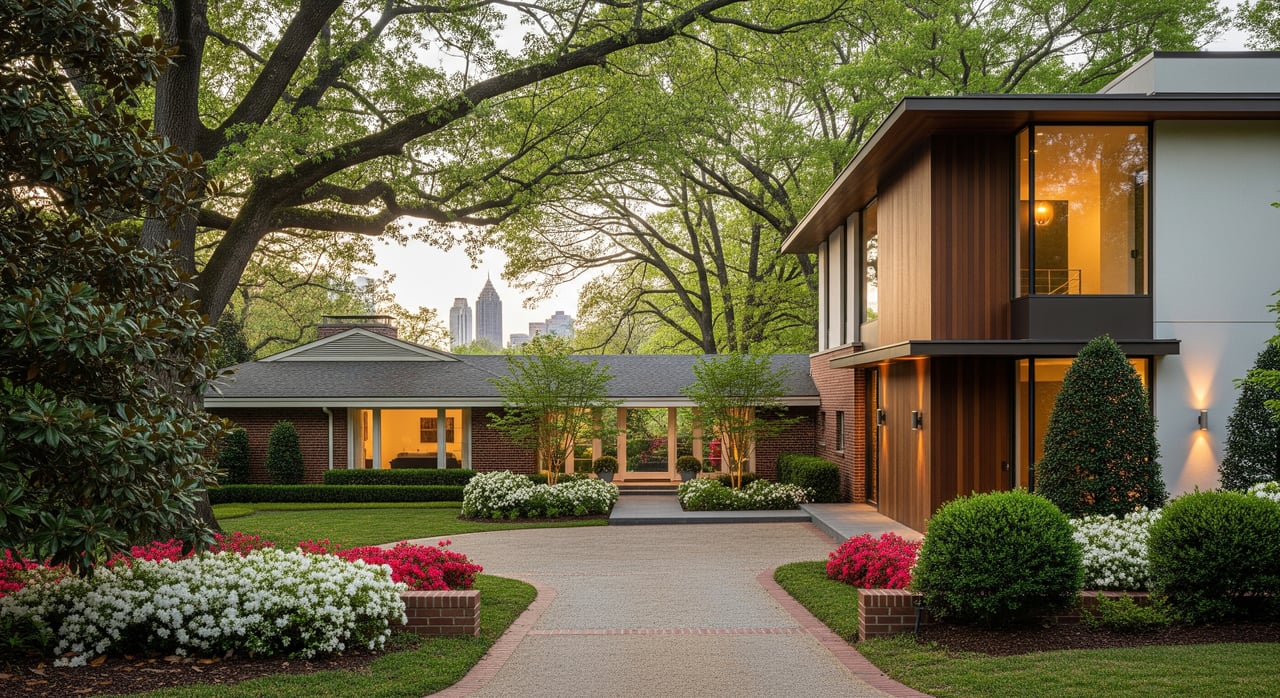
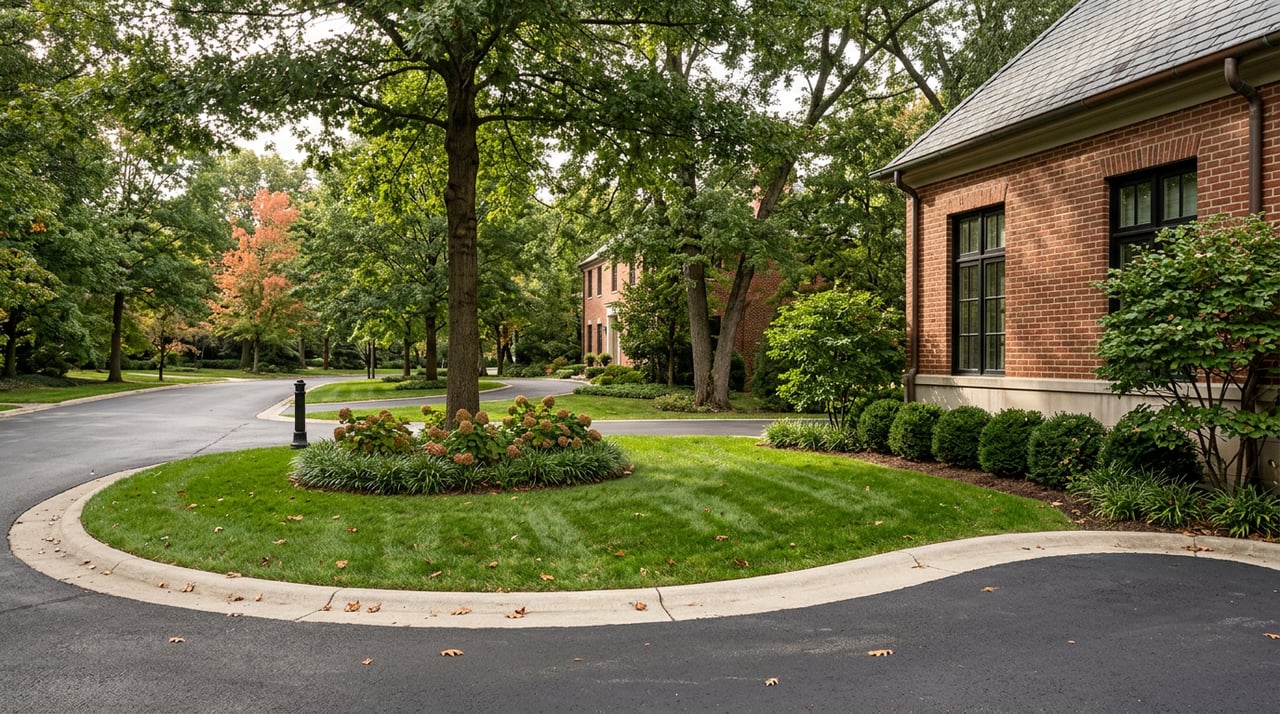
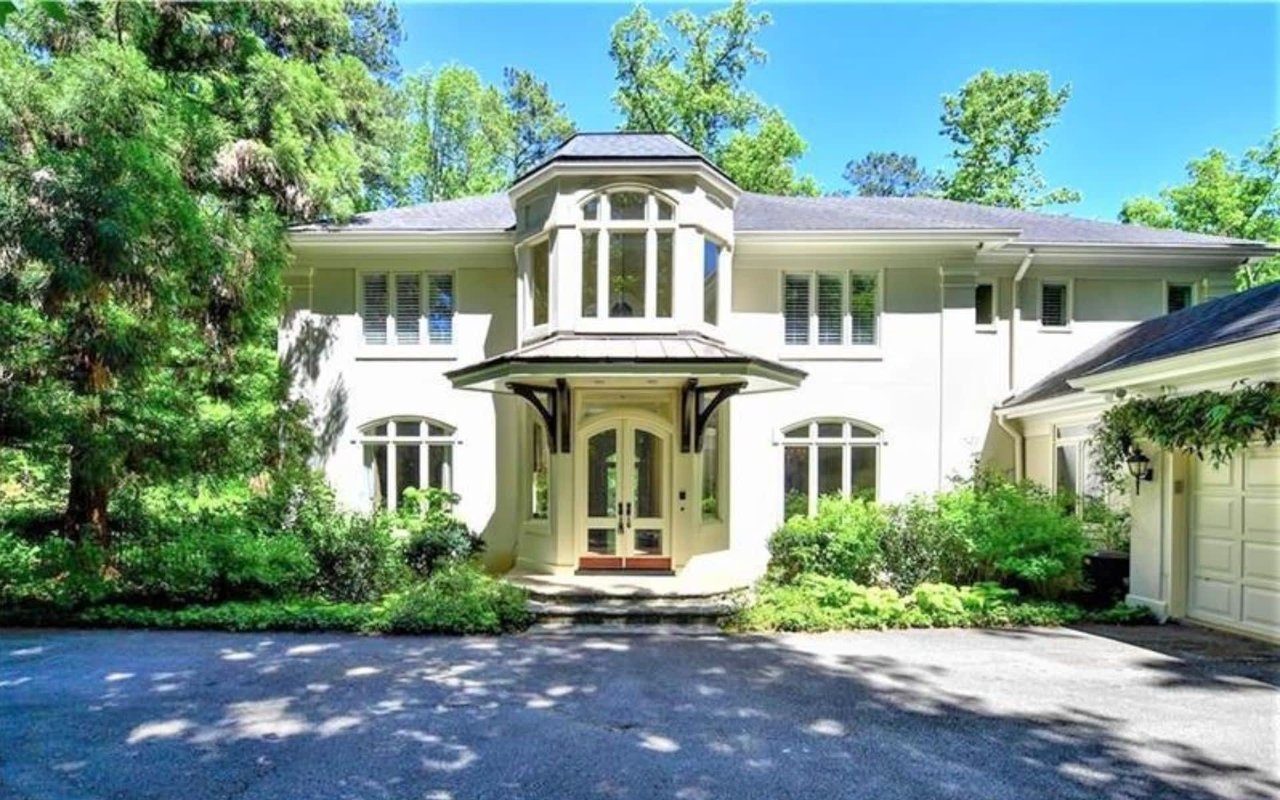
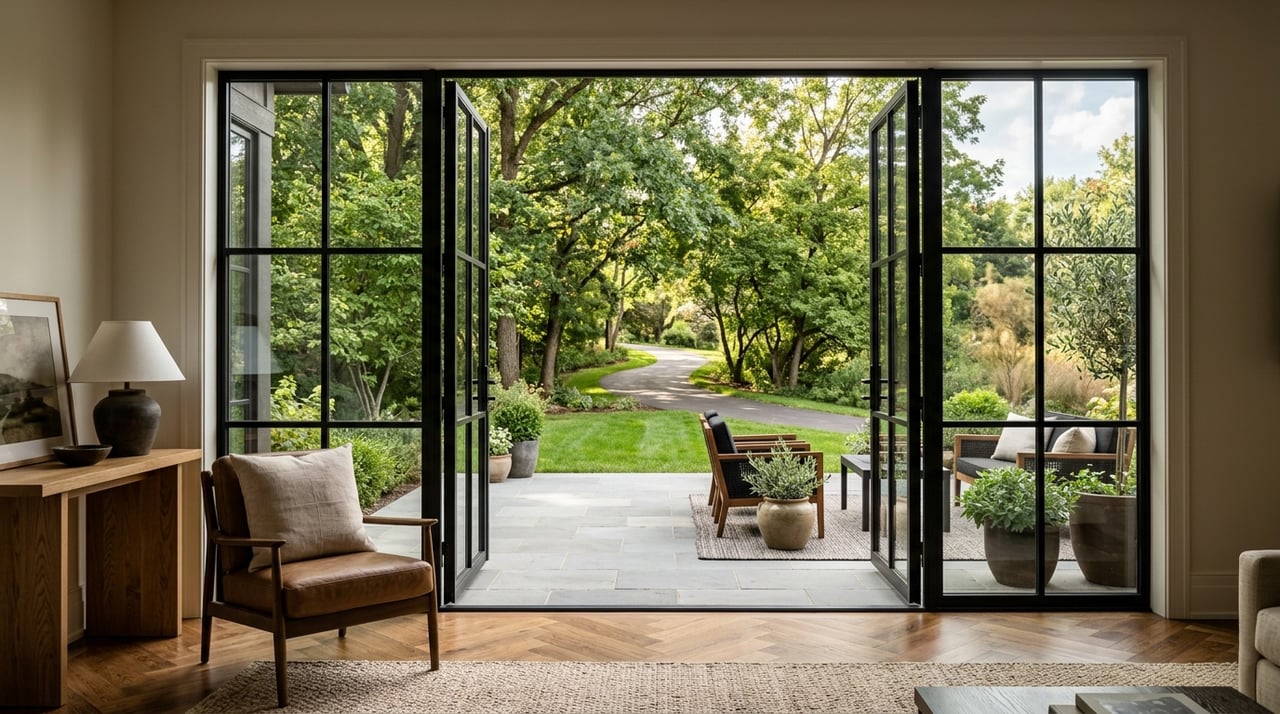
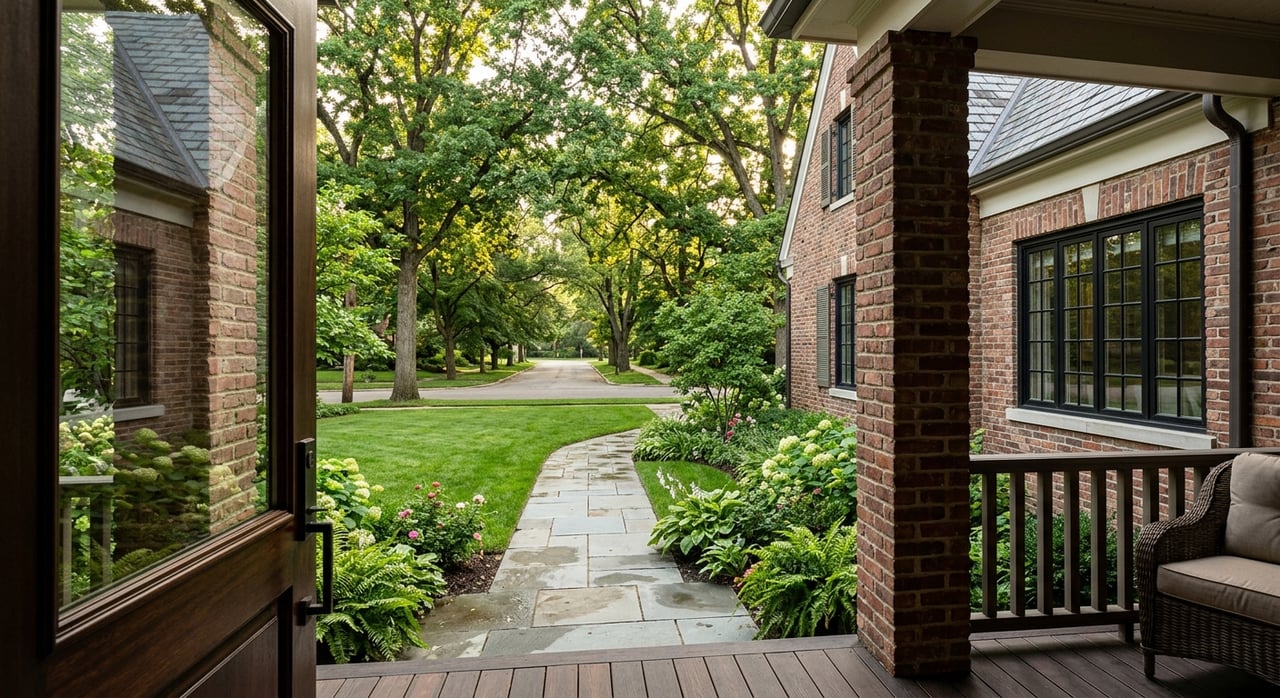
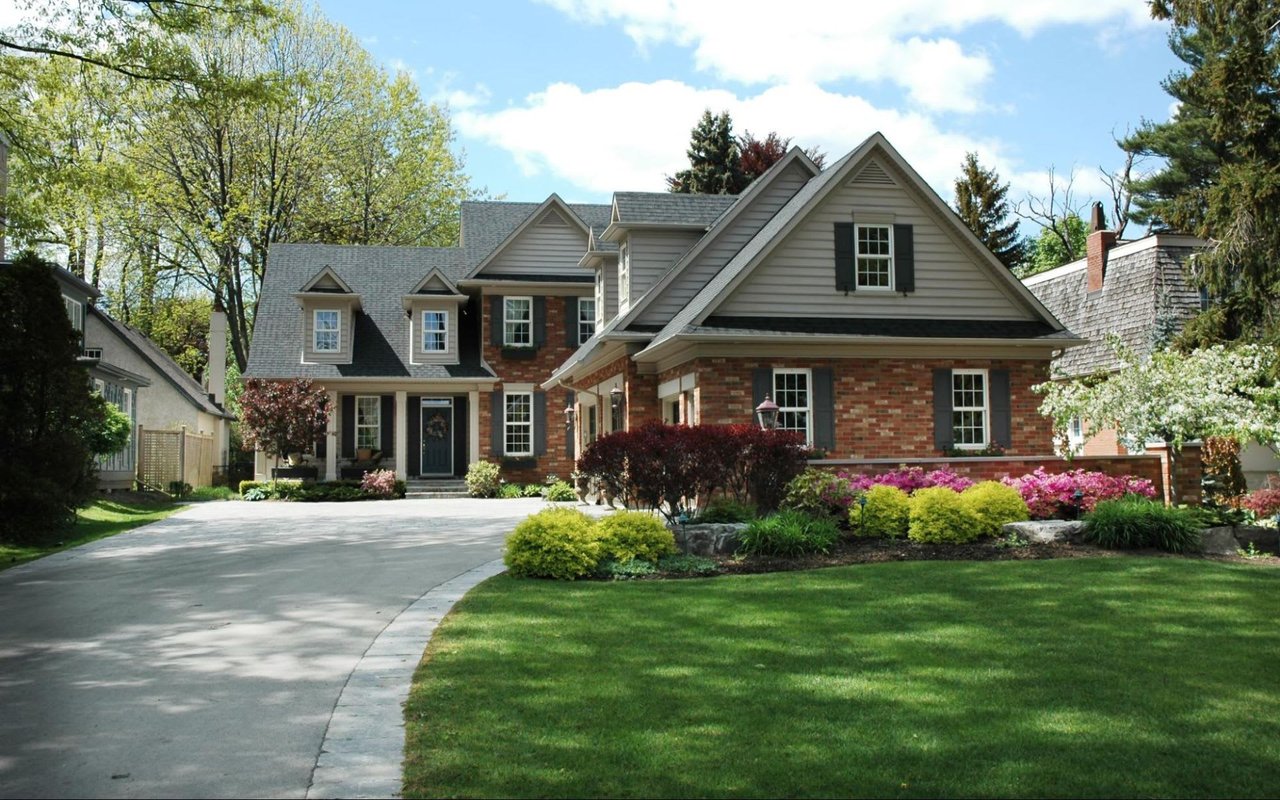
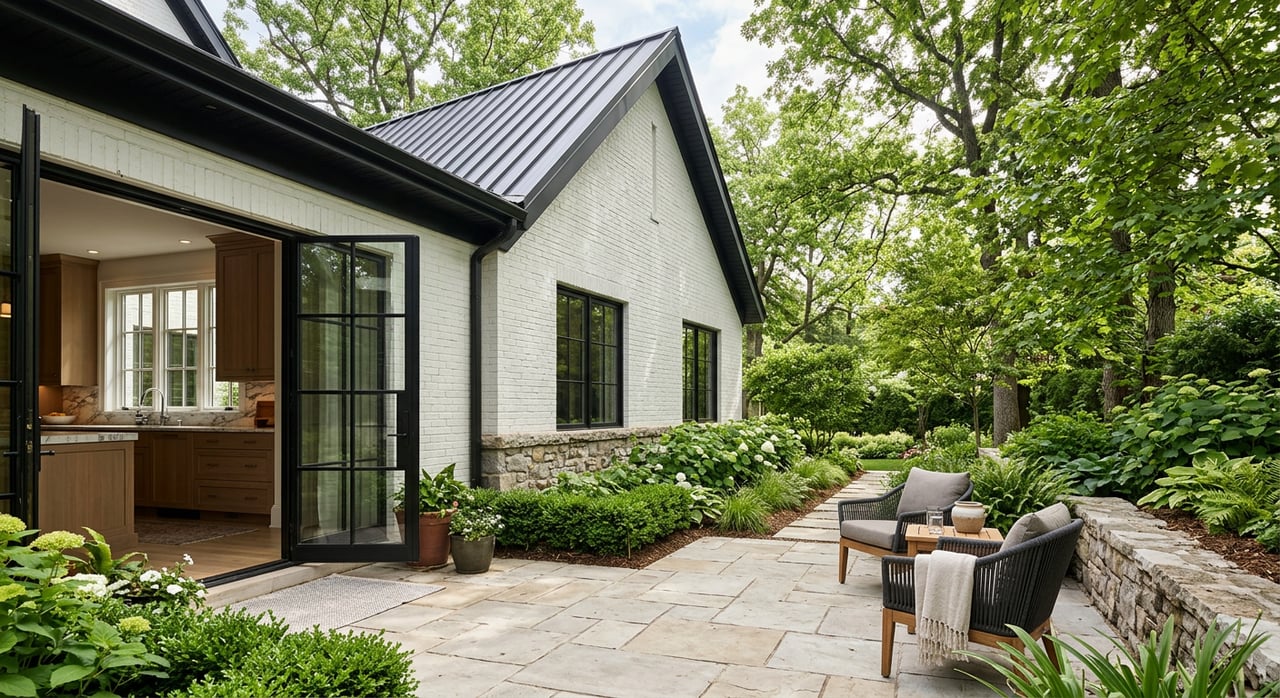
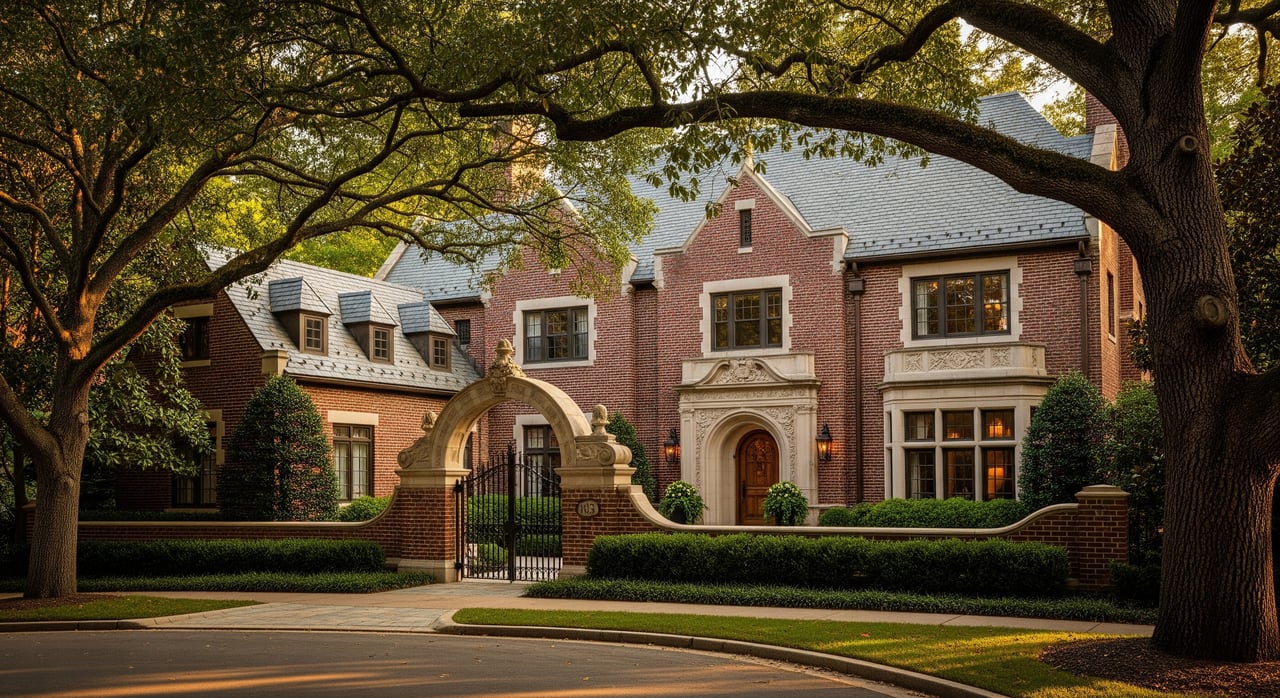
In Druid Hills, buyers do not just buy the house. They buy the approach to the house, the open space in front, the mature trees, the driveway layout, and the overall rhythm of the site. The local preservation framework explicitly treats parkways, landscaping, open space, circulation systems, and existing platting patterns as part of the district’s character.
That means site value is part of the pricing conversation from day one. A home with a more intact lot configuration and a stronger relationship to the street may have better appeal than one with a similar interior on a less cohesive site. This is one of the biggest reasons broad pricing averages can miss the mark in Druid Hills.
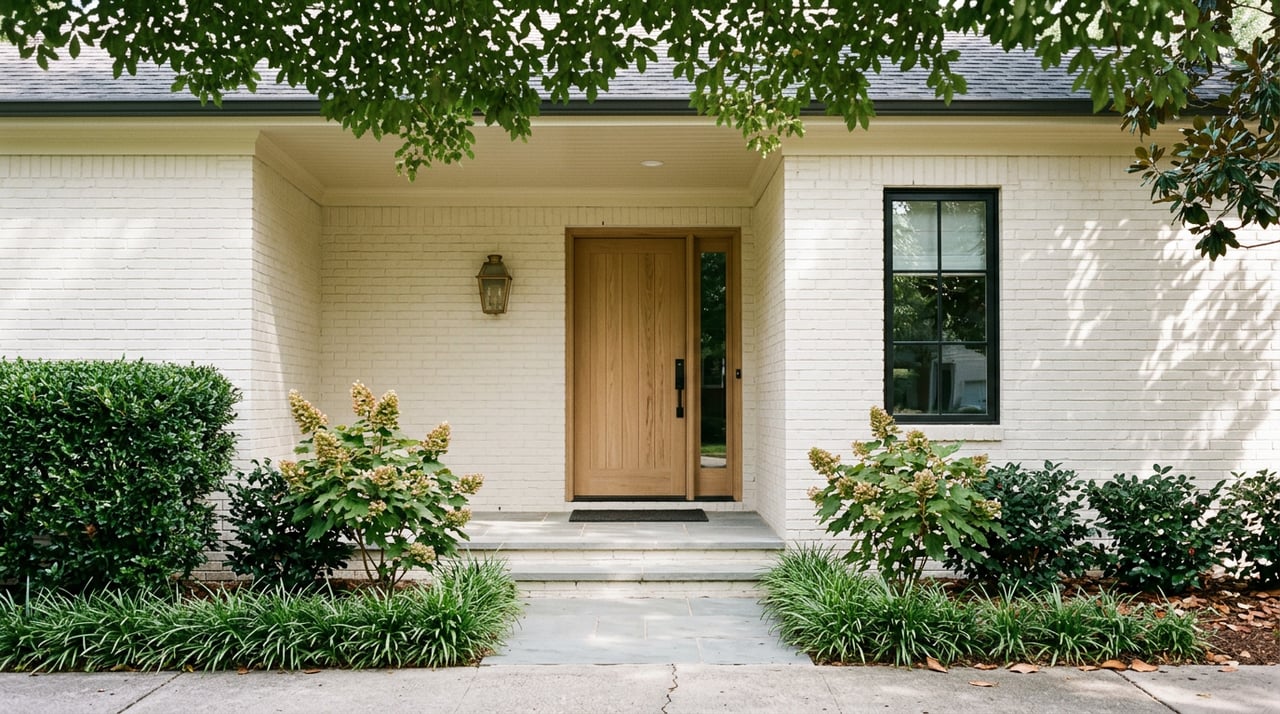
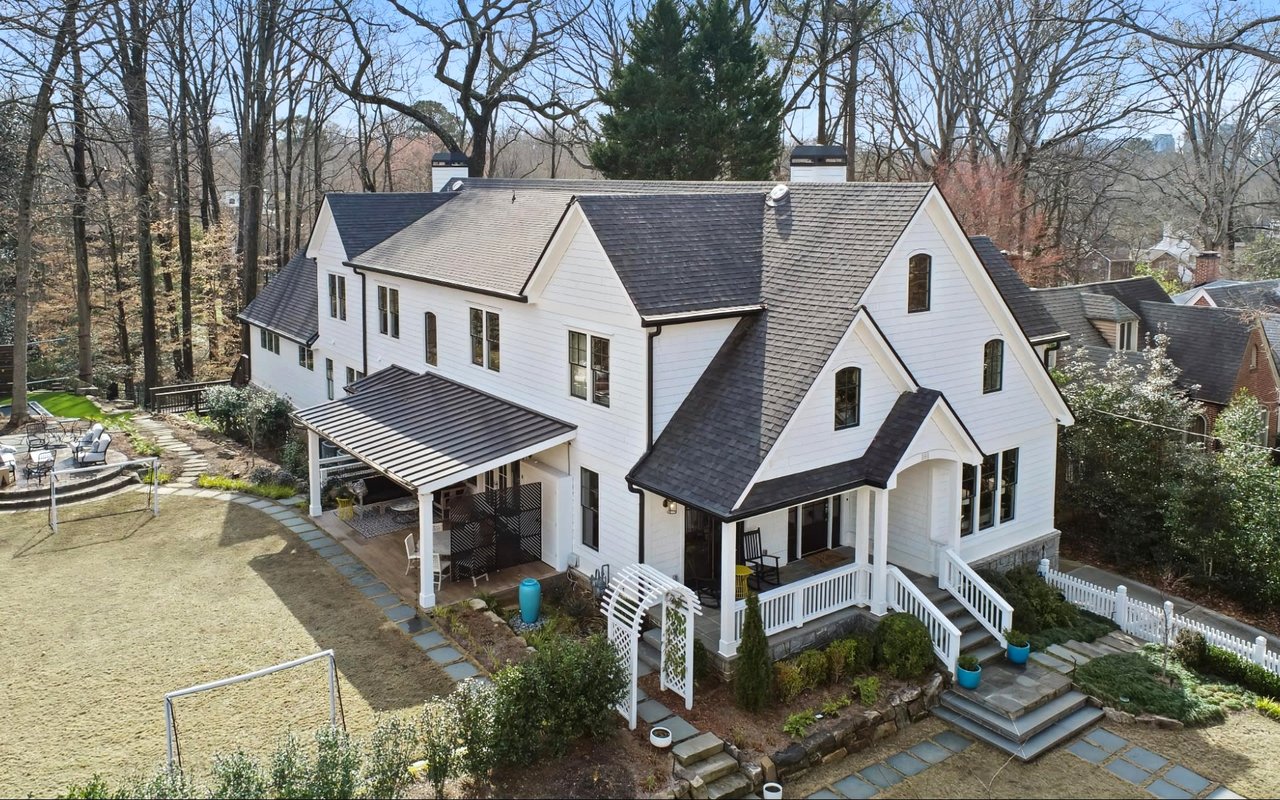
For sellers, this is also where presentation becomes powerful. Thoughtful landscape grooming, driveway clarity, and exterior photography that captures the full setting can help buyers understand value quickly. In a neighborhood built around visual character, the exterior experience often shapes pricing power before a buyer even steps inside.
Preservation rules influence buyer confidence
If your property is in a local historic district, approval requirements can affect both value and marketability. On the DeKalb side, a Certificate of Appropriateness is required before certain exterior alterations, construction, or demolition, and review can cover additions, rehabilitation, materials, design, massing, roof forms, and streetscape considerations. On the Atlanta side, the scope of work determines what kind of historic-preservation permit is needed and whether review can be handled administratively or through the Urban Design Commission.
Buyers notice this, especially when they are considering future projects. A home with clear documentation, a well-understood improvement path, or completed updates that appear sympathetic to the district may feel easier to purchase. A home with visible exterior needs and uncertain approval hurdles may prompt more caution.
This does not mean preservation review is a negative. It means it must be understood and priced correctly. When you acknowledge likely timelines, limitations, and possibilities up front, you help buyers make informed decisions and reduce the chance of pricing pushback later.
What today’s market is saying
Current market snapshots suggest Druid Hills remains a high-value, active submarket, but buyers are more price-sensitive than they were in the tightest recent cycles. Redfin’s March 2026 snapshot showed a median sale price of $812,500, a median price per square foot of $348, and a median of 18 days on market. Zillow’s April 30, 2026 snapshot showed an average home value of $888,141, 44 homes for sale, and a median list price of $815,583.
Realtor.com’s local snapshot also showed 44 homes for sale, a median list price of about $0.84 million, a median of 25 days on market, and a 99% sale-to-list ratio. That combination points to a market where well-priced homes still attract demand, but overpricing is less likely to be forgiven. Buyers are engaged, though they are also more selective.
The larger metro backdrop reinforces that point. The Atlanta REALTORS® Market Brief for March 2026 reported 17,723 active listings, a 4.0-month supply, 4,670 single-family sales, and a metro median sales price of $418,000. For Druid Hills sellers, that means strategy matters more than assumption.
Because these sources use different methods and date ranges, no single headline number should set your list price. They are useful as directional context. The real work comes from matching your home to recent closed comparables in the same jurisdiction and adjusting carefully for condition, architecture, site quality, and preservation constraints.
How to price a historic Druid Hills home
The strongest pricing strategy usually balances four factors at once:
- Architectural integrity
- Lot and landscape quality
- Condition and update quality
- Future flexibility for the next owner
That framework matters because buyers in Druid Hills are often evaluating more than present-day finish level. They want to know what the home is today, what it can become, and how hard that path will be. Price should reflect all three.
A smart pricing process typically includes:
- Reviewing recent closed sales in the same jurisdiction.
- Comparing architectural style, originality, and design quality.
- Evaluating the lot, trees, setbacks, driveway, and street presence.
- Assessing condition, including deferred maintenance and exterior needs.
- Considering how preservation review may affect future projects.
This is also where pre-listing preparation can make a difference. For some homes, targeted improvements, staging direction, and sharper visual presentation can help the market see the home’s full value. For others, the better move is to price honestly around needed work and let the next owner take the project forward.
Common pricing mistakes to avoid
One common mistake is overvaluing personal renovation spend. Just because an improvement was costly does not mean the market will pay the same premium, especially if the work does not align with district character or creates questions about materials, scale, or design fit.
Another mistake is underestimating preservation friction. If exterior work needs approval, buyers may factor that into both timing and budget. Ignoring that reality can push a list price above what the market will support.
A third mistake is overlooking the site itself. In Druid Hills, lot layout, open space, mature trees, and relationship to the streetscape can be central to value. Sellers who focus only on interiors may miss one of the strongest parts of their pricing story.
Finally, it is a mistake to assume historic status is always a positive or always a drawback. The better question is how your specific home presents within its designation, condition, and buyer pool. The most accurate price usually sits where preserved character and realistic future potential meet.
Why tailored marketing supports pricing
In a neighborhood as visually and architecturally distinct as Druid Hills, pricing and marketing should work together. Buyers need to see not only the finishes, but also the story of the home, the quality of the setting, and the care taken with updates. Strong photography, thoughtful staging, and clear positioning can help justify a premium when the home truly supports it.
This is especially important for historic properties because the value proposition is layered. A buyer may be choosing between a fully updated home with less original character and a more preserved home with future project potential. Your pricing strategy needs marketing that explains why your home occupies its place in the market.
When that story is told well, buyers are less likely to reduce the property to a simple comp sheet. They can see the design, the setting, and the long-term appeal more clearly. That often leads to stronger interest and more confident offers.
If you are thinking about selling a historic Druid Hills home, the best first step is a pricing strategy rooted in local nuance, not generic averages. With the right mix of market analysis, preparation, and presentation, you can position your home to compete well in today’s more selective market. If you want expert guidance on pricing, presentation, and next steps, connect with Molly Carter Gaines.
FAQs
How should you price a historic home in Druid Hills?
- The most accurate price usually comes from recent closed comparables in the same jurisdiction, adjusted for architecture, lot quality, condition, and any preservation-related constraints.
Does historic status increase a Druid Hills home’s value?
- It can support value in some cases, but it does not guarantee a premium. Condition, designation type, preserved character, and buyer confidence all affect the final result.
Do exterior changes to a Druid Hills historic home need approval?
- In many cases, yes. On the DeKalb side, certain exterior work requires a Certificate of Appropriateness, and on the Atlanta side, review depends on the scope of work and applicable preservation permit process.
What matters most to Druid Hills buyers?
- Buyers often focus on intact architectural character, lot and landscape quality, overall condition, and whether updates feel appropriate for the home and district.
Why doesn’t price per square foot tell the full story in Druid Hills?
- Druid Hills buyers often value the setting, site layout, mature landscape, and architectural integrity alongside interior size, so simple square-foot comparisons can miss meaningful differences.
Is today’s Druid Hills market still strong for sellers?
- The market remains active, but buyers appear more data-sensitive. Well-priced homes can still perform well, while overpricing is less likely to be rewarded.