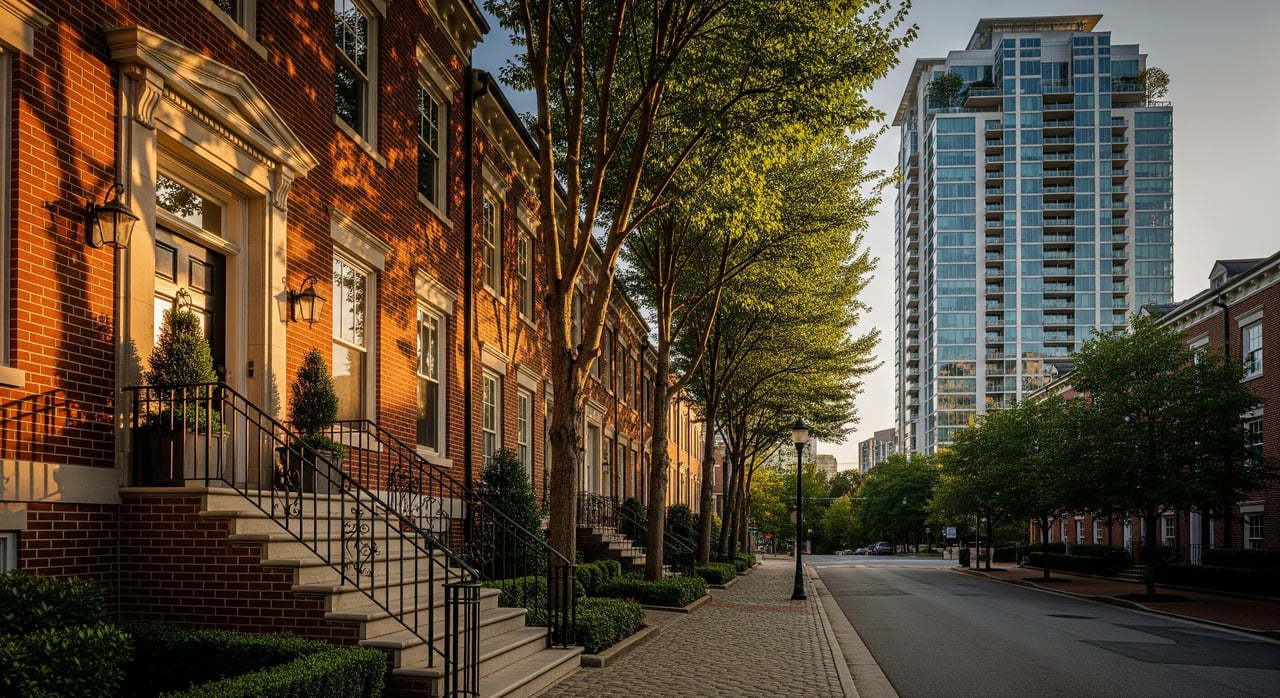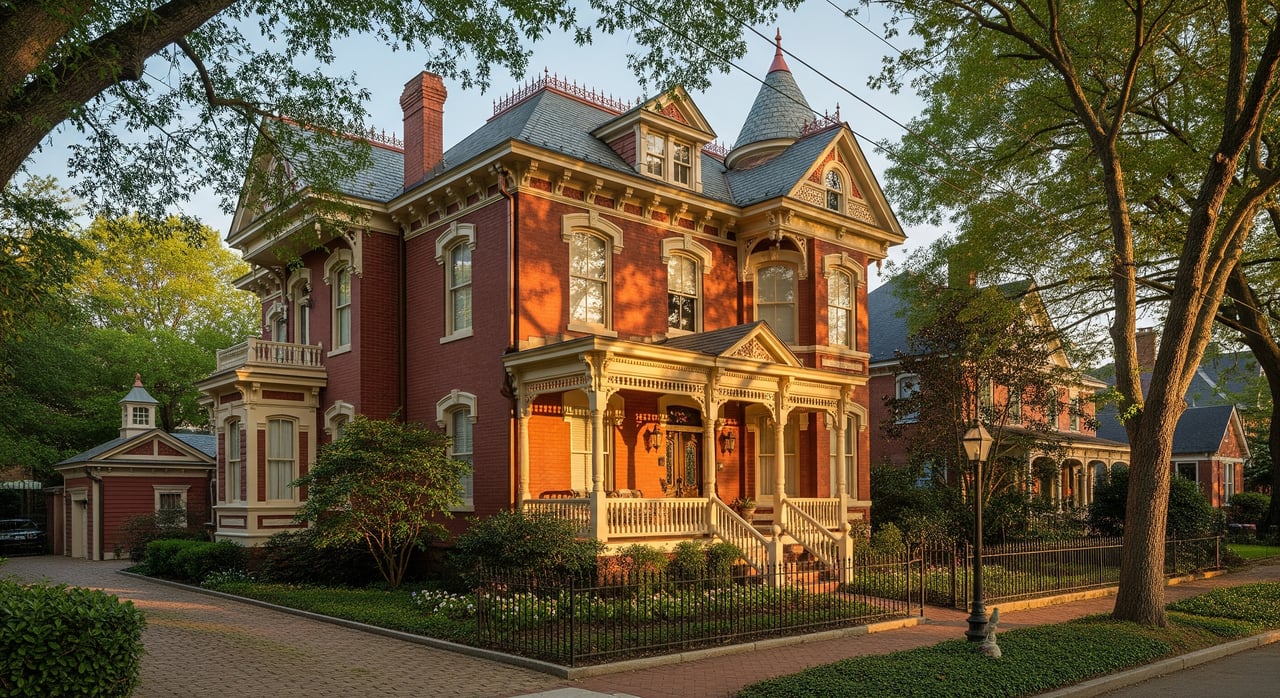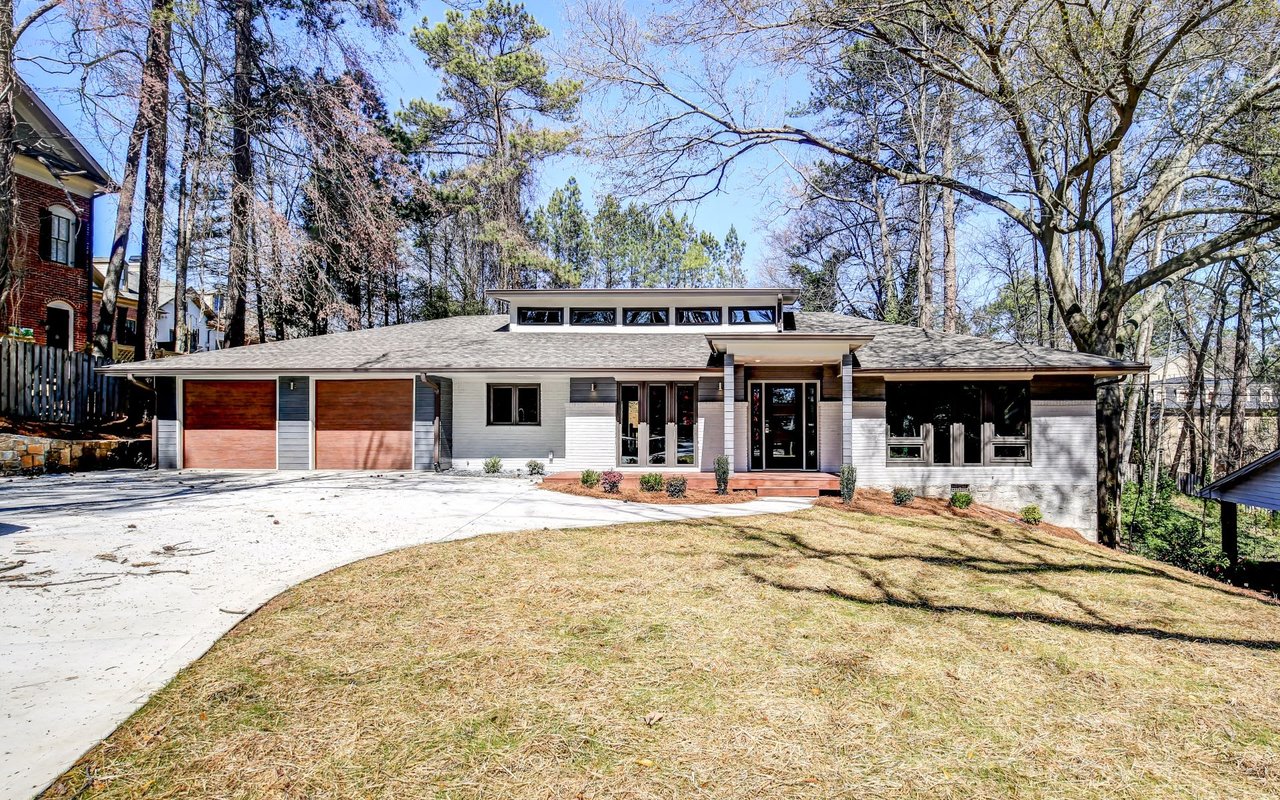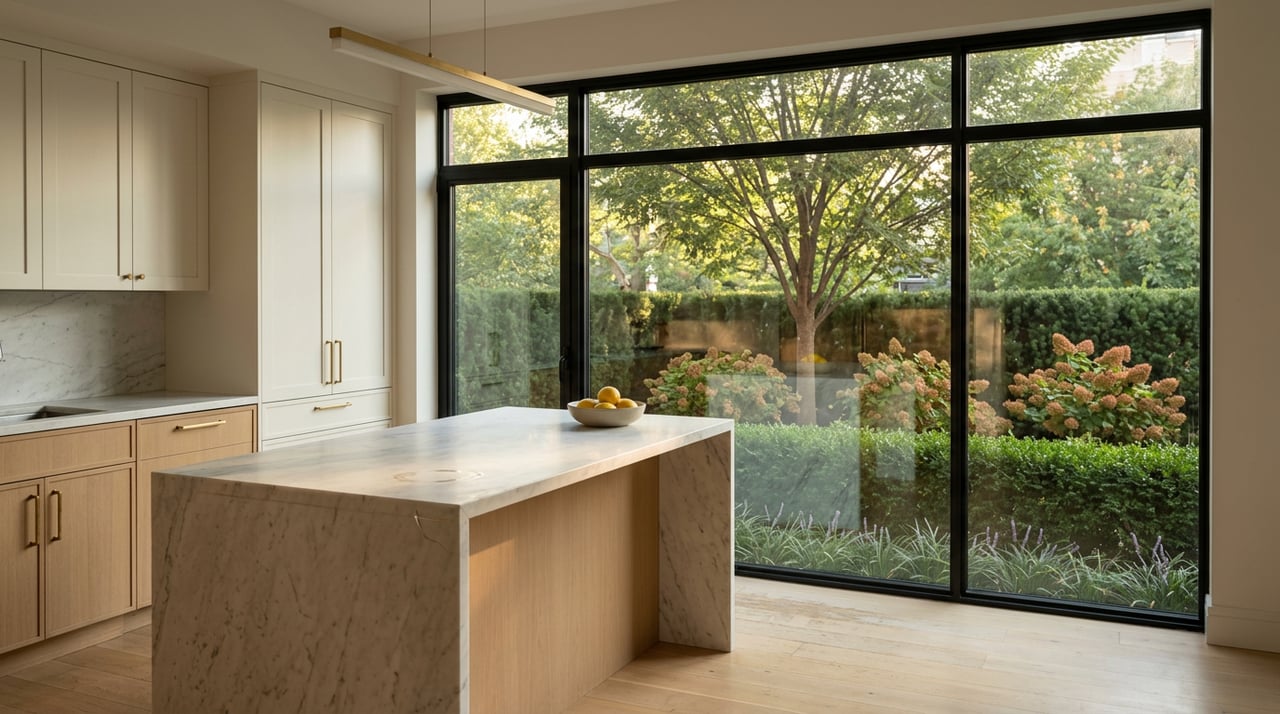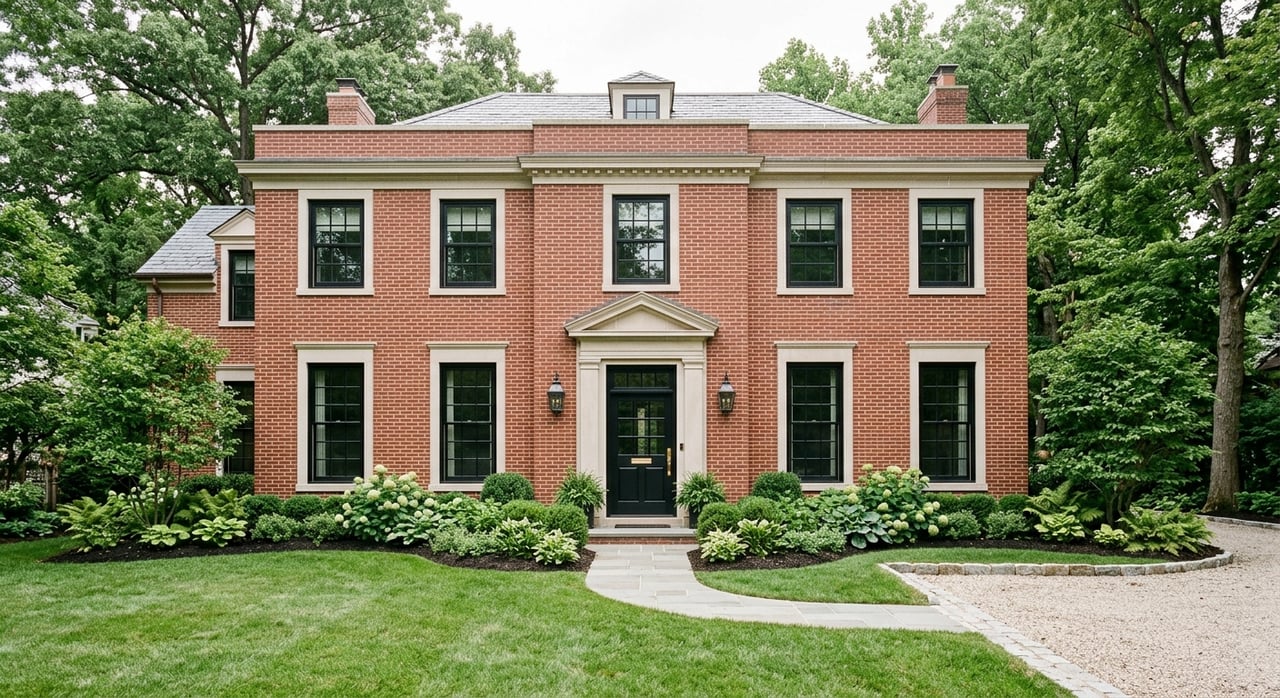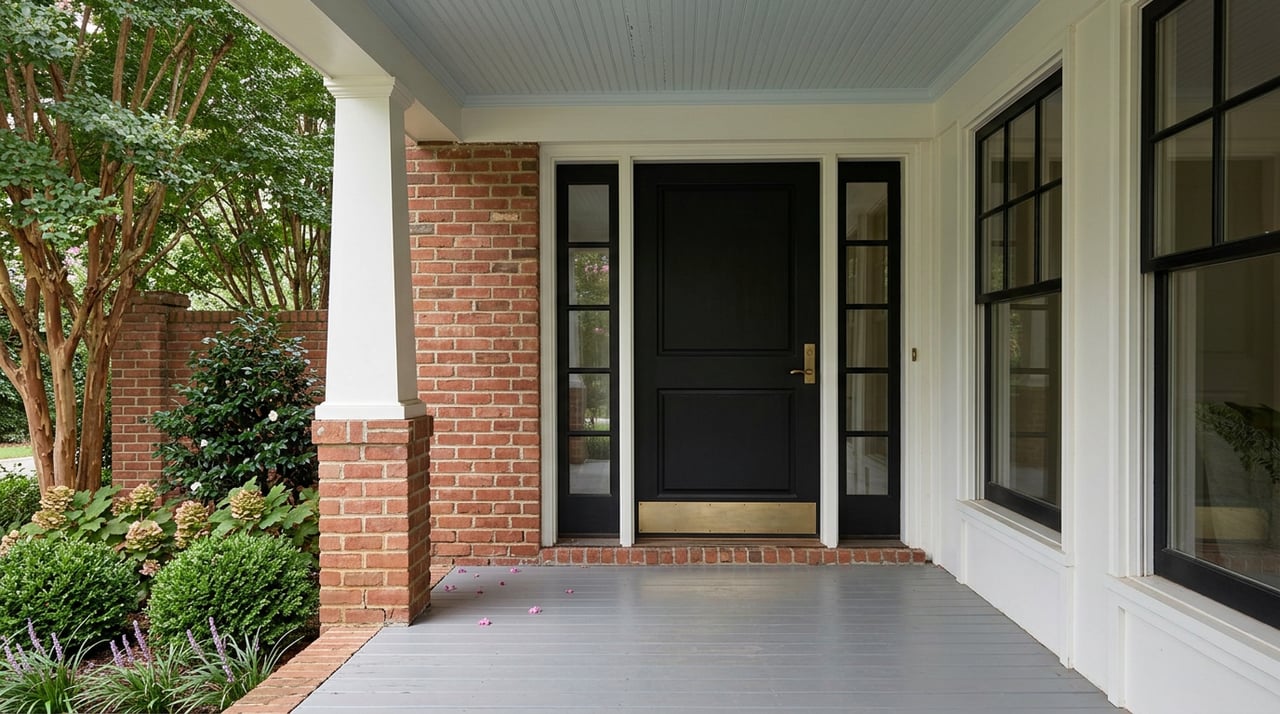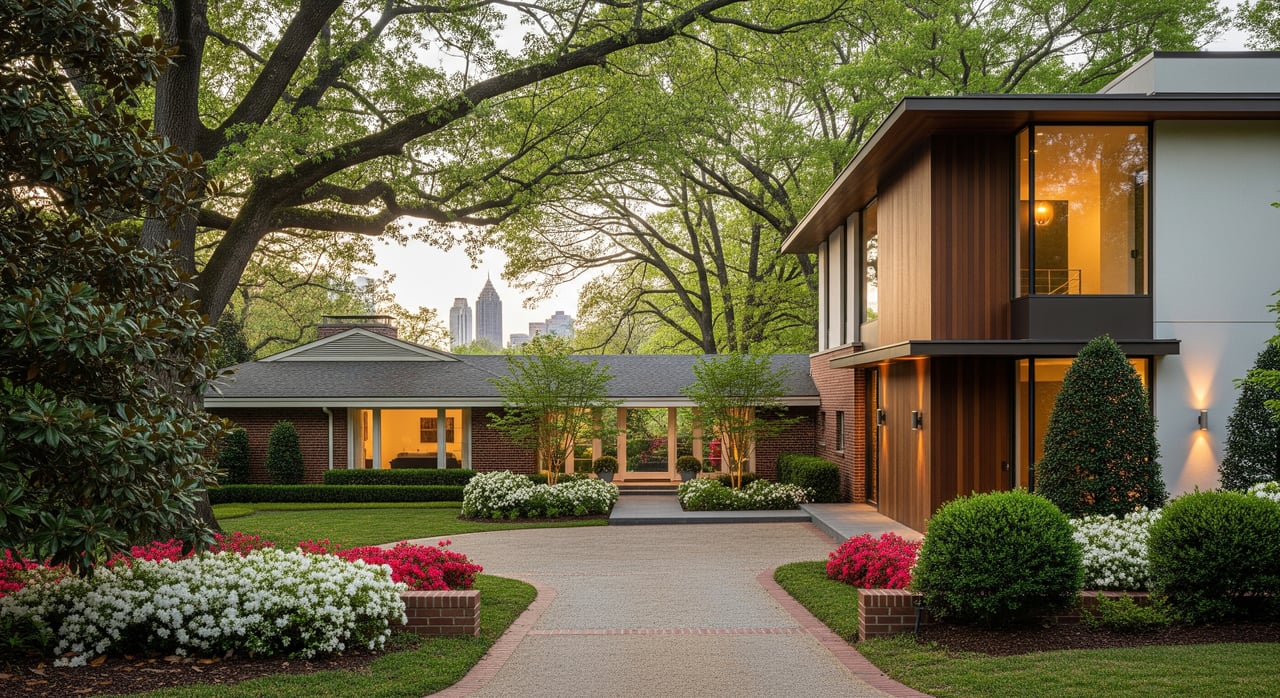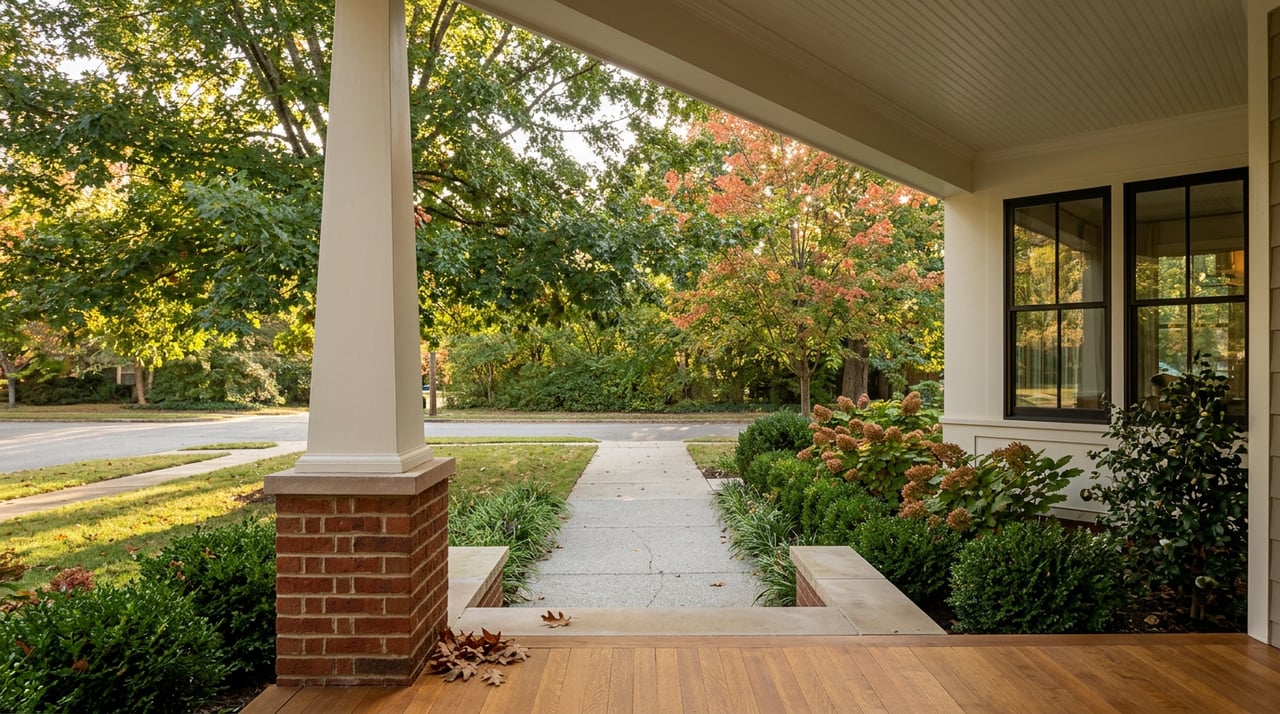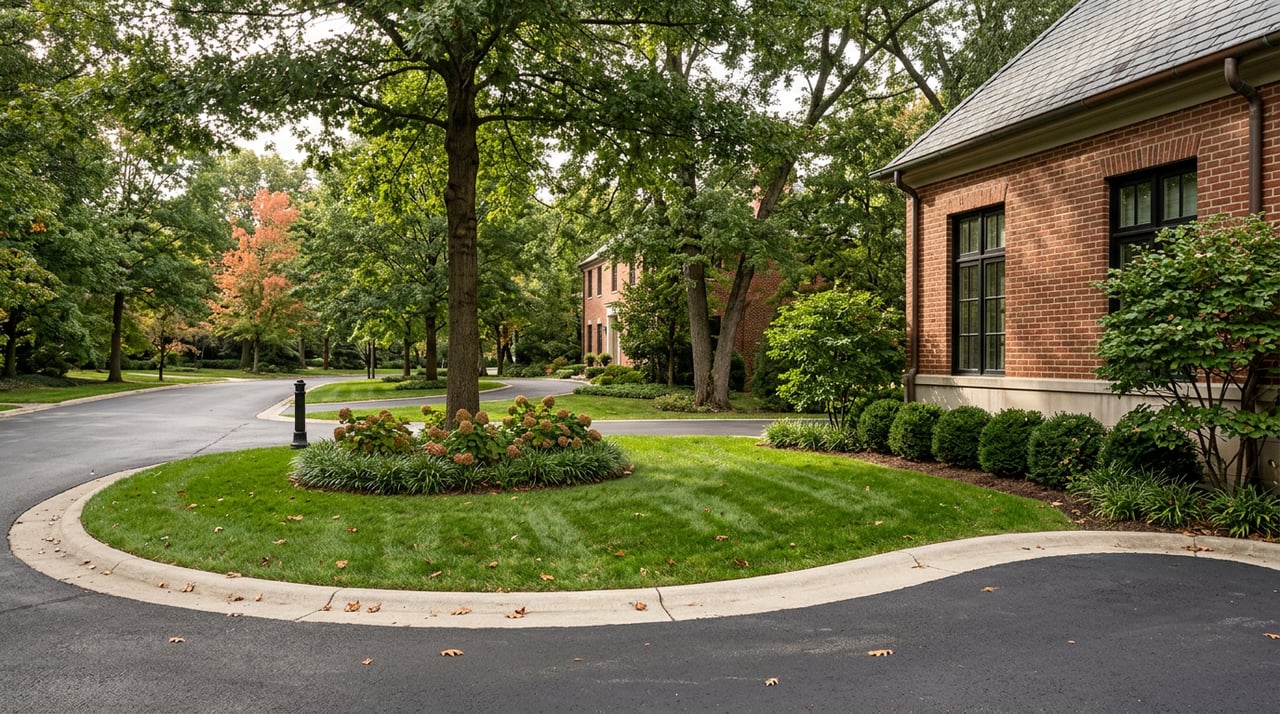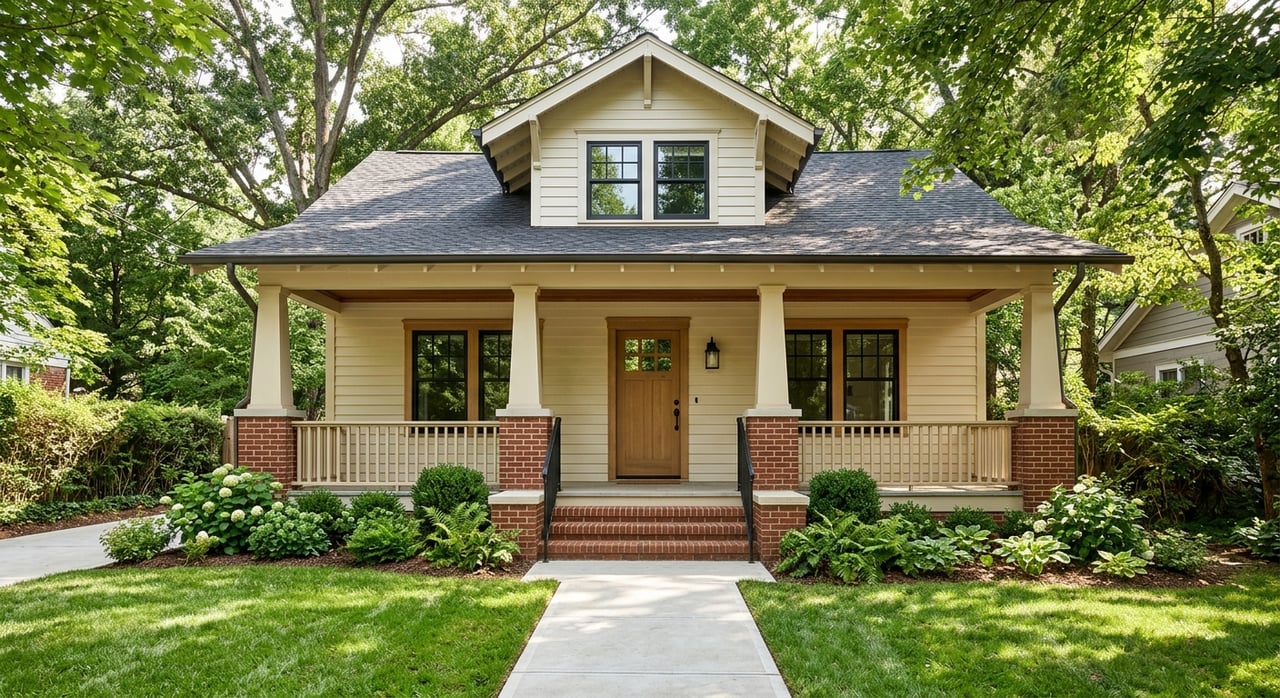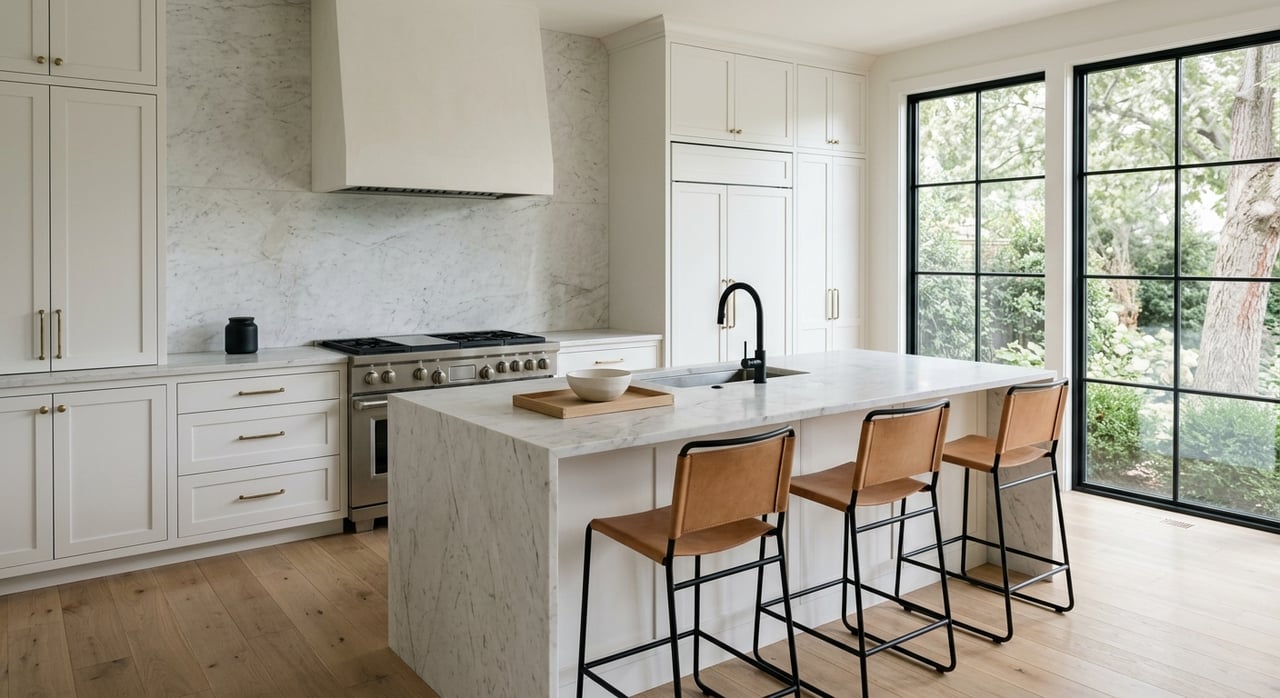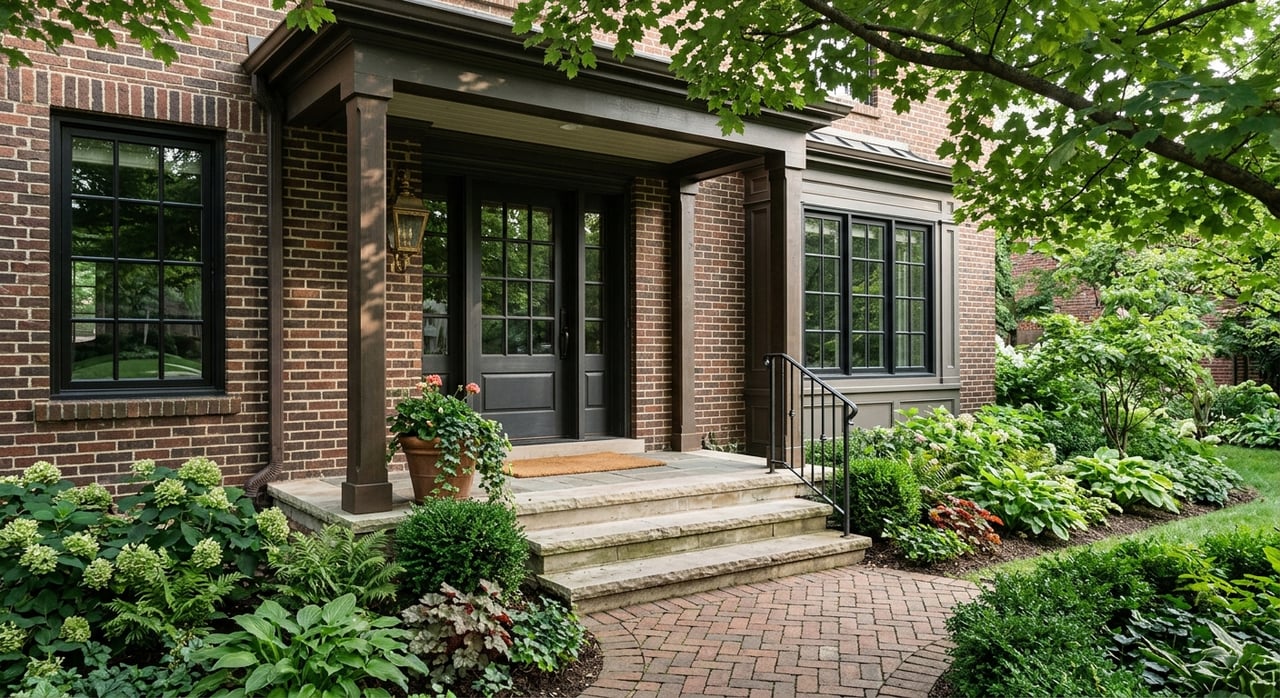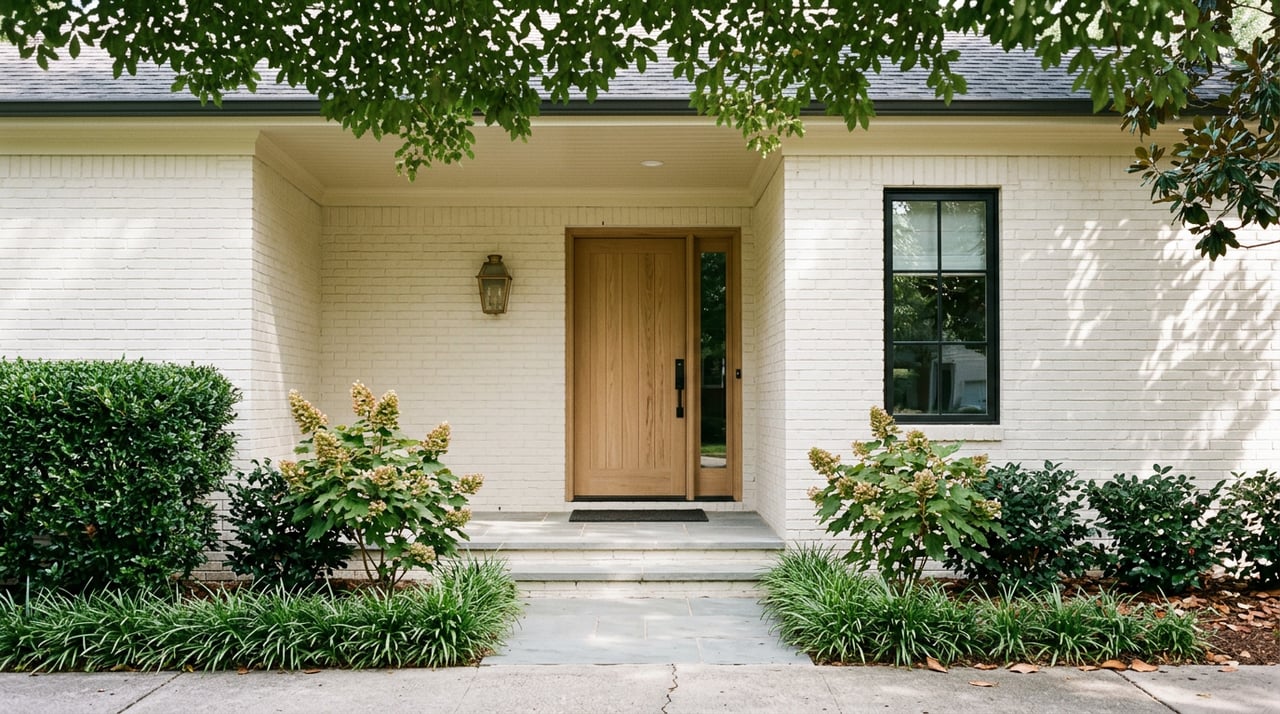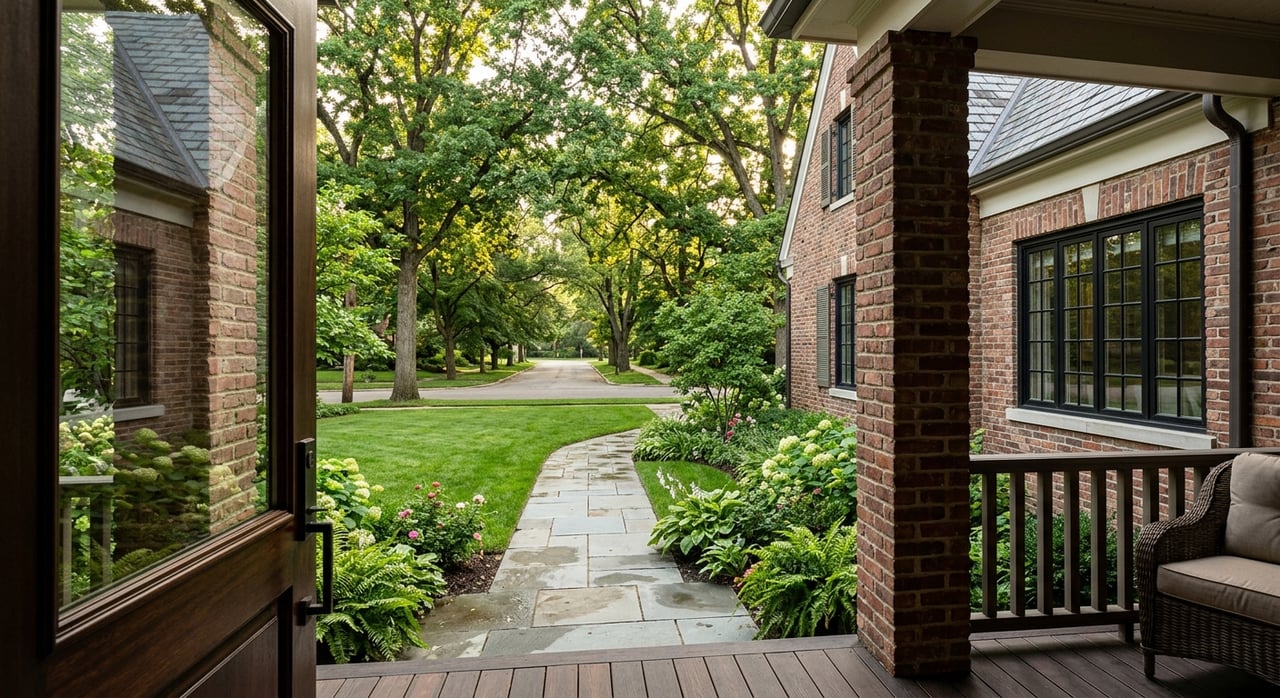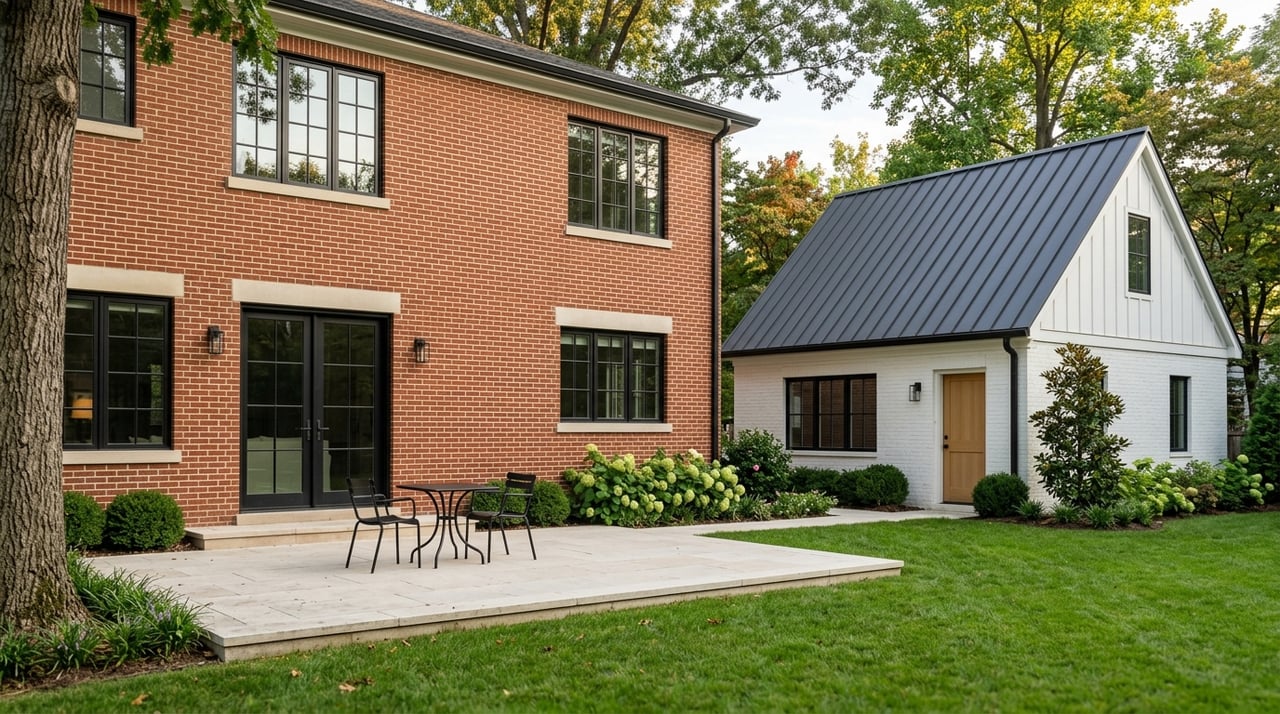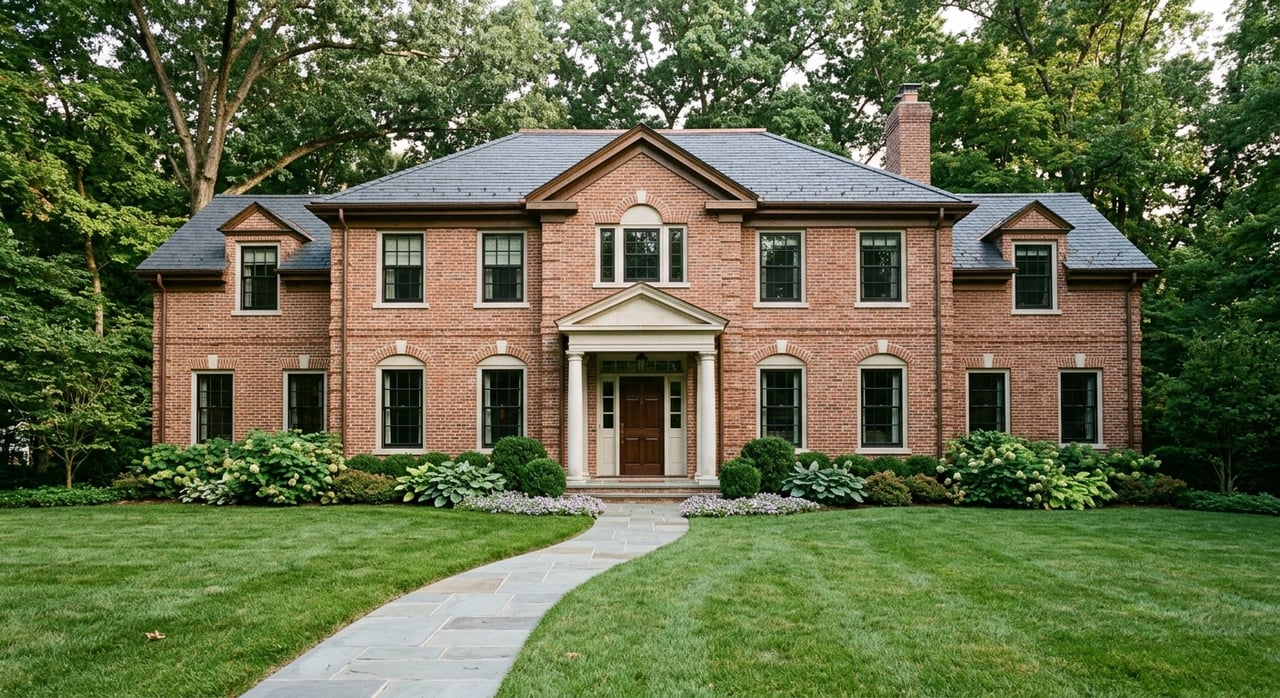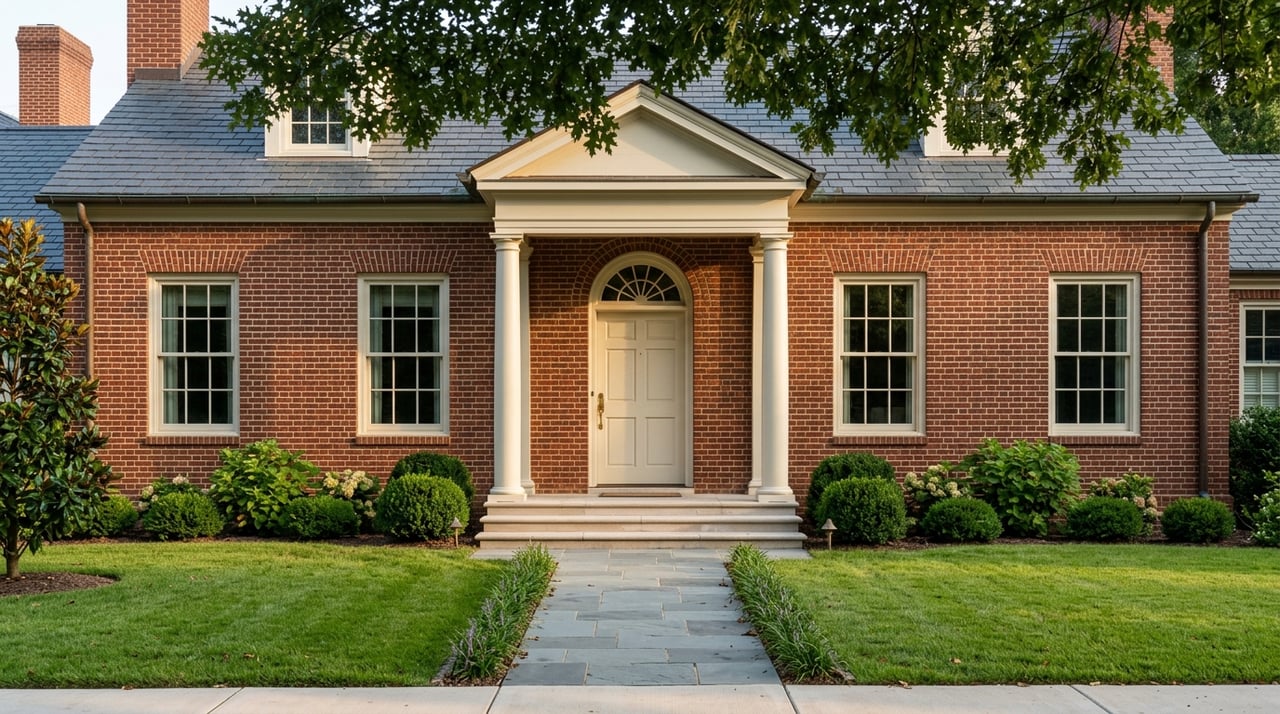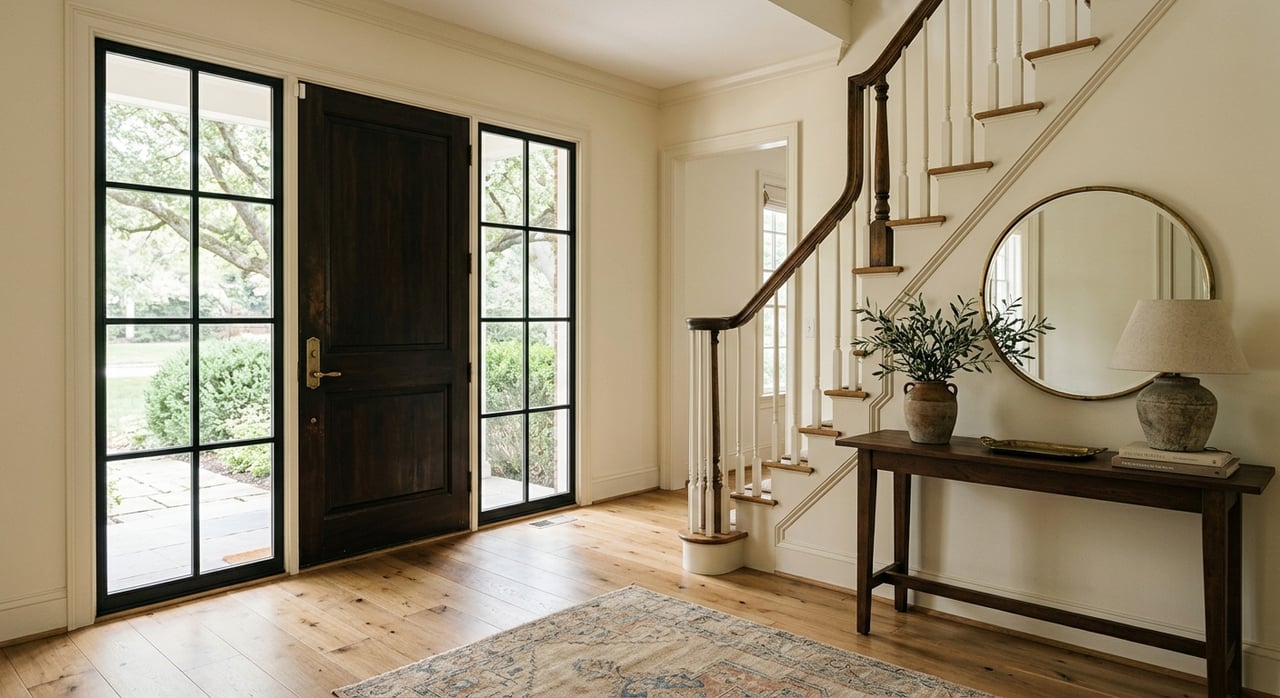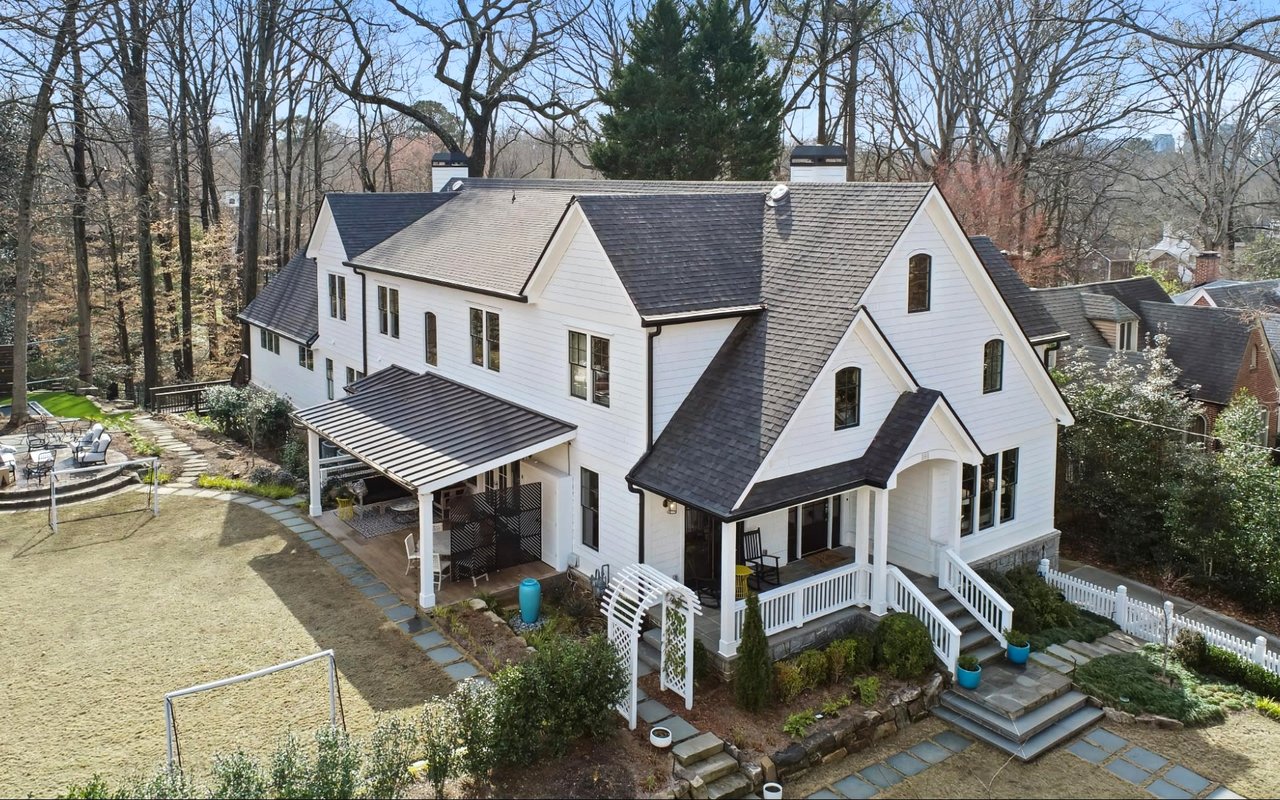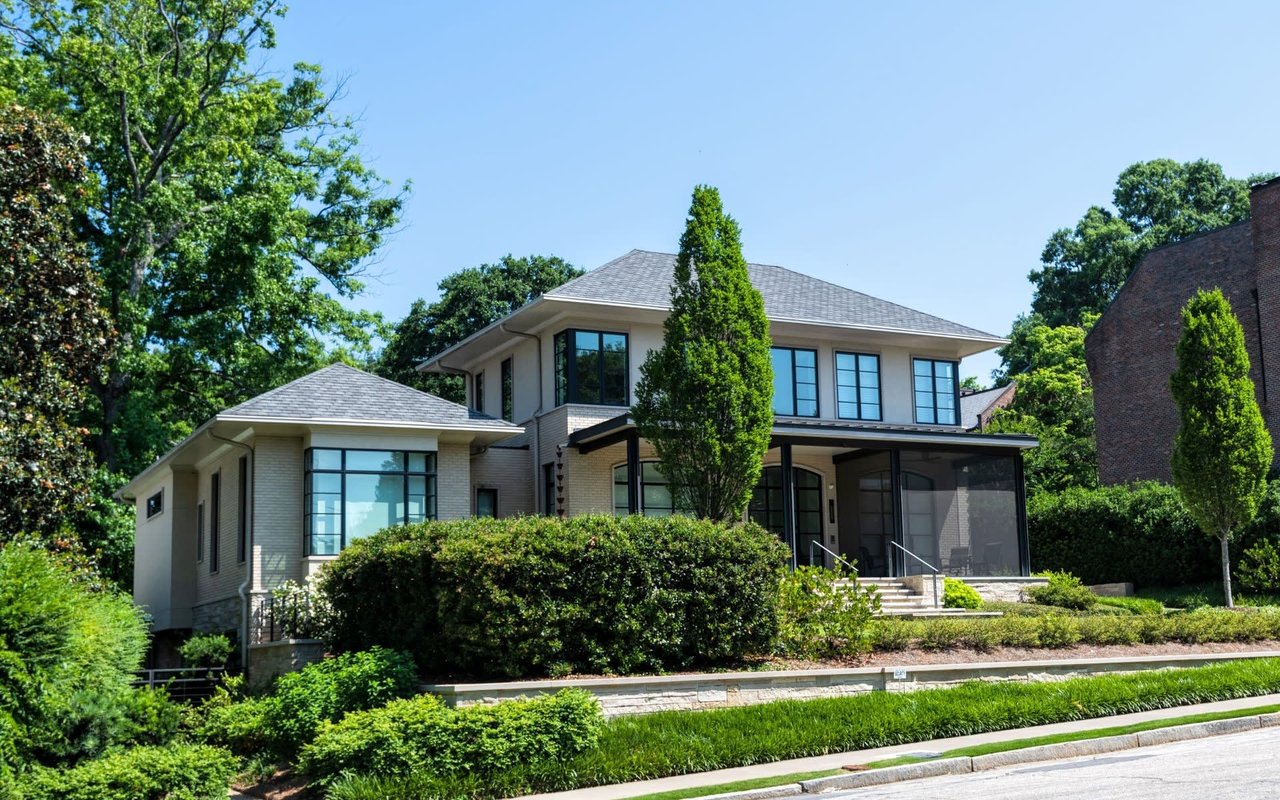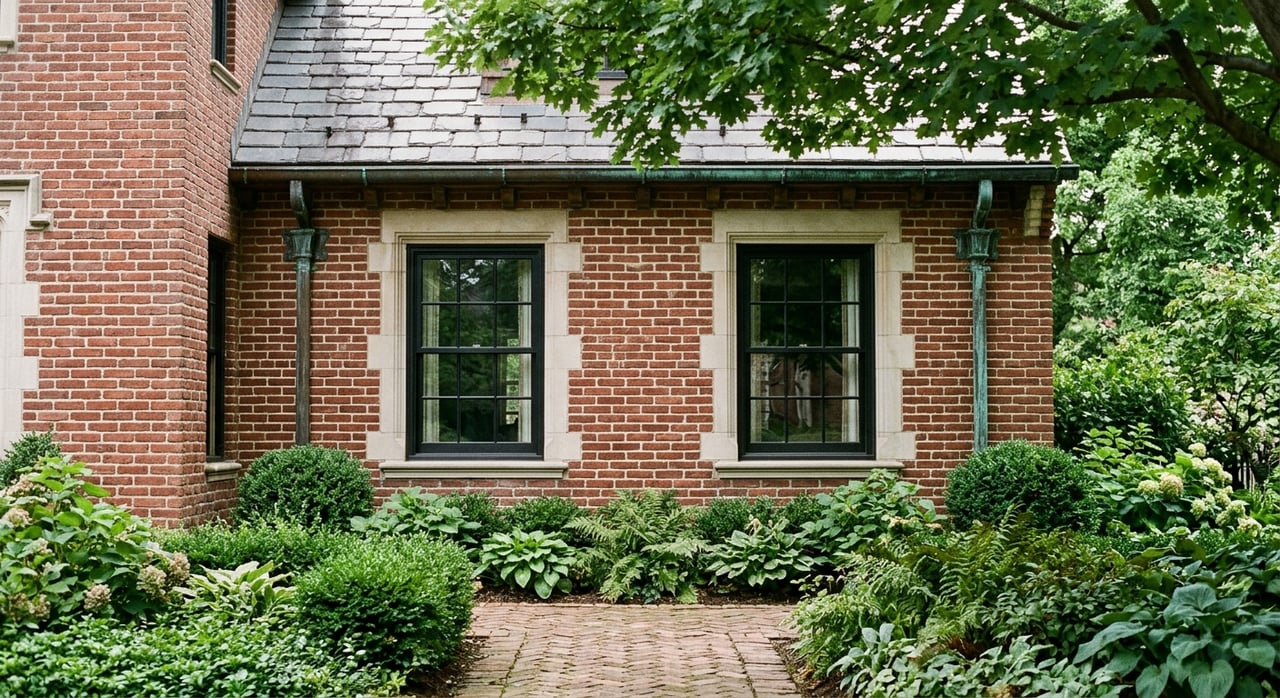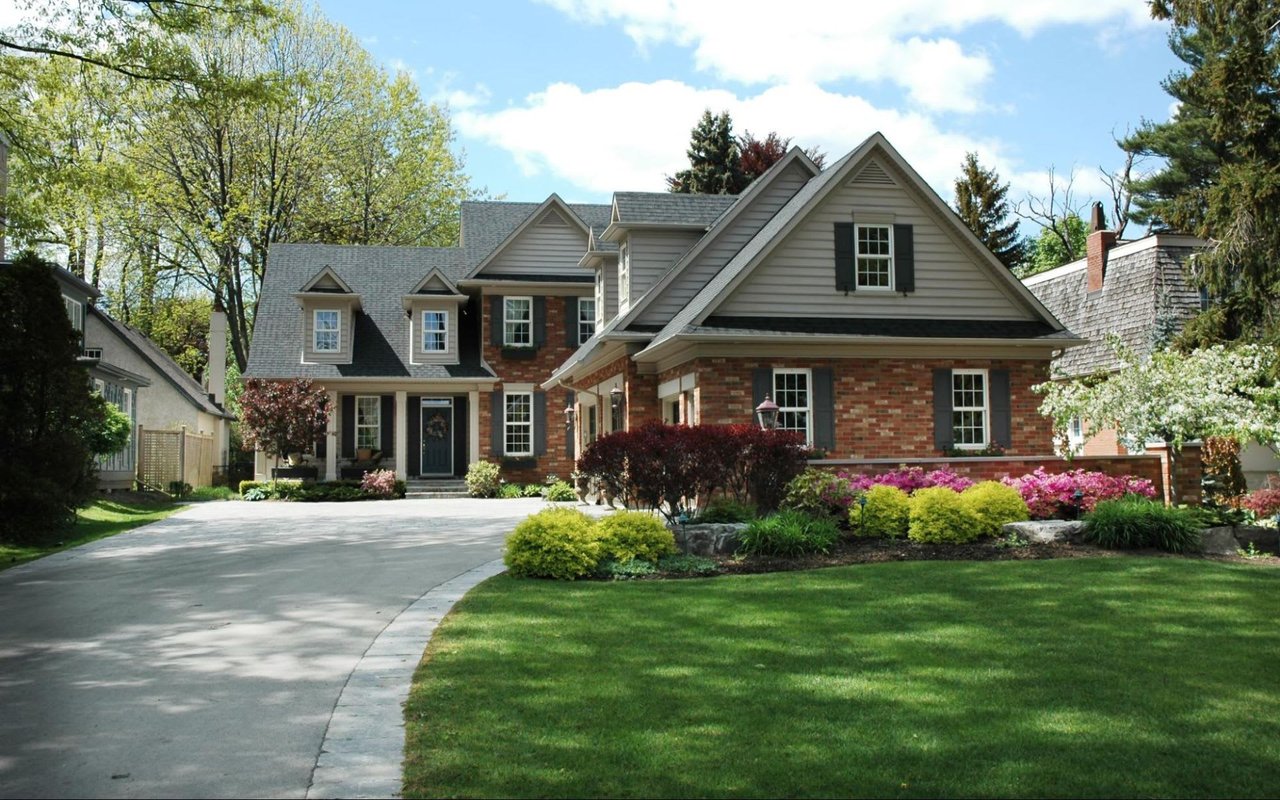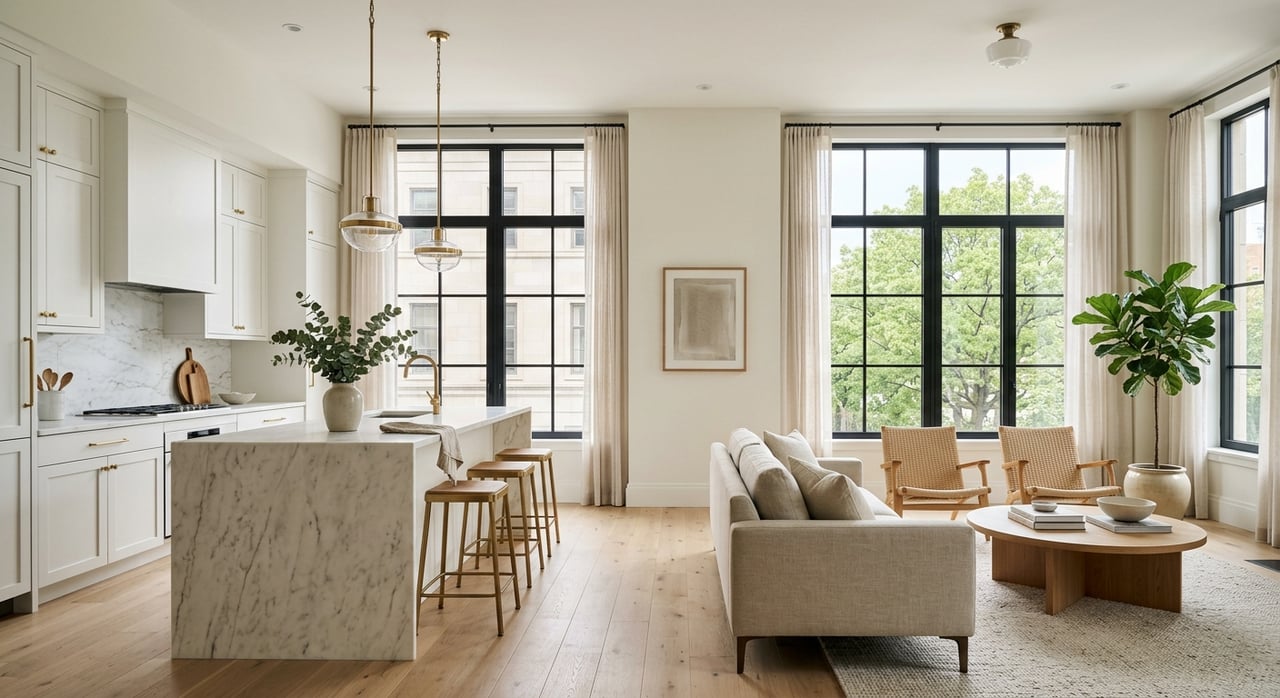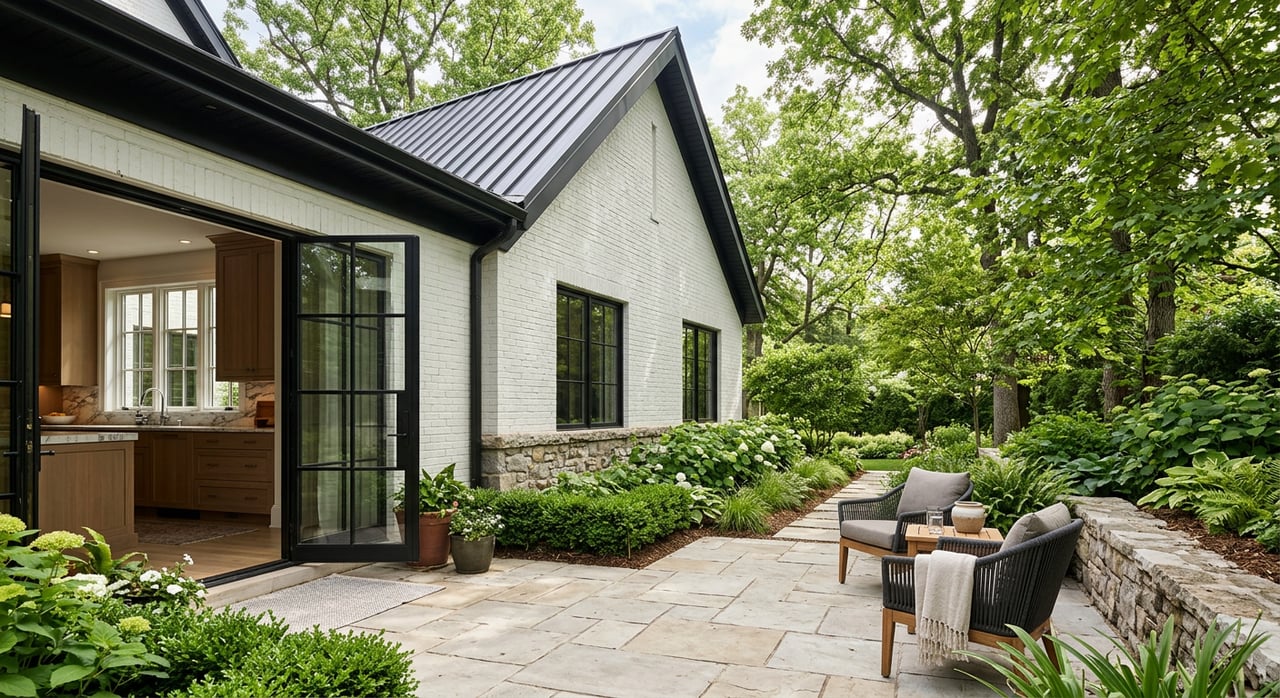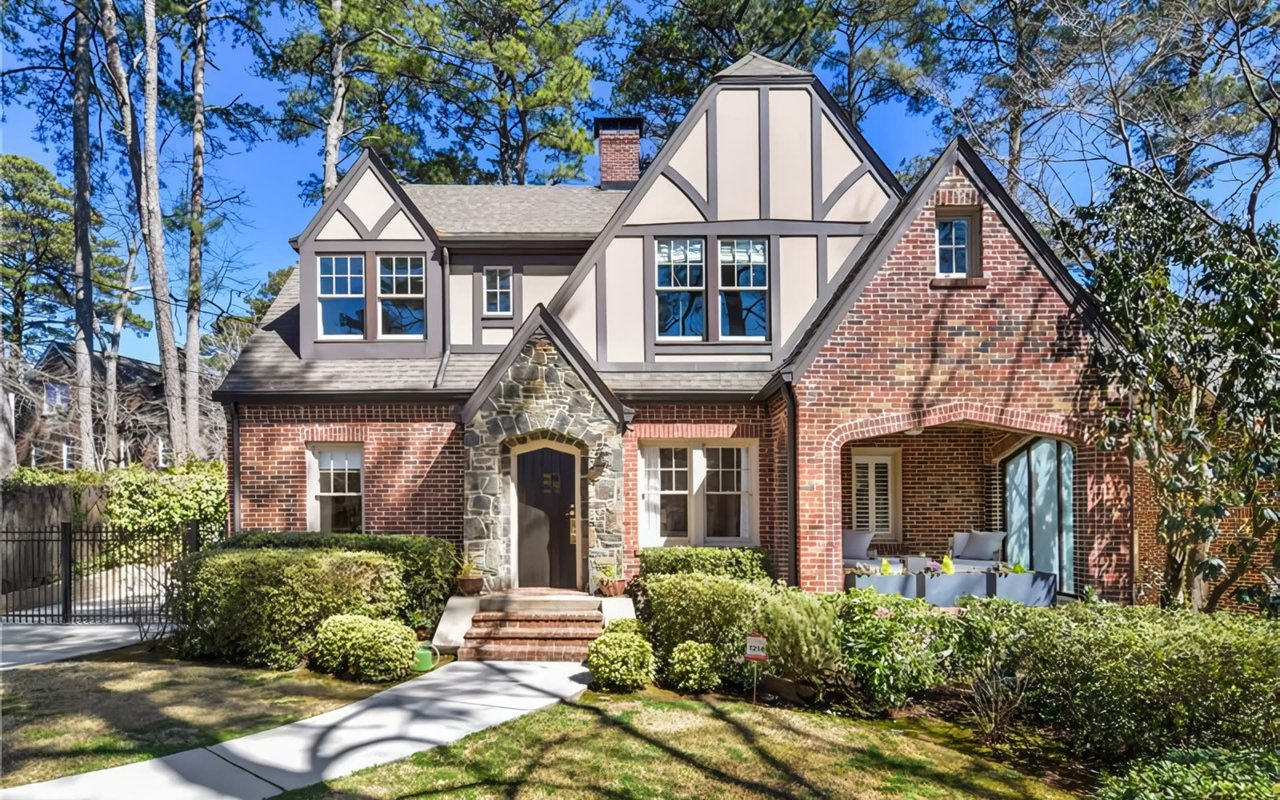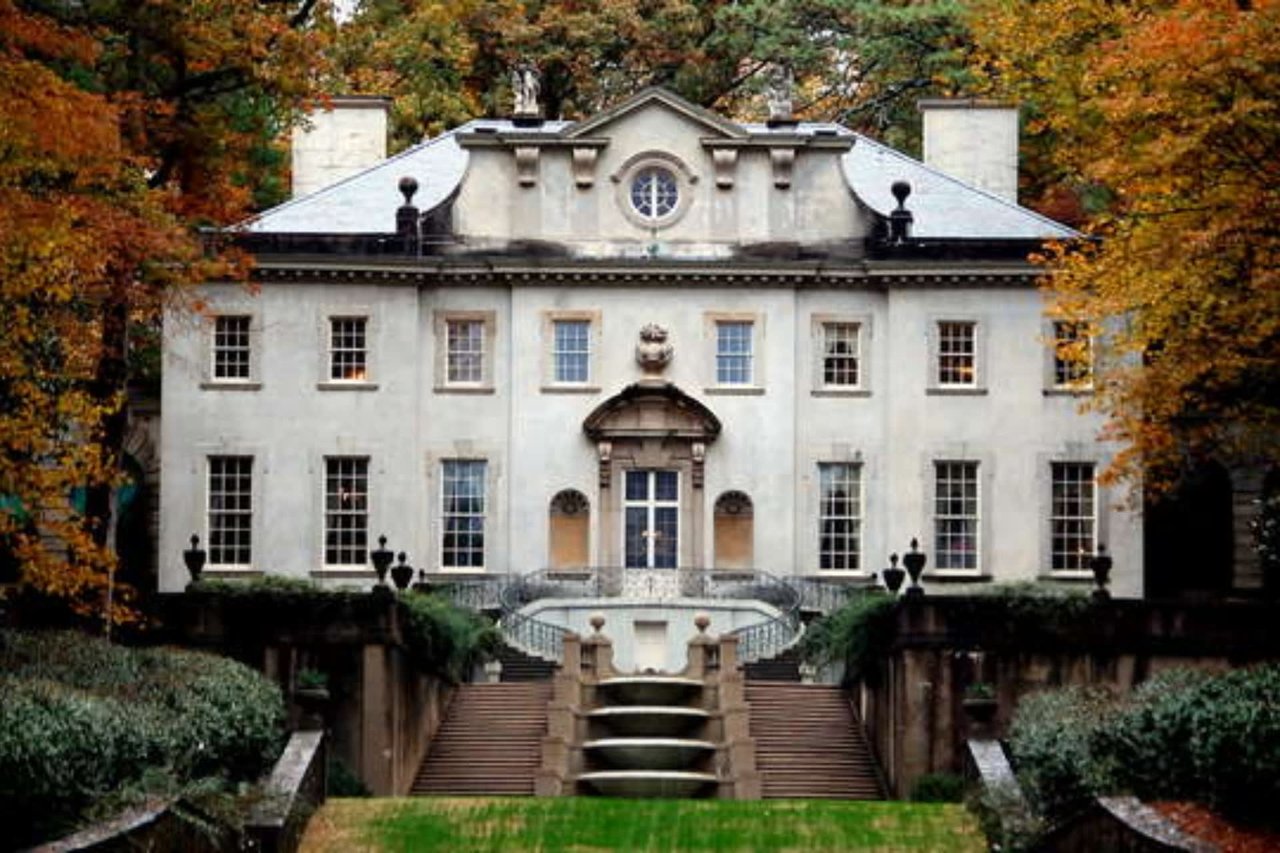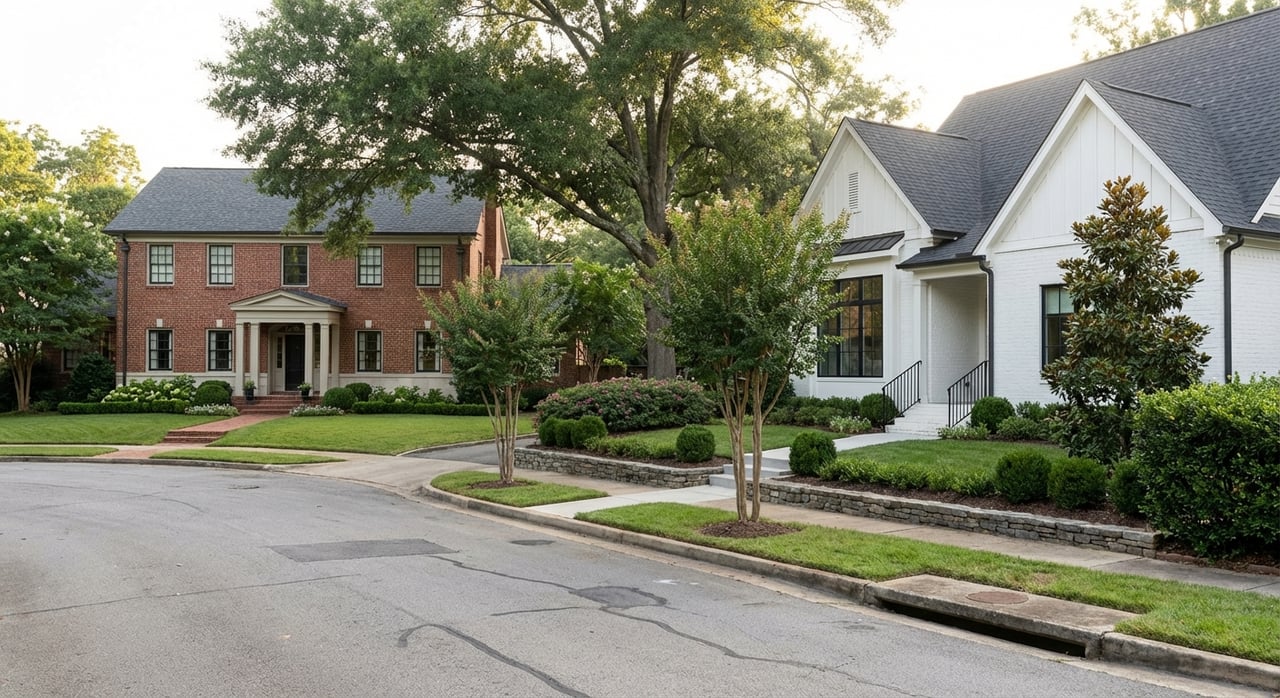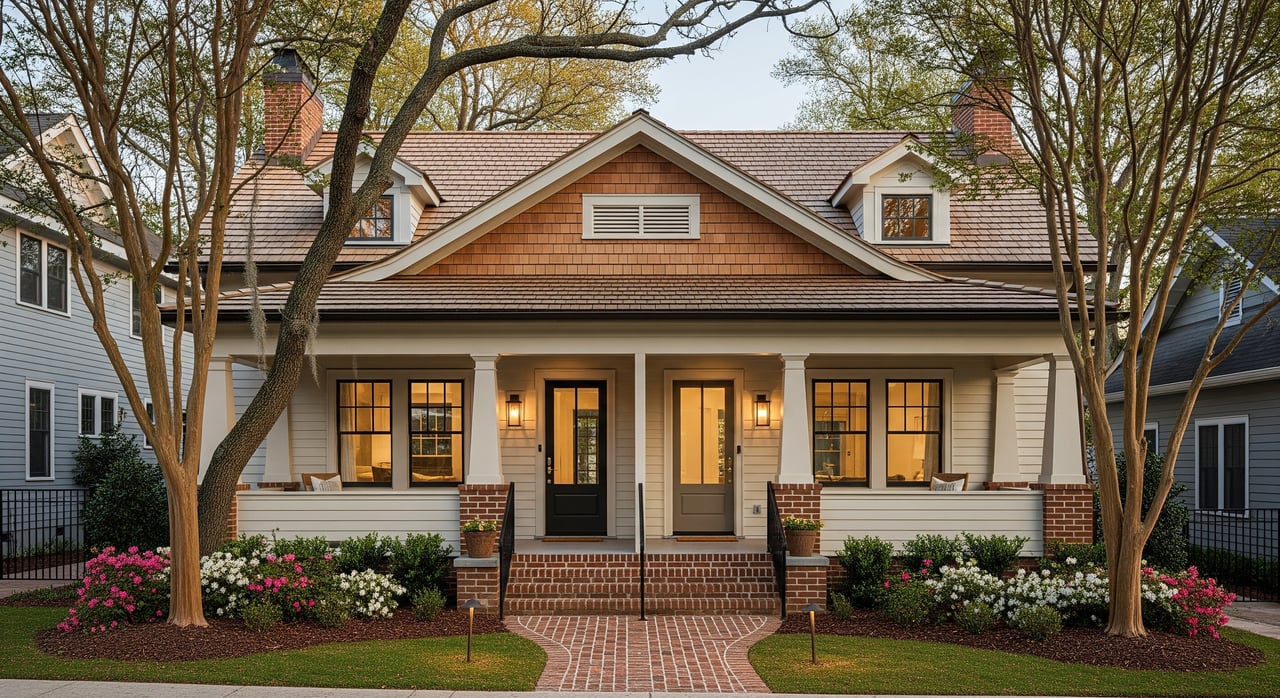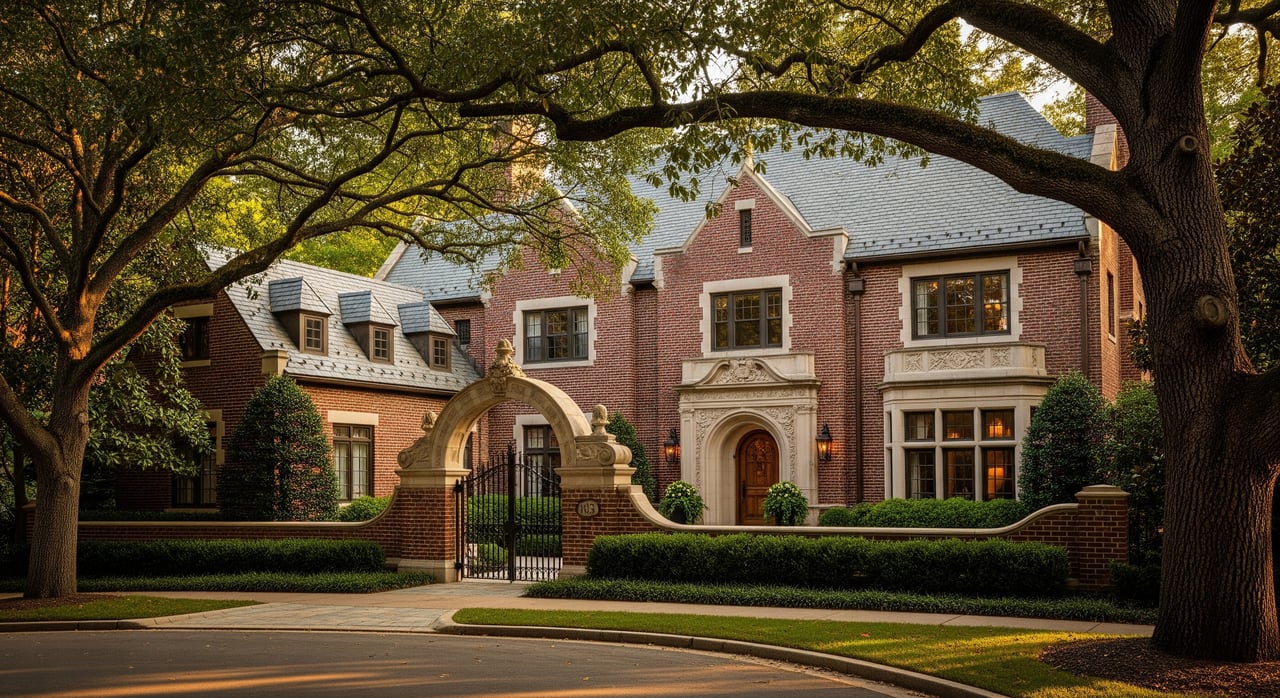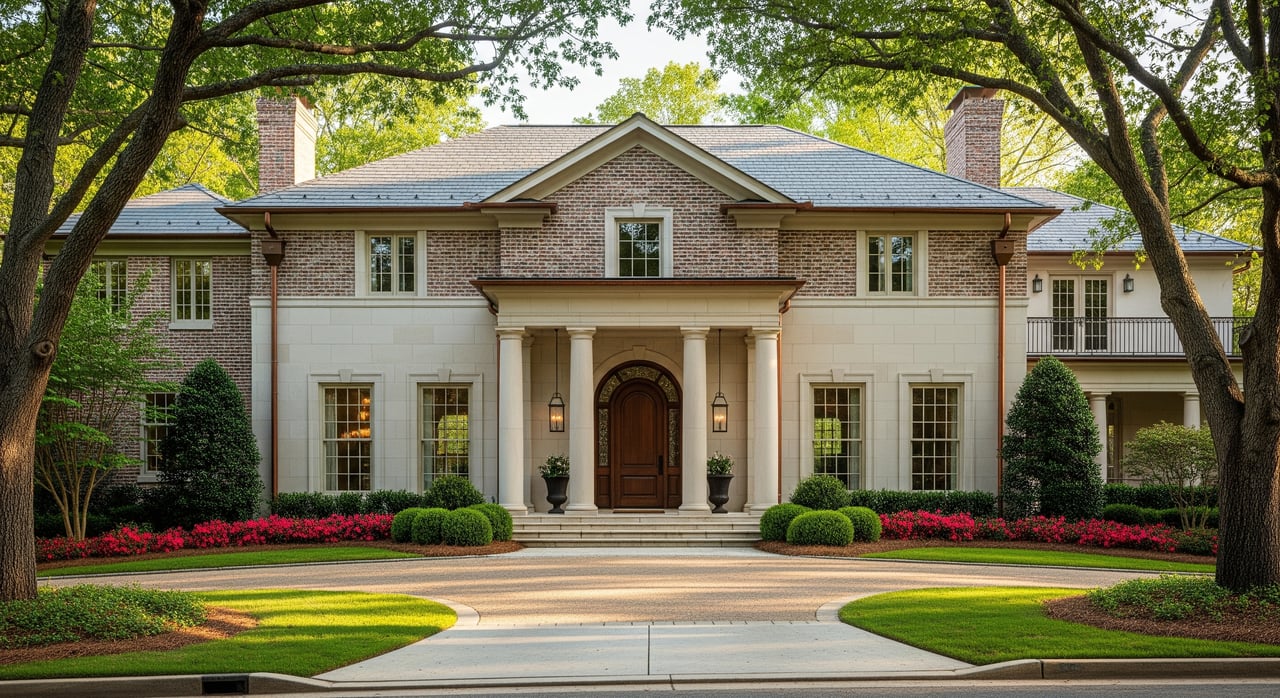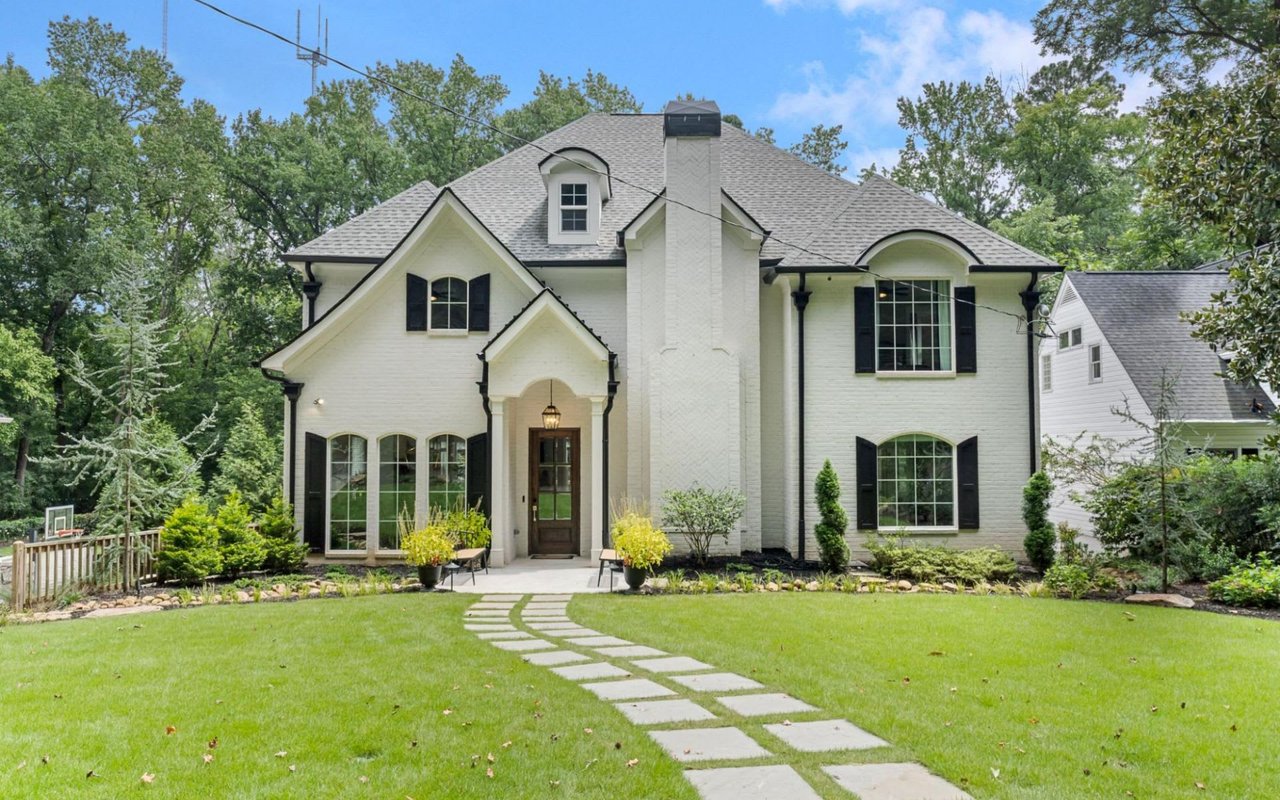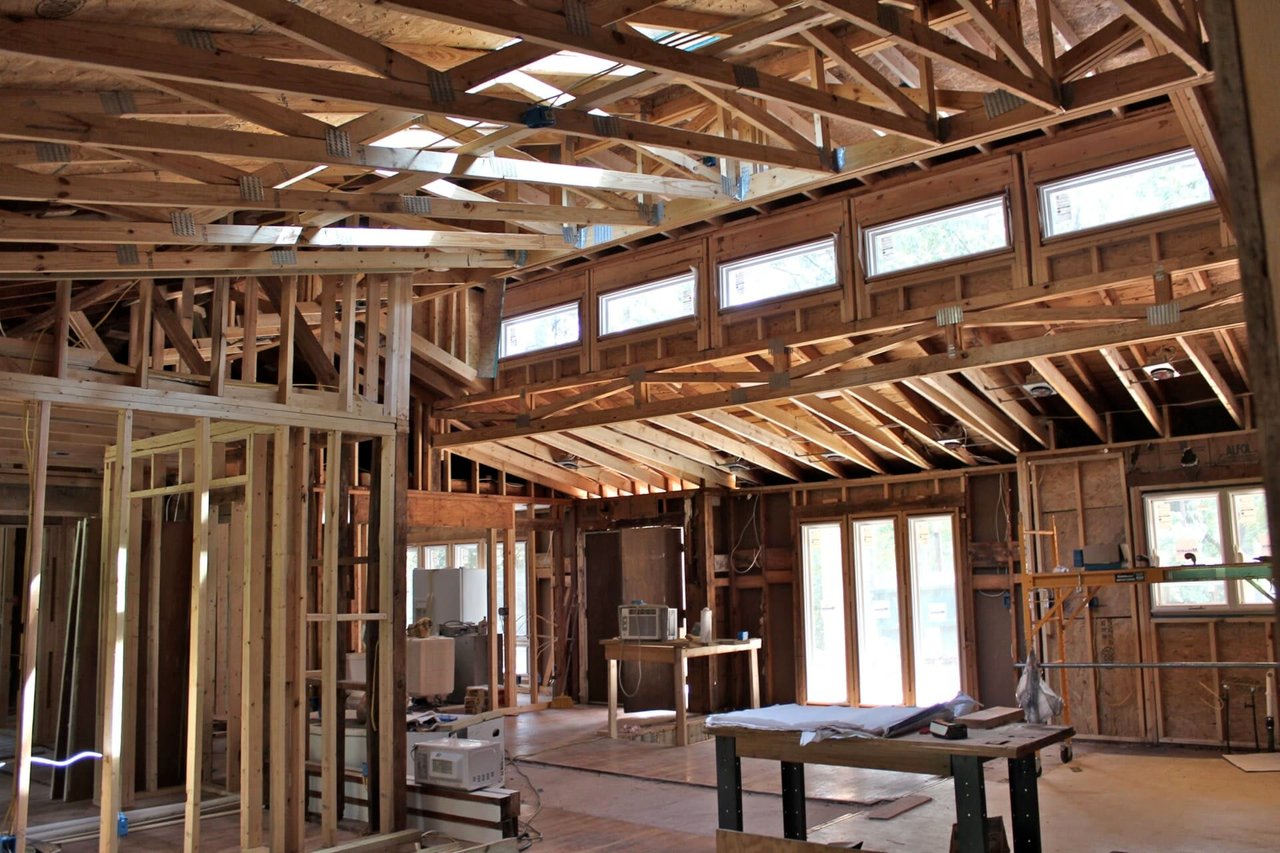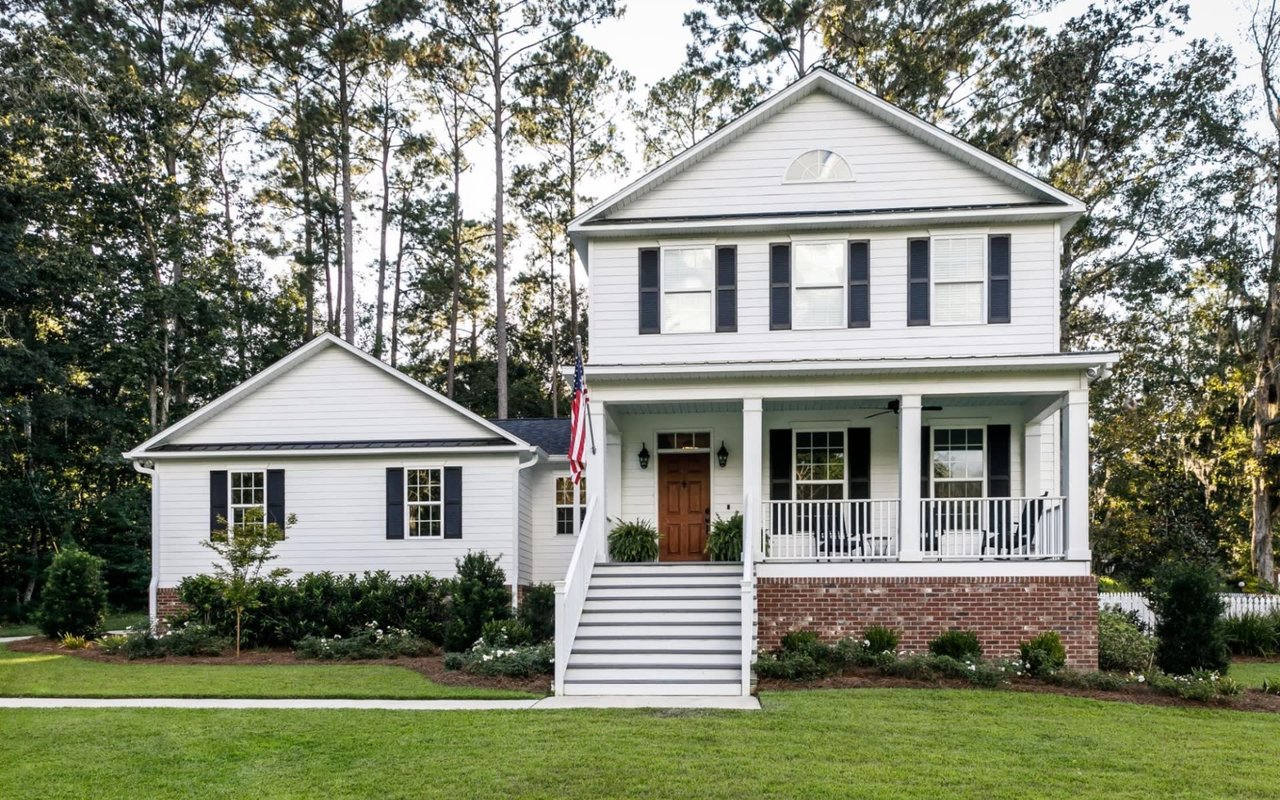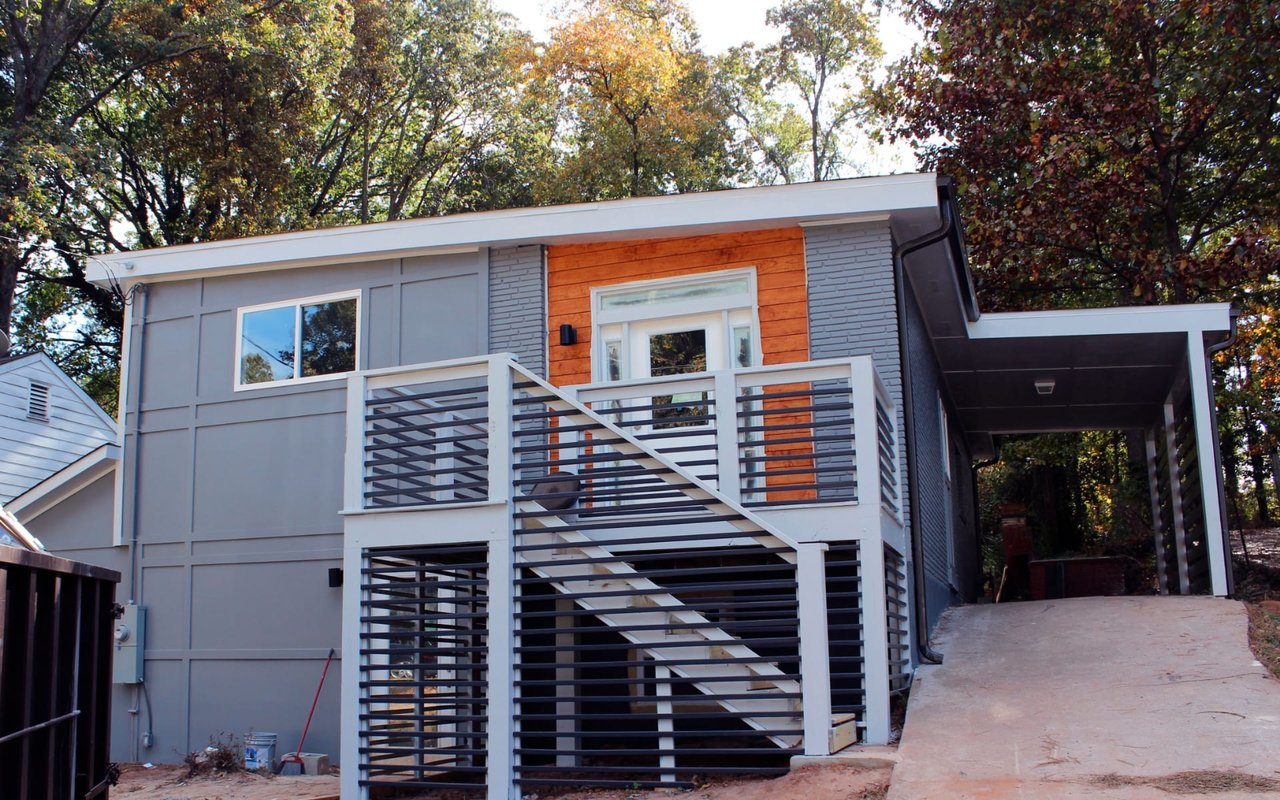
You do not need a brand-new house to buy well in Morningside-Lenox Park. In fact, part of this area’s appeal is its older housing stock, established streetscape, and the kind of character you usually cannot recreate from scratch. If you are considering a fixer-upper here, the opportunity can be real, but so can the cost of getting the details wrong. This guide will help you spot the right kind of project, budget more wisely, and understand the permit and renovation factors that matter most in Morningside and Lenox Park. Let’s dive in.
Why fixer-uppers fit this area
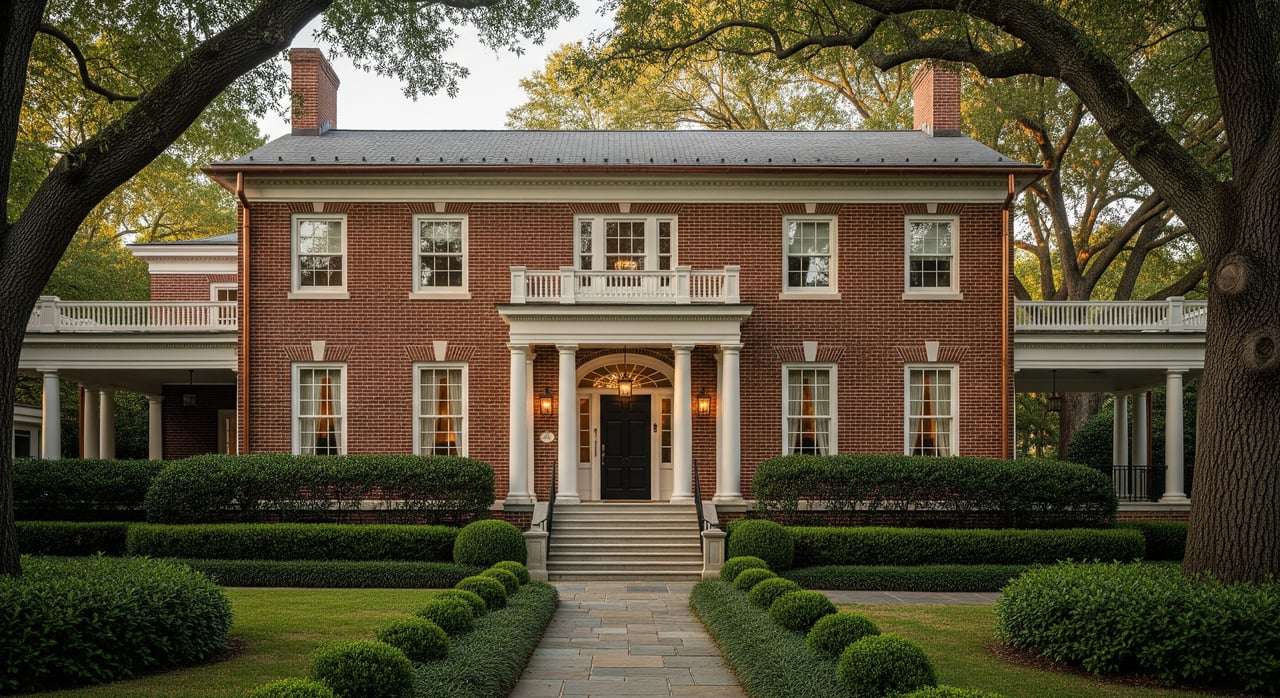
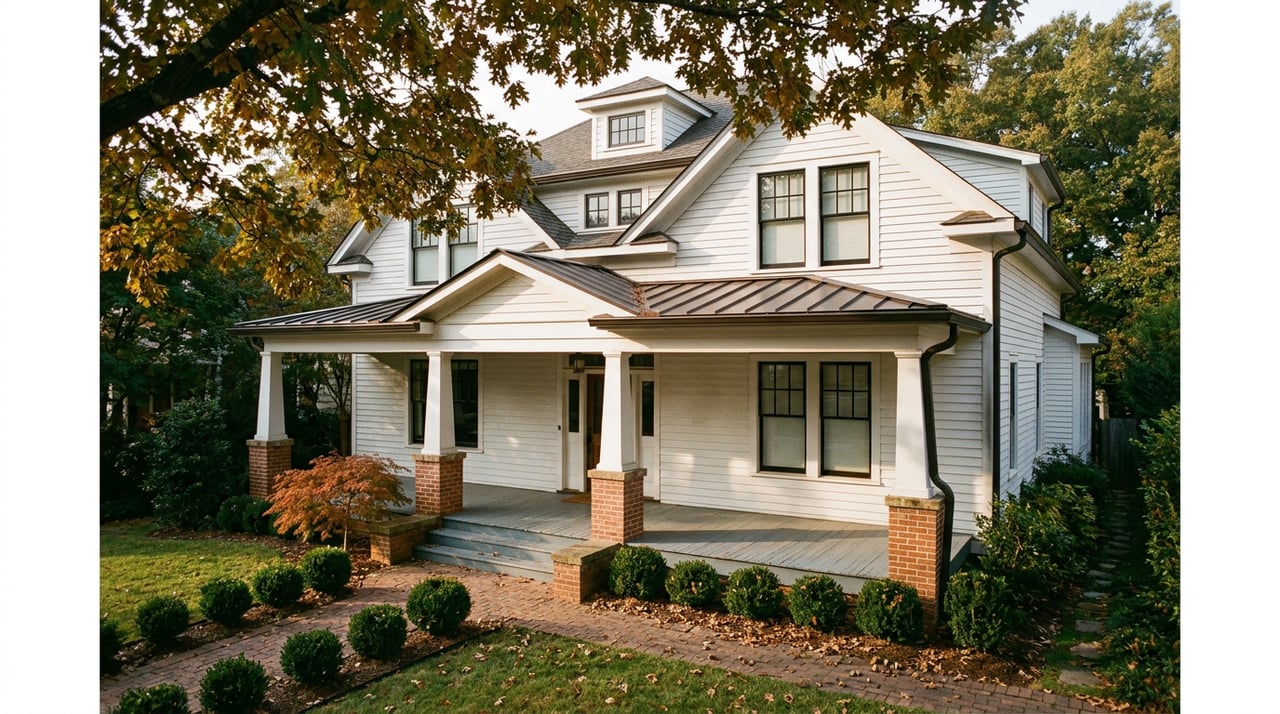
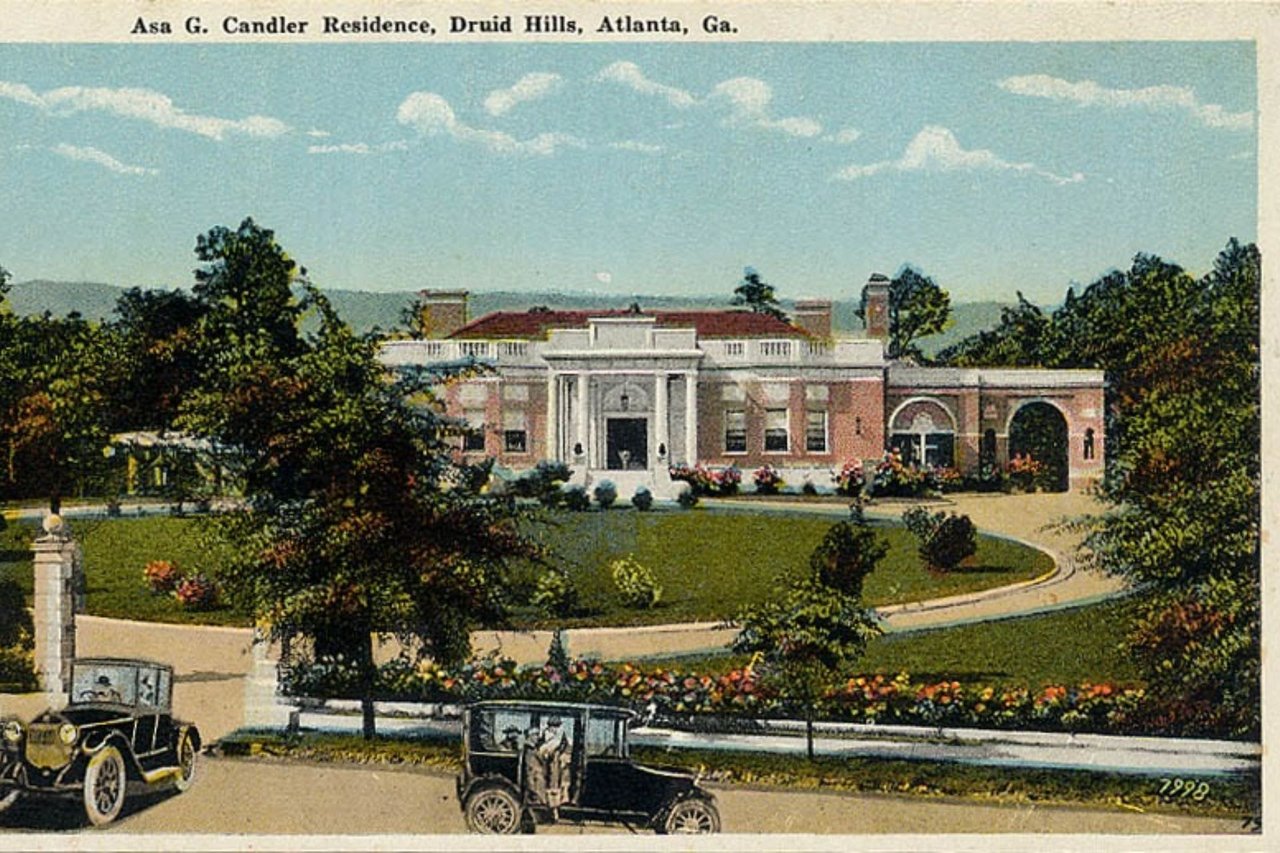
Morningside-Lenox Park includes Morningside, Lenox Park, and Johnson Estates, and the neighborhood association documents history going back to the 1920s. That older timeline matters because many homes here were built for charm and long-term livability, not modern open-plan expectations.
The area is also known for greenspaces and mature trees, and the City of Atlanta adopted the Morningside Lenox Park Master Plan in 2018 with historic preservation among its focus areas. For you as a buyer, that usually means a fixer-upper here is not just about finishes. It is often about respecting the home’s existing character while making smart updates.
What kind of fixer-upper to expect
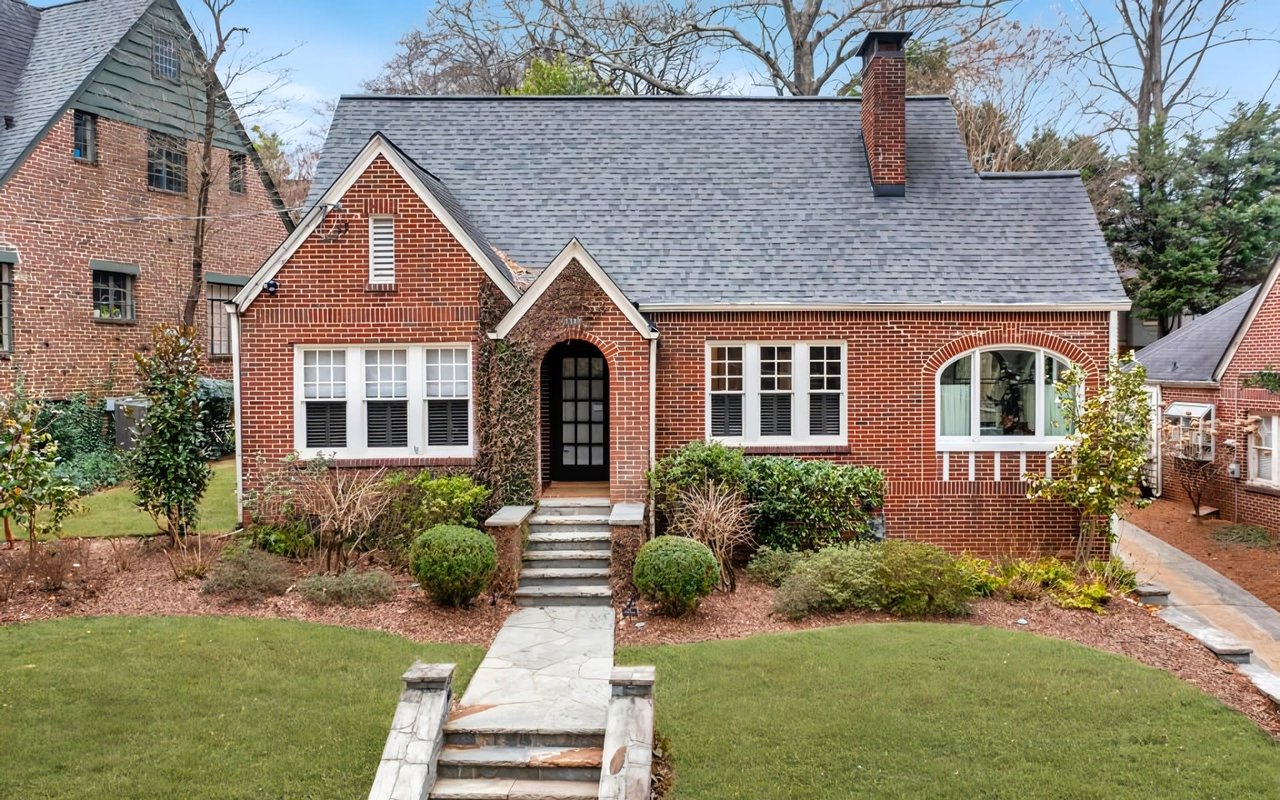
In Morningside and Lenox Park, you are often more likely to find a light fixer than a total teardown-level project. That can look appealing on paper, especially if the kitchen is dated but usable or the bathrooms feel tired rather than failing.
Still, older homes can hide issues that do not show up clearly in listing photos. Deferred maintenance, plumbing concerns, roof wear, drainage problems, and exterior site work can all become part of the real budget. The heavy tree canopy can also increase the odds that tree-related site work or permitting enters the conversation earlier than you expect.
How to read listing language carefully
A fixer-upper search gets easier when you know how to decode common marketing words. One of the most useful distinctions is the difference between updated and remodeled.
Fannie Mae’s appraisal guidance says “updated” usually means changes that are limited in scope and cost and bring a home closer to current market expectations. “Remodeled” suggests more significant finish or structural changes, such as moving fixtures, changing walls, or adding square footage.
That difference matters because “updated” may still leave older systems, layout constraints, or unfinished repair needs in place. A home can photograph beautifully and still need meaningful investment once you get into inspections and contractor walkthroughs.
What photos may not tell you
Listing photos are helpful, but they rarely tell the whole story in an older home. A fresh coat of paint, styled furniture, and strong lighting can make cosmetic wear feel minor even when deeper work is needed.
Fannie Mae notes that minor conditions can include worn floor finishes, small plumbing leaks, cracked window glass, missing handrails, or holes in window screens. Those items may be manageable. More obvious deferred maintenance, broad deterioration, visible dampness, abnormal settlement, or issues that affect safety or structural integrity deserve much closer review.
When a fixer-upper may still be financeable
Not every project home is automatically hard to finance. In practical terms, a house may still be financeable as-is if the condition issues are minor and do not affect safety or soundness.
That said, if you notice signs like moisture intrusion, structural movement, or widespread neglect, you should slow down and dig deeper. In a neighborhood with older homes, a careful inspection strategy can protect you from buying a problem that looks smaller than it is.
Start with due diligence, not design ideas
It is easy to fall in love with what a home could become. In Morningside and Lenox Park, the better first question is whether the property works logistically, financially, and legally for the renovation you have in mind.
Before you price countertops or dream up a new primary suite, confirm the basics. You want to know what work is needed immediately, what work may require city review, and whether the lot or district status changes your renovation path.
Atlanta permit rules to know early
The City of Atlanta says you likely need approval if you plan to build new, alter, add to, demolish, or change the use or layout of a property. Commonly permitted projects include additions and alterations, decks and porches, windows, roofs, solar panels, tree removal, and work in historic or Special Public Interest districts.
That is why permit research should happen early, not after you close. In this part of Atlanta, exterior work that feels straightforward can involve more process than buyers expect.
Cosmetic work versus permitted work
The good news is that some lighter updates may be easier to phase. Atlanta’s general-repairs rules say certain minor repairs may be exempt if the work is otherwise lawful, including painting, cabinet replacement, floor coverings, gutters, and non-structural porch or deck repairs.
That can help if your plan is to move in, improve the look and feel, and tackle larger projects later. But once the work shifts into structural, layout, exterior, or district-sensitive territory, your process usually becomes more formal.
Why trees matter in Morningside-Lenox Park
In a neighborhood known for mature trees, tree rules are not a side issue. They can affect timeline, design, and cost.
Atlanta requires a formal Arborist Meeting before permit submission for projects that may affect trees, effective June 25, 2025. If your renovation involves an addition, major exterior changes, grading, or any work near protected trees, that step could shape your plan from the start.
Historic district checks are worth doing first
Because historic preservation is part of the area’s planning context, you should confirm whether the property falls within a historic or landmark district before assuming your project is simple. Atlanta says the governing rules depend on the property’s designation and the scope of work.
A Certificate of Appropriateness may be required for some projects. The city recommends using its GIS property information map as the first step to confirm whether a parcel is in a special district.
Build the right renovation team
A good fixer-upper purchase is not just about the house. It is also about who helps you evaluate and execute the work.
Georgia requires a license to perform or offer residential or commercial general contractor services for compensation, though some specialty trade work may be exempt. For you, that means you should verify the general contractor’s license rather than assume everyone involved is qualified to run the full project.
Budget for the surprises older homes bring
If you are buying an older home in Morningside or Lenox Park, your renovation budget needs breathing room. Even well-kept homes can reveal hidden issues once work begins, especially when repairs involve plumbing, roofing, electrical systems, windows, or drainage.
HUD’s 203(k) guidance for older homes says rehab budgets typically need a contingency reserve of at least 10% for properties older than 30 years with more than $7,500 in rehab costs. For major remodeling, that reserve can go up to 20%.
Do not forget permit costs
Construction cost is only part of the budget. Atlanta’s fee schedule lists building permits at $7 per $1,000 of construction cost, with a $150 minimum, plus separate mechanical, electrical, and plumbing permit fees.
That means your spreadsheet should include a line item for permitting, not just labor and materials. It is a small step that can keep your numbers more realistic from day one.
Where to spend first
For most fixer-uppers in this neighborhood, the smartest order is usually repair-first. Start with the things that protect the house and keep you from compounding future costs.
Prioritize:
- Roof issues
- Drainage concerns
- Plumbing leaks
- Settlement or structural warning signs
- Electrical risks
- Moisture intrusion
Once those items are stable, you can move to improvements that help daily enjoyment and market appeal.
Updates with stronger resale logic
National 2025 Cost vs. Value figures suggest that modest, visible improvements often outperform big luxury overhauls on resale recovery. These are national averages across 119 U.S. markets, not neighborhood-specific returns, but they are still useful for decision-making.
Projects with stronger national recoup rates included garage door replacement, steel entry door replacement, manufactured stone veneer, fiber-cement siding replacement, and a minor midrange kitchen remodel. By contrast, a midrange bathroom remodel recovered less, vinyl window replacement recovered less, roof replacement recovered less, and a major midrange kitchen remodel recovered much less.
Why modest often wins here
In Morningside and Lenox Park, buyers are often drawn to character first. That means the best renovation strategy is usually not stripping away everything old and replacing it with the most expensive version of new.
A more effective path is often to preserve what gives the home its identity, repair what affects condition, and make targeted updates that improve function and presentation. It is easier to support that approach with neighborhood comps than it is to justify every high-cost reconfiguration.
A practical fixer-upper strategy
If you are evaluating a property here, a balanced plan usually looks like this:
- Confirm the home’s true condition beyond the photos.
- Identify safety, moisture, roof, drainage, plumbing, and structural priorities.
- Check whether the renovation scope triggers permits, tree review, or historic review.
- Verify your general contractor’s licensing.
- Build in contingency funds for hidden issues.
- Focus next on visible, sensible updates that improve function and curb appeal.
- Save major layout changes or additions for cases where the comparable sales clearly support them.
That approach helps you protect both your budget and your upside.
The bottom line for Morningside buyers
A fixer-upper in Morningside-Lenox Park can be a smart buy if you go in with clear eyes. The neighborhood’s older homes, mature trees, and planning context create real opportunity, but they also make due diligence more important than in a newer-build market.
If you focus on condition first, verify the renovation path early, and avoid over-improving beyond what the area supports, you can make a thoughtful purchase that honors the home and positions you well for the future. If you want guidance on finding the right kind of project in Intown Atlanta, connect with Molly Carter Gaines.
FAQs
What is a fixer-upper in Morningside-Lenox Park usually like?
- In this area, a fixer-upper is often an older character home that needs repairs or updates rather than a full gut renovation, though hidden maintenance issues can still be significant.
What should you check before buying a fixer-upper in Morningside or Lenox Park?
- You should check the home’s condition, likely repair priorities, permit needs, tree-related rules, possible historic district status, and whether your renovation team is properly licensed.
Do Atlanta permits matter for fixer-upper projects in Morningside-Lenox Park?
- Yes. Atlanta says projects involving alterations, additions, roofs, windows, decks, porches, tree removal, and some district-related work may require approval.
Can mature trees affect a fixer-upper renovation in Morningside-Lenox Park?
- Yes. In a tree-rich neighborhood, site plans and exterior changes can be affected by tree rules, and Atlanta requires a formal Arborist Meeting before permit submission for projects that may affect trees, effective June 25, 2025.
Are cosmetic updates easier than structural changes in Atlanta fixer-uppers?
- Usually, yes. Atlanta lists some minor repairs like painting, cabinet replacement, floor coverings, gutters, and non-structural porch or deck repairs as generally exempt under its repair rules if the work is otherwise lawful.
What renovation budget cushion should you consider for an older Atlanta home?
- HUD guidance says older homes with rehab budgets over $7,500 typically need at least a 10% contingency reserve, and major remodeling may require up to 20%.
Which fixer-upper improvements tend to have better resale potential?
- National 2025 Cost vs. Value data suggests more modest projects like entry doors, garage doors, siding-related work, and minor kitchen updates often recover more value than major kitchen overhauls.
Is buying a fixer-upper in Morningside-Lenox Park worth it?
- It can be, especially if you value older homes and plan carefully around condition, permitting, trees, budgeting, and neighborhood fit before taking on bigger renovations.