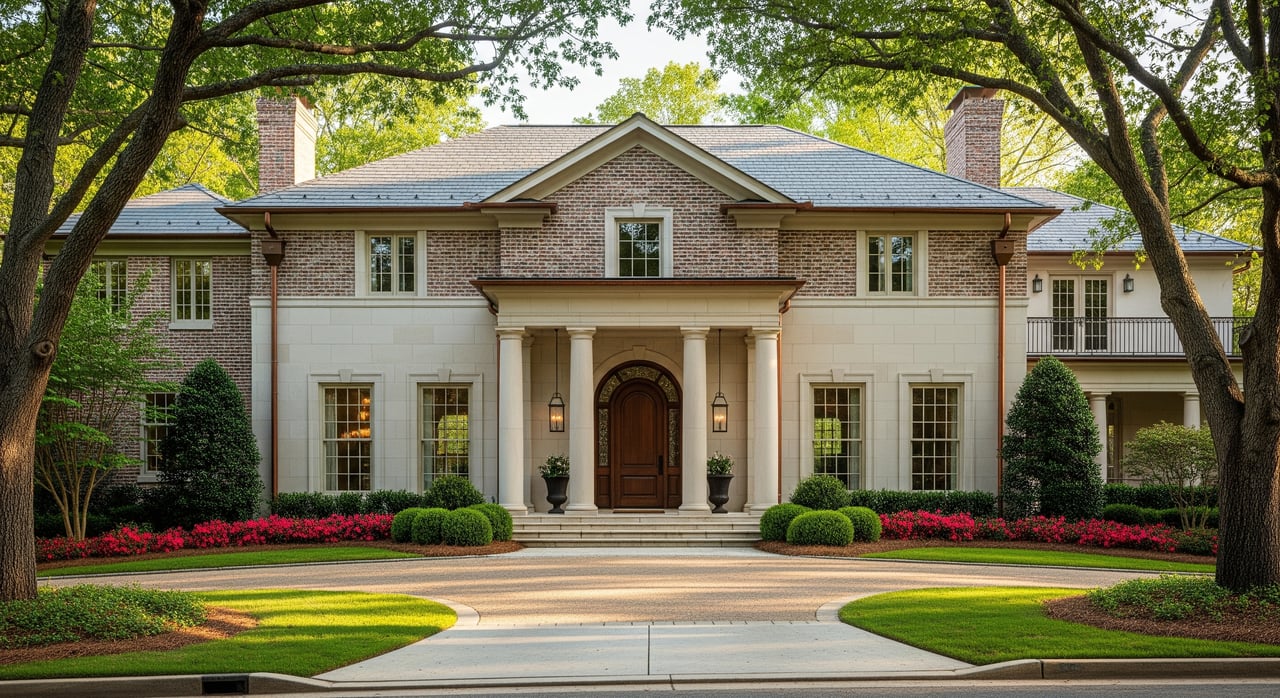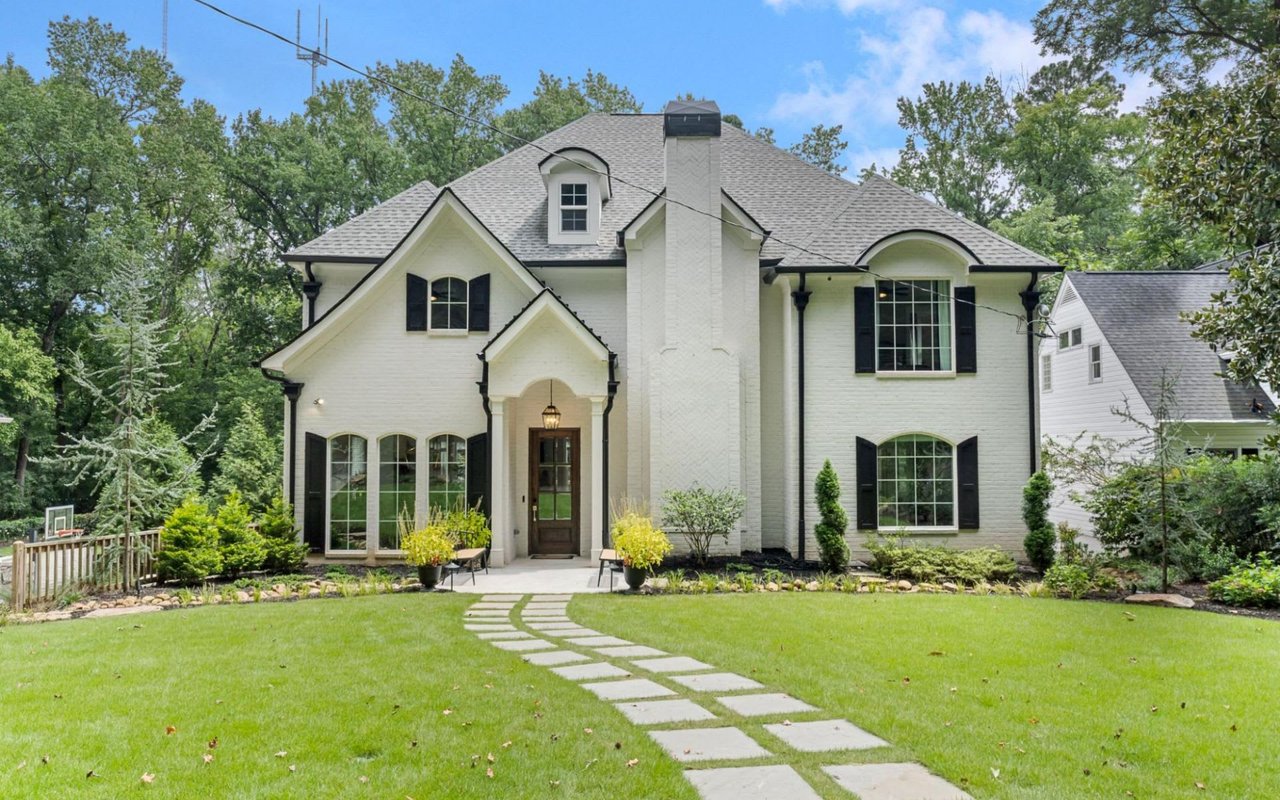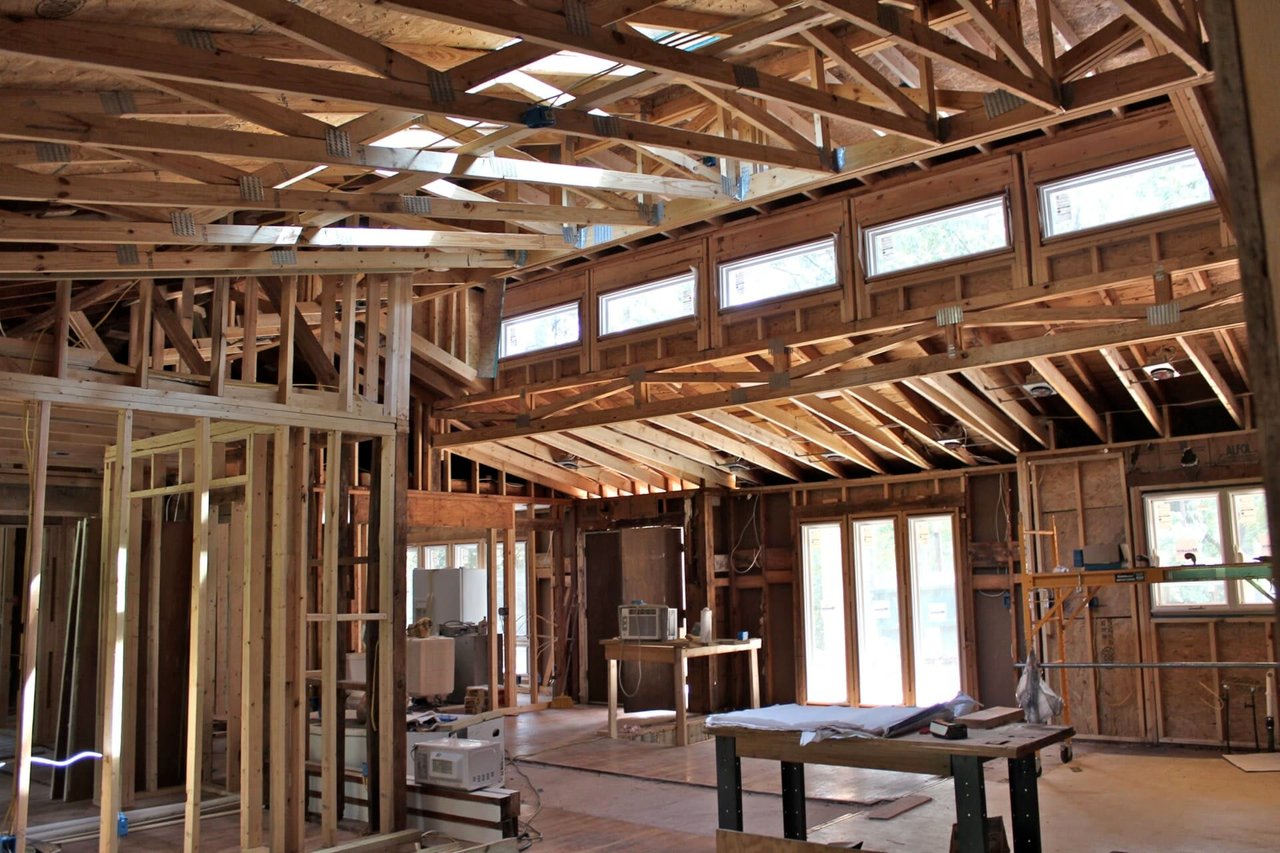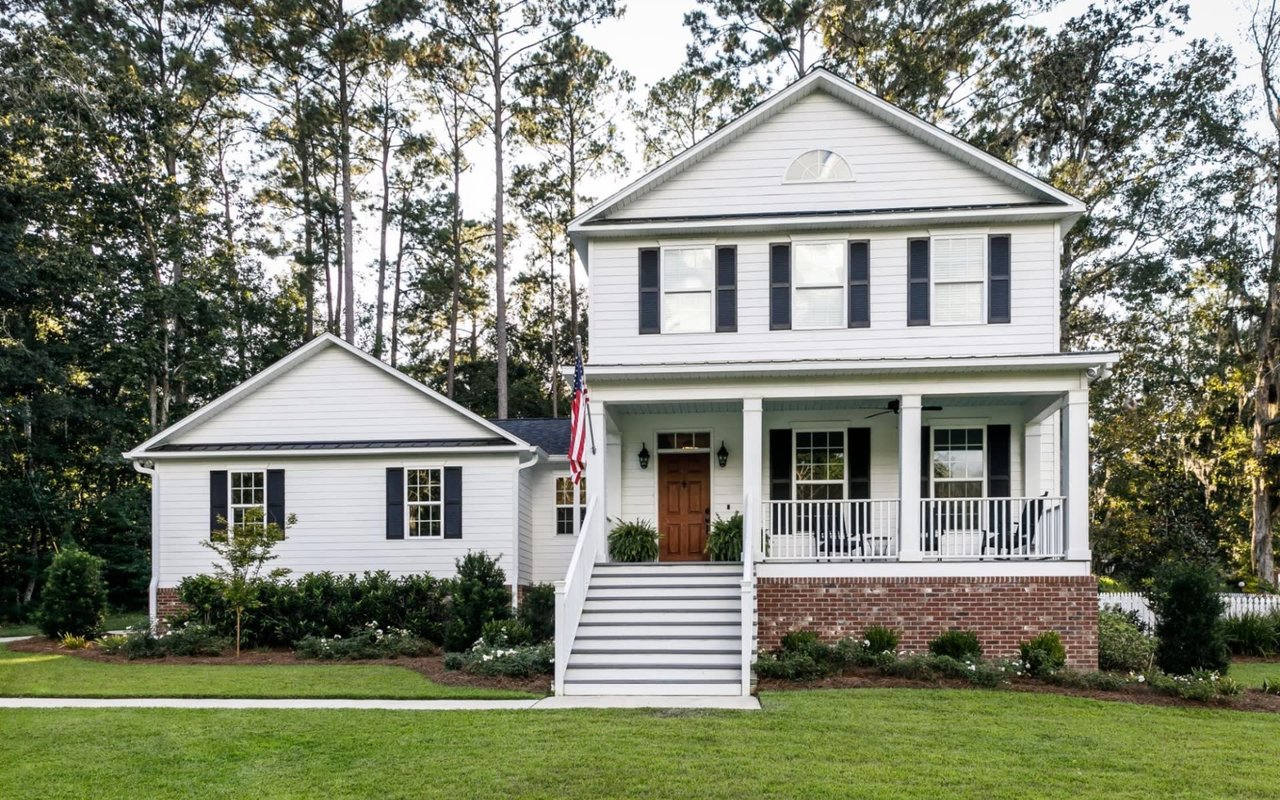
Wondering whether adding a guest house in Druid Hills is a smart move? You are not alone. For many homeowners, the idea sounds simple at first: create more flexibility, add usable space, and potentially strengthen resale appeal. In Druid Hills, though, the details matter. Between DeKalb County zoning, historic-district review, and the difference between a true accessory dwelling unit and a simple studio, the path can look very different from one property to the next. This guide will help you understand what adds value, what can limit your options, and what to verify before you start. Let’s dive in.
Why project type matters
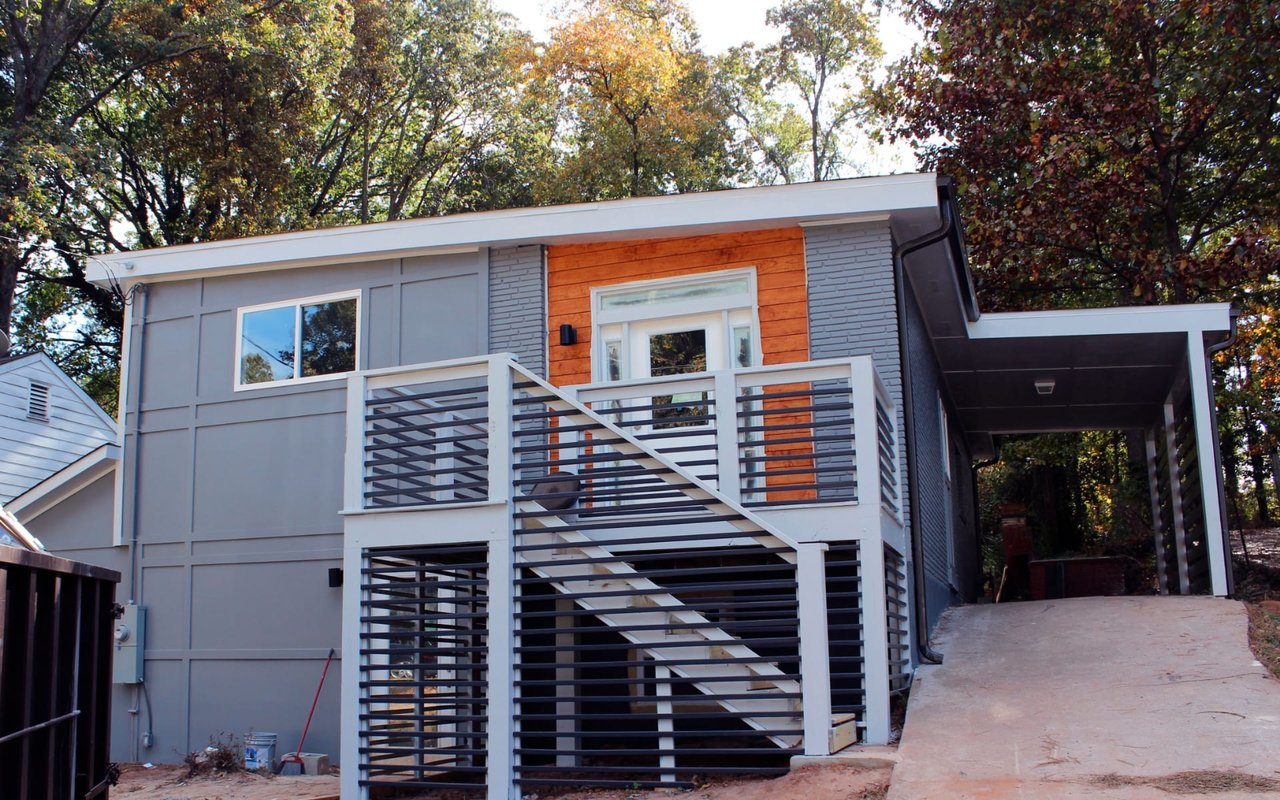
In DeKalb County, not every backyard building is treated the same. A true accessory dwelling unit, or ADU, is a separate, complete housekeeping unit on the same lot as a single-family home. That means it has its own entrance, kitchen, sleeping area, and full bathroom.
A detached studio or workshop can be a different category. If the structure does not function as a complete residence, it may be reviewed more like an accessory building instead of a second dwelling. That distinction matters because the rules, size limits, and review path can change based on how the space is designed and used.
ADU vs. studio in Druid Hills
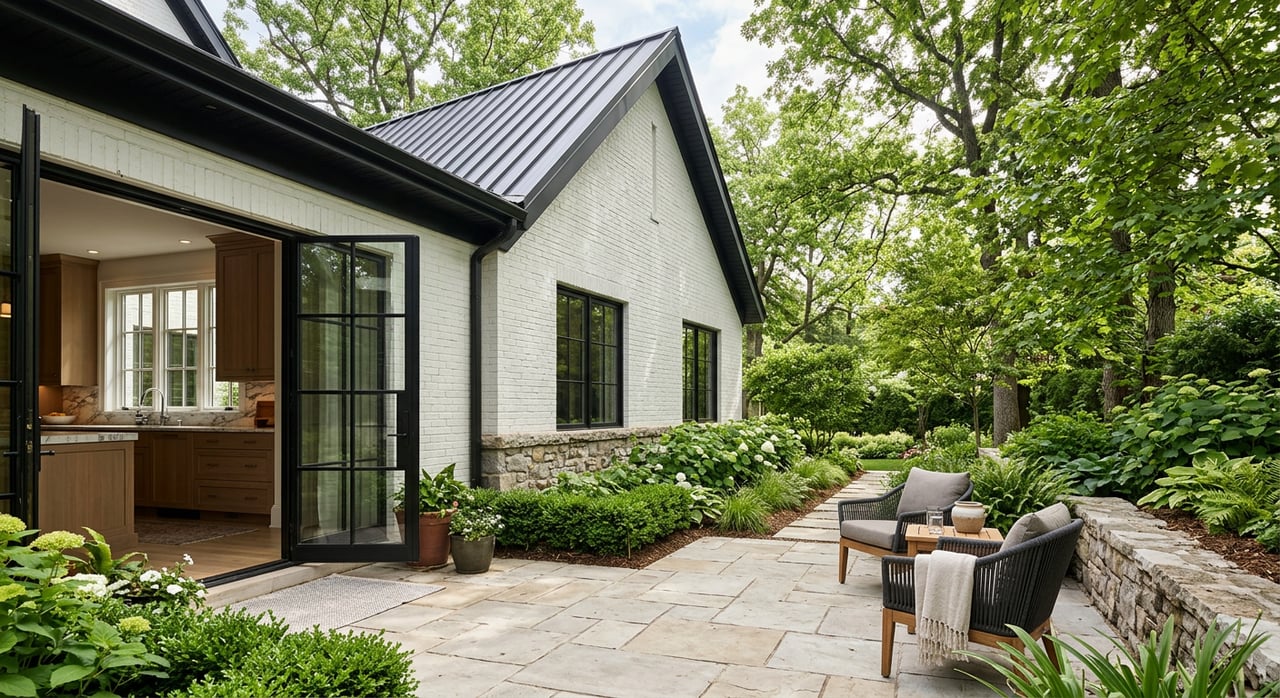
If you are thinking about a guest house, the first question is whether you want a fully livable second unit or a flexible detached structure. A legal ADU can offer broader day-to-day use because it is designed as a complete residence. A studio, workshop, or detached office may be easier in some cases, but it does not carry the same function.
For accessory buildings that are not separate dwellings, DeKalb County materials cap floor area based on lot size. On residential lots under 1 acre, the cap is 900 square feet. On lots from 1 to 4.999 acres, the cap is 1,200 square feet, and on lots from 5 to 9.999 acres, the cap is 2,000 square feet.
For ADUs, recent DeKalb zoning-board staff reports show a current maximum size of 900 square feet of heated floor area. If a proposal goes beyond that, it may require variance review. In practical terms, that means your ideal floor plan may need to shrink, shift, or go through a more complex approval process.
Key rules that shape feasibility
A guest house in Druid Hills is not only about design. It is also about whether the lot can support the use under current county standards. For single-family parcels, DeKalb County materials allow an ADU to be attached, detached, or created within the existing house.
Several baseline requirements can shape whether the project works:
- The lot must be at least 10,000 square feet
- Detached ADUs must be placed in the rear yard
- One additional paved off-street parking space is required
- Septic capacity must be shown to serve both units before permit issuance
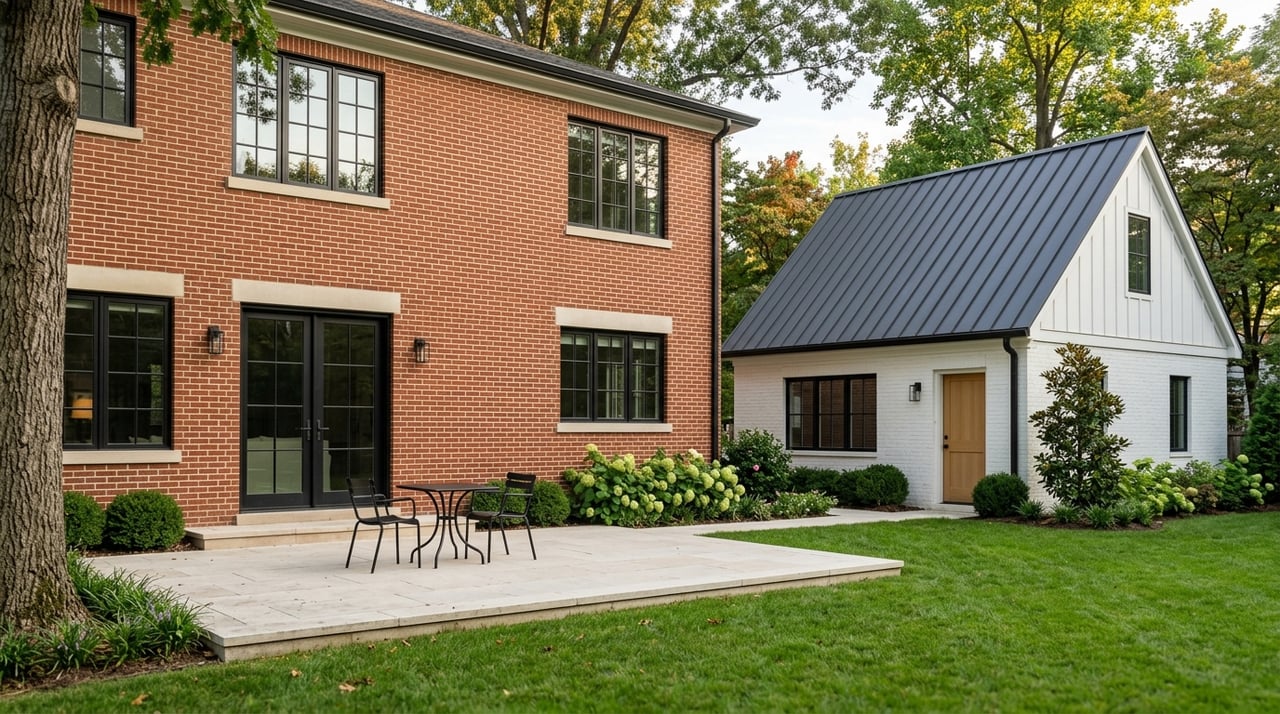
- The ADU should look similar to the main house
- Window and porch placement should consider privacy
The county also allows a second kitchen inside a single-family residence. For some homeowners, that opens another path worth exploring if a detached guest house proves difficult.
Druid Hills historic review is essential
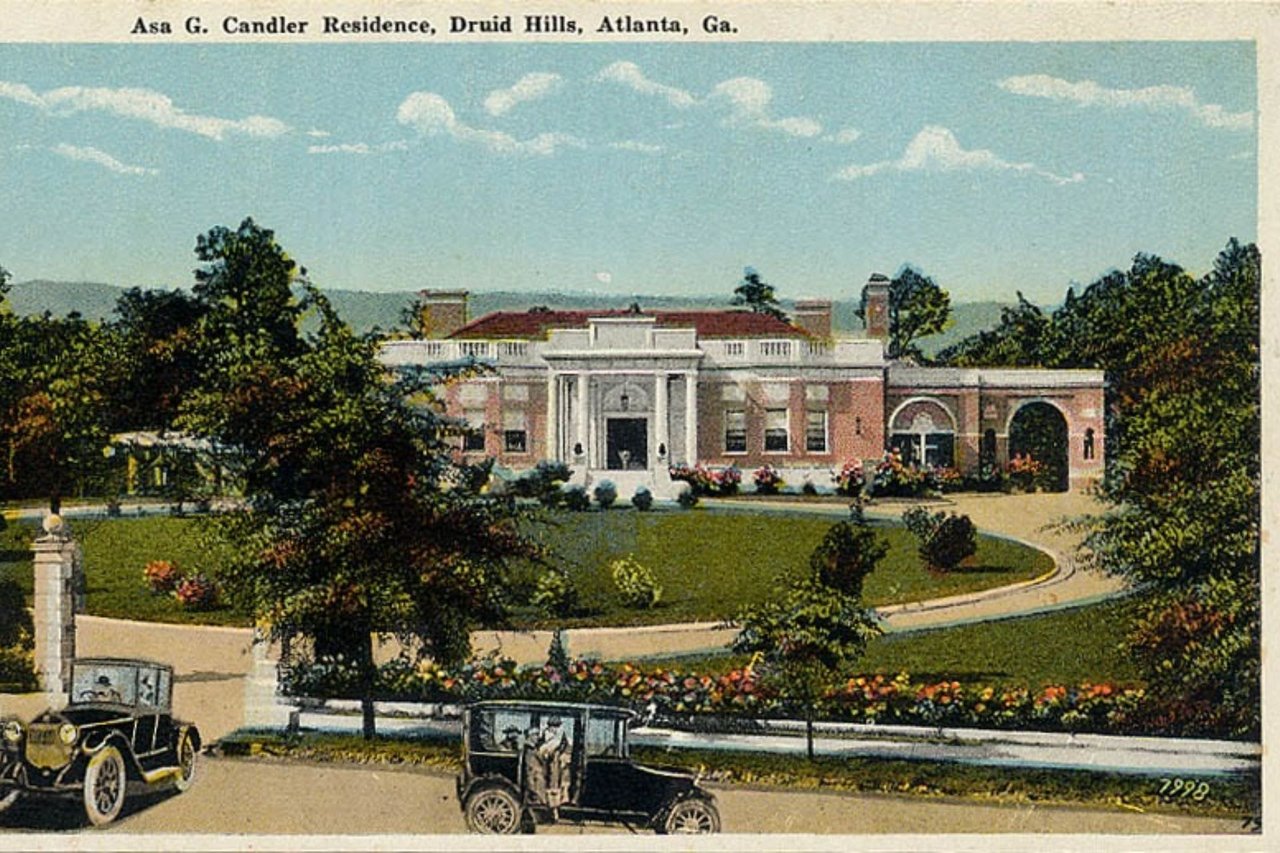
This is where many homeowners in Druid Hills need to slow down and plan carefully. On the DeKalb side, Druid Hills is a local historic district. That means historic review is a separate requirement from zoning and permitting.
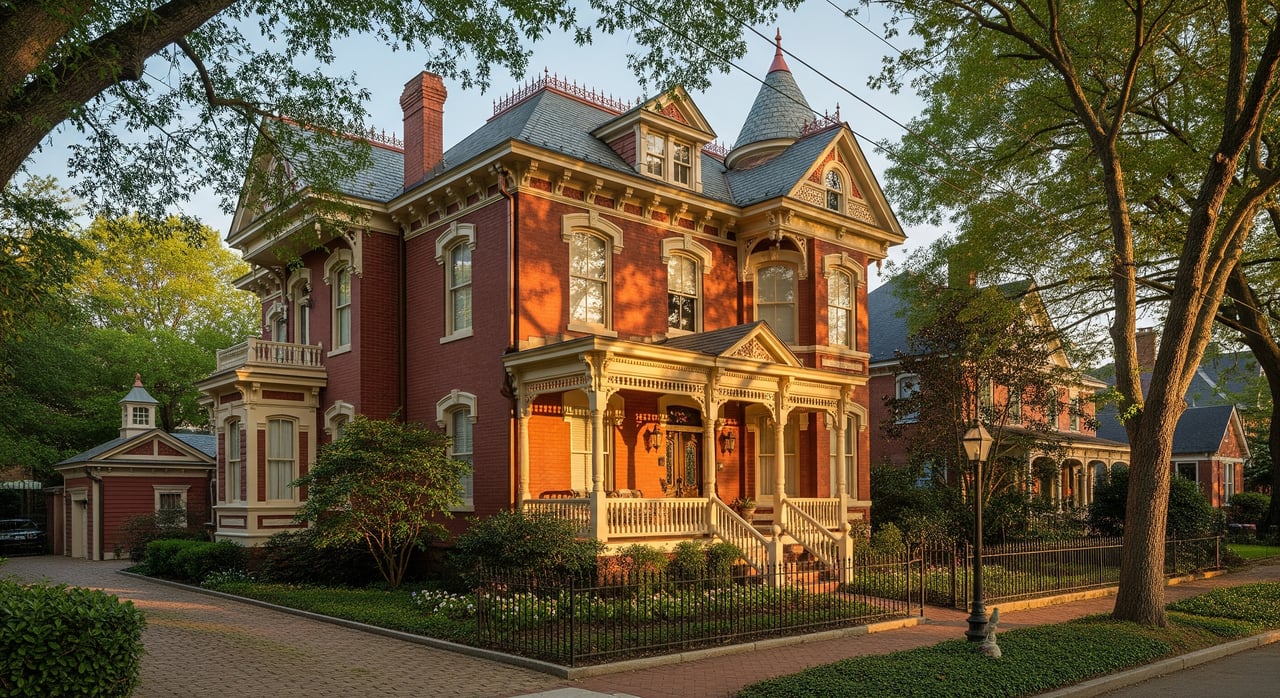
DeKalb County requires a Certificate of Appropriateness before exterior alterations, new construction, or demolition in local historic districts. The county uses the Druid Hills Design Manual to guide construction, alteration, and rehabilitation decisions in the district. Review standards focus on scale, massing, materials, roof forms, and streetscape.
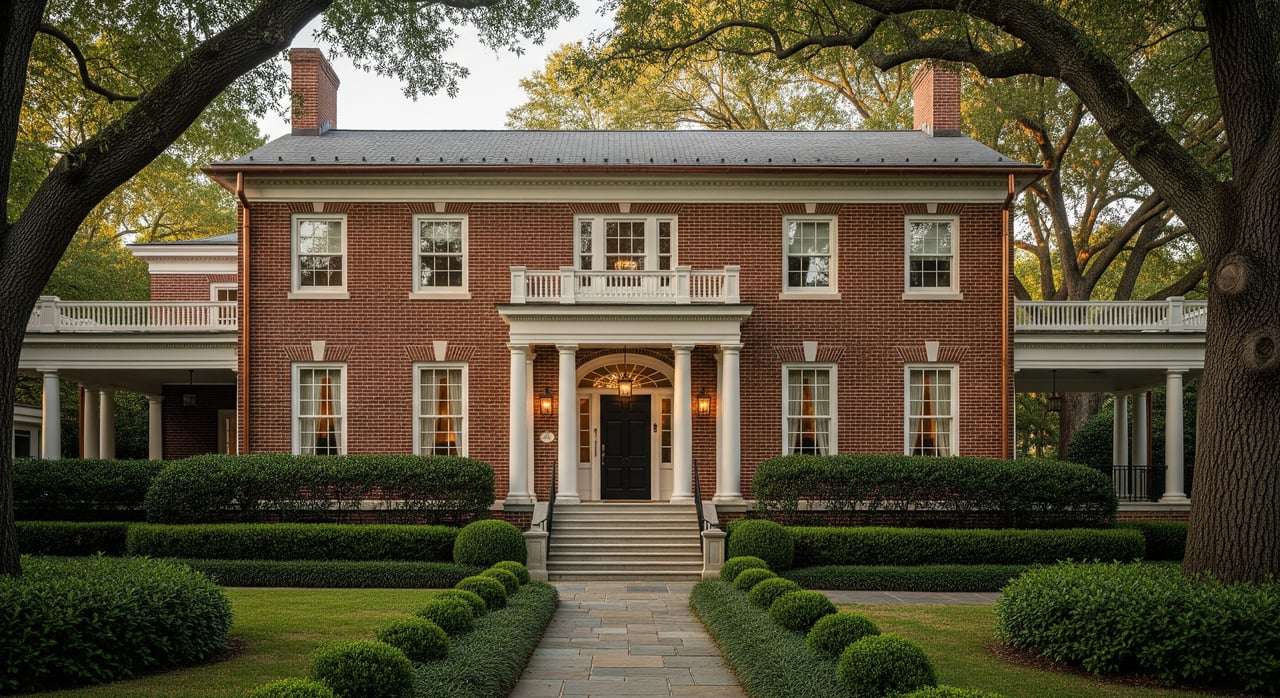
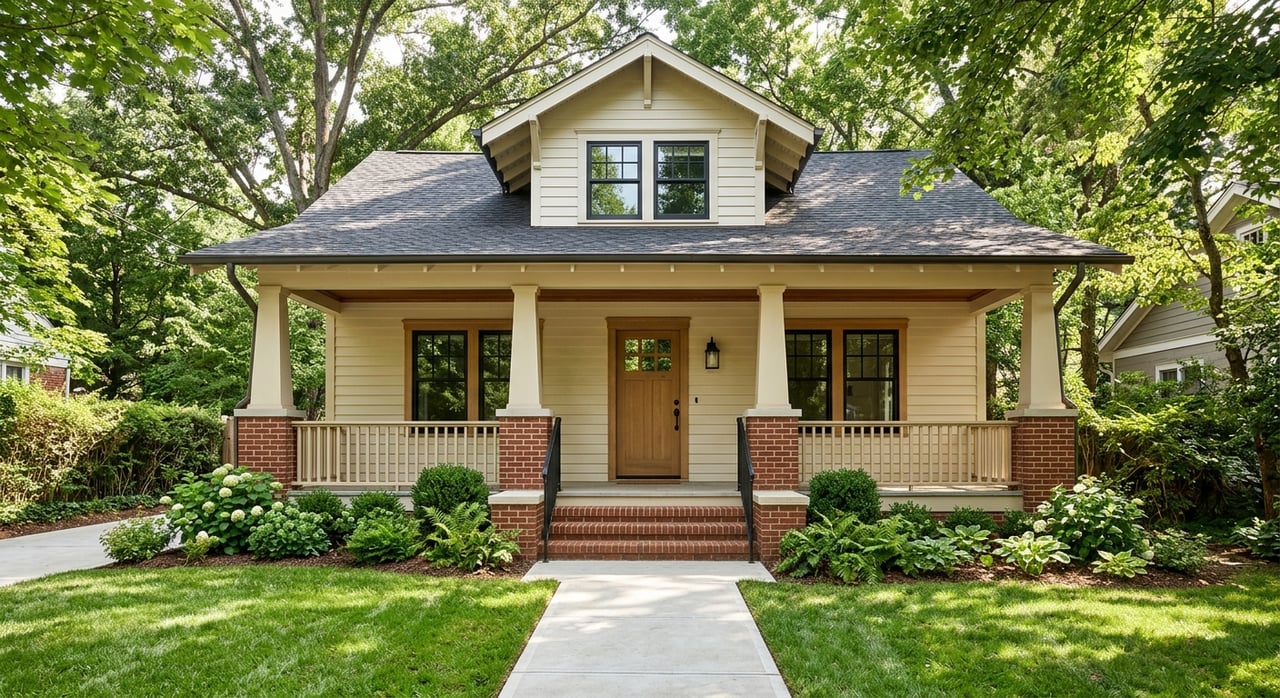
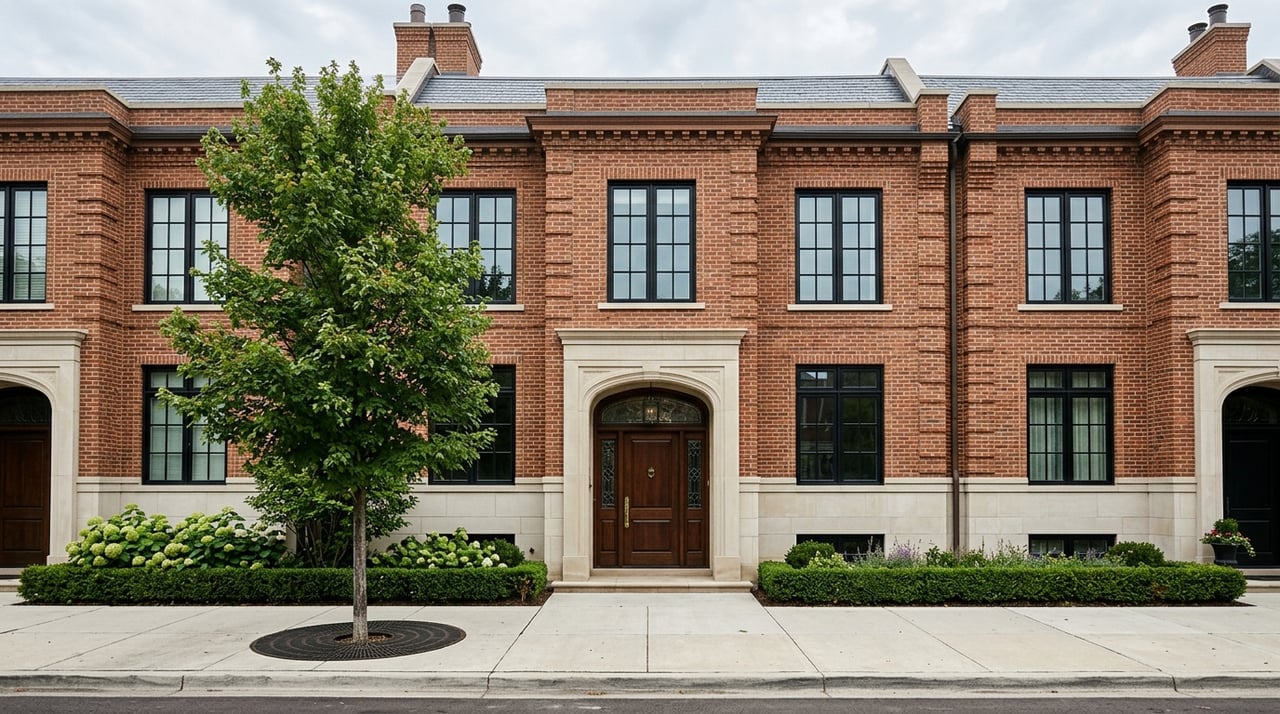
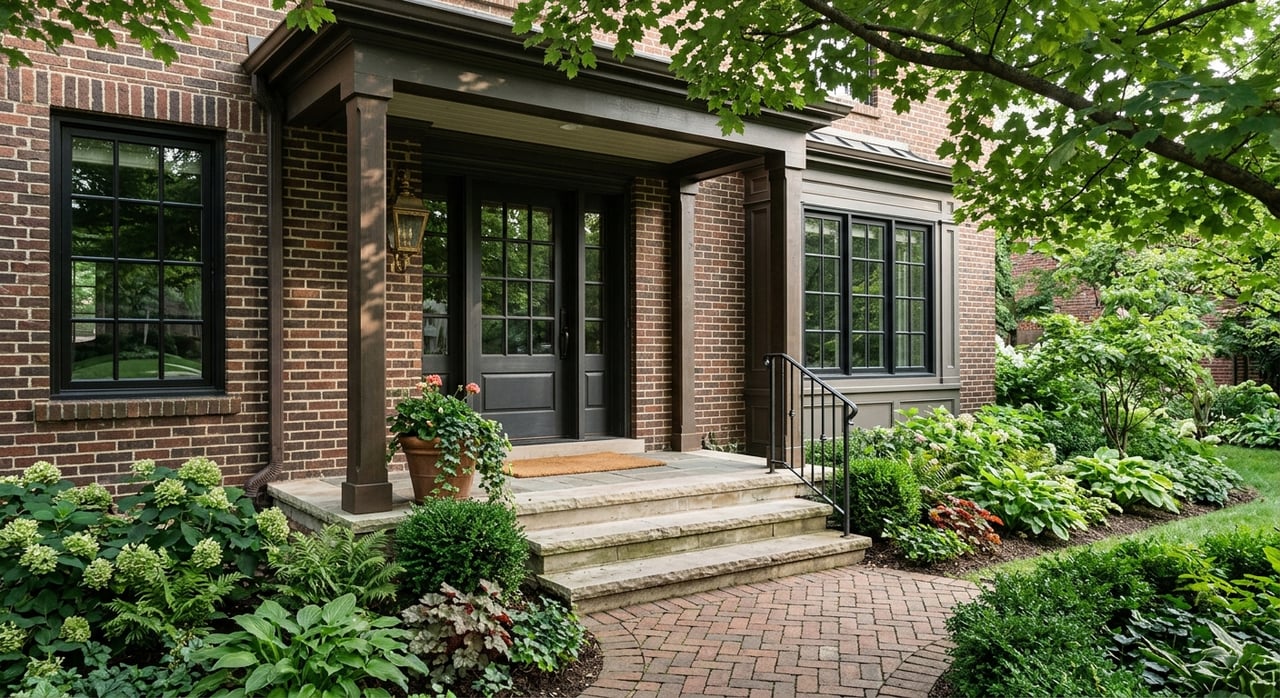
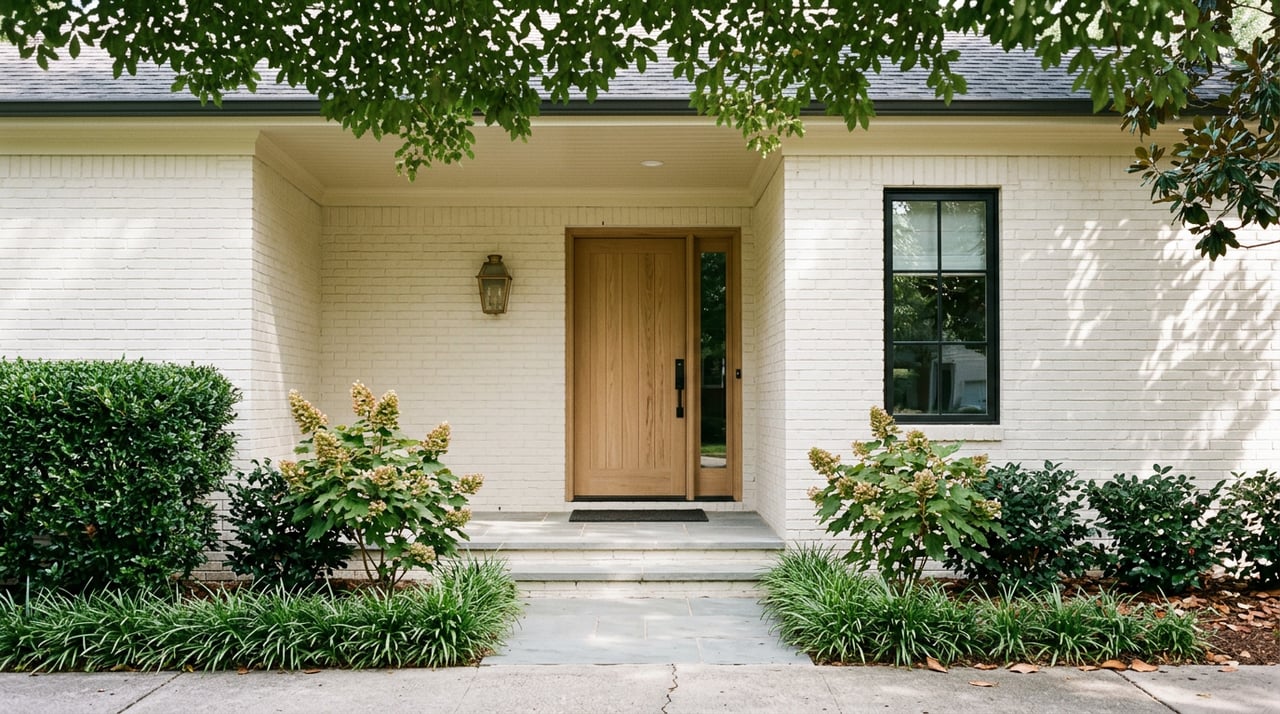
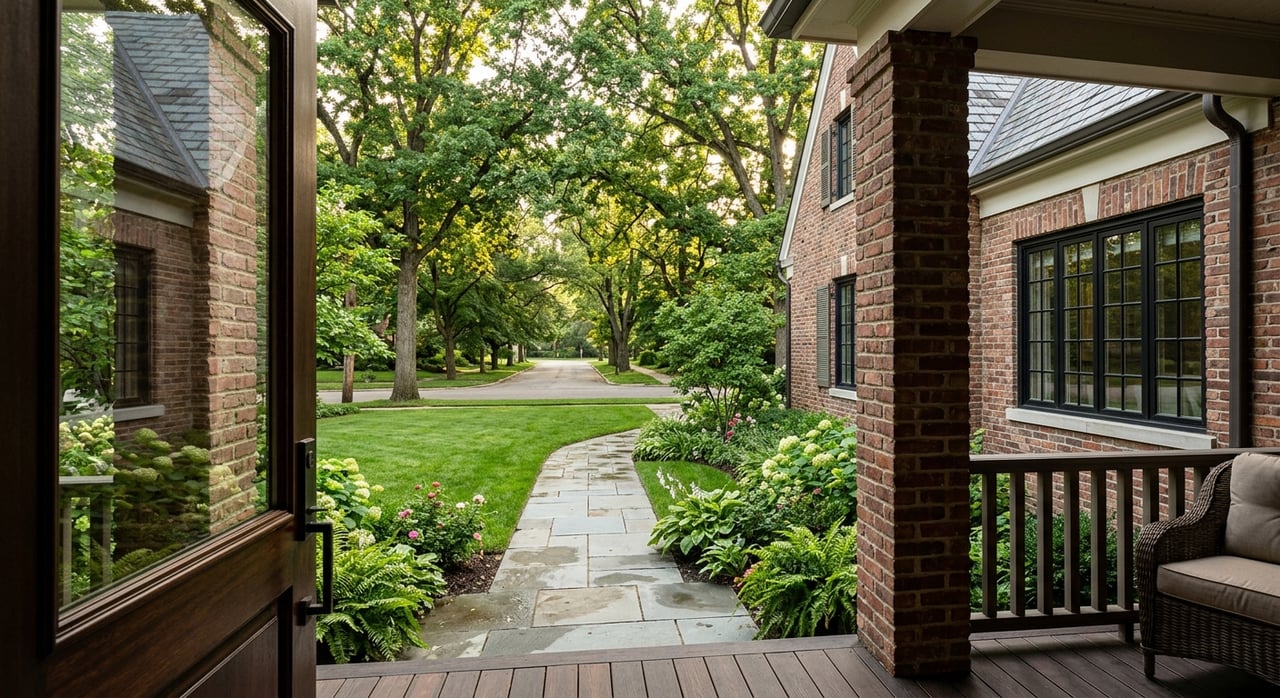
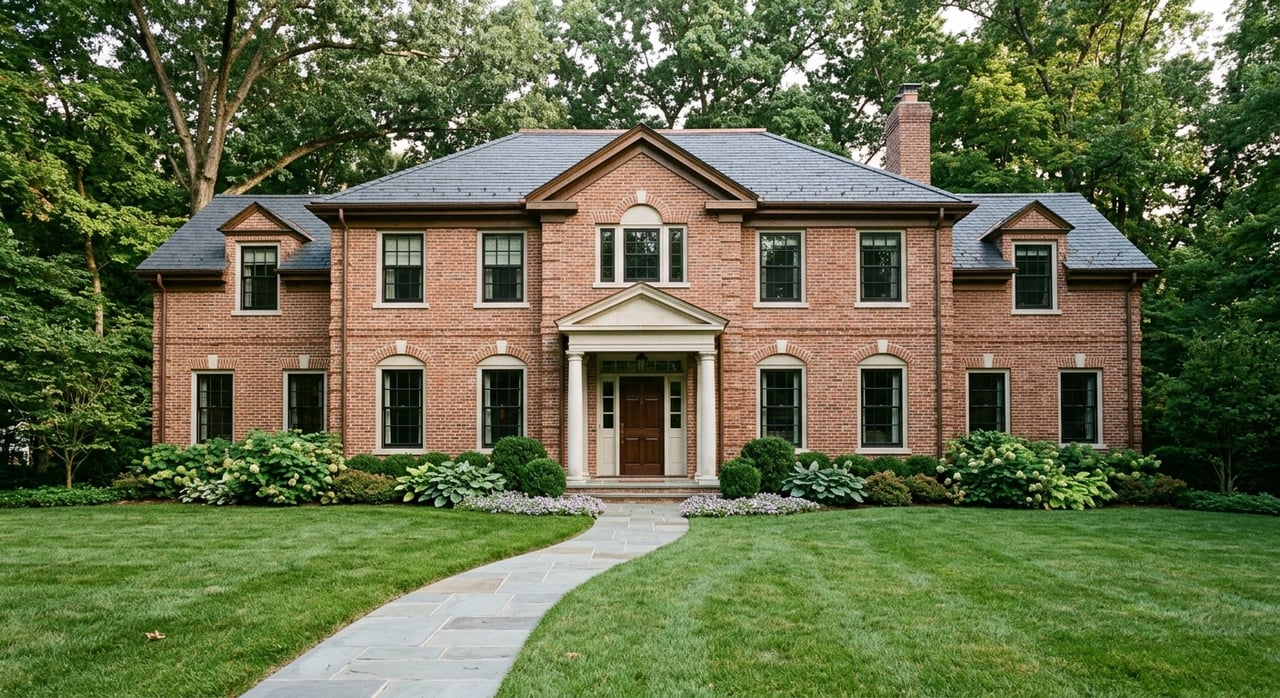
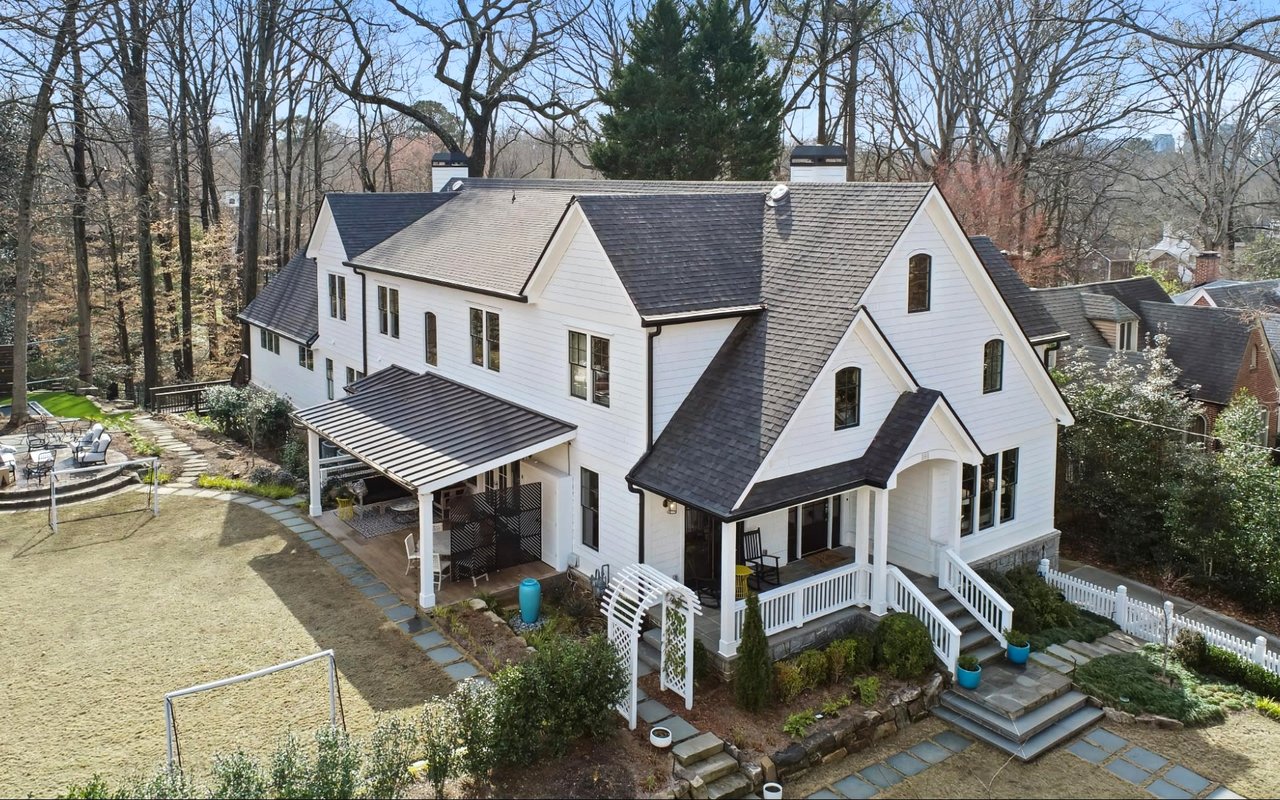
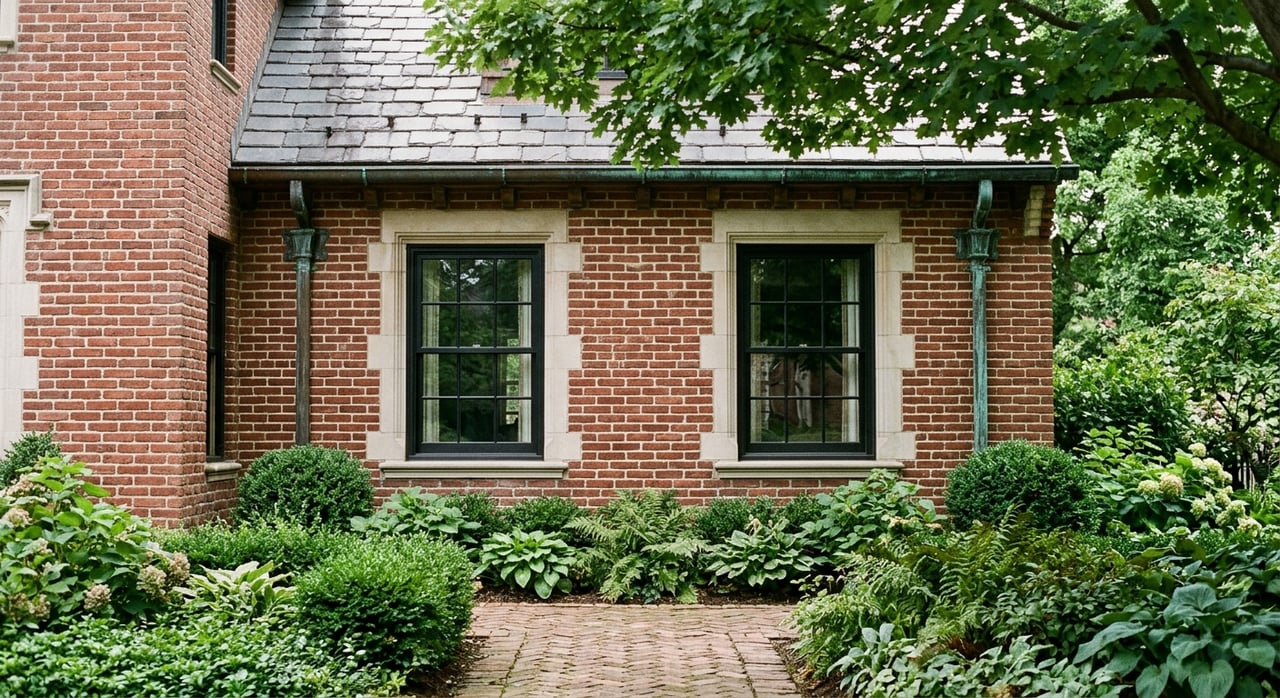
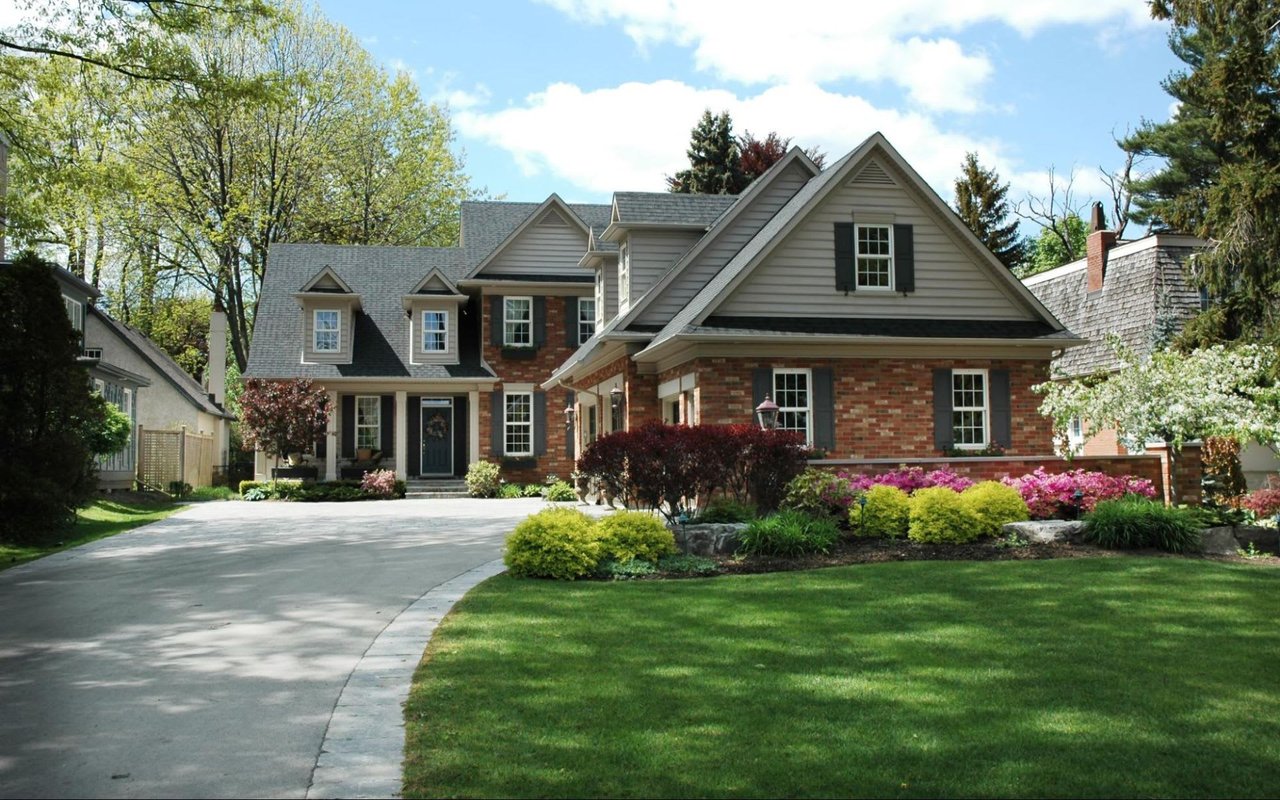
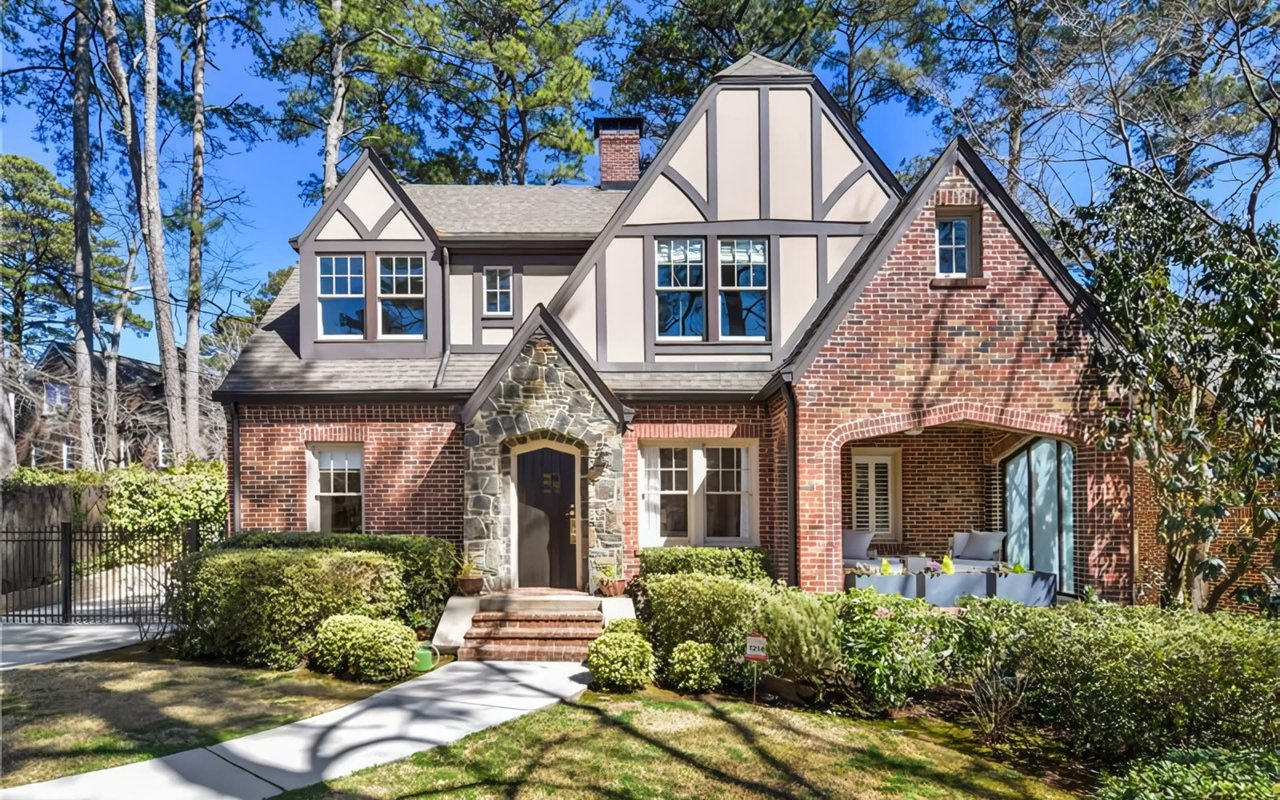
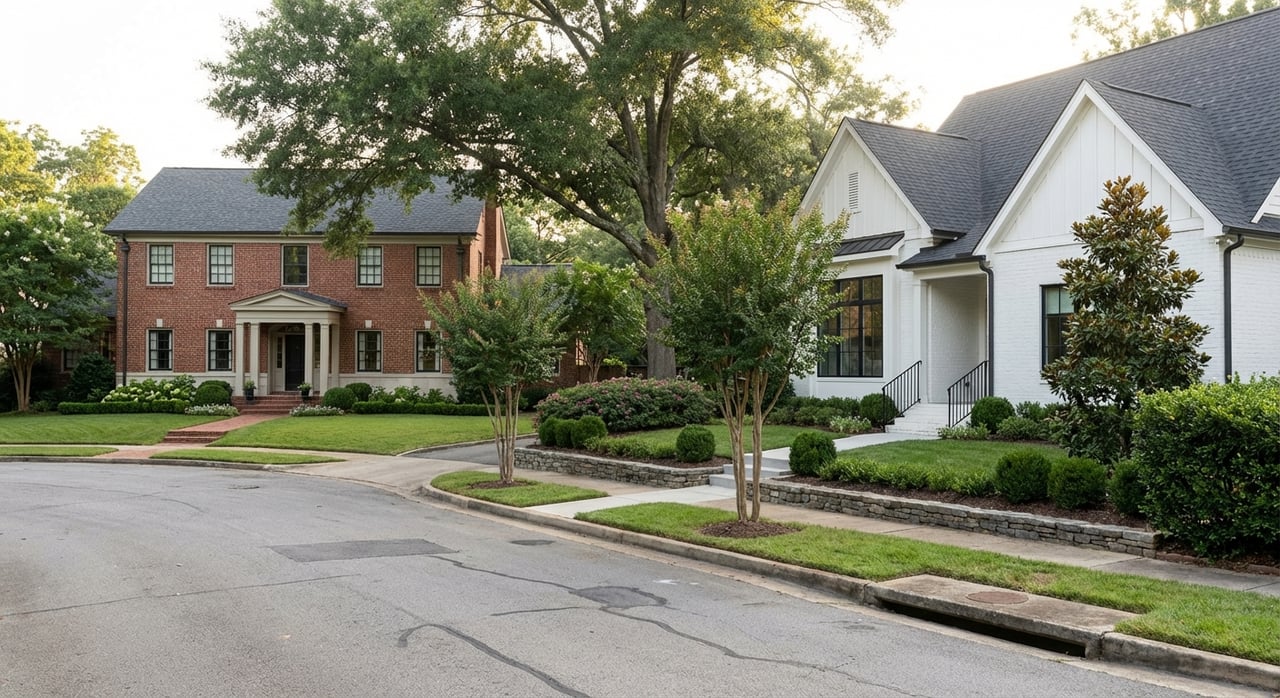
That matters because a project can be allowed in theory but still face design concerns in practice. In Druid Hills, a guest house that feels subordinate to the main home and visually consistent with the property is likely to align better with the county’s design framework than a structure that looks oversized or out of character.
Local historic district vs. National Register
This distinction is important because homeowners often mix the two up. DeKalb County states that National Register listing alone does not trigger a Certificate of Appropriateness. Local historic district status does.
For a Druid Hills property, the local historic designation is the review trigger that matters most. If your home is within that district, historic review is not optional.
What can add value
A well-designed, legal guest house can make a property more useful and more appealing at resale. The strongest support for value comes from the fact that appraisers and lenders do recognize ADUs when they are properly documented and marketable. Freddie Mac says ADUs may have the potential to increase long-term property and resale value, and Fannie Mae requires appraisals to describe the ADU and analyze its effect on value and marketability.
Freddie Mac appraisal guidance also asks for comparable sales with ADUs when available. That does not create an automatic price bump, but it does show that a legal ADU can be part of the valuation conversation in a real and measurable way.
There is also useful directional evidence from FHFA analysis showing higher relative growth in median appraised value for properties with ADUs than for properties without them in California from 2013 to 2023. That is not a pricing model for Druid Hills, but it supports the broader idea that the market can reward legal, functional secondary living space.
Why design quality affects resale
In Druid Hills, value is not just about adding square footage. It is also about how the addition fits the lot, the home, and the district. The county’s historic standards emphasize compatibility, which suggests that the best resale outcome often comes from a small, well-integrated secondary structure rather than an awkward add-on.
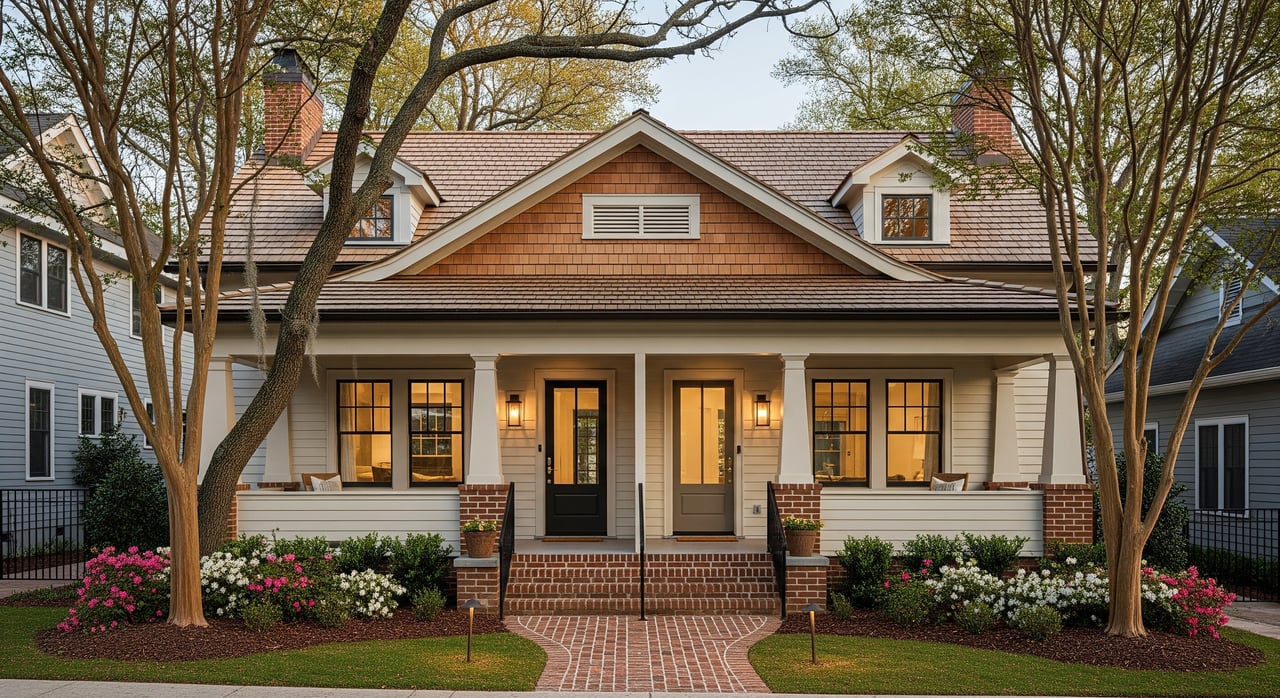
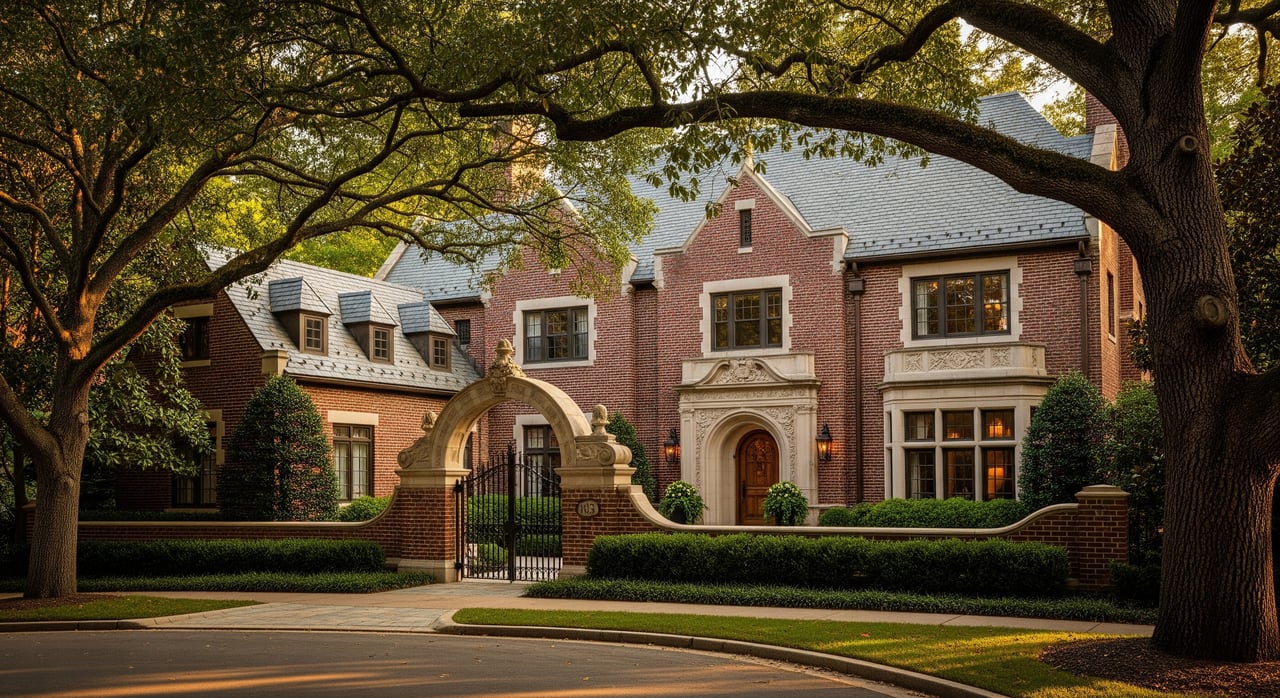
Buyers in historic intown neighborhoods often respond well to thoughtful design. A guest house that respects the main home’s materials, roof form, and scale is more likely to feel like a natural extension of the property. That kind of fit can matter as much as the extra living area itself.
What can hurt value or marketability
The biggest risk is building something that does not align with county rules or district review standards. A larger structure might sound appealing on paper, but if it exceeds current size limits or requires a difficult variance, it can add cost, time, and uncertainty.
A nonconforming structure may also create issues later when you sell. In many cases, a legal, well-documented ADU offers stronger resale utility than a larger structure that falls outside the rules. Buyers and appraisers tend to respond better when the property improvements are clear, permitted, and easier to understand.
Short-term rental plans are another area to check early. DeKalb County’s current residential-compliance page says short-term rental licenses will not be approved for dwelling units in locally designated historic districts. For many Druid Hills homeowners, that is a major limitation if rental income is part of the plan.
Permits and jurisdiction checks
Before you hire a designer or price out construction, confirm which government has jurisdiction over your parcel. DeKalb County says that projects inside incorporated cities are handled by the city rather than the county. That means your first step is to verify whether your property falls under county review or city review.
If county jurisdiction applies, DeKalb’s residential permits cover new construction, additions, renovations, and accessory structures. The county has also said it is adopting the 2024 ICC codes effective January 1, 2026, so plan review is happening in a newer code environment than many older neighborhood projects were built under.
Four things to verify first
Before design work begins, it helps to confirm the basics in the right order. That can save you from spending money on plans that need major revisions later.
Start by verifying these four items:
- Parcel jurisdiction: Confirm whether the property is in county jurisdiction or inside an incorporated city
- Historic district status: Confirm whether the lot is inside the Druid Hills local historic district
- ADU standards: Confirm whether the site can support an ADU under the current 900-square-foot standard being enforced
- Utilities or septic: Confirm whether the existing system can support the additional unit
If your lot is narrow, steep, unusually shaped, or especially sensitive from a historic-design standpoint, extra planning may be needed. Recent DeKalb zoning-board packets show that unusual ADU proposals can trigger variance requests, including proposals that exceed size limits.
A smart strategy for Druid Hills homeowners
If you are considering a guest house in Druid Hills, the smartest approach is usually to start with compliance and design together, not one after the other. First, define whether you want a true ADU or a simpler detached structure. Then shape the plan around lot size, rear-yard placement, parking, utility capacity, and historic compatibility.
That approach tends to produce better outcomes than chasing maximum square footage. In a neighborhood like Druid Hills, a smaller project that is legal, attractive, and well integrated often has more long-term value than a bigger one that creates approval problems or weakens buyer appeal.
If you are weighing whether a guest house makes sense before a future sale, it helps to think beyond construction cost alone. The real question is how the improvement fits your property, your timeline, and what buyers in Druid Hills are likely to value when it is time to list.
Whether you are planning a renovation, preparing to sell, or trying to understand which improvements truly move the needle, Molly Carter Gaines can help you evaluate your home’s potential with a local, strategy-first perspective.
FAQs
What counts as a guest house in DeKalb County?
- In DeKalb County, a true ADU is a separate complete living unit on the same lot as a single-family home, with its own entrance, kitchen, sleeping area, and full bathroom.
What is the current ADU size limit in DeKalb County?
- Recent DeKalb zoning-board staff reports show a current maximum of 900 square feet of heated floor area for an ADU, and larger proposals may require variance review.
Does a Druid Hills guest house need historic approval?
- If your property is in the local Druid Hills historic district, DeKalb County requires a Certificate of Appropriateness before exterior construction or alteration.
Can a studio be treated differently from an ADU in Druid Hills?
- Yes. A detached studio or workshop that is not a complete residence may be reviewed differently from a true ADU, so the design and intended use matter.
Can you use a Druid Hills guest house as a short-term rental?
- DeKalb County’s current residential-compliance guidance says short-term rental licenses will not be approved for dwelling units in locally designated historic districts.
What should you check before planning a guest house in Druid Hills?
- Start by confirming parcel jurisdiction, local historic district status, current ADU standards, and whether utilities or septic can support the added unit.