Thinking about buying a condo in Midtown Atlanta? It can be a smart way to enjoy one of Atlanta’s most walkable, transit-connected urban districts, but not all Midtown condos work the same way. From HOA dues and financing rules to building type and resale considerations, the details matter more here than many buyers expect. If you want to buy with confidence, it helps to understand how Midtown’s condo market is actually structured before you fall in love with a unit. Let’s dive in.
Midtown condo market basics
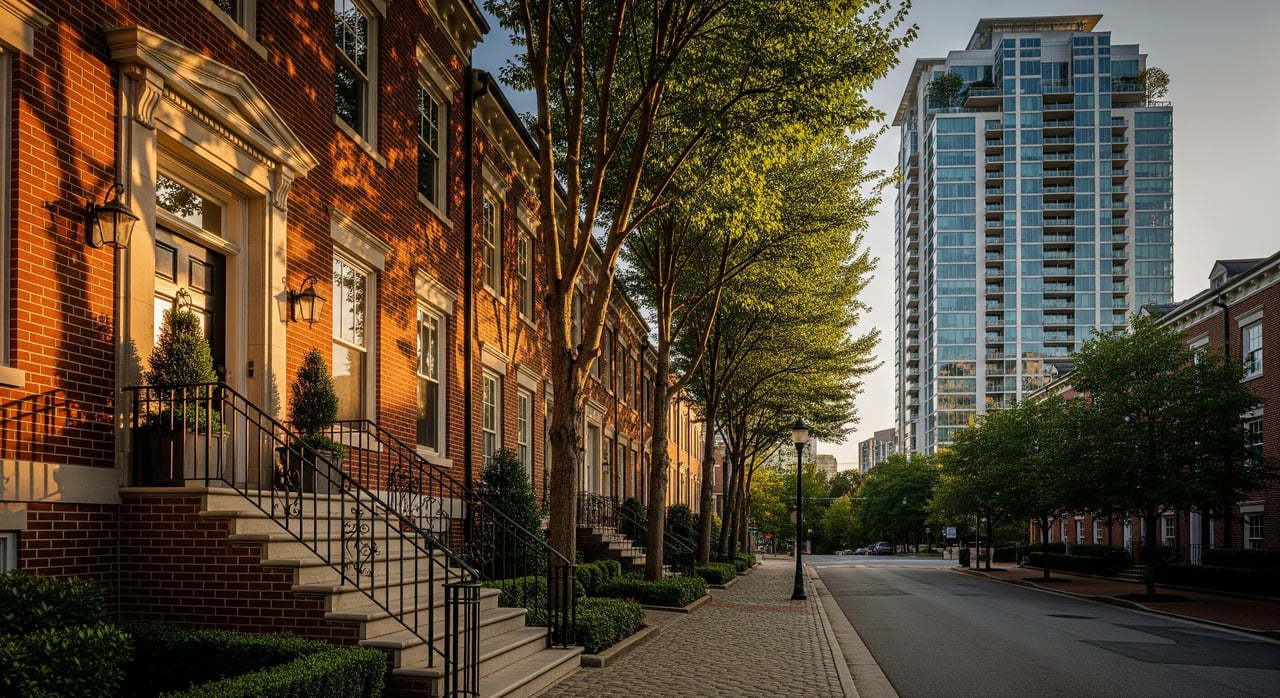
Midtown is not one uniform condo market. According to Midtown Alliance’s neighborhood overview, Midtown Core includes nearly 7,000 residential units in a dense, mixed-use district centered on and around Peachtree Street, with access to MARTA rail, bus connections, bike lanes, and interstate routes.
That urban setup is a big part of the appeal. You may be drawn to the convenience, walkability, and building amenities, but the condo you choose also comes with a specific association, budget structure, and set of ownership rules. In Midtown, those building-level factors can shape your monthly costs and long-term flexibility just as much as the unit itself.
Most buyers are shopping resale inventory
One of the first things to know is that Midtown condo buyers are usually not comparing a large wave of brand-new ownership options. Midtown Alliance’s 2024 development review notes that nearly 2,200 residential units delivered that year were apartments, and the last condo project with ownership opportunities that came online was 40 West 12th Condominiums in 2021.
In practical terms, that means your search will likely focus on existing buildings. That makes building history, reserve funding, renovation rules, and financing eligibility especially important, because you are often evaluating a mature property with an established HOA rather than a newly delivered condo community.
Midtown condo building types vary a lot
Midtown offers a broad spread of condo product, and each category can come with a different ownership experience.
Historic and converted buildings
Some Midtown condos are in older or converted properties with more architectural character and more variation from unit to unit. For example, Biltmore House was originally built in 1924 and converted to condominiums in 1999, while Cornerstone Village was completed in 1948 and renovated in 2001.
These buildings can offer unique layouts and design details, but they may also come with older building systems or more complex maintenance considerations. If you like the charm of an older Midtown building, you will want to look closely at the association documents and condition disclosures.
Full-service towers
Other buyers prefer established high-rises with a more traditional amenity package. Mayfair Tower Condominiums is a 30-story, 323-unit building completed in 1989 and renovated in 2005, while Ansley Above the Park includes features such as concierge service, a fitness center, guest suite, pool, gated parking, and visitor parking.
These buildings may appeal to buyers who want a more service-oriented lifestyle. At the same time, those conveniences can influence HOA dues and future special assessment risk, so it is worth understanding how the budget supports the amenity level.
Boutique high-rises
Midtown also includes smaller luxury buildings with a more private feel. Aqua Midtown has 84 units across 25 stories and includes direct elevator access and floor-to-ceiling windows, while 1065 Midtown places residences atop the Loews Atlanta Hotel and emphasizes full-service amenities.
Boutique product can offer a different ownership experience than a large tower. Fewer units, premium services, and building design can all affect dues, project financing review, and resale appeal.
Mixed-use buildings
Some Midtown condos are part of mixed-use developments. Metropolis is a live-work-play community built above a commercial component.
This kind of setup can be very convenient, but it also means you should understand how the residential and commercial pieces interact. Parking, loading, retail activity, service access, and shared costs should all be reviewed in the condo documents before you move forward.
HOA dues are a core part of ownership
If you are new to condo ownership, this is one of the most important mindset shifts: HOA dues are not just an extra bill. Under Georgia condominium law, each unit owner is automatically a member of the association and must comply with the condominium instruments and lawful rules.
That means the association is central to how the building operates. It governs shared ownership, building management, and maintenance obligations that affect your day-to-day experience and your property value.
According to Georgia law on budgets and assessments, association expenses can include insurance, security, operating capital, and reserves for deferred maintenance and depreciation. In a Midtown high-rise, those items are a major reason monthly dues can vary so much from building to building.
A lower monthly due is not automatically better. In some cases, a building with stronger reserves and more complete budgeting may put you in a better long-term position than one with dues that look cheaper at first glance.
Review the condo disclosure package carefully
Georgia requires sellers to provide meaningful condo documentation before closing. Under state disclosure requirements, the seller must provide documents such as the floor plan, declaration and amendments, bylaws, articles of incorporation, current operating budget, and certain contracts.
For conversion condominiums, the disclosure package must also include an architect or engineer report on the condition of structural, mechanical, and electrical systems, along with unresolved code violations if any exist. That is especially important if you are considering an older Midtown building or one that has been converted from another use.
Georgia law also gives buyers a contract voidability period of at least seven days after the required documents are delivered. That window matters. It gives you time to review the association structure, rules, and financial picture before you are fully locked in.
Financing can depend on the building
Many buyers focus first on their credit, down payment, and monthly payment target. Those are important, but condo financing also depends on the project itself.
Fannie Mae’s condo project guidance notes that project eligibility is affected by factors such as poor financial health, unresolved critical repairs, inadequate master insurance, significant litigation, and hotel or short-term rental characteristics. Freddie Mac also treats projects with a not-eligible status as ineligible for sale.
That is a big deal in Midtown, where building types range from straightforward residential towers to hotel-adjacent and mixed-use properties. If you plan to use conventional financing, ask about project eligibility early in your search, not after you are emotionally committed to a specific unit.
If you are considering FHA financing, HUD explains that condo loans may be insured in FHA-approved projects, and in some cases through single-unit approval if the project meets certain standards. The building must still satisfy occupancy, financial, and project requirements.
Renovation rules may limit your plans
If you are a buyer who sees potential in a dated condo, be careful not to assume every update is allowed. Georgia law requires owners to follow the condominium instruments and reasonable association rules, which can affect everything from flooring changes to plumbing work and wall modifications.
This is especially relevant in older and converted Midtown buildings. If a building has structural, mechanical, or electrical limitations, your renovation goals may be more complicated than they would be in a newer tower.
Before you buy for the “after” vision, confirm what approvals are required and what the building’s systems can realistically support. For renovation-minded buyers, this is one of the biggest places where careful due diligence can protect both your budget and your timeline.
Resale depends on more than finishes
A beautiful kitchen and fresh paint help, but condo resale is often driven by broader building health. In Midtown, questions about financing eligibility, reserves, insurance, litigation, major repairs, and rental restrictions can affect marketability just as much as the look of the unit.
That is why your purchase decision should go beyond the floor plan. A well-run building with clear documents, adequate insurance, and stable financials can support stronger resale potential over time.
What to check before you buy
If you are narrowing down Midtown condo options, focus on these practical questions:
- What type of building is this: historic, full-service tower, boutique high-rise, or mixed-use?
- What do the HOA dues cover?
- How strong is the association budget and reserve funding?
- Are there any major repairs, litigation issues, or insurance concerns?
- Is the project likely to work with your financing plan?
- Are renovation rules restrictive?
- Are there rental or leasing limitations that could affect future flexibility?
- For older or converted buildings, what do the condition disclosures say about structural, mechanical, and electrical systems?
These questions can help you compare buildings more clearly, especially when two units look similar on the surface but come with very different ownership realities.
How to buy more confidently in Midtown
Buying a Midtown Atlanta condo is often less about finding the newest unit and more about choosing the right building. Since much of the market is established resale inventory, your smartest move is to look past finishes and understand the association, the financial structure, and the building’s long-term position.
If you want guidance as you compare Midtown condo options, Molly Carter Gaines can help you evaluate the details that matter, from building fit and resale considerations to renovation potential in Intown Atlanta.
FAQs
What should you know before buying a condo in Midtown Atlanta?
- You should understand the building type, HOA dues, association rules, financing eligibility, disclosure documents, and any repair or insurance concerns before making an offer.
Why do HOA dues matter when buying a Midtown Atlanta condo?
- HOA dues fund shared ownership costs such as insurance, security, operating expenses, and reserves, so they affect both your monthly budget and the building’s long-term stability.
Can condo financing be harder in Midtown Atlanta buildings?
- Yes. Financing can depend on project-level factors like insurance, litigation, critical repairs, and whether a building has mixed-use or hotel-style characteristics.
Are older Midtown Atlanta condo buildings riskier to buy?
- Not necessarily, but older or converted buildings often require closer review of structural, mechanical, and electrical disclosures, along with renovation rules and reserve planning.
Can you renovate a condo unit in Midtown Atlanta after you buy it?
- Possibly, but your plans may be limited by the declaration, bylaws, board approval requirements, and the building’s existing systems.