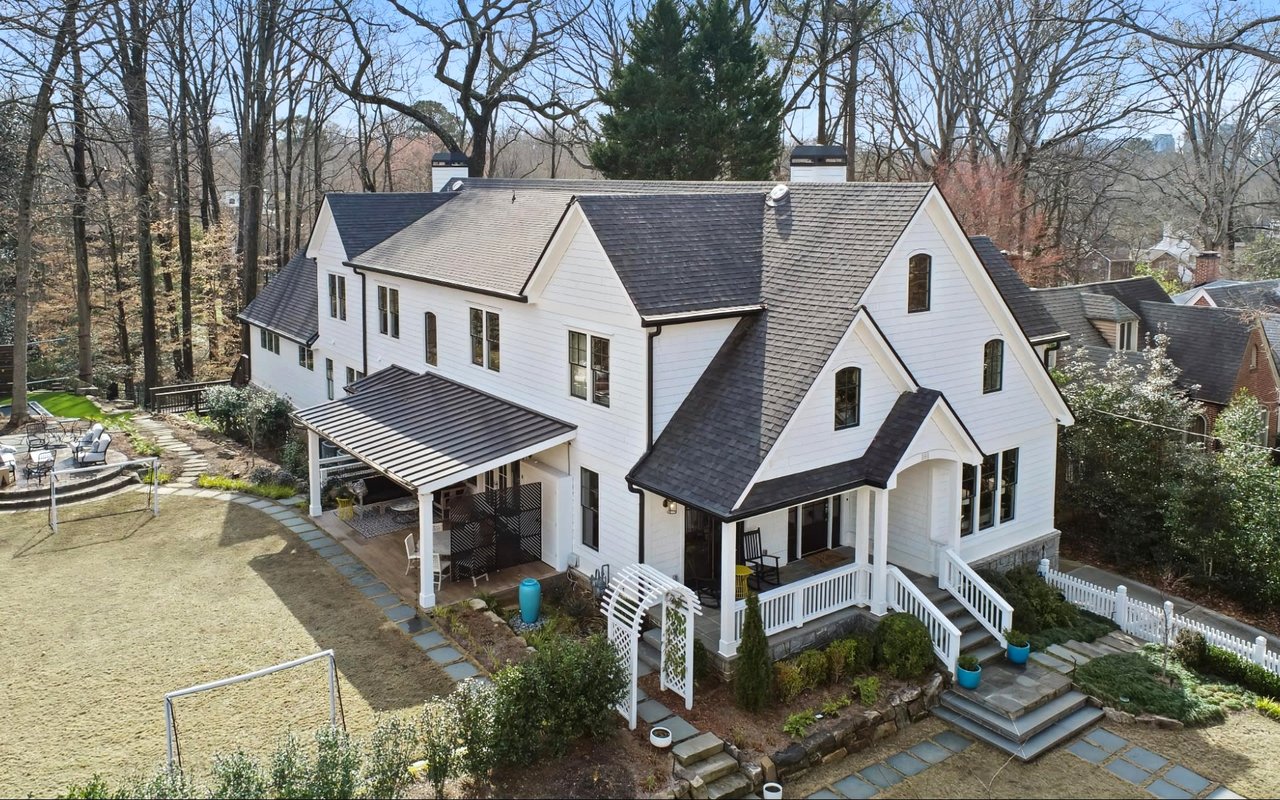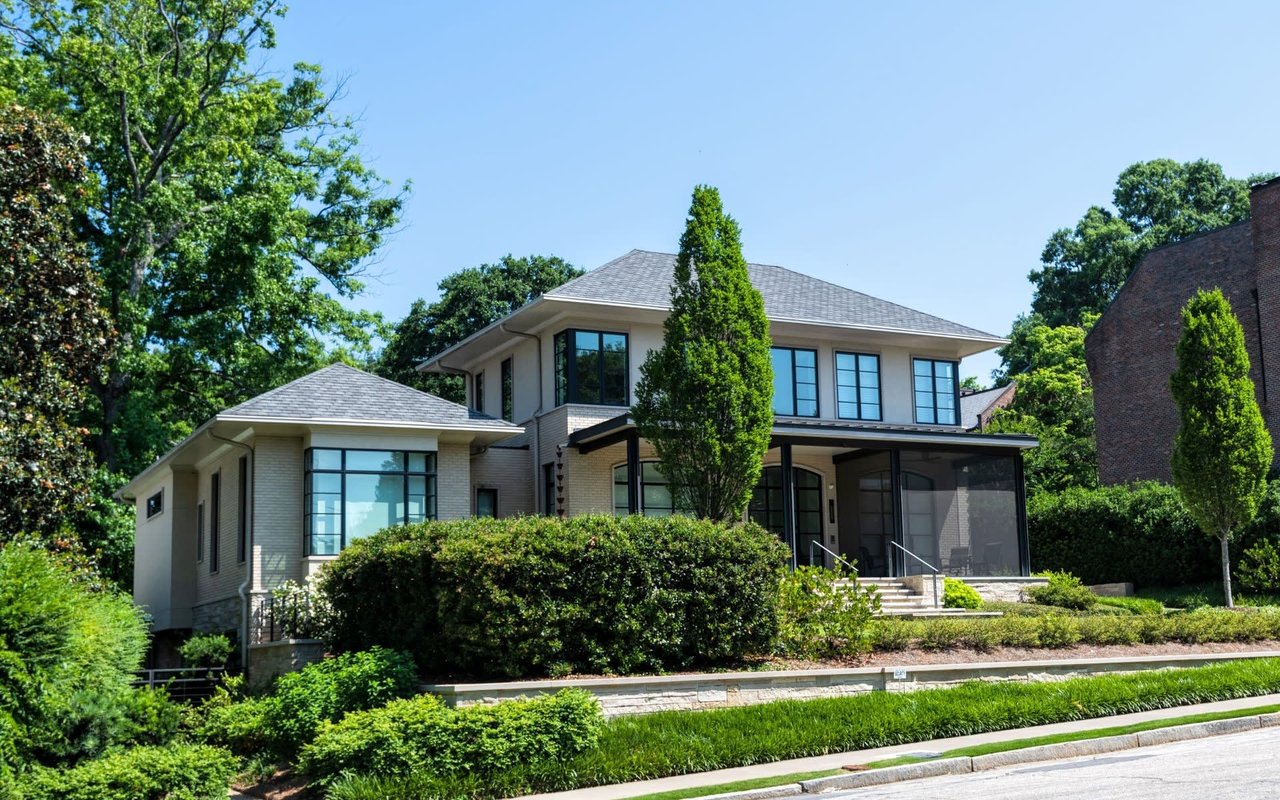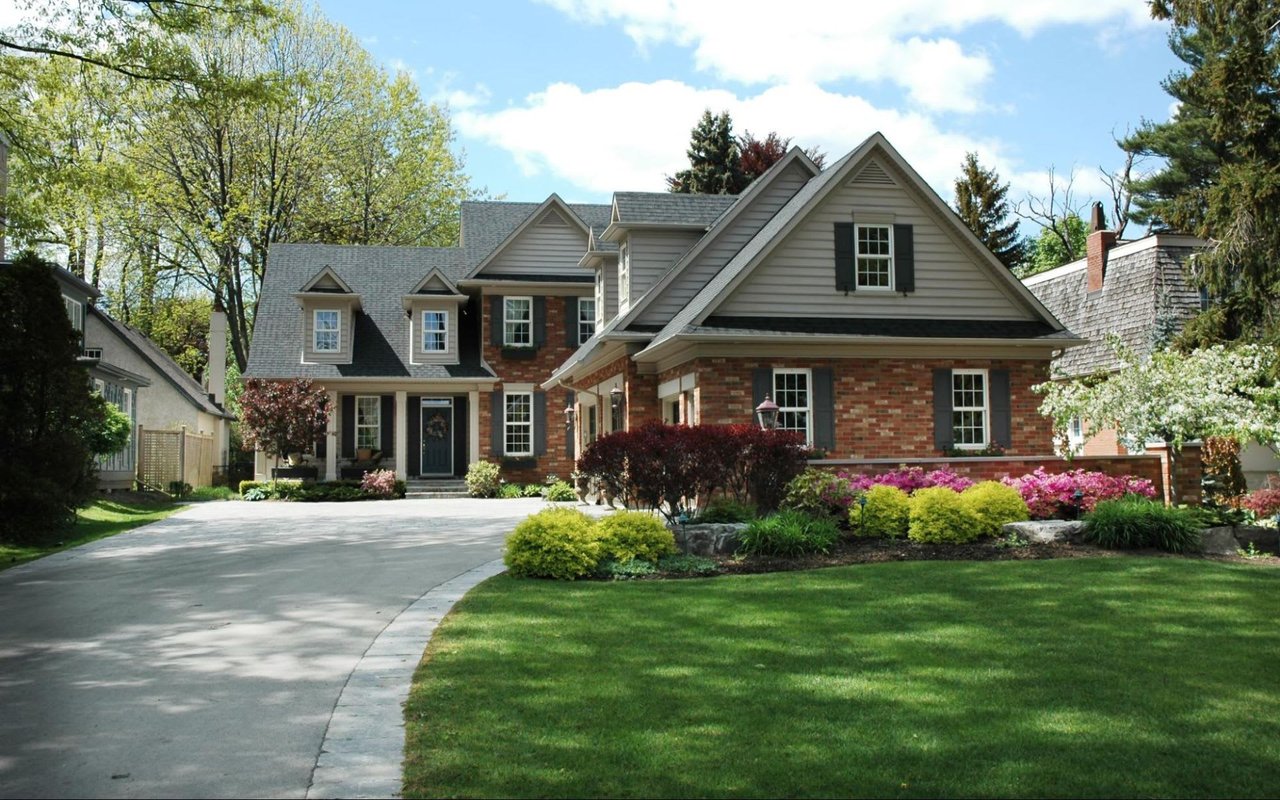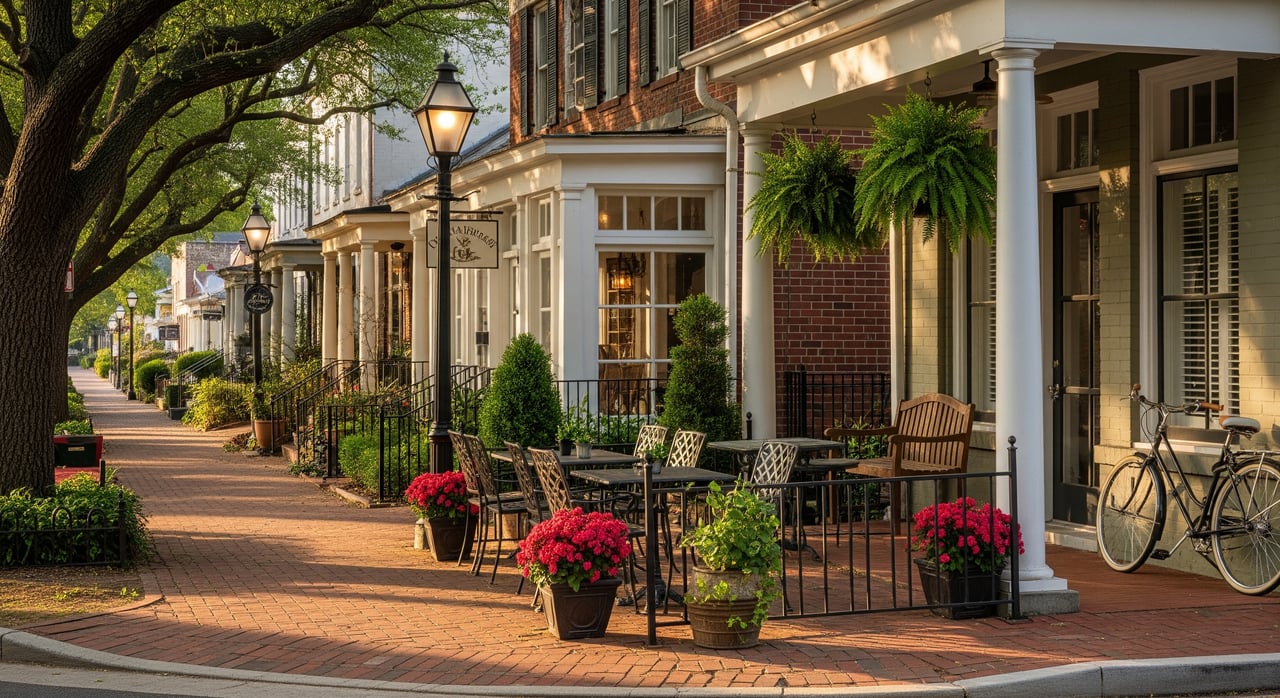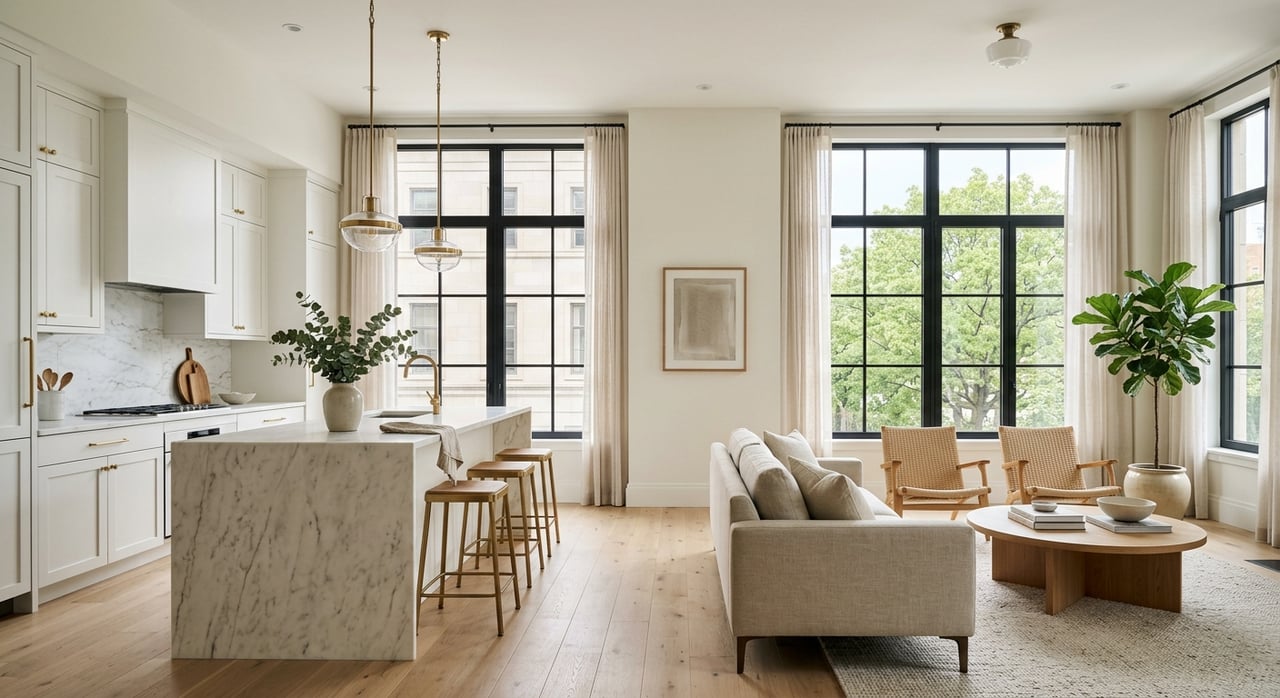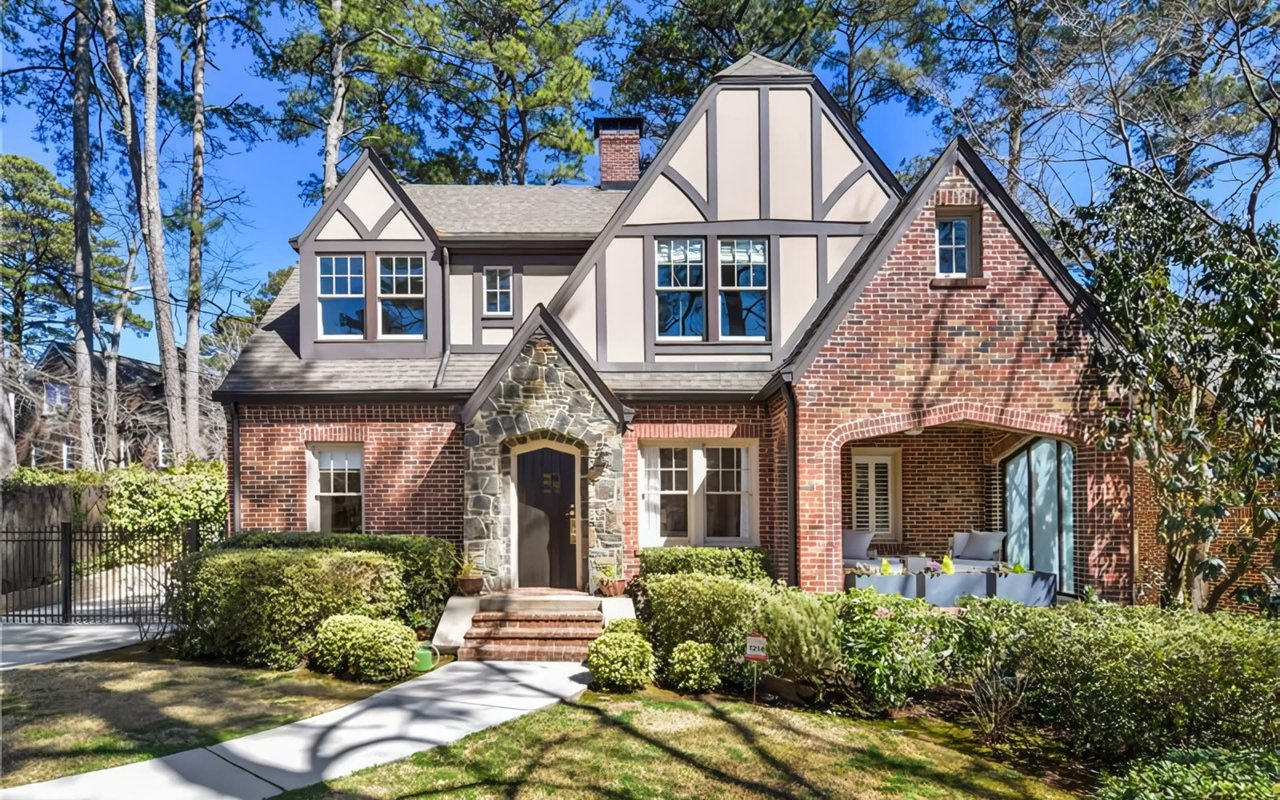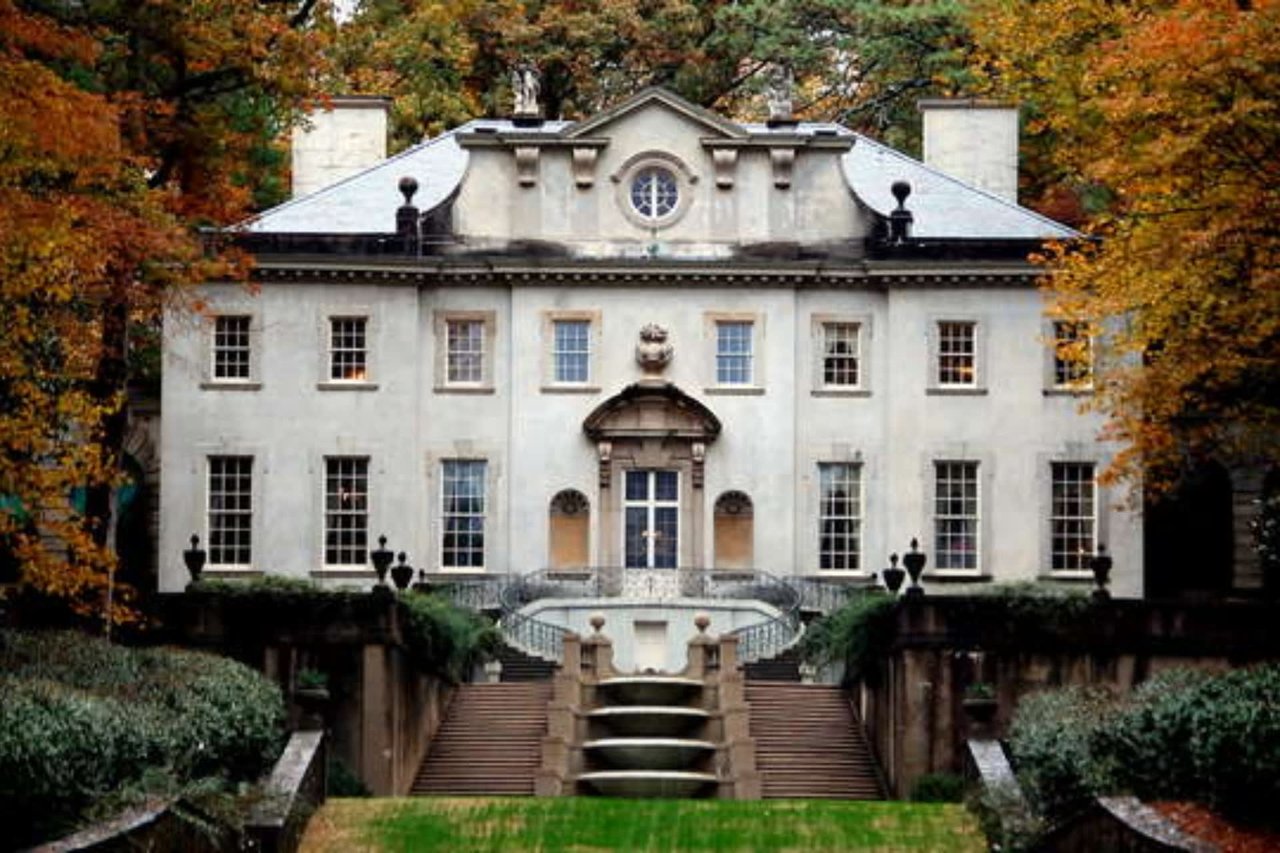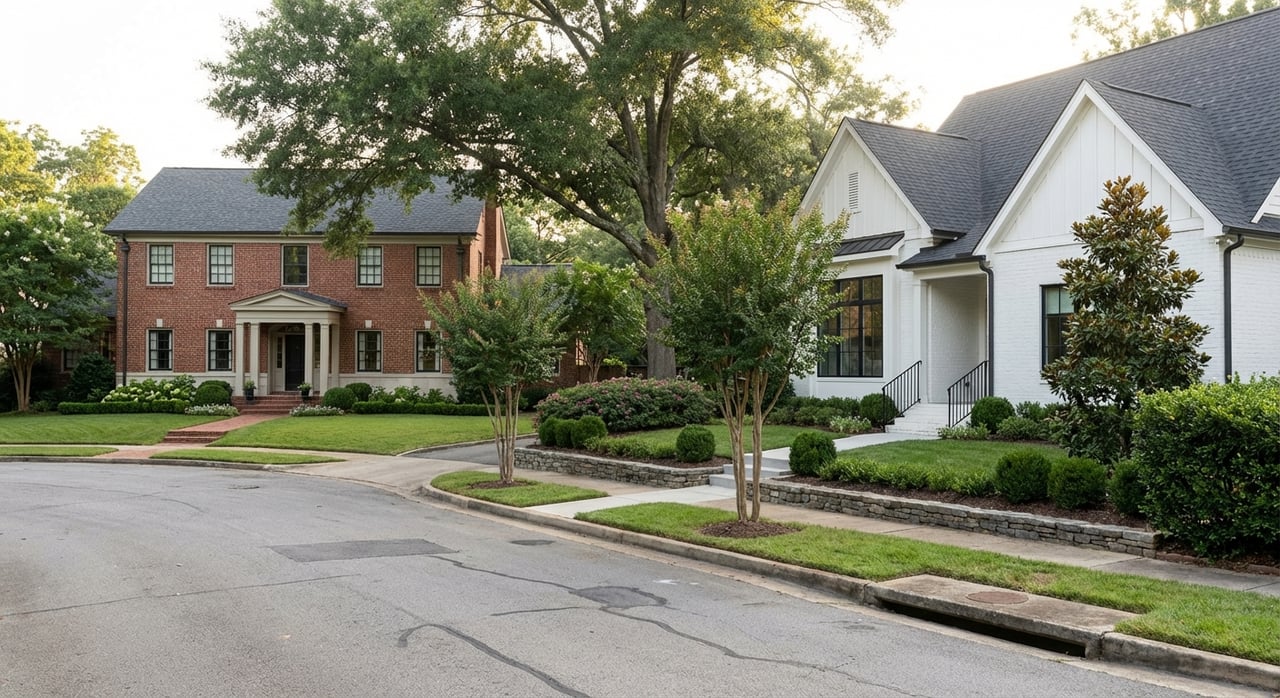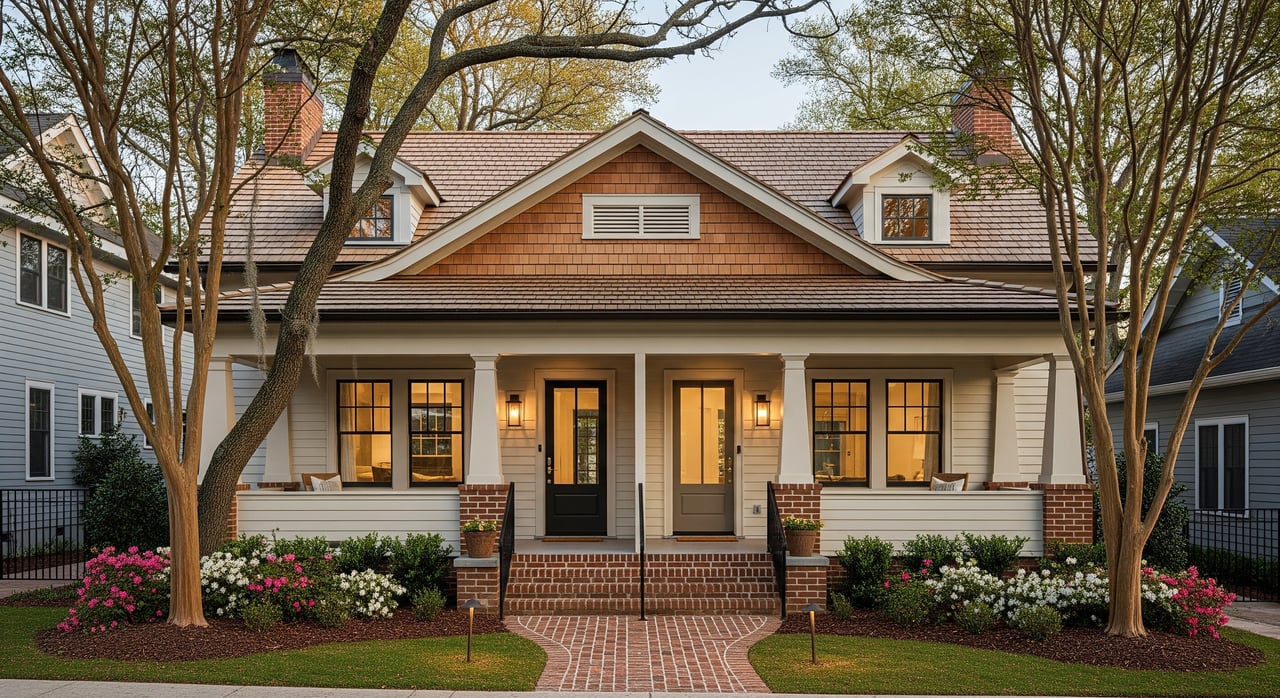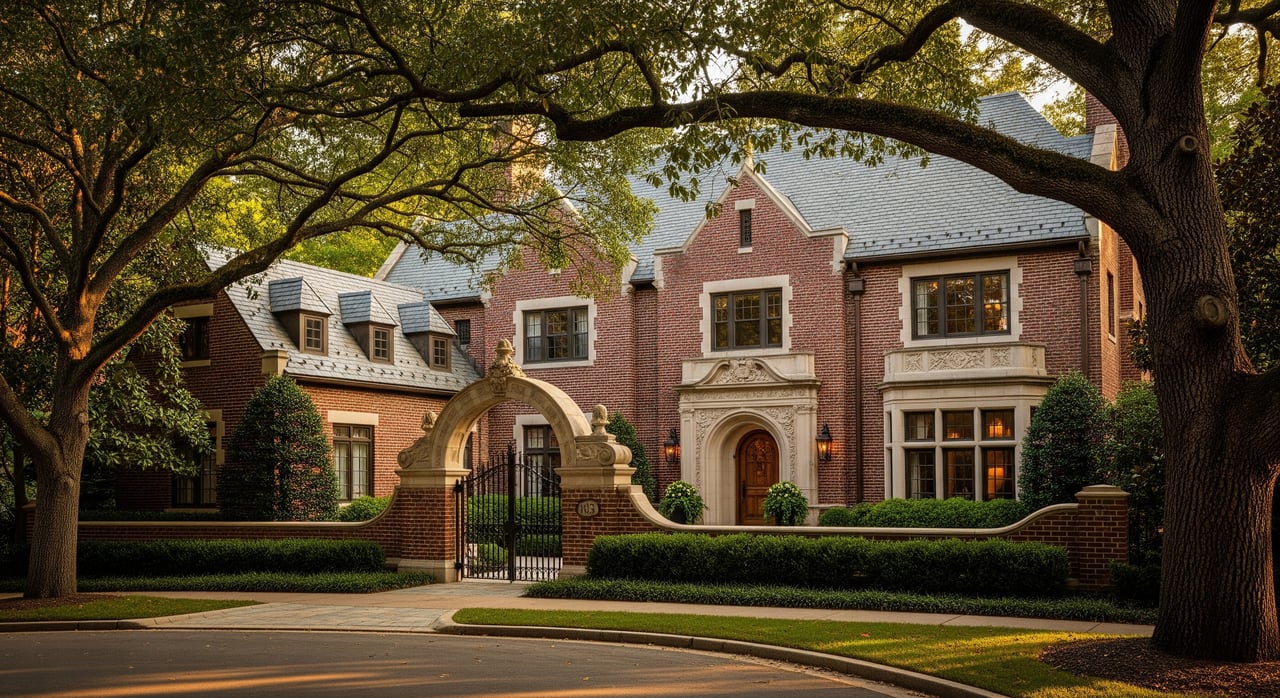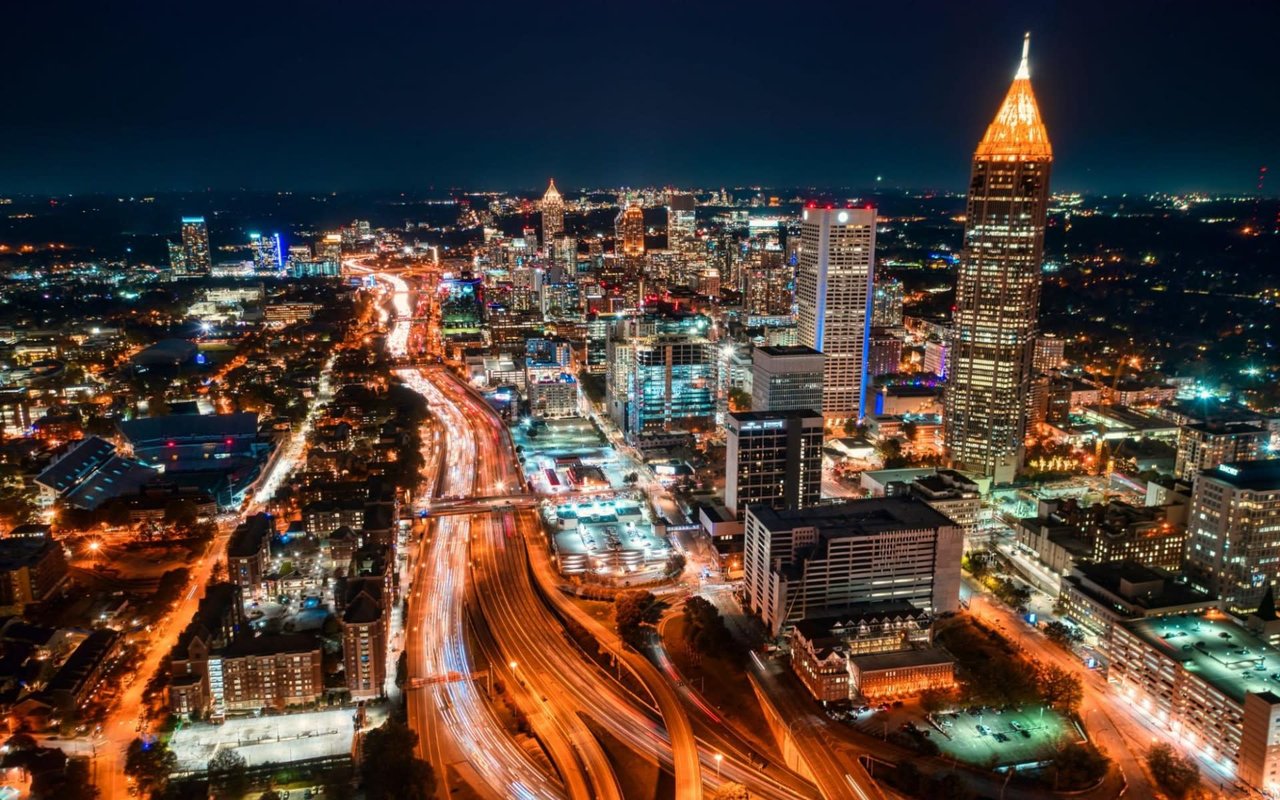
Want to know why two similar homes can sell for very different prices just a few blocks apart in Intown East? If you are buying or selling around Old Fourth Ward, Inman Park, Candler Park, or Grant Park, the Eastside BeltLine is likely a big part of the answer. In this guide, you will learn how proximity to the trail influences appreciation, what today’s price snapshots look like, how buyers behave near the corridor, and how to plan smart renovations and tax decisions. Let’s dive in.
What the Eastside BeltLine is
The Eastside Trail is a paved, multi‑use path and linear greenspace that links Piedmont Park, Historic Fourth Ward Park, Ponce City Market, Krog Street Market, Inman Park, Old Fourth Ward, and adjoining neighborhoods. It is one of the most active BeltLine segments and a magnet for restaurants, retail, and redevelopment. You can read more on the official project page for the Eastside Trail.
Why proximity pushes prices
Living close to the trail delivers a daily amenity: continuous greenspace, walkable access to parks, and quick trips to dining and arts. That convenience increases desirability and willingness to pay. The National Association of REALTORS® reports strong consumer preference for walkable neighborhoods, with many buyers willing to pay more for that lifestyle, as shown in the 2023 Community & Transportation Preferences Survey.
Trail access also catalyzes development. Adaptive reuse hubs like Ponce City Market drew retail, jobs, and entertainment to the corridor, which in turn pulled more buyer demand to adjacent homes. Investor activity and new construction often follow, which can amplify price growth in the closest blocks.
What the data shows
A rigorous hedonic study of Atlanta home sales during the BeltLine’s early build‑out found a measurable effect from proximity. Comparing 2011 to 2015, properties within one‑half mile of completed segments appreciated faster than similar homes farther away. On the Northeast, or Eastside, segment the estimated cumulative premium was about 17.9 percentage points over that period. You can review the full methodology and findings in the Immergluck & Balan paper (2017 analysis of 2011–2015 sales).
That study documents the early years of activation and redevelopment. Since 2015, market cycles and new supply may change the magnitude of any premium, but the evidence supports a durable location benefit tied to walkability and access to major nodes along the trail.
Intown East price snapshots today
Use these neighborhood indicators as directional context. Each is the Zillow Home Value Index (ZHVI) with the latest available date shown.
- Inman Park: $746,448 (ZHVI, data through Jan 31, 2026). See the ZHVI page.
- Candler Park: $709,940 (ZHVI, data through Jan 31, 2026). See the ZHVI page.
- Grant Park: $551,197 (ZHVI, data through Jan 31, 2026). See the ZHVI page.
- Old Fourth Ward: $384,197 (ZHVI, data through Feb 28, 2026). See the ZHVI page.
These are helpful for a high‑level view. Your pricing or offer should always rely on recent, block‑level comps and property condition.
Who pays the premium and why
Buyer demand near the Eastside often centers on daily walkability, shorter trips, and lifestyle access. Many shoppers will pay more for homes that make that easy. Condition matters too. Listings marketed as remodeled attracted more attention and achieved a roughly 3.7 percent sale‑price premium in national analysis, which aligns with what we see in turnkey listings close to the trail. Explore the details in Zillow’s review of listing performance for remodeled homes (2024 analysis).
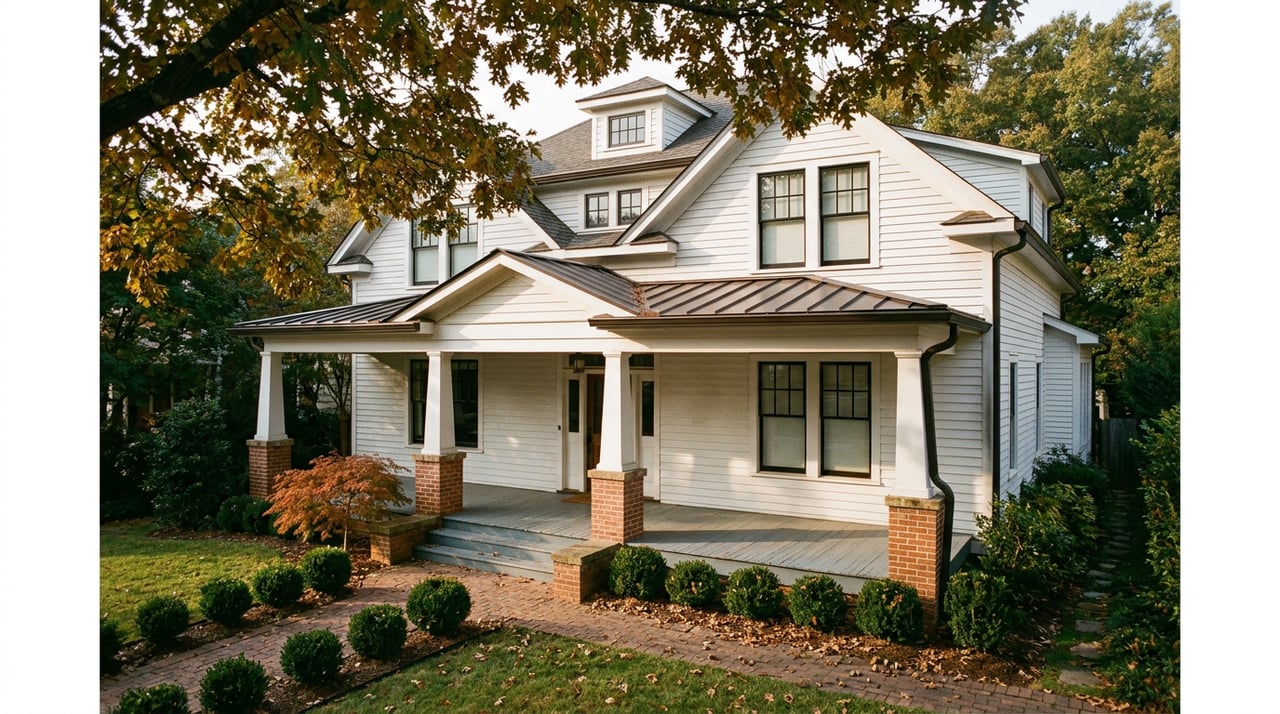
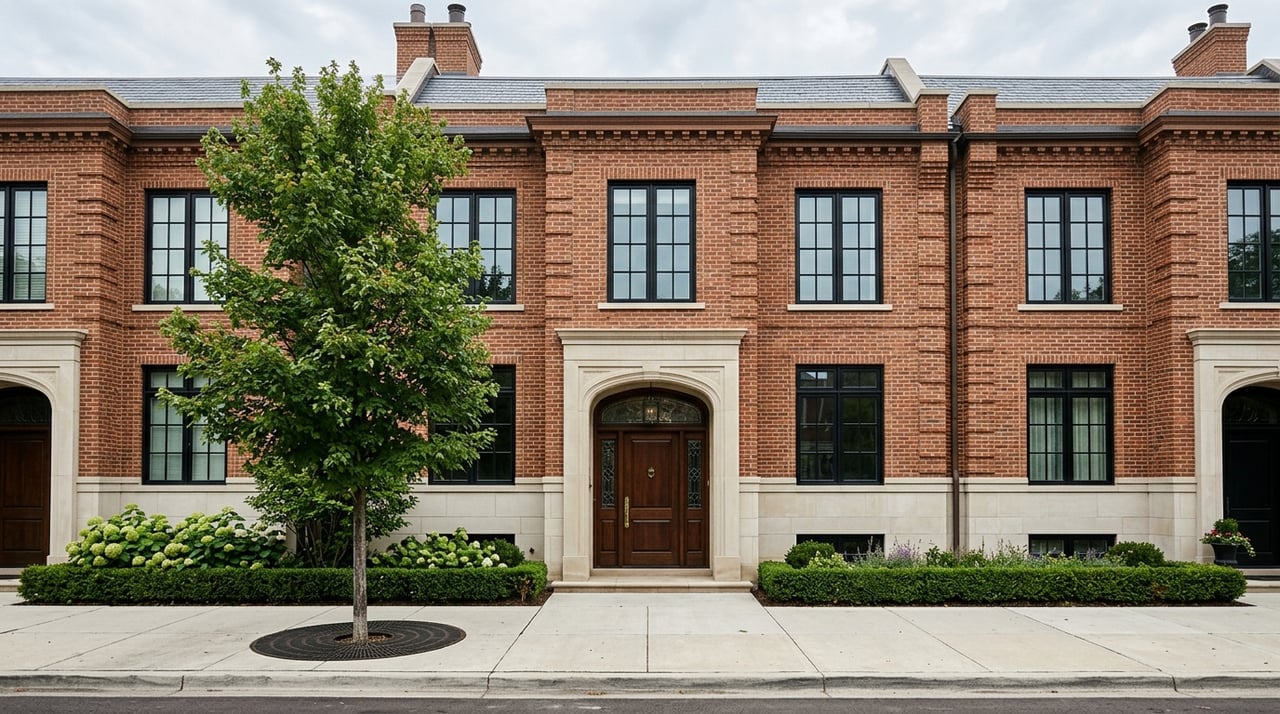
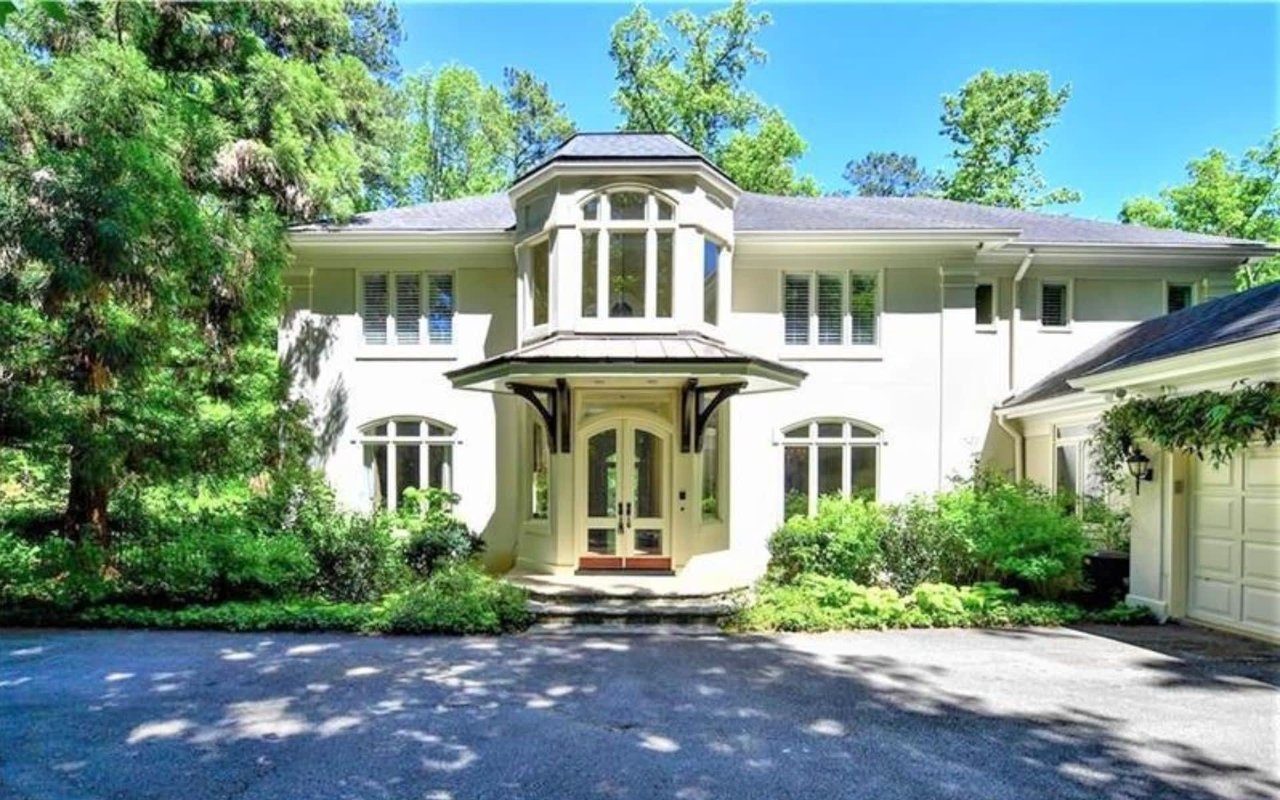
Property type can also shape pricing. Condos and lofts by Ponce or along Edgewood Avenue compete on finishes and building amenities, while single‑family homes in Candler Park, Inman Park, Grant Park, and adjacent streets may pull higher value from historic character, lot size, and thoughtful modernization.
Smart strategies for sellers
If you are within a half mile of the Eastside Trail, you can often lean into a presentation that highlights walkability and move‑in readiness. Small, targeted improvements that modernize daily living tend to perform well.
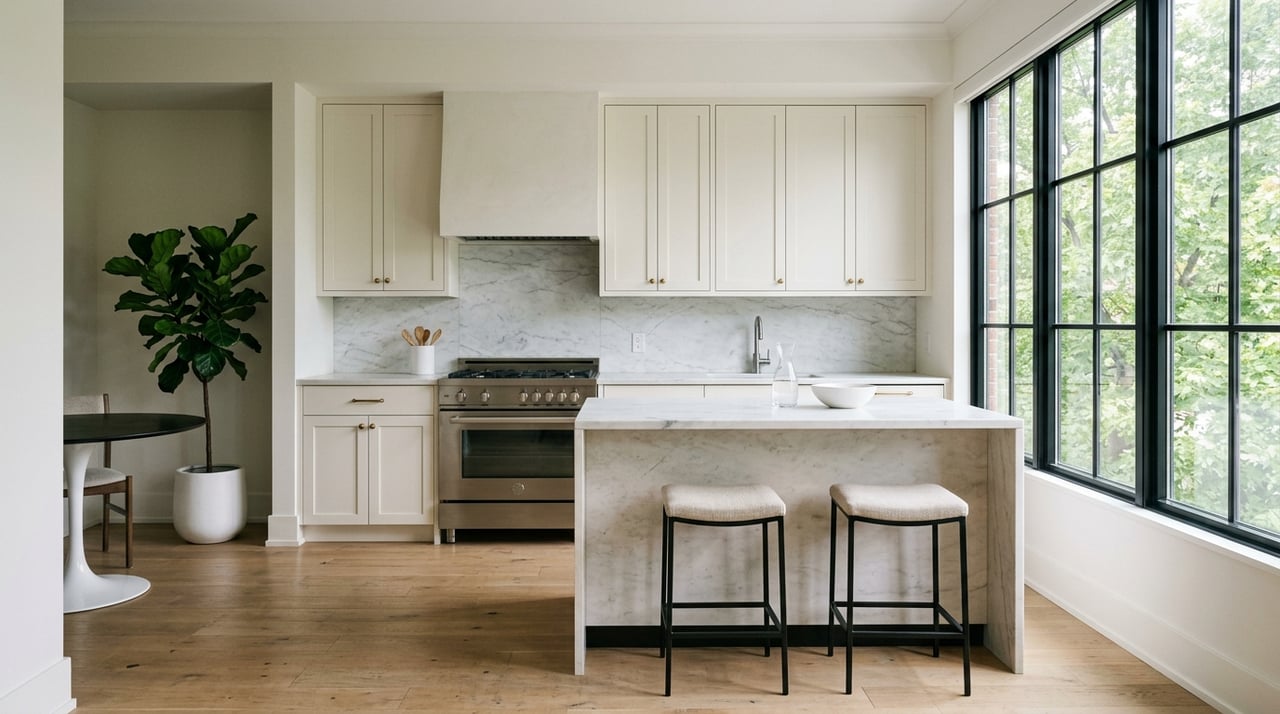
- Prioritize high‑impact updates: kitchen refresh, primary bath, lighting, paint, and flooring.
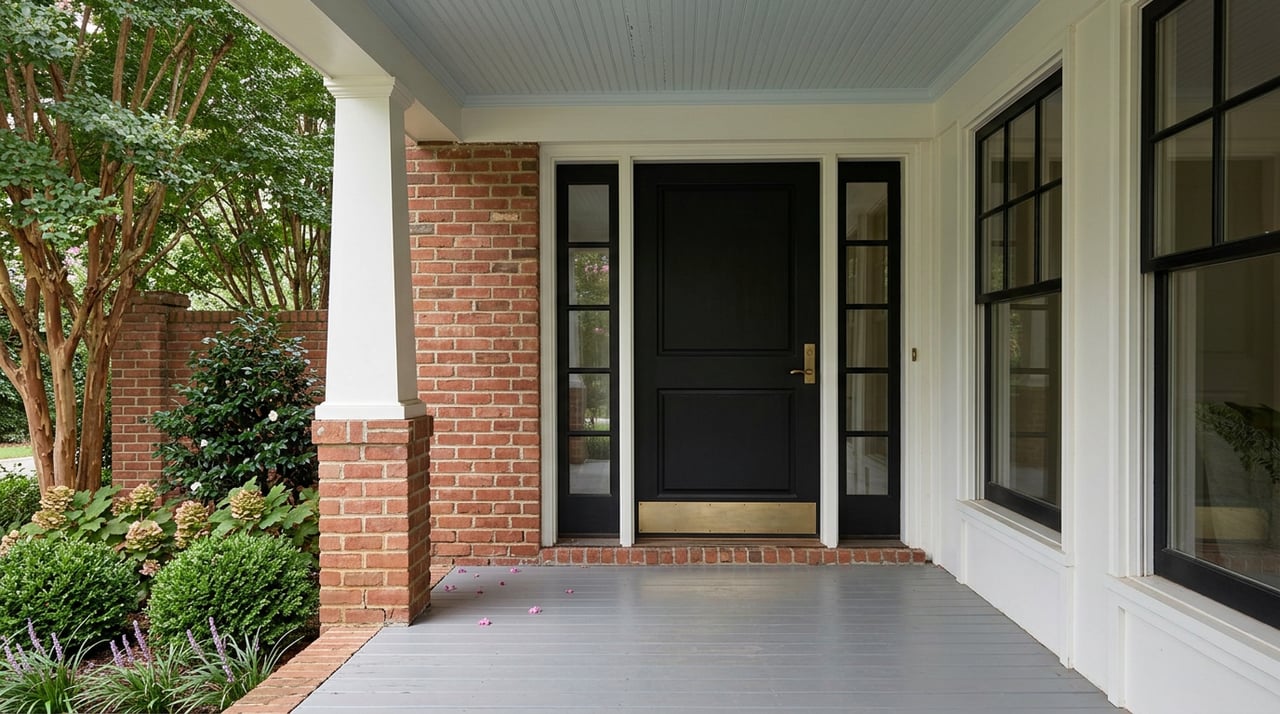
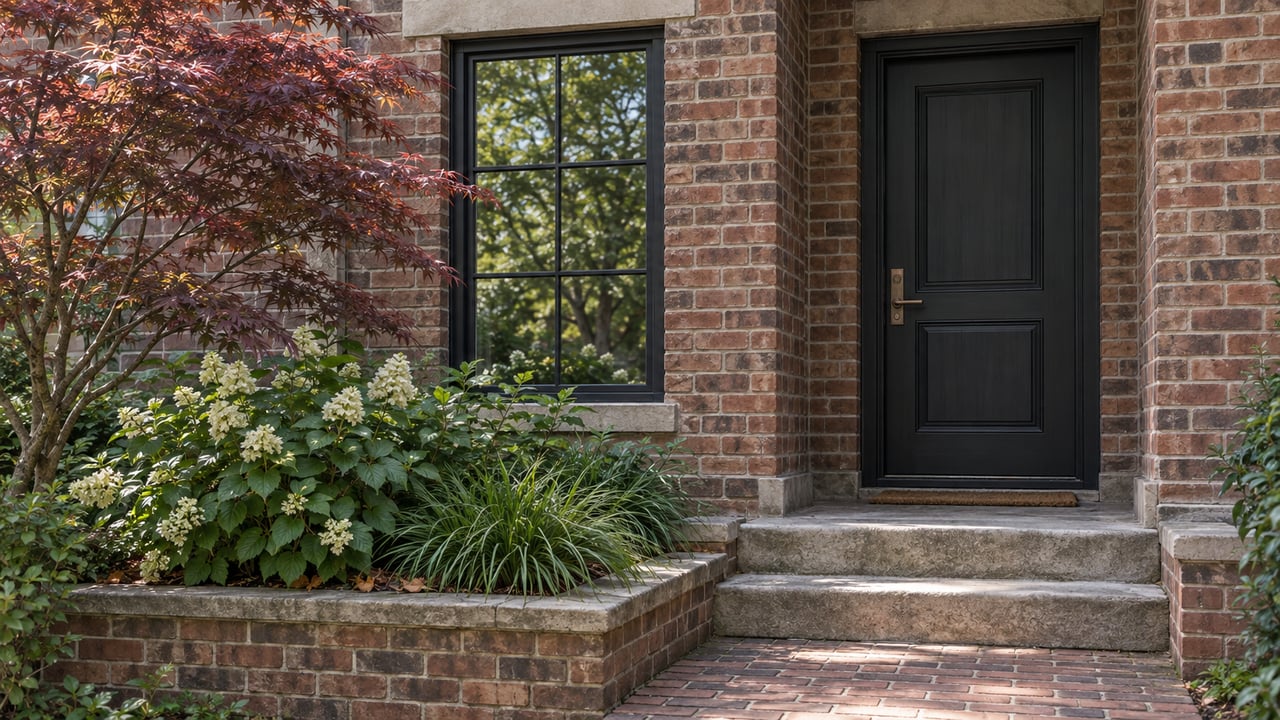
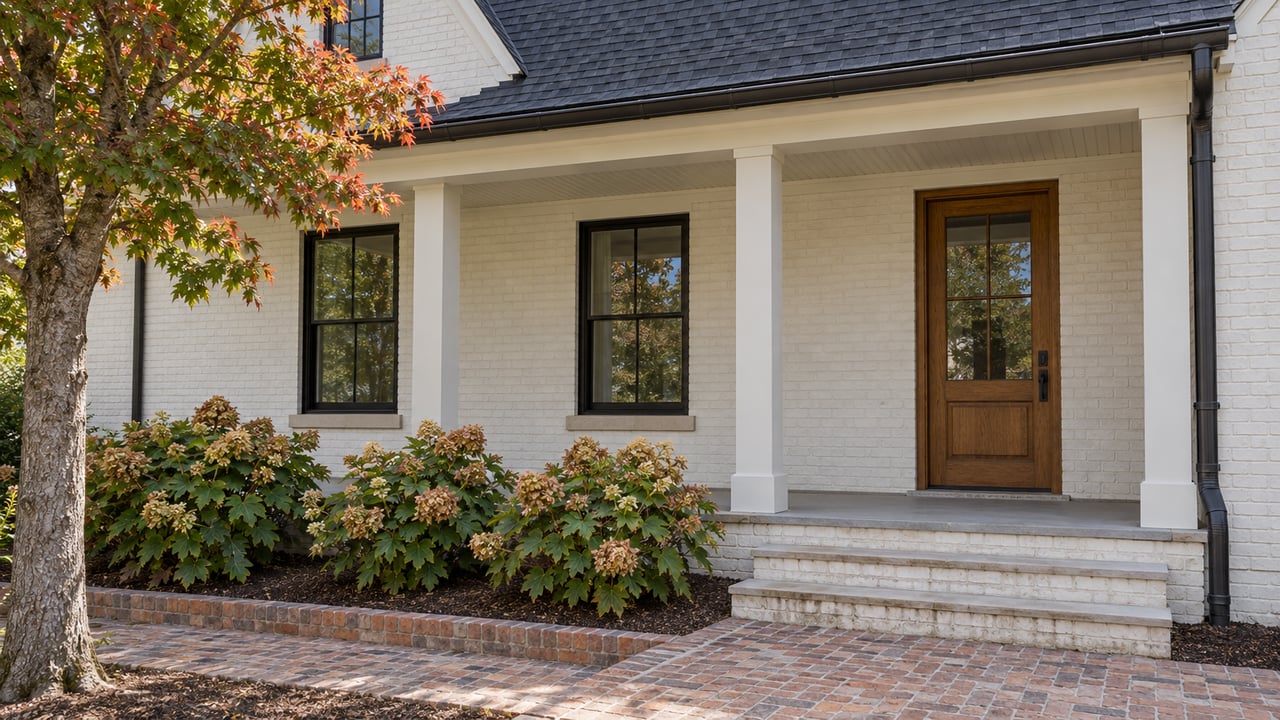
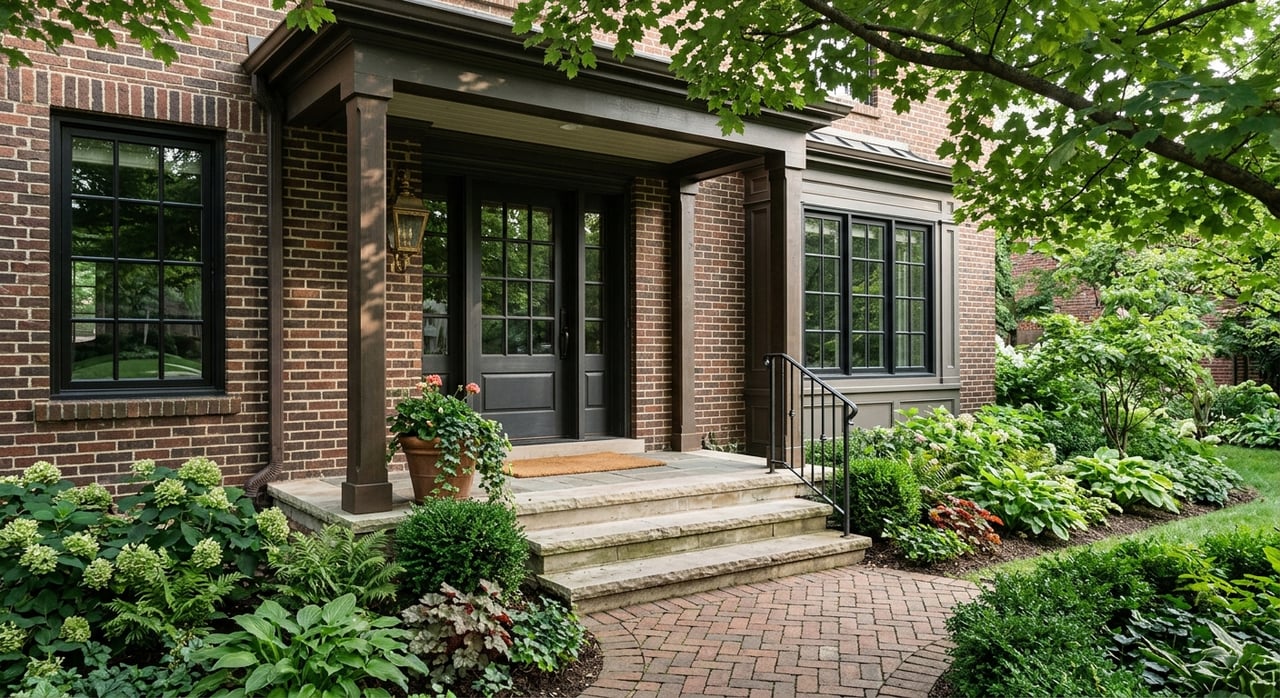
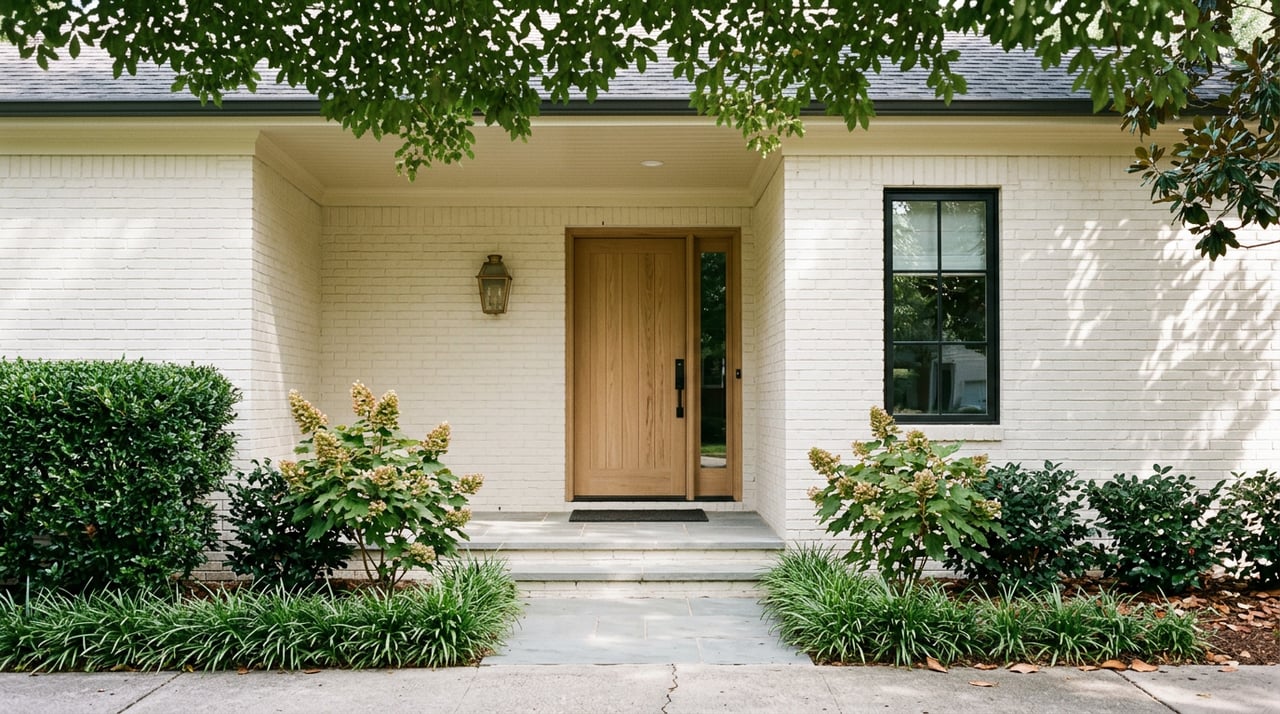
- Elevate outdoor appeal: clean landscaping, fresh exterior paint, updated front door, and lighting.
- Simplify systems: smart thermostats and energy‑efficient fixtures that suit intown buyers.
Buyers are paying for turnkey condition near the trail. Use the remodeled‑home premium as a starting point when modeling ROI, then calibrate with hyper‑local comps. If your home sits in a historic district, factor in design review and materials for exterior work when planning timelines and budgets.
Smart strategies for buyers
Buying close to the BeltLine means deciding how much you value immediate access and convenience. It also means weighing a remodeled premium against renovation costs.
- Compare two paths: a turnkey listing near the trail versus a home a few blocks off plus an improvement budget.
- Price condition accurately: apply a realistic cost for updates and compare to the remodeled premium you see in nearby comps.
- Focus your comp set: use a half‑mile radius and similar property type to reflect how proximity influenced past appreciation in the Eastside study period.
- Underwrite carrying costs: model property taxes and insurance alongside mortgage costs before you stretch for location.
Taxes, funding, and equity to watch
BeltLine growth is supported by mechanisms that capture rising values. The project relies on the BeltLine Tax Allocation District and a Special Service District that fund trail build‑out and related infrastructure, as outlined in the FHWA value‑capture case study. Atlanta BeltLine, Inc. has also increased its budget for trail completion and affordable housing goals, and it operates programs like the Legacy Resident Retention initiative to help longtime owners manage rising tax burdens, as described in ABI’s recent budget update.
Rapid appreciation can raise assessed values and taxes for nearby owners. Before you list or buy, review the most recent assessment with the Fulton or DeKalb County assessor and plan for appeals or exemptions where applicable.
How to comp by distance
When analyzing value near the Eastside Trail, keep distance front and center. The hedonic work that measured a premium used a one‑half mile band, which is a practical starting point for your comp search. Within that band, sort by property type and condition, then adjust for improvements that buyers consistently pay for, like updated kitchens and baths.
Bottom line
Proximity to the Eastside BeltLine has a real, documented influence on home values in Intown East. The closer you are to the activated corridor, the more walkability and lifestyle access shape pricing. Pair that with smart preparation or a clear renovation plan, and you can move confidently whether you are buying or selling.
If you want a tailored pricing or improvement plan for your home near the Eastside, reach out to Molly Carter Gaines. Her renovation‑enabled listing process and neighborhood expertise help you capture the value that location deserves.
FAQs
How close to the Eastside BeltLine should I buy to capture value?
- Use a half‑mile radius as a practical comp boundary, then compare similar property types and conditions to see how proximity has played into recent sales.
Are current prices the same in Inman Park, Candler Park, Grant Park, and Old Fourth Ward?
- No. Neighborhood snapshots vary by housing stock and cycles, so use recent ZHVI data as context and price your decision with on‑the‑ground comps and condition.
Do remodeled homes near the trail sell for more?
- Listings marketed as remodeled have shown a measurable sale‑price premium in national analysis, so turnkey condition often commands higher prices close to the corridor.
What should I upgrade before listing near the Eastside BeltLine?
- Focus on kitchens, baths, lighting, paint, flooring, and curb appeal, since these updates tend to drive faster sales and better outcomes with walkability‑minded buyers.
How will property taxes change if I buy near the BeltLine?
- Rising neighborhood values can increase assessments, so review the latest county assessment, model potential changes, and explore exemptions or appeals as needed.