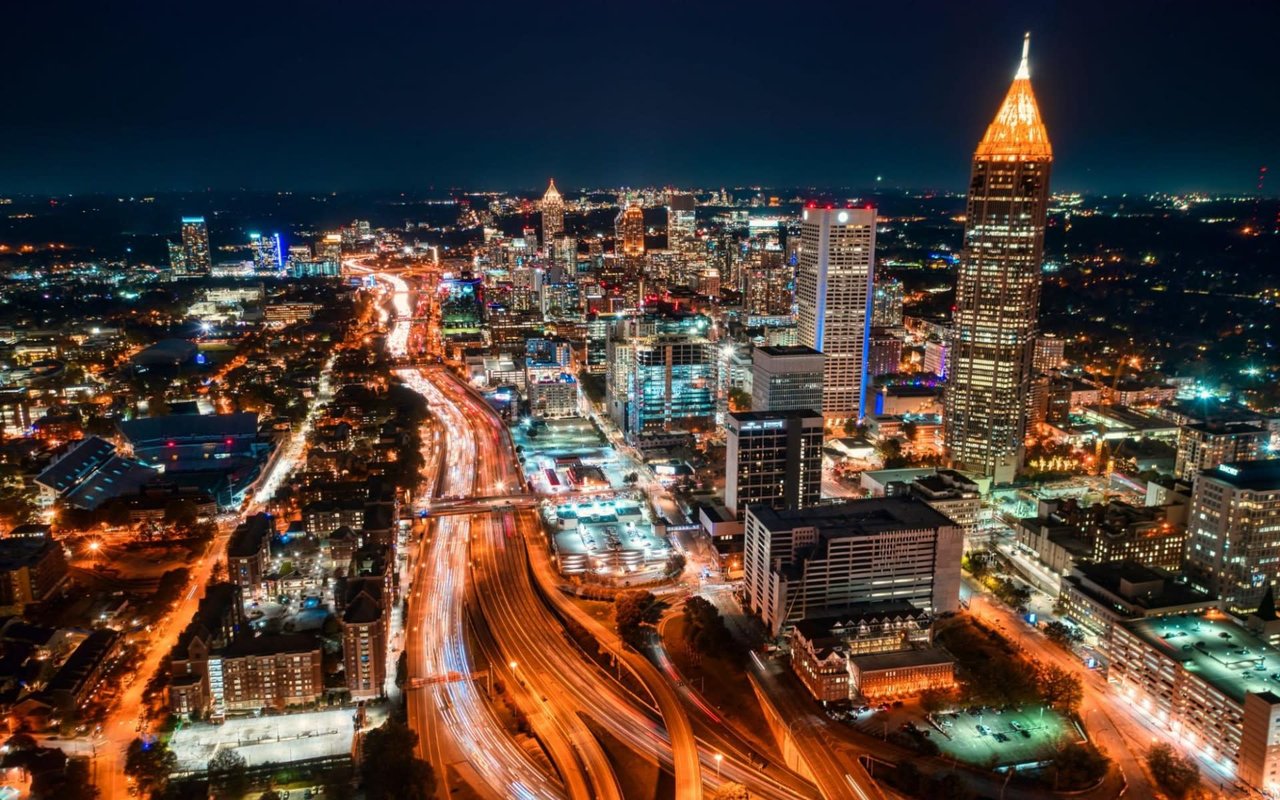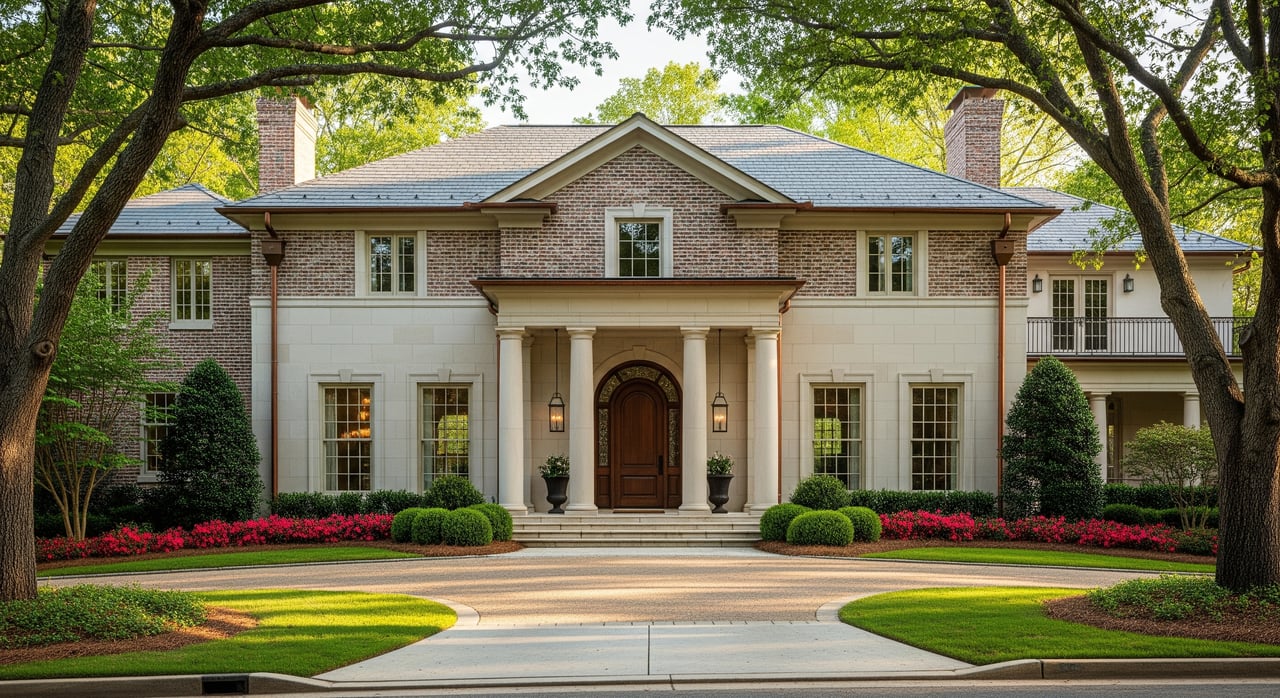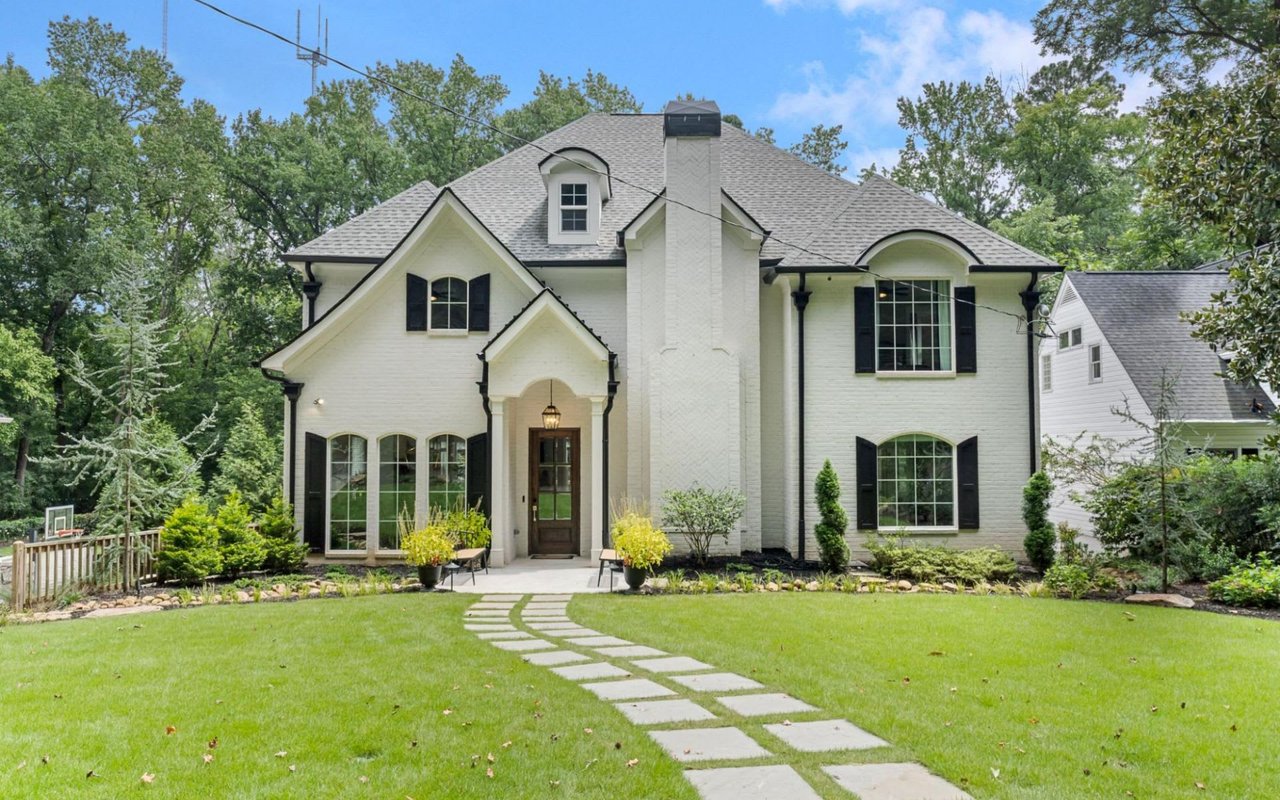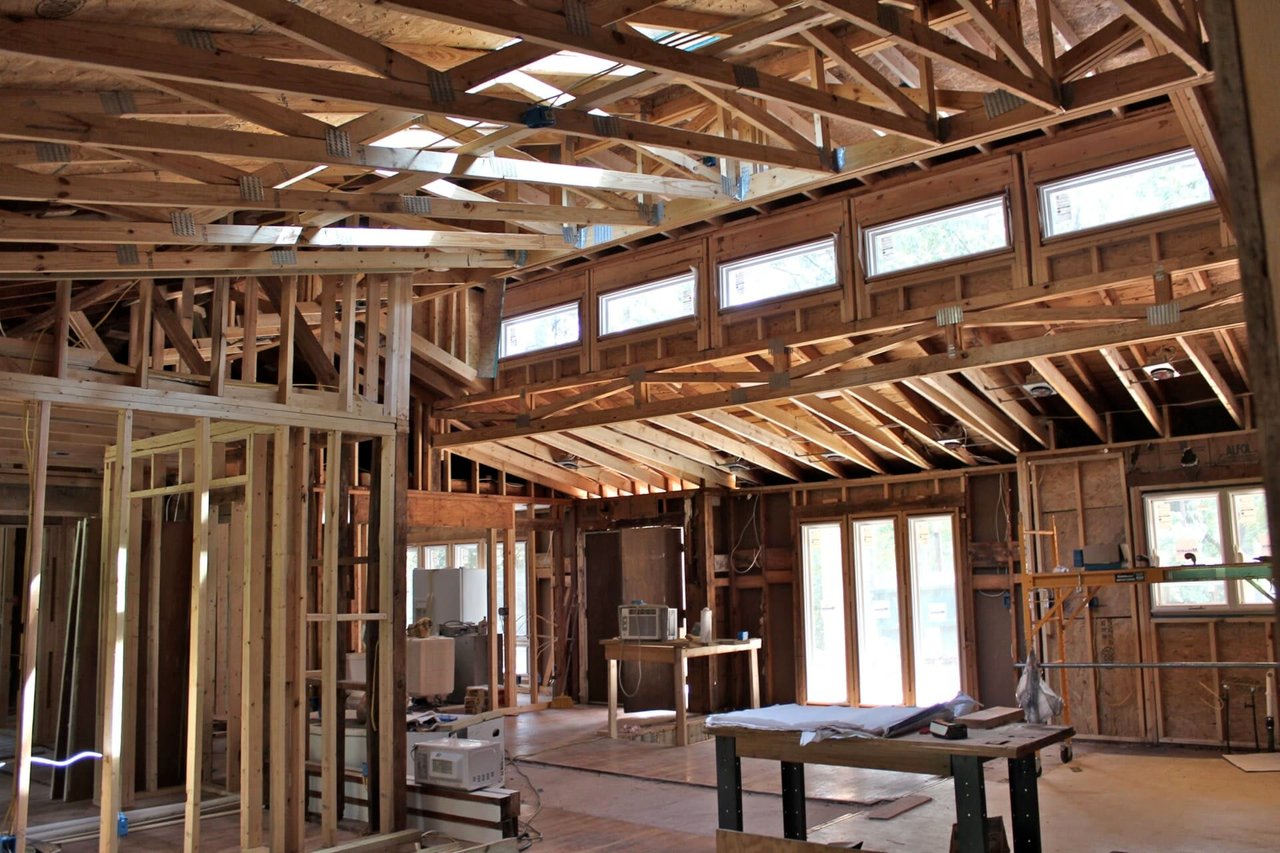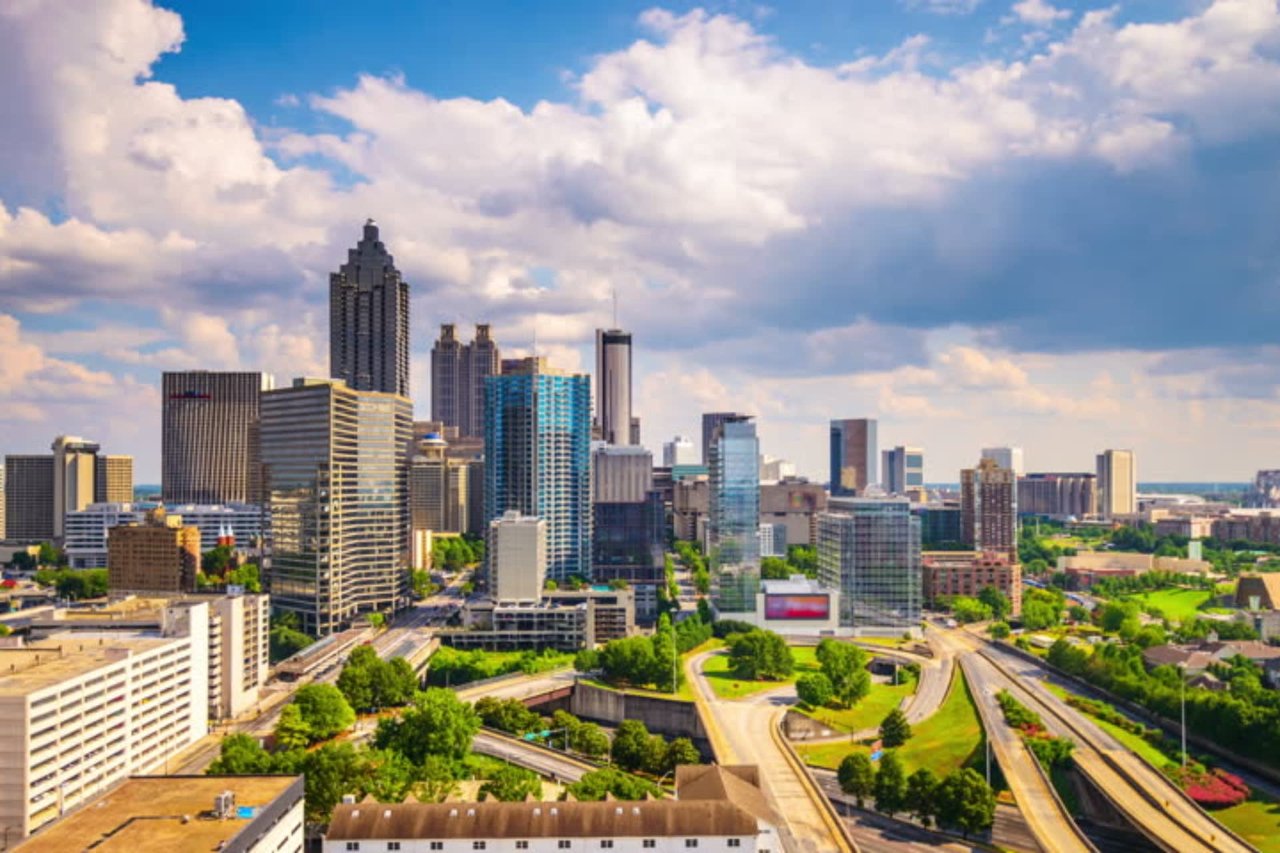
If you love the idea of stepping out your front door and onto one of Atlanta’s most active public spaces, Inman Park deserves a close look. Living on or near the BeltLine here can feel exciting, convenient, and deeply connected to the rhythm of Intown Atlanta. You also need a clear picture of the tradeoffs, from parking and foot traffic to historic district rules that can affect what you buy and how you update it. Let’s dive in.
Why Inman Park Stands Out
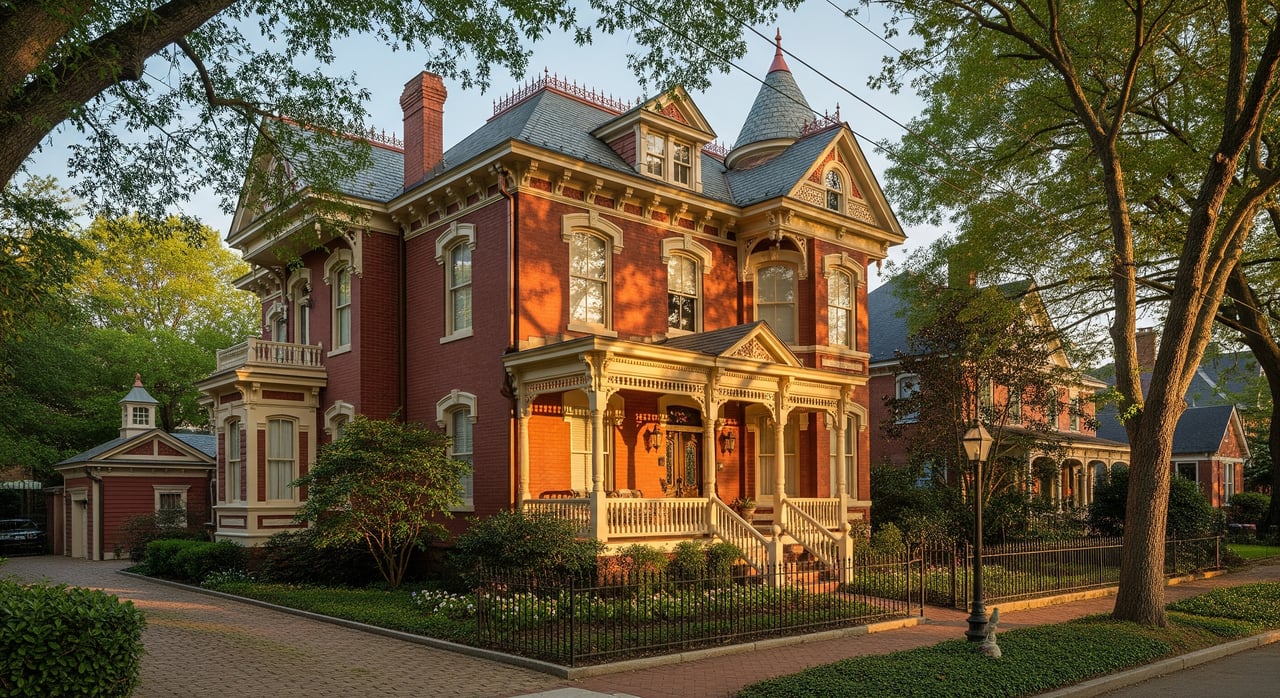
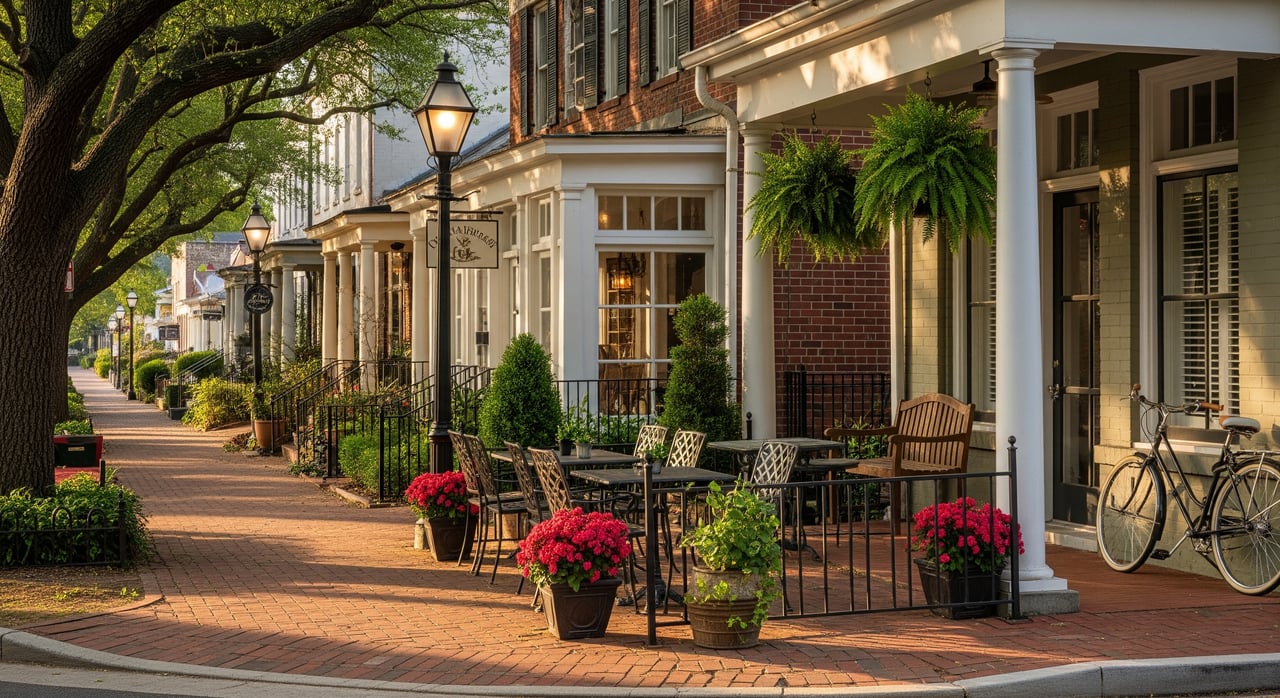
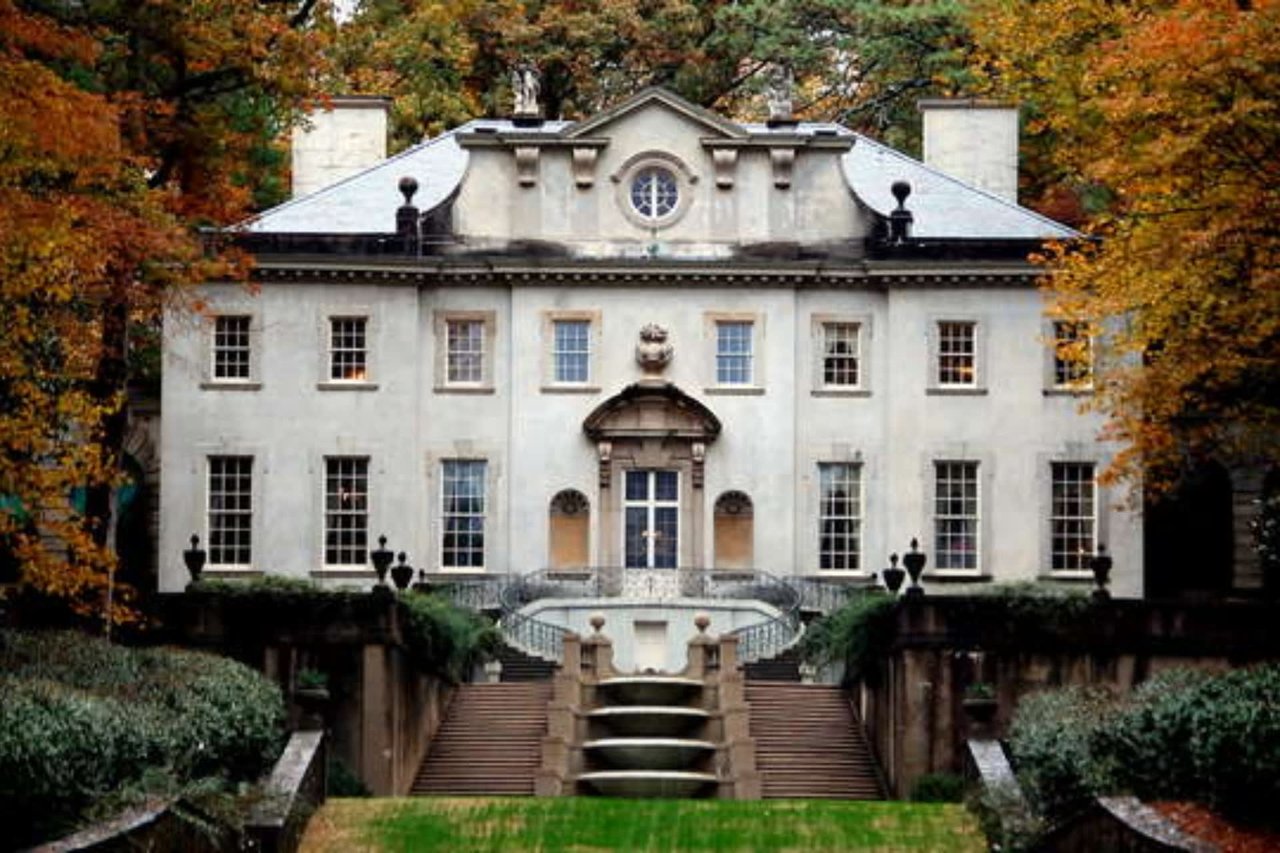
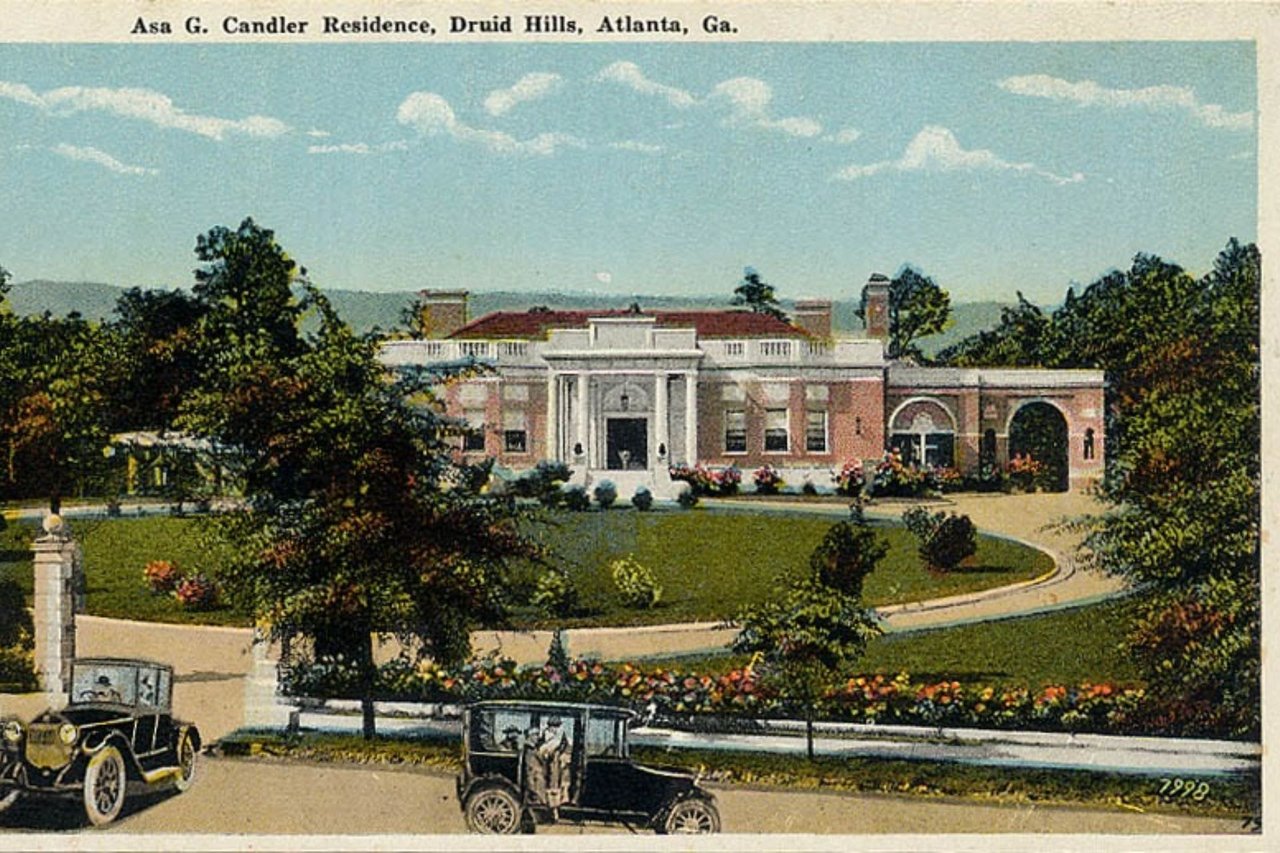
Inman Park is widely recognized as Atlanta’s first planned suburb, founded in 1889. It is also a City of Atlanta historic district, with designation dating to April 10, 2002. That combination gives the neighborhood a distinct identity you can feel in its curving streets, park-like layout, and mix of older homes.
For buyers, that historic character is not just a backdrop. It can shape renovation plans, additions, and exterior changes because preservation rules are intended to protect the neighborhood’s spatial relationships, housing variety, and overall look. If you are drawn to character homes, this is part of the appeal, but it is also something to plan for early.
BeltLine Access Shapes Daily Life
The Eastside Trail is the first completed section of the Atlanta BeltLine, and it passes through Inman Park. Official BeltLine information describes the full BeltLine as a 22-mile loop connecting 45 neighborhoods, with more than 2.5 million annual visits reported in a recent release. That tells you a lot about the scale of activity connected to this corridor.
In practical terms, BeltLine living here means you are close to a multi-use trail and linear greenspace that supports walking, biking, scooters, and quick trips between destinations. The Eastside Trail also links you to places like Historic Fourth Ward Park, Thomas Taylor Memorial Skatepark, and Piedmont Park. If your ideal lifestyle includes moving around without always getting in the car, that can be a major advantage.
The BeltLine is also more than a trail. Its parks information describes a linear greenway habitat with trees, grasses, and wildflowers, and one of the region’s major public art environments. That blend of mobility, greenery, and public space is a big reason Inman Park feels both urban and outdoorsy at the same time.
What Everyday Living Feels Like
One of the biggest reasons people look at Inman Park is simple: it is easy to enjoy your day without a long plan or a long drive. You can head out for coffee, grab a meal, meet friends, or take a walk on the trail with very little friction. For many buyers, that convenience becomes part of the value.
The BeltLine reports about 6,000 businesses within a half mile of the corridor. The Eastside Trail also offers walk-up access to major destinations like Ponce City Market and Krog Street Market. Nearby Inman Park spots often highlighted in local guides include Painted Park, Delbar, Victory Sandwich Bar, Revolution Doughnuts, and Folk Art.
That level of access creates a lively street scene. It also means living close to the trail usually comes with more bike traffic, foot traffic, and event-day activity than you would find on a quieter interior block. If you want energy and convenience, that can feel like a feature. If you want more privacy and less public movement, location within the neighborhood matters a lot.
Green Space Goes Beyond the Trail
The BeltLine gets most of the attention, but it is not the only outdoor asset in the area. Residents also benefit from the Atlanta BeltLine Arboretum, which adds another layer of greenery and habitat value to the corridor. That can make regular walks feel more scenic and less purely urban.
Freedom Park is another major part of the Inman Park lifestyle story. According to Freedom Park Conservancy, it is a 130-plus acre linear park with more than eight miles of multi-use paths, and it includes Inman Park among the neighborhoods it surrounds. It offers a different kind of outdoor experience than the BeltLine, with hiking and biking trails, greenspace, public art, a skate park, and tennis courts.
For buyers who want real outdoor access while staying intown, that mix matters. You are not limited to one trail or one type of public space. Instead, you get several ways to use the neighborhood, depending on whether you want a quick walk, a longer ride, or time in a larger park setting.
Transit and Parking Considerations
Transit is a meaningful part of the location. MARTA says the Inman Park/Reynoldstown station is on the Blue and Green lines, includes 366 free daily parking spaces, and connects to bus routes. Even if you do not use rail every day, having that option nearby can make commuting and city access easier.
Parking, however, is a real part of the decision-making process. Inman Park participates in the City of Atlanta’s residential permit parking program, which is designed to reduce congestion around high-demand areas and reserve on-street parking for permitted residents. In plain terms, street parking is managed rather than plentiful.
That does not mean parking is impossible. It does mean you should pay close attention to off-street parking, garage access, and block-by-block conditions when comparing homes. A property that looks perfect on paper can feel very different once you factor in everyday parking habits.
Inman Park Homes Near the BeltLine
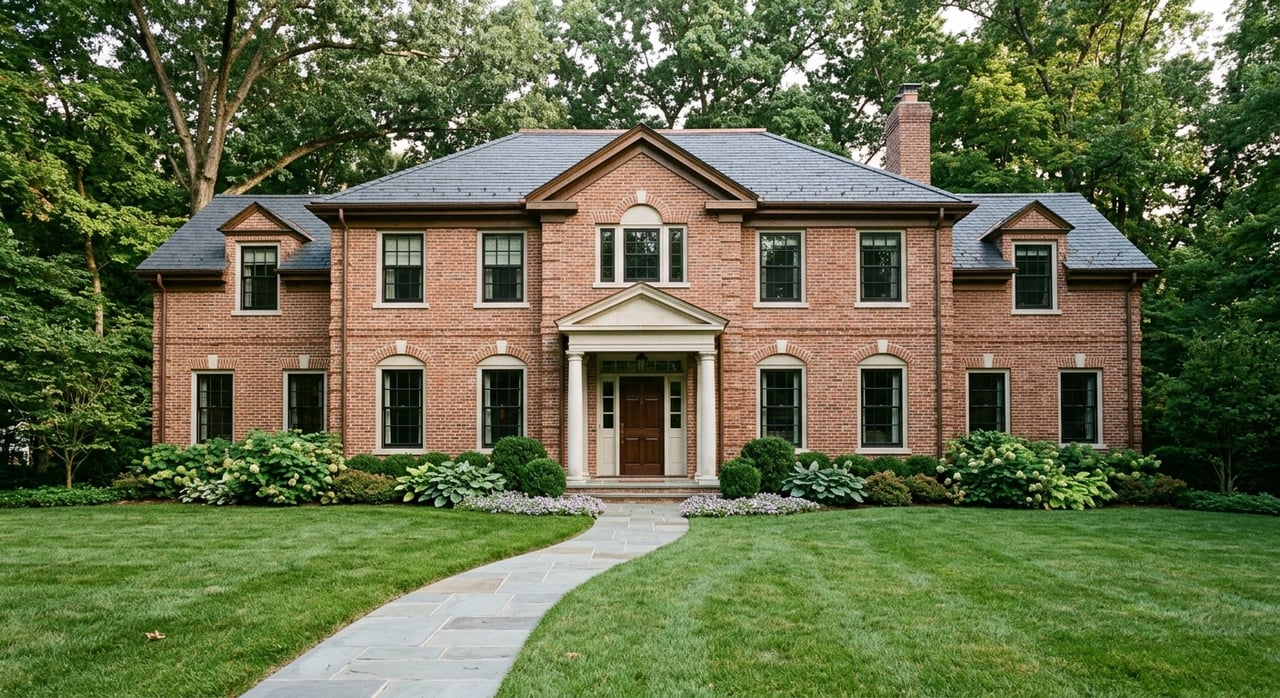
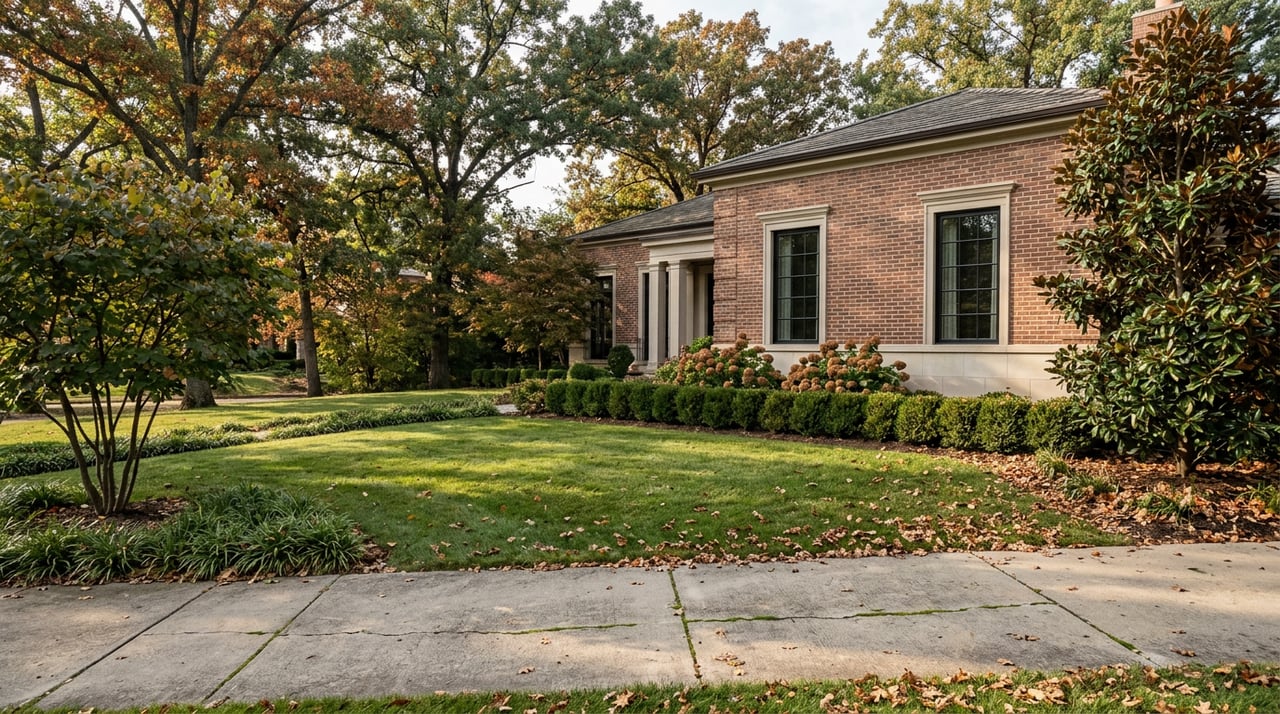
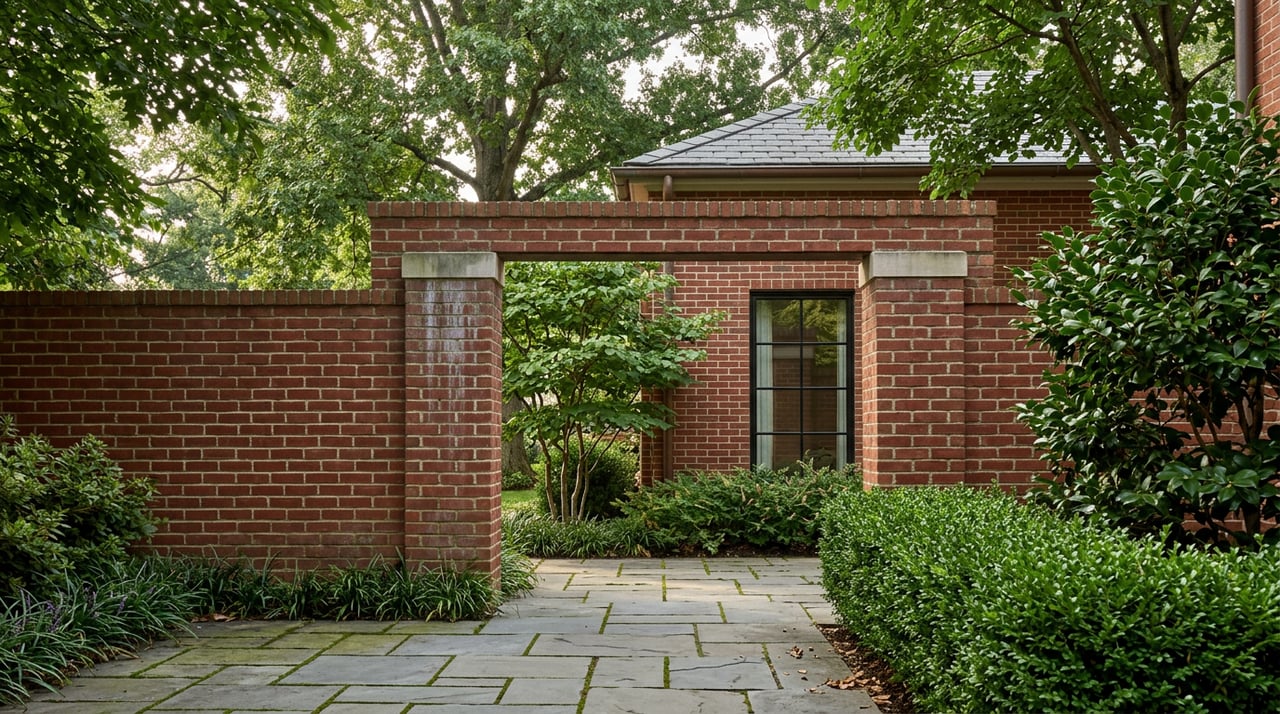
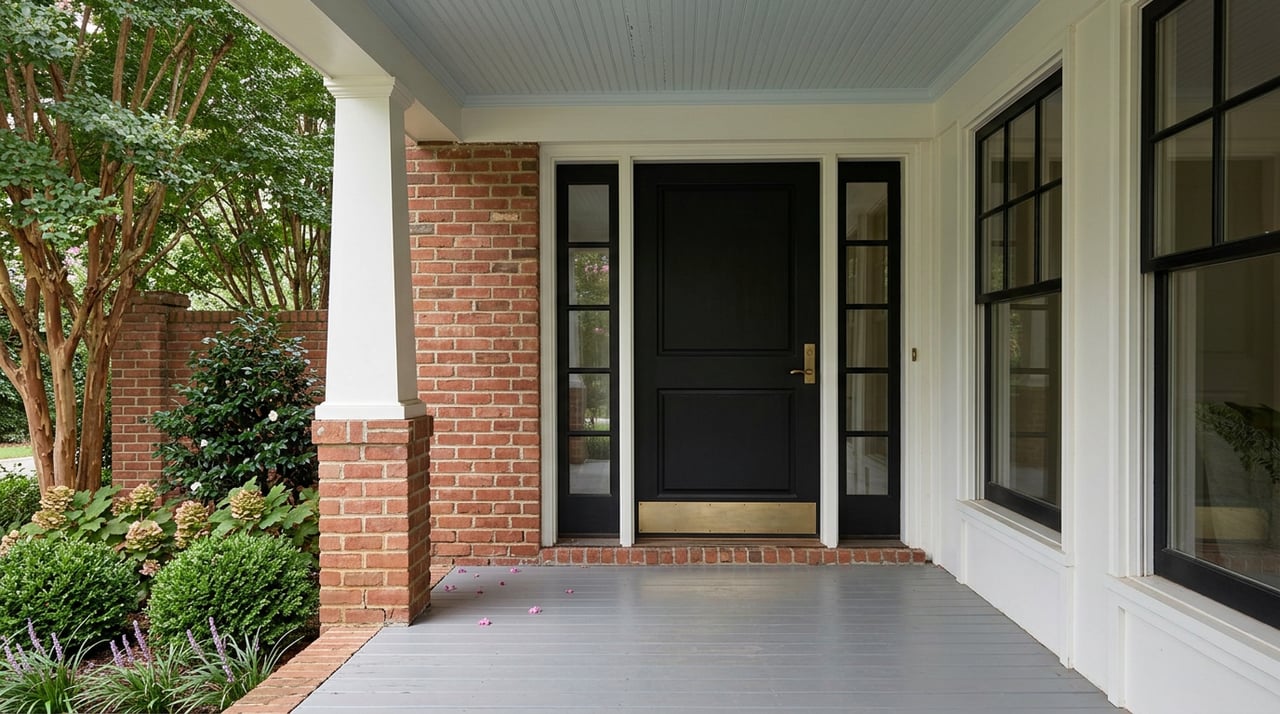
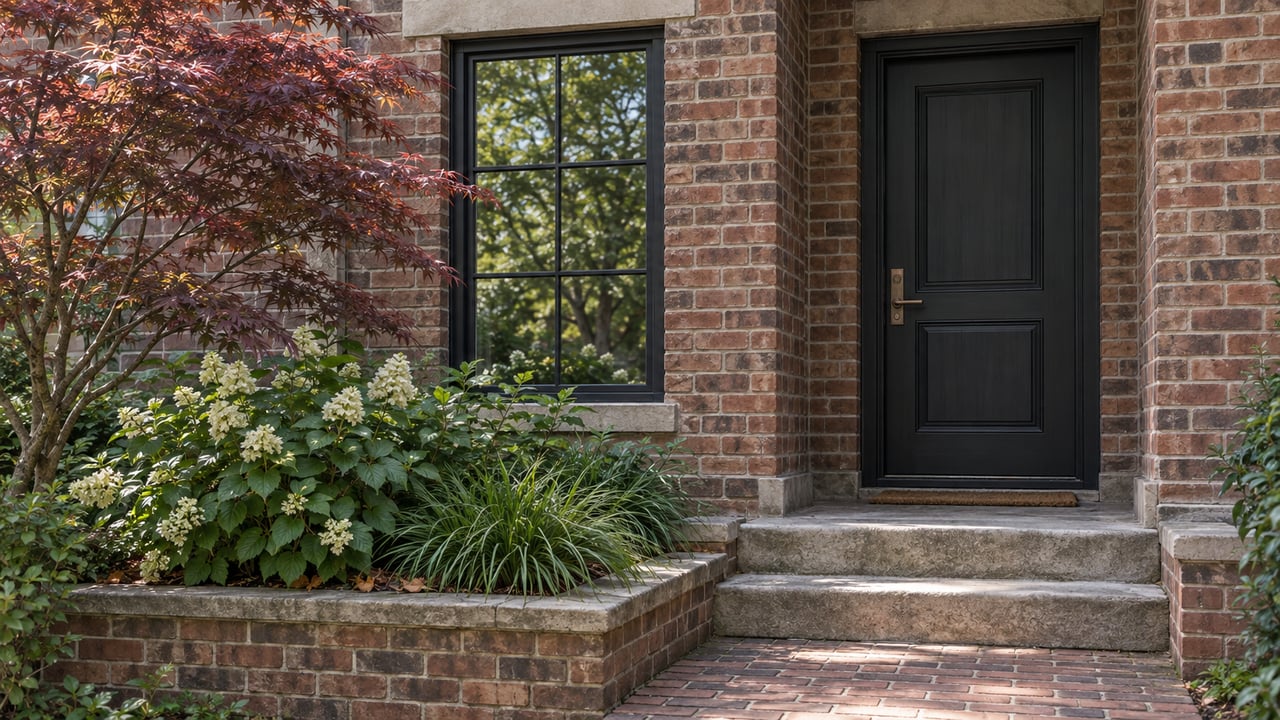
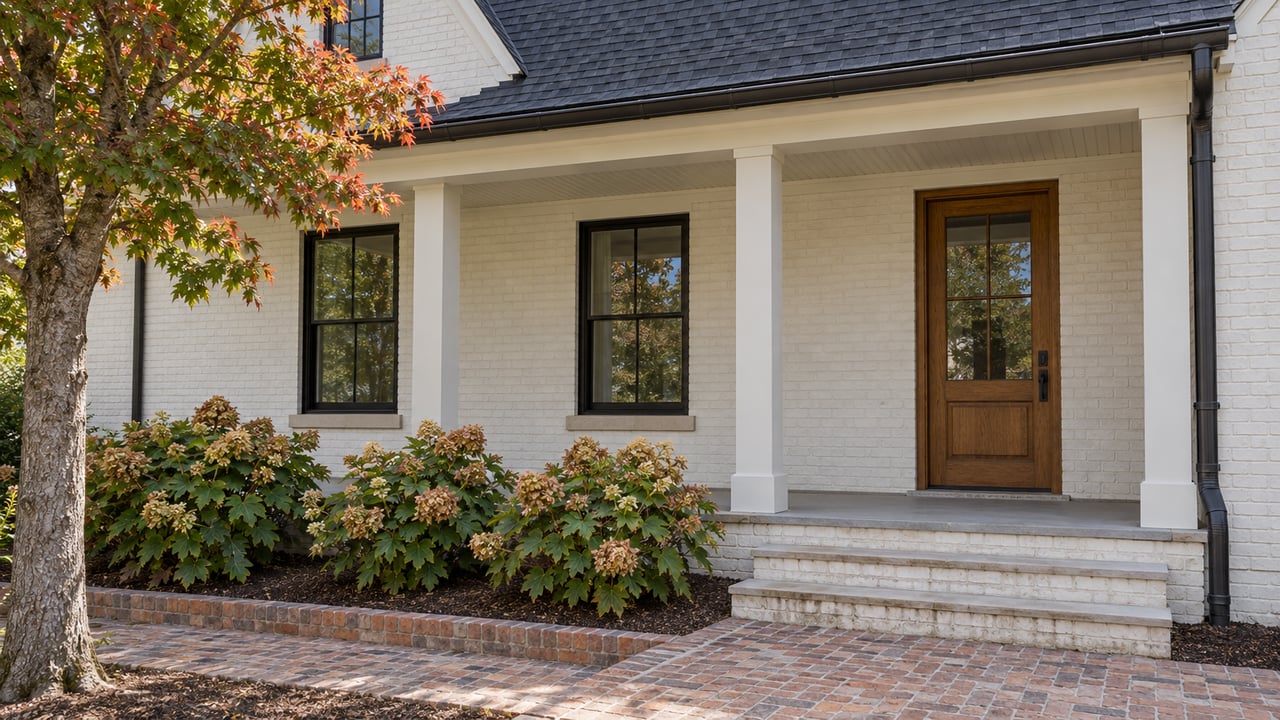
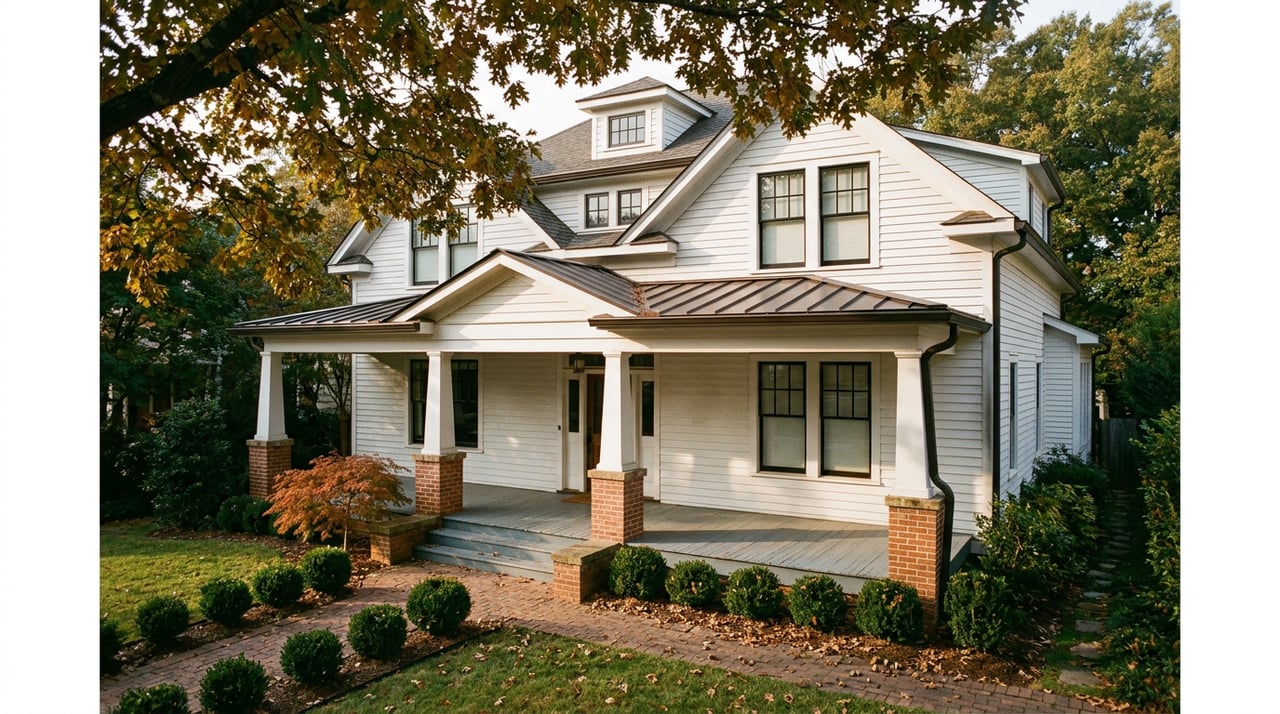
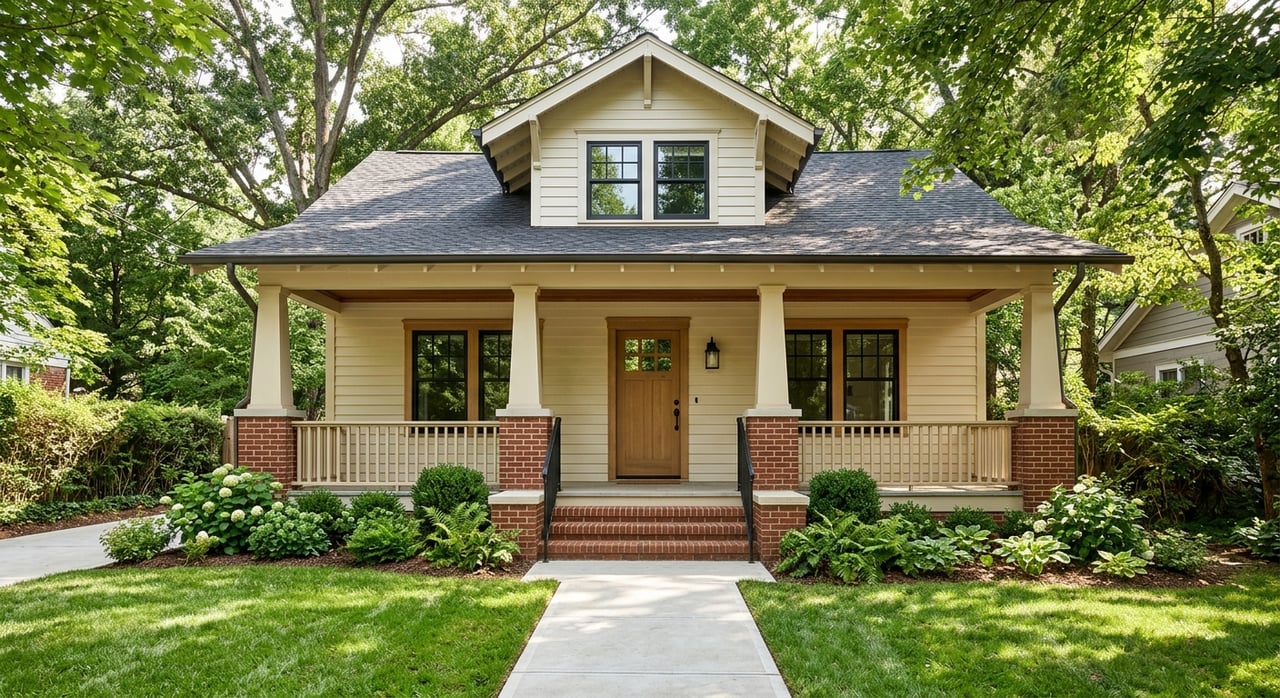
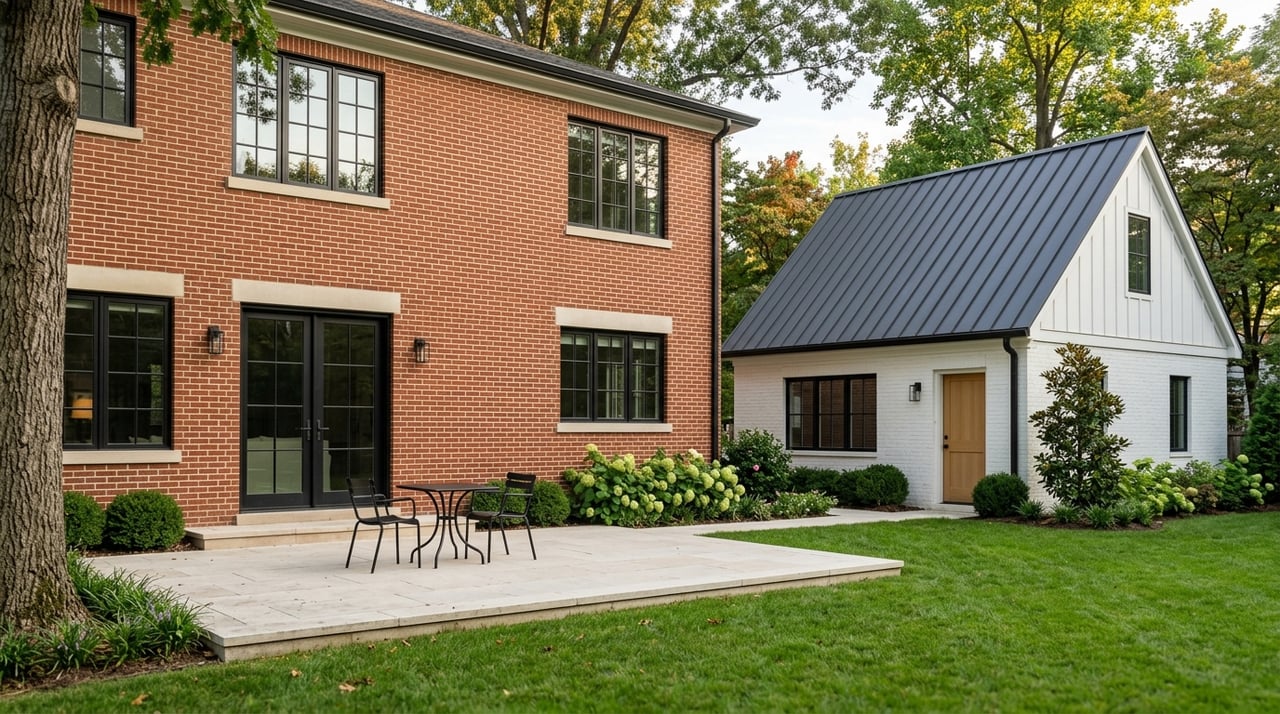
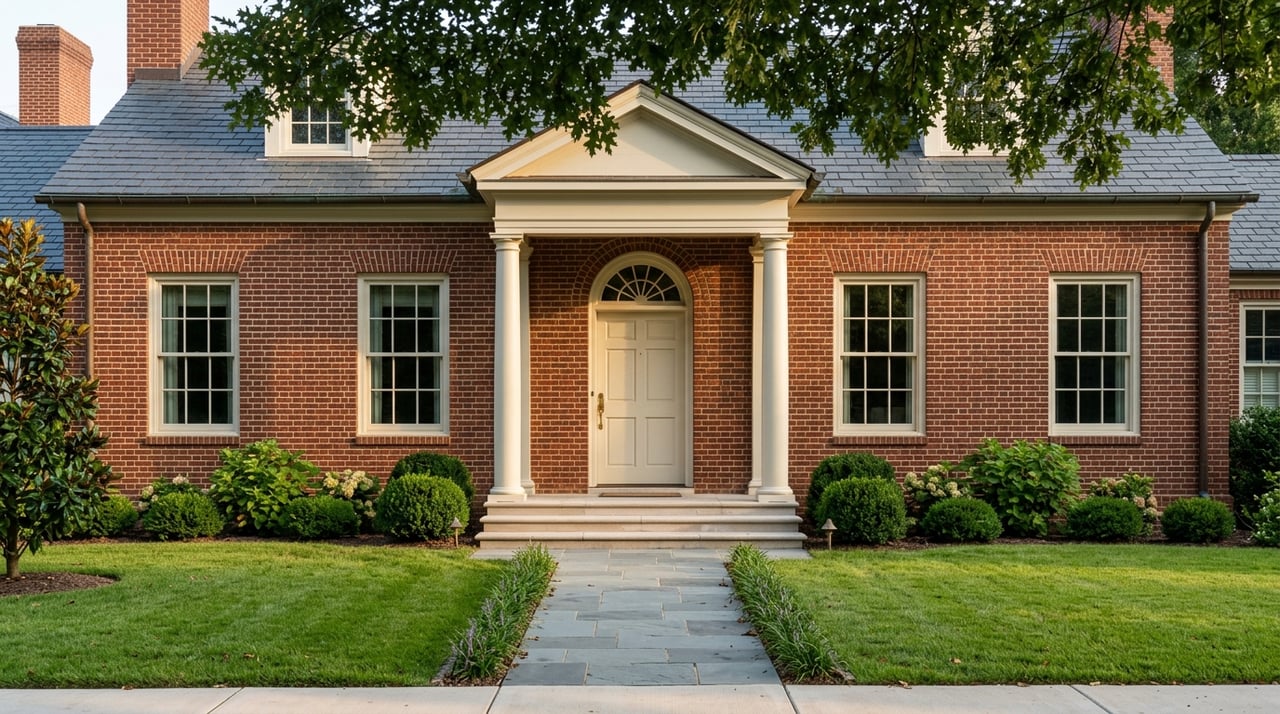
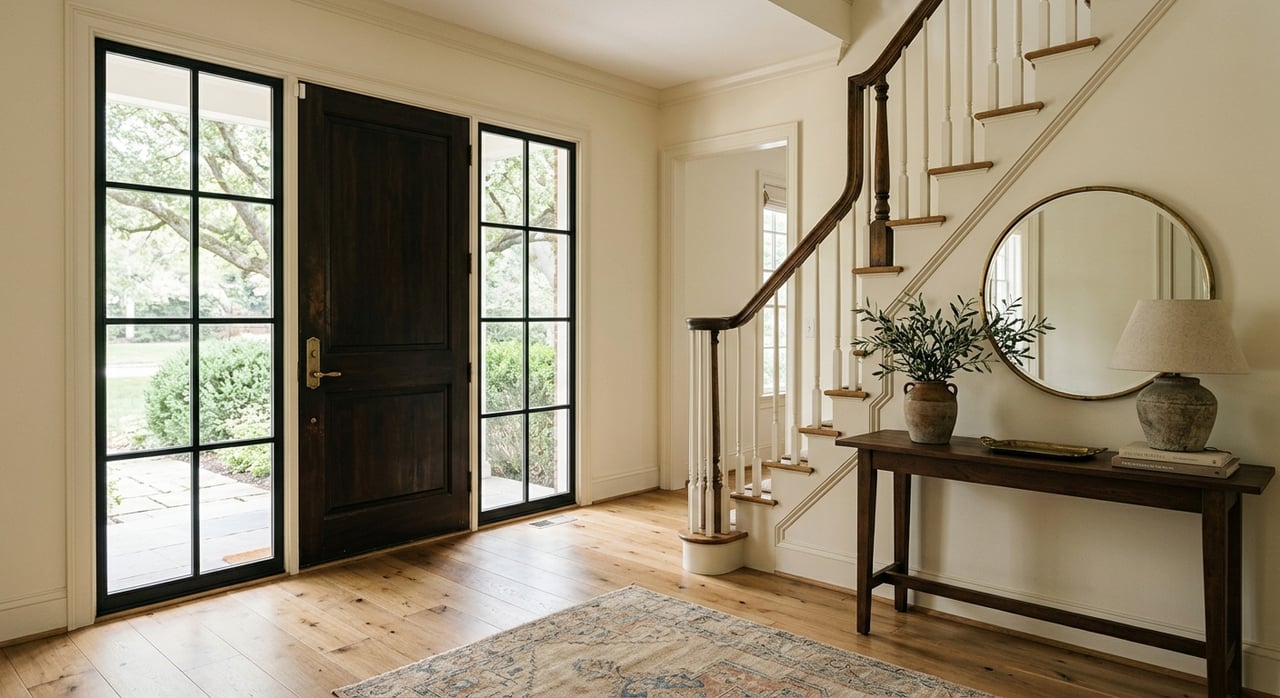
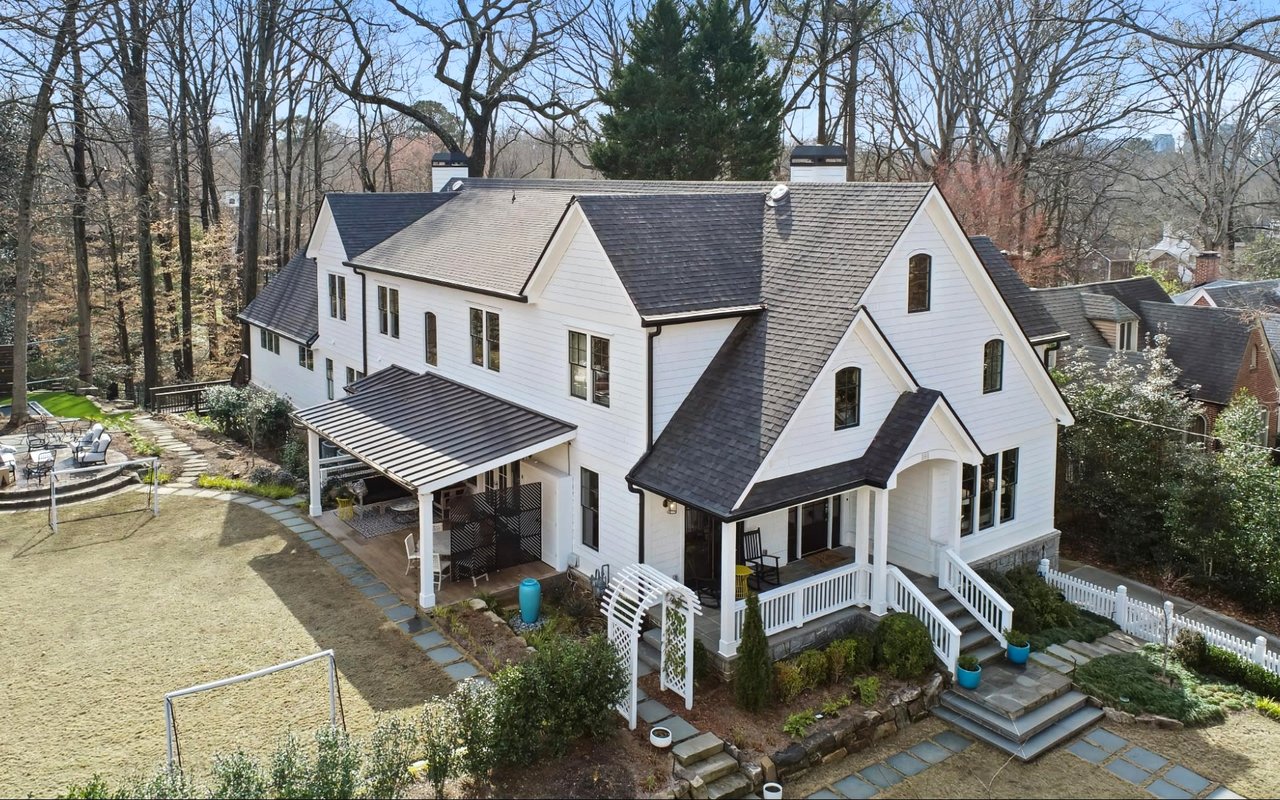
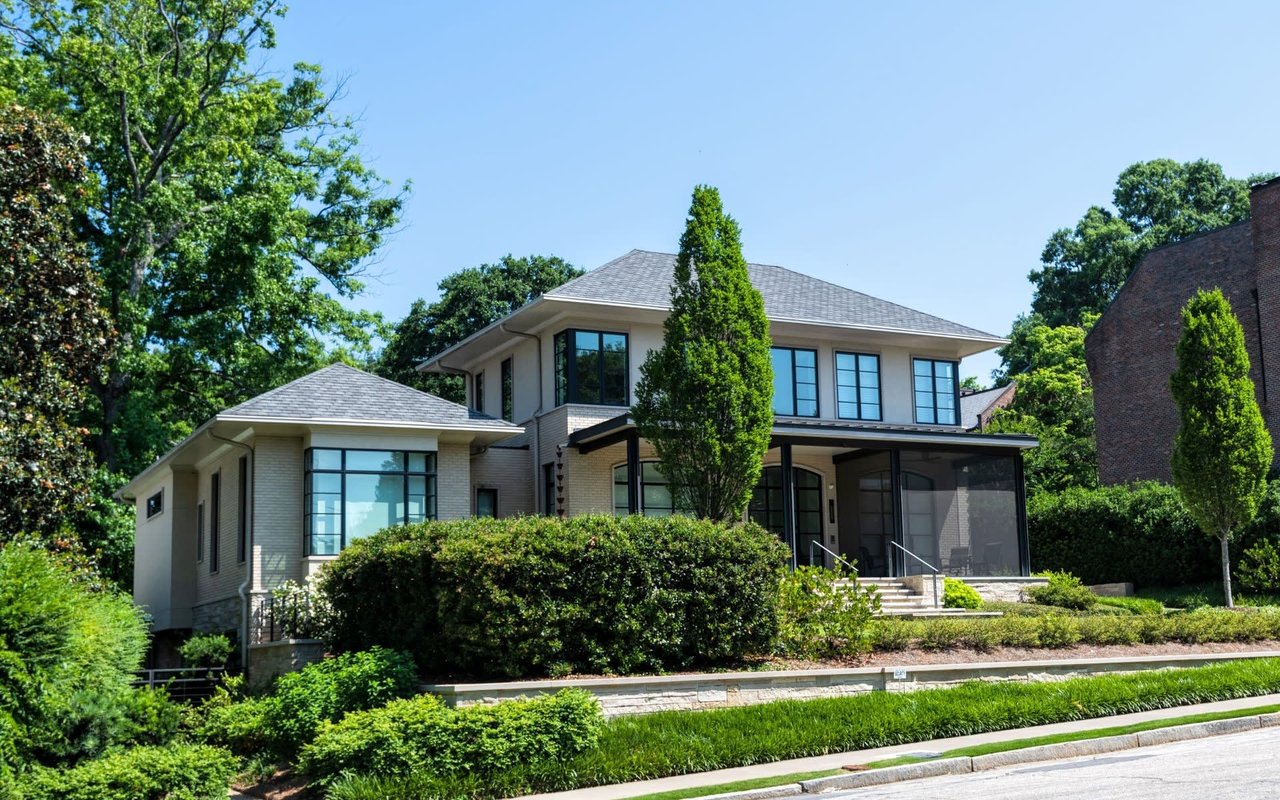
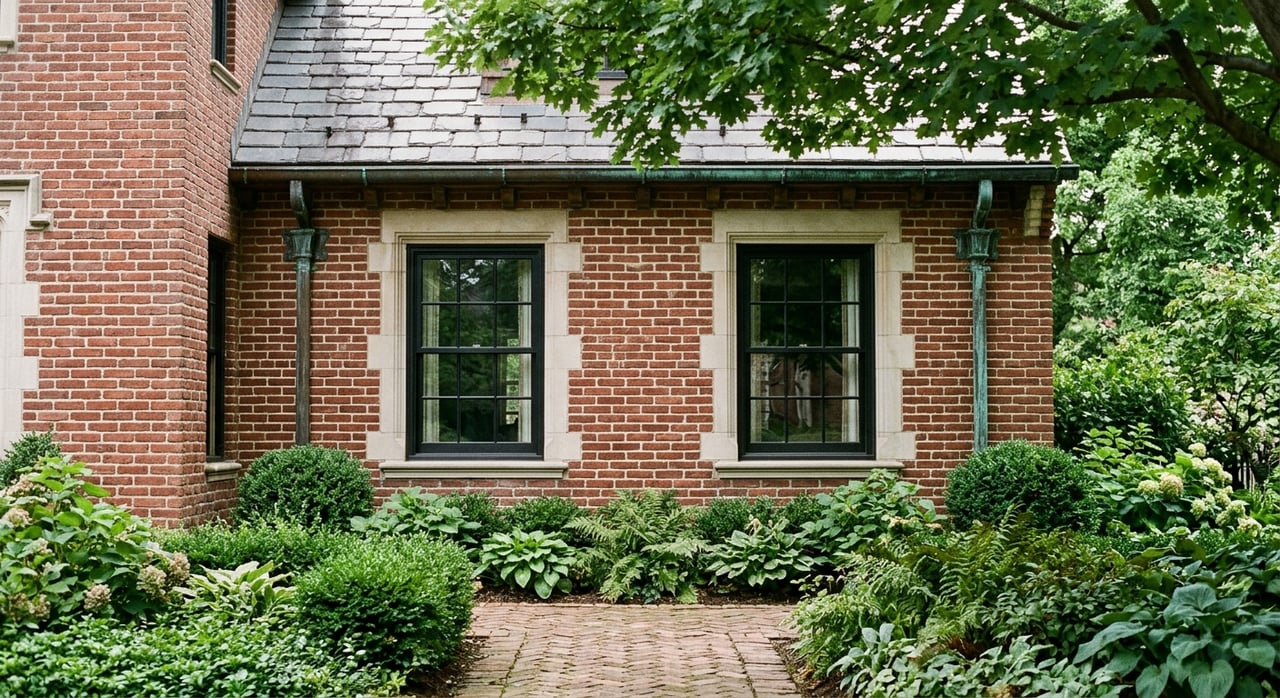
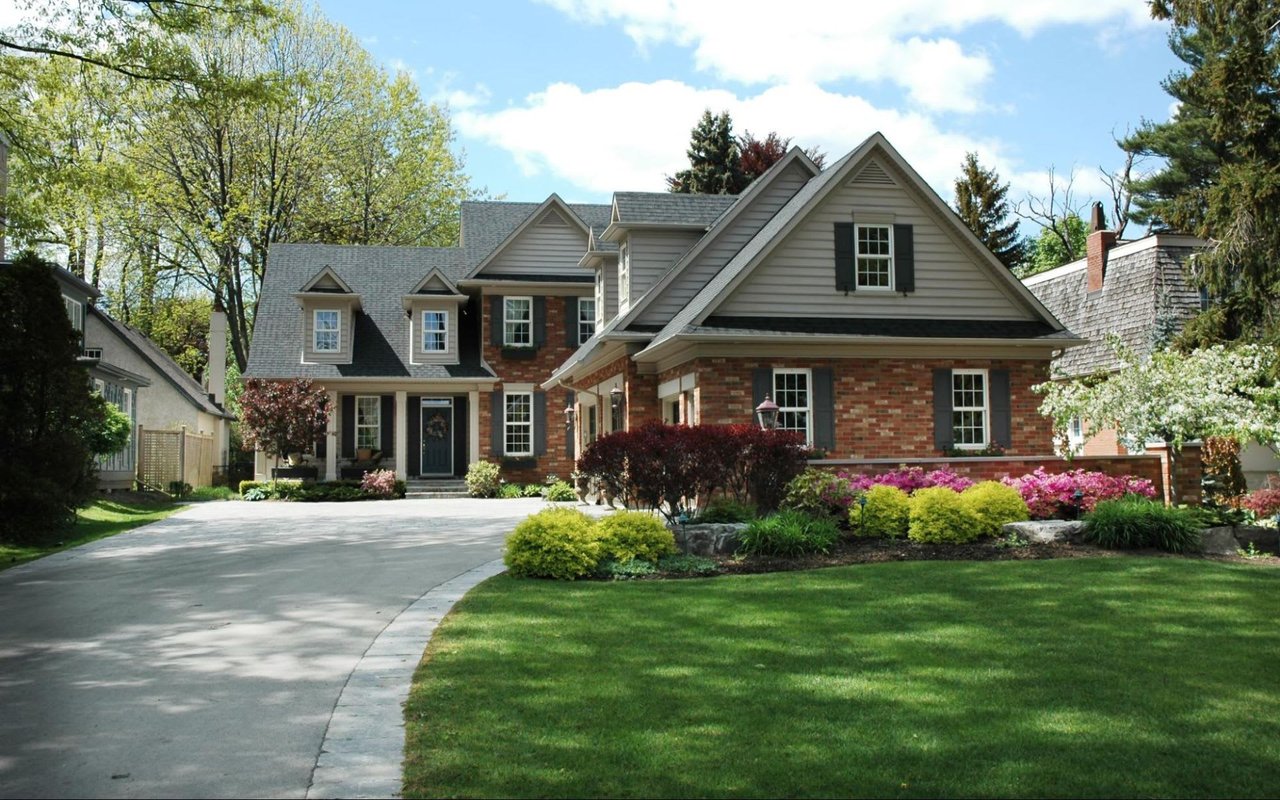
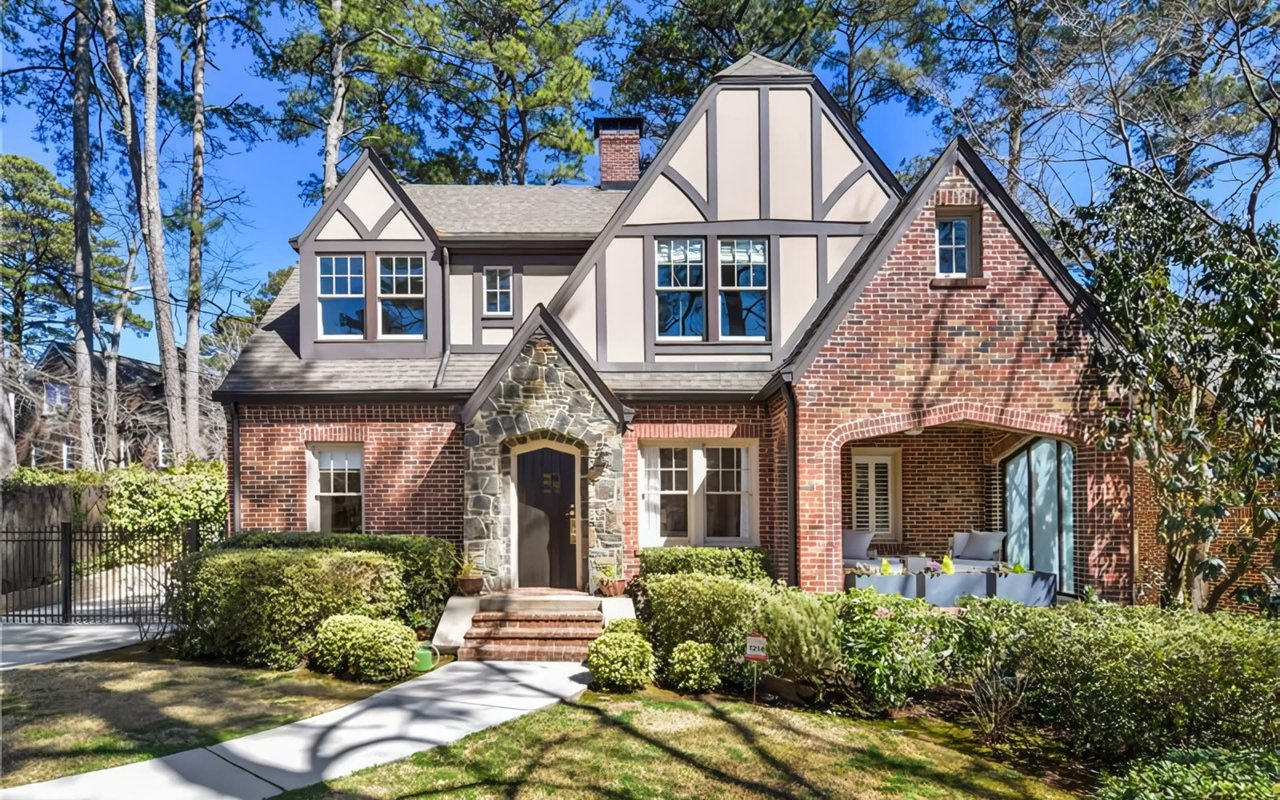
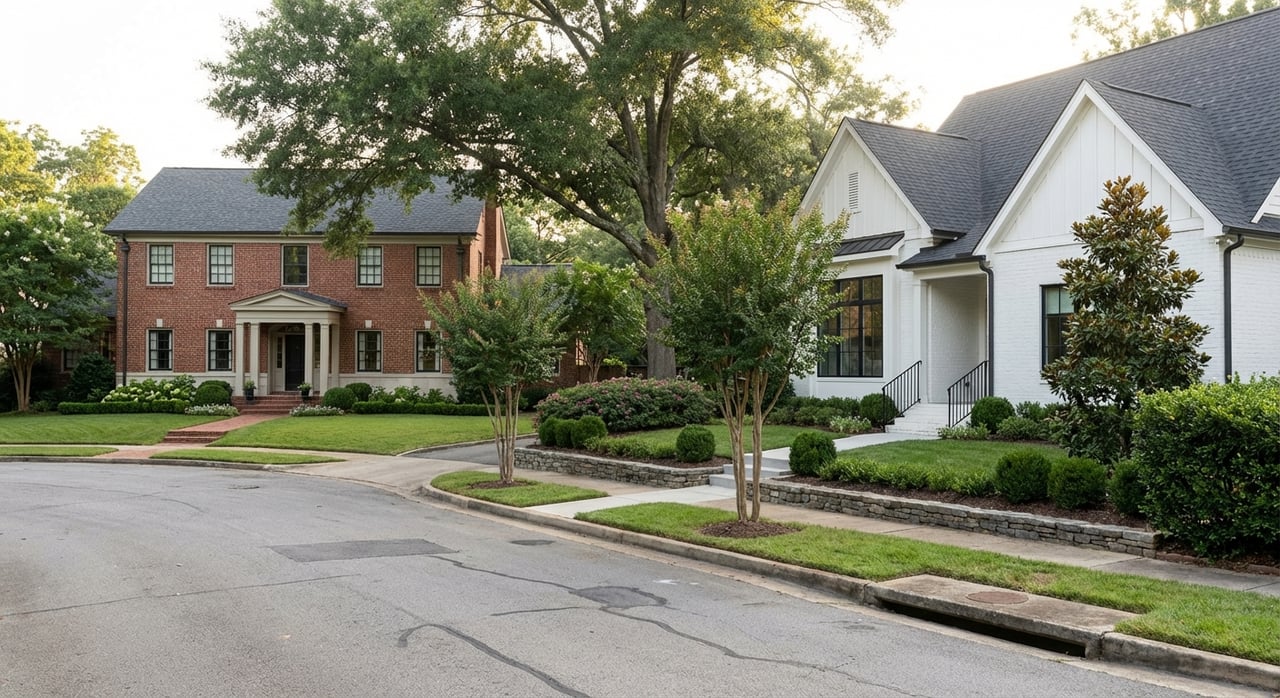
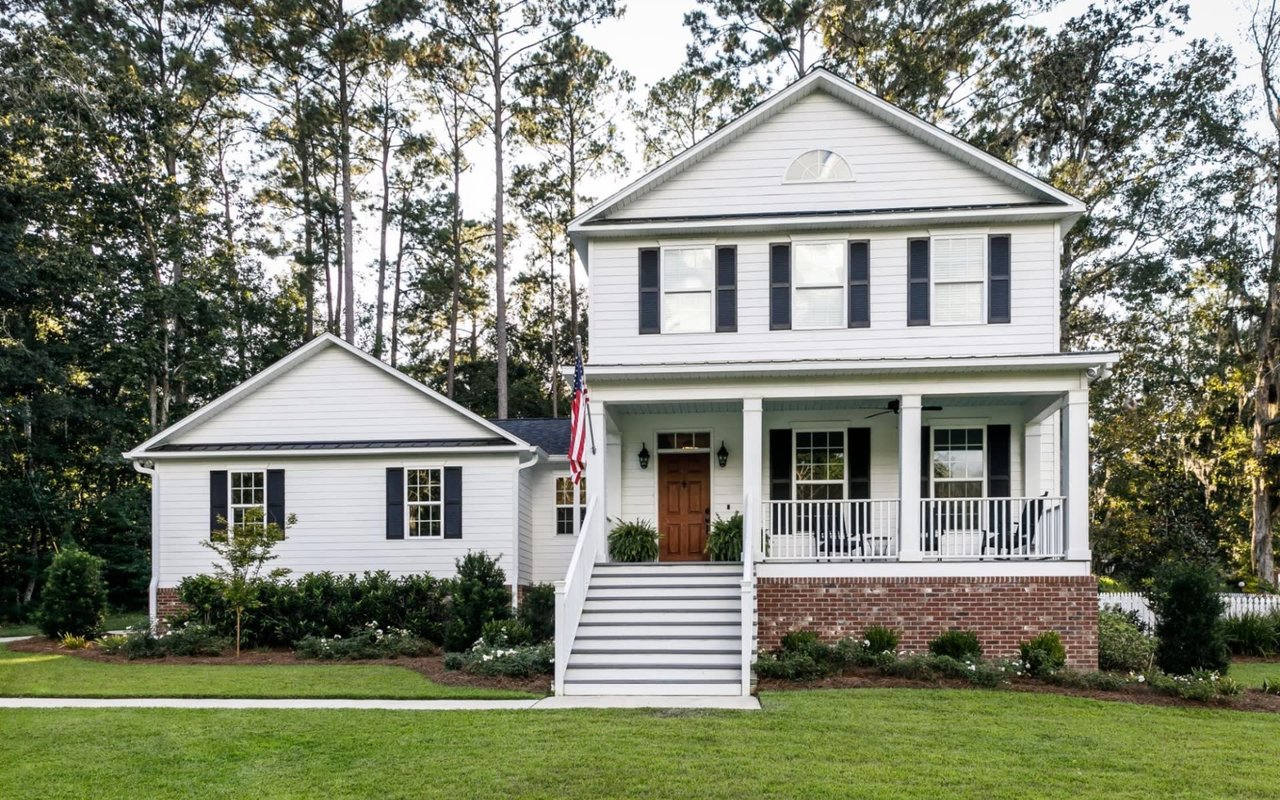
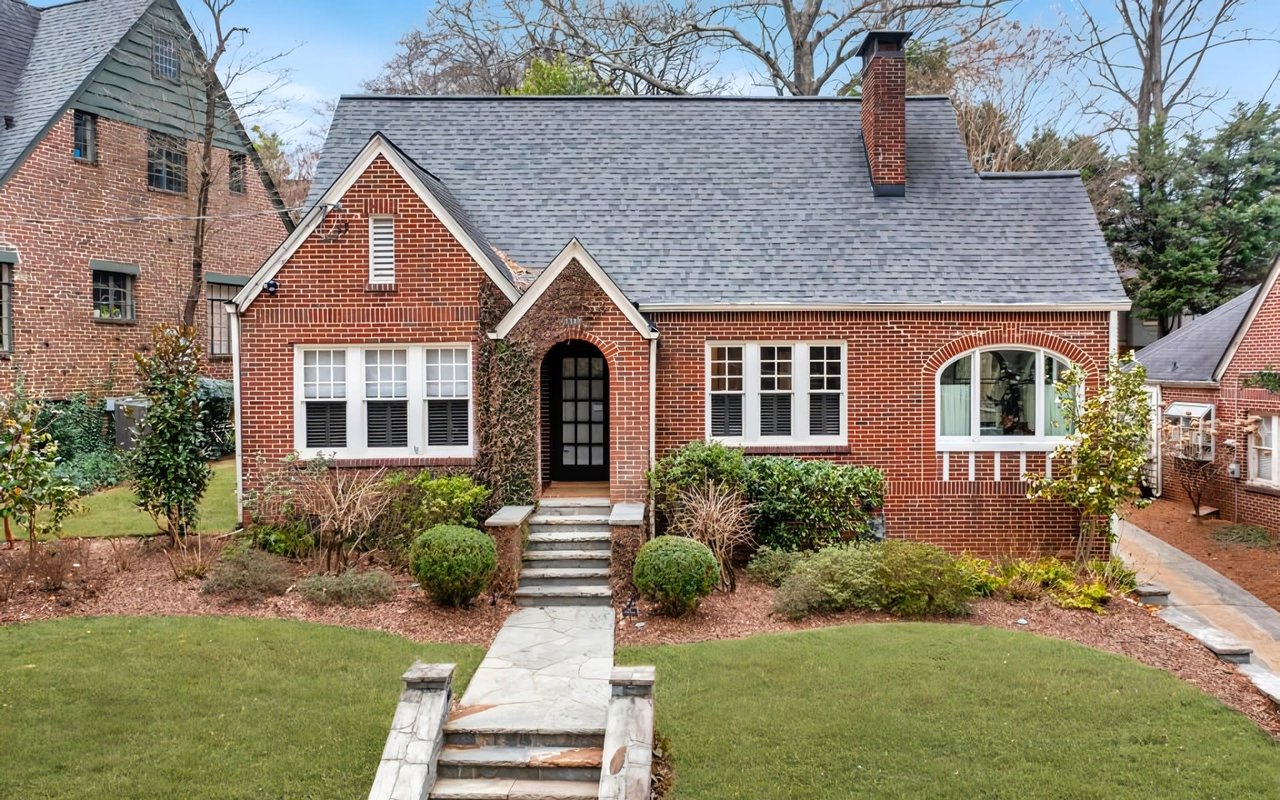
Inman Park has a varied housing stock, and that is one of its strengths. National Register documentation describes a largely residential district developed in the late 19th and early 20th centuries, with narrow lots, homes set close together, front porches, and a park-like street pattern. That creates a streetscape with texture and personality, not a one-size-fits-all feel.
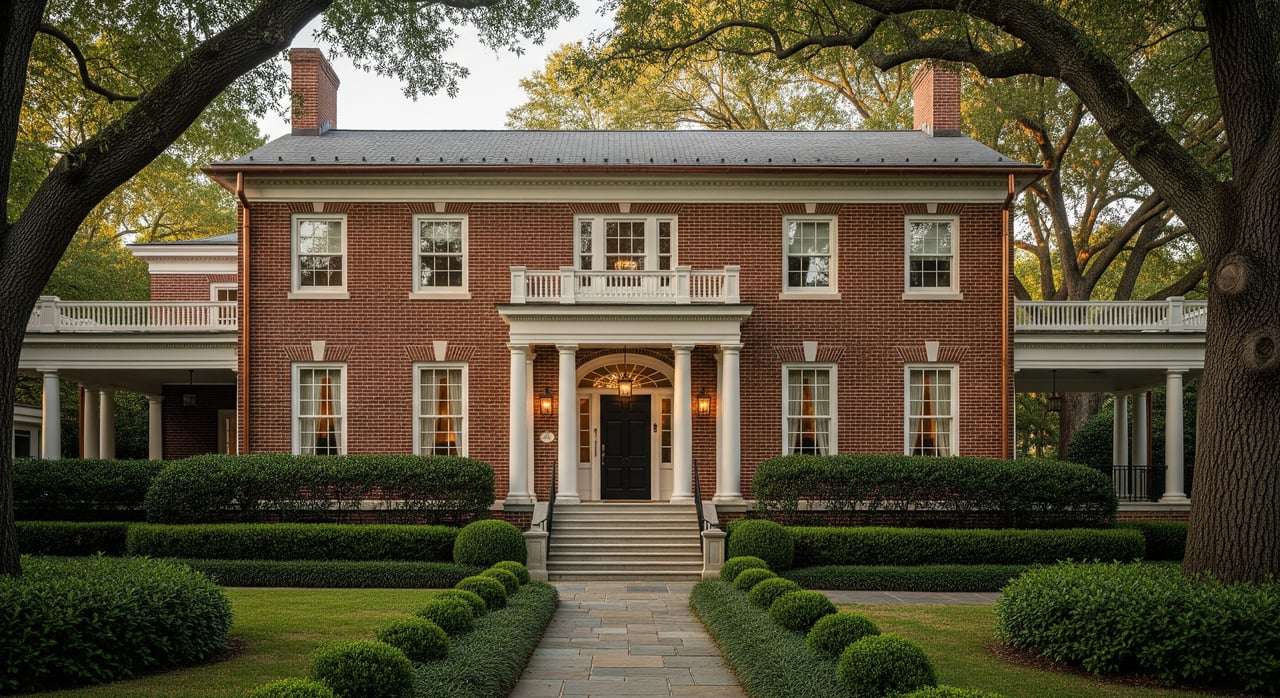
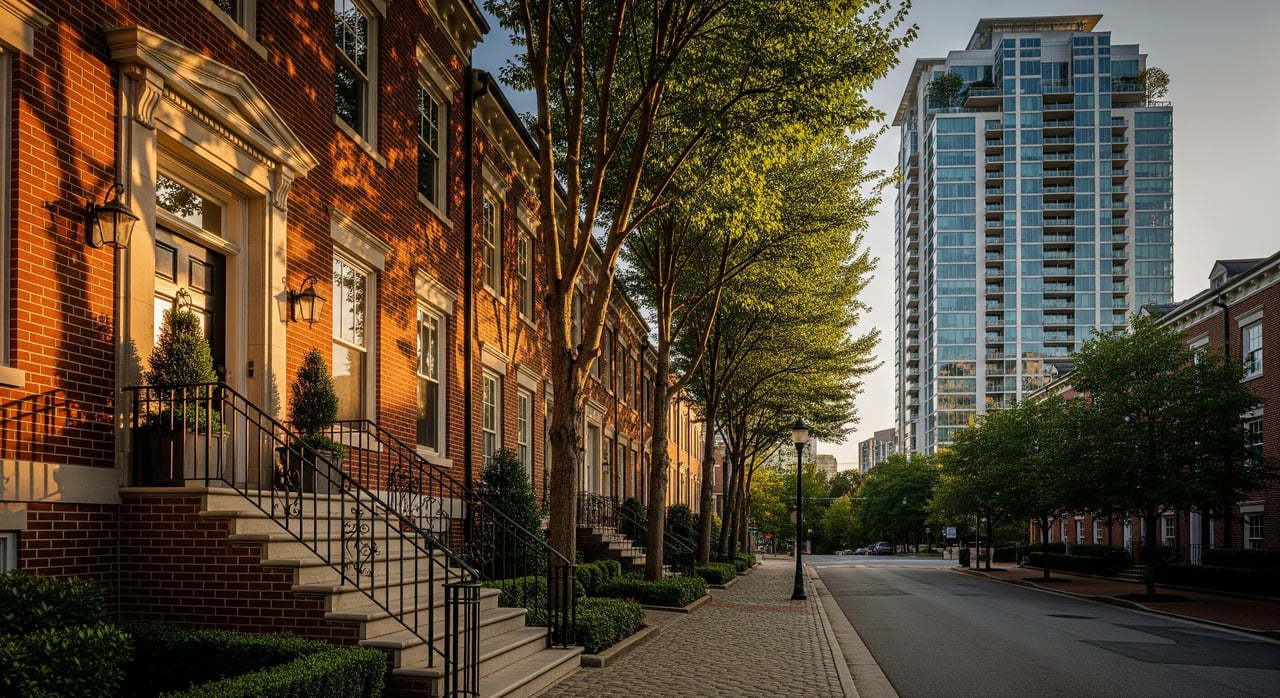
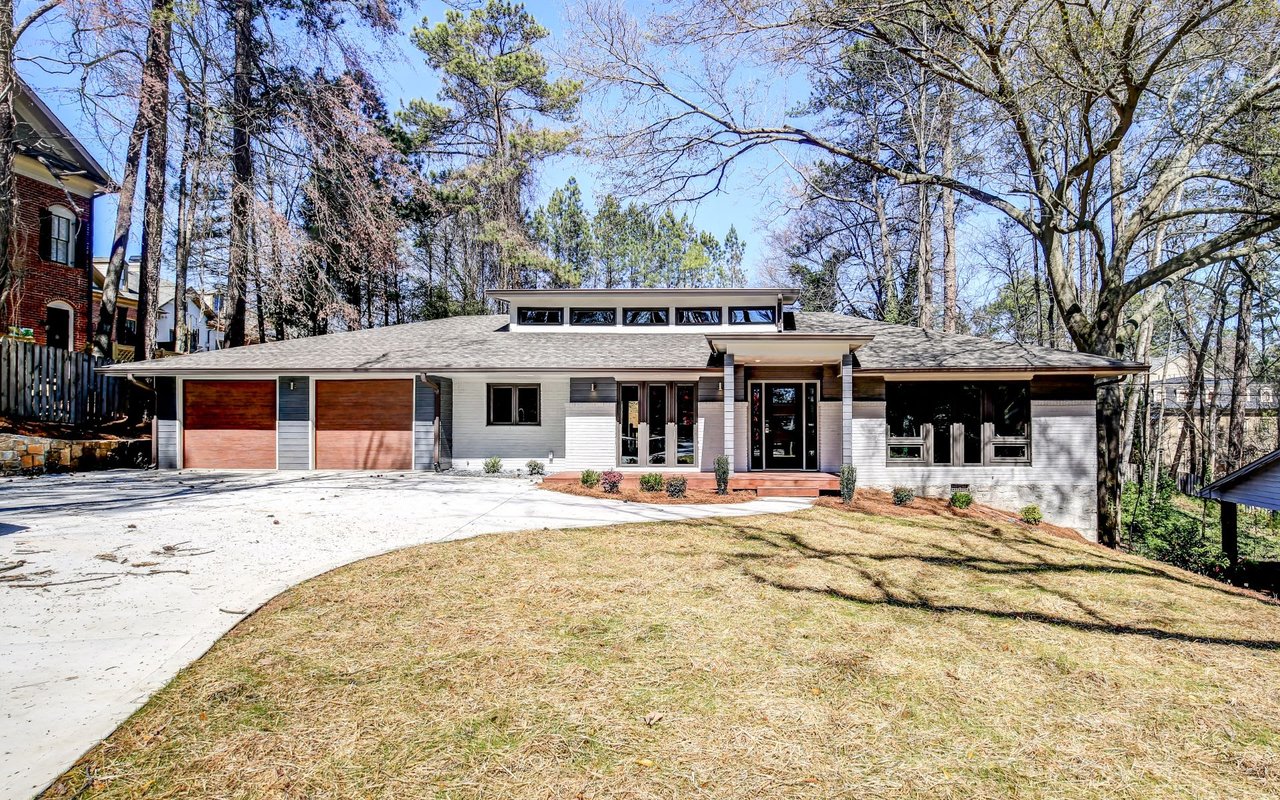
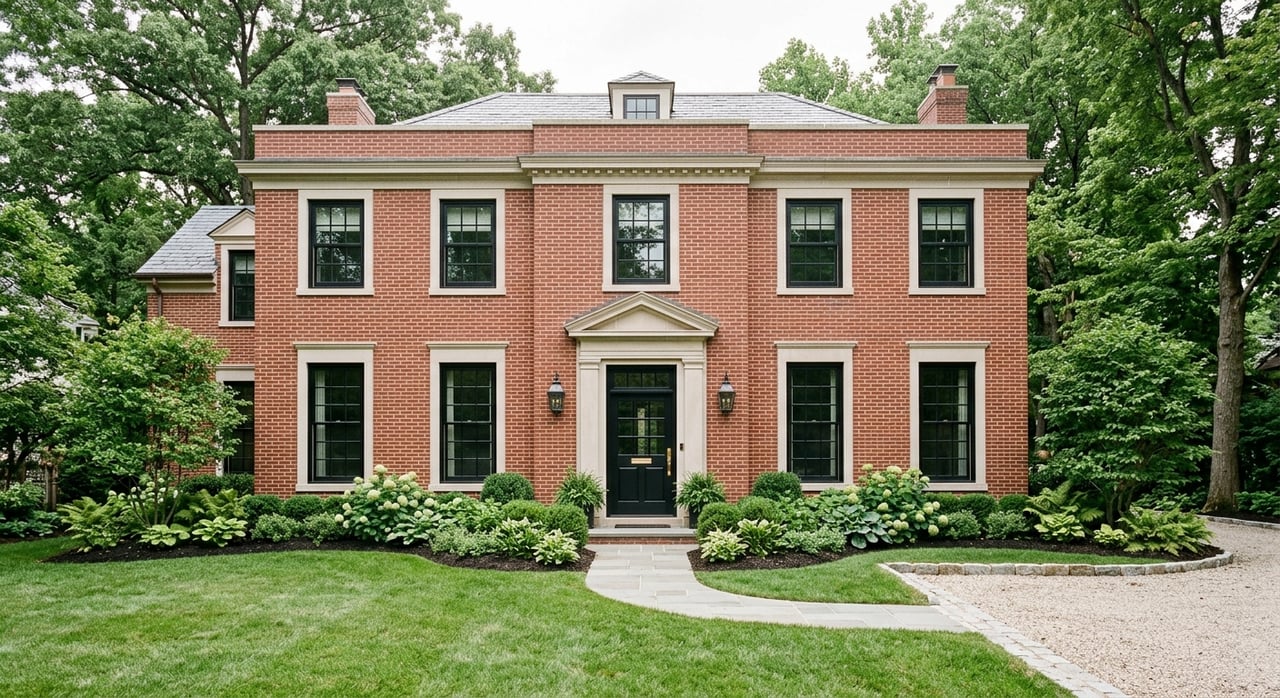
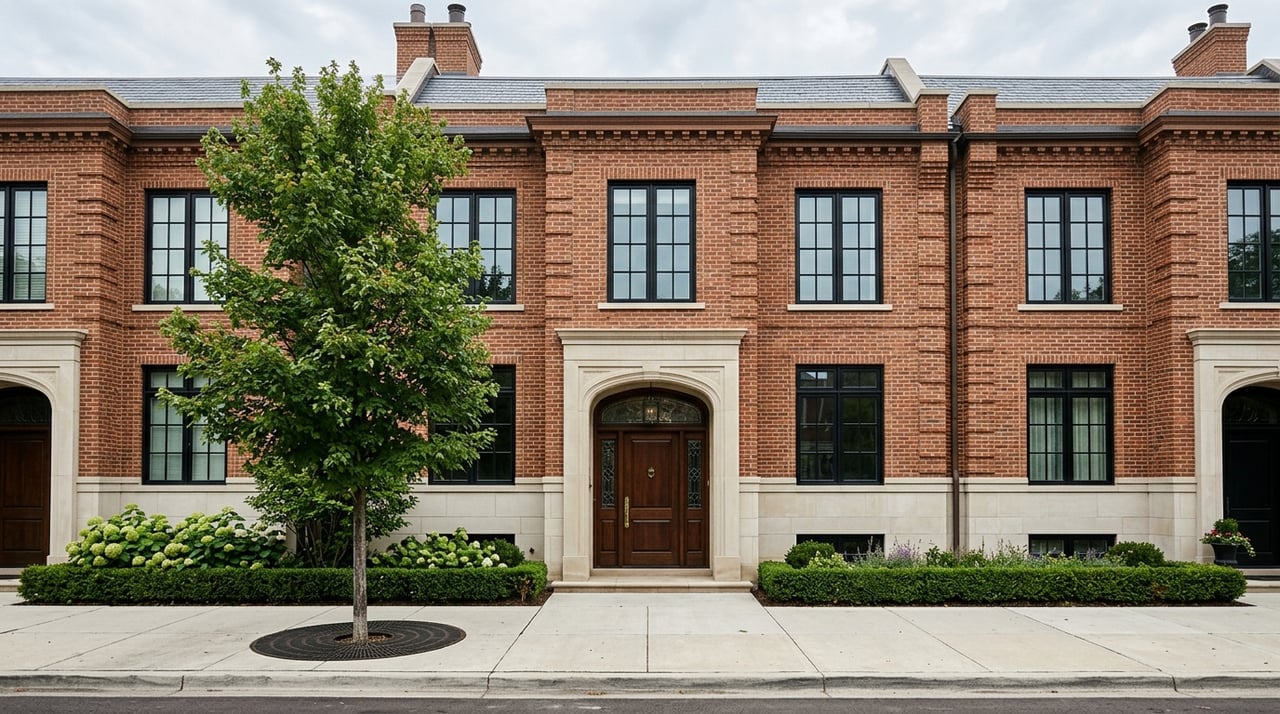
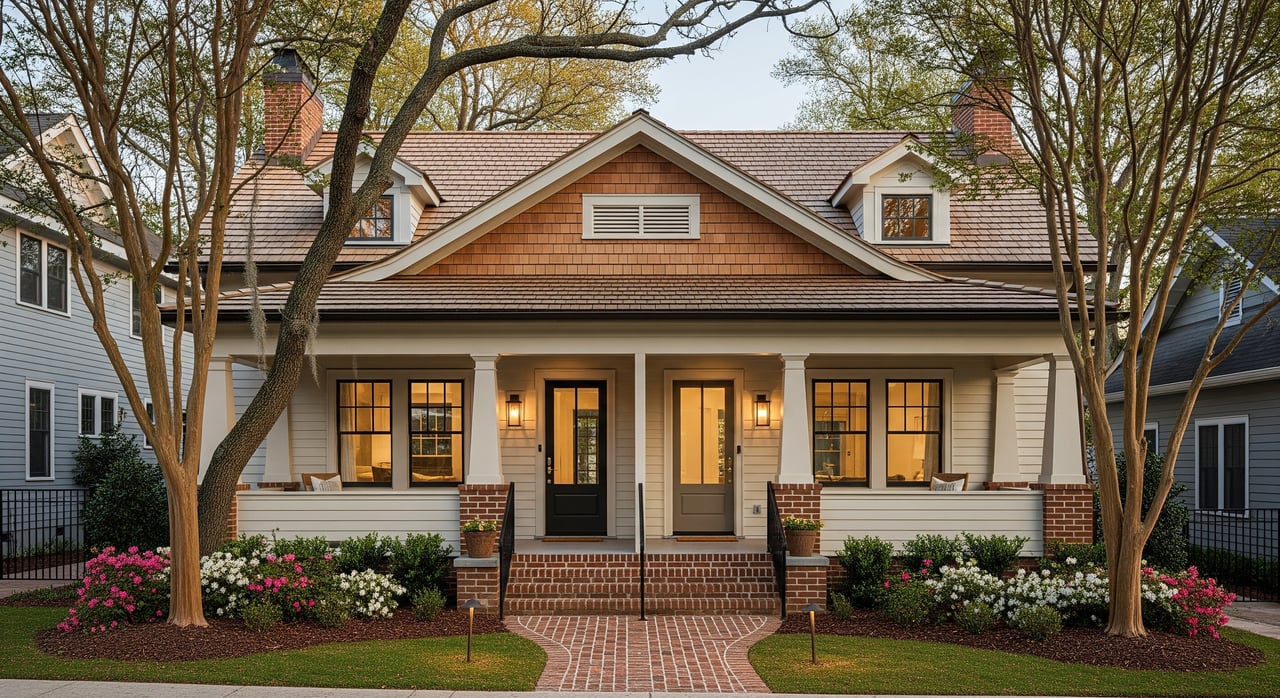
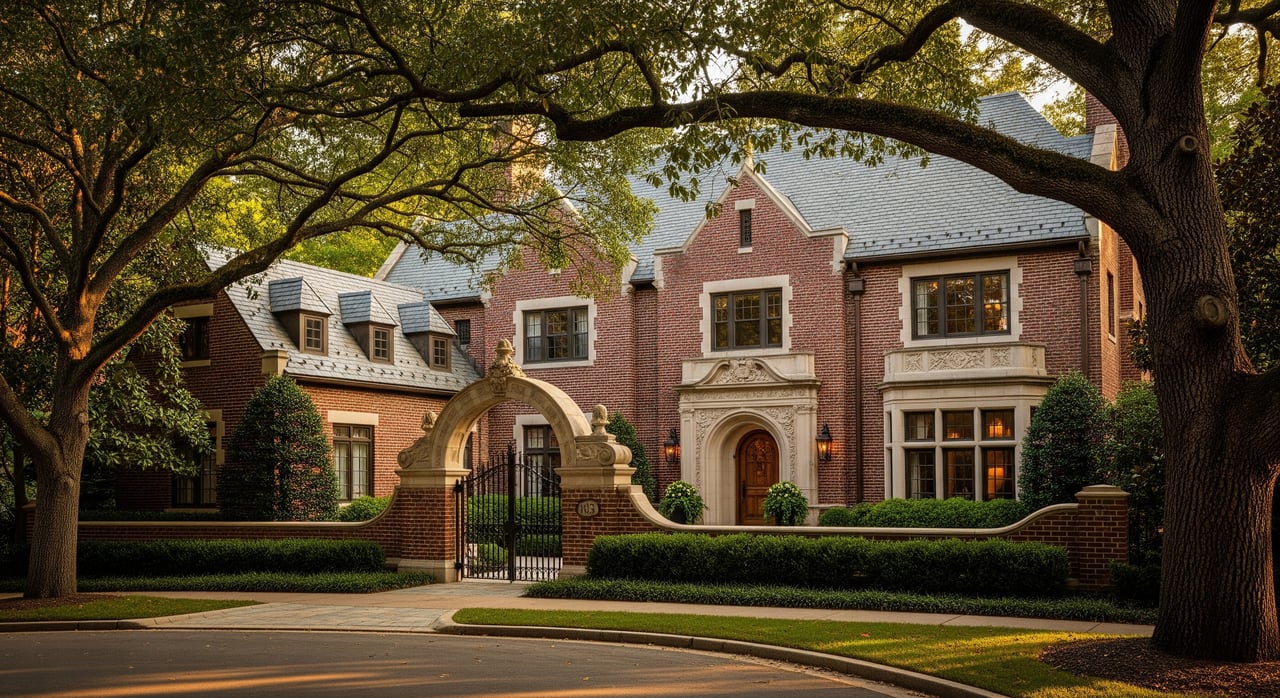
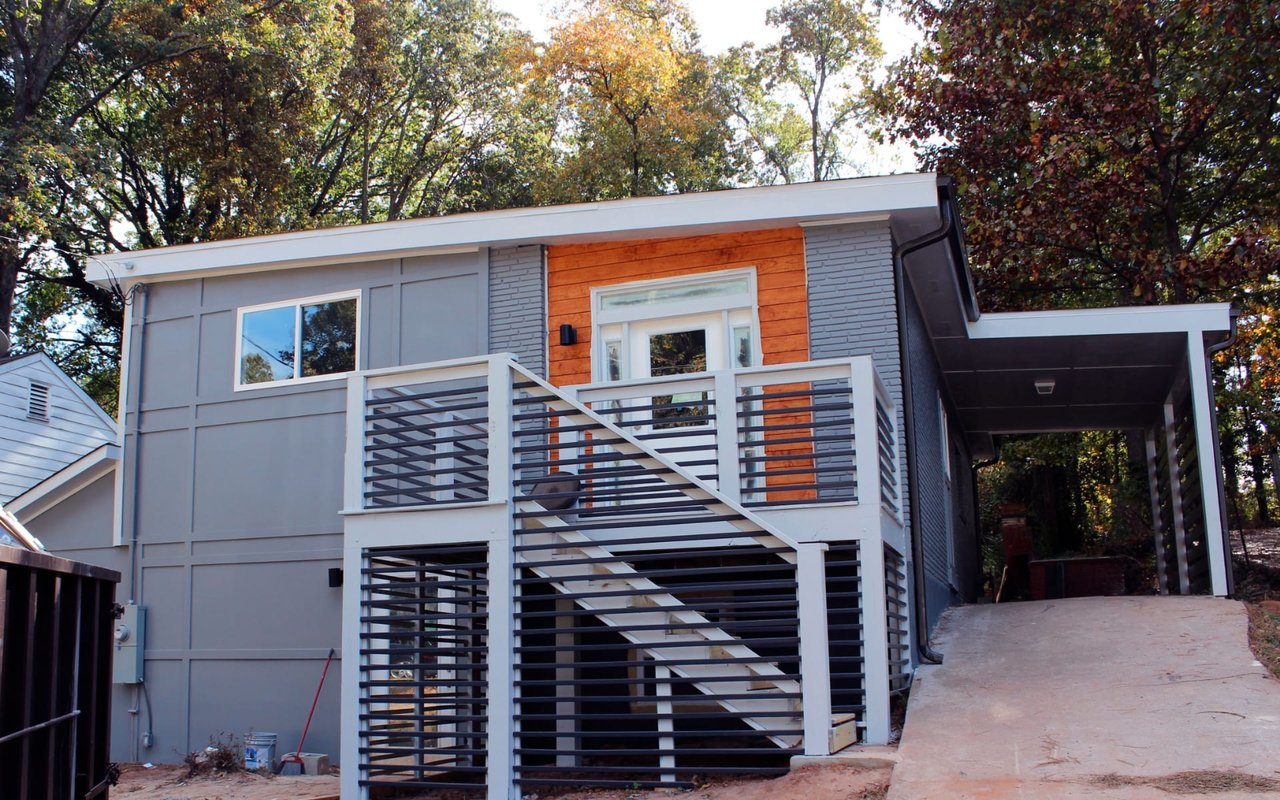
The annual Tour of Homes has showcased a wide mix of property types, including Victorians, bungalows, American Foursquares, Classic Revivals, American Small Houses, townhomes, and loft conversions in former industrial buildings. So while many buyers picture grand historic houses first, the neighborhood offers more than that.
Depending on your goals, you may find:
- Detached historic homes with strong architectural character
- Smaller bungalows with charm and manageable scale
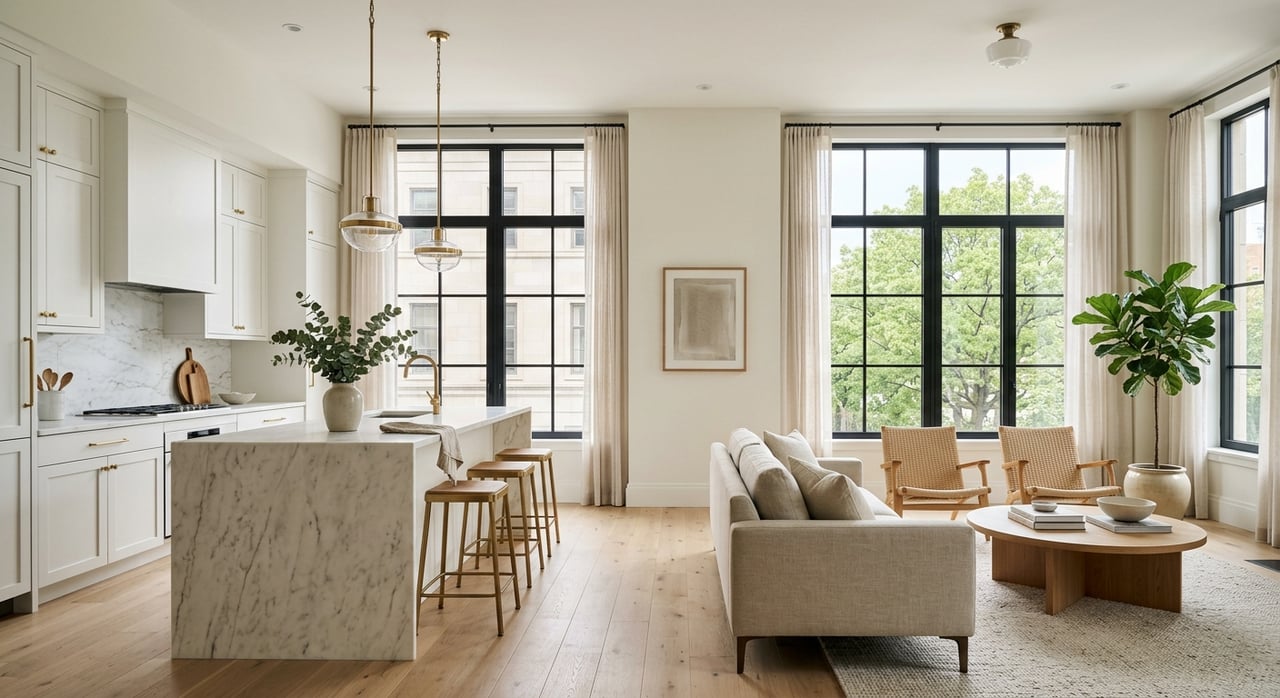
- Townhomes with lower-maintenance living
- Loft or condo-style options near commercial edges and trail access
This range is useful because buyers come to Inman Park with different priorities. Some want a signature historic home. Others want walkability first and are open to attached or loft-style living.
Historic District Rules Matter
If you are considering a home here, the historic district overlay should be part of your buying strategy from day one. City preservation rules emphasize compatibility with the existing historic context. That can affect exterior changes, additions, windows, façades, and other visible updates.
For the right buyer, these rules are part of what protects long-term neighborhood character. For others, they can feel restrictive compared with a newer neighborhood where changes may be easier. The key is to match your renovation goals to the property and its constraints before you commit.
This is especially important if you are comparing a fully updated house with a project property. A home that needs work may offer opportunity, but the path from purchase to finished product can require more planning when historic review is involved.
What Homes Cost in Inman Park
Inman Park is firmly positioned as a premium intown neighborhood, but prices vary widely by property type. Recent market snapshots show that spread clearly. Redfin reported a median sale price of $707,000 in March 2026, Realtor showed a median listing price of $585,000 in February 2026, and Zillow placed the average home value at about $767,484.
Attached housing can look very different from detached homes at the top of the market. Redfin’s snapshots showed a median listing price around $375,000 for condos and around $1.15 million for townhouses. Those numbers help explain why buyers need to define not only their budget, but also the kind of ownership experience they want.
A condo near the action, a townhouse with more space, and a historic detached home can all deliver a version of the Inman Park lifestyle. They just come with different costs, upkeep expectations, privacy levels, and renovation possibilities.
The Main Tradeoffs to Expect
Living on the BeltLine in Inman Park can be incredibly rewarding, but it is rarely a one-note decision. The same features that make the area exciting can also shape your daily experience in ways you should think through carefully.
Here are the biggest tradeoffs buyers tend to weigh:
- Walkability vs. privacy: Closer trail access often means more public activity nearby.
- Character vs. flexibility: Historic homes and district protections create charm, but can limit exterior changes.
- Convenience vs. parking ease: Great access to destinations may come with tighter on-street parking conditions.
- Urban energy vs. quiet: Event days and high-use public spaces create vibrancy, but not always calm.
The right fit depends on how you live. Some buyers want to be right in the middle of the activity. Others love Inman Park but prefer a slightly quieter residential block a few turns away from the trail.
How To Choose the Right Spot
In a neighborhood like Inman Park, micro-location matters almost as much as the home itself. Two properties with the same square footage can deliver very different daily experiences depending on trail proximity, street pattern, and parking setup. That is why it helps to look beyond the listing photos.
As you narrow your search, pay attention to:
- Distance to the Eastside Trail access points
- Level of foot and bike traffic near the home
- Off-street parking or garage options
- Property type and maintenance needs
- Whether your renovation plans involve exterior changes
- How much activity you want on weekends and event days
If you are buying with future resale in mind, these details matter even more. Homes that balance access, character, and everyday function tend to appeal to a broad pool of intown buyers.
Why Local Guidance Helps Here
Inman Park is one of those neighborhoods where the details really count. Historic district constraints, property-type differences, block-by-block feel, and pricing spread all make it important to have a clear strategy. The more specific your goals are, the easier it is to identify the right fit.
If you are buying, it helps to work with someone who understands both neighborhood character and renovation potential. If you are selling, presentation and positioning can make a major difference, especially in a market where historic homes, updated homes, and attached properties all compete in different ways.
Whether you are searching for BeltLine access, evaluating a historic home, or planning your next move in Intown Atlanta, Molly Carter Gaines brings the local insight, strategic guidance, and polished marketing approach that can help you move with confidence.
FAQs
What is it like to live near the BeltLine in Inman Park?
- Living near the BeltLine in Inman Park usually means strong walkability, quick access to dining and parks, and an active street scene with more foot and bike traffic than deeper residential blocks.
What types of homes are available in Inman Park?
- Inman Park includes historic detached homes, bungalows, townhomes, loft conversions, and condo-style options, giving buyers a wide range of home styles and price points.
Do historic district rules affect homes in Inman Park?
- Yes. Because Inman Park is a City of Atlanta historic district, exterior changes, additions, windows, and façade updates can be subject to rules intended to preserve neighborhood character.
Is parking difficult in Inman Park?
- Parking can be a factor because Inman Park participates in Atlanta’s residential permit parking program, which means on-street parking is managed rather than abundant.
Does Inman Park have MARTA access?
- Yes. The Inman Park/Reynoldstown MARTA station serves the Blue and Green lines, includes free daily parking, and connects to bus routes.
Are homes near the BeltLine more expensive in Inman Park?
- Inman Park is considered a premium intown neighborhood, and homes near BeltLine access often draw strong interest because of walkability, dining access, and proximity to parks, though pricing varies widely by property type.