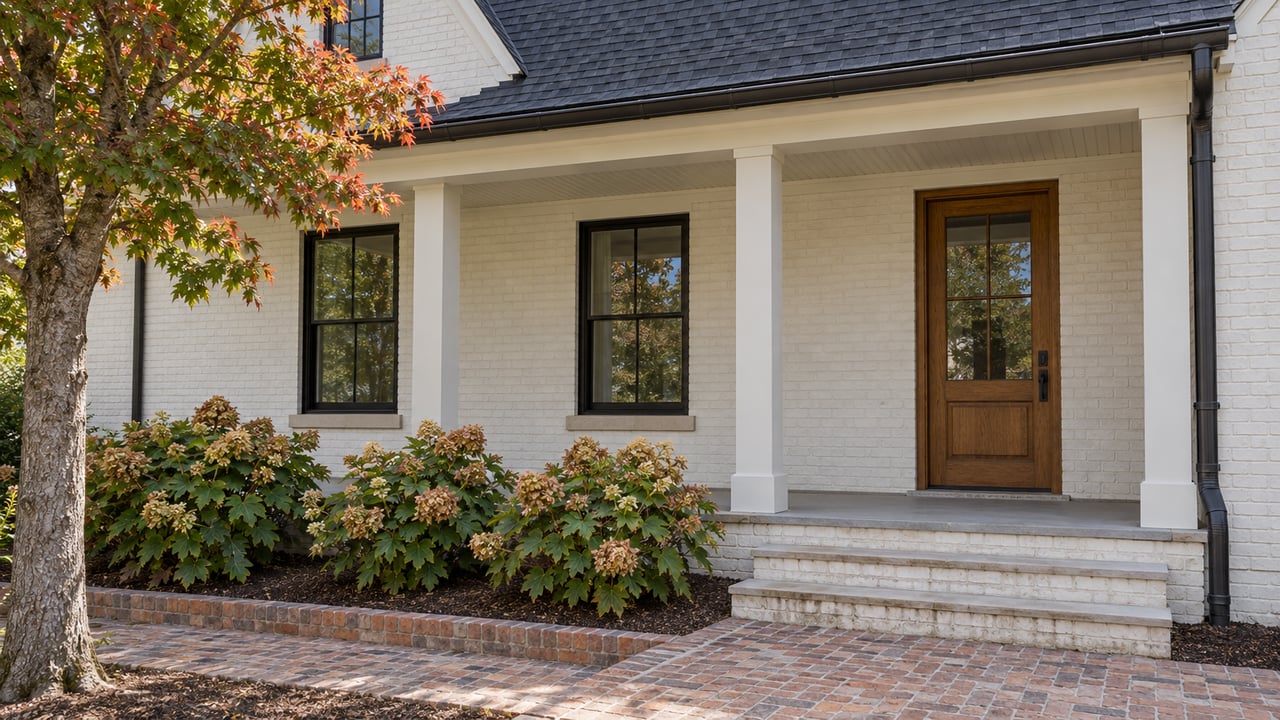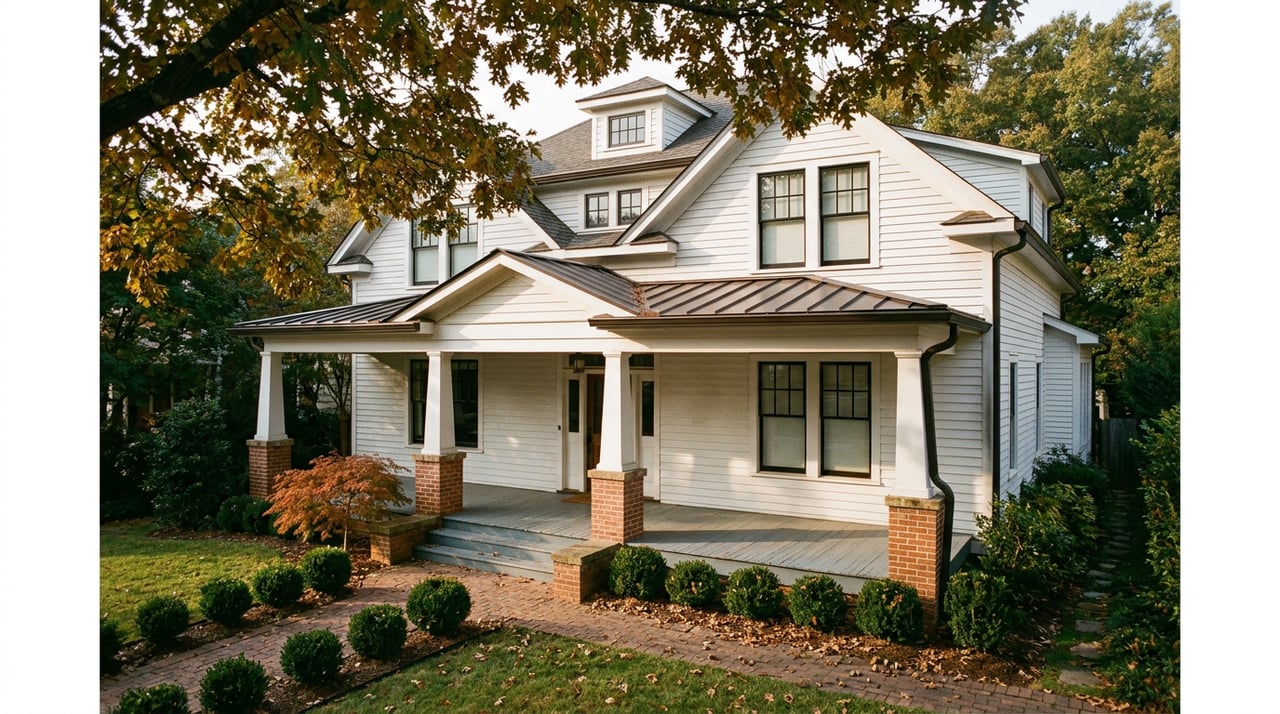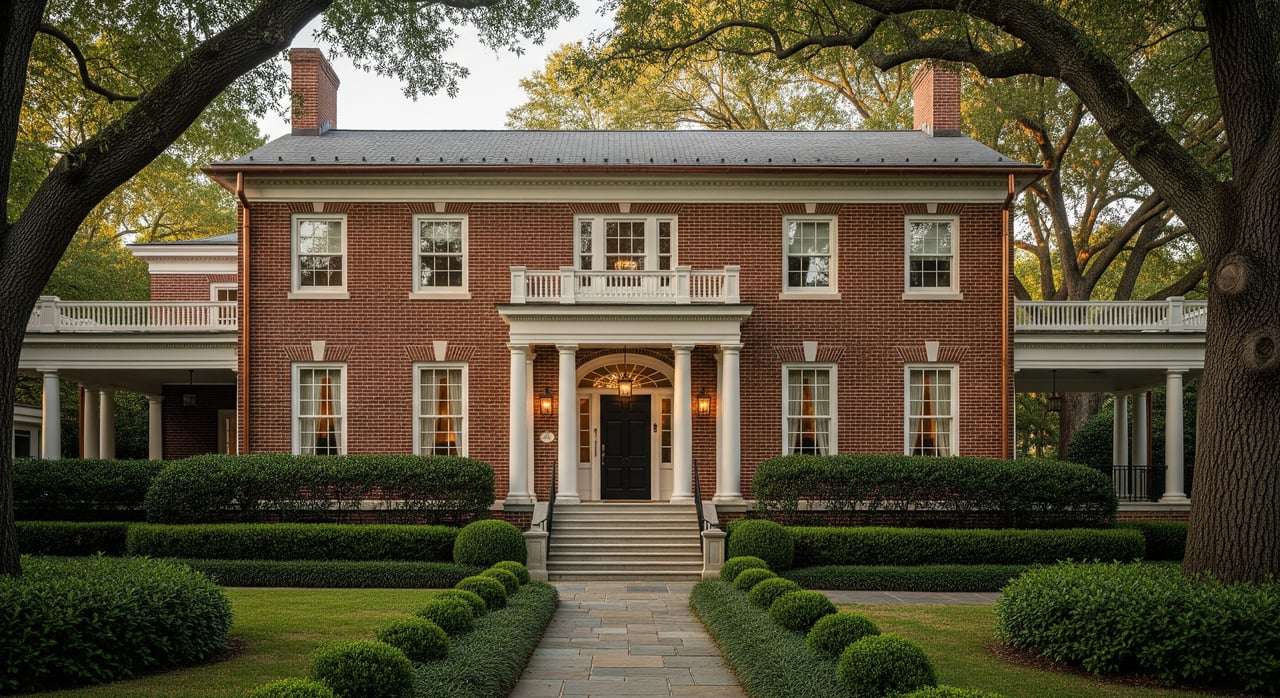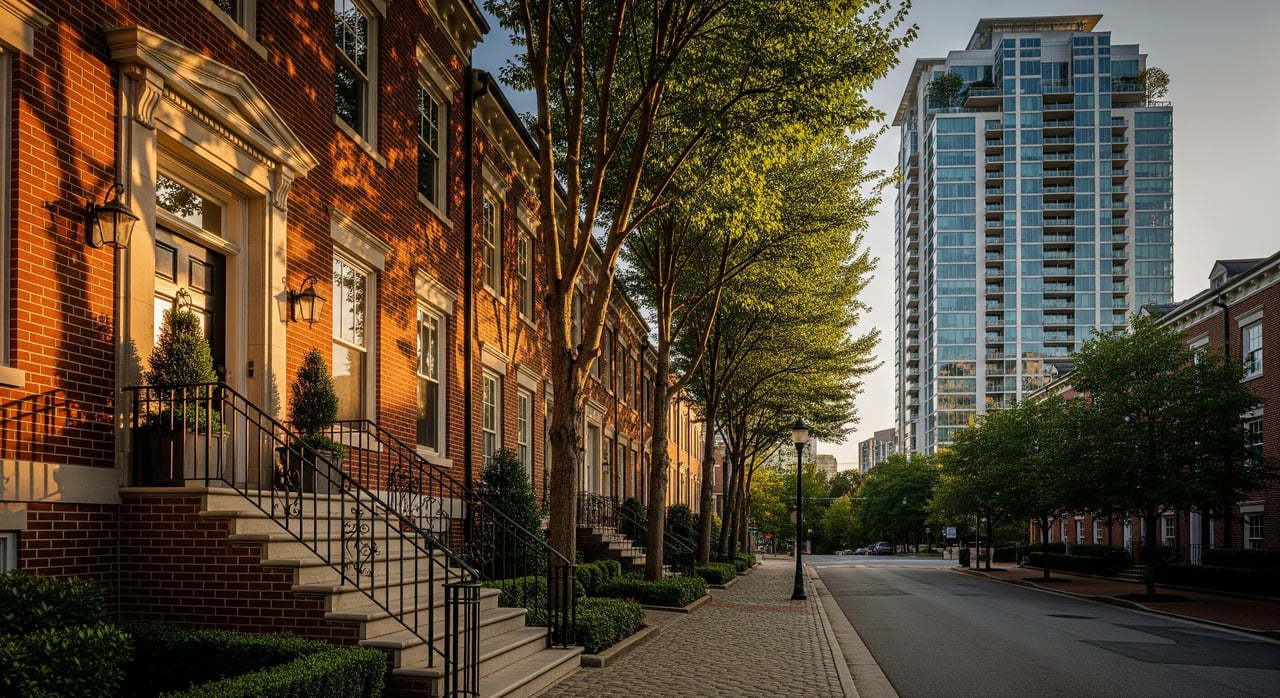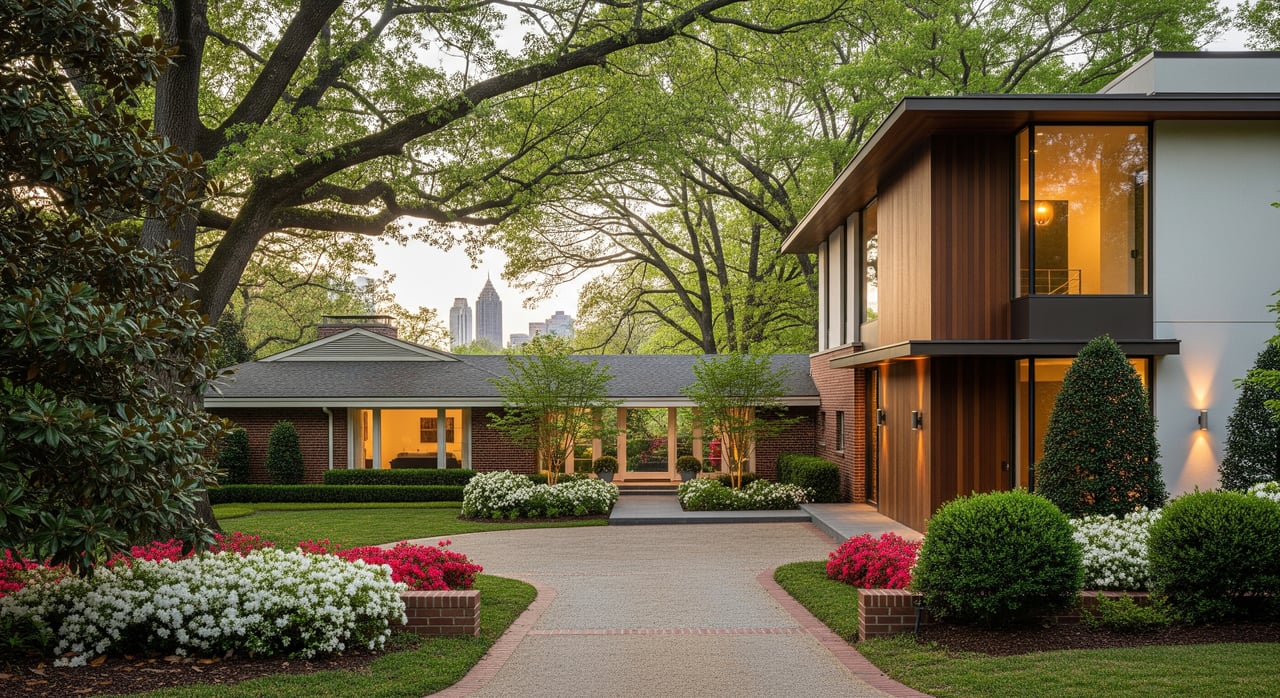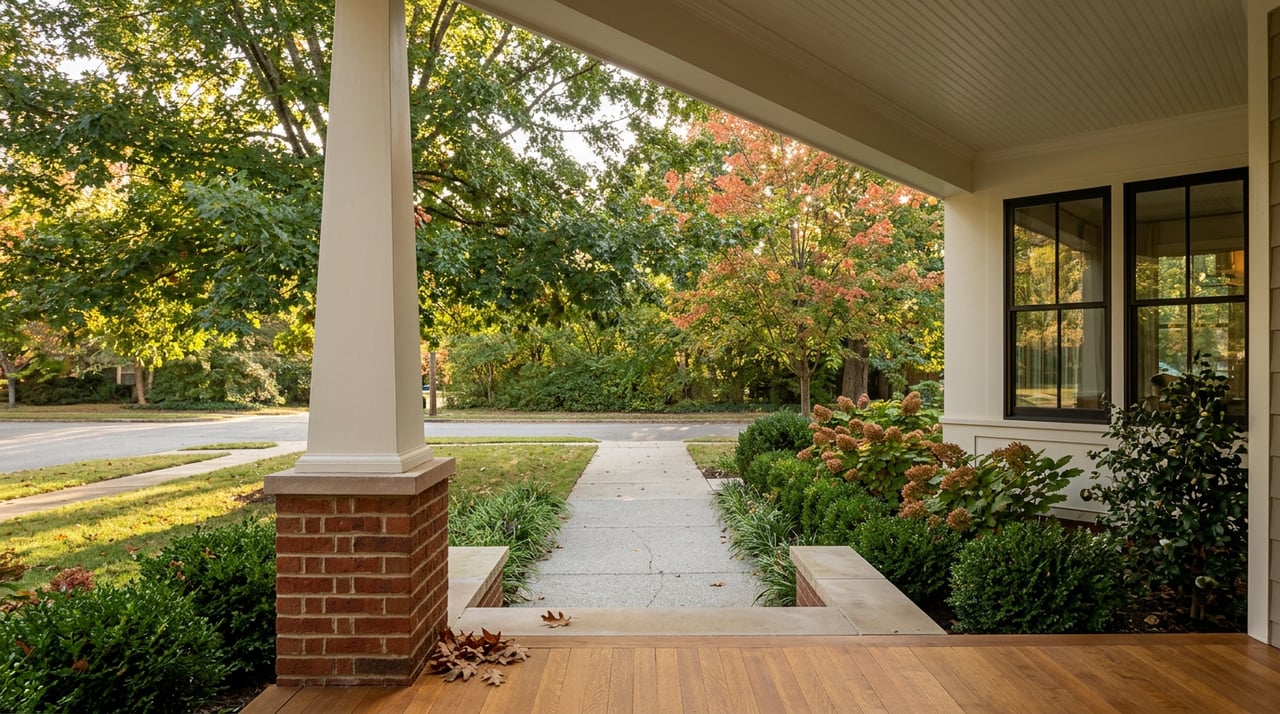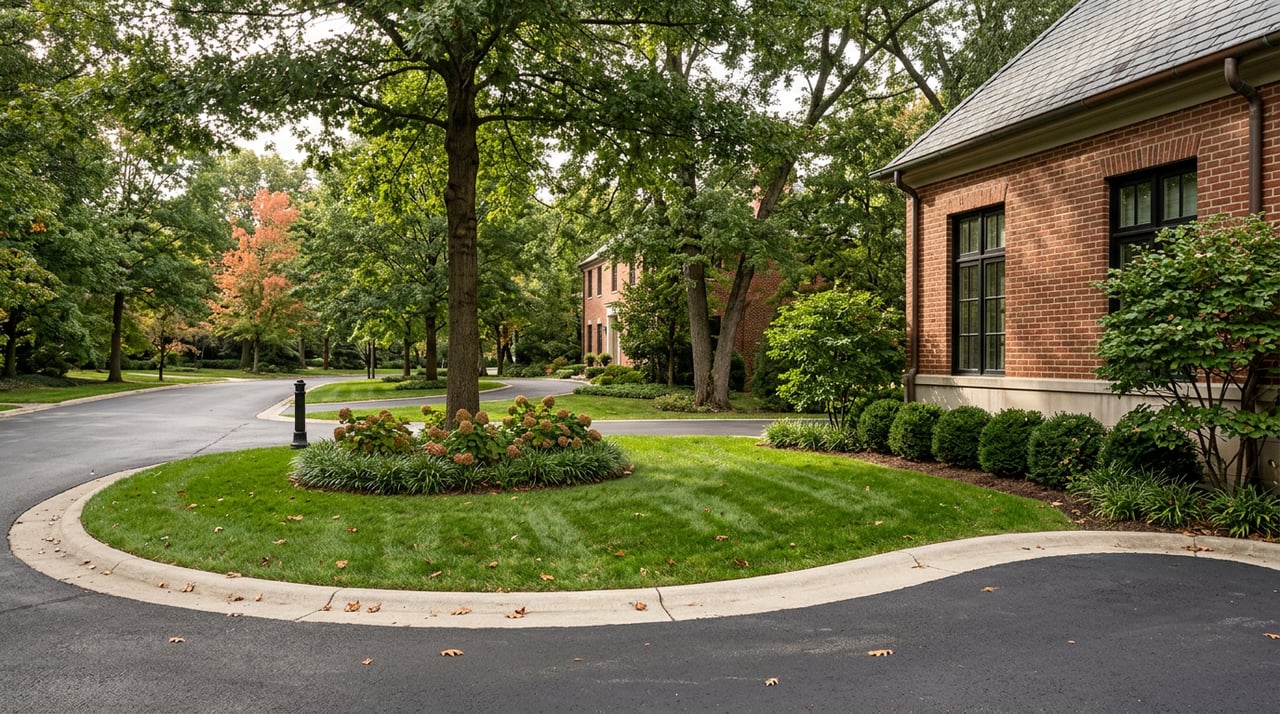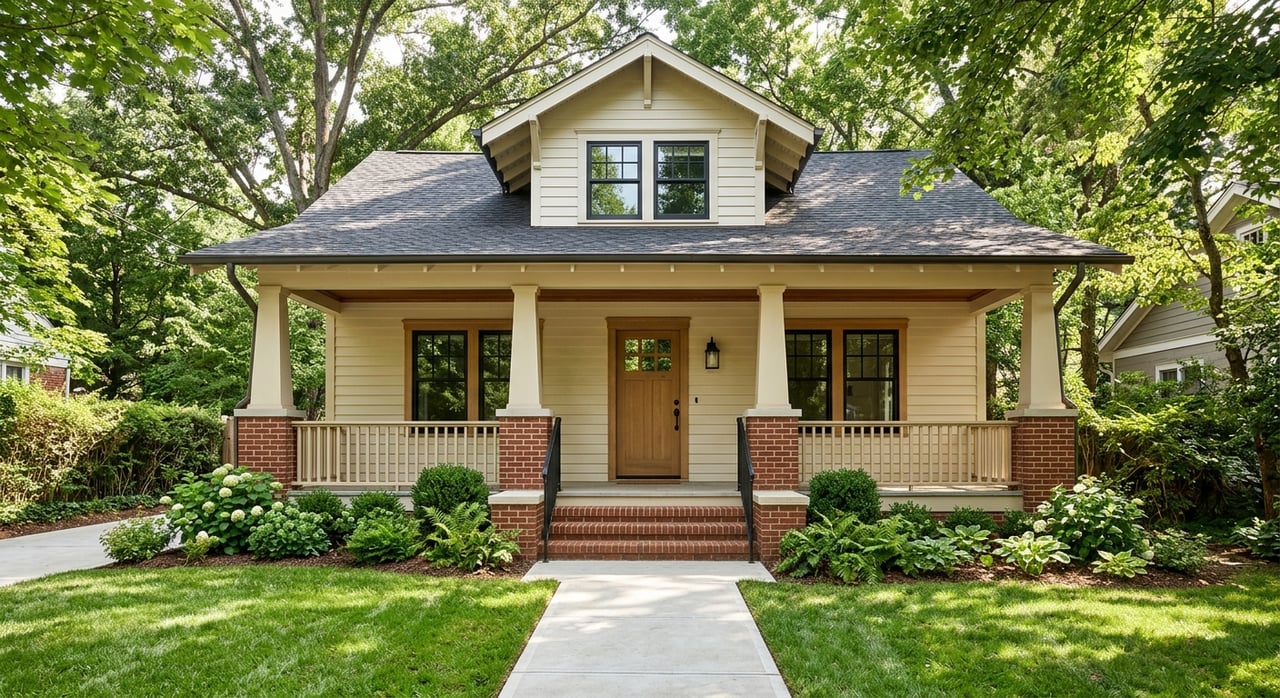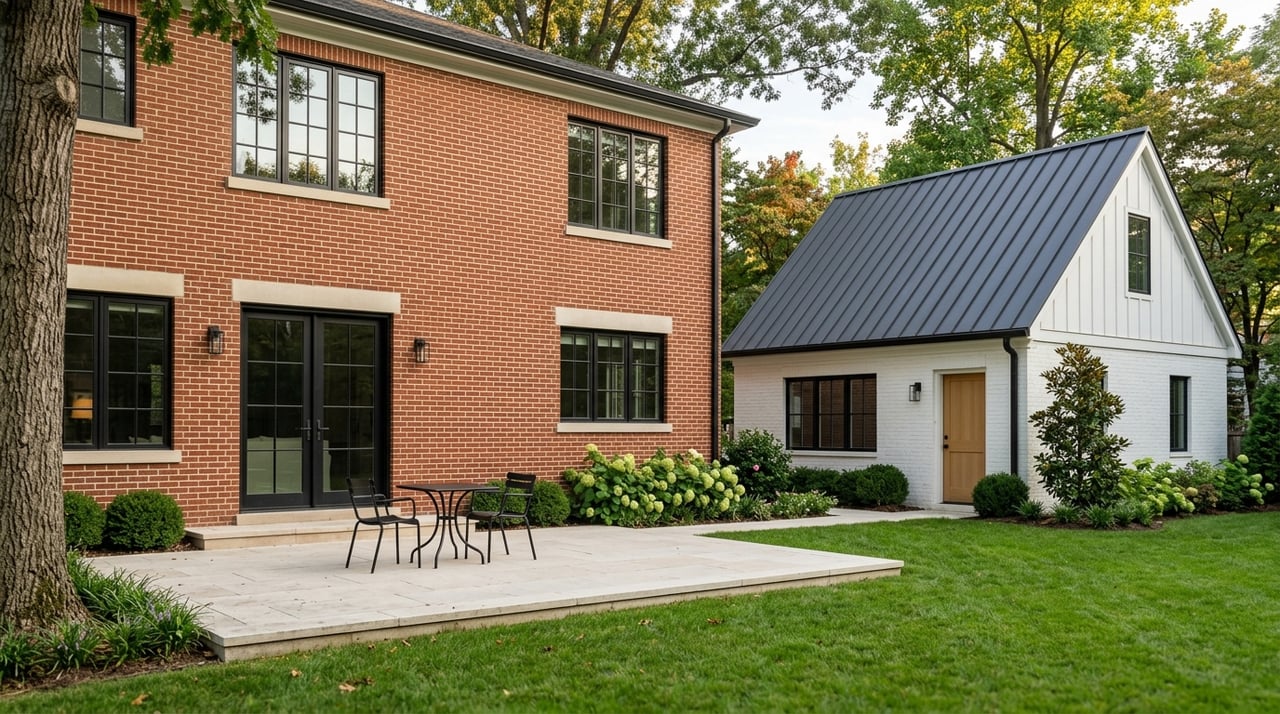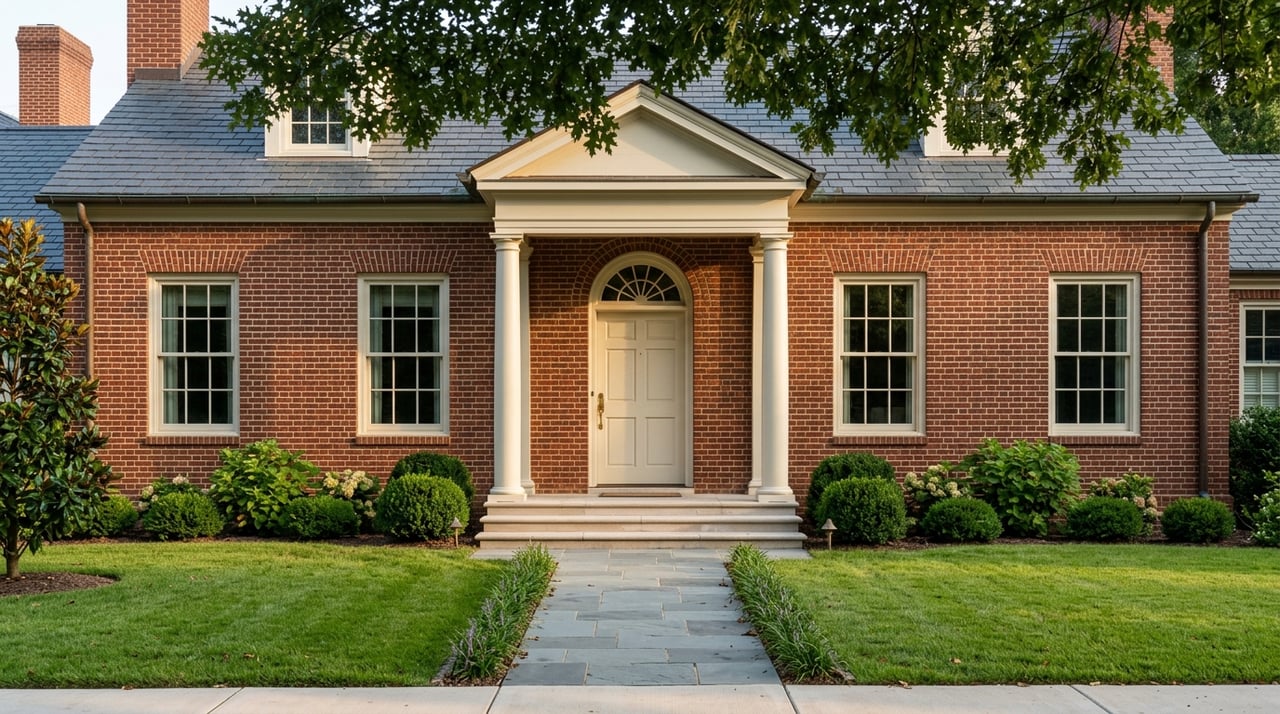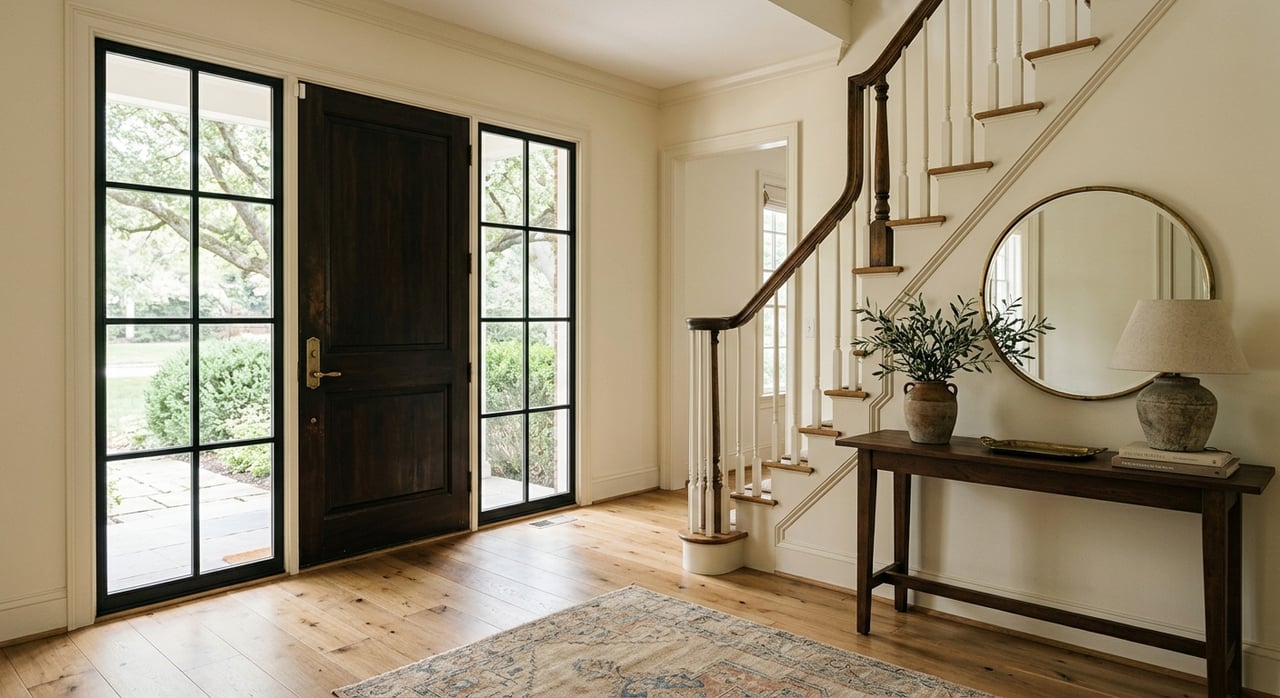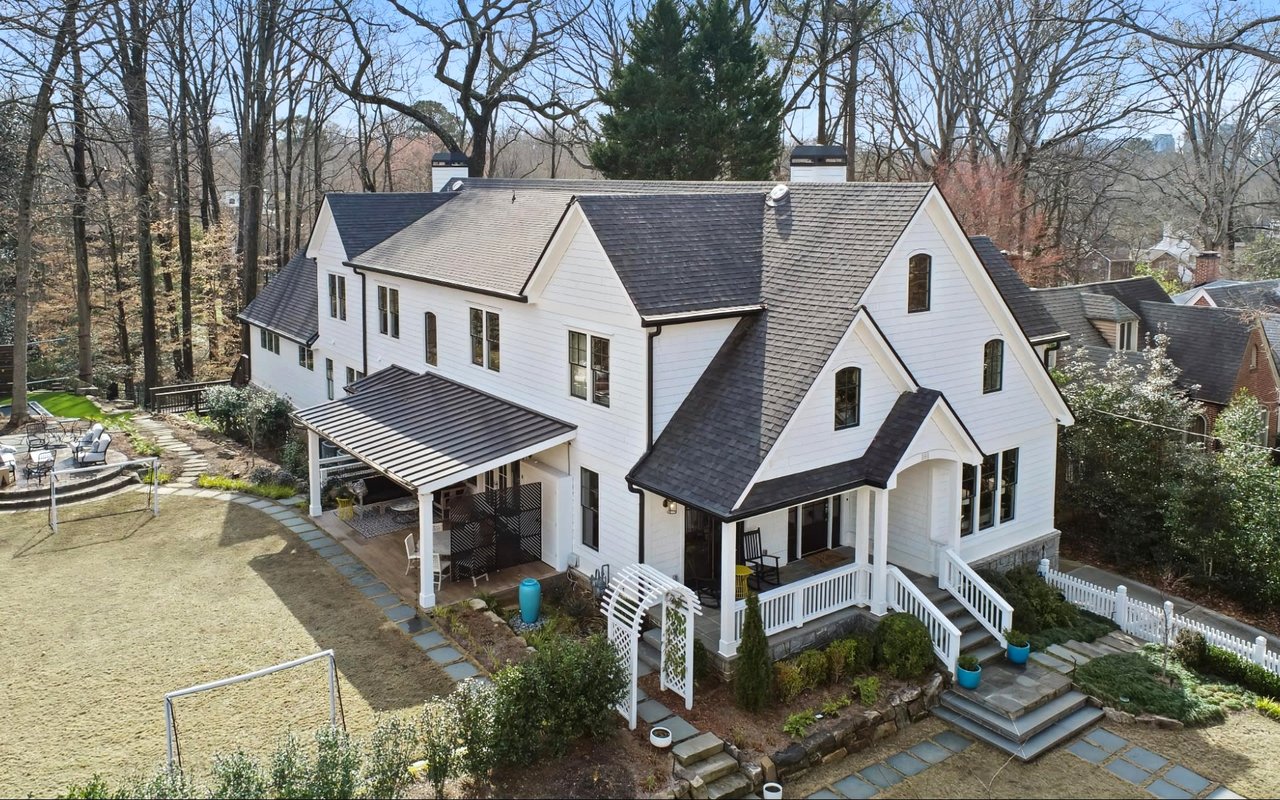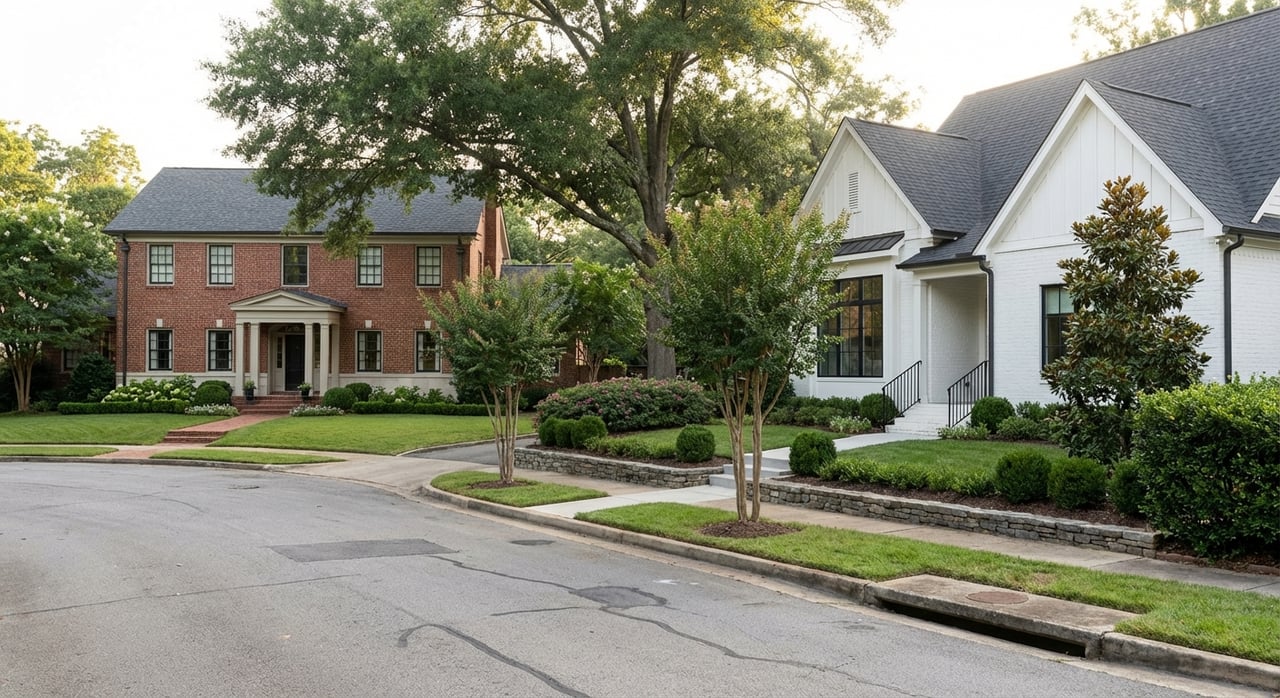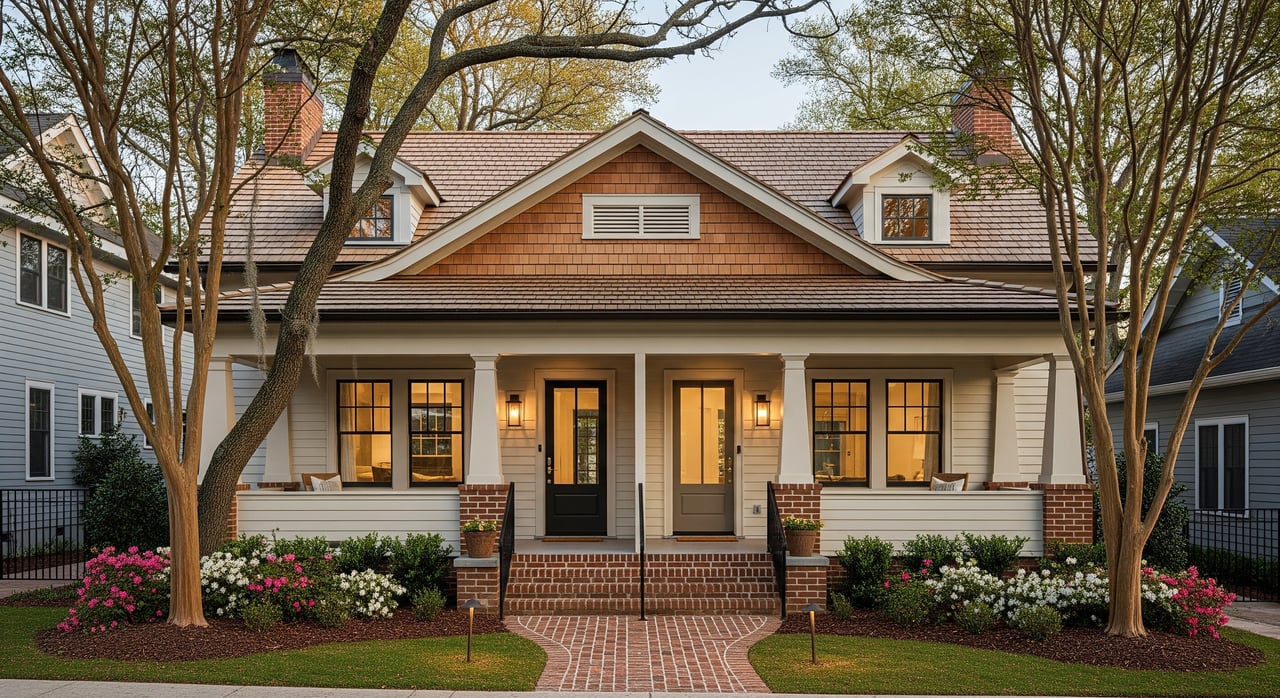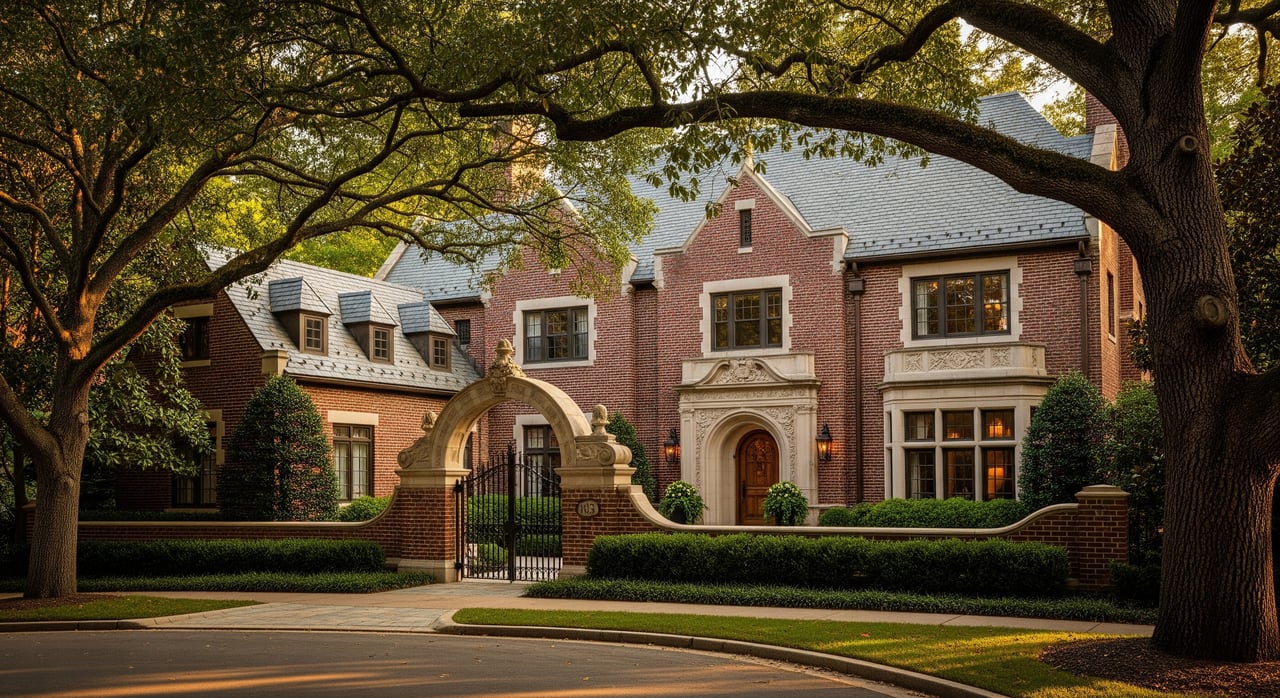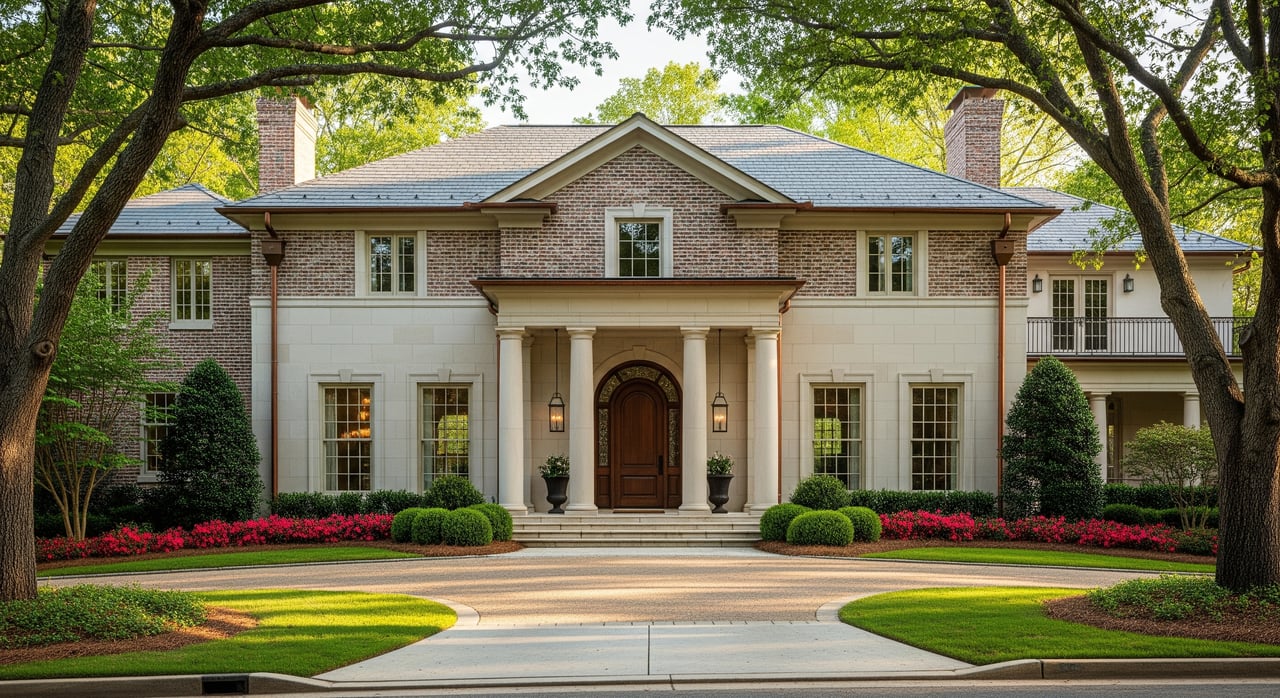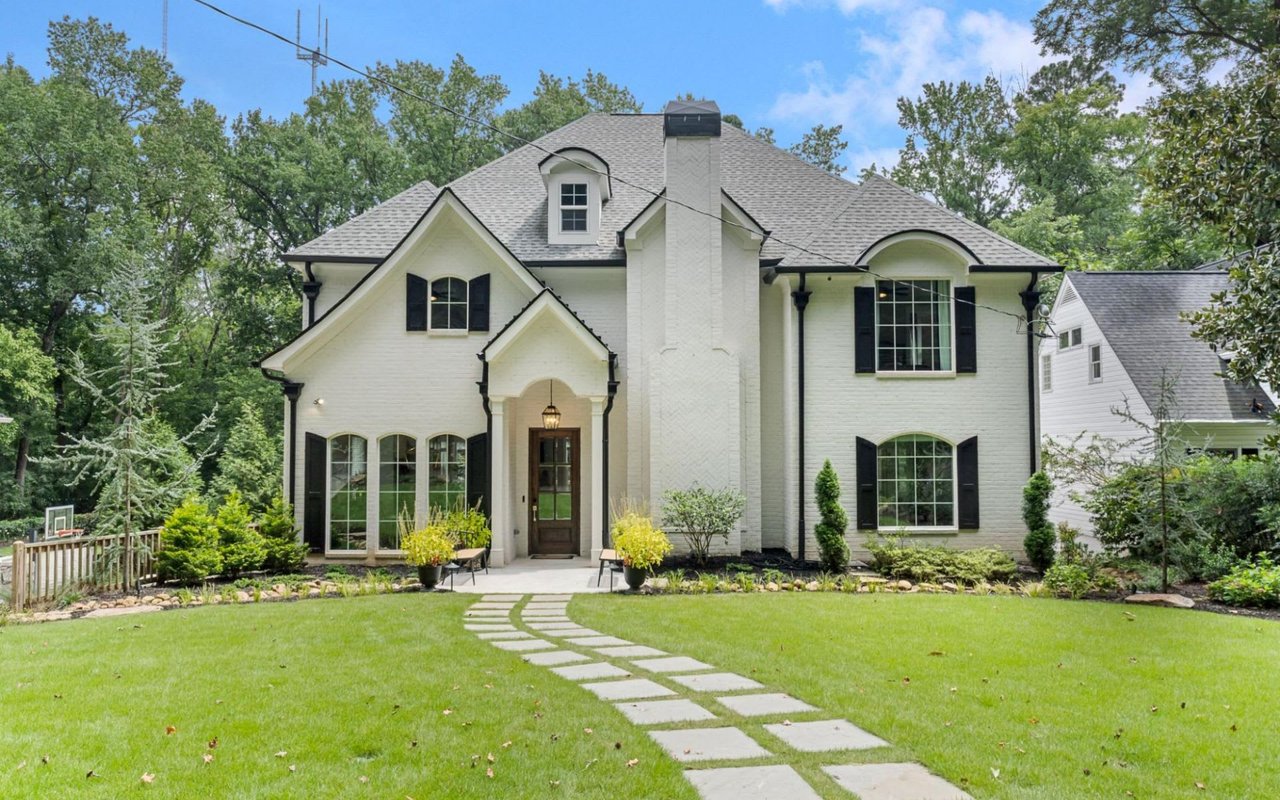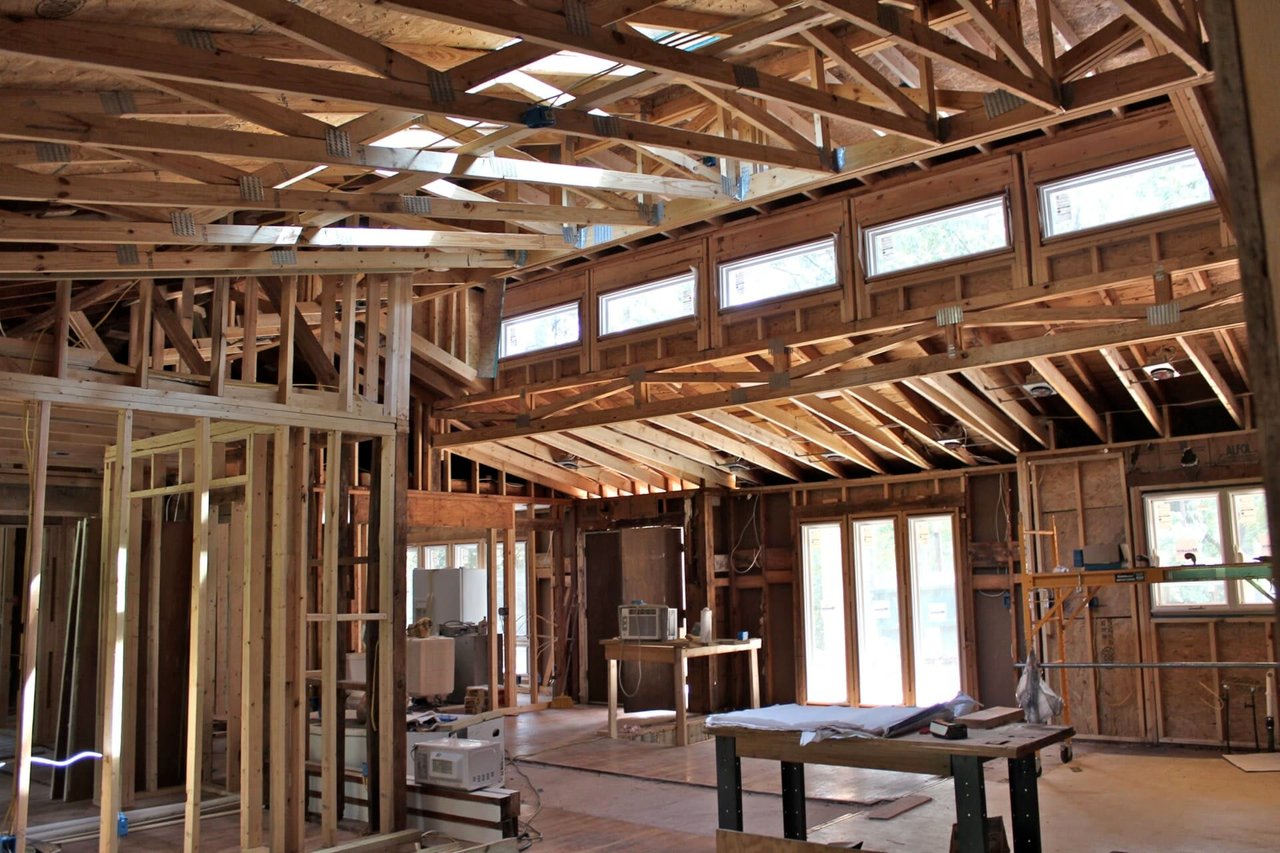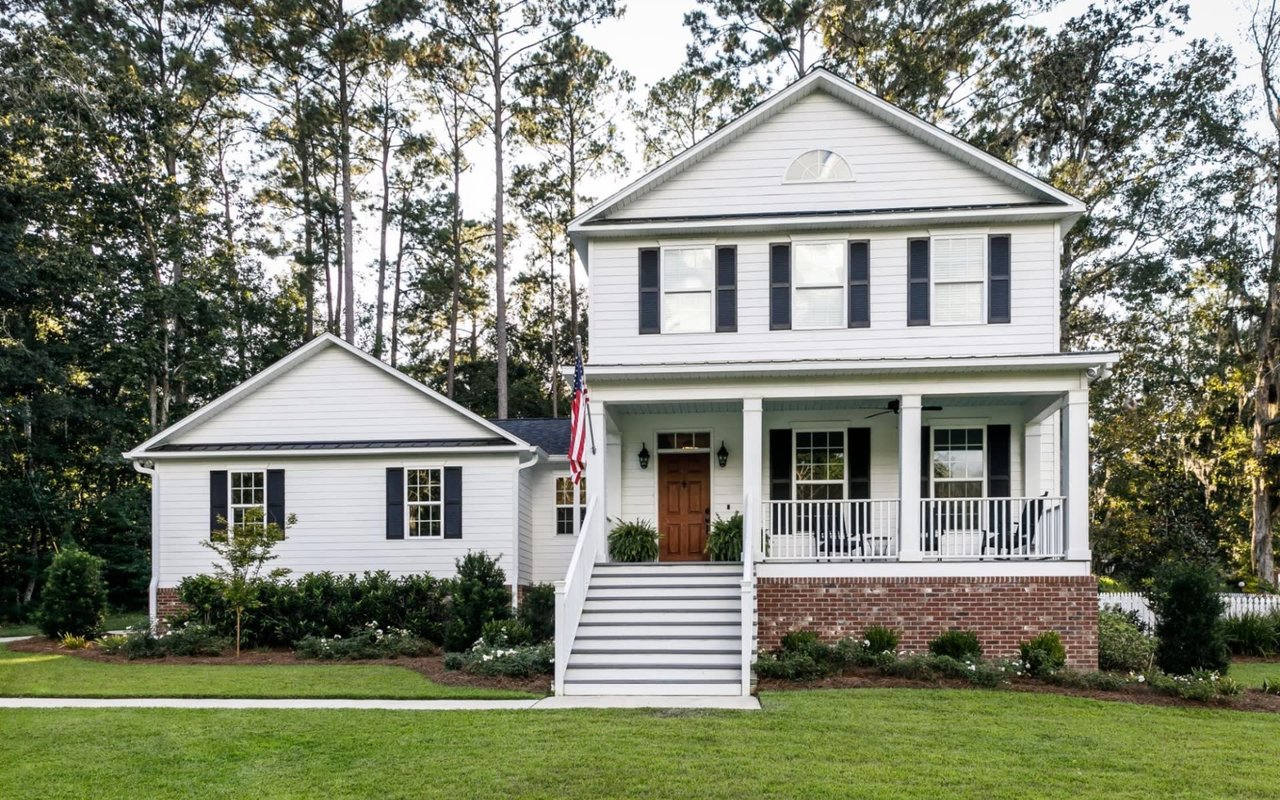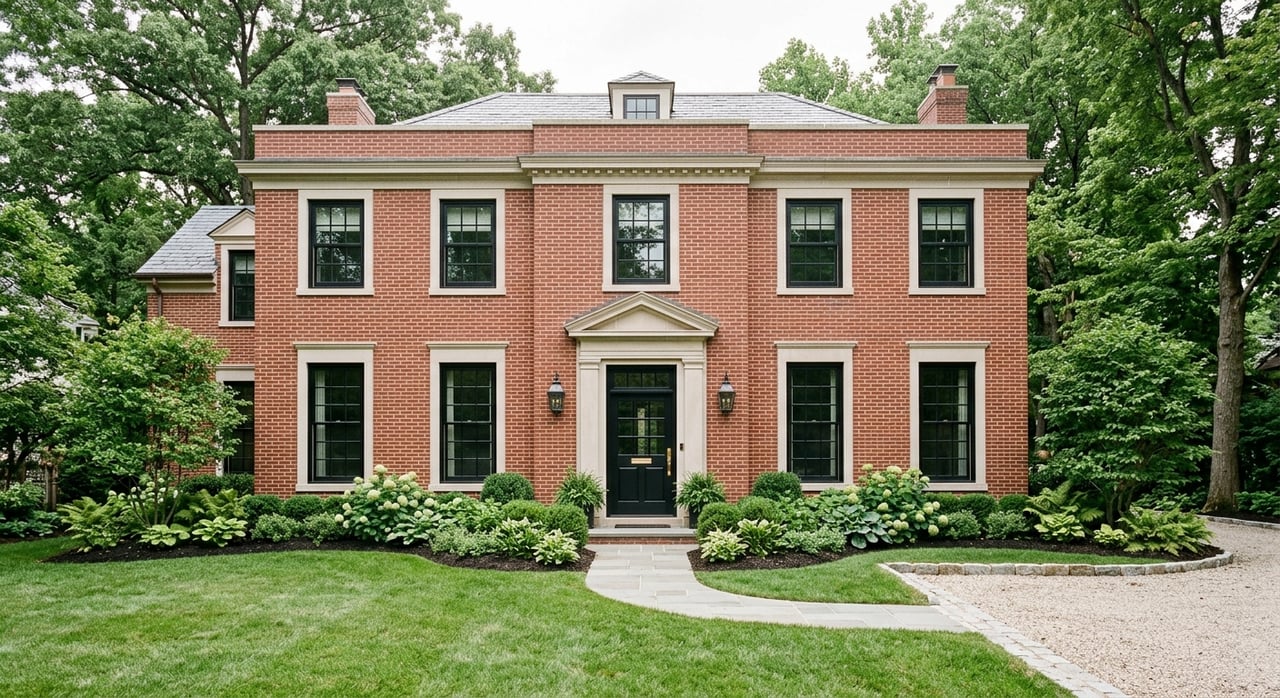
If you are getting ready to sell in Druid Hills, the biggest mistake is treating your home like a generic pre-listing project. In this neighborhood, buyers notice more than updated finishes. They notice original windows, porch details, rooflines, masonry, and the way the house sits within its landscape. If you want to spend wisely before you list, a preservation-aware plan can help you protect character, avoid unnecessary work, and present your home in a way that resonates both online and in person. Let’s dive in.
Why Druid Hills needs a different approach
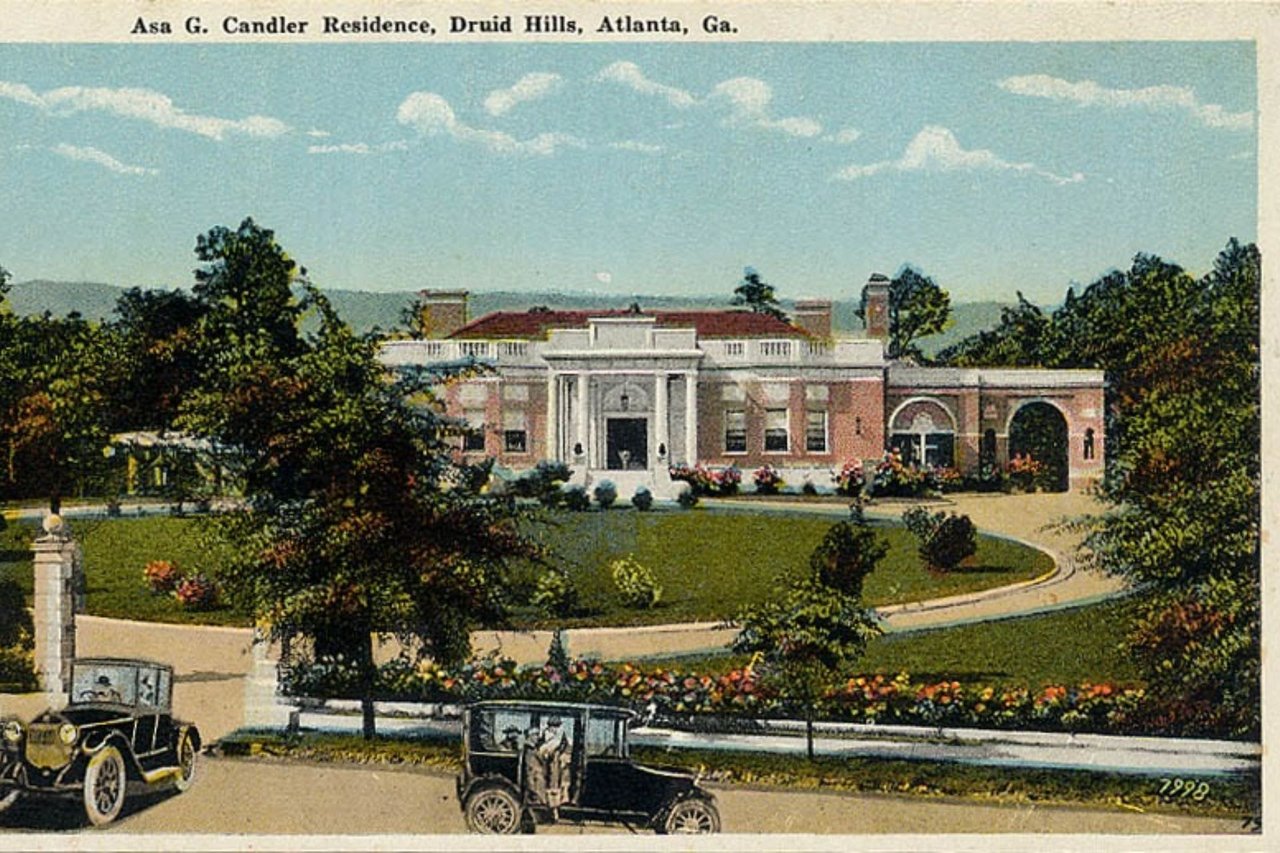
Druid Hills is not just another Intown neighborhood. It was planned as an Olmsted suburban community, with curving roads and a layout designed to work with the natural topography rather than against it.
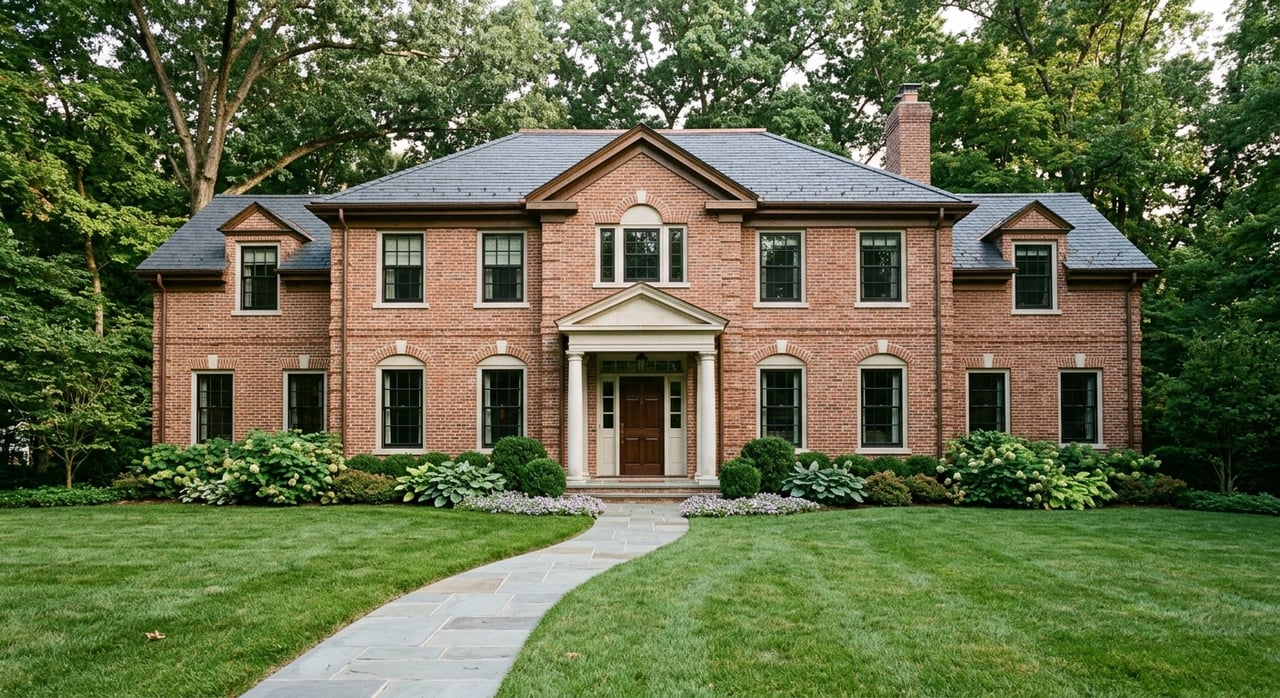
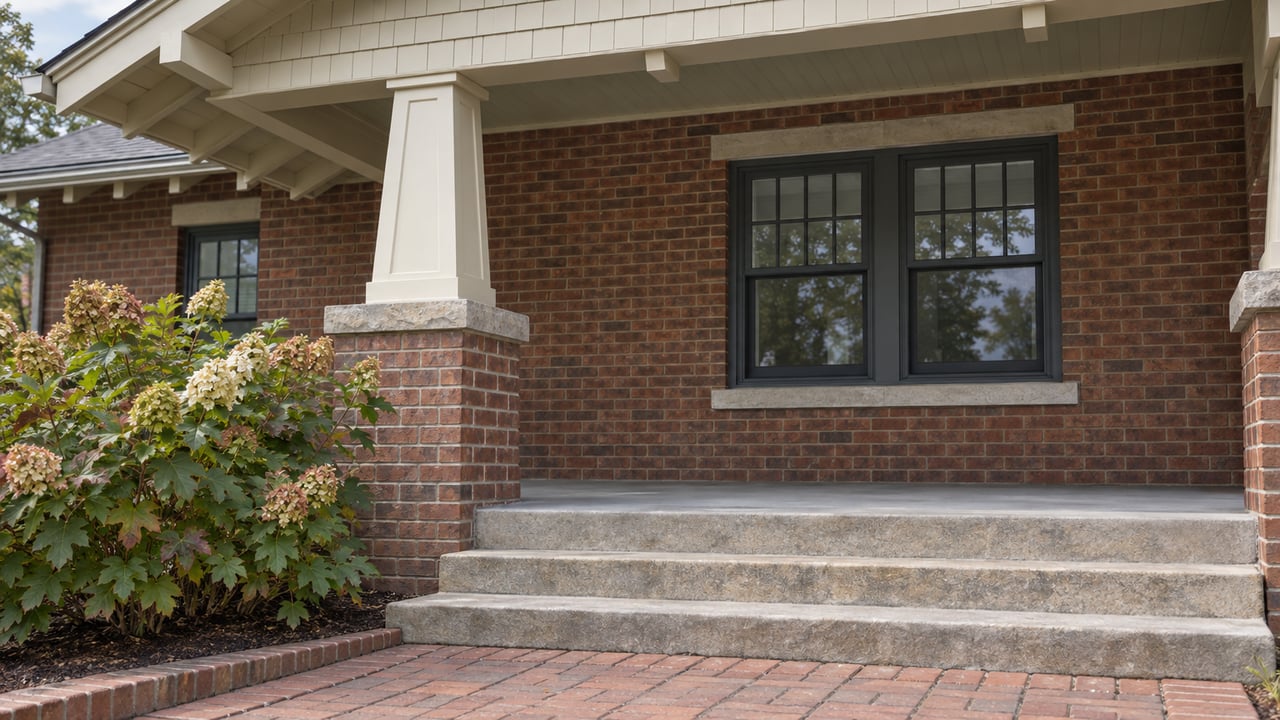
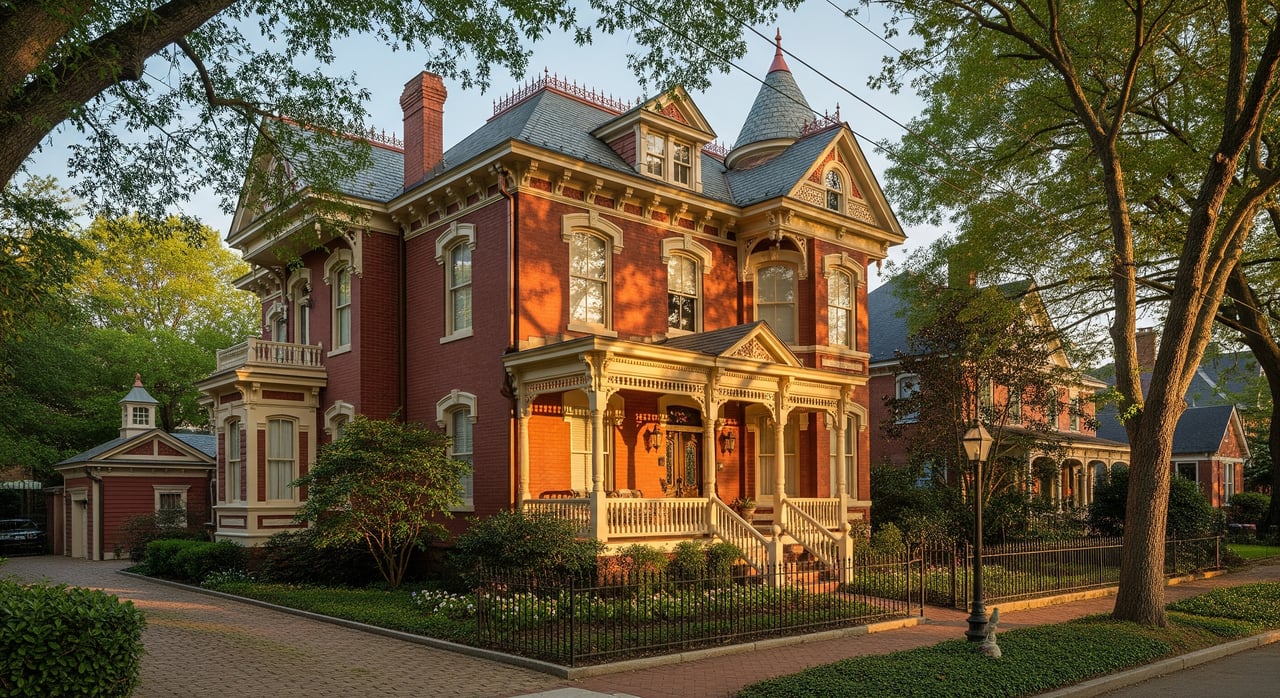
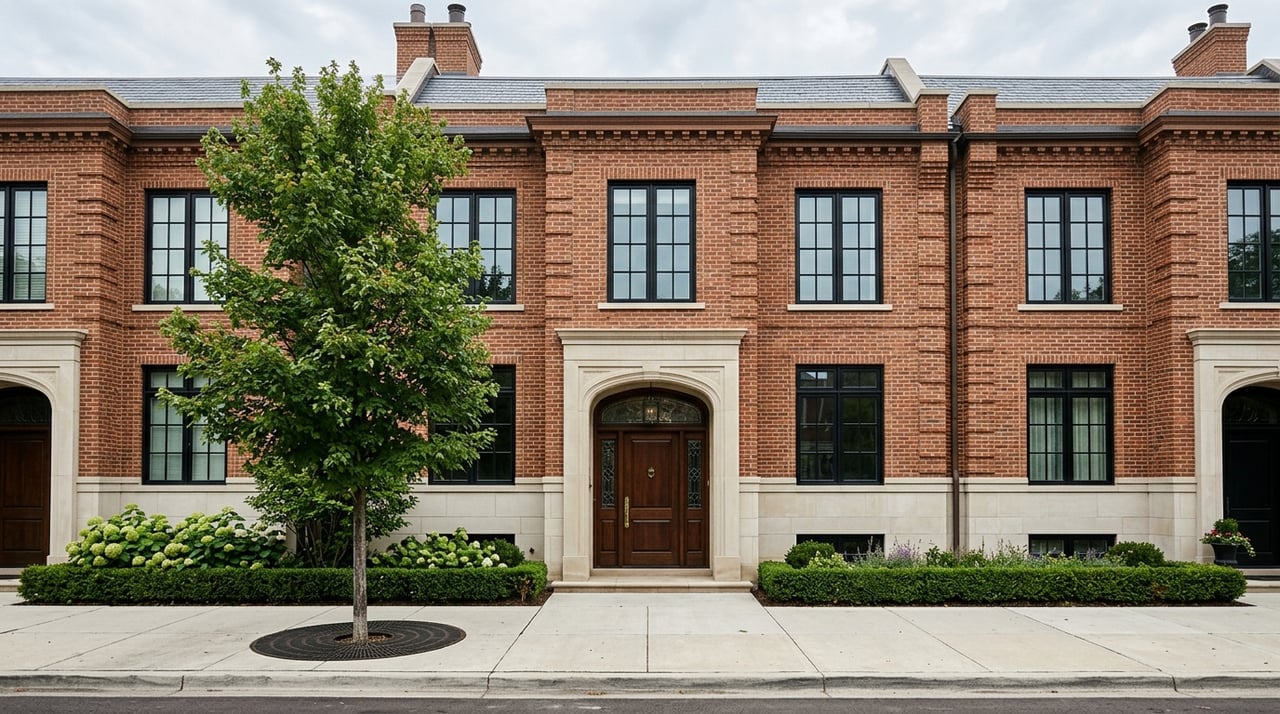
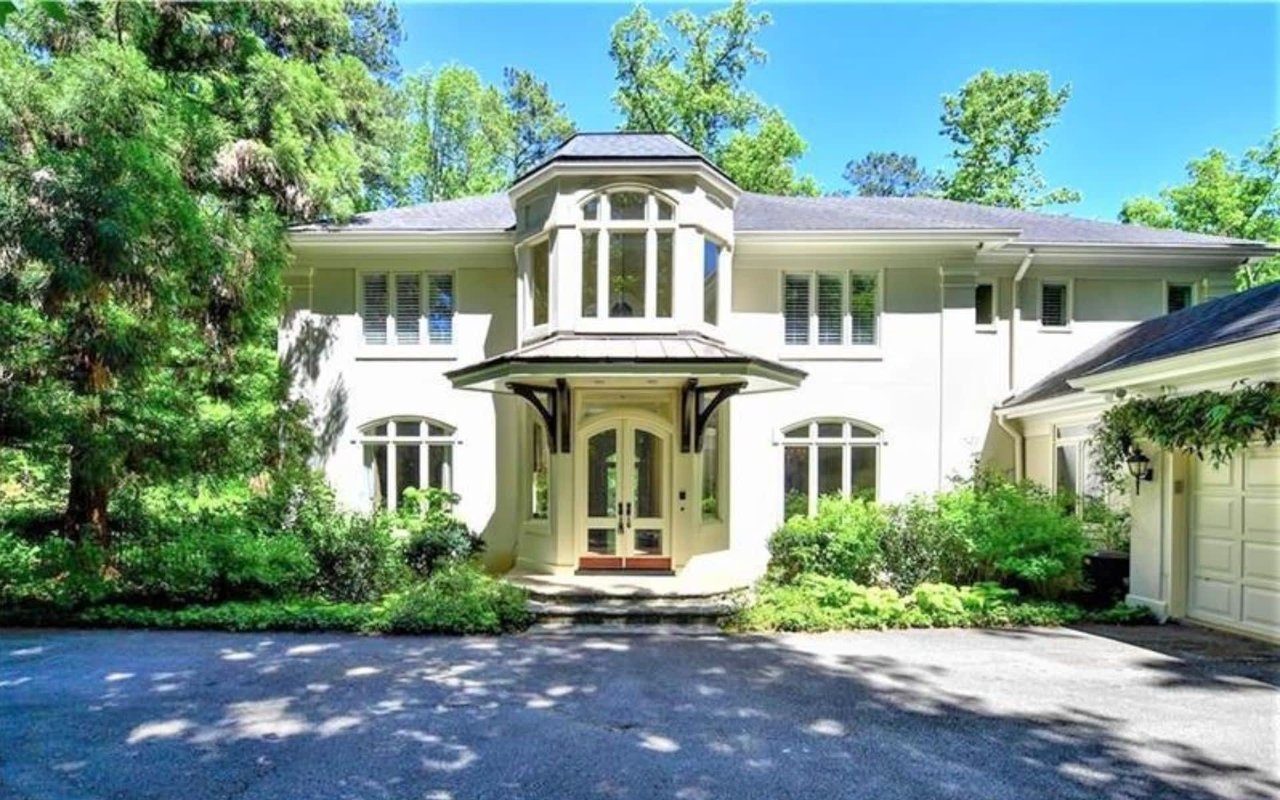
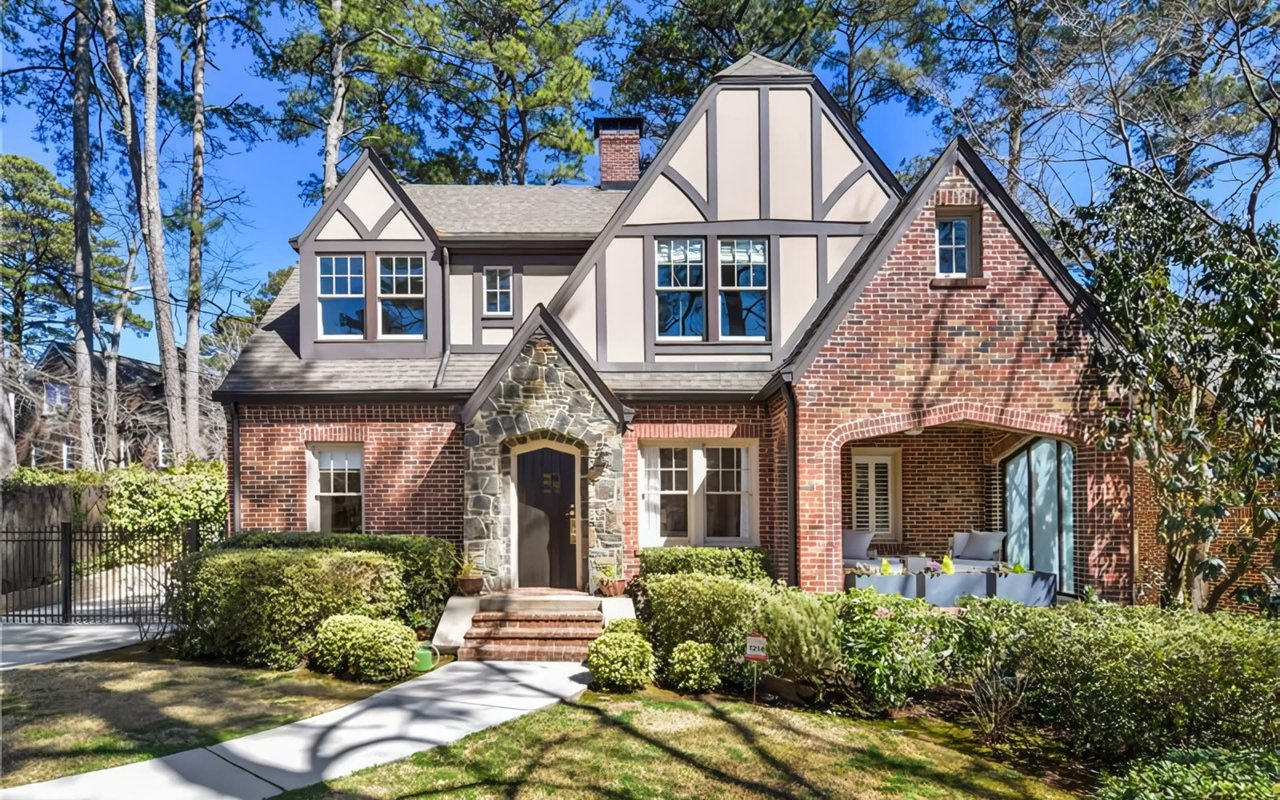
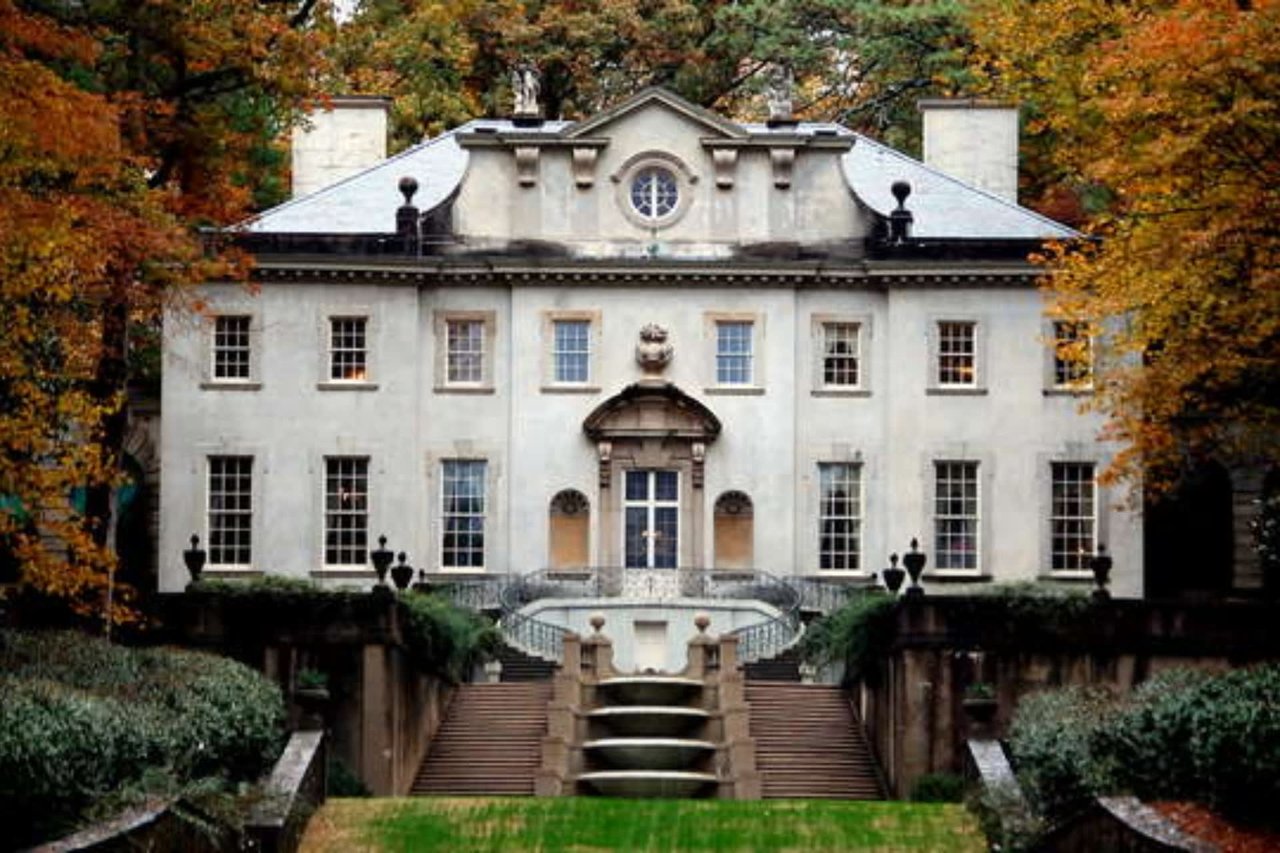
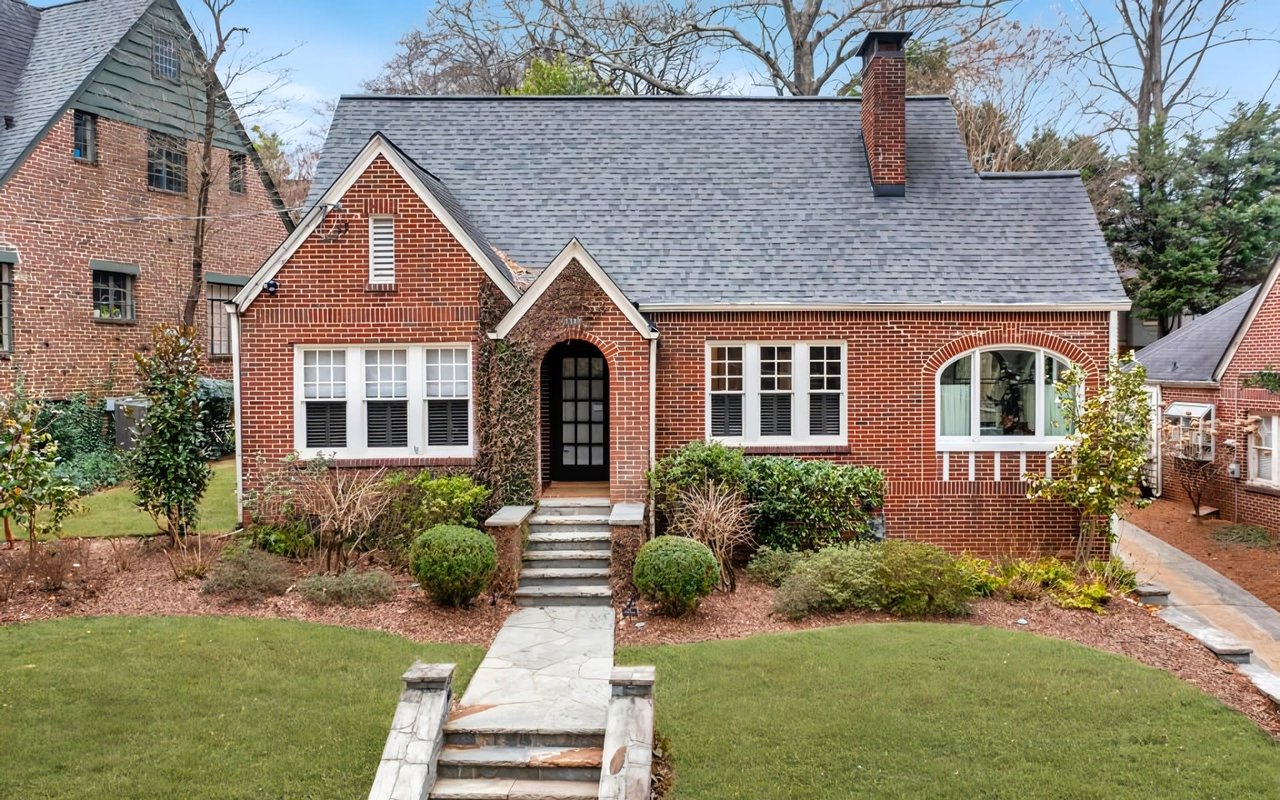
The neighborhood also includes a large historic district with architecture that spans late 19th and 20th century revival styles, Classical Revival, and Bungalow/Craftsman homes. Because of that context, your home’s value is often tied to more than size and finish level. Buyers are also responding to architectural integrity, curb appeal, and how well the property fits its historic setting.
That is why the smartest pre-listing strategy is usually not a full cosmetic overhaul. In Druid Hills, the better move is often to preserve defining features, repair what stands out for the wrong reasons, and make selective updates that support the home’s original identity.
Check approval rules first
Before you paint the exterior, replace windows, change a fence, alter steps, or rework visible landscaping, check whether your property falls under historic review. In the DeKalb County portion of Druid Hills, a Certificate of Appropriateness is required before a material change in appearance.
That term covers a lot more than major additions. It can include exterior alterations, demolition or relocation, excavation, and changes to appurtenant features such as fences, pavements, and steps. Interior changes that do not affect exterior appearance are generally excluded, and ordinary maintenance that does not change the design, material, or outer appearance is also excluded.
One detail matters right away: Druid Hills is split between DeKalb County and the City of Atlanta. The review path depends on which jurisdiction your property is in, so confirming that early can save you time, money, and frustration.
What review usually focuses on
Local guidance typically looks at compatibility, not just attractiveness. That means scale, massing, architectural details, materials, roof forms, and streetscape all matter.
In practical terms, a project can look beautiful on its own and still be the wrong move for a Druid Hills home. The question is whether the change fits the house and its surroundings.
Start with character-defining repairs
If you are deciding where to spend first, begin with the features that shape the home’s visible identity. Local guidance strongly favors retaining and repairing original elements where possible.
That includes original doors, windows, roof forms, and historically or architecturally significant accessory buildings. So before you assume replacement is the answer, ask whether repair can accomplish the same goal while preserving the look buyers expect in Druid Hills.
High-impact items to prioritize
The best pre-listing improvements are often the ones buyers notice immediately:
- Repair damaged trim and repaint where needed
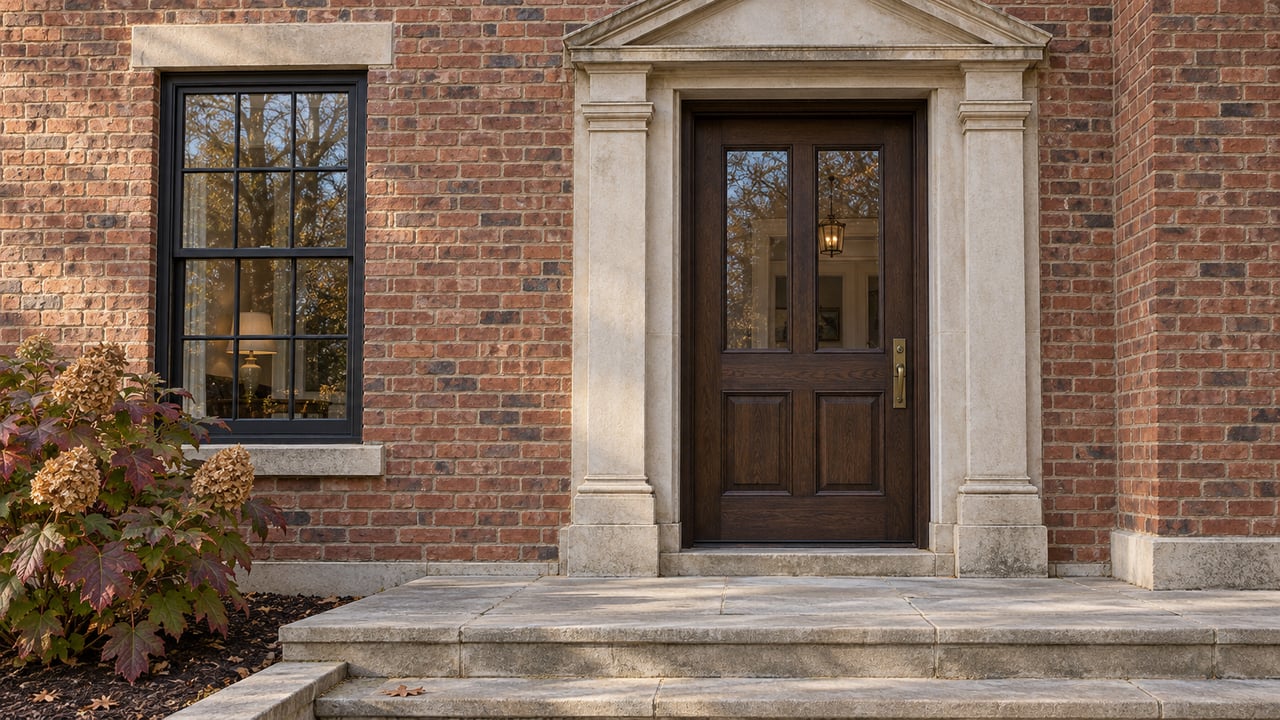
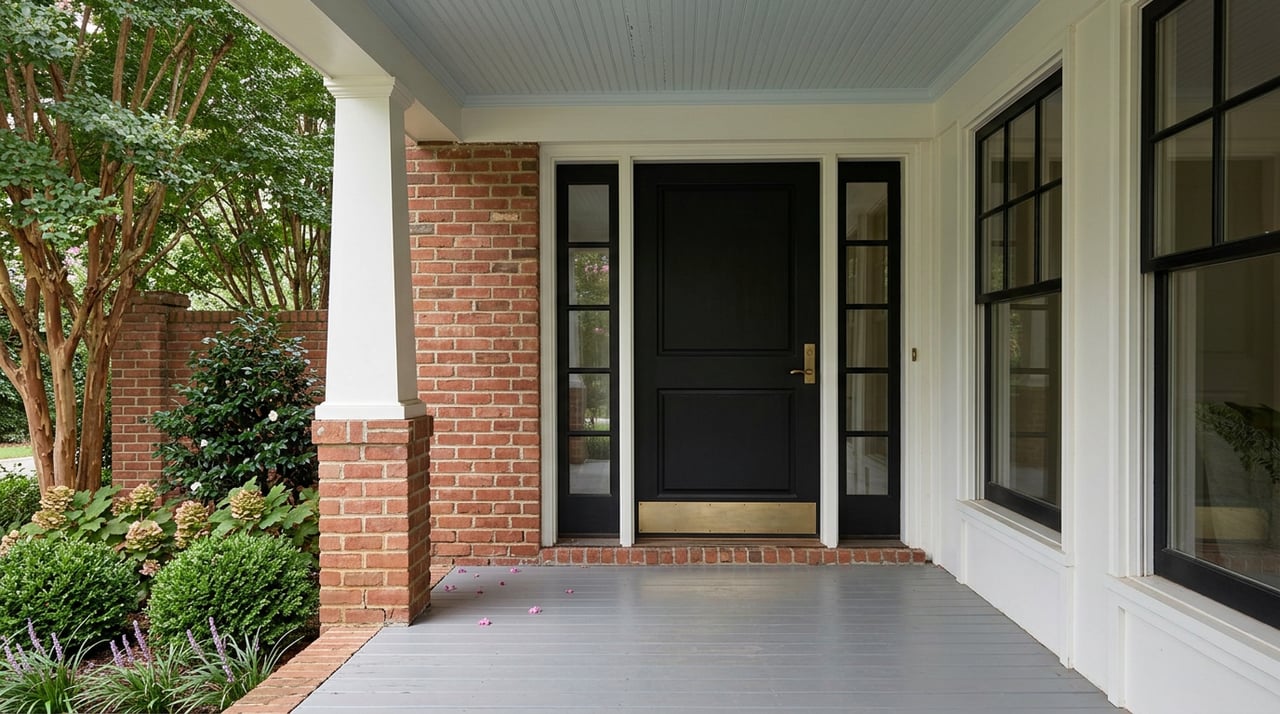
- Restore porch and entry details
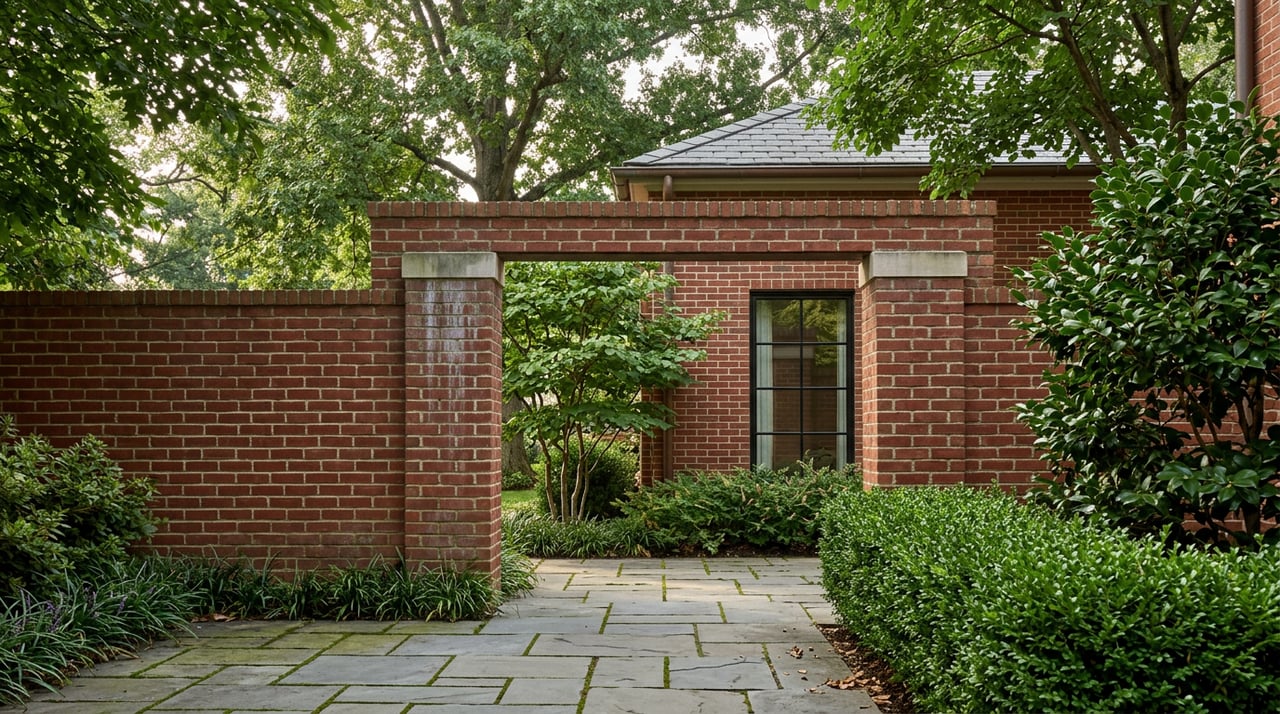
- Clean and refresh masonry
- Improve exterior lighting
- Tidy walkways and hardscape edges
- Address obvious deferred maintenance
- Organize storage areas and closets
These updates support first impressions without stripping away the home’s personality. They also align with broader resale data showing that smaller, targeted projects can outperform expensive remodels when it comes to cost recovery.
Be thoughtful with replacements
Not every older feature should stay exactly as-is. Some homes need functional updates before they hit the market. The key is choosing replacements that are compatible in material, proportion, and appearance.
That matters especially for visible exterior elements. If windows, doors, or roofing details are changed in a way that feels out of scale or out of character, the result can weaken the home’s presentation instead of improving it.
A good rule of thumb is simple: if buyers will see it from the street, make sure the change supports the architecture rather than competing with it.
Treat the landscape as part of the home
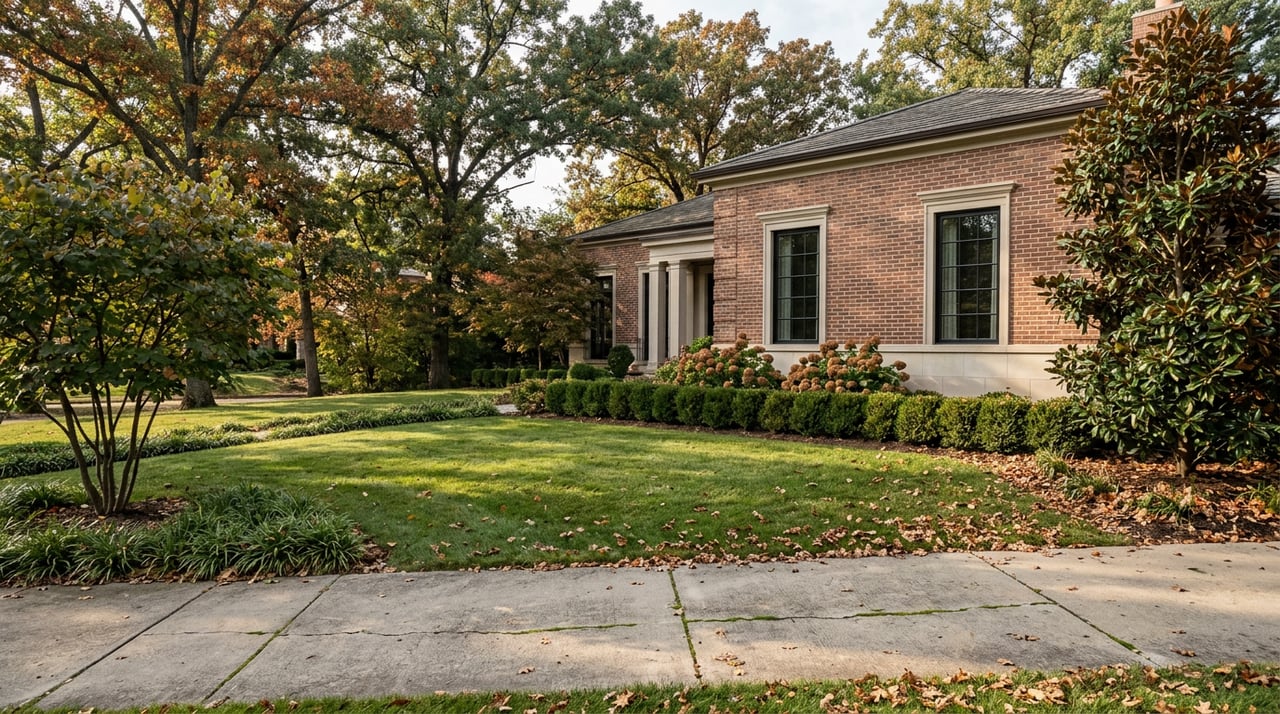
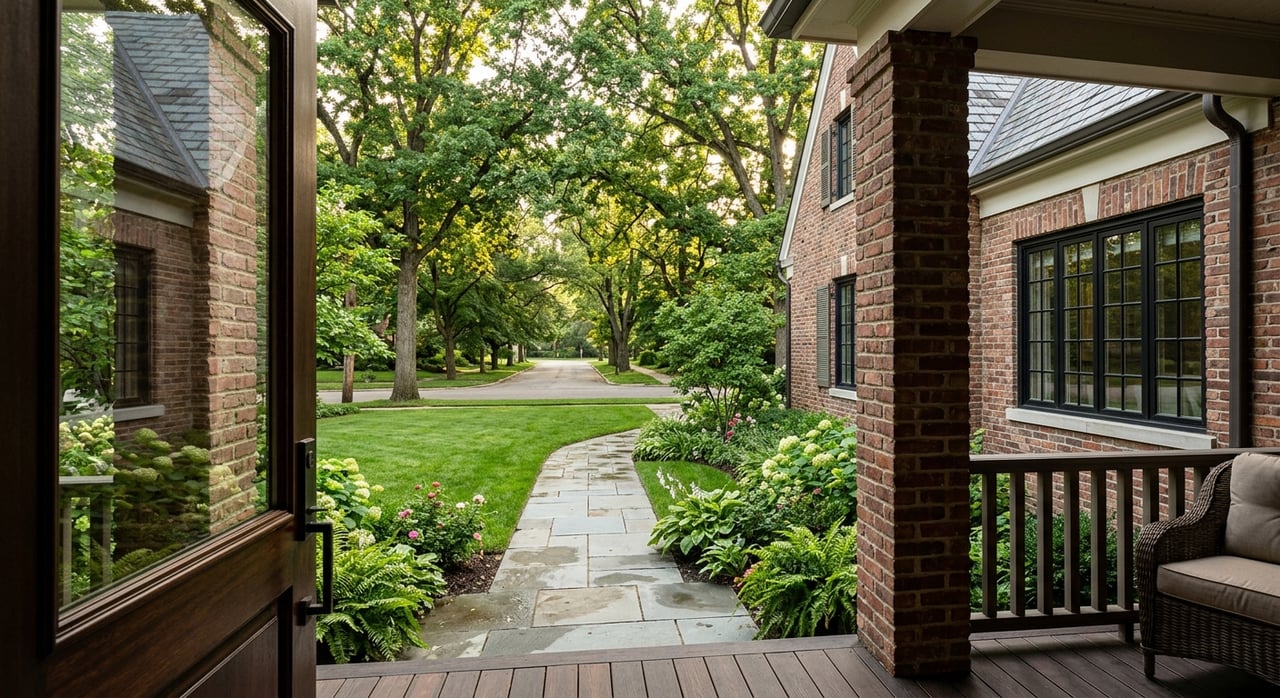
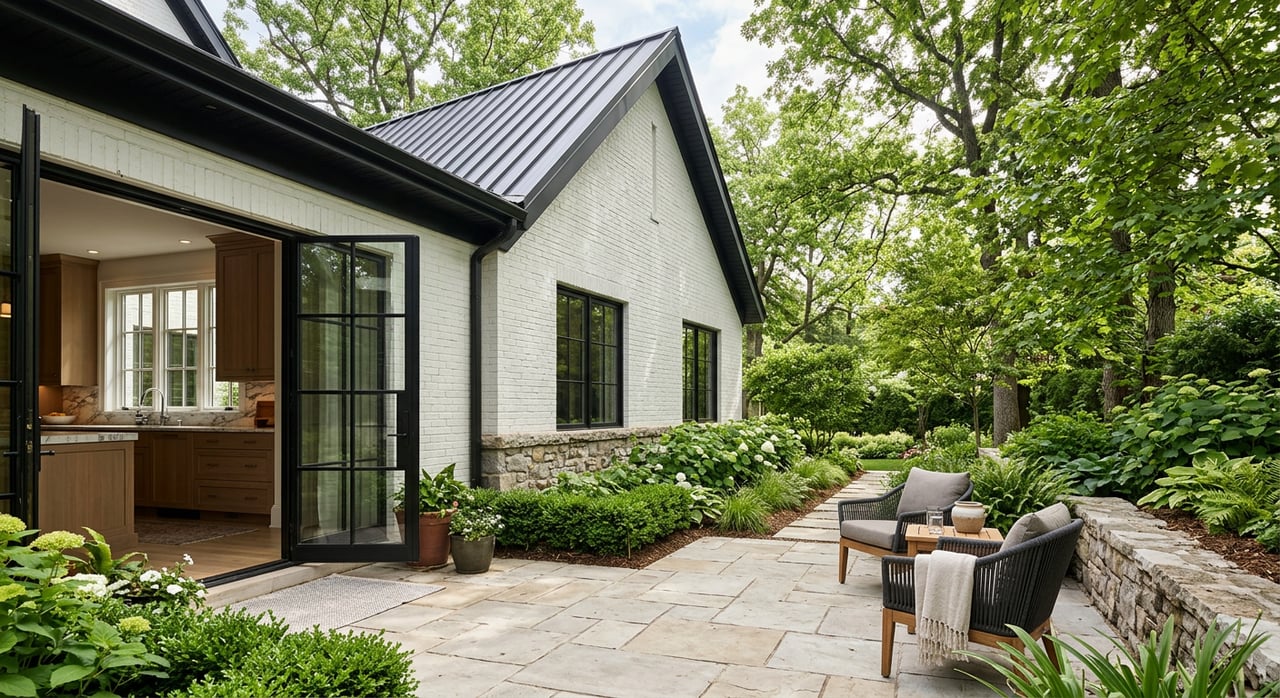
In Druid Hills, the yard is not separate from the architecture. Mature trees, natural topography, and landscape character are part of what gives the neighborhood its identity.
County guidance emphasizes preserving existing trees and perpetuating the mature hardwood landscape. Replacement trees should be similar or identical varieties when trees are lost, and native plants are preferred in natural areas and drainage corridors.
Tree work can trigger extra steps
Before removing trees, verify whether notice, a permit, or documentation may be required. In DeKalb County, a significant tree is defined as 8 inches DBH or larger, and removal of more than five trees or any specimen-size tree requires notice. Dead, diseased, or hazardous trees may be removed with proper documentation.
This is one of those areas where sellers can accidentally create delays. If tree work is part of your prep plan, it is worth confirming the requirements before crews are scheduled.
Simple landscape improvements that help
For many Druid Hills listings, the most effective landscape work is disciplined rather than dramatic:
- Prune overgrowth that hides architectural details
- Refresh planting beds
- Clean up paths and entry sequences
- Replace lost plantings with compatible varieties
- Keep front-yard improvements restrained and cohesive
The goal is to make the house feel framed, cared for, and true to its setting.
Focus on curb appeal buyers see first
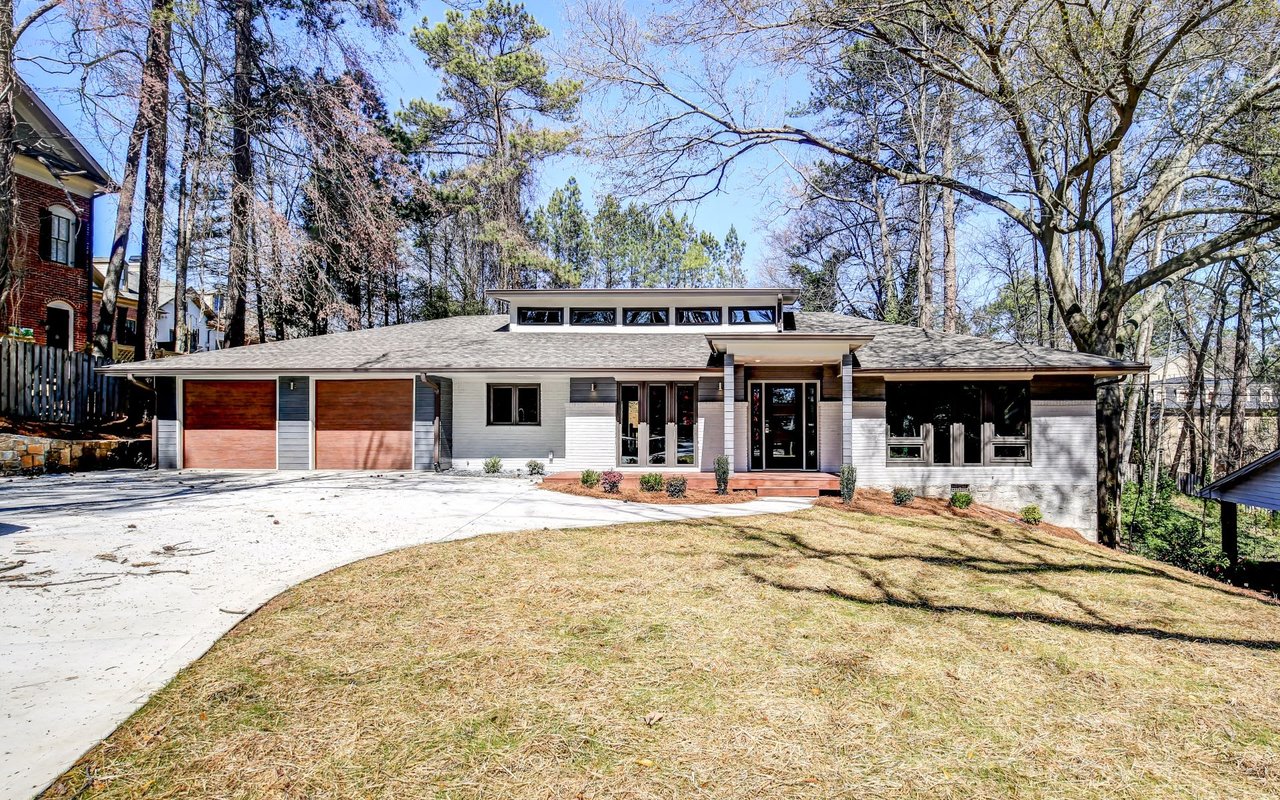
Because local review applies a higher standard to changes visible from the public right-of-way, front-facing improvements often deliver the clearest payoff. Buyers form opinions quickly, and your exterior photos usually shape that first impression before a showing is even scheduled.
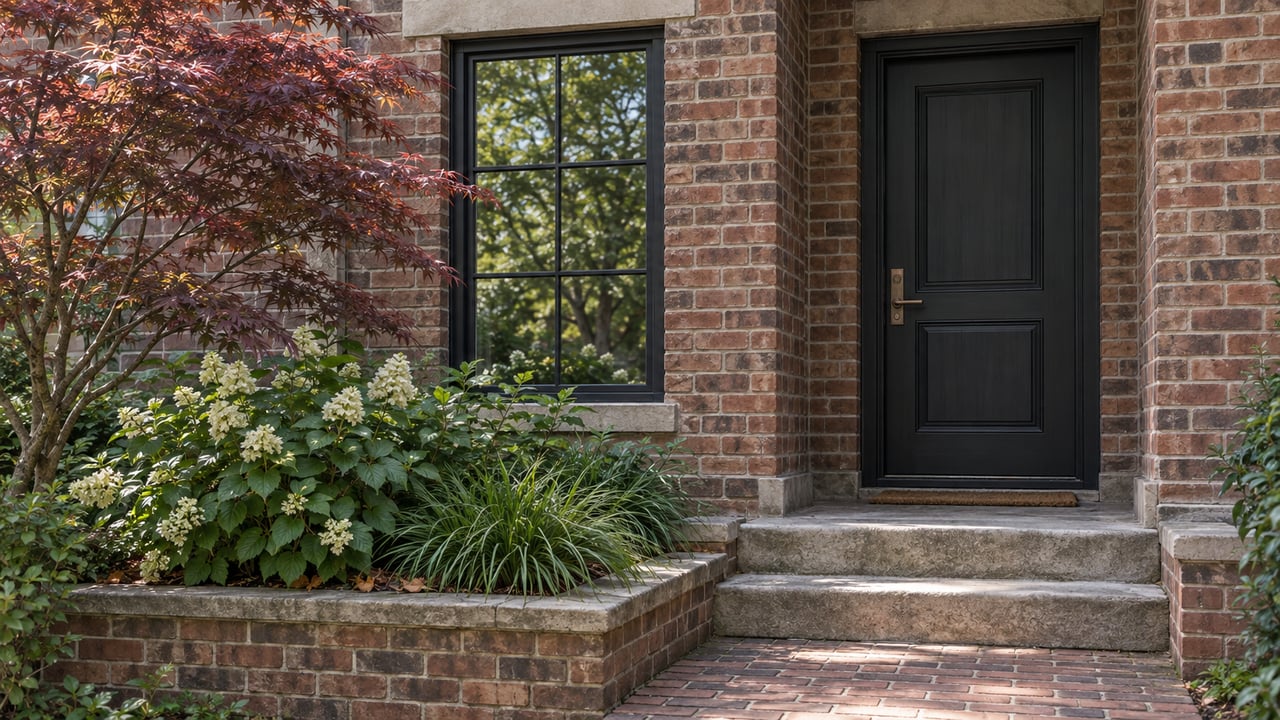
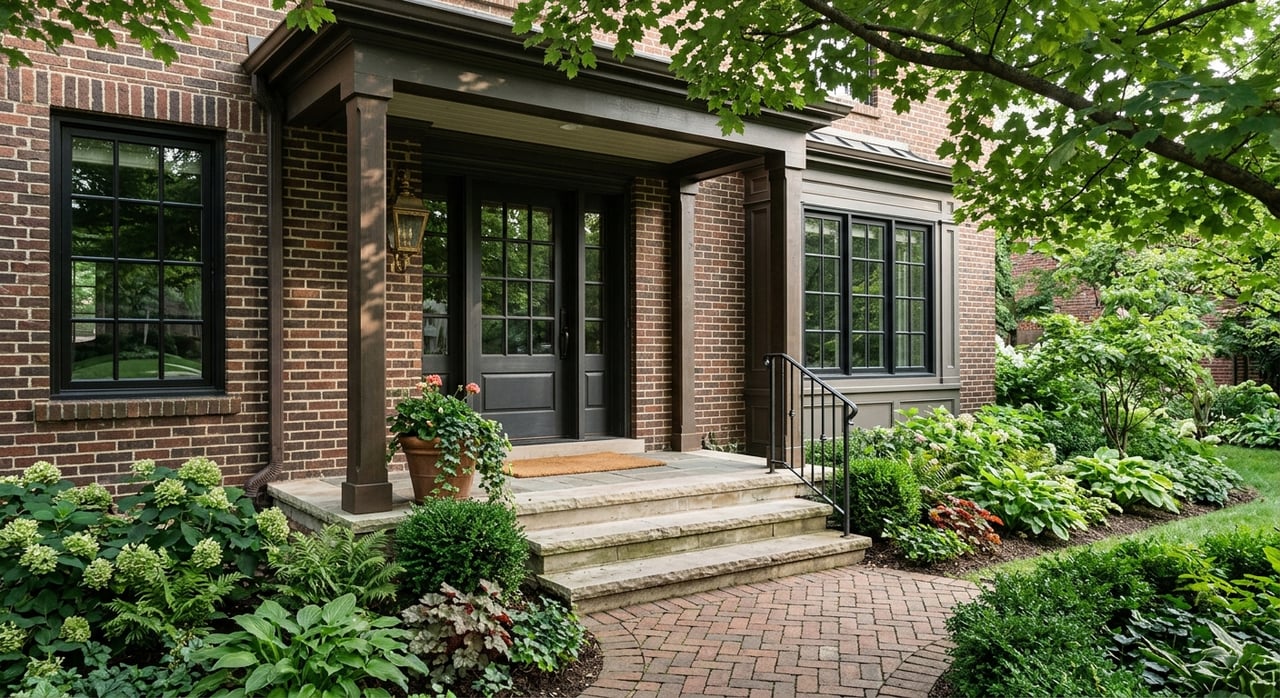
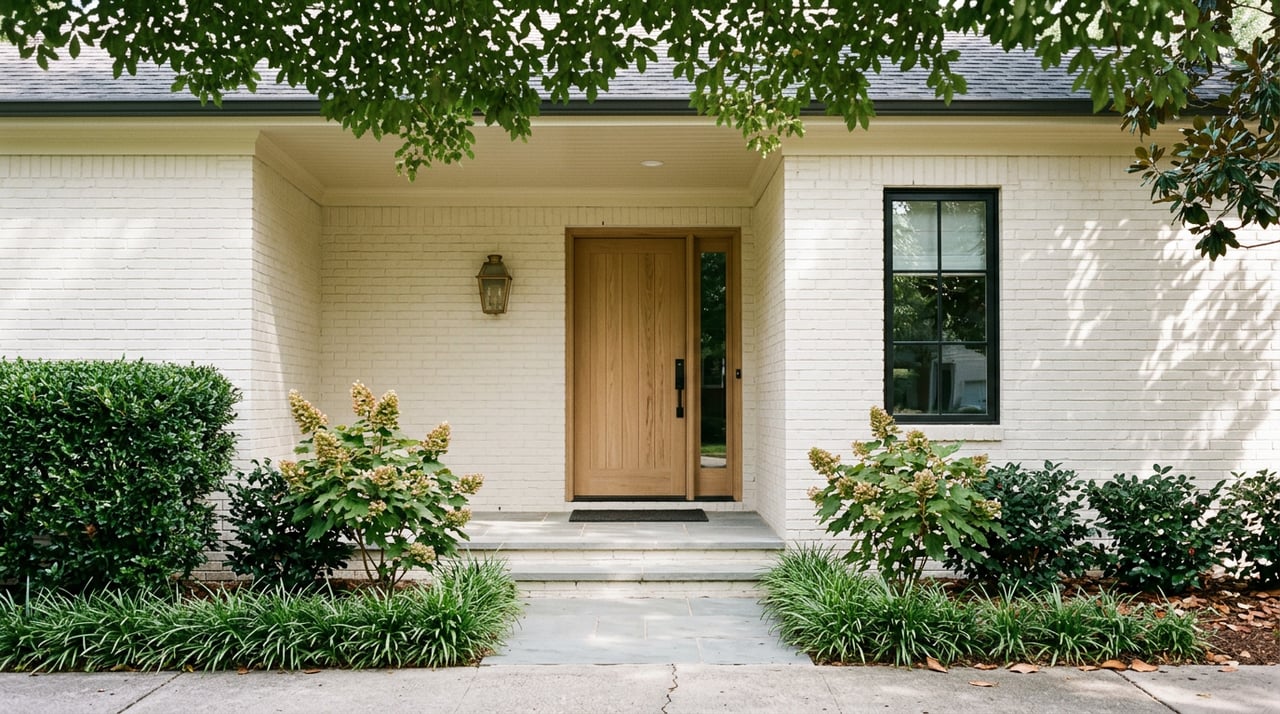
That makes your front entry especially important. A well-kept porch, clean steps, polished lighting, healthy landscaping, and an inviting front door can do a lot of heavy lifting.
National resale data supports this kind of targeted work. Smaller projects such as a new steel front door, closet renovation, and selective window replacement have shown strong estimated cost recovery compared with larger taste-driven remodels.
Stage to highlight architecture
Once the house is repaired and polished, staging should help buyers understand what makes it special. According to the 2025 NAR staging report, many seller agents saw higher offered value from staging, and nearly half observed shorter time on market.
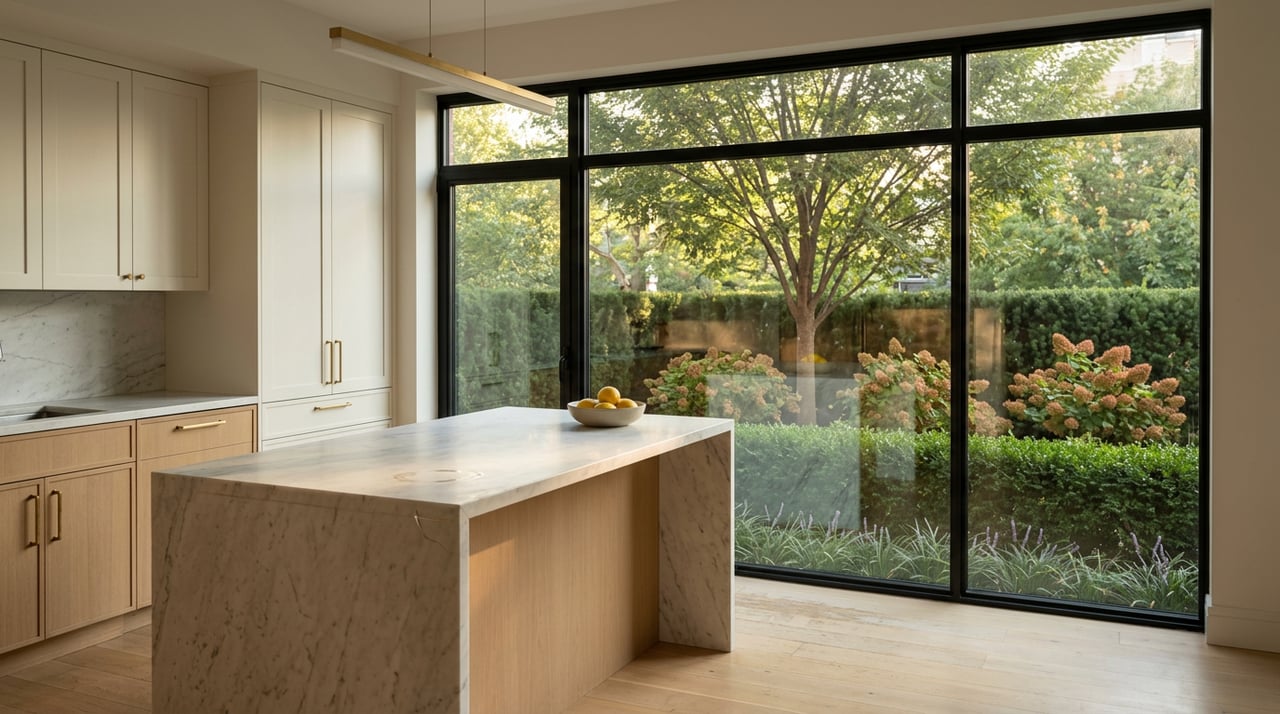
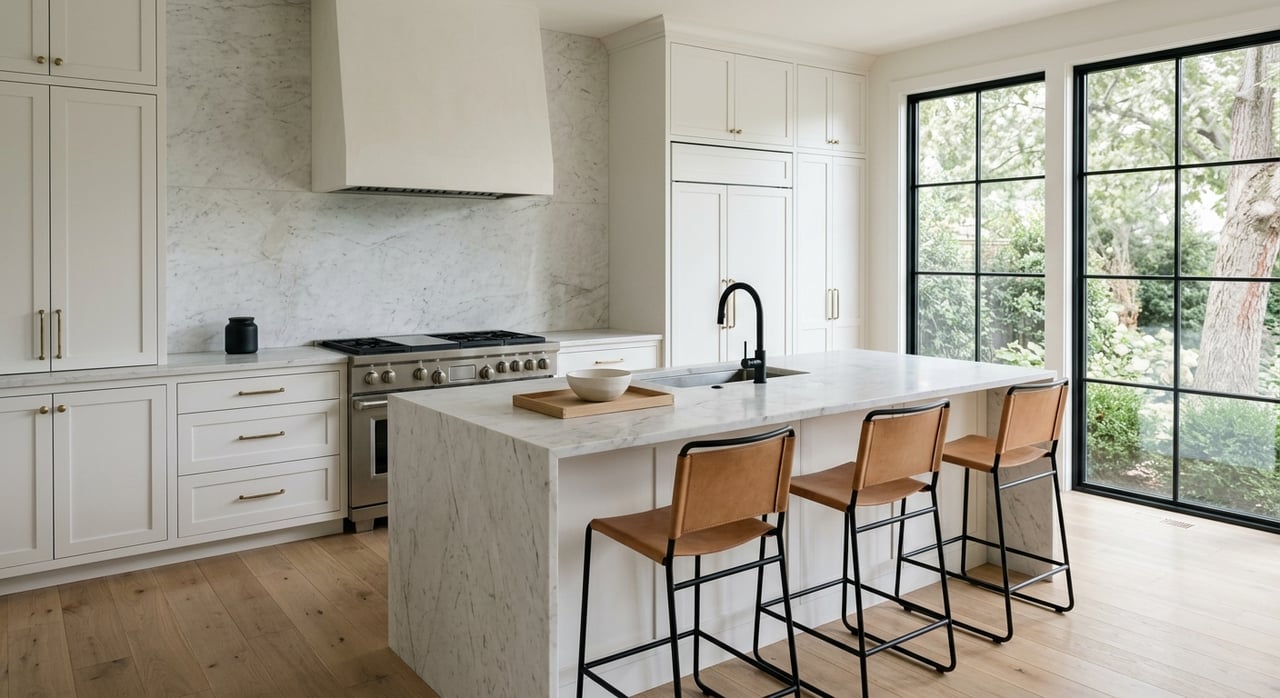
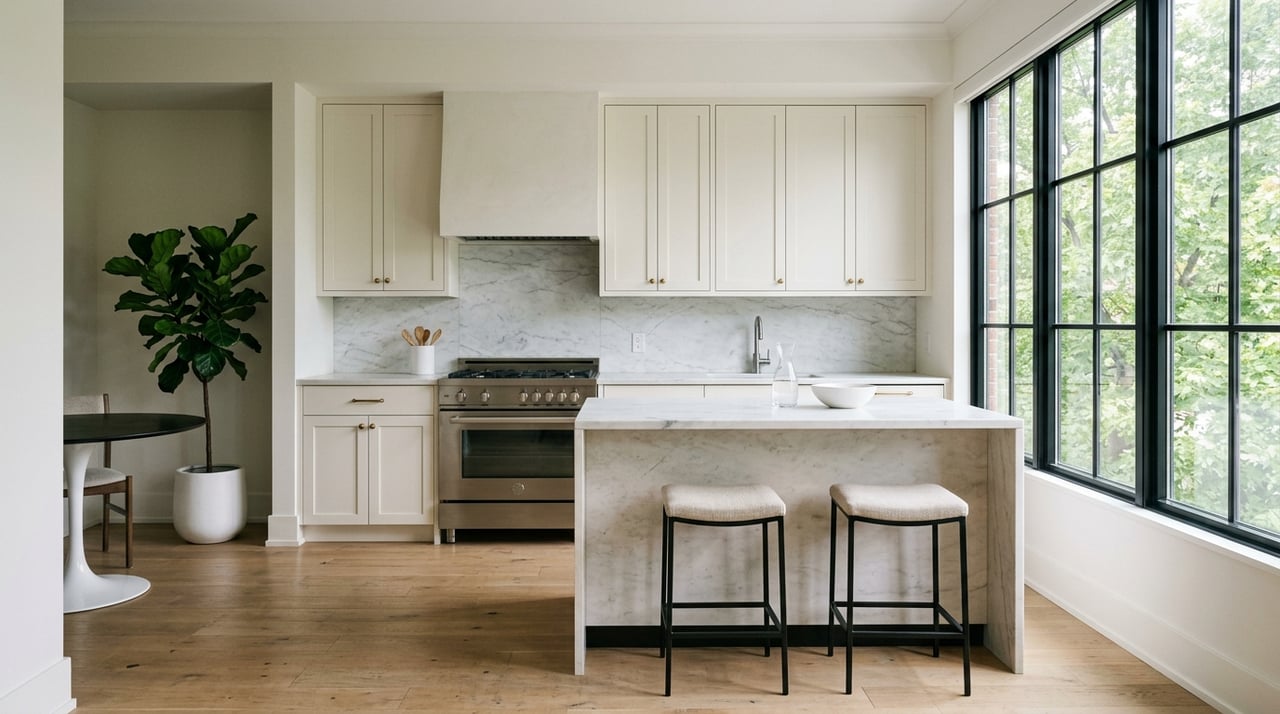
The same report found that the living room, primary bedroom, and kitchen are the most important rooms to stage. It also showed that buyers respond strongly to listing photos, physical staging, video, and virtual tours.
What staging should feel like in Druid Hills
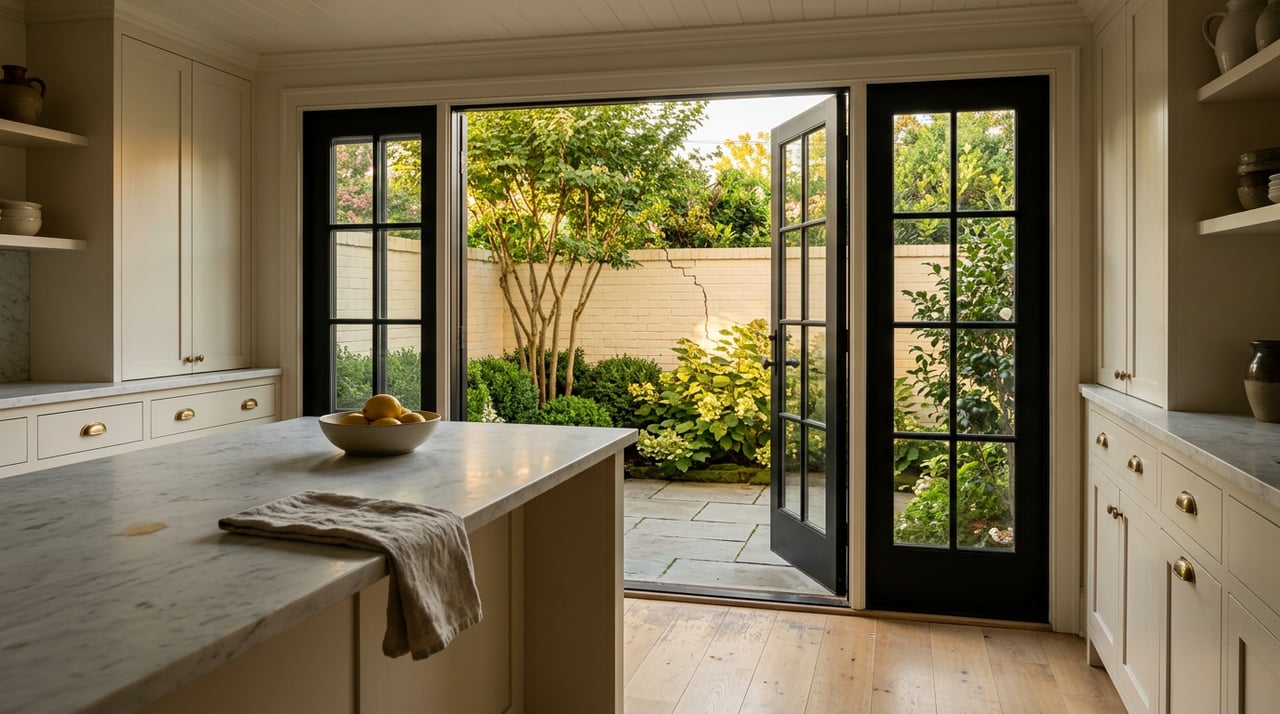
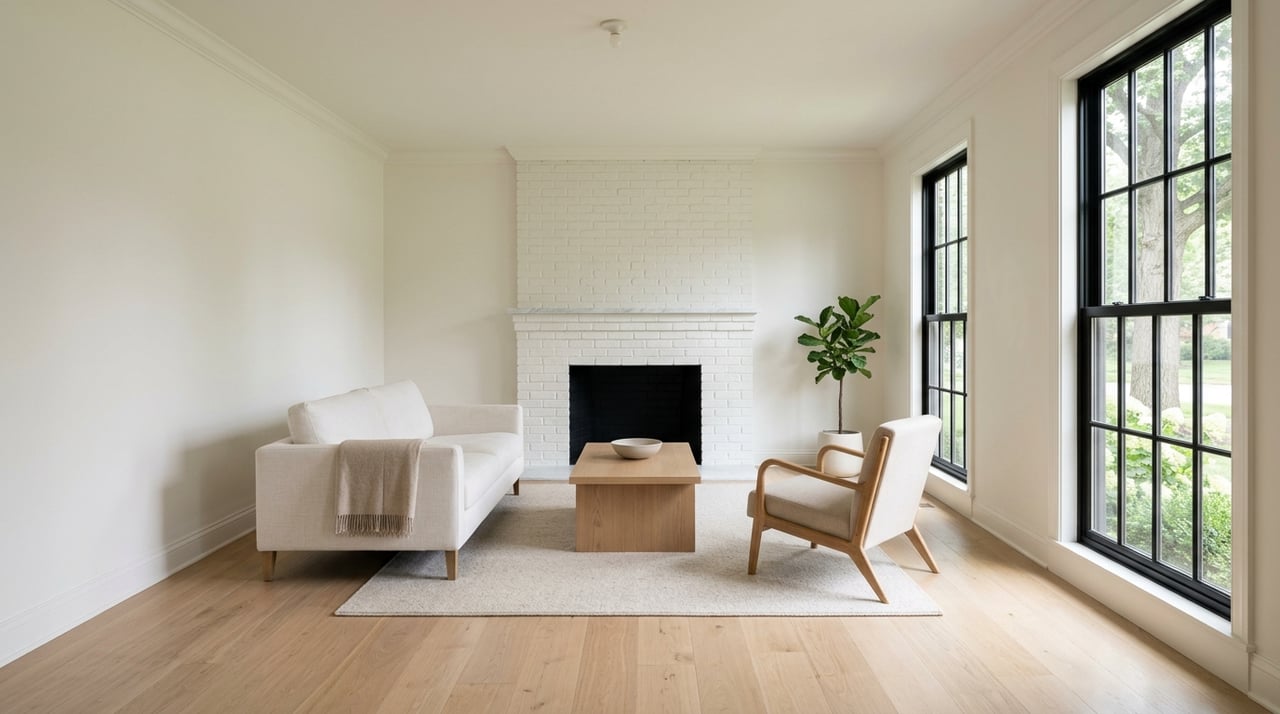
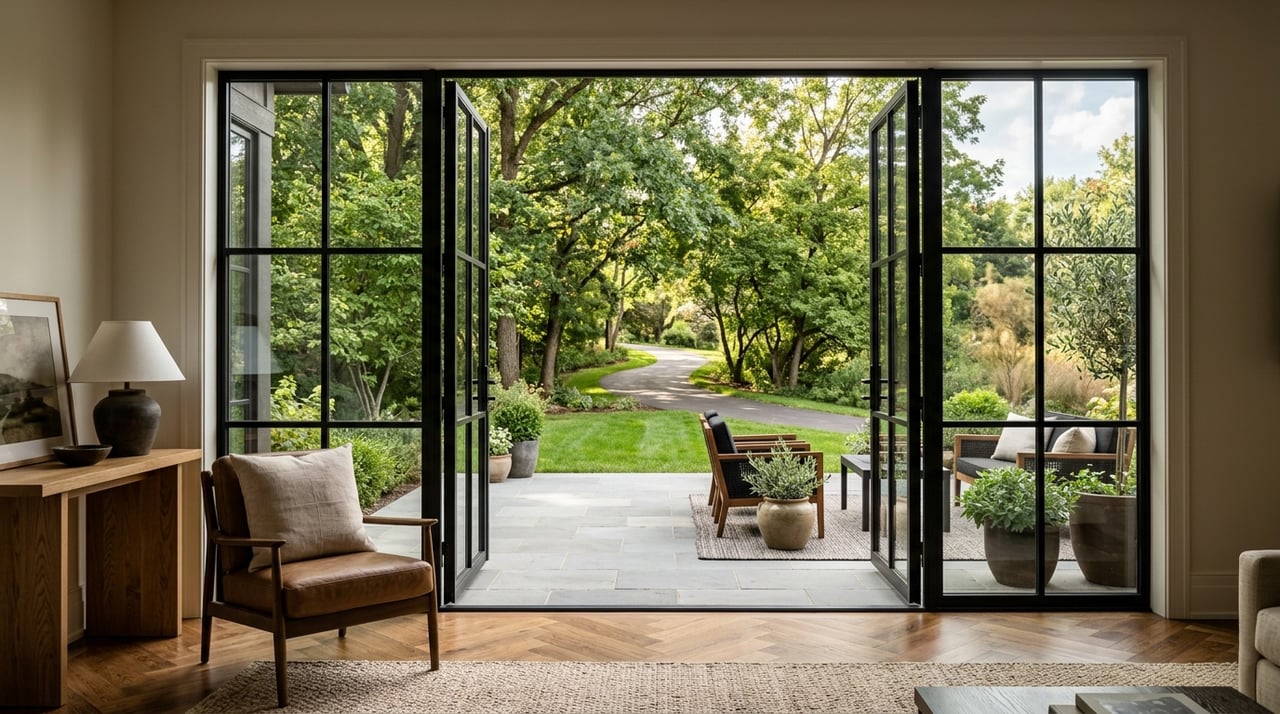
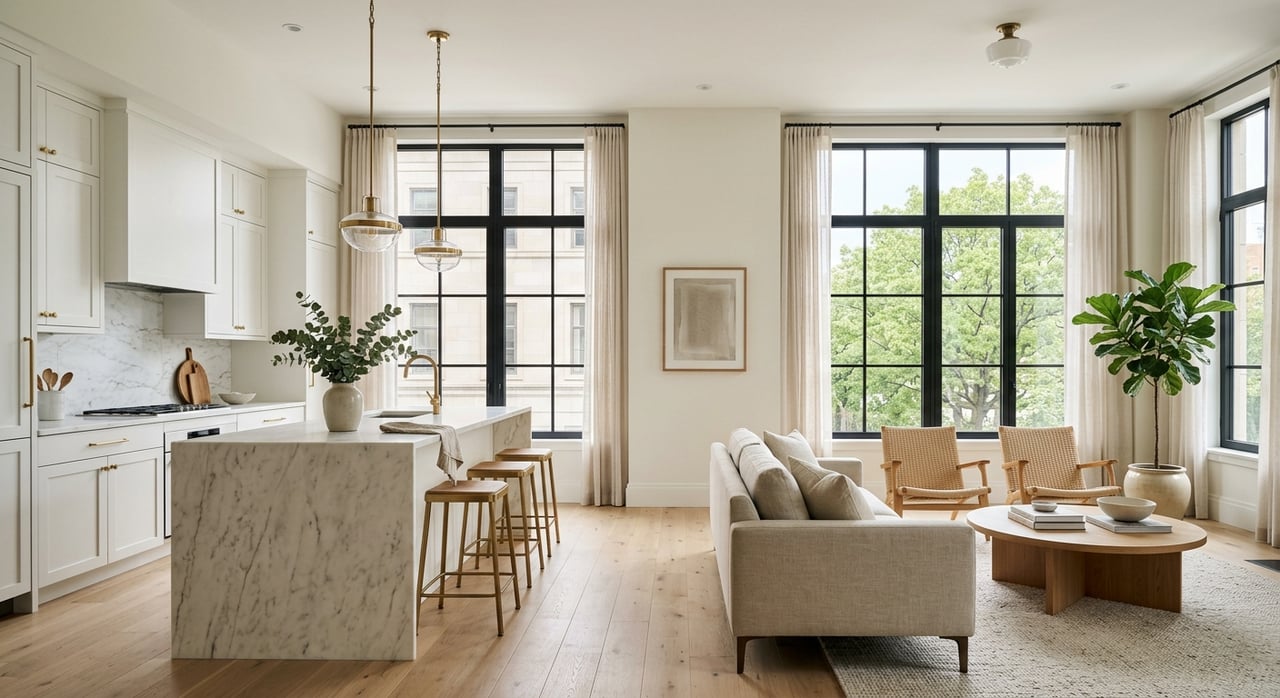
In a historic Druid Hills home, staging works best when it supports the architecture instead of overpowering it. Neutral, restrained furnishings usually allow windows, millwork, masonry, and room proportions to stay center stage.
If the home is vacant, leaving it empty can create a weak impression. Even light, selective furniture and accessories can help define scale, improve photos, and make it easier for buyers to picture everyday life in the space.
The staging basics worth doing
The most common and effective recommendations are still the simplest:
- Declutter thoroughly
- Deep clean every room
- Edit bulky or distracting furniture
- Add light staging in key rooms
- Refresh curb appeal before photography
When done well, these steps make your home feel calm, cared for, and market-ready.
Ask these questions before spending money
Before you commit to a pre-listing budget, pause and pressure-test the plan. In Druid Hills, a few smart questions can keep you from overspending or taking the wrong path.
Pre-listing checklist for Druid Hills sellers
- Does the project change exterior appearance?
- Does it affect the roofline, facade, windows, porch, fence, steps, or landscape features?
- Is your property in DeKalb County or the City of Atlanta portion of Druid Hills?
- Can the original feature be repaired instead of replaced?
- Will tree work require notice or documentation?
- Will the finished result photograph as a cohesive historic home?
If the answer to any of these raises uncertainty, it is worth slowing down before writing checks.
The best transformation is often strategic
A successful Druid Hills pre-listing transformation usually is not about making the home look brand new. It is about helping buyers see that the home has been carefully maintained, thoughtfully improved, and presented in a way that respects its setting.
That means protecting character-defining features, prioritizing visible repairs, making compatibility-minded upgrades, and staging the home so its architecture reads clearly from the first listing photo to the final showing. In a neighborhood like Druid Hills, that strategy often creates the strongest result.
If you are thinking about selling and want a smart, neighborhood-specific plan for what to update before you list, Molly Carter Gaines can help you map out the right improvements, presentation strategy, and next steps.
FAQs
What should you fix before listing a Druid Hills home?
- Start with visible repairs that protect the home’s character, such as trim, porches, masonry, lighting, walkways, and original architectural details.
Do Druid Hills sellers need approval for exterior changes?
- In designated historic areas, exterior work that causes a material change in appearance may require review, so you should confirm the rules based on your property’s jurisdiction before starting work.
Should you replace original windows in a Druid Hills home?
- Local guidance favors repairing original windows where possible and using compatible replacements only when repair is not a practical option.
Does tree removal matter when preparing a Druid Hills home for sale?
- Yes. In DeKalb County, certain tree removals may require notice or documentation, especially for significant or specimen-size trees.
Is staging worth it for a Druid Hills listing?
- Staging can help buyers visualize the home, strengthen listing photos, and support faster sales, especially in key spaces like the living room, primary bedroom, and kitchen.