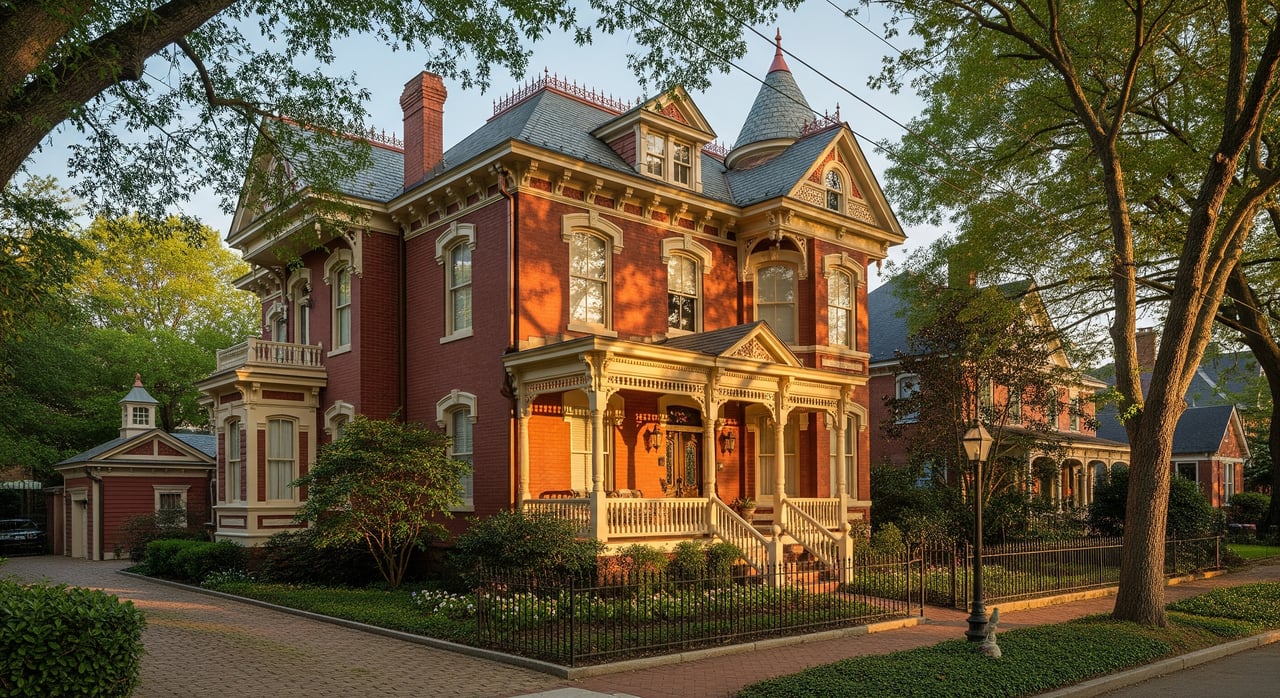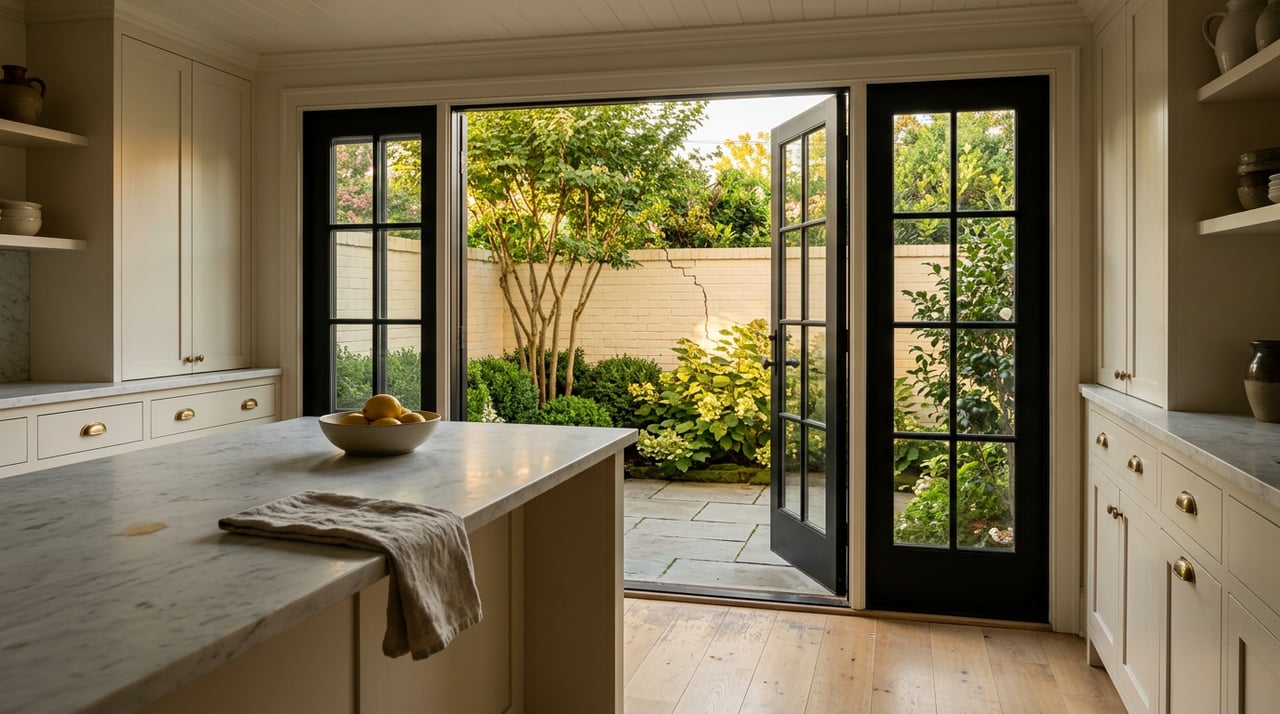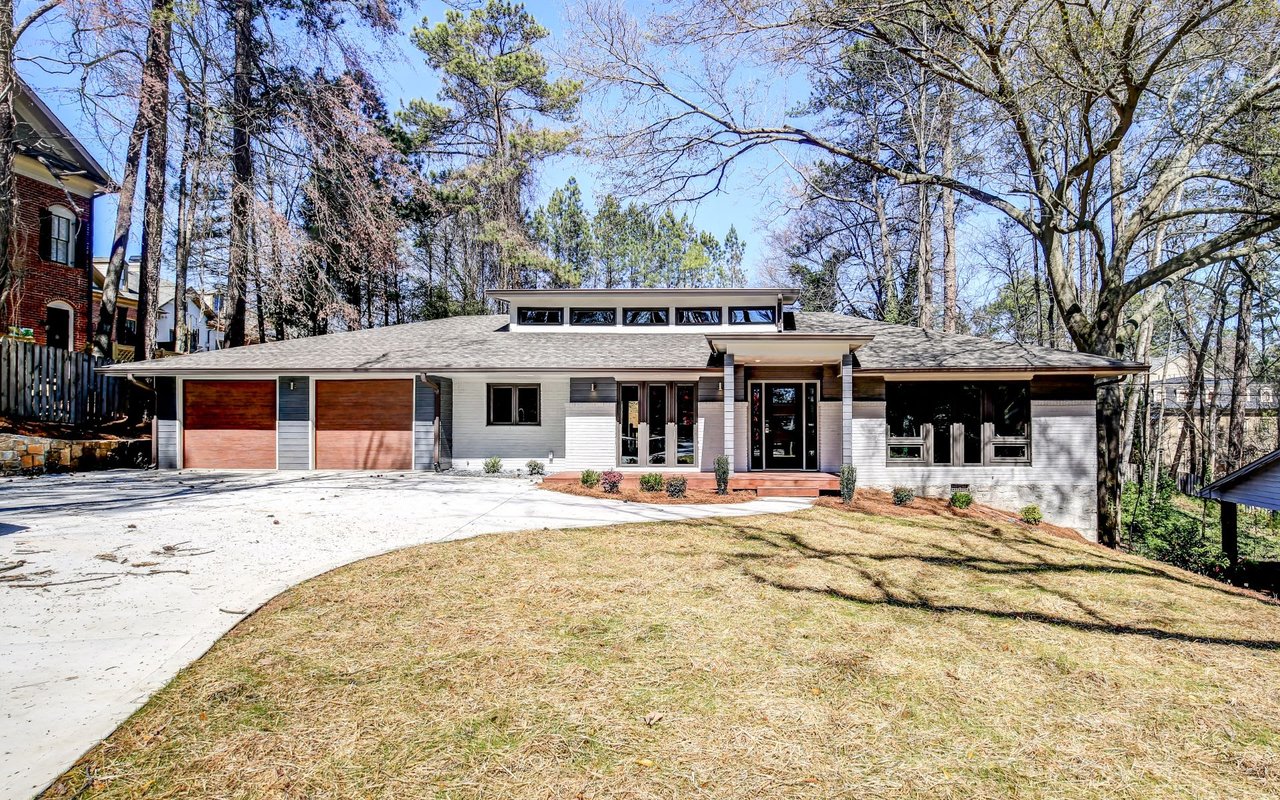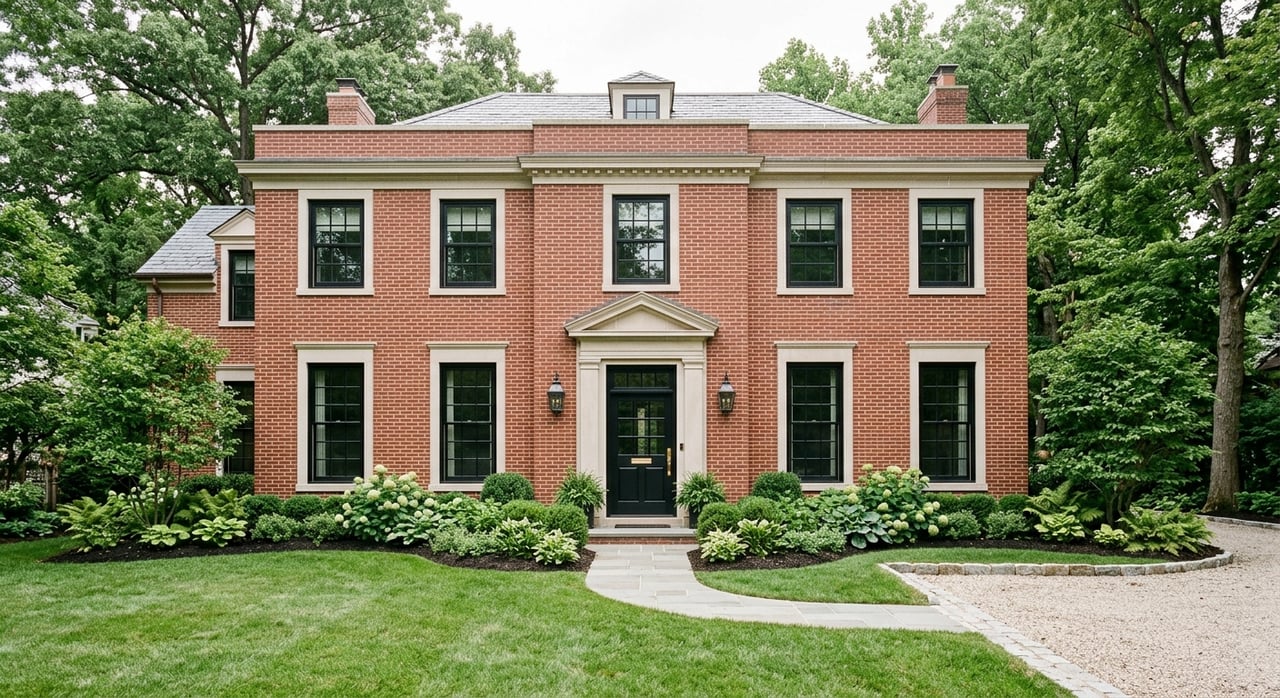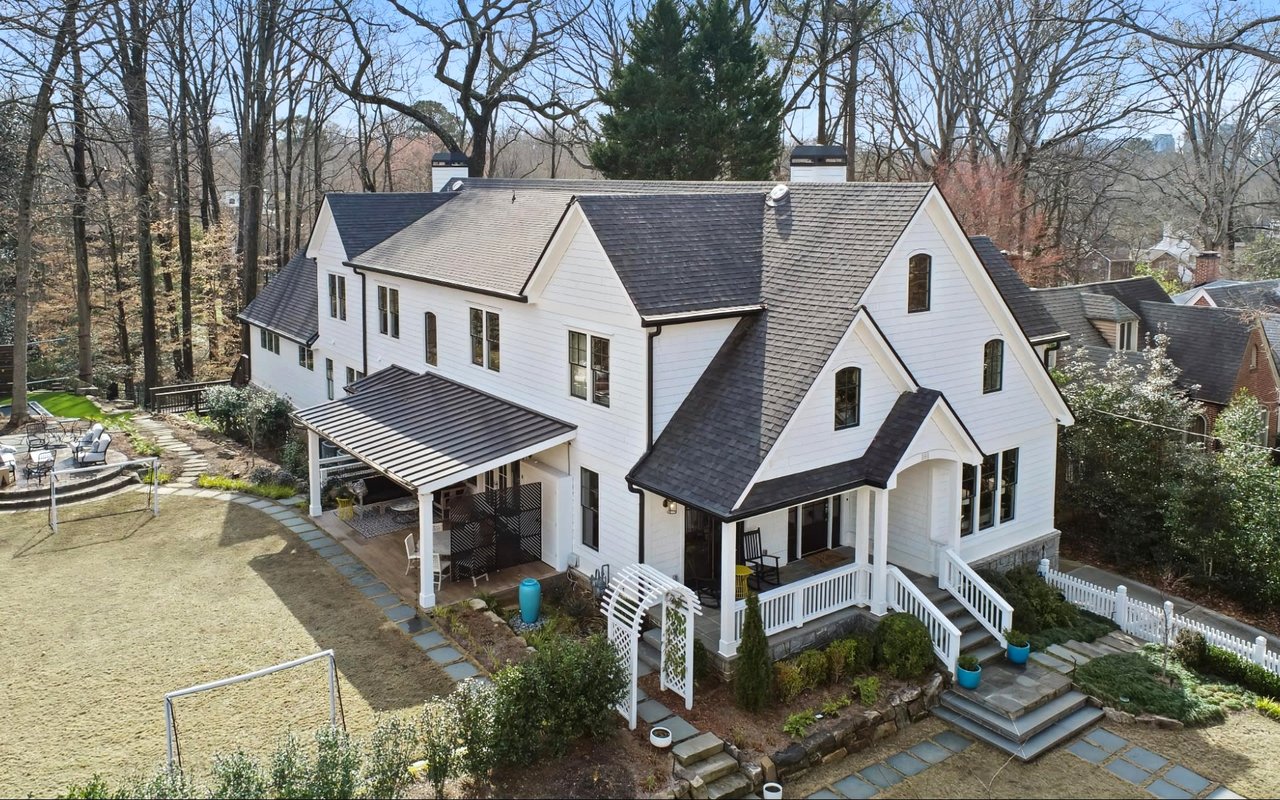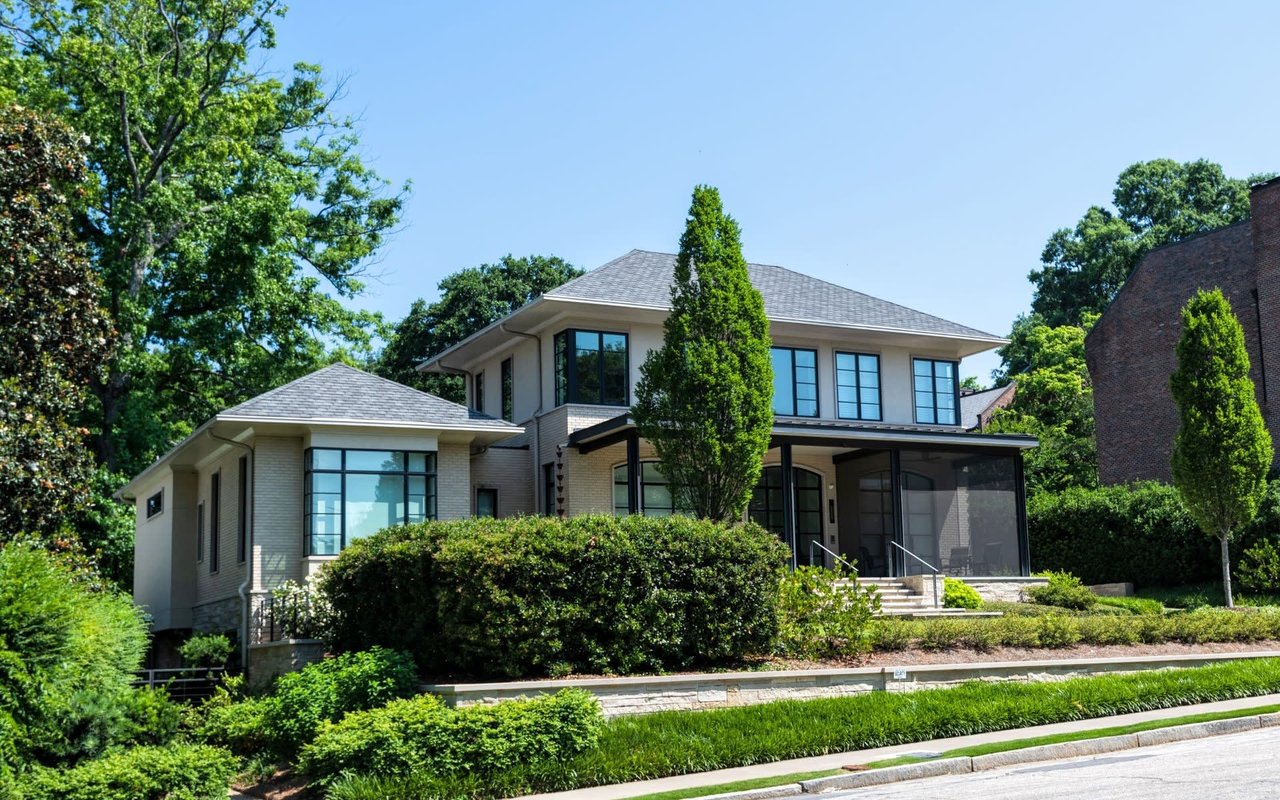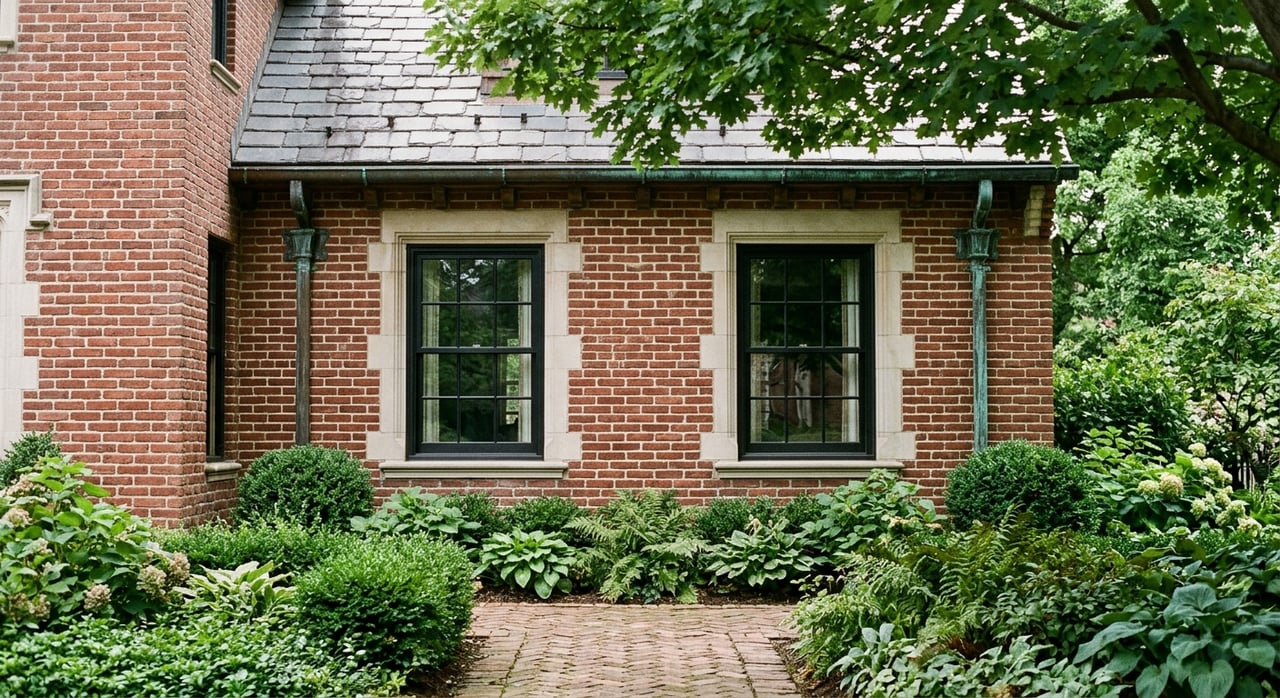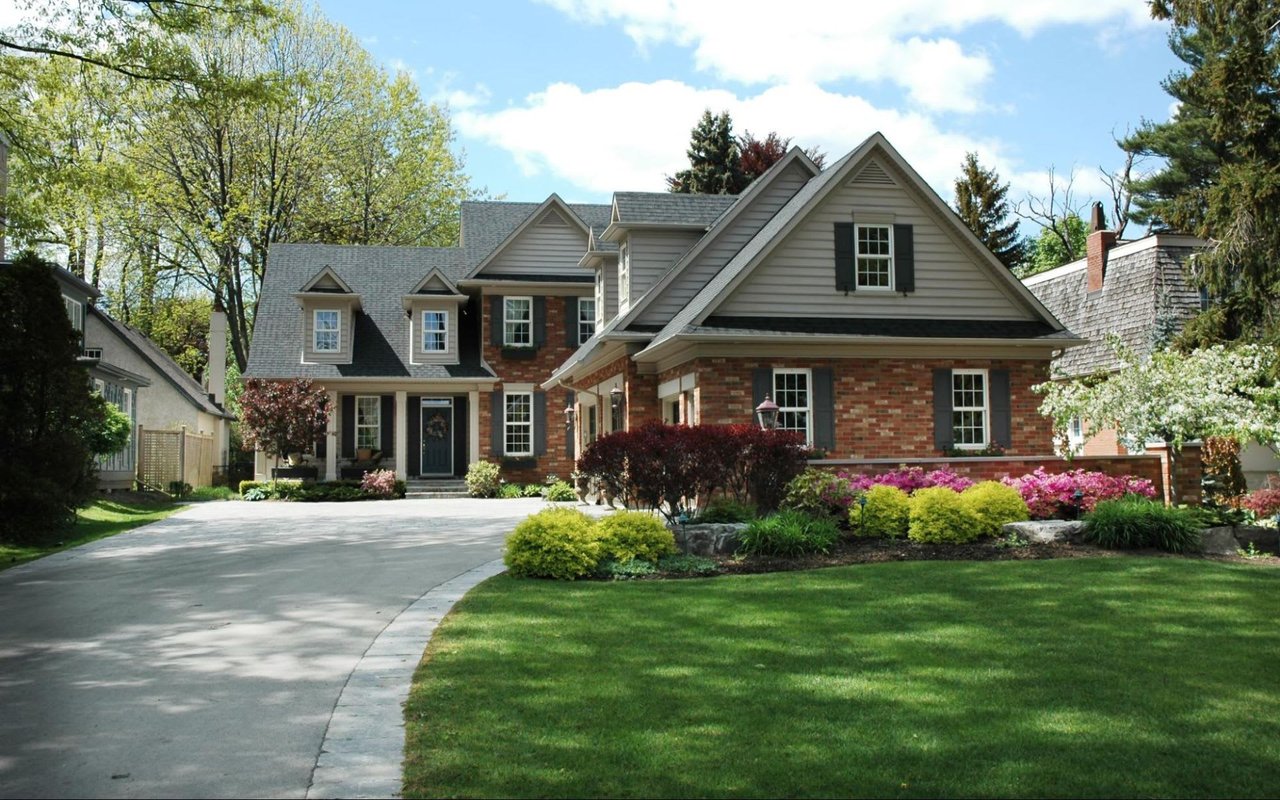
If you have ever walked Virginia-Highland and wondered why one block feels full of inviting front porches while another leans more storybook or stately, the answer is architecture. This neighborhood has a remarkably intact early 20th-century character, and that variety is a big part of its appeal for buyers, sellers, and renovation-minded homeowners. Understanding the major home styles here can help you spot value, plan updates wisely, and appreciate what makes Virginia-Highland so distinctive. Let’s dive in.
Why Virginia-Highland Feels So Cohesive
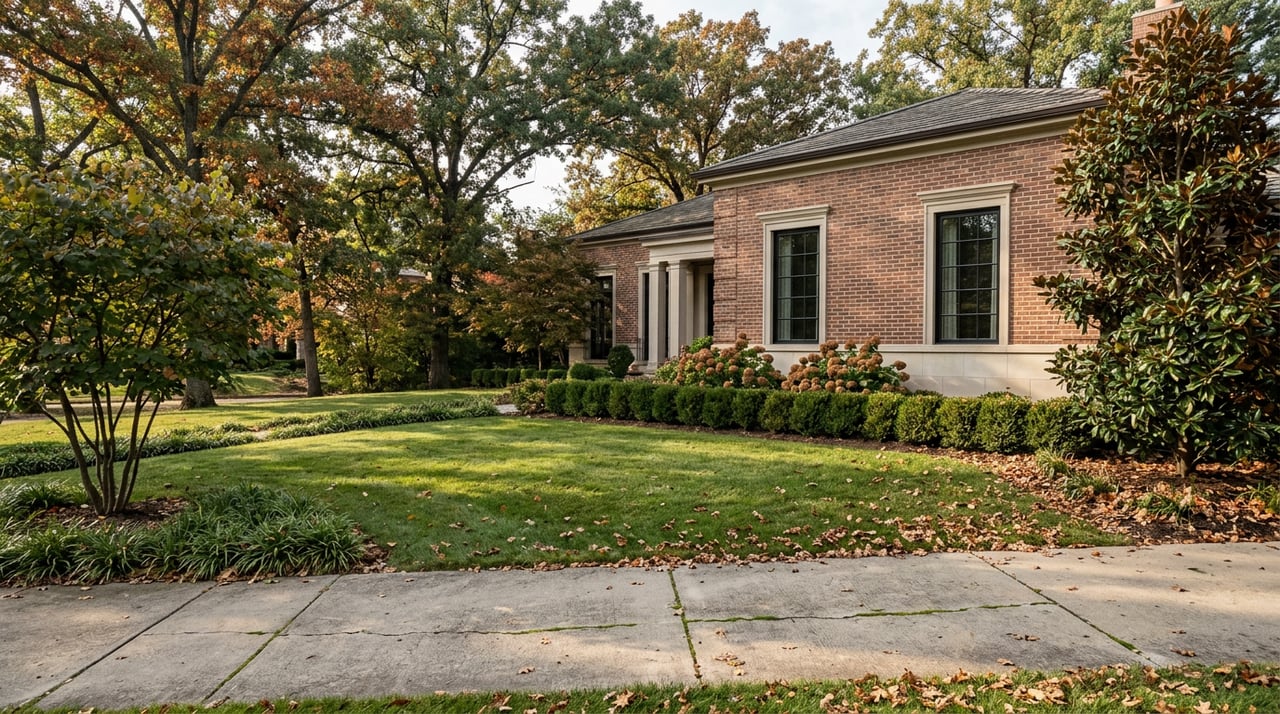
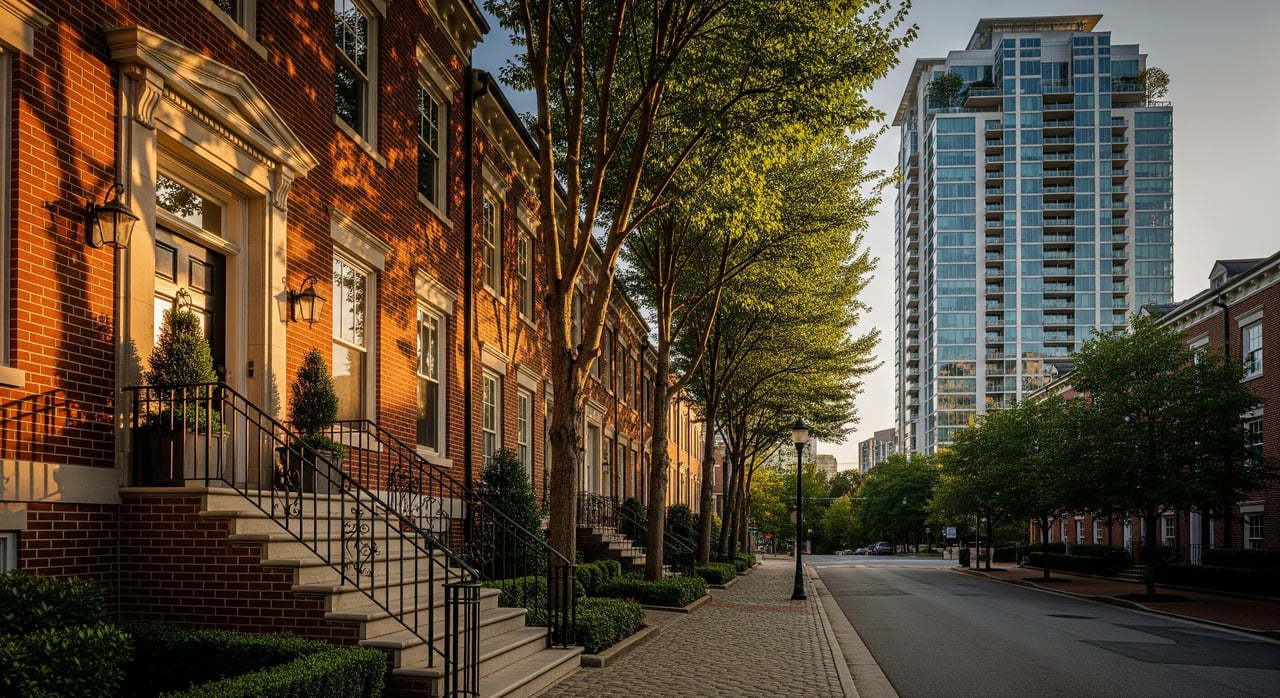
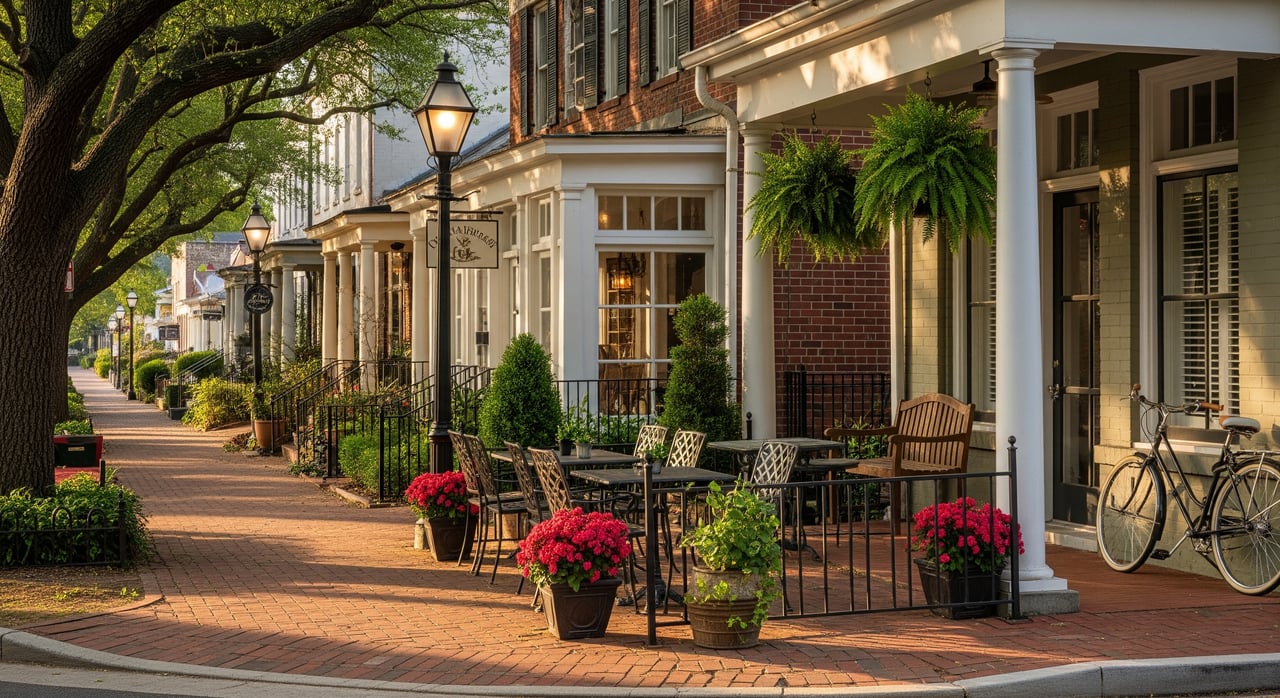
Virginia-Highland developed primarily between 1905 and 1936, which helps explain why the neighborhood feels visually connected even though the homes are not all the same style. The area is recognized as a historic district on the National Register, and its streetscape is defined by low-rise housing, mature trees, and a traditional neighborhood pattern that supports walking to parks, shops, and restaurants.
That consistency matters when you are evaluating a home here. In Virginia-Highland, value is often tied not just to the house itself, but to how well it fits the neighborhood’s established scale, rhythm, and historic fabric.
Craftsman Bungalows Define The Neighborhood
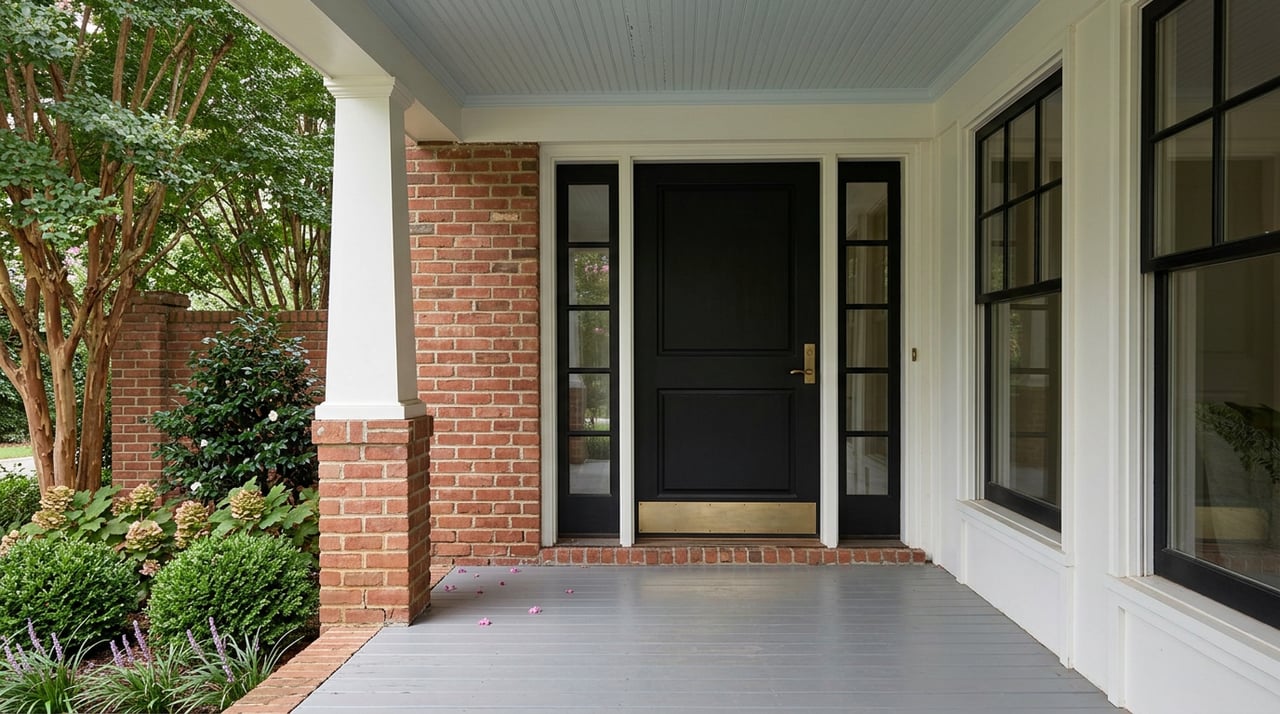
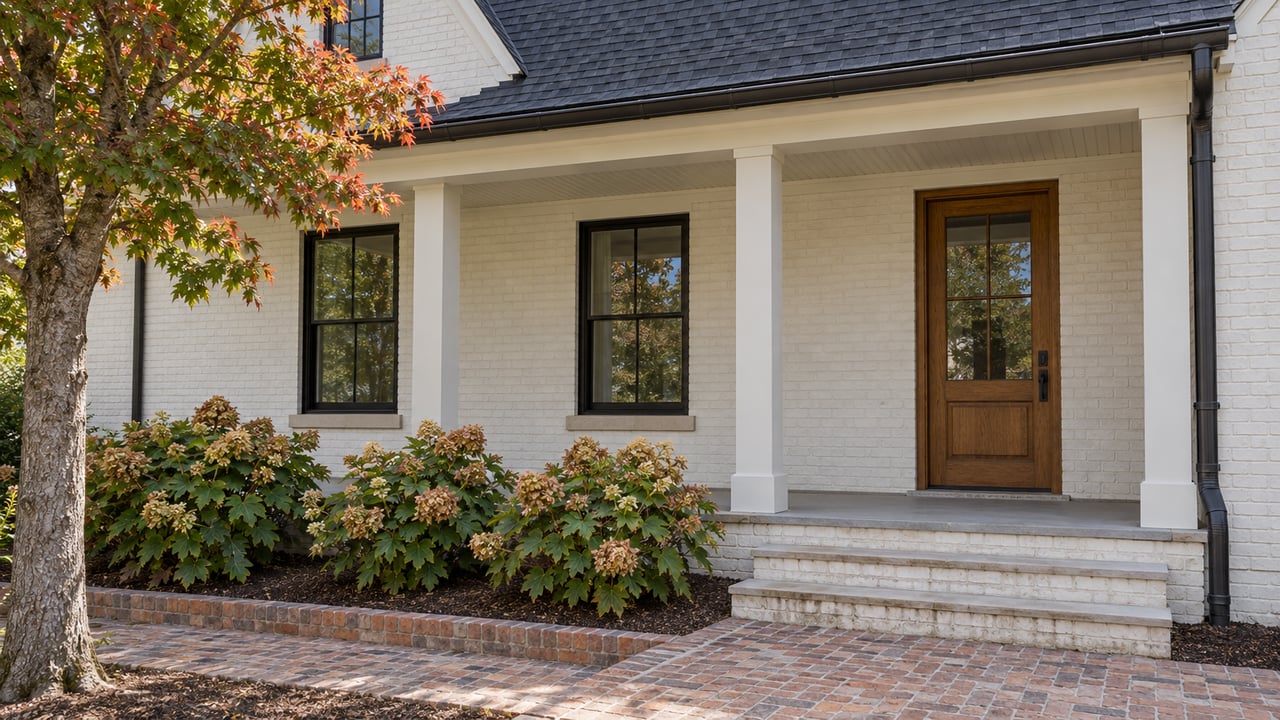
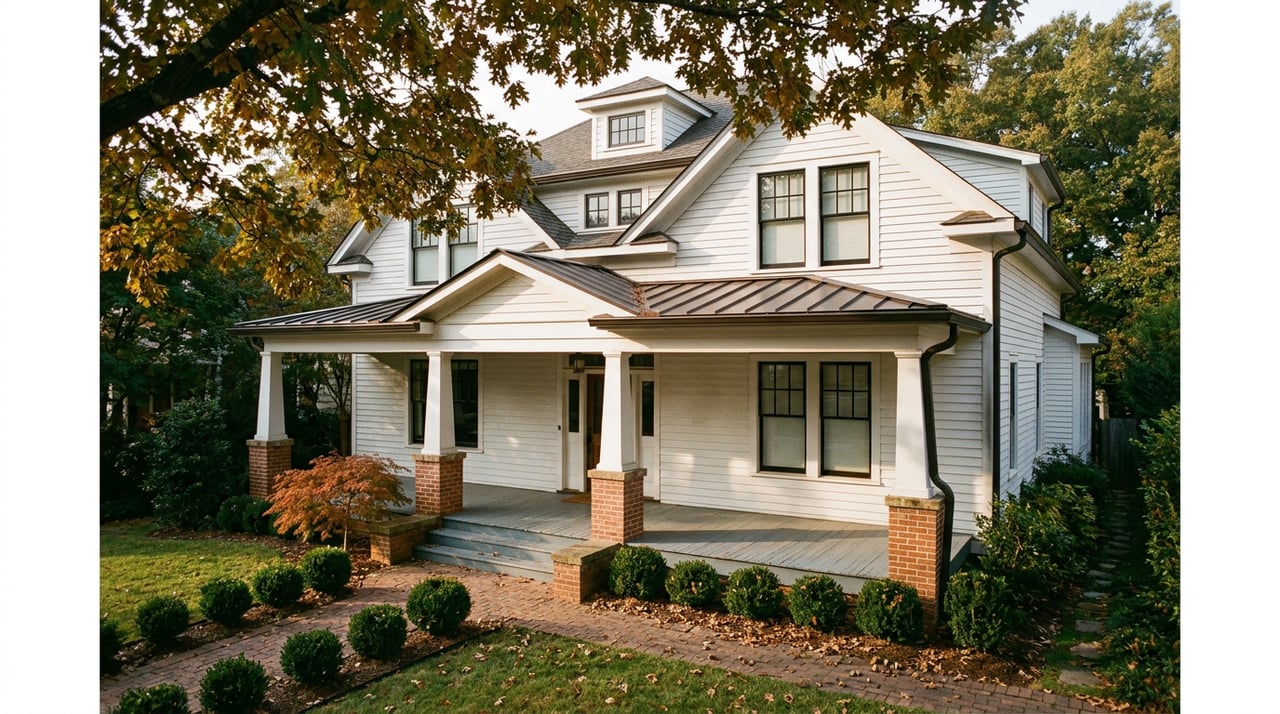
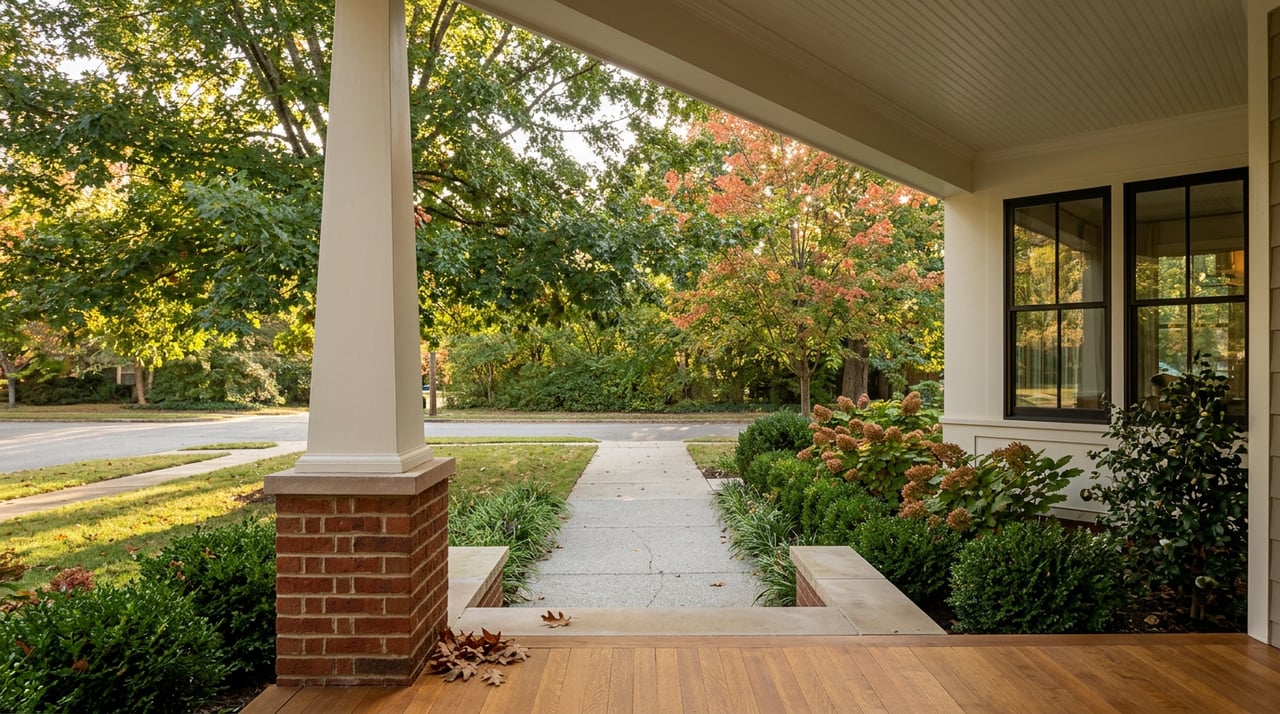
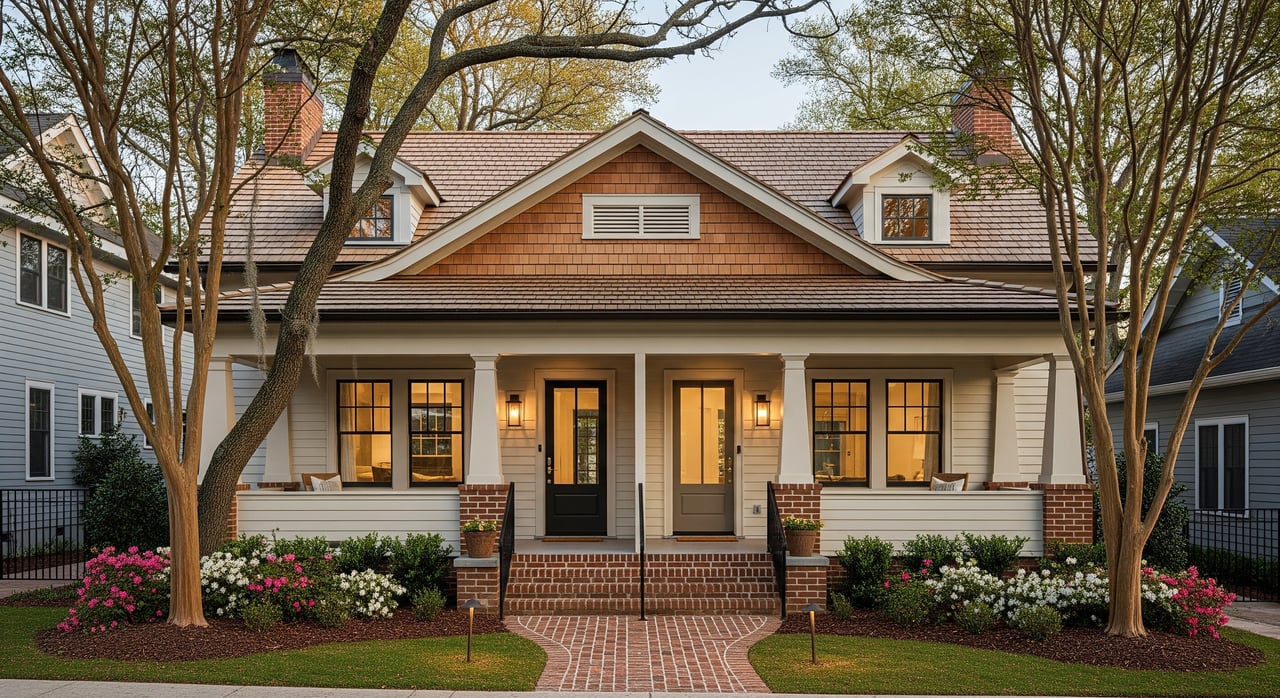
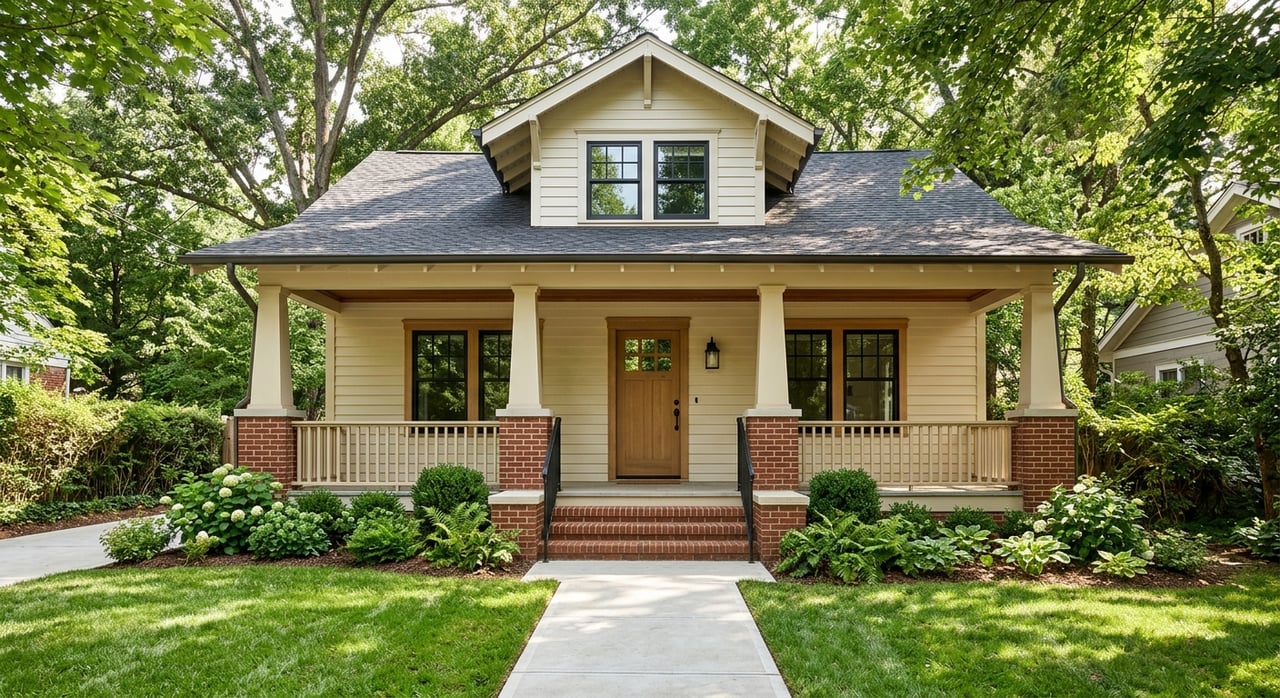
If there is one house type that forms the backbone of Virginia-Highland, it is the bungalow. The neighborhood includes many Craftsman-influenced bungalows, and they are among the most recognizable homes in the district.
These houses are usually one to one-and-a-half stories and were designed to place most daily living on one level. That practical layout still appeals to buyers today, especially if you want a home that feels efficient, approachable, and connected to the outdoors.
What To Look For In A Bungalow
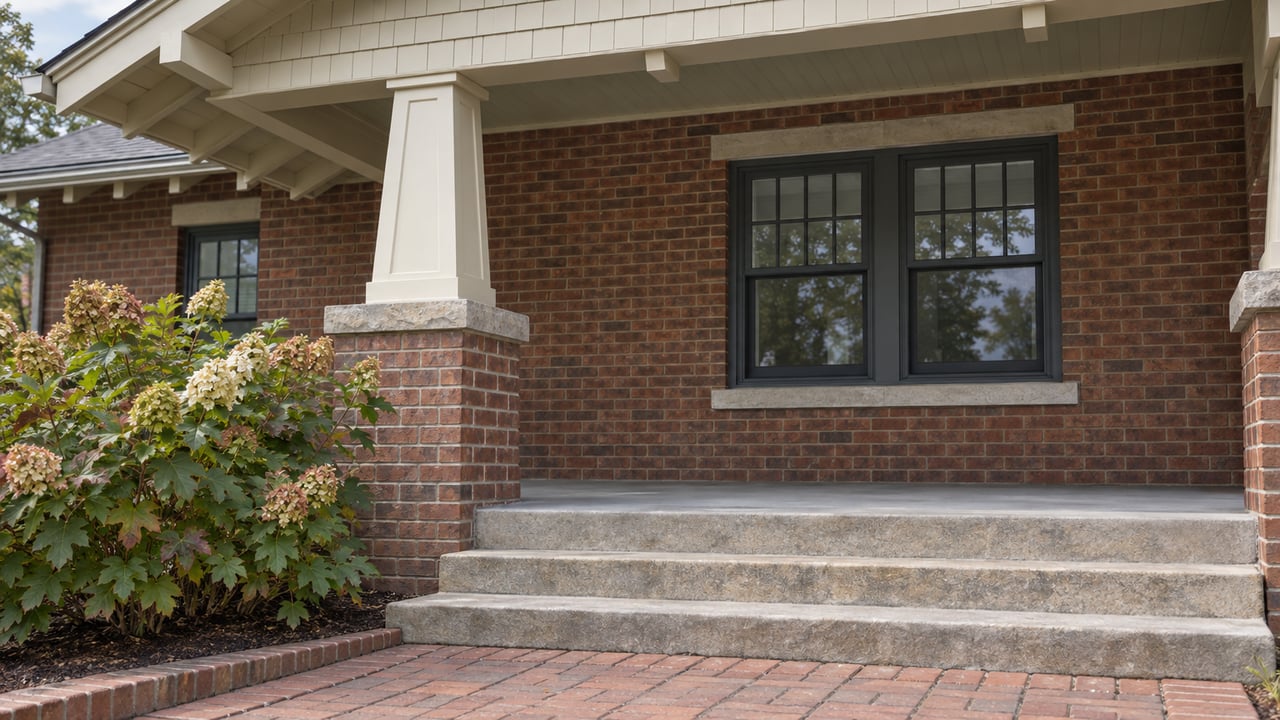
Virginia-Highland bungalows often include:
- Wide overhanging eaves
- Exposed rafters
- Grouped windows
- Front porches with gables
- Brick piers on granite posts
- Shed-roof dormers
- Porte cocheres on some homes
Many also sit comfortably on their lots with a low, grounded look that gives the streetscape a relaxed and welcoming feel.
Why Buyers Love Bungalows
Bungalows tend to be easy to understand from a living-pattern standpoint. You often get practical circulation, strong porch presence, and rooms that feel connected without excessive formality.
For many buyers, that means a home that works well day to day. It can also mean fewer stairs and a layout that adapts nicely to modern updates when handled thoughtfully.
What To Watch During Renovation
Bungalows can offer strong renovation potential, especially through:
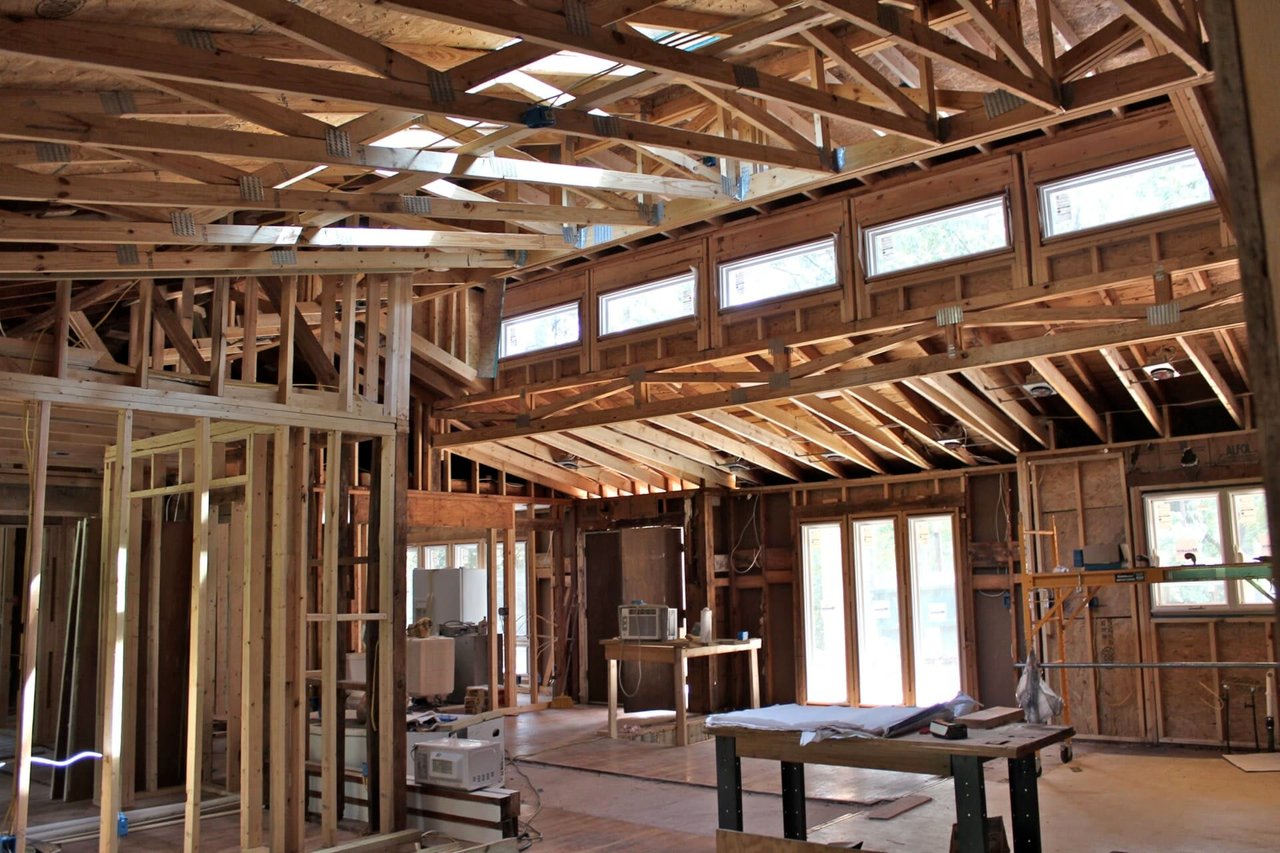
- Rear additions
- Attic finishes
- Kitchen reconfigurations
- System upgrades that preserve original character
The key is keeping the street-facing elements intact. Porch design, roof pitch, window rhythm, and trim details do a lot of the visual work, so updates usually feel most successful when they improve function without changing the front-facing identity of the house.
Tudors And English Cottages Add Storybook Charm
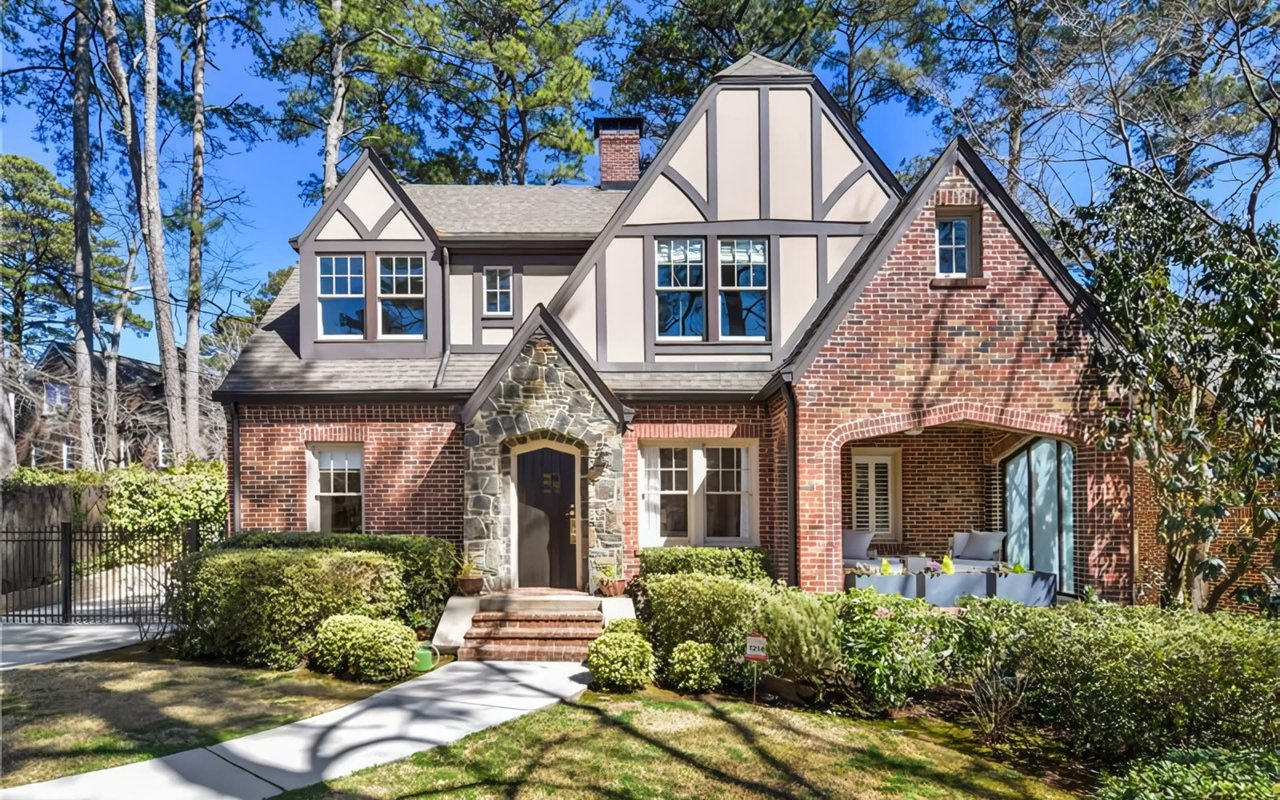
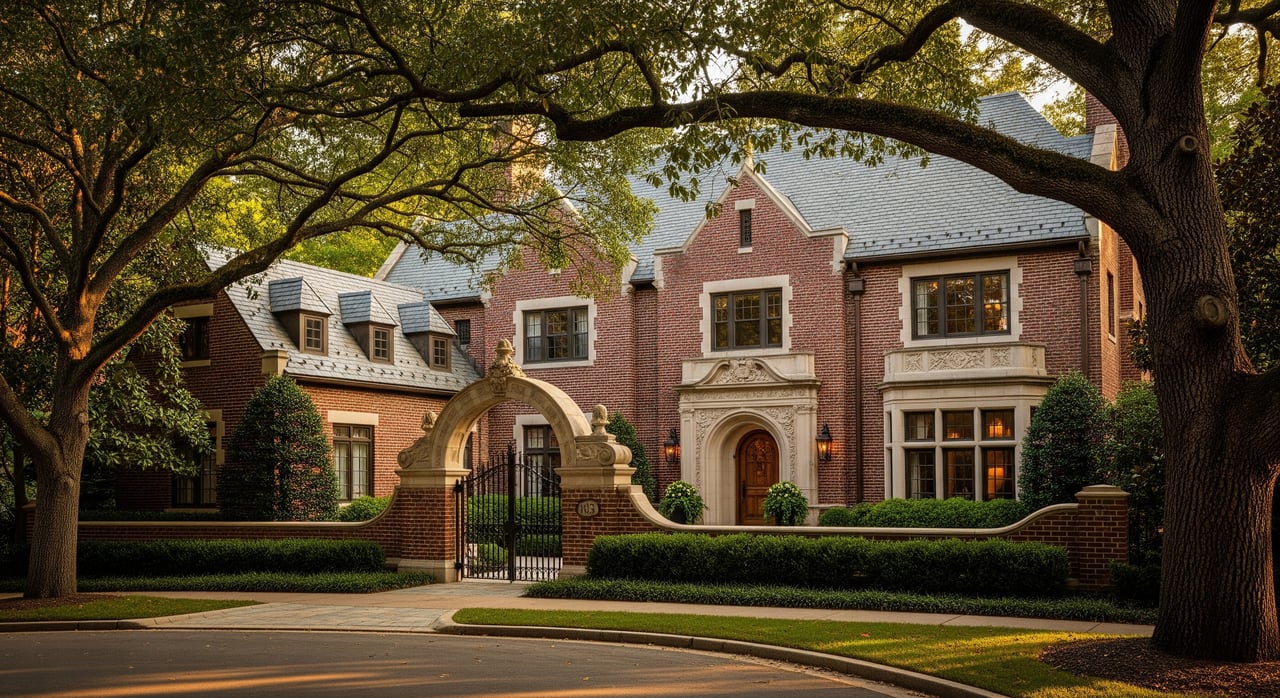
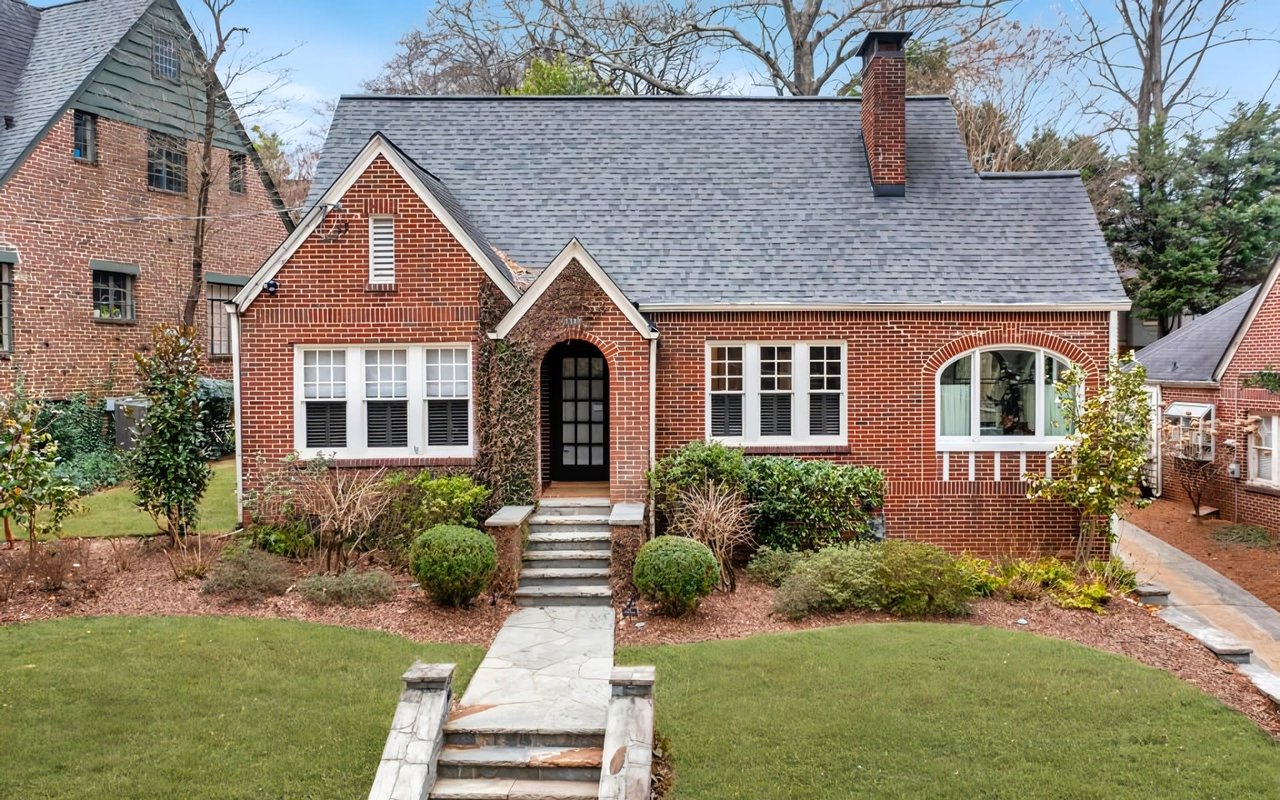
Virginia-Highland is not a one-style neighborhood, and that becomes clear when you start noticing its English-inspired homes. Some are described as Tudor Revival, while others are more accurately categorized as English Vernacular Revival cottages.
In everyday conversation, many buyers call both of them Tudors. In practice, what matters most is that these homes bring a more picturesque, cottage-like look to the neighborhood.
Common Tudor Features In Virginia-Highland
These homes often include:
- Steeply pitched gable roofs
- Dominant front-facing gables
- Decorative half-timbering
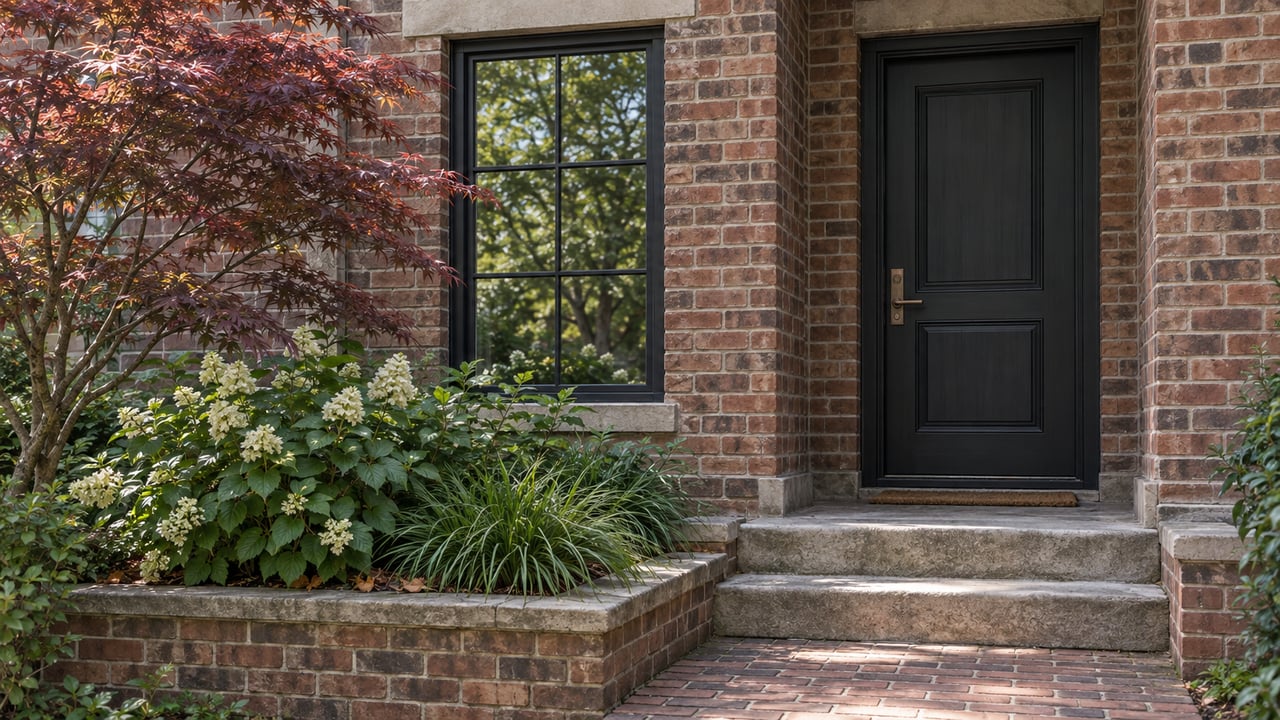
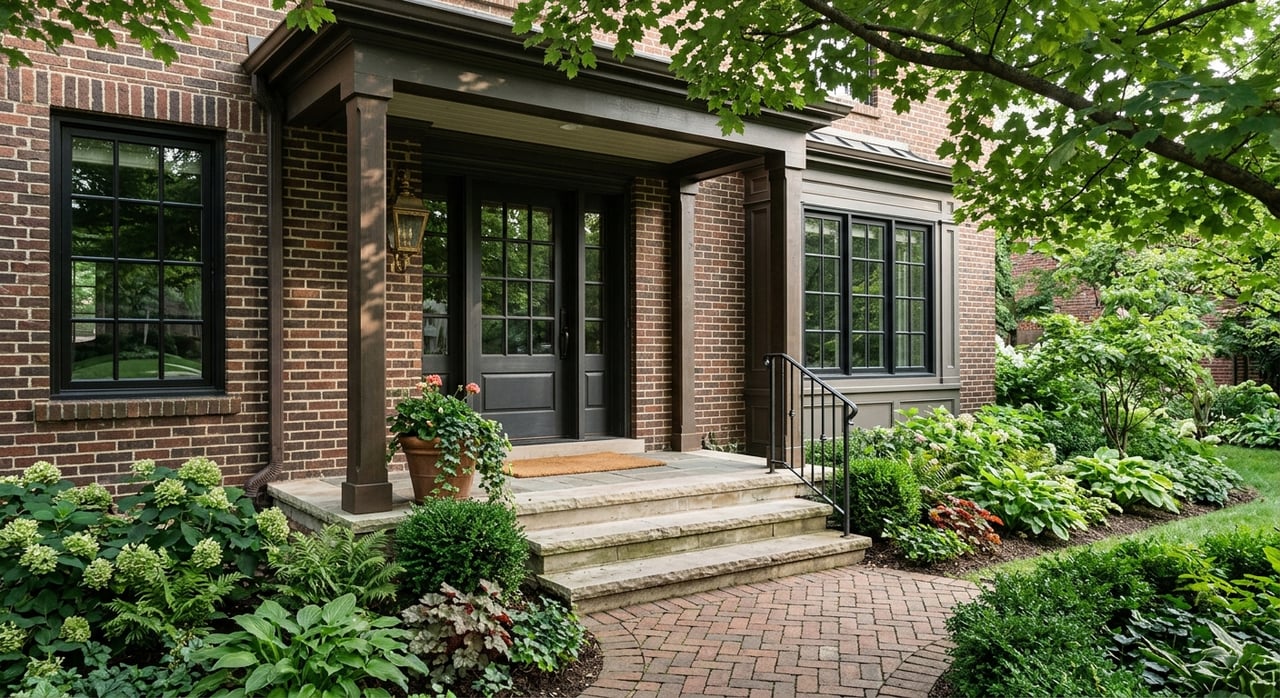
- Brick exteriors with stucco or stone accents
- Tall, narrow multi-paned windows
- Prominent chimneys
This mix of materials and roof shapes gives the homes a distinct personality. They can feel cozy from the street while still offering interiors that function well for modern living.
How Tudor-Style Homes Live
While the exterior may look quaint or highly detailed, these homes often have a more comfortable interior flow than buyers expect. Preservation guidance notes that period revival homes commonly featured larger, fewer rooms and more open plans than the earlier buildings they referenced.
That means you may find a house that feels romantic outside and surprisingly usable inside. It is one reason these homes continue to stand out with design-conscious buyers.
Renovation Strategy For Tudors
Tudor and English cottage homes usually reward restraint. Their charm comes from the roofline, gable geometry, chimney mass, and material mix, so the front elevation benefits from a light touch.
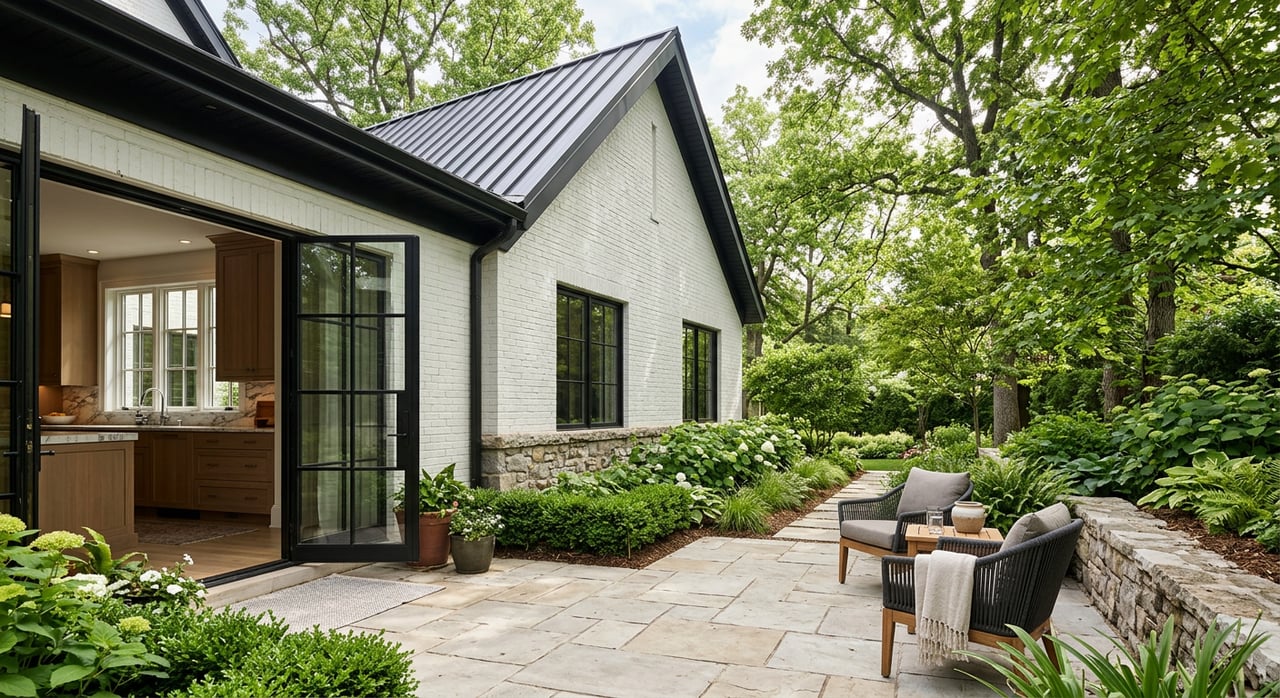
When updates are needed, rear additions or less-visible side additions often make the most sense. That approach preserves the storybook character from the street while creating room for a larger kitchen, family room, or primary suite behind the original form.
Colonial And Neoclassical Homes Feel More Formal
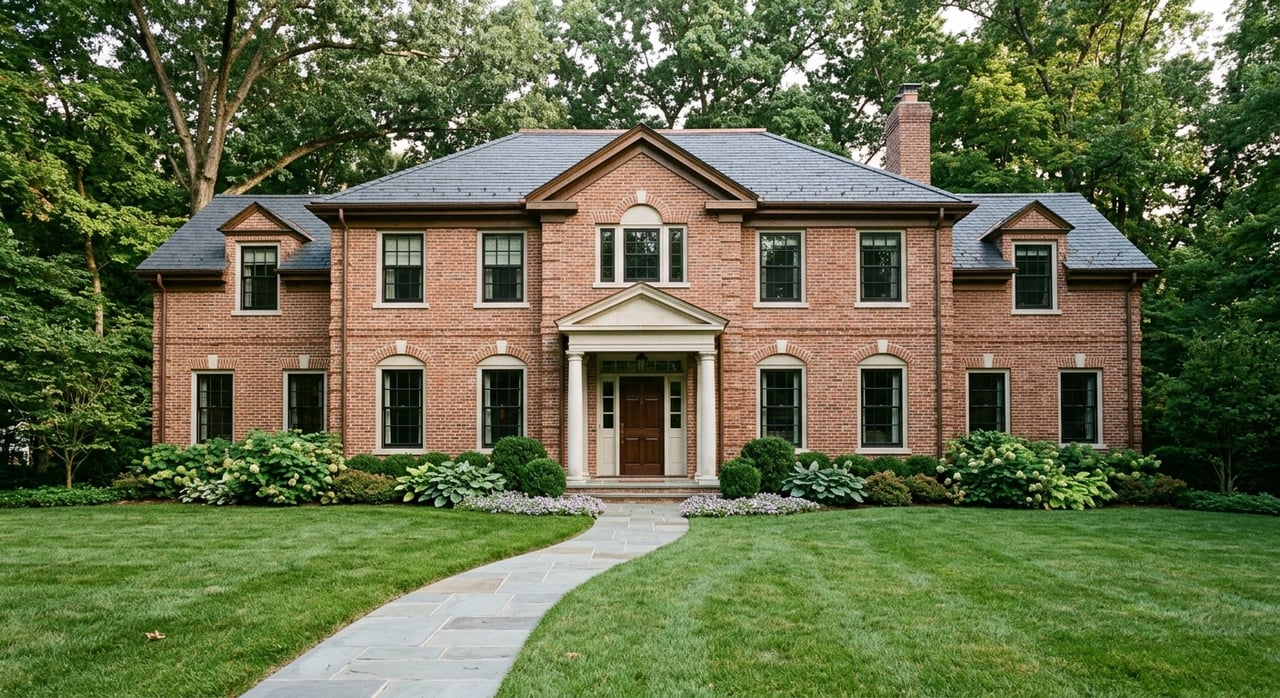
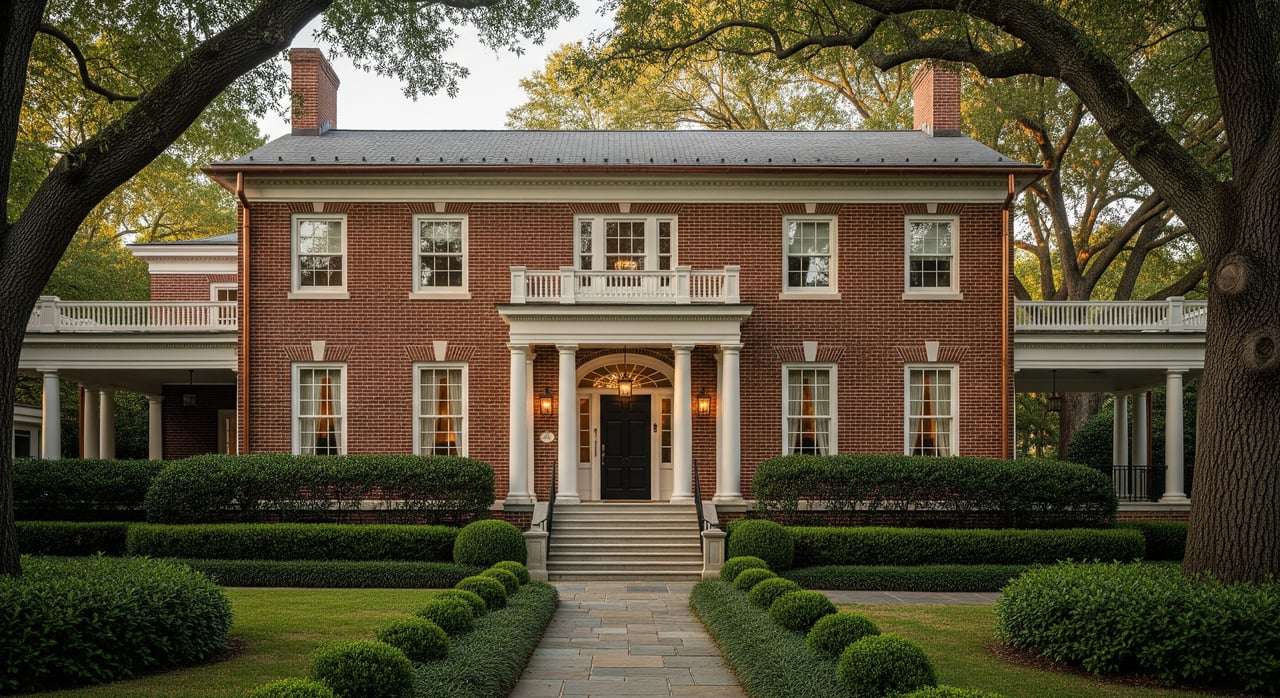
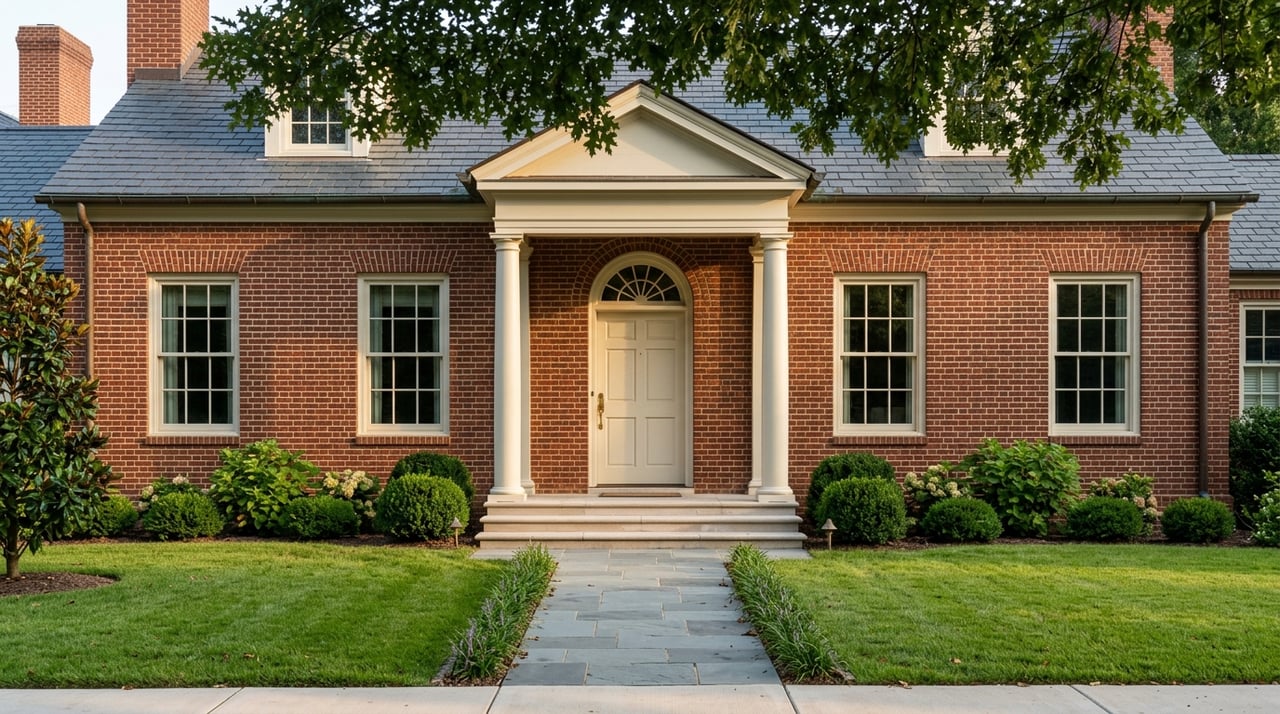
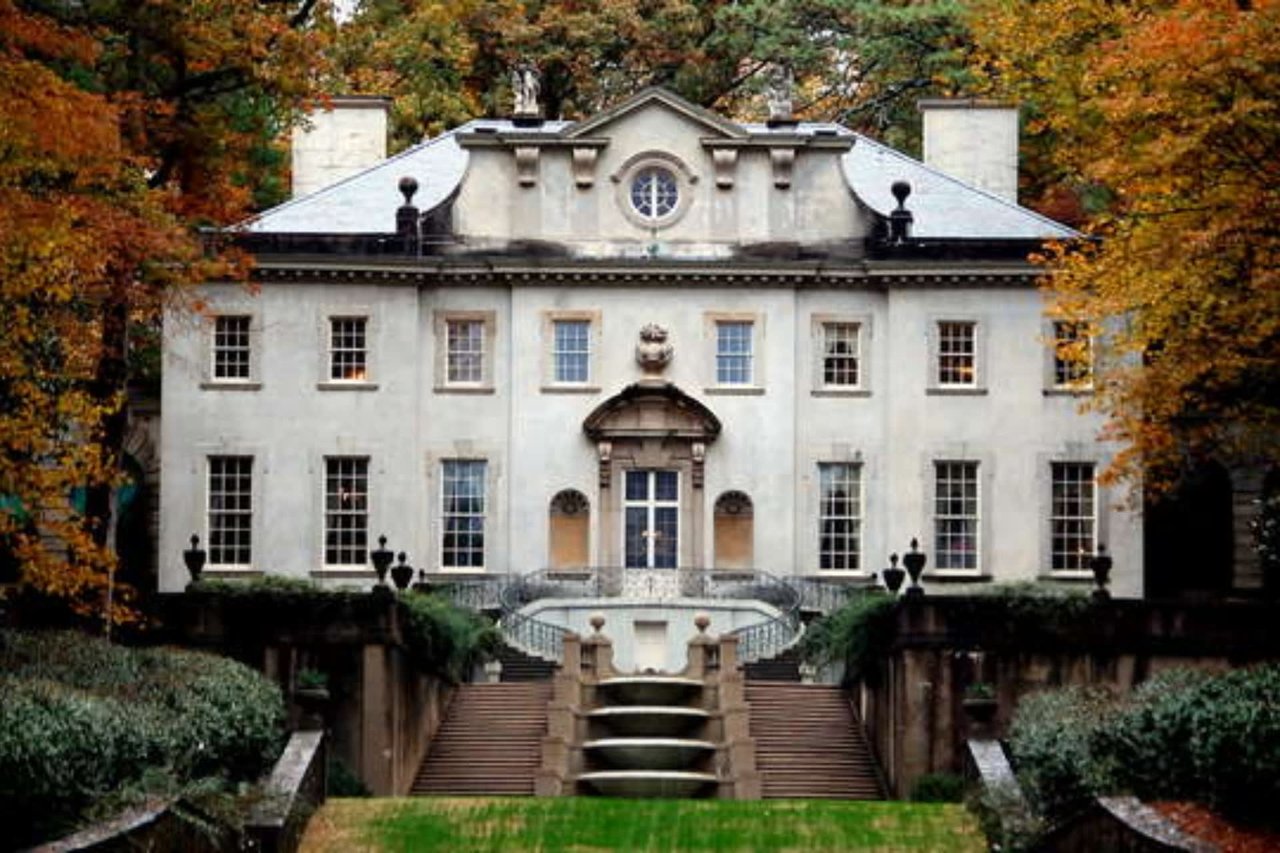
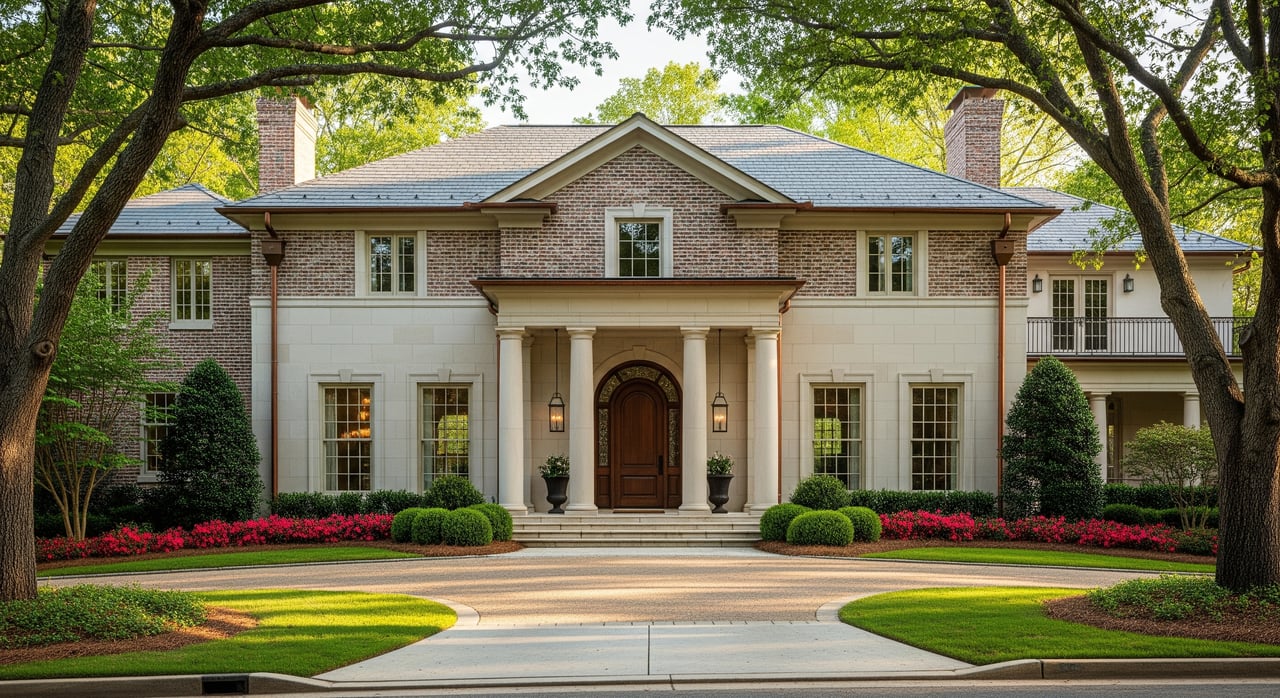
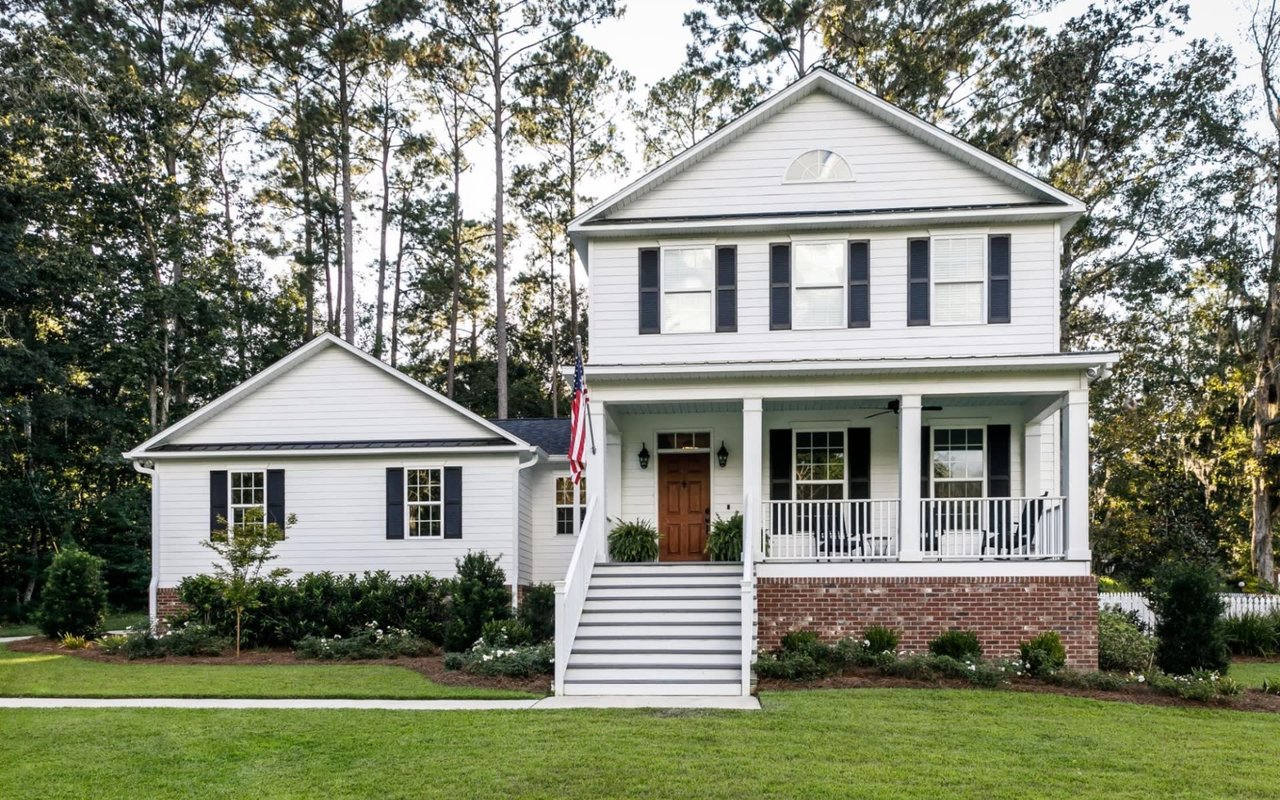
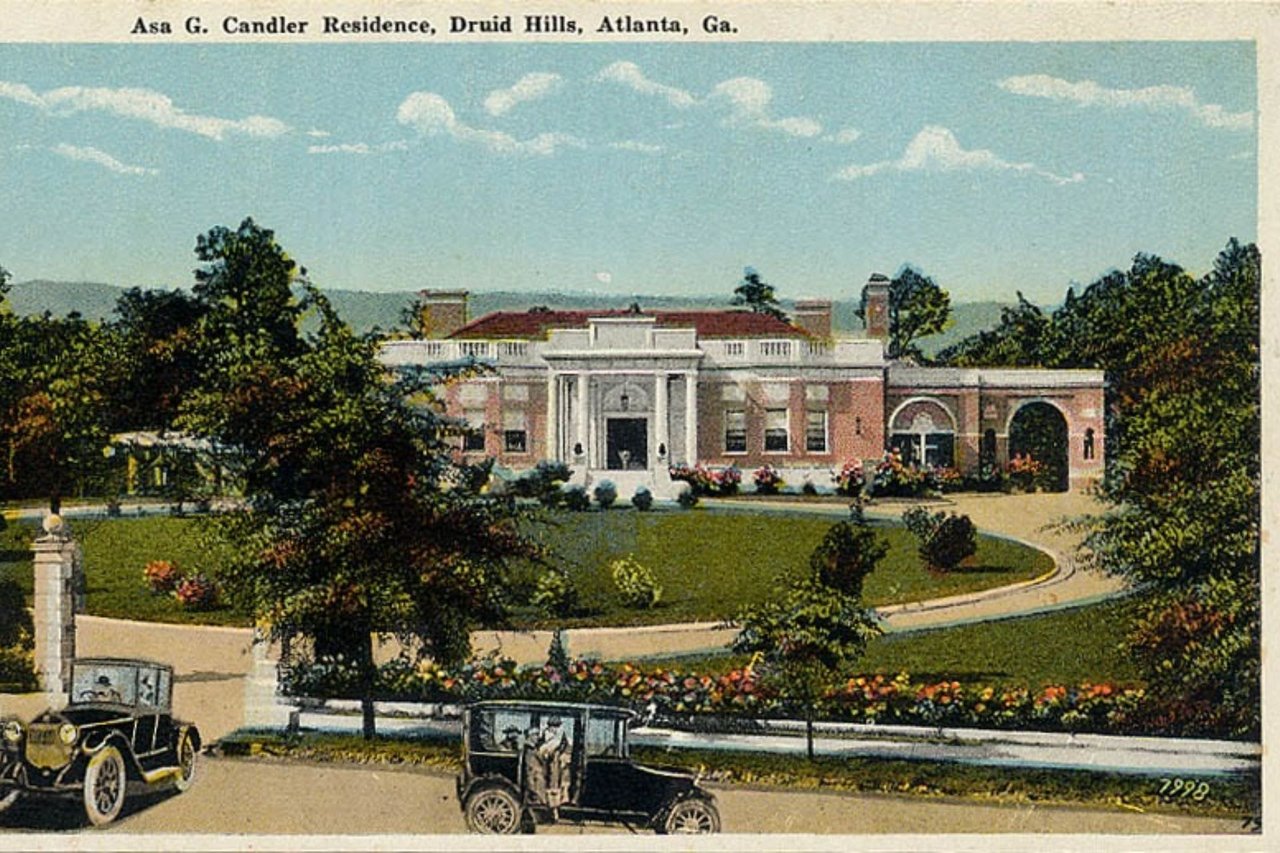
Virginia-Highland also includes homes with a more classical presence. These Colonial Revival and Neoclassical Revival properties bring symmetry, structure, and a stronger sense of formality to the neighborhood mix.
If a bungalow feels casual and a Tudor feels picturesque, these homes often feel composed and architectural. They tend to make a statement through proportion and entry design rather than through handcrafted detailing or cottage charm.
Features That Define These Homes
In Virginia-Highland, Colonial Revival and Neoclassical homes may include:
- Symmetrical facades
- Central entrances
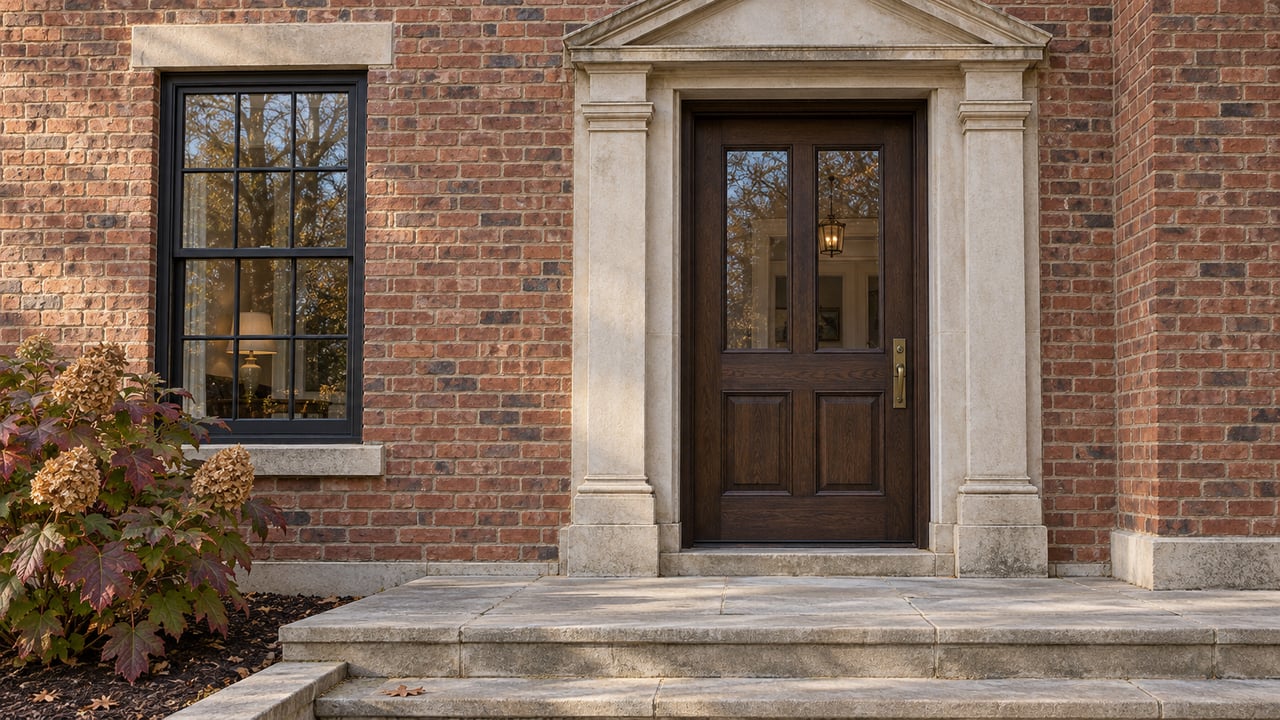
- Pediments
- Gable returns
- Fan details
- Double-hung sash windows
- Porticos with Doric or Corinthian columns
- Classical entablatures
- Porte cocheres on some homes
These details create a more formal front presentation and often a more structured interior layout.
How These Homes Function Day To Day
These homes usually feel more vertically layered than a bungalow. You may find center-hall or Georgian-plan arrangements, clearer separation between public and private rooms, and a stronger focus on the front entry sequence.
For some buyers, that formality is exactly the appeal. It can make entertaining spaces feel distinct and can give the home a sense of order that reads as timeless.
Renovating A More Formal Revival Home
With Colonial and Neoclassical homes, symmetry matters. Updates tend to feel most successful when they protect the central entry, preserve column proportions, and respect the original balance of the facade.
If more square footage is needed, side and rear additions are usually the safest path visually. That keeps the front composition intact while allowing the home to support modern expectations behind the scenes.
Why Architectural Variety Supports Value
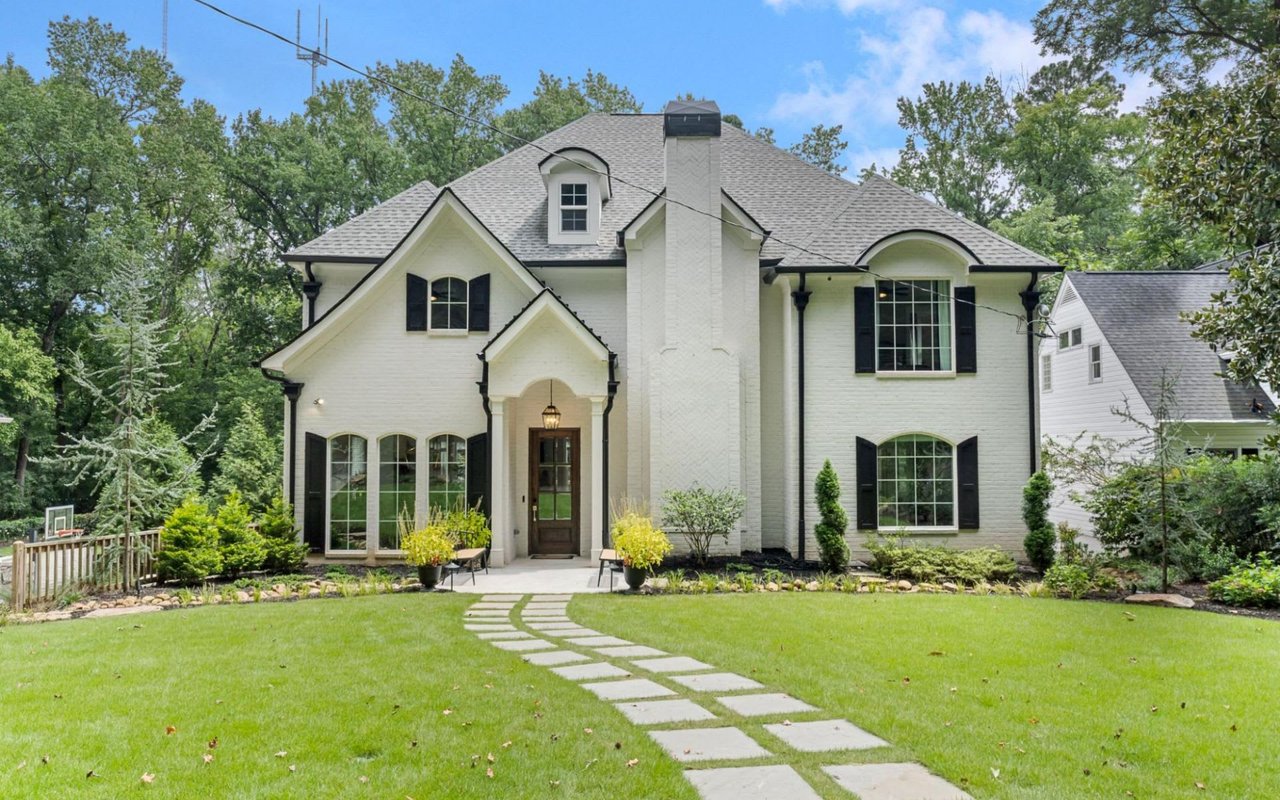
One of Virginia-Highland’s strengths is that it offers variety without losing cohesion. The neighborhood includes bungalows, English cottages, Tudor Revival homes, Colonial Revival homes, American Foursquares, and select Neoclassical examples, but the overall experience still feels unified.
That balance helps explain the area’s lasting appeal. Buyers are not just choosing a floor plan or a finish package. They are buying into a historic, walkable, tree-lined environment where architecture, scale, and streetscape work together.
What Tasteful Infill Looks Like Here
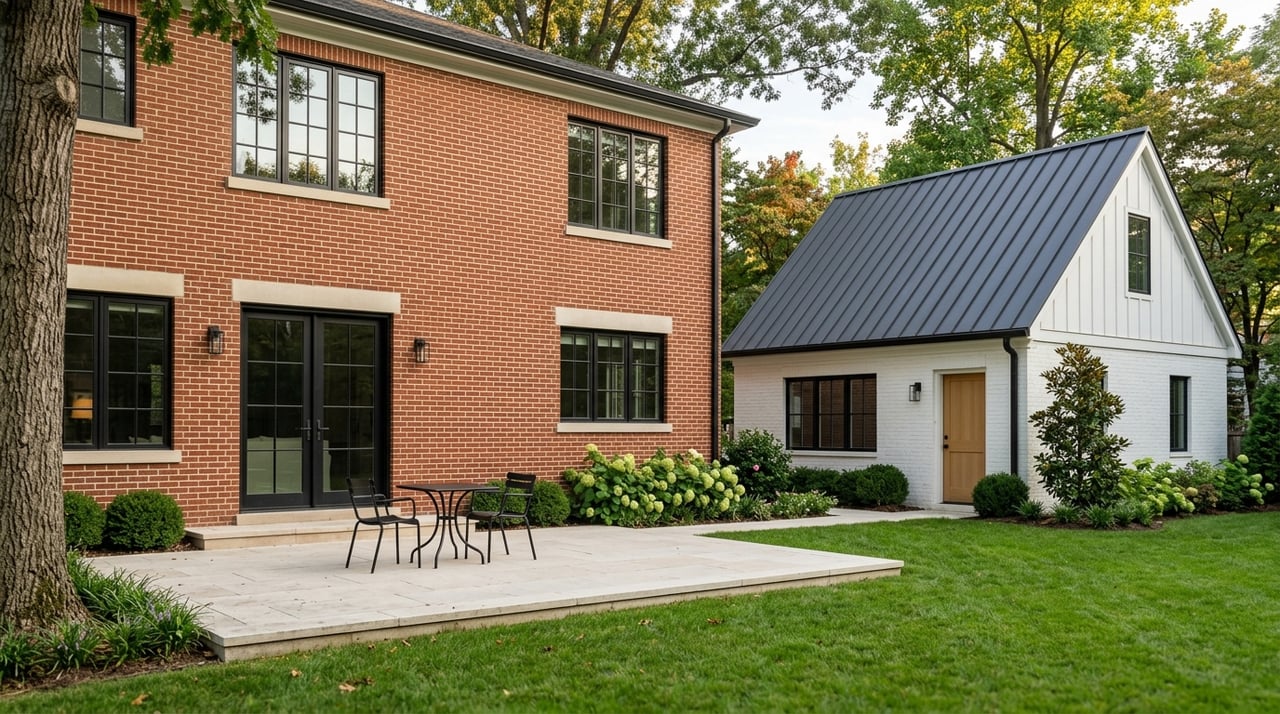
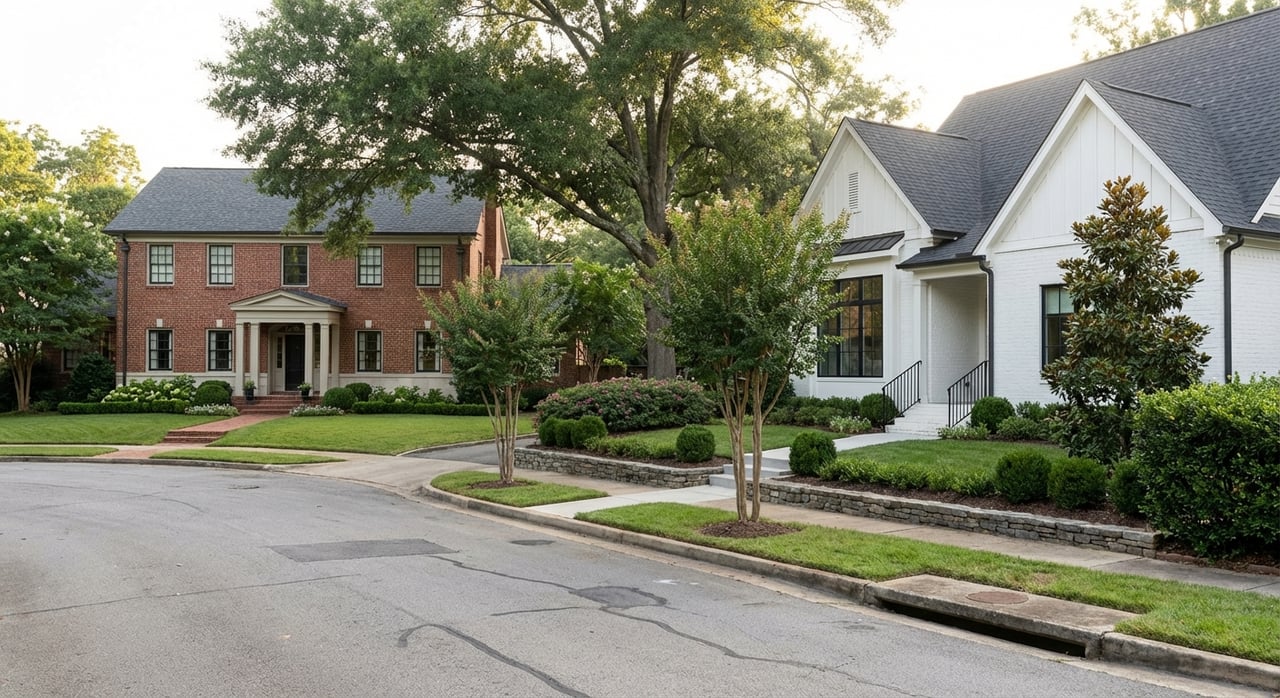
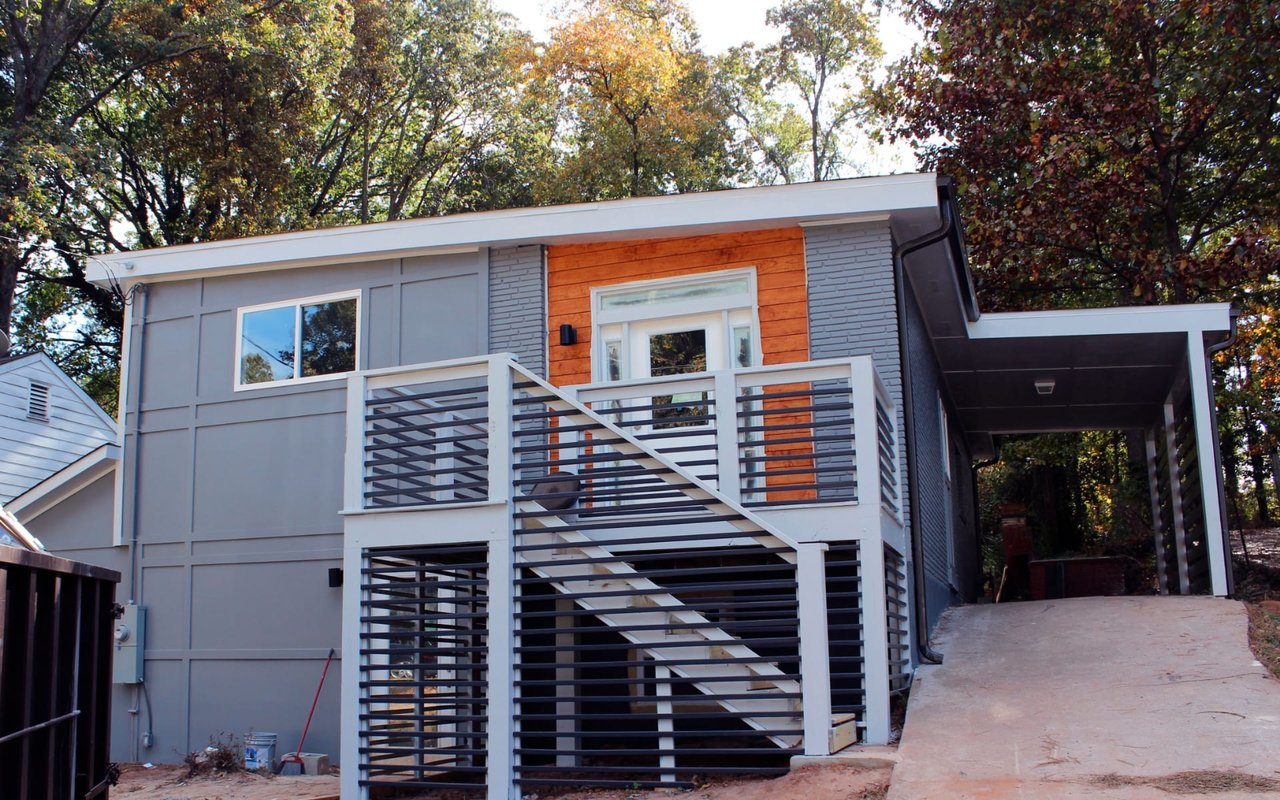
Not every home in Virginia-Highland is original, and not every update needs to imitate historic ornament exactly. The neighborhood’s preservation guidance and planning materials point instead toward compatibility.
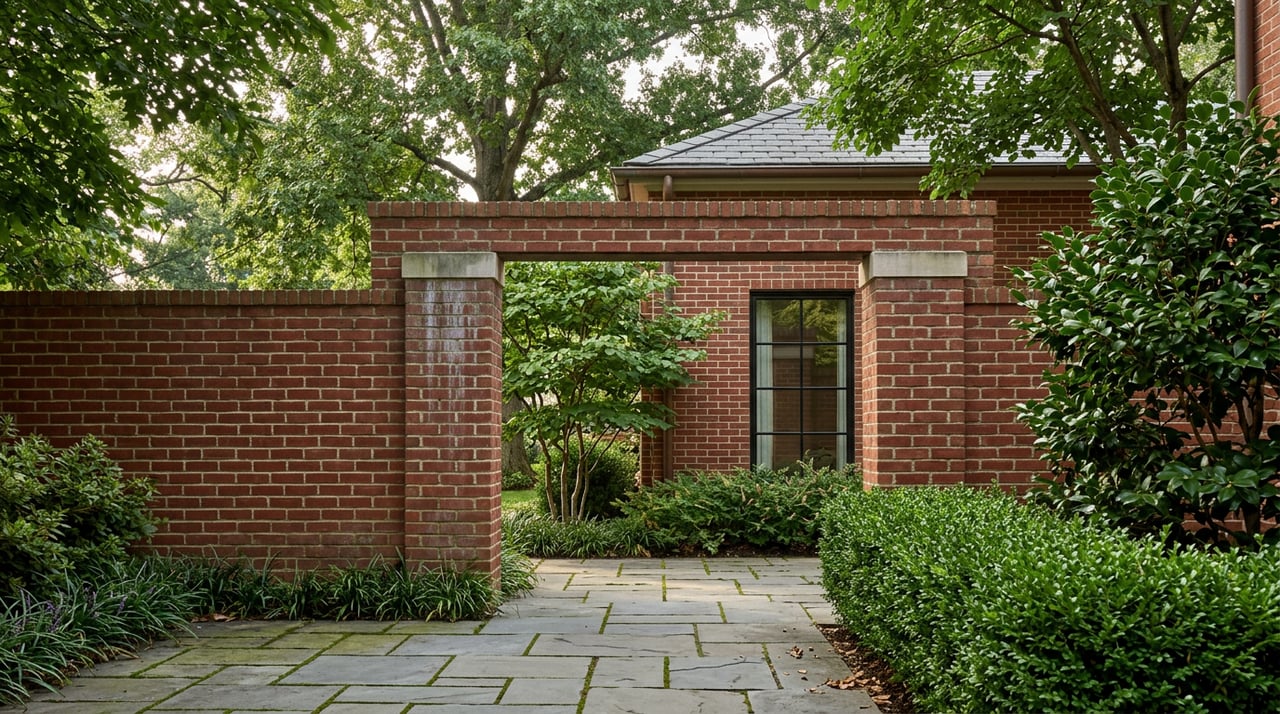
Infill and renovations tend to work best when they respect lot width, setbacks, massing, height, and open space. In a neighborhood like this, newer construction usually feels more natural when it responds to the surrounding pattern rather than overpowering it.
Why Scale Matters So Much
Virginia-Highland has a strong human scale. Houses generally relate well to lot size, sidewalks, porches, and tree canopy, which is part of what makes the neighborhood feel comfortable and established.
Planning materials also note concern about incompatible infill and oversized homes. That is a useful reminder that in this part of Atlanta, bigger is not always better from a long-term character and marketability standpoint.
Tree Canopy Is Part Of The Character
In Virginia-Highland, trees are not a side issue. Neighborhood sources note that tree loss has been an ongoing concern as infill and buildout continue, and Atlanta’s tree ordinance requires tree surveys and protection measures for building permits.
That makes canopy part of the renovation conversation. If you are buying, selling, or planning improvements, trees can affect both the look of the property and the practical path of a project.
A Simple Rule Of Thumb For Buyers
If you are comparing homes in Virginia-Highland, a simple way to think about the styles is this:
- Bungalows are often the easiest to understand and expand
- Tudors and English cottages are often the most visually delicate from the street
- Colonial and Neoclassical homes are often the most sensitive to symmetry and formal composition
That does not make one style better than another. It just means each style usually comes with a different maintenance rhythm, renovation strategy, and buyer experience.
What Sellers Should Know Before Updating
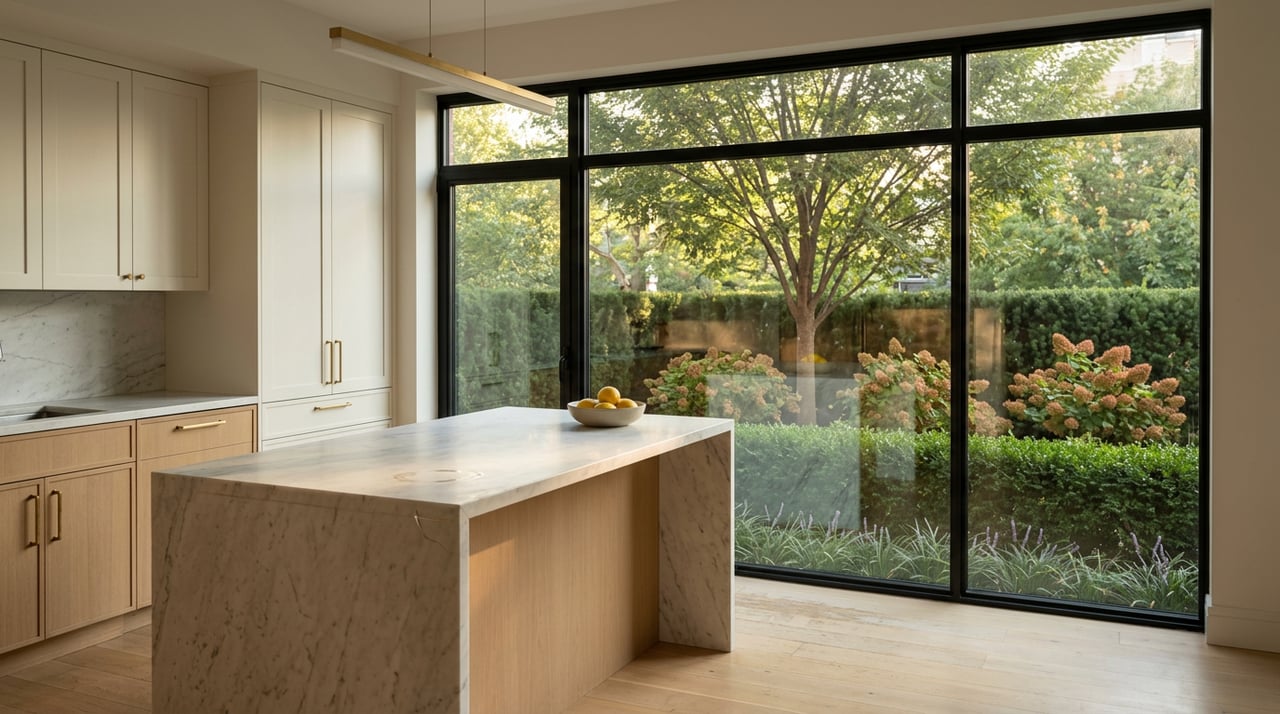
If you own a Virginia-Highland home and are thinking about selling, the most marketable improvements often preserve the street-facing character while quietly upgrading the way the home lives. Kitchens, baths, lighting, finishes, and circulation can all improve buyer response when they are done with restraint and context in mind.
That is especially true in a historic neighborhood where presentation matters. Thoughtful modernization tends to outperform changes that fight the architecture.
For homeowners considering larger work, it is also helpful to know that National Register listing alone does not create federal restrictions for a private owner. In Georgia, historic rehabilitation incentives may matter in some cases, including a state credit for qualifying rehabilitation expenses, with updated eligibility rules for certain principal residences beginning in 2026.
Why Local Guidance Matters In Virginia-Highland
Architecture in Virginia-Highland is not just about style names. It is about how a house fits its lot, how it addresses the street, and how updates support the broader neighborhood character.
That is why local expertise matters so much here. Whether you are buying a bungalow with attic potential, evaluating a Tudor that needs careful planning, or preparing a formal revival home for market, the best decisions usually come from understanding both design and resale in context.
If you want clear advice on how a Virginia-Highland home’s architecture may affect renovation potential, presentation strategy, or buyer appeal, Molly Carter Gaines can help you read the details that matter.
FAQs
What architectural styles are most common in Virginia-Highland?
- Virginia-Highland is dominated by Craftsman, English Vernacular Revival, and Colonial Revival styles, with bungalow, English cottage, and American Foursquare house types especially common.
What makes a Virginia-Highland bungalow distinctive?
- Many Virginia-Highland bungalows feature wide eaves, exposed rafters, grouped windows, front porches, dormers, and masonry porch supports that give them a grounded, classic street presence.
Are Tudor homes in Virginia-Highland the same as English cottages?
- Not always. Buyers often use the term Tudor broadly, but the neighborhood includes both Tudor Revival homes and English Vernacular Revival cottages with similar steep gables and mixed-material exteriors.
What should you preserve when renovating a Virginia-Highland Tudor?
- The most important visual elements are usually the roofline, chimney mass, gable shapes, half-timbering, and overall front elevation character.
How should you approach additions on a Virginia-Highland historic home?
- In many cases, additions feel most compatible when they are placed to the rear or on a less visible side and when they respect the original scale, massing, and street-facing design.
Does National Register status restrict private homeowners in Virginia-Highland?
- No. National Register listing by itself does not impose federal restrictions or requirements on a private owner.
Why does tree canopy matter for Virginia-Highland homes?
- Tree canopy is a major part of the neighborhood’s character, and Atlanta’s tree ordinance requires tree surveys and protection measures for building permits.